 Custom Mailer Boxes
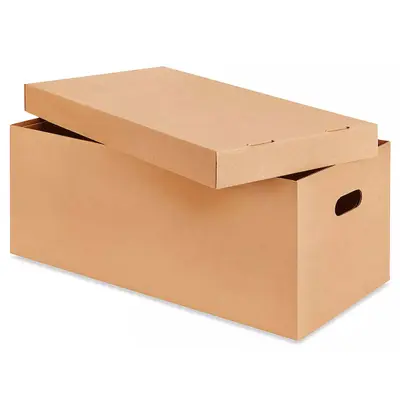 Custom Shipping Boxes
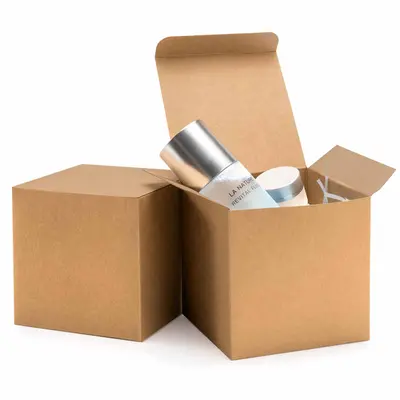 Custom Cardboard Boxes
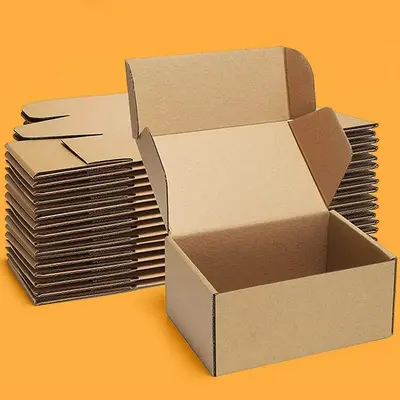 Custom Kraft Boxes
 Custom Product Boxes
 Custom Retail Boxes
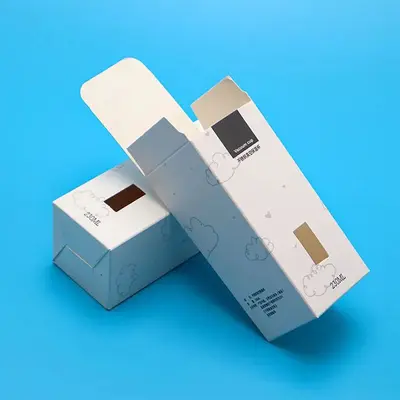 Custom Tuck End Boxes
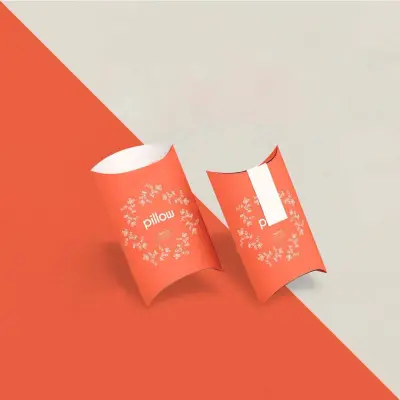 Custom Pillow Boxes
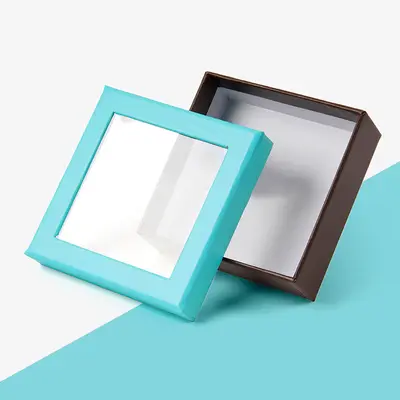 Custom Window Boxes
 Custom Rigid Boxes
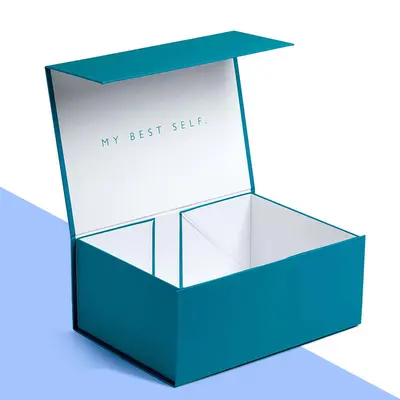 Custom Gift Boxes
 Custom Magnetic Boxes
 Custom Sleeve Boxes
 Custom Printed Boxes
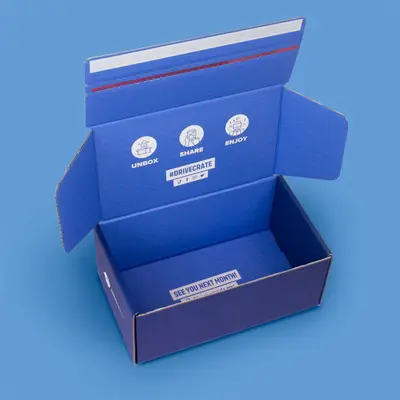 Custom Boxes with Logo
 Custom Box Inserts


Custom Folding Carton Inserts
Custom folding carton inserts are die-cut pieces of card that fold into shape inside a box and hold each product in its own place. They turn a loose item rattling around a carton into fitted packaging that opens neatly and arrives in one piece.
- Design proofFree, approved by you before printing
- PriceCustom quote by email within one working day
- Production4–7 working days after proof approval
- DeliveryFree and tracked, UK mainland, 2–3 working days
- Misprints or damageReported within 10 days, reprinted or refunded
From Loose to Fitted Packaging
Plenty of brands start with a box that is roughly the right size and a handful of tissue or shredded paper to fill the gaps. It works for a while, but customers notice when a serum bottle has slid into the corner or when a charger has worked its way out of position, which is the moment most brands move from crinkle paper fill to a fitted insert. Returns for scuffs and breakages creep up, and the unboxing feels less considered than the product deserves.
A folding carton insert is the usual next step. It is a single flat blank of card, die-cut with holes, tabs and fold lines, that folds up into a platform or a set of cradles. Your product drops into its cut-out and stays there. Because it is made from the same family of board as the box itself, it adds little weight and folds flat for storage until you pack.
Inserts are also a quiet branding opportunity. A printed insert can carry a thank-you line, usage instructions or a logo, so the first thing a customer sees under the lid is something deliberate.
Common Insert Designs
There is no single shape, because every insert is designed around the product. These are the patterns we use most often as a starting point, with folding carton dividers covering the simplest case:
- Raised platform with a cut-out: the card folds into a hollow plinth, and the product sits in a hole cut through the top. Suits a single bottle, jar or watch.
- Neck support: a horizontal panel with a round hole grips a bottle just below the shoulder so it cannot tip. Common in drinks and fragrance cartons.
- Multi-cavity platform: several cut-outs in one panel seat a set of products, such as three skincare bottles or a row of vials.
- Cradle insert: the card folds into a U-shape that hugs a device such as a power bank, earbud case or small speaker.
- Combination insert with a compartment: one area holds the product and a separate pocket holds a cable, a booklet or a spare part.
Often ordered by
- Skincare and serum brands
- Fragrance and essential oil sellers
- Small electronics brands
- Drinks producers with gift cartons
- Candle makers using tins or jars
- Brands upgrading from tissue paper fill
Popular Folding Carton Inserts Sizes
Sizes are in mm. Every order is cut to your size, so any size between these rows is fine.
| Size | Often used for |
|---|---|
| Single dropper bottle insert 50 x 50 x 100 mm | A 30 ml serum or oil bottle in a tuck carton |
| Three-vial set insert 120 x 50 x 30 mm | Sample or tester vials in one row |
| Jar platform insert 90 x 90 x 40 mm | Cream jars or candle tins |
| Earbud case cradle 100 x 80 x 35 mm | Small electronics with a cable pocket |
| Wine bottle neck support 95 x 95 x 330 mm | Standard bottle in a presentation carton |
Not sure of the size? Send the product measurements and we work out the rest.
Styles
- Raised platform with cut-out
- Bottle neck support
- Multi-cavity platform
- Device cradle
- Insert with accessory compartment
Materials
- White folding boxboard
- Kraft boxboard
- Double-layer card
- E-flute corrugated
- Plain unprinted
- One colour logo
- Full colour top surface
- Printed underside
Finishes
- Uncoated
- Matt lamination
- Soft-touch lamination
- Gloss varnish
Extras
- Thumb notches for easy lift-out
- Ribbon pull tabs
- Matching outer cartons
- Sample before full run
See the board and finish guide for what each option looks like.
Production and Delivery
Production takes 4–7 working days after you approve the free design proof. Delivery to the UK mainland is free and tracked, and arrives in 2–3 working days once the order leaves production. The tracking link comes to you by email.
Reprints and Refunds
Check the order when it arrives. If anything is misprinted or damaged, report it within 10 days with a photo and we reprint or refund the items affected. Read the full returns and reprints policy.
Need it by a date?
Tell us the date with your sizes and we plan the proof and production around it.
Folding Carton Inserts Specification
| Style | Raised platform with cut-out, Bottle neck support, Multi-cavity platform, Device cradle, Insert with accessory compartment |
|---|---|
| Material | White folding boxboard, Kraft boxboard, Double-layer card, E-flute corrugated |
| Plain unprinted, One colour logo, Full colour top surface, Printed underside | |
| Finish | Uncoated, Matt lamination, Soft-touch lamination, Gloss varnish |
| Extras | Thumb notches for easy lift-out, Ribbon pull tabs, Matching outer cartons, Sample before full run |
| Size | Made to your size in mm |
| Minimum order | Low, quoted per job |
| Price | From £0.25 an insert; custom quote by email within one working day |
| Proof | Free design proof before printing |
| Production | 4–7 working days after proof approval |
| Delivery | Free tracked UK mainland delivery, 2–3 working days |
How to Measure for Folding Carton Inserts
Accuracy matters more with an insert than with almost any other packaging item, because a cut-out that is two millimetres too large lets the product move and one that is too small means it will not go in at all.
Measure the product with callipers if you have them. For a bottle, note the base diameter, the diameter at the point where the insert will grip it and the overall height. For a rectangular device, note length, width and depth, and any buttons or ports that should not be pressed. Then tell us the inside dimensions of the outer carton, or ask us to size the carton and insert together, which is the safer route.
Wherever possible, send us a sample product. We can then build the cut-outs to suit the real item rather than a drawing, which allows for small variations between batches of glass or moulded plastic.
Choosing the Card Grade
Light products such as lip balms or vials sit happily in a standard folding boxboard. Heavier items, including glass bottles and electronics, need a thicker board or a double-layer platform where the card folds back on itself for strength.
Where real weight or shock protection is needed, an E-flute corrugated insert gives more cushioning while still folding neatly. It is slightly bulkier, so we account for it when sizing the outer box. Kraft board is popular for brands that want a natural look inside the box, while white board shows printed messages most clearly.
Our advice is to choose the board based on the drop test you would want the box to pass, not on appearance alone. A beautiful insert that crumples in the post is a false economy.
Assembly on the Packing Bench
An insert that takes thirty seconds to fold will slow down every order you pack, so we design for speed as well as fit. Where we can, we use lock tabs that click into slots rather than relying on glue, and we keep the number of folds to the minimum the product needs, the same approach as our e-commerce packaging inserts.
For larger runs, ask us about pre-glued inserts. A small glue line applied during production means the insert pops open in one movement instead of being folded from flat, which adds very little to the cost and saves a lot of packing time.
It also helps to think about the order of packing. If the product goes into the insert first and then the pair drops into the carton, the insert needs a firm base and straight sides. If the insert goes in first, a thumb notch on each side makes it easier to seat the product and, later, for the customer to lift everything out together.
Printing and Finishing an Insert
Many inserts are left plain, and that is perfectly fine, especially when they sit underneath the product and are barely seen. If the insert is the first thing visible when the lid opens, though, print earns its place.
A single colour logo on the top surface is the simplest upgrade. Full colour print allows a pattern, a short message or step-by-step instructions next to each cavity. On premium packaging, a soft-touch or matt lamination makes the insert feel like part of the product rather than a piece of packing material.
We can also print the underside of a lift-out insert, where customers find it after removing the product. It is a good spot for a care guide, a social handle or a discount code for the next purchase.
Send the Inside of the Box and a Sample, Not Just the Product Size
An insert has to fit two things at once, the product and the carton, and the second is the one people forget. If you already have boxes, measure the inside length, width and depth of the box with the lid closed, or better, post us one; a few millimetres of difference between the outside and inside of a carton is enough to make an insert bind. Then send the product, or its measurements at the widest point with the cap on, and say which items share the insert and whether anything heavy or glass needs a double-layer platform. Say if the insert shows when the lid opens, since that decides the print.
With those details, a custom quote comes back by email within one working day, minimums kept low and quoted per job. The free design proof shows the flat dieline with every cut and fold; ordering inserts and new cartons together lets us show them assembled. Production takes 4 to 7 working days after approval and free tracked delivery reaches UK mainland addresses in 2 to 3 working days, the inserts arriving flat. Brands with small loose parts often add punched card inserts for accessories in the same job.
Design Your Folding Carton Insert
Choose the folding carton inserts photo closest to what you have in mind, add your logo, drag it into place and set the size. Send it with your sizes and we reply with a custom quote and a free design proof.


Drag the logo, or select it and use the arrow keys (Shift moves faster, + and − resize).
Related Products
Other packaging that is often ordered alongside folding carton inserts.

Folding Carton Dividers
Custom folding carton dividers are card grids that fold or slot together and drop into a retail box, giving each lipstick,…
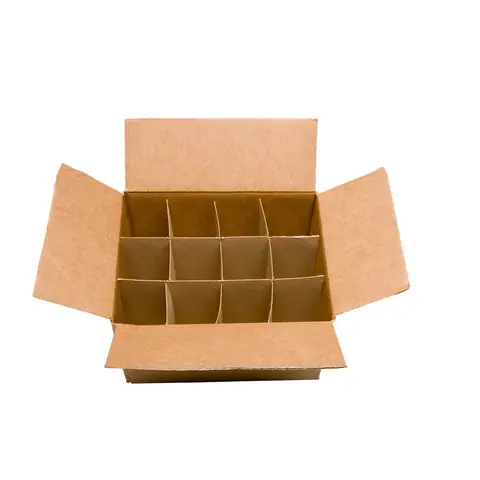
Box Partitions
Custom box partitions are slotted strips of board that interlock into a grid, giving every bottle, jar or component its own…
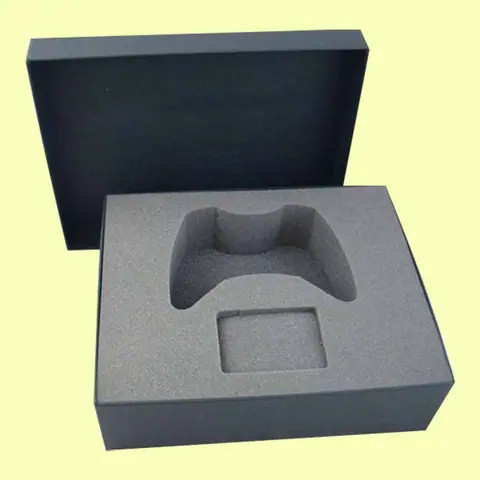
Foam Inserts
Custom foam inserts hold a product in a pocket shaped exactly around it, so nothing slides, knocks or scratches between your…
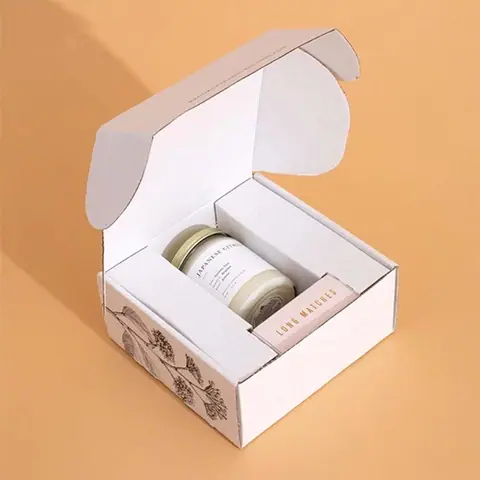
Candle Boxes with Inserts
Custom candle boxes with inserts grip a glass jar, tin or votive set so it cannot slide, knock or chip on its way to a customer.
Folding Carton Inserts Questions
What buyers ask before ordering folding carton inserts.
Can you make an insert to fit a box I already have?
Yes. Send us the inside dimensions of the box and a sample product, and we will cut the insert to suit both. Sending the box itself is even better if it is an unusual shape.
How tight should the cut-out be?
Snug enough that the product cannot rattle, but loose enough to lift out without tearing the card. We usually allow a very small clearance and adjust it on samples if needed.
Will a card insert protect glass bottles?
A well-designed insert stops bottles moving and knocking together, which is the main cause of breakage. For heavy glass or long journeys we recommend a corrugated insert or a double-layer platform.
Do inserts come flat?
Yes. They ship flat and fold into shape by hand, usually in a few seconds each, which keeps storage space down until you pack.
Can one insert hold several different products?
Yes, a multi-cavity insert can hold a mix of shapes, such as a bottle, a jar and a small tube. Each cut-out is sized to its own item.
Is printing on an insert worth it?
If the insert is visible when the lid opens, a printed logo or message makes the packaging feel finished. If it sits underneath the product, plain card is usually enough.
Can I add a pull tab to lift the insert out?
Yes, we can add a ribbon tab or a die-cut thumb notch so customers can lift the insert and reach anything stored underneath. The tab is placed away from the printed face so it does not interrupt the design.
What if my product dimensions vary slightly between batches?
Tell us, and we will build in a touch more tolerance. Sending two or three samples from different batches helps us find the right fit.
Can I see the insert design before it is cut?
Every order comes with a free proof showing the dieline, cut-outs and fold lines. For complex shapes we can also make a plain sample to test with your product.
How long do custom inserts take?
Production is 4 to 7 working days after proof approval, followed by free tracked UK mainland delivery in 2 to 3 working days. A plain sample for a complex shape adds a few days before that, which is worth it for glass.
How do I get a price for inserts?
Email us the product size, the box size and the quantity. We reply with a custom quote within one working day, and minimums are quoted per job.
Get a Price for Your Folding Carton Inserts
Fill in as much as you know. Sizes are in mm (internal sizes for boxes). If you have artwork, attach it; if not, a logo is enough to start the proof.
We reply with a custom quote by email within one working day, then send a free design proof before anything is printed.
- Phone+44 7578 382054
- WhatsAppMessage us
- Emailinfo@shopcustomboxes.co.uk
- HoursMonday to Friday, 9 am to 5.30 pm UK time
- OfficeOffice 704, 85 Dunstall Hill, Wolverhampton, WV6 0SR