 Custom Mailer Boxes
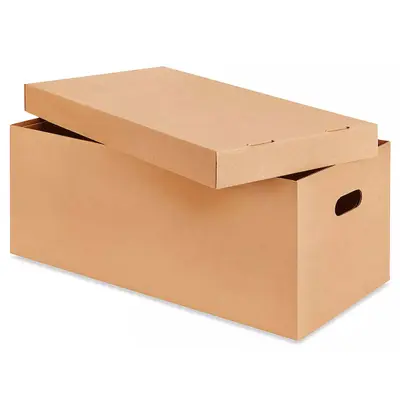 Custom Shipping Boxes
 Custom Cardboard Boxes
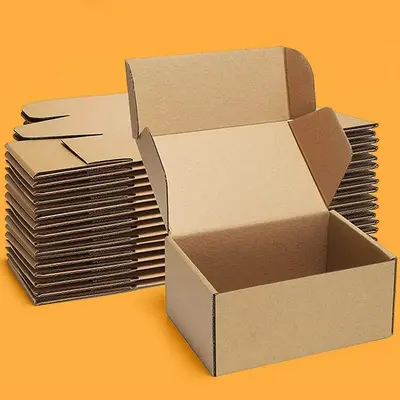 Custom Kraft Boxes
 Custom Product Boxes
 Custom Retail Boxes
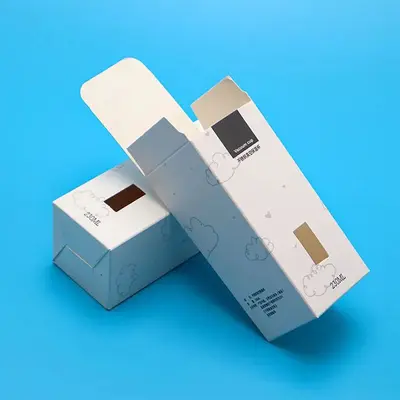 Custom Tuck End Boxes
 Custom Pillow Boxes
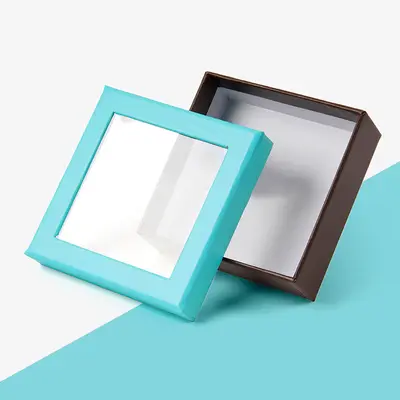 Custom Window Boxes
 Custom Rigid Boxes
 Custom Gift Boxes
 Custom Magnetic Boxes
 Custom Sleeve Boxes
 Custom Printed Boxes
 Custom Boxes with Logo
 Custom Box Inserts

Three Families of Board
Almost every box we make uses one of three materials. Corrugated board has a fluted middle layer and is built for strength. Folding carton is smooth card with no flute, built for print and presentation. Rigid greyboard is thick, dense board that is wrapped in paper and built for weight and feel. Each family has a few variations, and choosing between them is mostly a balance of strength, print quality and cost. The photo tables of every board show each one side by side.
Corrugated Board
Corrugated board is two flat sheets, called liners, glued either side of a wavy sheet called the flute. The arches of the flute resist crushing and give a box its stacking strength. The size of the flute changes the thickness and the strength.
| Board | Approx. thickness | Strength | Used for |
|---|---|---|---|
| E flute | 1.5 mm | Good | Mailer boxes, printed product boxes |
| B flute | 3 mm | Better | Shipping boxes, larger mailers |
| Double wall | 6–7 mm | Best | Heavy, fragile or stacked goods |
E flute is fine enough to print well and fold neatly, which is why most printed E flute mailer boxes use it. B flute trades a little print sharpness for more crush resistance. Double wall combines two flutes and is the choice for heavy items and pallet stacking.
Liners come in kraft (brown) or white. Kraft shows scuffs less and has a natural look; white makes printed colours brighter.
Folding Carton
Folding carton is a single layer of smooth card, usually between about 0.4 and 0.8 mm thick depending on the product. It has no flute, so it is not built to travel on its own, but it takes very fine print and folds into crisp, precise shapes. It is the material behind most shelf packaging: straight and reverse tuck end boxes, product boxes, window boxes, sleeves and pillow boxes.
- White folding carton has a bright, smooth surface for full colour print, small text and barcodes.
- Kraft folding carton is brown and matt, and suits 1 or 2 colour print in dark inks.
We choose the card weight for the size and weight of the product. A small serum box uses lighter card than a tall bottle box.
Rigid Greyboard
Rigid boxes start as greyboard, typically 1.5 to 2.5 mm thick and much denser than corrugated. The board is cut and taped into a fixed shape, then wrapped in paper. The paper can be printed or dyed, and it is what the customer sees and touches; the greyboard is never visible.
Rigid boxes do not fold flat (unless made as a collapsible style), so they take more space in transit and storage. In return they feel solid, keep their shape and are often kept long after the product has gone. They suit wrapped greyboard rigid boxes, magnetic boxes, premium sleeve boxes and gift boxes.
Choosing by Product
| Your product | Suggested board |
|---|---|
| Light item posted on its own | E flute |
| Heavier item posted on its own | B flute |
| Heavy, fragile or stacked | Double wall |
| Sold on a shelf | White or kraft folding carton |
| Premium or gift product | Rigid greyboard |
These are starting points. Weight, fragility and how the box is handled all matter, so we confirm the board on every custom quote. Heavy or stacked goods usually move up to double wall corrugated shipping cartons.
Board and Print
The board affects how print looks. White folding carton gives the sharpest detail. White E flute is close behind. Kraft board softens colours, so it suits dark inks and simple designs. On rigid boxes, the print is on the wrapping paper, so the full range of colours and finishes is available. Compare the options in our guide to print and finish options.
How Board Affects Packing and Storage
Board choice changes more than strength. Thicker corrugated takes up more room when stored flat, so a bundle of double wall cartons fills a shelf much faster than the same number of E flute mailers. Rigid boxes take the most space of all, because they arrive built. If storage at your unit is tight, a lighter board or a collapsible rigid style can make a real difference week to week.
Board also affects packing speed. E flute and folding card fold easily by hand. Double wall needs a firmer crease and a little more effort, which is worth it for heavy goods but slows down a busy packing bench if every order is light. Food packers often add printed food wrapping and greaseproof papers to the same order, which take no extra space at all.
Board and Postage Weight
Heavier board adds weight to every parcel. For most small orders the difference is a few grams, but across a large run of heavy cartons it can push parcels into a higher weight band. Choosing the lightest board that protects the product properly keeps both the box price and the postage down. If you are unsure where that line sits, send us the product weight and how it is packed, and we will suggest the lightest safe option. Light, slim orders often fit printed poly mailers for soft goods instead of a box.
Mixing Boards in One Box
Boards can be combined. A rigid gift box can sit inside a corrugated mailer for posting. A folding card product box can travel inside a printed shipping carton. An E flute mailer can hold a card insert that keeps items apart. Combining boards lets each layer do the job it is best at, and the custom quote lists each part separately. For a rigid box built over a strong base, see rigid greyboard gift boxes.
Not Sure Which to Pick?
Tell us the product, its weight and how it is sold or sent. We will recommend a board in the custom quote, and the free design proof confirms it before production.