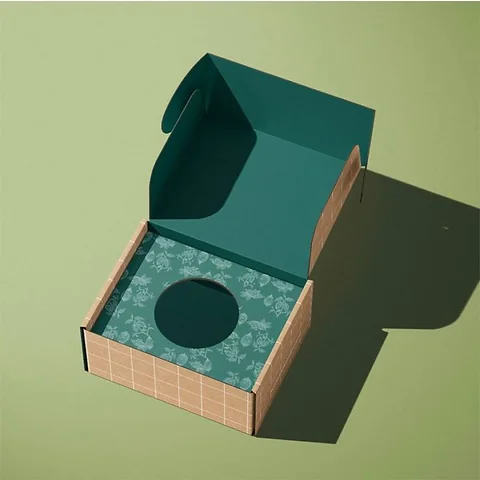
 Custom Mailer Boxes
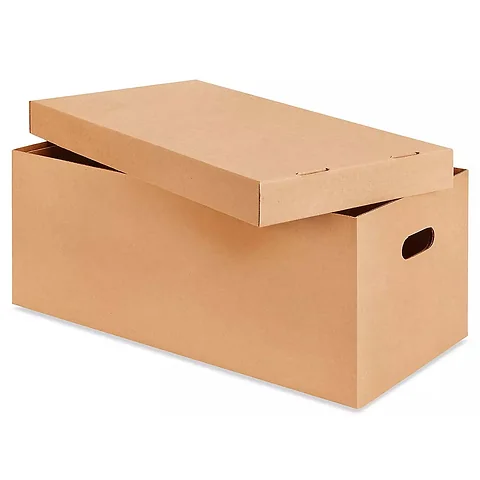 Custom Shipping Boxes
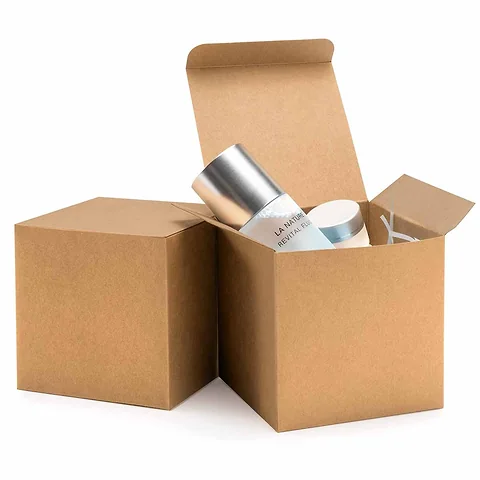 Custom Cardboard Boxes
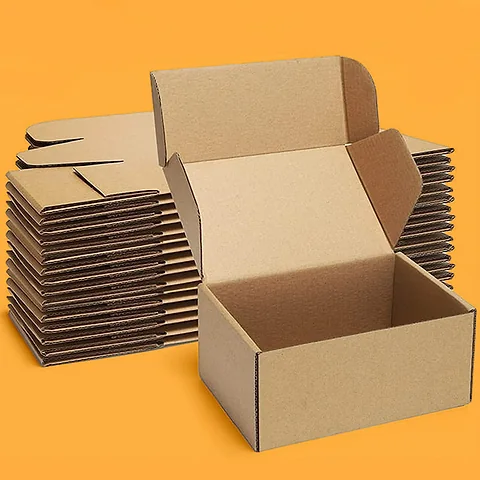 Custom Kraft Boxes
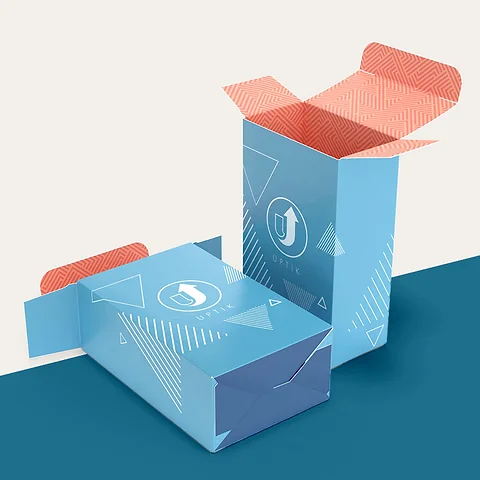 Custom Product Boxes
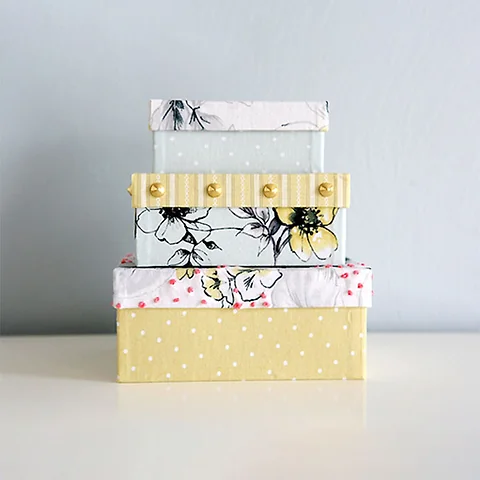 Custom Retail Boxes
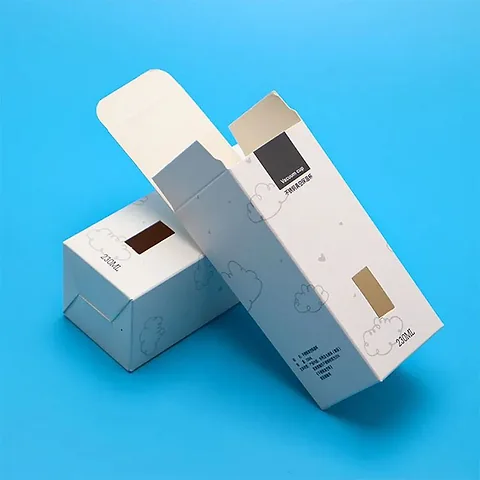 Custom Tuck End Boxes
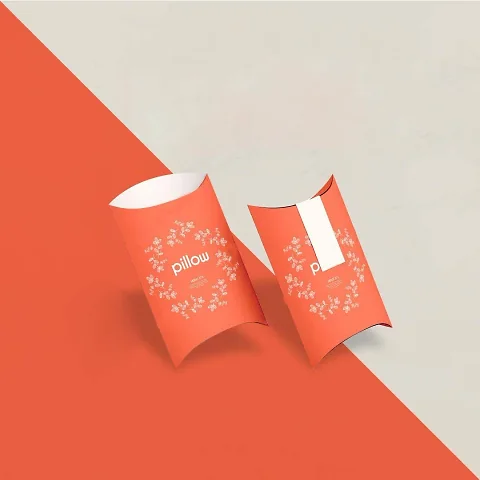 Custom Pillow Boxes
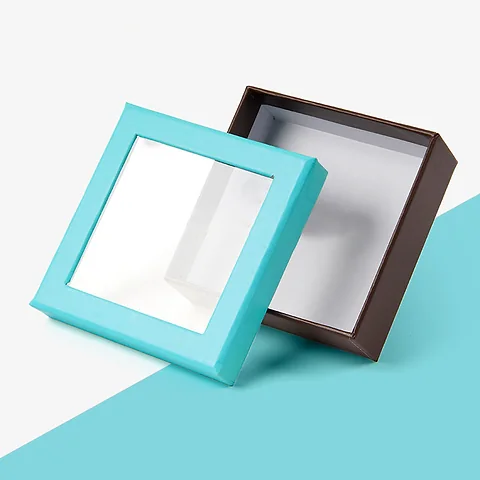 Custom Window Boxes
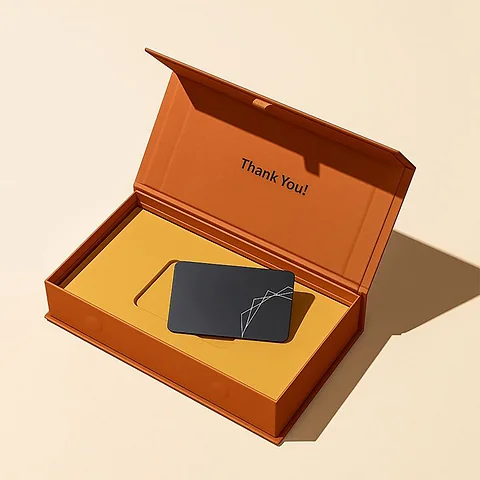 Custom Rigid Boxes
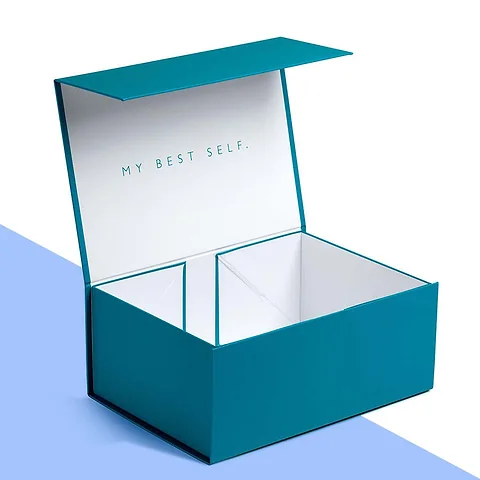 Custom Gift Boxes
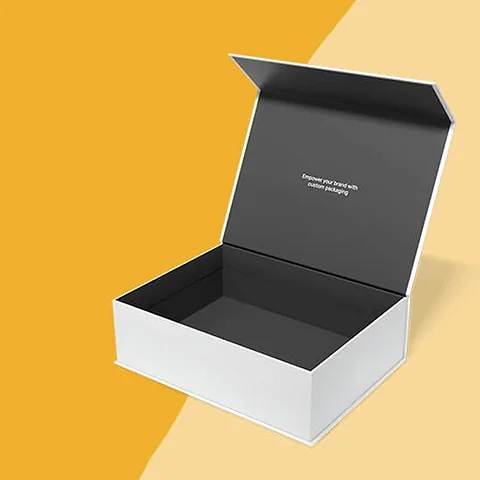 Custom Magnetic Boxes
 Custom Sleeve Boxes
 Custom Printed Boxes
 Custom Boxes with Logo
 Custom Box Inserts
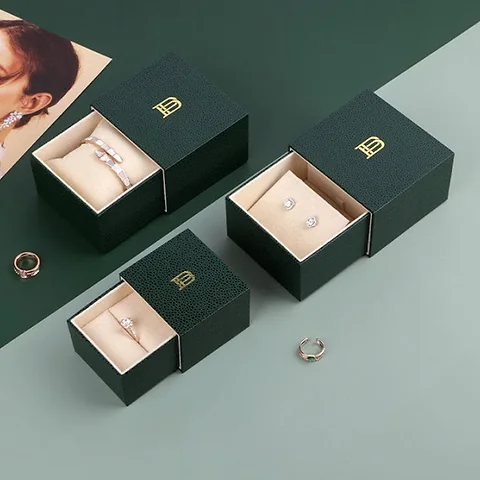
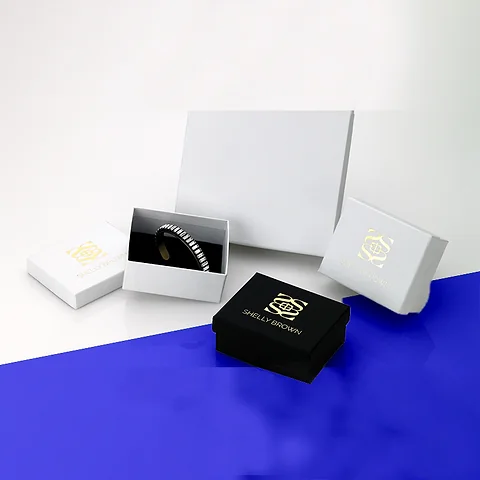
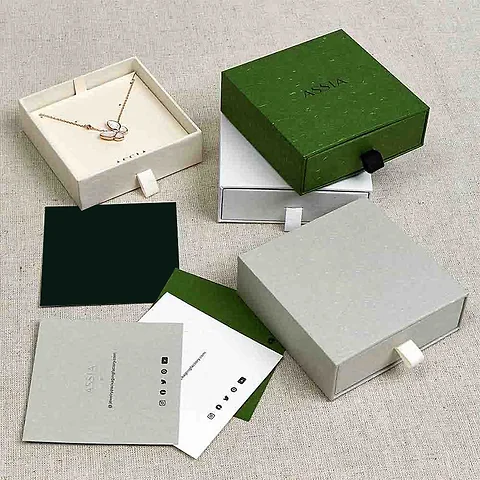
Custom Jewellery Boxes
From silver stacking rings on a market stall to fine gold pieces in a high street shop, the box is the first thing your customer holds. Our custom jewellery boxes come in folding card for everyday pieces and wrapped rigid board for special purchases, with inserts made for rings, chains, bracelets and sets.
- Design proofFree, approved by you before printing
- PriceCustom quote by email within one working day
- Production4–7 working days after proof approval
- DeliveryFree and tracked, UK mainland, 2–3 working days
- Misprints or damageReported within 10 days, reprinted or refunded
One Range of Boxes, Many Kinds of Jewellery
Jewellers rarely sell just one thing. A typical range includes rings, pendants, chains, bracelets, bangles, earrings and the occasional brooch or charm. Each has a different shape and a different way of sitting in a box, yet the packaging should still look like one family. That is the main challenge, and the main opportunity, when planning custom jewellery boxes.
The usual answer is to choose a box style and a finish that represent your brand, then make it in a small number of sizes with different inserts. A square box with a ring slot, the same box with a pendant card, a longer box for bracelets and a deeper box for bangles can all share the same colour, logo position and finish. On a counter or in a customer's drawer, they read as one collection.
This approach also simplifies stock. Instead of ordering a different box for every product, you keep a few sizes and swap inserts as needed. Studs and hoops that hang on a card suit our earring boxes with a card insert.
Card Boxes or Rigid Boxes
Folding card boxes are made from printed boxboard that ships flat and is assembled by hand. They are light, cost-effective and print beautifully, which makes them ideal for everyday fashion jewellery, online orders and market sellers. Two-piece lid and base, drawer and tuck end styles are all available in card.
Rigid boxes are made from thick greyboard wrapped in printed or textured paper. They do not fold flat, they feel heavy and solid, and they are the type of box customers keep long after the jewellery has been worn. Fine jewellers, bridal specialists and brands selling higher-value pieces usually choose rigid boxes, often with a magnetic closure or a hinged lid.
Many jewellers use both: card boxes for most stock and rigid boxes for engagement rings, anniversary pieces and premium collections.
If you are unsure which suits your price point, compare the cost of the box to the price of the piece. A box that costs a small fraction of a fine piece is easily justified as rigid packaging, while a box for a low-priced fashion item needs to stay economical. Folding card with a good finish closes much of the visual gap at a lower cost.
Often ordered by
- High street jewellers
- Online jewellery brands
- Handmade and silver jewellery makers
- Bridal and engagement specialists
- Fashion accessory retailers
- Market and craft fair sellers
Popular Jewellery Boxes Sizes
Sizes are in mm. Every order is cut to your size, so any size between these rows is fine.
| Size | Often used for |
|---|---|
| Ring box 50 x 50 x 40 mm | Single rings in a foam slot |
| Pendant box 70 x 90 x 25 mm | Pendants on a chain card |
| Bracelet box 90 x 90 x 35 mm | Bracelets on a pillow |
| Bangle box 100 x 100 x 40 mm | Bangles in a round recess |
| Long necklace box 200 x 50 x 25 mm | Chains and long necklaces |
| Set box 150 x 150 x 40 mm | Necklace and earring sets |
Not sure of the size? Send the product measurements and we work out the rest.
Styles
- Two-piece lid and base
- Drawer box
- Magnetic closure rigid box
- Hinged lid rigid box
- Tuck end card box
- Bangle and bracelet boxes
Materials
- Folding boxboard
- Rigid greyboard wrapped in paper
- Kraft board
- Textured, linen and leatherette papers
- Full-colour CMYK
- Pantone spot colours
- Inside lid print
- One-colour logo
Finishes
- Soft-touch lamination
- Matt lamination
- Foil stamping
- Embossing and debossing
- Spot UV
Extras
- Foam ring slots
- Pendant cards
- Bracelet pillows
- Cotton fill
- Ribbons and matching bags
See the board and finish guide for what each option looks like.
Production and Delivery
Production takes 4–7 working days after you approve the free design proof. Delivery to the UK mainland is free and tracked, and arrives in 2–3 working days once the order leaves production. The tracking link comes to you by email.
Reprints and Refunds
Check the order when it arrives. If anything is misprinted or damaged, report it within 10 days with a photo and we reprint or refund the items affected. Read the full returns and reprints policy.
Need it by a date?
Tell us the date with your sizes and we plan the proof and production around it.
Jewellery Boxes Specification
| Style | Two-piece lid and base, Drawer box, Magnetic closure rigid box, Hinged lid rigid box, Tuck end card box, Bangle and bracelet boxes |
|---|---|
| Material | Folding boxboard, Rigid greyboard wrapped in paper, Kraft board, Textured, linen and leatherette papers |
| Full-colour CMYK, Pantone spot colours, Inside lid print, One-colour logo | |
| Finish | Soft-touch lamination, Matt lamination, Foil stamping, Embossing and debossing, Spot UV |
| Extras | Foam ring slots, Pendant cards, Bracelet pillows, Cotton fill, Ribbons and matching bags |
| Size | Made to your size in mm |
| Minimum order | Low, quoted per job |
| Price | From £0.25 a box; custom quote by email within one working day |
| Proof | Free design proof before printing |
| Production | 4–7 working days after proof approval |
| Delivery | Free tracked UK mainland delivery, 2–3 working days |
Inserts for Each Type of Piece
The insert is what turns a generic box into a jewellery box. Rings sit in a slot cut into a foam or card pad, with the band held and the stone facing up. Pendants hang from a card with a slot for the chain, so the pendant is centred and the chain is hidden behind. Bracelets wrap around a padded pillow or sit in a curved channel. Bangles need a deeper box with a round recess.
Cotton fill is the traditional option for simple pieces: a layer of soft wadding that the jewellery rests on. It is economical and versatile, though pieces can move around more than in a cut insert. Long chains lie best in necklace boxes with a chain slot rather than a square box.
- Ring slots in foam or card
- Pendant and chain cards
- Bracelet pillows and channels
- Bangle recesses
- Earring cards with pierced holes
- Cotton-filled pads for mixed pieces
Finishes That Feel Like Jewellery
Jewellery packaging is a tactile product, and the finish matters as much as the colour. Soft-touch lamination gives a velvety surface that feels expensive the moment it is picked up. Textured papers on rigid boxes, such as linen, leatherette or embossed patterns, add depth. Matt black, deep navy, blush pink and ivory are popular base colours.
Foil stamping is the classic way to add a logo, usually in gold, silver, rose gold or copper. Embossing raises the logo so it can be felt, and debossing presses it in for a subtler effect. Spot UV can add a glossy pattern over a matt surface. One strong finish usually looks better than several competing ones.
The inside counts too. A coloured lining, a printed inside lid with a short message, or a velvet-effect insert in a contrasting colour all make the moment of opening feel considered. You can see soft-touch and foil finishes compared in our finish guide.
Measuring Pieces and Planning Sizes
Measure each type of piece as it will be presented. For rings, note the band width and the height of the setting. For pendants, measure the pendant itself and decide how the chain will be folded behind the card. For bracelets, measure the diameter when closed and the width of the band. For bangles, the outer diameter and depth decide the box size.
Then look for overlaps. A box that fits a pendant card may also fit a pair of earrings on a different card. A bracelet box might also fit a watch. We can look at your range and suggest the smallest number of sizes that will cover it, saving you money and storage space.
Keep the box proportionate to the piece. A small ring in a large box looks lost, while a chunky bracelet squeezed into a small box looks cramped. A little space around each piece, framed by the insert, gives the most attractive presentation. Our guide on how to measure a ring or pendant covers stones that sit proud.
Selling Online and in Person
Online orders need boxes that survive the post. A snug insert keeps pieces from moving, a closure that will not pop open matters, and the box itself usually goes inside a small mailer or padded envelope. Many online jewellers add a printed card with care instructions or a personal note, which makes the parcel feel more personal.
In a shop, the box doubles as a display. Jewellery can sit in an open box in the cabinet and be closed and handed over at the till. A consistent box colour across the cabinet makes the display look hand-picked rather than cluttered.
Gift buyers often ask for an extra box or a bag, so having a matching paper bag or ribbon available completes the experience.
Repairs and resizing are another use. Many jewellers return repaired pieces in a branded box rather than a plain bag, which reminds the customer of the care taken and keeps your name in front of them. For posted orders, a printed mailer for small parcels protects the presentation box.
Sort Your Pieces by Insert, Then Choose Two or Three Box Sizes
A jewellery range rarely needs a box per product. Sort your pieces by the insert they need: ring slots, pendant cards, bracelet pillows and set trays. Most makers find two or three box sizes in one style, with different inserts, cover everything from stud earrings to a bangle. Measure the largest piece in each group, including a long chain fully extended if it lies flat, and tell us the metal colour so the foil matches. Card boxes suit everyday and online sales, rigid boxes suit engagement and gift pieces, and posted orders need a small mailer box around the jewellery box.
Send the list of piece types, the box sizes you have in mind, card or rigid, and your logo and colours, and a custom quote comes by email within one working day. The free proof shows each size with its insert. Production takes 4 to 7 working days after approval, delivery to UK mainland addresses is free and tracked, and minimums are low enough for a new jeweller to start with a modest run of each size.
Design Your Jewellery Box
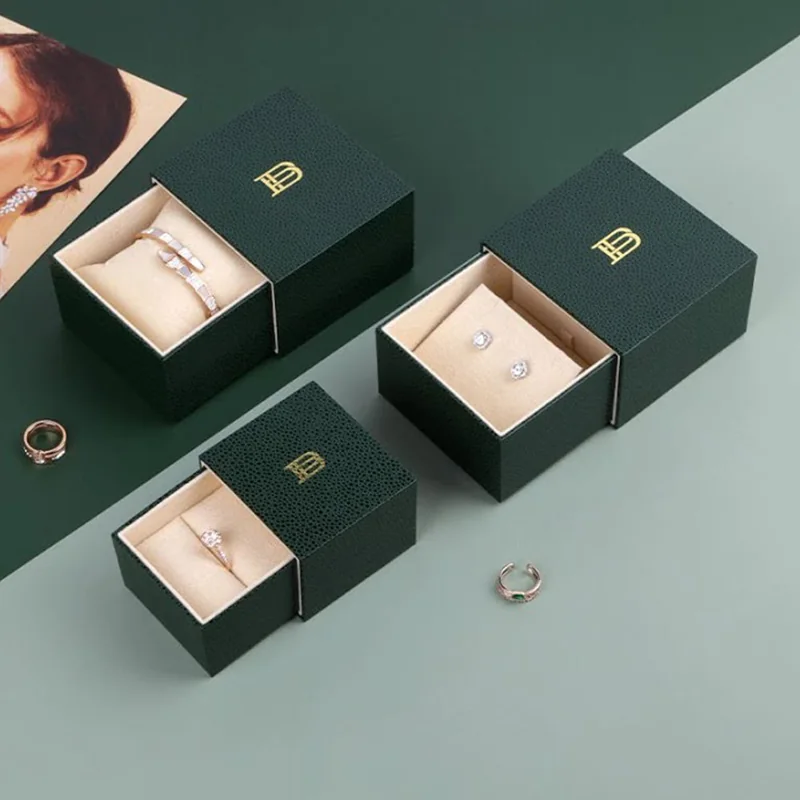
Choose the jewellery boxes photo closest to what you have in mind, add your logo, drag it into place and set the size. Send it with your sizes and we reply with a custom quote and a free design proof.

Drag the logo, or select it and use the arrow keys (Shift moves faster, + and − resize).
Related Products
Other packaging that is often ordered alongside jewellery boxes.
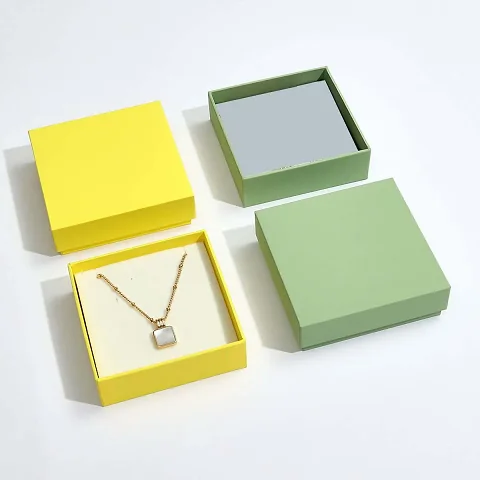
Custom Earring Boxes
A pair of earrings is tiny, easy to lose and usually bought as a gift, so the box has to hold both pieces neatly and look…
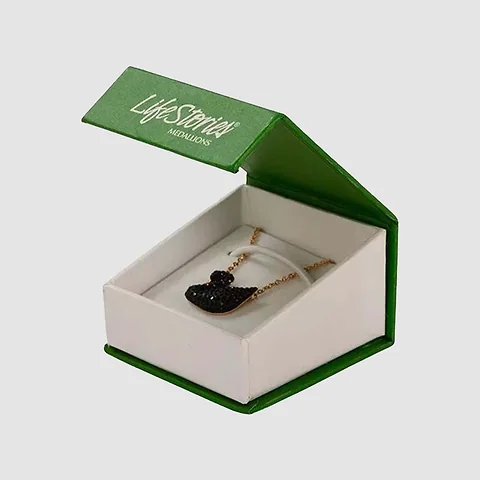
Custom Necklace Boxes
Custom necklace boxes hold a chain flat and a pendant centred, so the piece looks as good when the lid comes off as it did on…
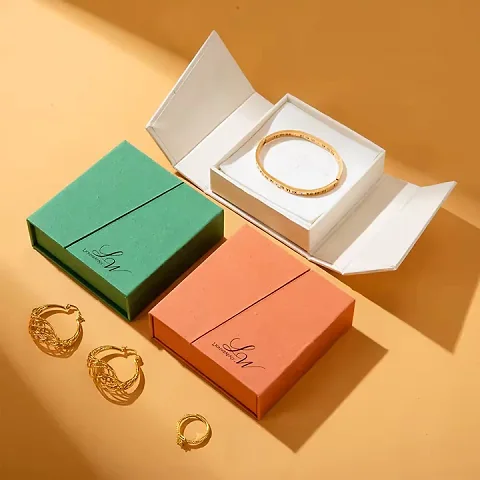
Custom Bracelet Boxes
Bracelets come in more shapes than almost any other jewellery, from fine chains to chunky beaded strings and rigid cuffs, and…
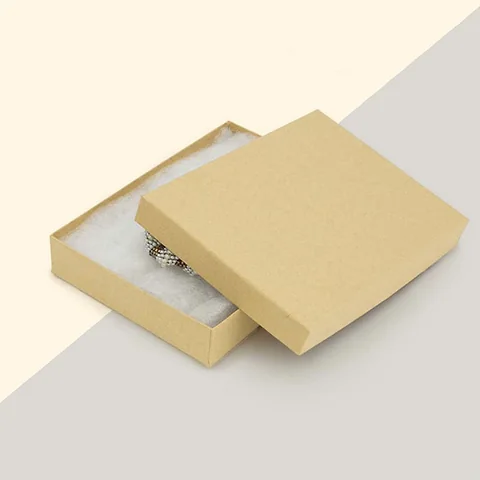
Cotton-Filled Jewellery Boxes
Custom cotton-filled jewellery boxes are small two-piece card boxes with a soft cotton pad inside, the classic way to present…
Jewellery Boxes Questions
What buyers ask before ordering jewellery boxes.
Should I choose card or rigid jewellery boxes?
Card boxes suit everyday and online sales because they are light and economical. Rigid boxes suit higher-value pieces and gifts because they feel solid and are often kept.
Can one box style work for my whole range?
Yes. Keeping one style and finish in a few sizes, with different inserts for rings, pendants and bracelets, makes the range consistent and simplifies stock.
What insert holds a ring best?
A foam or card pad with a slot that grips the band holds the ring upright with the stone facing up.
How do pendants sit in the box?
The pendant hangs from a slot in a card, with the chain folded behind. The pendant stays centred and the chain does not tangle.
Is cotton fill still a good option?
Cotton fill is economical and suits mixed pieces, though jewellery can move more than in a cut insert. It is popular with market sellers.
Which box finish suits fine gold jewellery best?
Soft-touch lamination with a gold-foiled logo is the favourite for gold ranges, and textured linen or leather-effect papers on rigid boxes feel heavier in the hand. Silver pieces usually pair with silver foil on navy, grey or black.
Can you make a box for a bangle?
Yes, a deeper box with a round recess or a padded insert holds bangles securely.
Can I add a magnetic closure?
Magnetic closures are available on rigid boxes and give a satisfying snap when the lid shuts.
Are your jewellery boxes suitable for posting?
Yes, with a snug insert they travel well inside a small mailer or padded envelope.
Do you make matching bags?
We can supply matching paper bags or ribbons so the packaging is complete for gift buyers.
Can a new jeweller order fifty ring boxes to begin with?
Yes. Minimums are low and quoted per job, which suits new jewellers testing their packaging before a larger run.
Get a Price for Your Jewellery Boxes
Fill in as much as you know. Sizes are in mm (internal sizes for boxes). If you have artwork, attach it; if not, a logo is enough to start the proof.
We reply with a custom quote by email within one working day, then send a free design proof before anything is printed.
- Phone+44 7578 382054
- WhatsAppMessage us
- Emailinfo@shopcustomboxes.co.uk
- HoursMonday to Friday, 9 am to 5.30 pm UK time
- OfficeOffice 704, 85 Dunstall Hill, Wolverhampton, WV6 0SR