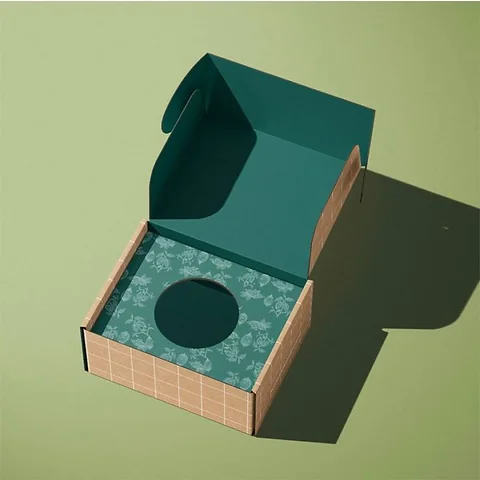
 Custom Mailer Boxes
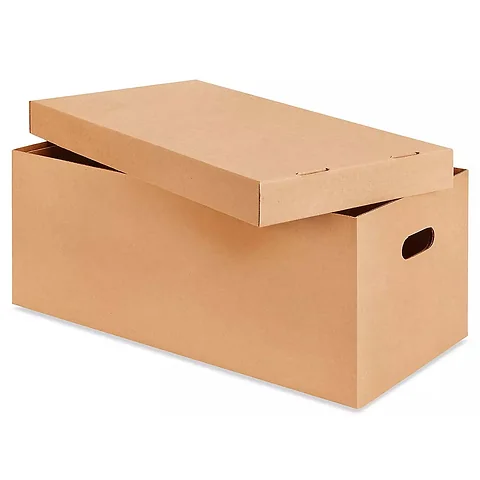 Custom Shipping Boxes
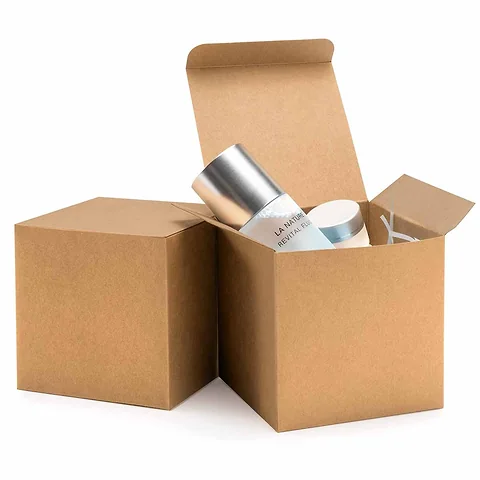 Custom Cardboard Boxes
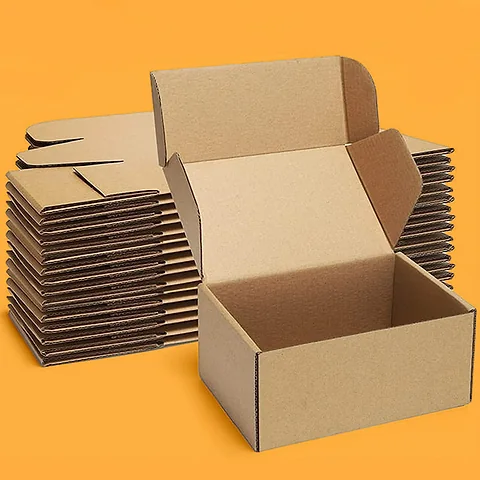 Custom Kraft Boxes
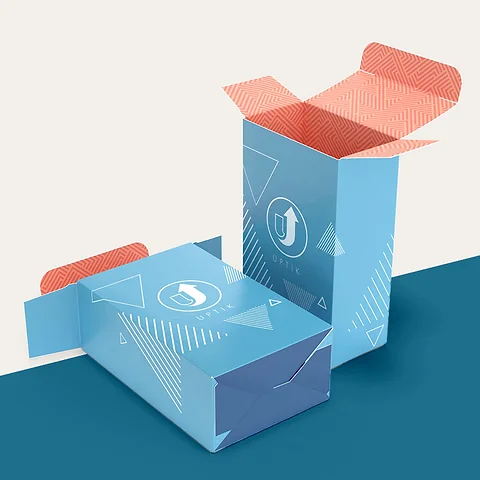 Custom Product Boxes
 Custom Retail Boxes
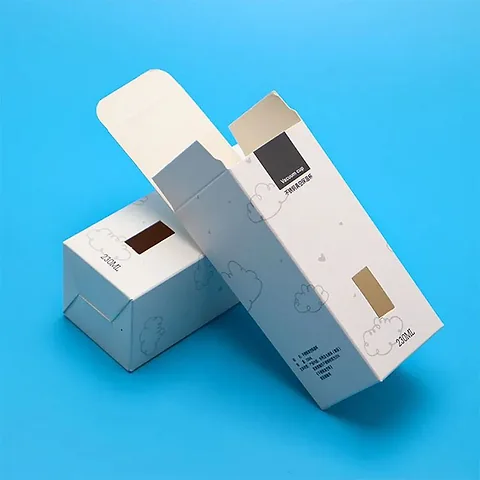 Custom Tuck End Boxes
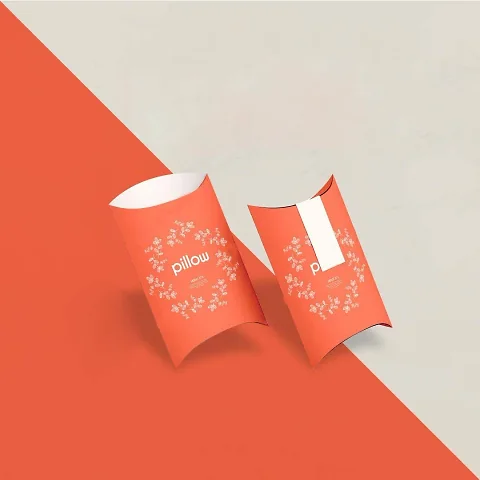 Custom Pillow Boxes
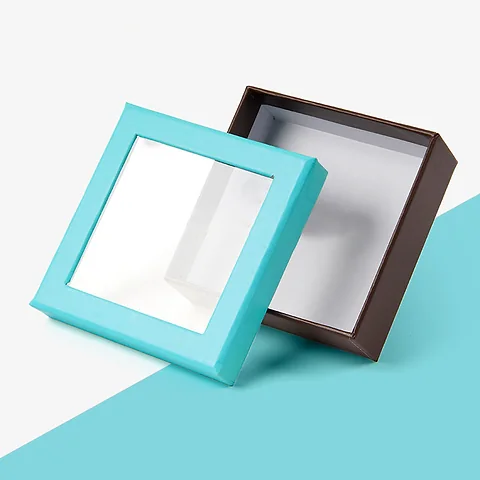 Custom Window Boxes
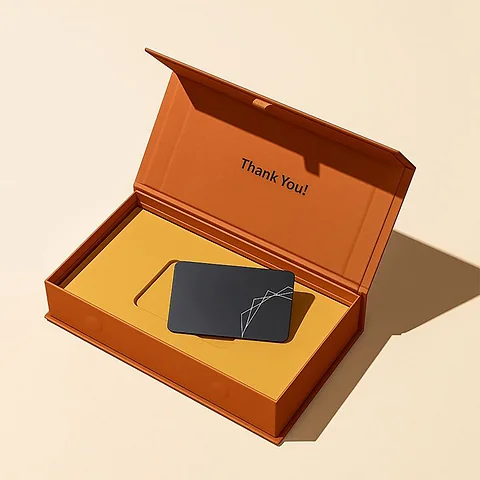 Custom Rigid Boxes
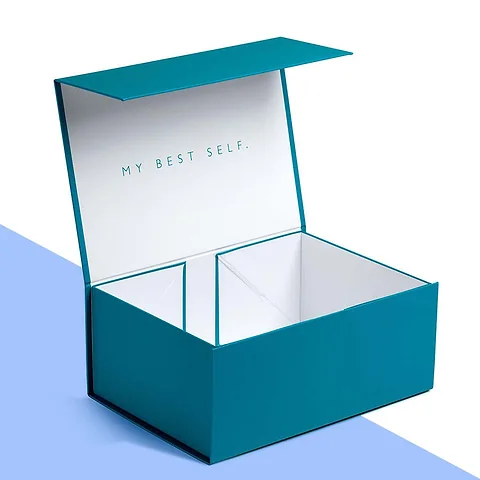 Custom Gift Boxes
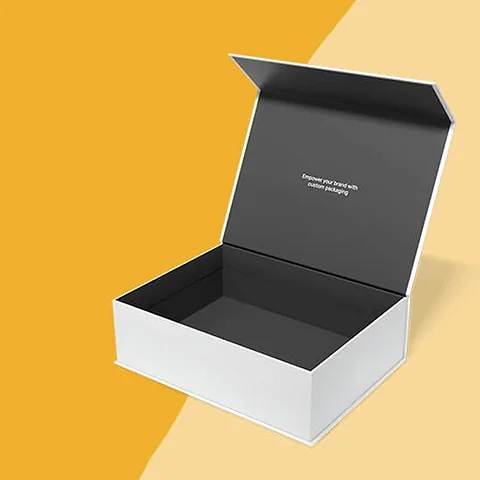 Custom Magnetic Boxes
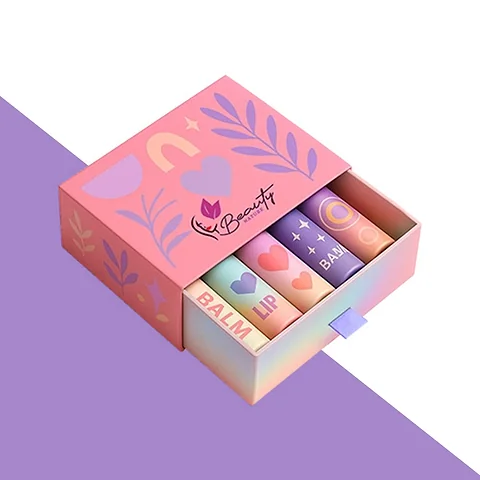 Custom Sleeve Boxes
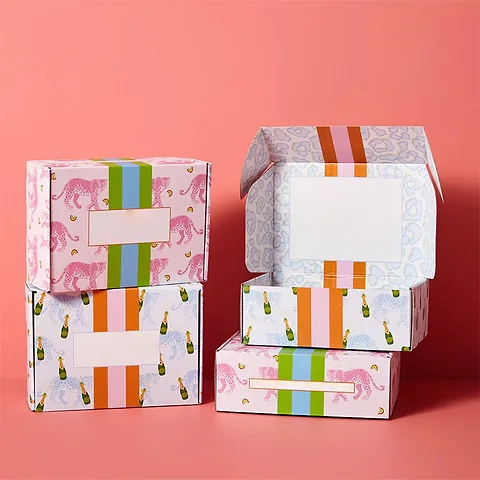 Custom Printed Boxes
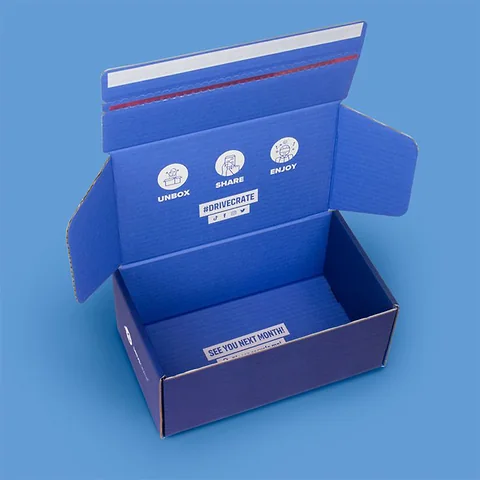 Custom Boxes with Logo
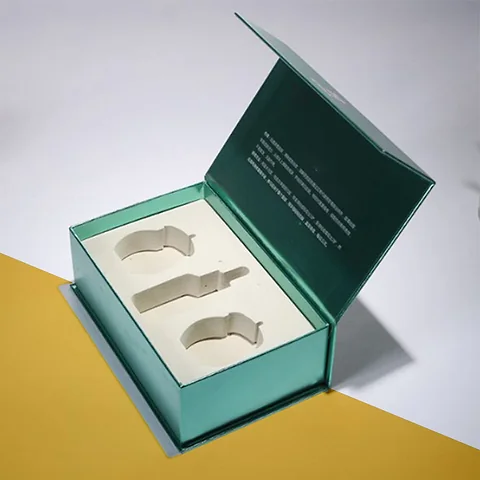 Custom Box Inserts
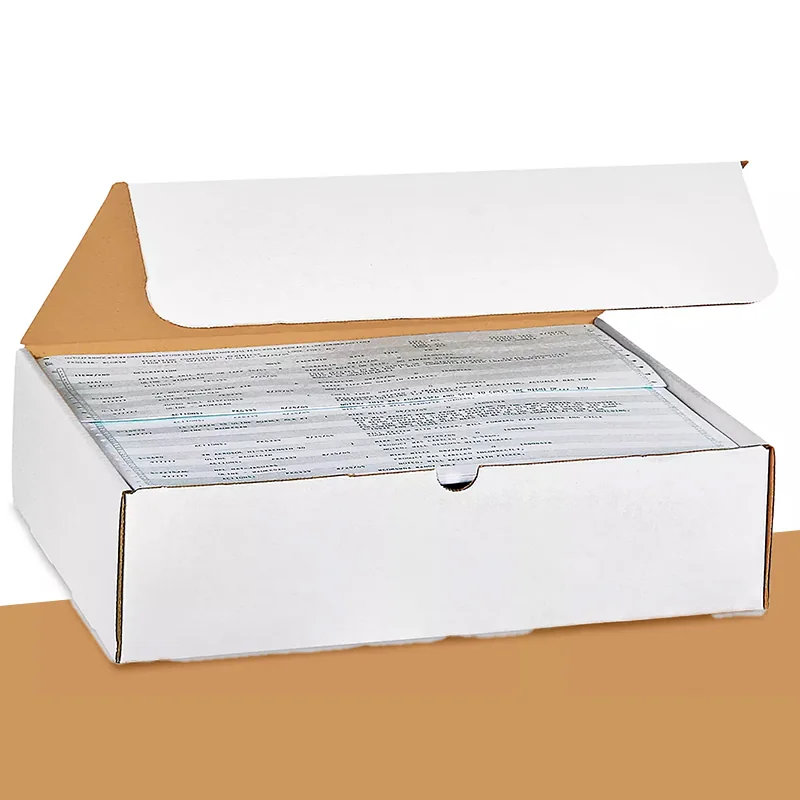
Why Size Matters So Much
A box that is too big lets the product slide about and needs void fill. A box that is too tight is slow to pack, can split at the corners and may crush the product. A box that fits well protects better, packs faster, looks more deliberate and can keep a parcel in a smaller and cheaper courier band. Because custom boxes are made to order, you get to choose that size exactly, but only if the measurements are right. Our guide to how size affects box pricing explains why.
Always Give Internal Sizes
We work in internal dimensions: the space inside the box once it is folded. That is the measurement that has to fit the product. Board has thickness, from around 1.5 mm for E flute up to 6 mm or more for double wall, and we allow for it when we cut the sheet. If you measure an old box to copy it, measure the inside, not the outside.
Give sizes in millimetres, in this order:
- Length: the longer side of the opening.
- Width: the shorter side of the opening.
- Depth: the height from the base to the opening.
The opening matters. For a mailer or a lid box, the opening is the top. For a tuck end box, it is the end flap, so length and width describe the small end and depth is the tall side. If you are unsure, add a note on the quote form describing which way the product goes in. For a box that opens from the top, such as one of our tuck end cartons for shelf products, depth is the tall side.
How to Measure the Product
- Use a rigid ruler or a steel tape, not a fabric tape.
- Measure at the widest points, including caps, pumps, handles and labels that stick out.
- Measure the product in the position it will sit in the box.
- Measure two or three units if the product varies, and use the largest.
- Write the figures down as you go, in mm.
For soft items such as clothing, fold them the way you will pack them, press lightly and measure the folded stack. Clothing often travels in self-locking mailer boxes for clothing.
How Much Room to Add
A product that measures exactly the same as the box will be a struggle to pack. As a rough guide:
| What goes in | Add to each side |
|---|---|
| Rigid product, no wrapping | 2–3 mm |
| Product wrapped in tissue | 5–10 mm |
| Folded clothing | 5–10 mm, and a little more depth |
| Product in a card insert | Size the insert first; we size the box around it |
| Product in a foam insert | Allow 10–20 mm for the foam around it |
These are starting points, not rules. If you tell us how you pack, we adjust the allowance for you. Wrapping in printed tissue paper usually needs 2 to 3 mm each way.
Sets, Kits and Multi-Packs
For several items in one box, sketch the layout you want and measure the footprint of the arrangement, not each item on its own. Leave a few mm between items if they could knock together, or ask for an insert that gives each one its own place. Our custom box inserts are designed together with the box, so the two always fit.
For subscription boxes where the contents change each month, size the box for the largest likely combination and use tissue or a card insert to take up the slack in lighter months.
Odd Shapes
Bottles, round jars, irregular objects and products with handles are best described with a photo. Lay the product next to a ruler, take a picture from above and from the side, and attach it to the quote form. We use the photo to design the box and any cut-outs. Odd shapes often sit best in foam inserts with cut-outs.
Common Mistakes
- Measuring the outside of an old box rather than the inside.
- Forgetting the pump or cap on a bottle.
- Giving inches or cm without saying which; we always work in mm.
- Mixing up length, width and depth for a tuck end box.
- Forgetting the insert, tissue or leaflet that will go in with the product.
The board itself also takes up space, which is explained in board and card types explained.
Measuring for Mailer Boxes
Mailer boxes have a lid that folds over the front and tucks in, plus double side walls. Give the internal size as usual, and we allow for the folded walls when we cut the sheet. If you pack items flat, such as folded clothing or books, measure the stack at its tallest point after you have pressed it lightly, then add a few mm of depth so the lid closes without bulging. Heavier stacks move to B flute shipping boxes.
Measuring for Rigid and Magnetic Boxes
Rigid boxes are built from thick greyboard and cannot stretch, so accuracy matters more than with folding boxes. If the product sits in an insert, measure the product and tell us the insert you want; we design both together. If you are copying a rigid box you already have, measure the inside of the base tray, not the lid. See magnetic boxes made to size for typical depths.
We Check Before We Make
Every order comes with a free design proof that shows the box layout with its dimensions. Check them against your product before you approve. If anything looks wrong, tell us and we change it at no cost. Ready to go? Send your sizes for a custom quote.