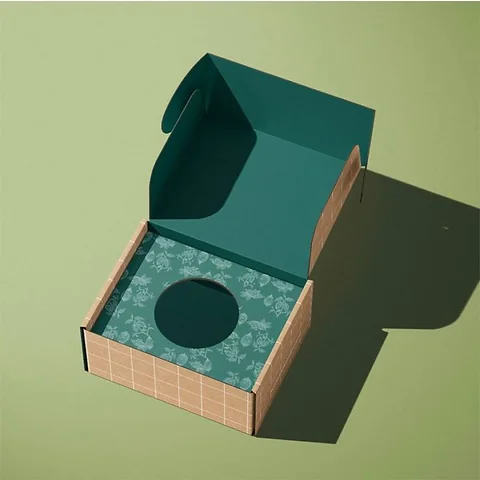
 Custom Mailer Boxes
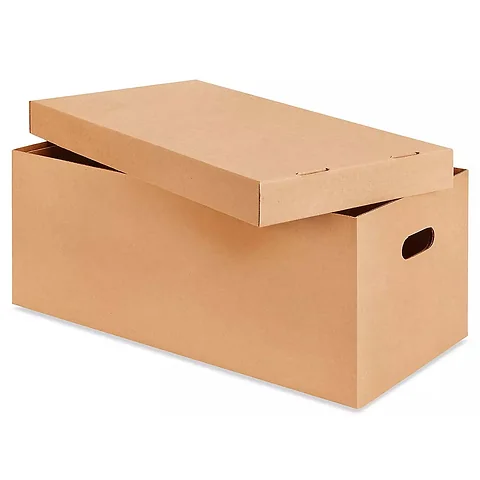 Custom Shipping Boxes
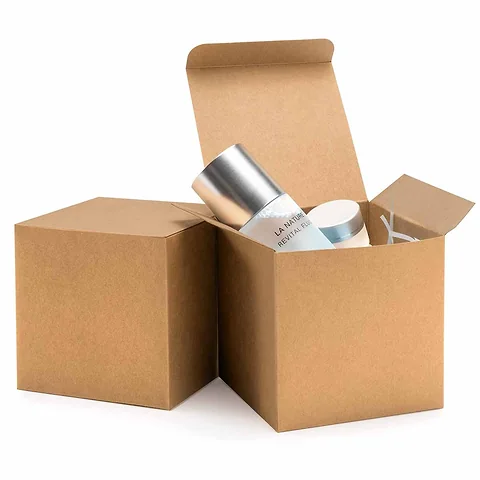 Custom Cardboard Boxes
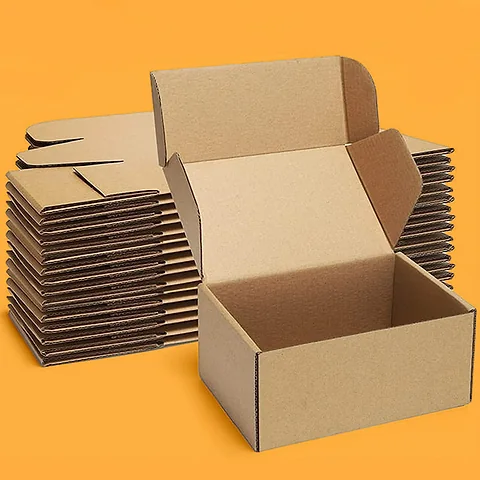 Custom Kraft Boxes
 Custom Product Boxes
 Custom Retail Boxes
 Custom Tuck End Boxes
 Custom Pillow Boxes
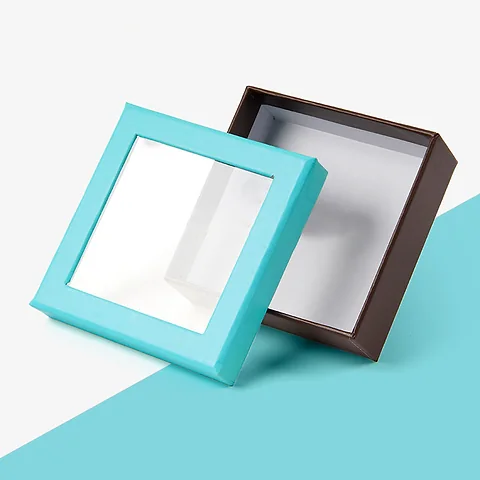 Custom Window Boxes
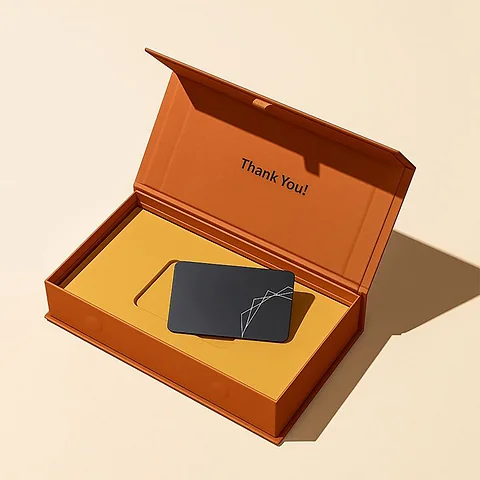 Custom Rigid Boxes
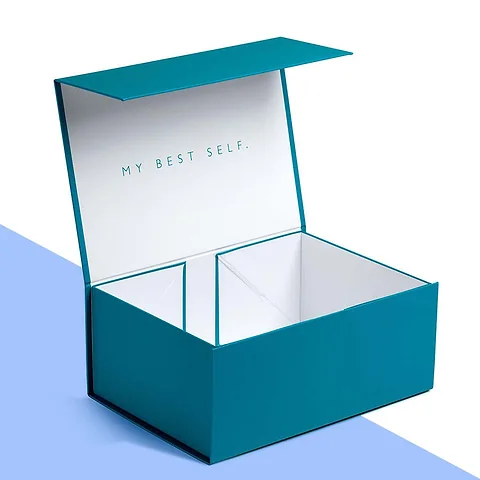 Custom Gift Boxes
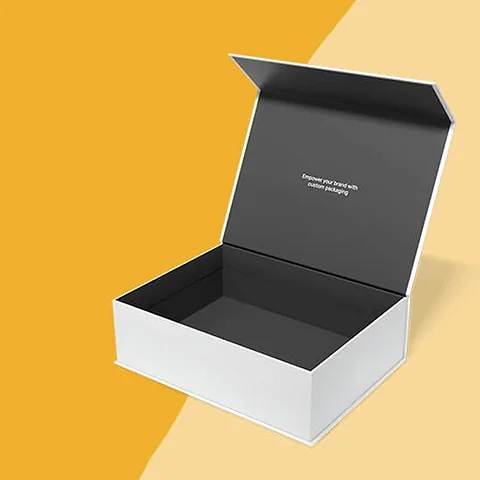 Custom Magnetic Boxes
 Custom Sleeve Boxes
 Custom Printed Boxes
 Custom Boxes with Logo
 Custom Box Inserts
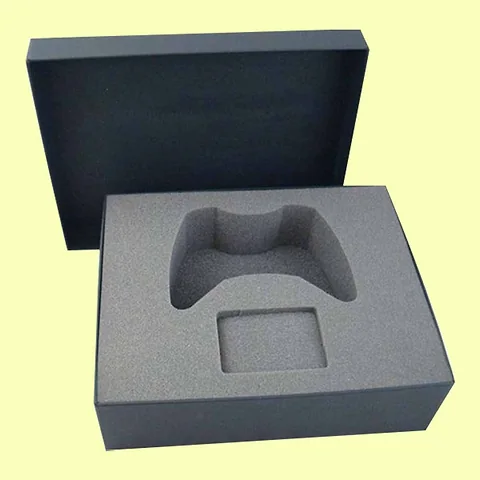
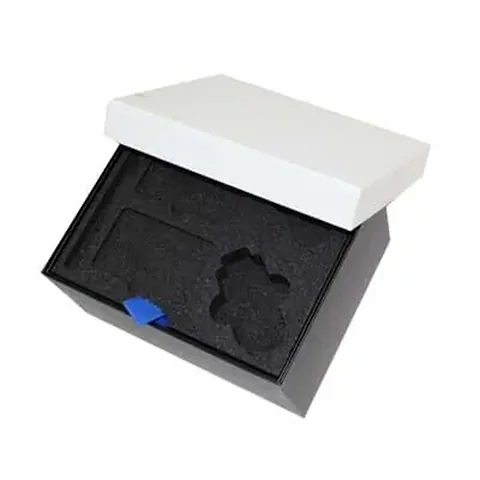
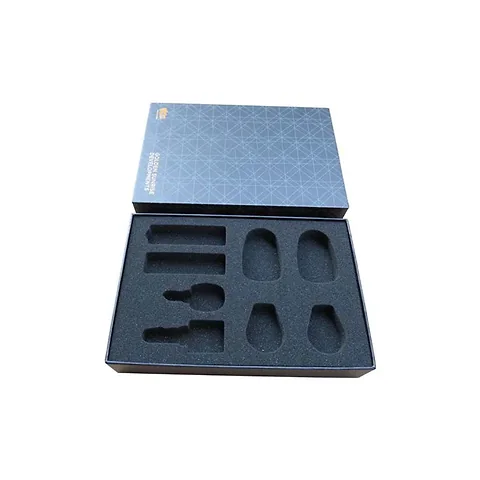
Custom Foam Inserts
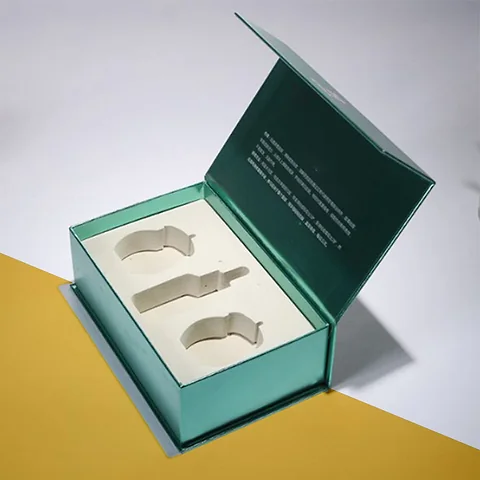
Custom foam inserts hold a product in a pocket shaped exactly around it, so nothing slides, knocks or scratches between your packing bench and the customer's hands. We cut them to fit the box you already use or the box we make for you, in foams chosen for the weight and fragility of what goes inside.
- Design proofFree, approved by you before printing
- PriceCustom quote by email within one working day
- Production4–7 working days after proof approval
- DeliveryFree and tracked, UK mainland, 2–3 working days
- Misprints or damageReported within 10 days, reprinted or refunded
What a Cut Foam Insert Does Better Than Loose Fill
Bubble wrap and paper fill protect by surrounding a product with something soft. A foam insert protects by holding it still. That difference matters most for items with fragile points, like the spout of a glass carafe, the lens of a camera or the screen of a handheld device, because a fixed pocket stops those points ever touching the box wall.
Foam also changes the opening moment. When the lid comes off, the product sits in a neat cavity facing upwards, often with smaller pockets around it for cables, accessories or spare parts. It looks deliberate, it shows the customer that everything is present, and it gives them somewhere to put the item back if they store it in the box. Lighter items that only need to be kept apart often do well with the folding card inserts for lighter products.
Choosing Foam Inserts for Different Products
Polyethylene foam is firm and springy, and it suits heavier items such as power units, metal instruments and bottles. It keeps its shape after repeated use, which is why it is common in cases that customers open again and again. Polyurethane foam is softer and more open-celled, so it cushions lighter, delicate items and has a gentler feel against polished surfaces.
Anti-static foam is the choice for circuit boards, sensors and electronic modules, where a static discharge could damage a component. For premium presentation, a foam insert can be flocked or topped with a fabric layer so the surface looks finished rather than industrial.
If you are not sure which grade is right, send us the product weight and how it will travel. A courier parcel needs a different firmness from a display case that never leaves the shop. Plain sheets for lining a case yourself are covered under foam sheets cut to size.
- Polyethylene foam for weight and repeated handling
- Polyurethane foam for soft cushioning of delicate items
- Anti-static foam for electronic parts
- Flocked or fabric-topped foam for presentation sets
Often ordered by
- Consumer electronics brands
- Glassware and ceramics makers
- Drinks gift set suppliers
- Watch and jewellery sellers
- Precision instrument makers
- Sales teams with demo kits
Popular Foam Inserts Sizes
Sizes are in mm. Every order is cut to your size, so any size between these rows is fine.
| Size | Often used for |
|---|---|
| Watch or jewellery insert 100 x 100 x 30 mm | Single small item in a rigid box |
| Earbuds and cable 120 x 90 x 35 mm | Device with a side pocket for accessories |
| Glass tumbler pair 200 x 110 x 110 mm | Two glasses held apart in a gift case |
| Headphones case 220 x 190 x 80 mm | Folded headphones with cable pocket |
| Bottle gift case 350 x 120 x 100 mm | Wine or spirit bottle laid flat |
| Instrument kit 400 x 300 x 50 mm | Multiple precision parts in fixed slots |
Not sure of the size? Send the product measurements and we work out the rest.
Styles
- Single-layer cavity inserts
- Multi-layer stacked inserts
- Lid foam pads
- Pick and pluck foam sheets
- Finger notch cavities
Materials
- Polyethylene foam
- Polyurethane foam
- Anti-static foam
- Cross-linked fine-cell foam
- Printed card overlay sheet
- Branding on the outer box
Finishes
- Plain cut surface
- Flocked velvet surface
- Fabric-topped surface
- Laminated skin
Extras
- Accessory and cable pockets
- Lift ribbons
- Matching rigid or mailer boxes
- Sample fit checks for irregular items
See the board and finish guide for what each option looks like.
Production and Delivery
Production takes 4–7 working days after you approve the free design proof. Delivery to the UK mainland is free and tracked, and arrives in 2–3 working days once the order leaves production. The tracking link comes to you by email.
Reprints and Refunds
Check the order when it arrives. If anything is misprinted or damaged, report it within 10 days with a photo and we reprint or refund the items affected. Read the full returns and reprints policy.
Need it by a date?
Tell us the date with your sizes and we plan the proof and production around it.
Foam Inserts Specification
| Style | Single-layer cavity inserts, Multi-layer stacked inserts, Lid foam pads, Pick and pluck foam sheets, Finger notch cavities |
|---|---|
| Material | Polyethylene foam, Polyurethane foam, Anti-static foam, Cross-linked fine-cell foam |
| Printed card overlay sheet, Branding on the outer box | |
| Finish | Plain cut surface, Flocked velvet surface, Fabric-topped surface, Laminated skin |
| Extras | Accessory and cable pockets, Lift ribbons, Matching rigid or mailer boxes, Sample fit checks for irregular items |
| Size | Made to your size in mm |
| Minimum order | Low, quoted per job |
| Price | From £0.25 an insert; custom quote by email within one working day |
| Proof | Free design proof before printing |
| Production | 4–7 working days after proof approval |
| Delivery | Free tracked UK mainland delivery, 2–3 working days |
How We Shape Each Cavity
Most inserts start as a block of foam cut to the inner size of the box, with cavities cut out to the outline of each item. The cavity depth is set so the product sits slightly below or flush with the surface, depending on whether a lid presses down on it. Finger notches at the side of a cavity let customers lift the product out without tipping the whole box over.
Layered inserts stack two or more sheets, so the product sits deep while a top layer holds accessories. A lid foam, often a flat sheet or a profiled one, presses gently down when the box is closed so nothing can lift out of its pocket in transit.
To shape a cavity well we need the true outline of the product, not just its overall dimensions. A drawing, a CAD file or a careful photo on squared paper all help. For irregular items, we may ask for a sample to test the fit. Our guide to measuring a product for packaging shows how to trace an outline on squared paper.
Matching the Insert to the Box and Your Brand
An insert only works if it fits the inside of the box closely. Measure the internal length, width and depth rather than the outside, because board thickness eats into the space. A rigid box with a wrapped lid has thicker walls than a folding carton, and a corrugated mailer has thicker walls again.
If you are ordering boxes from us at the same time, we size both together, which removes the guesswork. If you are fitting foam into existing stock boxes, send us one empty box or its exact internal dimensions and we will cut to suit.
Foam comes in black, white, grey and a few other colours. Black foam reads as premium and hides dust, white or light grey suits clinical and bright brands, and a coloured foam can echo your packaging palette. The top surface can be left plain, laminated with a thin skin or flocked for a velvet feel.
Foam itself does not take printing well, so branding normally goes on the box or on a printed card sheet that sits above the foam. A short message on that card, such as how to lift the item out or where to register the product, is a useful touch that costs little.
Products That Benefit Most From Foam
Electronics brands use foam for headphones, smart devices, cameras and chargers, often with a separate pocket for the cable. Glassware and ceramic makers choose it for decanters, tumblers and mugs, where a single knock can crack the rim. Makers of hand instruments, measuring kits and precision parts use firm foam to keep every piece in its own slot.
Wine and spirits brands use foam inside gift cases to hold bottles and glasses together. Jewellery and watch sellers prefer thin, flocked foam that supports a small item without overwhelming it. Medical device and lab equipment suppliers ask for foam inserts that make it obvious when a part is missing from a kit, because an empty pocket is easy to spot.
- Electronics and accessories
- Glassware, ceramics and drinks gift sets
- Precision instruments and measuring kits
- Watches, jewellery and small luxury items
- Sample kits and sales presentation cases
Testing Fit Before a Full Run
The difference between a good insert and a frustrating one is often a millimetre or two. A cavity that is too tight makes customers wrestle the product out, and one that is too loose lets it rattle. For anything with a complex outline, such as a camera body with a protruding grip or a bottle with a shaped shoulder, we recommend checking a single cut sample before the whole batch is produced.
Send us one product, or a precise replica if the real item is valuable, and we cut a test pocket to the dimensions on the proof. You can then try the lid closed, shake the box gently and lift the item out as a customer would. Any adjustments go into the final cutting file, so every insert in the run matches the one you approved.
This step adds a little time but saves far more if a large order would otherwise need recutting. Bottles that need a grid rather than a cavity are covered on the corrugated dividers for bottles and jars page.
Decide Whether the Insert Travels or Displays
Foam grade follows the journey. An insert that goes through a courier network needs a firmer foam and 15 mm of foam wall around the product so a drop is absorbed; one that sits in a display case in a shop can be softer and thinner, because it only has to hold the item still and look good. Decide which job the insert does first, then measure the product's outline at its widest point and its height, and tell us the box's internal size and the foam colour you want.
Send the outlines, the box size, the colour and the quantity, and a custom quote comes by email within one working day, with low minimums quoted per job so a small batch of presentation cases is possible. The free proof shows the cavity layout before cutting starts. Production takes 4 to 7 working days after approval and free tracked UK mainland delivery follows in 2 to 3 working days; inserts that arrive damaged or cut wrongly are reprinted or refunded if reported within 10 days. Items that only need a single wall between them use the cheaper card box partitions for two items.
Design Your Foam Insert
Choose the foam inserts photo closest to what you have in mind, add your logo, drag it into place and set the size. Send it with your sizes and we reply with a custom quote and a free design proof.
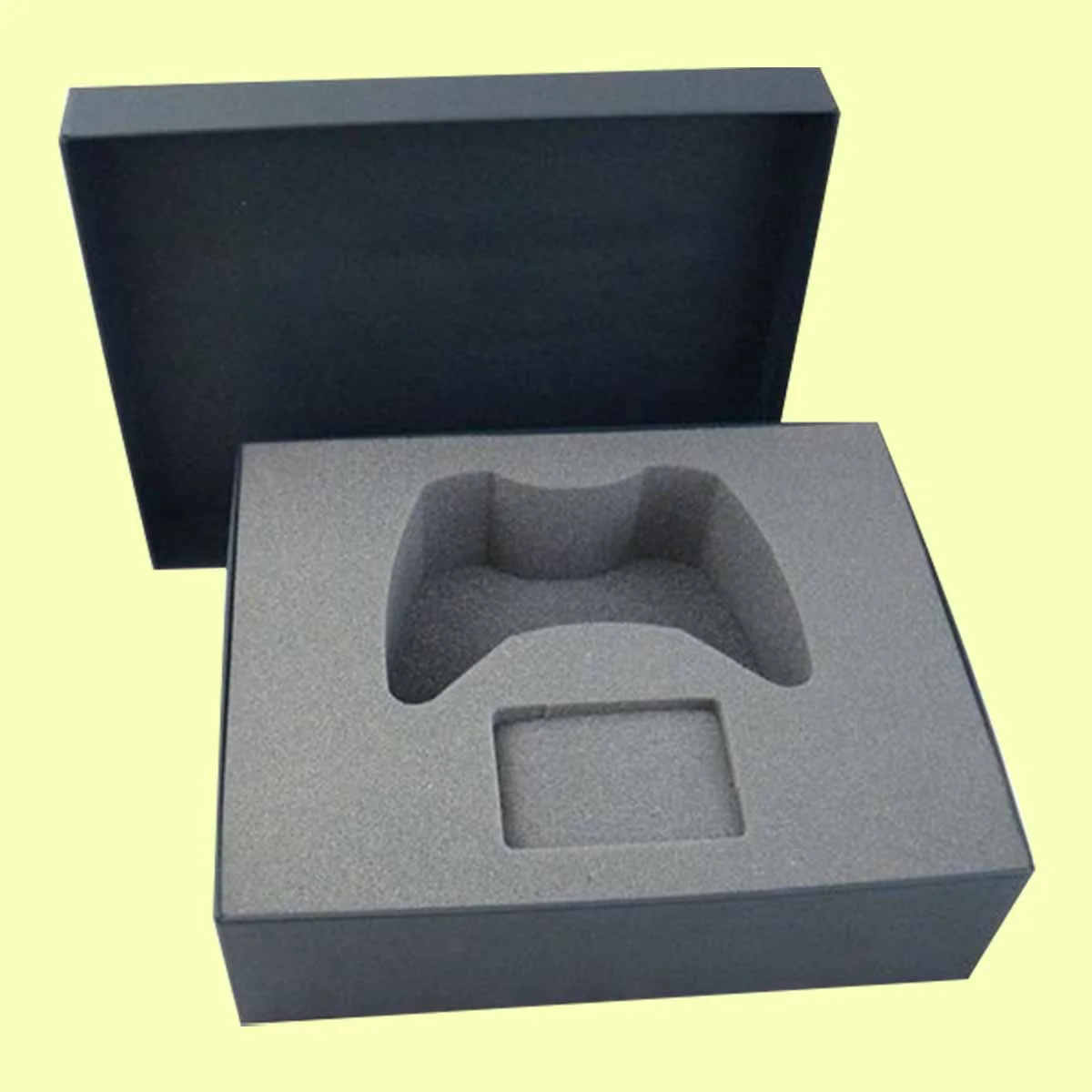

Drag the logo, or select it and use the arrow keys (Shift moves faster, + and − resize).
Related Products
Other packaging that is often ordered alongside foam inserts.
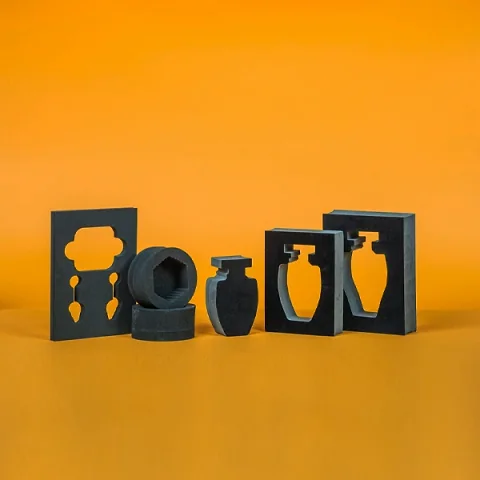
Foam Sheets
Custom foam sheets are thin, flexible sheets of soft foam used to wrap, separate and cushion items that scratch, chip or rub…
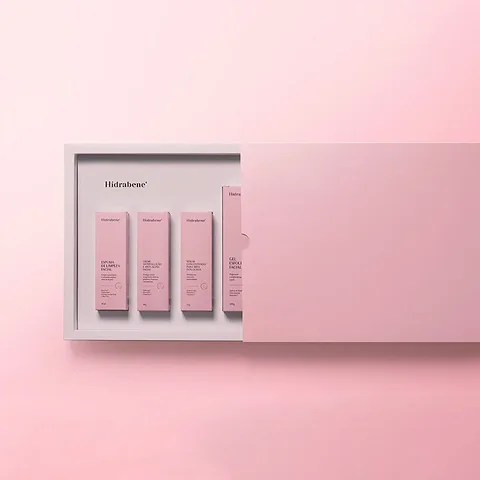
Folding Carton Inserts
Custom folding carton inserts are die-cut pieces of card that fold into shape inside a box and hold each product in its own place.
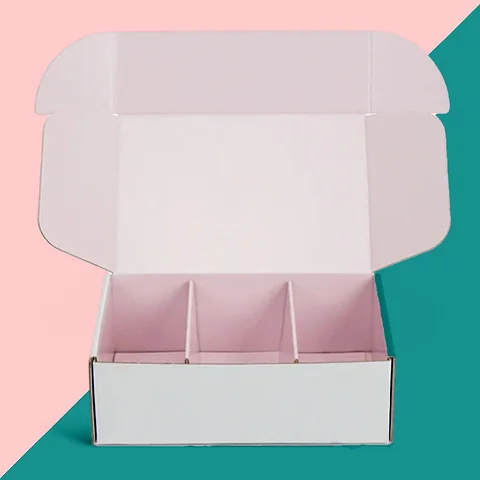
Corrugated Box Dividers
Custom corrugated box dividers are slotted partitions that slide together into a grid of cells, giving each bottle, jar or…
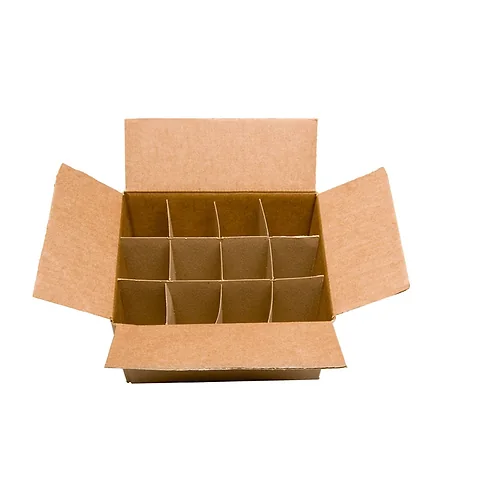
Box Partitions
Custom box partitions are slotted strips of board that interlock into a grid, giving every bottle, jar or component its own…
Foam Inserts Questions
What buyers ask before ordering foam inserts.
What information do you need to cut a cavity?
The true outline and depth of each item, plus the internal size of the box. A CAD drawing is ideal, but a careful photo on squared paper also works. For awkward shapes we may ask for a sample.
Which foam is best for a heavy glass decanter?
Firm polyethylene foam is usually best because it holds weight without sagging. We add a lid foam so the decanter cannot lift out of its pocket when the box is turned over.
Do I need anti-static foam for electronics?
If the item has exposed circuit boards or sensitive components, yes. Finished consumer devices in sealed casings are often fine in standard foam, but tell us what is inside and we will advise.
Can you print my logo on the foam?
Foam does not hold print well, so we place branding on a printed card sheet above the foam or on the box itself. A flocked or coloured foam can still carry your brand colour.
Can you cut foam to fit boxes I already have?
Yes. Send us an empty box or its exact internal measurements and we will size the insert to match. Measure inside, as board thickness reduces the space.
How do customers get the product out of a tight cavity?
We add finger notches beside the cavity or a ribbon under the item. Both let people lift the product cleanly without tipping the box.
Can a single insert hold a product and its accessories?
Yes, that is one of the main reasons to use foam. Each accessory gets its own pocket, so the customer can see straight away that everything is included.
Is black or white foam better?
Black hides dust and looks premium, while white or light grey suits bright, clinical or minimal brands. Choose the colour that sits best with the box print.
Can you supply the boxes and foam together?
We can, and it is the easiest way to get a perfect fit. We size both at once and show them together on the free proof.
Can customers keep using the foam insert for storage?
Yes. Polyethylene foam keeps its shape well, so customers can put the product back in its cavity again and again. Softer polyurethane foam compresses more with heavy use, so choose a firmer grade if the box will double as a storage case.
Get a Price for Your Foam Inserts
Fill in as much as you know. Sizes are in mm (internal sizes for boxes). If you have artwork, attach it; if not, a logo is enough to start the proof.
We reply with a custom quote by email within one working day, then send a free design proof before anything is printed.
- Phone+44 7578 382054
- WhatsAppMessage us
- Emailinfo@shopcustomboxes.co.uk
- HoursMonday to Friday, 9 am to 5.30 pm UK time
- OfficeOffice 704, 85 Dunstall Hill, Wolverhampton, WV6 0SR