 Custom Mailer Boxes
 Custom Shipping Boxes
 Custom Cardboard Boxes
 Custom Kraft Boxes
 Custom Product Boxes
 Custom Retail Boxes
 Custom Tuck End Boxes
 Custom Pillow Boxes
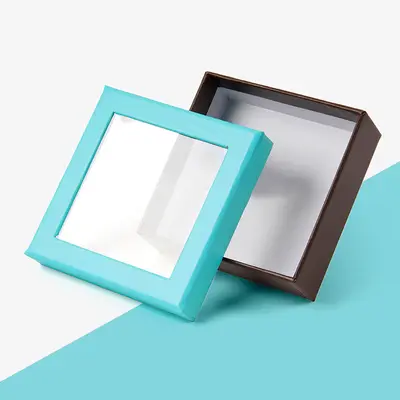 Custom Window Boxes
 Custom Rigid Boxes
 Custom Gift Boxes
 Custom Magnetic Boxes
 Custom Sleeve Boxes
 Custom Printed Boxes
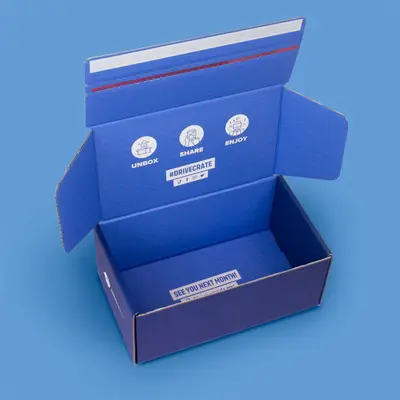 Custom Boxes with Logo
 Custom Box Inserts


Custom Heat Seal Paper
Custom heat seal paper is a coated paper that bonds to itself when heat and pressure are applied, letting packers make tea bags, sachets and small pouches without glue. We supply it plain or printed, on rolls slit to your machine width or as cut sheets for hand sealing.
- Design proofFree, approved by you before printing
- PriceCustom quote by email within one working day
- Production4–7 working days after proof approval
- DeliveryFree and tracked, UK mainland, 2–3 working days
- Misprints or damageReported within 10 days, reprinted or refunded
How Heat Sealing Works on Paper
Ordinary paper will not stick to itself when heated; it just scorches. Heat seal paper has a thin layer of sealable material on one side, or sealable fibres mixed into the sheet. When two coated faces are pressed together between heated jaws, that layer softens and fuses, and when it cools you have a bond strong enough to hold a sachet closed through handling and shipping.
The two main types behave differently. Coated papers have the sealant as a surface layer and give a clean, flat seal; they suit sachets and pouches. Porous filter papers have sealable fibres throughout, so liquid passes through the paper; these are the papers used for tea bags and infusion sachets. Tell us what you are packing and we will point you to the right type before talking about print. Where a full moisture and light barrier is needed, mylar film rolls for a full barrier replace paper.
Where Packers Use It
Tea and herbal infusion companies use porous heat seal paper for pyramid, square and round tea bags, as well as for the outer envelope that keeps each bag fresh. Spice blenders and stock makers use coated paper for single-serve sachets. Cosmetic brands pack bath salts, face masks and powder samples in small paper sachets. Hardware and craft suppliers use it for seed packets, small parts and sample swatches.
Hotel and café suppliers often combine the two: a porous inner tea bag sealed inside a printed coated envelope with the brand and flavour on the front.
Smaller brands often start with hand-sealed sachets for samples or trade shows, then move to machine rolls when volumes grow. Planning the artwork with that move in mind, using a design that can be repeated on a roll without changes, saves redesign work later. Brands that do not want to form their own sachets order ready-made printed sachets instead.
- Tea bags and infusion sachets
- Printed tea bag envelopes
- Sugar, spice and seasoning sachets
- Bath salt and cosmetic sample sachets
- Seed packets and small parts pouches
Often ordered by
- Tea and infusion brands
- Spice and seasoning blenders
- Hotel and café suppliers
- Cosmetic sample producers
- Seed and garden suppliers
- Contract packers
Popular Heat Seal Paper Sizes
Sizes are in mm. Every order is cut to your size, so any size between these rows is fine.
| Size | Often used for |
|---|---|
| Tea bag filter roll 125 mm wide roll | Square and round tea bag machines |
| Tea envelope roll 160 mm wide roll | Printed outer envelopes for tea bags |
| Small sachet 60 x 80 mm finished | Sugar, salt and spice portions |
| Sample sachet 80 x 100 mm finished | Bath salts, masks and powder samples |
| Hand-seal sheet A4 210 x 297 mm | Bench sealing and short runs |
Not sure of the size? Send the product measurements and we work out the rest.
Styles
- Machine rolls
- Narrow hand-sealing rolls
- Cut sheets
- Pre-made sachet blanks
Materials
- Porous heat seal filter paper
- Coated heat seal paper
- White and natural grades
- Food-contact grade paper on request
- One or two colour print
- Full colour on coated grades
- Repeat print with registration marks
- Unprinted plain stock
Finishes
- Uncoated print face
- Heat sealable reverse
Extras
- Slitting to machine width
- Custom core sizes
- Wind direction to order
- Space for batch codes
Not sure which material or finish suits? Tell us how the sheet will be used and we suggest one in your custom quote.
Production and Delivery
Production takes 4–7 working days after you approve the free design proof. Delivery to the UK mainland is free and tracked, and arrives in 2–3 working days once the order leaves production. The tracking link comes to you by email.
Reprints and Refunds
Check the order when it arrives. If anything is misprinted or damaged, report it within 10 days with a photo and we reprint or refund the items affected. Read the full returns and reprints policy.
Need it by a date?
Tell us the date with your sizes and we plan the proof and production around it.
Heat Seal Paper Specification
| Style | Machine rolls, Narrow hand-sealing rolls, Cut sheets, Pre-made sachet blanks |
|---|---|
| Material | Porous heat seal filter paper, Coated heat seal paper, White and natural grades, Food-contact grade paper on request |
| One or two colour print, Full colour on coated grades, Repeat print with registration marks, Unprinted plain stock | |
| Finish | Uncoated print face, Heat sealable reverse |
| Extras | Slitting to machine width, Custom core sizes, Wind direction to order, Space for batch codes |
| Size | Made to your size in mm |
| Minimum order | Low, quoted per job |
| Price | From £0.25 a sheet; custom quote by email within one working day |
| Proof | Free design proof before printing |
| Production | 4–7 working days after proof approval |
| Delivery | Free tracked UK mainland delivery, 2–3 working days |
Matching the Paper to Your Sealer
Before ordering, check the equipment you will seal with. Impulse sealers and handheld crimpers used by small brands work well with most coated papers at modest temperatures. Automatic form-fill-seal machines need paper on a roll of the right width, core size and wind direction, and they are sensitive to sealing temperature and dwell time. Ask your machine supplier for the recommended range and share it with us.
Seal strength depends on the coating weight, the jaw temperature and the pressure. Too cold and the seal peels open; too hot and the paper browns or the coating squeezes out. We suggest running a short trial on plain paper first, adjusting the settings, then committing to a printed run once you have a seal you are happy with.
If you hand-seal sachets at a bench, ask for cut sheets or narrow rolls rather than a full machine roll. They are easier to manage and store. You receive a free proof with seal zones marked once the test confirms them.
Printing Without Spoiling the Seal
Ink and sealant do not mix well. Printing over the area that needs to seal can weaken or block the bond, so artwork is planned with clear seal zones along the edges where the jaws close. On roll stock for automatic machines, print is repeated at a fixed pitch with a registration mark so the machine cuts each sachet in the same place.
Most branding is printed on the uncoated face, which becomes the outside of the sachet. One or two colours are common and keep costs down; full colour is possible on coated grades. Keep text above about 6 pt for legibility on small sachets, and allow space for a batch code or best before date if you add those at the packing stage.
Food-contact grade paper is available on request for tea, spices and other food uses, and we will confirm which inks are used on the food grades. Our finish guide covers ink and seal compatibility so print never sits on a seal.
Rolls, Sheets and Widths
Rolls are slit to the width your machine takes, wound on the core size it accepts, and labelled with the wind direction. Common widths run from narrow rolls for small tea envelope machines to wider rolls for sachet lines. Sheets suit hand packers and are cut to a size that makes one or several sachets after folding.
When you send dimensions, give the finished sachet size and the seal width you plan to use. From there we can work out the repeat length, the roll width and how many sachets a roll will produce, which helps you plan reorders.
Roll length matters as much as width. Longer rolls mean fewer changeovers on an automatic line, but they are heavier and need a machine that can take the outer diameter. Shorter rolls are easier for small teams to lift and load. If you share the maximum roll diameter your machine accepts, we will wind each roll as long as it will fit.
For sheets, think about how many sachets you can cut from one. A sheet that folds into one sachet is quick to use; a larger sheet that cuts into four can be more economical if you have a guillotine at the bench. Finished tea bags are usually boxed in tea boxes sized to the sachet from the same order.
Looking After the Paper Before Use
Store rolls and sheets flat or on their ends in a cool, dry place. Heat and humidity can soften the sealant slightly, which leads to layers sticking or poor seals on the machine. Keep rolls in their wrapping until needed and let them sit in the packing room for a few hours before running, so the paper reaches room temperature.
Handle the coated face as little as possible. Oil from fingers can leave marks where seals later fail, so most packers wear gloves when loading rolls.
Label opened rolls with the date they were started, and use older stock first. Paper that has sat partly unwrapped for months can pick up moisture at the edges, which shows up as weak seals on the first few metres. Rolls, tissue and tape all sit in our box extras range if you want to order bench supplies together.
Run a Short Test on Plain Stock Before You Print
Heat seal paper behaves differently on every sealer, so the most useful first step is a test. Tell us your machine or handheld sealer, the finished sachet size and whether the product is wet, dry or infused, and ask for a small amount of plain stock in the grade we suggest. Seal a few sachets, adjust temperature and dwell until the seal holds, and only then order the printed roll, because the print must keep clear of the seal zones that you have now confirmed. Give us your core size and wind direction so rolls are slit to run straight on the machine, and mark a blank panel for batch codes. Tea blenders usually order the paper with printed tea boxes for the finished bags.
Send the product, paper type, sealing method, sachet size and quantity, and a custom quote comes by email within one working day. Printed paper gets a free proof showing the repeat, seal zones and registration marks. Production takes 4 to 7 working days after approval, rolls arrive by tracked courier to UK mainland addresses, and misprinted or damaged stock reported within 10 days is reprinted or refunded.
Design Your Heat Seal Paper
Choose the heat seal paper photo closest to what you have in mind, add your logo, drag it into place and set the size. Send it with your sizes and we reply with a custom quote and a free design proof.


Drag the logo, or select it and use the arrow keys (Shift moves faster, + and − resize).
Related Products
Other packaging that is often ordered alongside heat seal paper.

Mylar Film Rolls
Mylar film rolls are polyester film wound on a core, supplied clear, metallised or matt and slit to the width your machine or…
Branded Tissue Paper
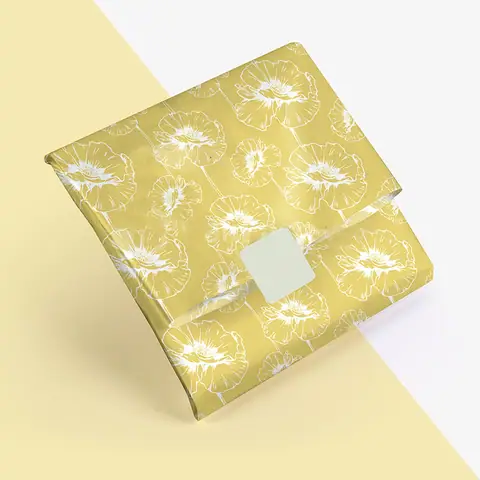
Custom branded tissue paper is the layer a customer touches between opening the box and holding what they bought.
Tear Strip Tape
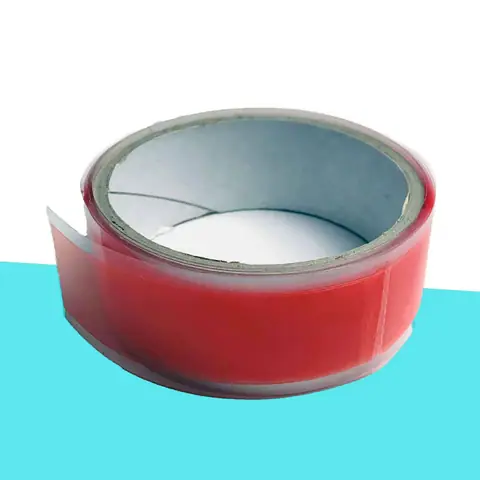
Tear strip tape is the narrow self-adhesive ribbon built into a box so the customer can pull a tab and open the carton…

Folding Carton Inserts
Custom folding carton inserts are die-cut pieces of card that fold into shape inside a box and hold each product in its own place.
Heat Seal Paper Questions
What buyers ask before ordering heat seal paper.
What is the difference between porous and coated heat seal paper?
Porous paper lets water pass through and is used for tea bags and infusions. Coated paper has a sealable surface layer and is used for sachets and envelopes that should stay closed and keep contents dry.
Will this paper work on my handheld impulse sealer?
Most coated grades seal well on impulse sealers at modest settings. Try a short test on plain stock to find the right temperature and dwell time before printing a full run.
Can I print right up to the edges?
Print should stay out of the seal zones, because ink can weaken the bond. We mark those zones on the proof so artwork sits only where it will not affect sealing.
Do you slit rolls to my machine width?
Yes. Rolls are slit to your width, wound on your core size and labelled with wind direction. Send the details from your machine manual or supplier.
Can I use it for loose leaf tea bags?
Yes, porous heat seal filter paper is made for that. Food-contact grade paper is available on request for anything in direct contact with tea or food.
Why are my seals peeling open?
Usually the temperature is too low, the dwell time too short or the pressure uneven. Damp paper can also seal poorly, so store rolls dry and let them reach room temperature before use.
How many sachets will one roll make?
That depends on the roll length and repeat size. Give us the finished sachet dimensions and seal width and we will estimate the yield with your quote.
Can I add batch codes after printing?
Yes. Leave a blank panel on the artwork so a coder or stamp can mark each sachet on the packing line.
Is heat seal paper available as sheets?
Yes. Cut sheets suit small brands sealing by hand on a bench. A4 is common, and other sizes can be cut to suit your sachet.
How long does printed heat seal paper take?
Production takes 4 to 7 working days after proof approval, then free tracked delivery to UK mainland addresses within 2 to 3 working days.
Get a Price for Your Heat Seal Paper
Fill in as much as you know. Sizes are in mm (internal sizes for boxes). If you have artwork, attach it; if not, a logo is enough to start the proof.
We reply with a custom quote by email within one working day, then send a free design proof before anything is printed.
- Phone+44 7578 382054
- WhatsAppMessage us
- Emailinfo@shopcustomboxes.co.uk
- HoursMonday to Friday, 9 am to 5.30 pm UK time
- OfficeOffice 704, 85 Dunstall Hill, Wolverhampton, WV6 0SR