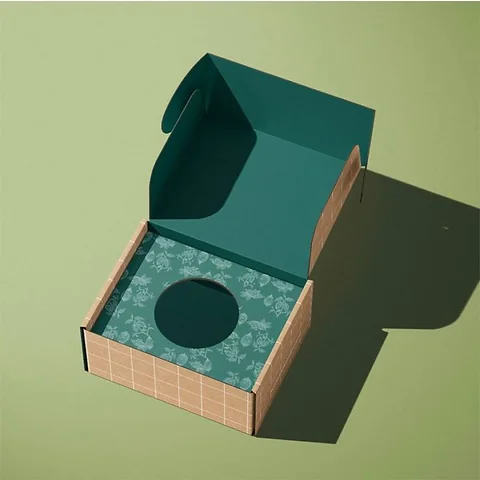
 Custom Mailer Boxes
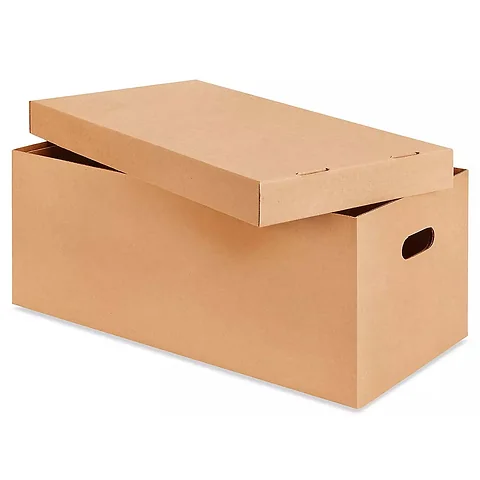 Custom Shipping Boxes
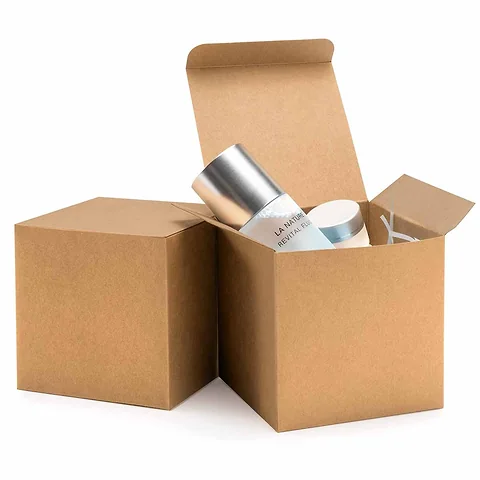 Custom Cardboard Boxes
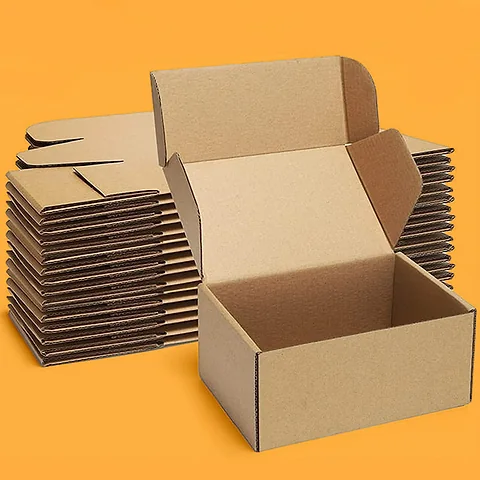 Custom Kraft Boxes
 Custom Product Boxes
 Custom Retail Boxes
 Custom Tuck End Boxes
 Custom Pillow Boxes
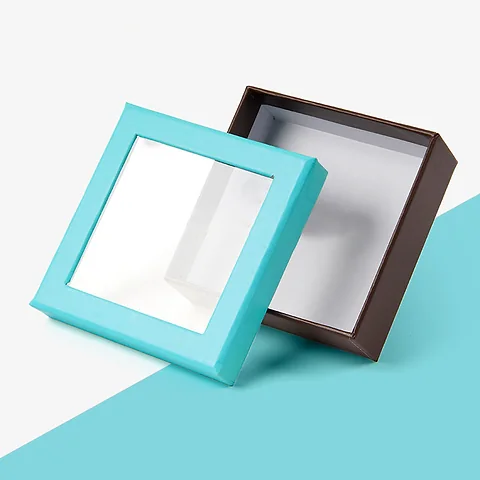 Custom Window Boxes
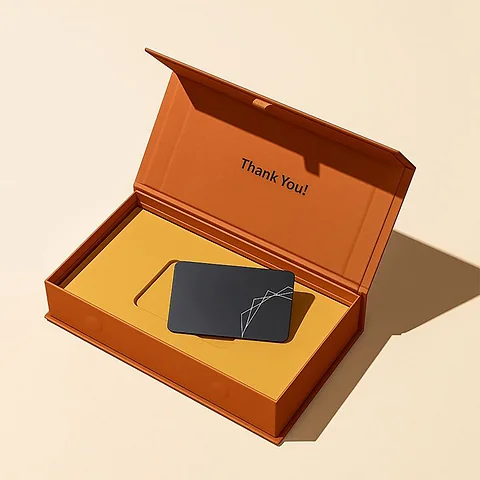 Custom Rigid Boxes
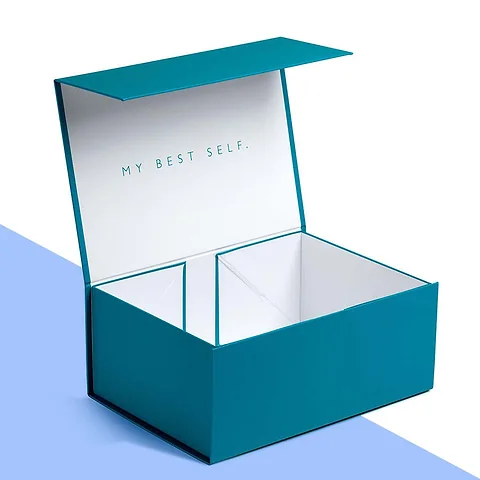 Custom Gift Boxes
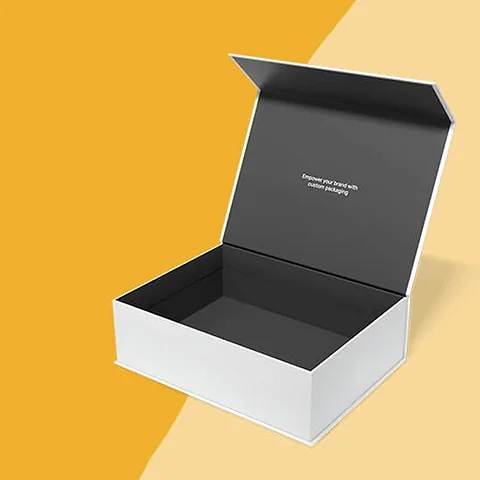 Custom Magnetic Boxes
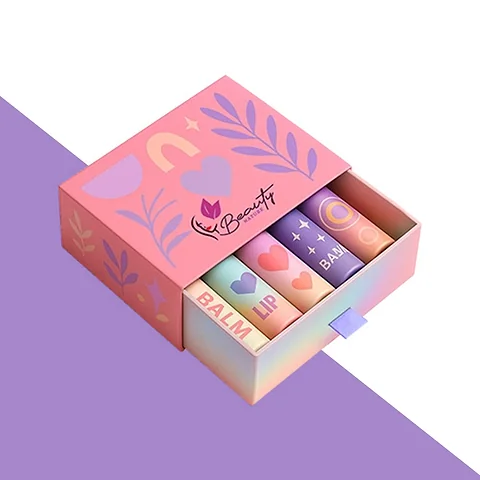 Custom Sleeve Boxes
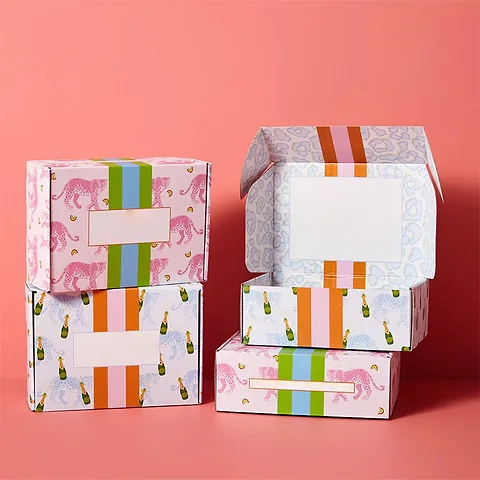 Custom Printed Boxes
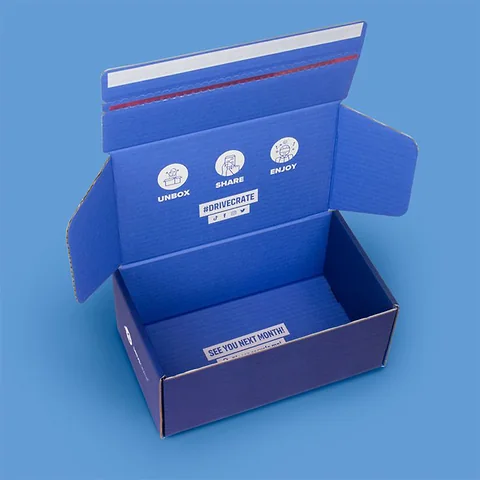 Custom Boxes with Logo
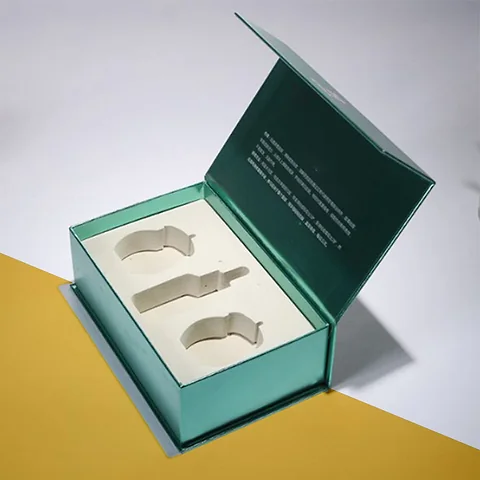 Custom Box Inserts
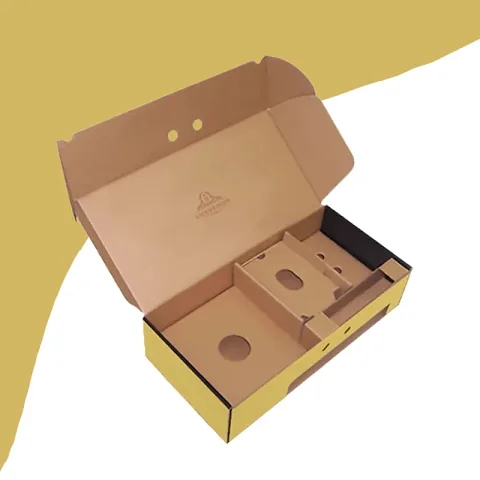
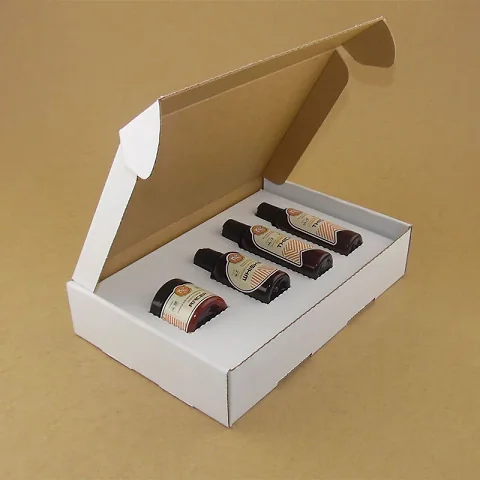
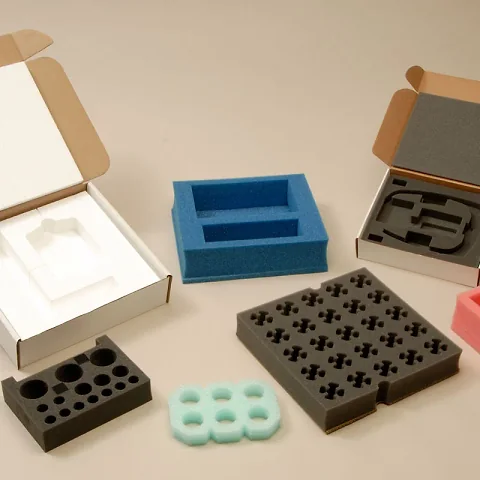
Custom Punched Card Inserts
Custom punched card inserts are flat or folded cards with die-cut holes sized to hold vials, bottles, tubes or ampoules upright inside a box. Laboratories, cosmetic brands and supplement makers use them because they are simple, accurate and far cheaper than moulded trays.
- Design proofFree, approved by you before printing
- PriceCustom quote by email within one working day
- Production4–7 working days after proof approval
- DeliveryFree and tracked, UK mainland, 2–3 working days
- Misprints or damageReported within 10 days, reprinted or refunded
A Simple Insert That Does a Precise Job
A punched insert is little more than a card with holes in it, but the holes do a lot. Each one is cut to the diameter of the item it holds, so a vial or bottle drops in and stays upright and separated from its neighbours. Glass does not touch glass, labels do not rub, and the contents stay in a fixed order that makes it easy to check a kit at a glance.
Because the holes are cut with a die, they are accurate and consistent across a whole run. That matters for kits where every item must be in its place, such as test kits, sample sets or a cosmetic regime in a particular order.
Card inserts also pack flat until use, take up little storage space and can be printed with labels, numbers or instructions right next to each hole.
Compared with moulded plastic or vacuum-formed trays, card inserts need no expensive mould. A cutting die is far cheaper to make, so changes to the layout or item sizes can be handled quickly and affordably. That suits laboratories and brands whose kits change from time to time. Items too heavy or fragile for card move to foam inserts cut to shape.
Single Layer, Double Layer and Folded
The construction depends on how tall and heavy the items are.
For tall bottles that might tip, the double layer or a folded riser is usually the right choice. For short vials and ampoules, a single layer is often enough.
A folded riser has the advantage of being one piece, which speeds up packing. The card folds into a small platform with legs that rest on the box floor, holding the punched deck at exactly the right height for the items.
Double layer inserts use two separate cards held apart by folded side walls or by the box itself. They give the most stability for tall dropper bottles and sample tubes. Platforms that fold up without holes are covered on our folding carton inserts page.
- Single layer: one punched card near the top of the box, for light, short items
- Double layer: two punched cards, one near the top and one near the base, for taller items
- Folded riser: a single card folded into a platform with the punched deck raised to the right height
- Base support: a plain card under the items so they do not rest on the box floor
- Combination: punched holes alongside a flat area for leaflets or droppers
Often ordered by
- Laboratories
- Diagnostic kit makers
- Cosmetic brands
- Supplement makers
- Fragrance brands
- Craft and paint brands
Popular Punched Card Inserts Sizes
Sizes are in mm. Every order is cut to your size, so any size between these rows is fine.
| Size | Often used for |
|---|---|
| Ampoule card 100 x 60 mm | Five 2 ml ampoules |
| Vial kit 120 x 80 mm | Six 5 ml vials in two rows |
| Serum set 150 x 50 mm | Three 30 ml dropper bottles |
| Test tube rack 200 x 100 mm | Ten sample tubes |
| Discovery set 180 x 60 mm | Eight fragrance sample vials |
Not sure of the size? Send the product measurements and we work out the rest.
Styles
- Single layer punched card
- Double layer punched card
- Folded riser insert
- Combination insert
Materials
- Folding boxboard 350-450 gsm
- E-flute corrugated
- White or kraft board
- Full colour CMYK
- One spot colour
- Numbers and labels beside holes
Finishes
- Uncoated
- Matt lamination
- Gloss lamination
Extras
- Grip slits around holes
- Base support card
- Thumb notch
- Leaflet area
See the board and finish guide for what each option looks like.
Production and Delivery
Production takes 4–7 working days after you approve the free design proof. Delivery to the UK mainland is free and tracked, and arrives in 2–3 working days once the order leaves production. The tracking link comes to you by email.
Reprints and Refunds
Check the order when it arrives. If anything is misprinted or damaged, report it within 10 days with a photo and we reprint or refund the items affected. Read the full returns and reprints policy.
Need it by a date?
Tell us the date with your sizes and we plan the proof and production around it.
Punched Card Inserts Specification
| Style | Single layer punched card, Double layer punched card, Folded riser insert, Combination insert |
|---|---|
| Material | Folding boxboard 350-450 gsm, E-flute corrugated, White or kraft board |
| Full colour CMYK, One spot colour, Numbers and labels beside holes | |
| Finish | Uncoated, Matt lamination, Gloss lamination |
| Extras | Grip slits around holes, Base support card, Thumb notch, Leaflet area |
| Size | Made to your size in mm |
| Minimum order | Low, quoted per job |
| Price | From £0.25 an insert; custom quote by email within one working day |
| Proof | Free design proof before printing |
| Production | 4–7 working days after proof approval |
| Delivery | Free tracked UK mainland delivery, 2–3 working days |
Sizing Holes for Custom Punched Card Inserts
Measure the diameter of each item at the point where the insert will grip it, usually the body just below the shoulder or the neck. For a firm fit, the hole is cut slightly smaller than the diameter and the card flexes as the item is pushed in. For easy removal, the hole is cut slightly larger. We can add small slits around each hole so it grips firmly without tearing.
Spacing between holes keeps items apart and gives the card enough strength. As a rule, the gap between holes should be at least a few millimetres. If items have caps wider than their bodies, the spacing must allow for the caps.
Send us samples or technical drawings of each item, and we will design the hole pattern and the insert height.
Allow for label thickness. A vial measured bare is slightly narrower than the same vial with a label wrapped around it, and that small difference can turn a snug fit into a tight one. Measure items exactly as they will be packed. Our guide to measuring small items for an insert explains where to take the diameter.
Board Choices
Most punched inserts are made from folding boxboard of 350 to 450 gsm, which is stiff enough to hold items upright and cuts cleanly. Heavier items or larger holes may need E-flute corrugated, which is stronger but cuts with a slightly rougher edge. White board suits laboratory and cosmetic kits, while kraft board suits natural brands and craft products.
If the insert will be handled often, a lamination on the top surface keeps it clean. For laboratory use, a smooth white surface is easy to write on and looks clean in a clinical setting.
Grain direction matters for strength. We cut inserts so the stiffer direction of the board runs across the longest span, which stops the card sagging between holes when loaded with heavier items. The board and card types guide explains grain direction and stiffness.
Printing on the Insert
Printing directly on the insert is one of its biggest advantages. Numbers, names or colour codes next to each hole tell users which item goes where, which is important for test kits, sample sets and regimes that should be used in order. A short instruction line or a logo on the insert gives a finished look when the box is opened.
For laboratory kits, labels such as sample numbers or reagent names can be printed beside each hole, helping staff check that a kit is complete. For cosmetic sets, a step number beside each bottle guides the customer through a routine.
Colour coding works well when kits are used under time pressure. A coloured ring printed around each hole, matching a coloured cap, lets users find the right item at a glance without reading small text. Upload the hole labels through the free proof request and we will set them beside each cavity.
Who Uses Punched Inserts
Laboratories and diagnostic companies use them in sample collection kits and reagent boxes. Cosmetic and skincare brands use them for serum sets, sample kits and travel sets. Supplement makers use them for vials and ampoules. Fragrance brands use them for discovery sets of small vials, and craft brands use them for paint pots, inks and essential oils.
They are also used outside packaging, in storage boxes and drawers that hold tubes and vials in a fixed order.
Some customers order inserts on their own to fit boxes they already have. Others order both together so the insert, box and print are designed as one. Either works, as long as we know the inside dimensions of the box. Retail sets that mix holes with platforms are shown on our retail packaging inserts page.
Measure Each Vial With Its Label On
A punched hole is cut to a tenth of a millimetre, so measure every item exactly as it will be packed, label wrapped round it, cap fitted, at the point where the card grips, usually just under the shoulder. A bare vial is narrower than a labelled one. Say how many holes, whether items are short or tall, as tall bottles want a double layer, and give the inside size of the box the insert drops into.
Tell us what should print beside each hole, numbers for a routine or names for a reagent set. Send samples or drawings, the hole count, the box size and quantity, and a custom quote comes back by email within one working day, with minimums quoted per job. The free proof shows the hole layout at actual size. Production takes 4–7 working days after approval and the flat inserts arrive by free tracked delivery to UK mainland addresses in 2–3 working days. Faulty or damaged inserts reported within 10 days are reprinted or refunded. Kits that need walls between items rather than holes use card box partitions instead.
Design Your Punched Card Insert
Choose the punched card inserts photo closest to what you have in mind, add your logo, drag it into place and set the size. Send it with your sizes and we reply with a custom quote and a free design proof.

Drag the logo, or select it and use the arrow keys (Shift moves faster, + and − resize).
Related Products
Other packaging that is often ordered alongside punched card inserts.
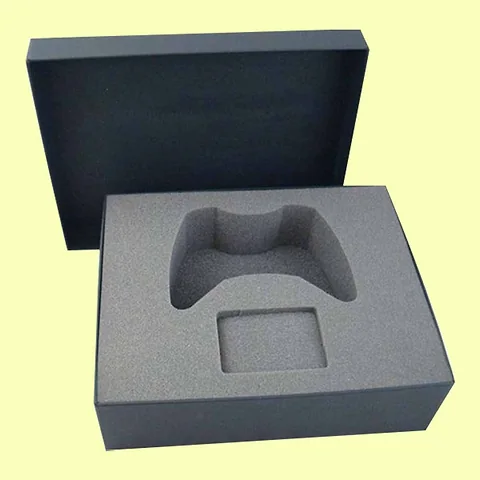
Foam Inserts
Custom foam inserts hold a product in a pocket shaped exactly around it, so nothing slides, knocks or scratches between your…
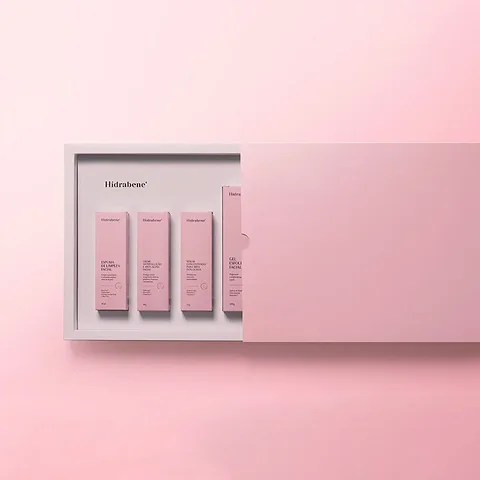
Folding Carton Inserts
Custom folding carton inserts are die-cut pieces of card that fold into shape inside a box and hold each product in its own place.
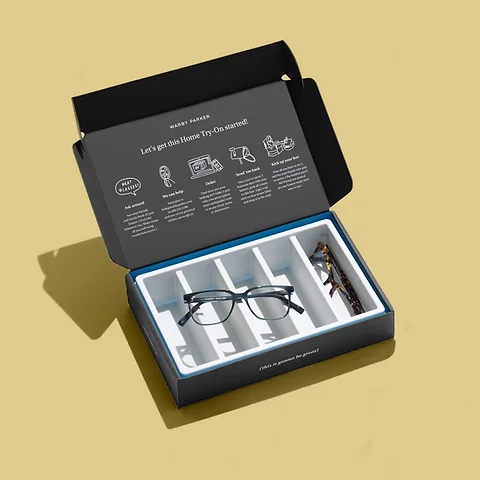
Retail Packaging Inserts
Custom retail packaging inserts are the cut card, corrugated or foam platforms that sit inside a box and hold each product in…
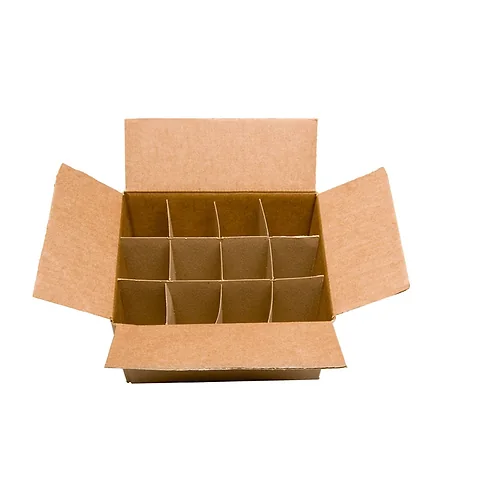
Box Partitions
Custom box partitions are slotted strips of board that interlock into a grid, giving every bottle, jar or component its own…
Punched Card Inserts Questions
What buyers ask before ordering punched card inserts.
How tight should the holes be?
For a firm fit, holes are cut slightly smaller than the item and the card flexes as it is pushed in. For easy removal, they are cut slightly larger. Grip slits help on both.
When do I need a double layer insert?
Taller items that might tip need two punched layers, one near the top and one near the base. Short vials usually only need one.
Can you print numbers next to each hole?
Yes, numbers, names and colour codes can be printed beside each hole. It helps users find and replace items in the right order.
What if my items have caps wider than their bodies?
We allow for the cap width when spacing the holes. Send us samples so we can check.
Can punched inserts go into existing boxes?
Yes. Tell us the inside dimensions of your box and we will size the insert to fit.
Is card strong enough for glass bottles?
Heavy folding boxboard holds most small glass bottles well. For heavier bottles, E-flute corrugated or a double layer adds strength.
Can the insert be written on?
Yes, uncoated white board takes pen and marker well. It suits laboratory kits where samples are labelled by hand.
Do you supply the boxes as well?
Yes, we can quote the insert and the box together. Designing both at once gives the best fit.
Can I order inserts in small quantities?
Yes, minimums are quoted per job. Inserts are economical to produce in short runs.
What do you need to design the insert?
Samples or drawings of each item, the number of holes and the box size. We show the layout in a free proof.
Get a Price for Your Punched Card Inserts
Fill in as much as you know. Sizes are in mm (internal sizes for boxes). If you have artwork, attach it; if not, a logo is enough to start the proof.
We reply with a custom quote by email within one working day, then send a free design proof before anything is printed.
- Phone+44 7578 382054
- WhatsAppMessage us
- Emailinfo@shopcustomboxes.co.uk
- HoursMonday to Friday, 9 am to 5.30 pm UK time
- OfficeOffice 704, 85 Dunstall Hill, Wolverhampton, WV6 0SR