 Custom Mailer Boxes
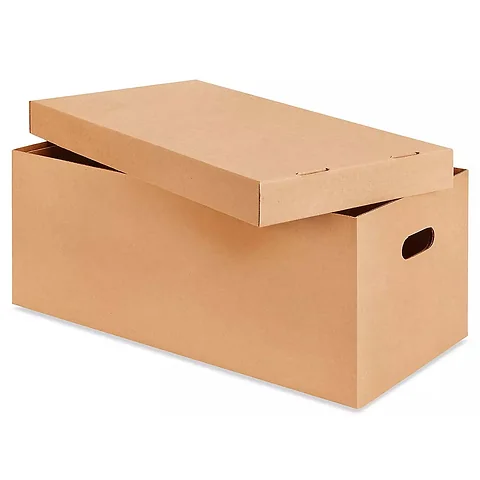 Custom Shipping Boxes
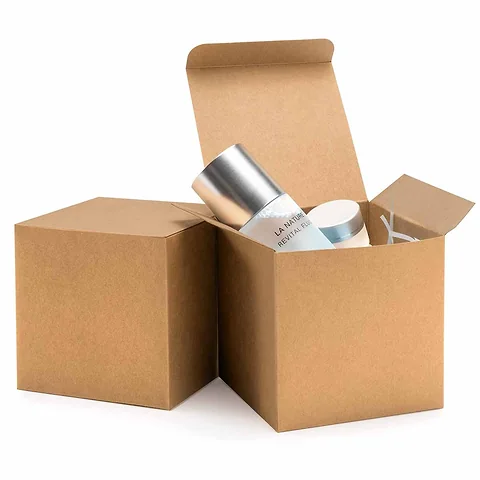 Custom Cardboard Boxes
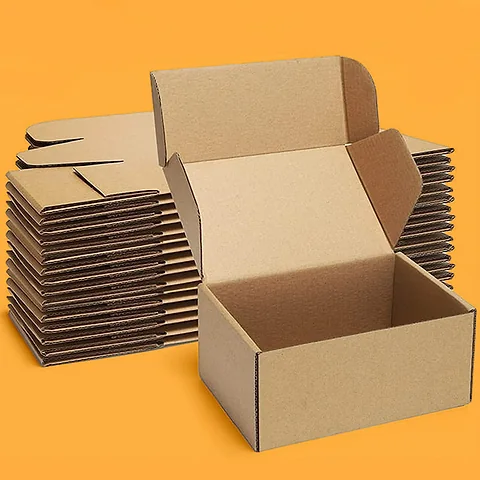 Custom Kraft Boxes
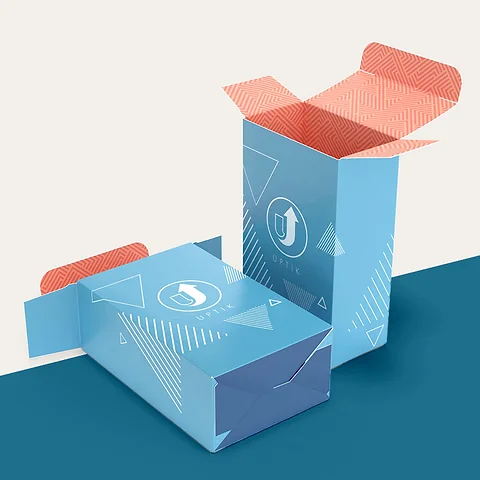 Custom Product Boxes
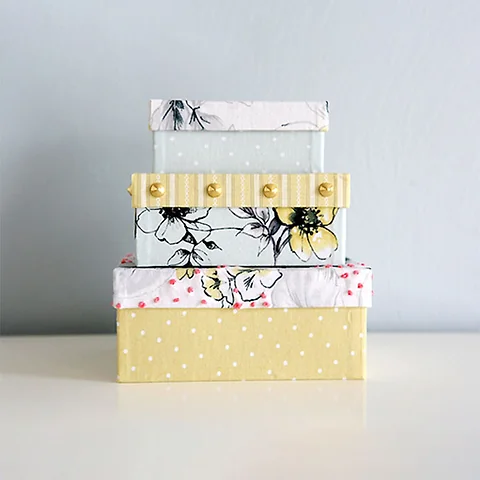 Custom Retail Boxes
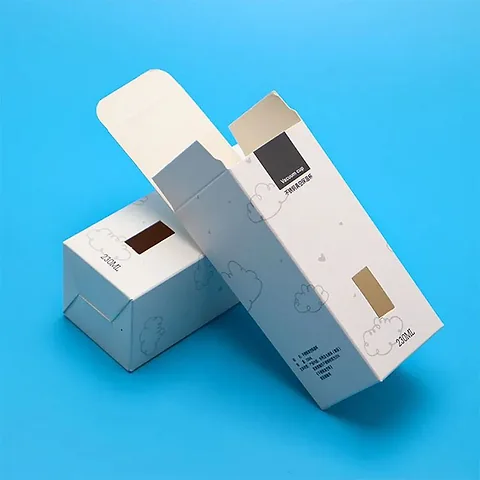 Custom Tuck End Boxes
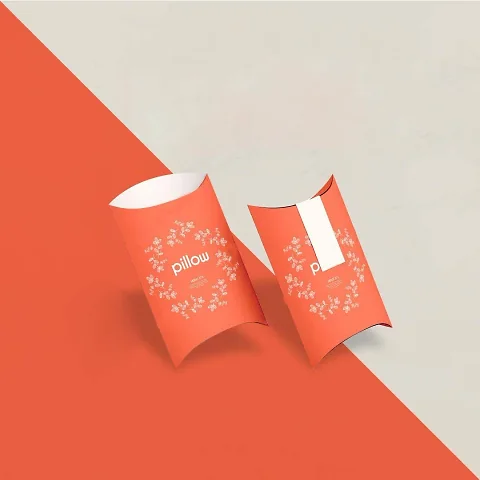 Custom Pillow Boxes
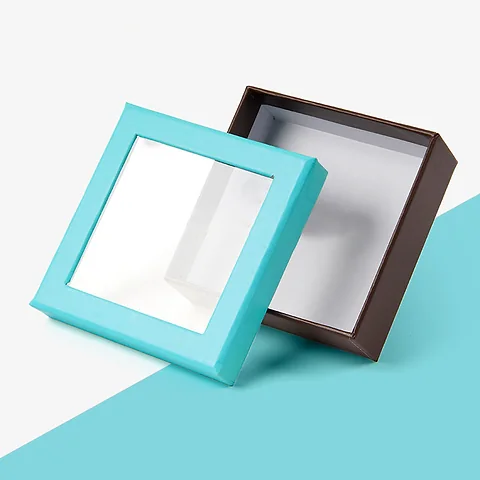 Custom Window Boxes
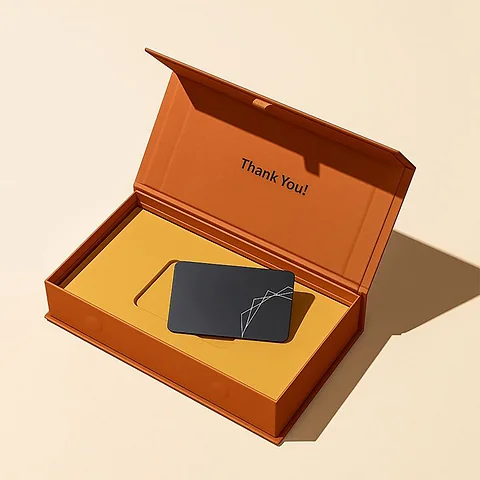 Custom Rigid Boxes
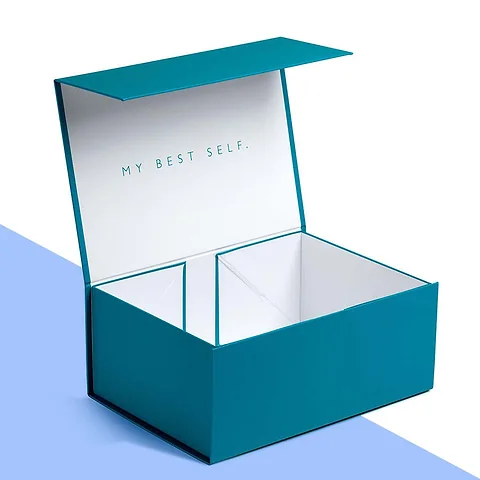 Custom Gift Boxes
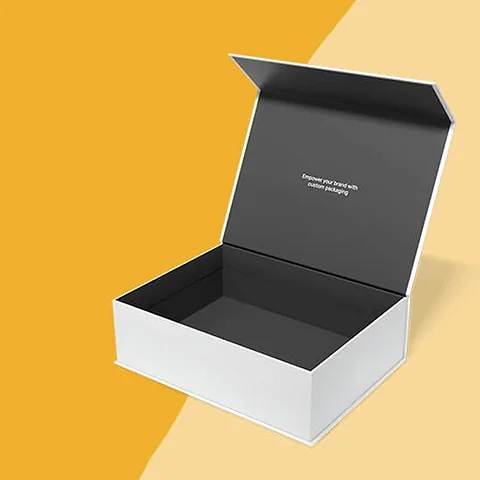 Custom Magnetic Boxes
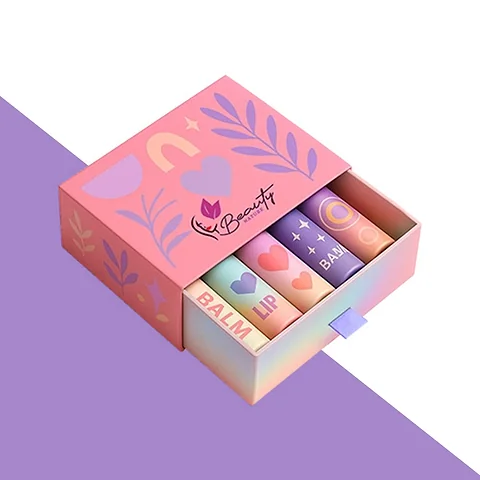 Custom Sleeve Boxes
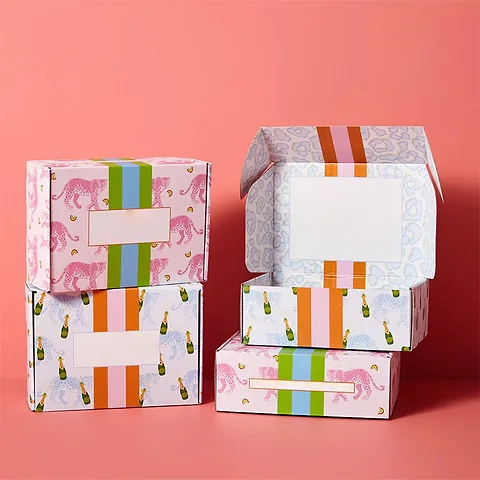 Custom Printed Boxes
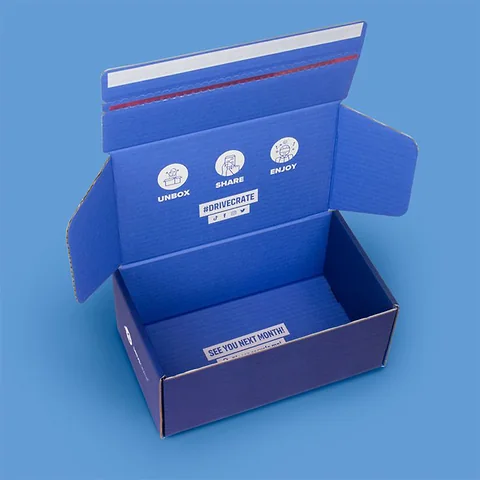 Custom Boxes with Logo
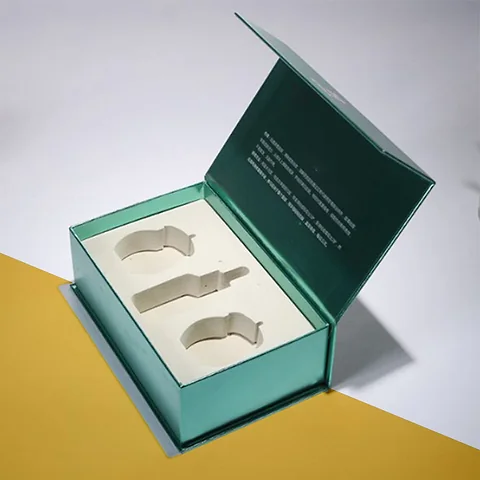 Custom Box Inserts
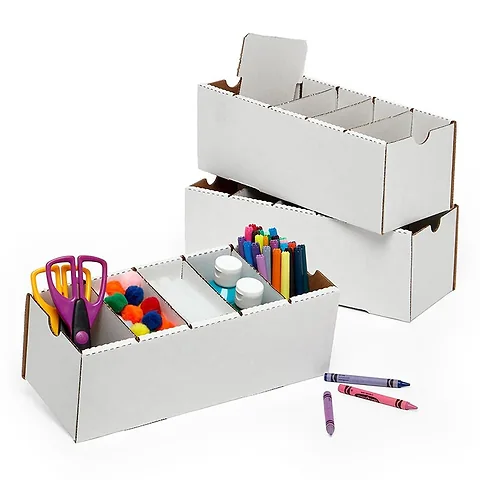
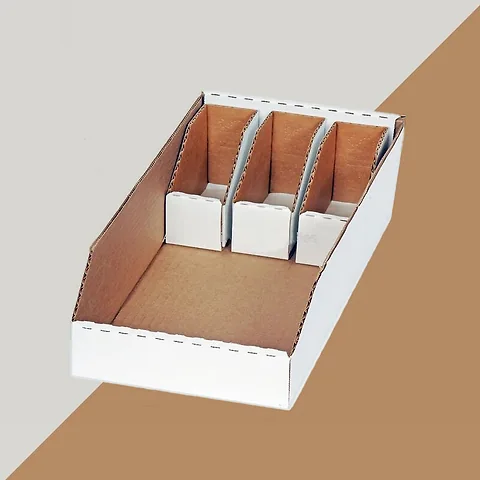
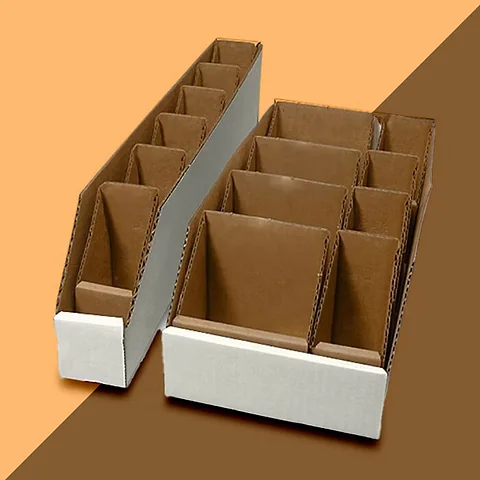
Custom Shelf Bin Dividers for Picking and Stock Rooms
Custom shelf bin dividers are card panels that slot into an open-fronted bin and split it into lanes, so small parts and fast-moving lines stop sliding into each other. We cut them to the inside dimensions of your bins and can print location codes or part numbers straight onto the board.
- Design proofFree, approved by you before printing
- PriceCustom quote by email within one working day
- Production4–7 working days after proof approval
- DeliveryFree and tracked, UK mainland, 2–3 working days
- Misprints or damageReported within 10 days, reprinted or refunded
Why Mixed Bins Slow Down Picking
A shelf bin that holds three similar items without any separation is a picking error waiting to happen. Screws of two lengths, phone cases in two colours, or sachets of similar flavours all drift together as stock is pulled from the front, which is the same problem printed box partitions solve inside a carton. Pickers then spend time sorting rather than picking, and the wrong item goes into the parcel more often than anyone likes to admit.
Dividers put a physical wall between lines. Each lane holds one product, the label sits on the front edge where the picker looks, and replenishment staff can see at a glance which lane is running low. It is one of the cheapest changes a warehouse can make, and it often frees up shelf space too, because one wide bin with three lanes replaces three narrow bins with wasted gaps between them.
Dividers also make stock checks quicker. When every lane holds one line and carries its own code, a counter can scan or eyeball a bay in a fraction of the time it takes to tip out a mixed bin and sort it by hand.
How the Dividers Fit
There are two common ways to fit a divider, and the right one depends on your bins and how often you rearrange them; the plain chipboard dividers use the simpler of the two.
- Lengthways dividers run from front to back and create lanes side by side. They suit small parts bins and long, open picking shelves.
- Crossways dividers run from side to side and split a deep bin into front and back sections, useful for keeping overflow stock behind the active pick face.
- Slotted grids combine both, interlocking at slots cut halfway into each panel to create a grid of compartments.
- Tabbed dividers have a raised tab at the front that carries a printed label above the stock line.
Often ordered by
- E-commerce fulfilment centres
- Third-party logistics warehouses
- Hardware and fixings suppliers
- Pharmacy and beauty stock rooms
- Spare parts departments
- Retail back-of-house stock rooms
- Workshops and maintenance stores
Popular Shelf Bin Dividers Sizes
Sizes are in mm. Every order is cut to your size, so any size between these rows is fine.
| Size | Often used for |
|---|---|
| Small parts bin 95 x 60 mm | Screws, fixings and electronic components |
| Medium picking bin 280 x 100 mm | Cosmetics, sachets and phone accessories |
| Deep shelf bin 400 x 150 mm | Boxed goods and clothing accessories |
| Long shelf lane 580 x 120 mm | Open shelving in fulfilment centres |
| Bulk bin grid 500 x 200 mm | Loose hardware split into a grid of cells |
Not sure of the size? Send the product measurements and we work out the rest.
Styles
- Lengthways lane divider
- Crossways divider
- Slotted grid insert
- Tabbed divider with label tab
- Tapered divider for sloped bins
Materials
- Grey chipboard
- White folding board
- Single wall corrugated
- Double wall corrugated
- Moisture-resistant coated board
- One-colour codes
- Full-colour print
- Variable SKU or location codes
- Barcodes and QR codes
Finishes
- Uncoated
- Matt varnish
- Wipe-clean coating
Extras
- Packed by aisle or bin type
- Matching cardboard shelf bins
- Colour-coded runs
Not sure which material or finish suits? Tell us how the divider will be used and we suggest one in your custom quote.
Production and Delivery
Production takes 4–7 working days after you approve the free design proof. Delivery to the UK mainland is free and tracked, and arrives in 2–3 working days once the order leaves production. The tracking link comes to you by email.
Reprints and Refunds
Check the order when it arrives. If anything is misprinted or damaged, report it within 10 days with a photo and we reprint or refund the items affected. Read the full returns and reprints policy.
Need it by a date?
Tell us the date with your sizes and we plan the proof and production around it.
Shelf Bin Dividers Specification
| Style | Lengthways lane divider, Crossways divider, Slotted grid insert, Tabbed divider with label tab, Tapered divider for sloped bins |
|---|---|
| Material | Grey chipboard, White folding board, Single wall corrugated, Double wall corrugated, Moisture-resistant coated board |
| One-colour codes, Full-colour print, Variable SKU or location codes, Barcodes and QR codes | |
| Finish | Uncoated, Matt varnish, Wipe-clean coating |
| Extras | Packed by aisle or bin type, Matching cardboard shelf bins, Colour-coded runs |
| Size | Made to your size in mm |
| Minimum order | Low, quoted per job |
| Price | From £0.25 a divider; custom quote by email within one working day |
| Proof | Free design proof before printing |
| Production | 4–7 working days after proof approval |
| Delivery | Free tracked UK mainland delivery, 2–3 working days |
Measuring Inside the Bin
Always measure the inside of the bin, not the outside, and measure at the base as well as the top. Many plastic picking bins taper slightly, so a divider cut to the top dimension will rattle about at the bottom and lean over. We can cut a tapered divider that follows the slope of the walls if you send both measurements.
Tell us the height you want the divider to stand, too. A panel that reaches the full height of the bin keeps tall stock upright but hides the contents from above. A lower panel lets pickers see into each lane while still stopping small items wandering across. For cardboard shelf bins made of card themselves, the dividers can be designed to lock into slots in the bin walls so they never shift.
Small differences matter here. A divider two millimetres too long bows in the middle; one two millimetres too short slides sideways.
Board Grades for Light and Heavy Stock
For light items such as cosmetics, sachets, cards or clothing accessories, a solid white or grey chipboard is enough. It is thin, takes print well and does not eat into lane width. For heavier stock such as hardware, bottles or boxed electronics, a single wall corrugated board gives more stiffness and resists bowing when lanes are packed tight.
Double wall corrugated suits deep bulk bins that hold heavier loose parts, though it takes up more width. If the bins sit in a cold store or damp area, ask about a moisture-resistant coated board instead.
If you are not sure which grade you need, send us a note of the heaviest item that will sit against each divider and how tightly lanes are packed. We will recommend the thinnest board that will stay straight under that load, which keeps lanes as wide as possible.
Printing Codes, Labels and Colour Coding
Printing straight onto the divider saves sticking labels on later and keeps the location reference fixed to the lane. We can print location codes, SKU references, barcodes or product names on the front edge or on a raised tab, and the print and finish options compared page shows which print holds up to handling. Variable print lets each divider carry a different code within one order, so a whole aisle can be delivered ready labelled.
Colour coding is another option many stock rooms use. One colour per product family, or per pick zone, helps new staff learn the layout quickly. Barcodes need a clean white background and enough quiet space around them to scan reliably, so tell us the scanner type and we will size the code on the proof. Retail stock rooms sometimes add a small logo, but most warehouse clients keep the design purely functional.
Front-edge print should sit high enough to stay visible when the lane is full. On a low divider, a fold-over tab that leans slightly towards the picker keeps the code readable even when stock is piled up to the top edge.
Rolling Out Dividers Across a Warehouse
Start with one aisle or one bay as a trial. Fit the dividers, watch how pickers use them for a week and adjust the lane widths before ordering the rest, as you would with corrugated box dividers in a packing station. It is common to find that some products need a wider lane than you guessed, or that a lower divider height works better for visibility.
Once you know what works, send us a list of bin sizes and how many dividers each needs. We can pack them by aisle or by bin type so the team fitting them does not have to sort a pallet of loose panels. Different shapes and sizes can usually run in a single production batch, which keeps the job simple even when your shelving is a mix of old and new bins.
Measure the Bin at the Top and the Bottom, Because Most Bins Taper
Shelf bin dividers fail when the bin is measured once. Most plastic picking bins are narrower at the base than at the rim, so measure the inside length and width at both, and the depth, and send all three figures; a divider cut to the rim will lean in a tapered bin, while one cut to the base rattles. Count the lanes you want per bin and weigh a full lane, because heavy hardware wants corrugated board where light sachets suit chipboard. If codes are printed on the dividers, send a spreadsheet of them and say whether they go on the front edge or a raised tab.
Send the inside dimensions, the number of lanes, the board you prefer and any print details, and a custom quote comes back within one working day with a free design proof showing the flat cutting shape, the slot positions and the print layout. Production takes 4 to 7 working days after approval and free tracked delivery reaches UK mainland addresses in 2 to 3 working days, with minimums low and quoted per job. Warehouses that replace the bins as well usually add printed cardboard shelf bins with lock-in slots.
Design Your Shelf Bin Divider
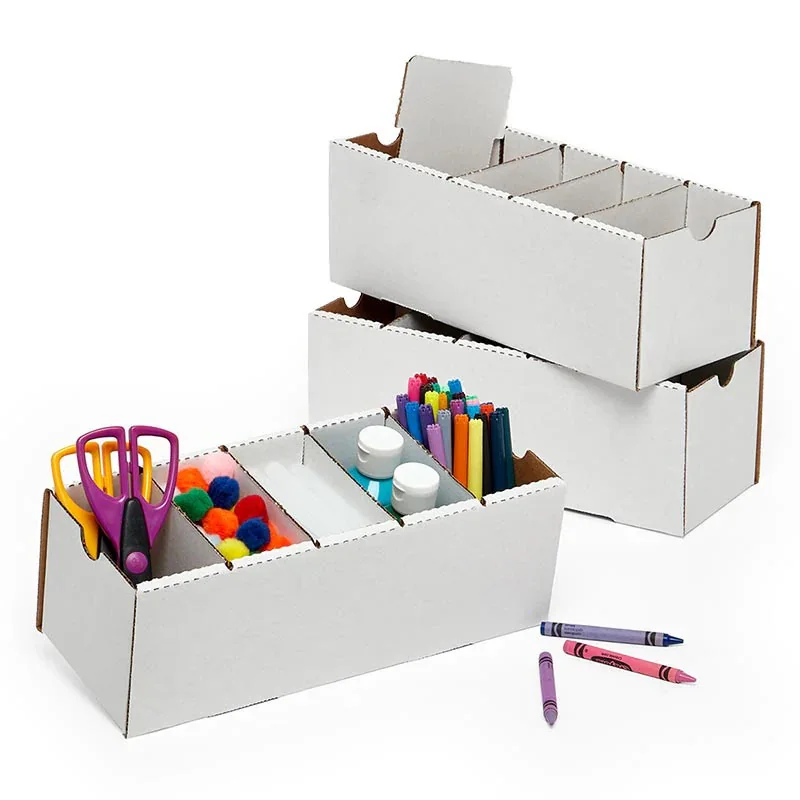
Choose the shelf bin dividers photo closest to what you have in mind, add your logo, drag it into place and set the size. Send it with your sizes and we reply with a custom quote and a free design proof.

Drag the logo, or select it and use the arrow keys (Shift moves faster, + and − resize).
Related Products
Other packaging that is often ordered alongside shelf bin dividers.
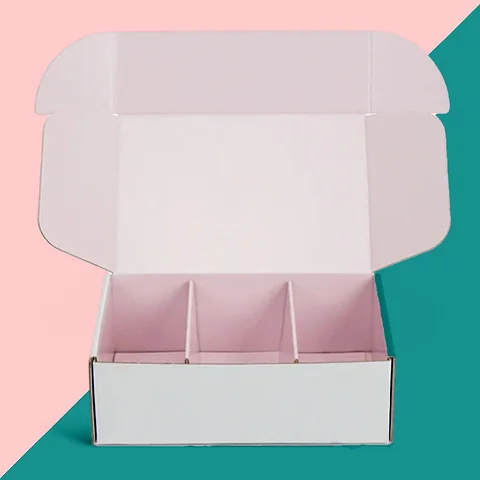
Corrugated Box Dividers
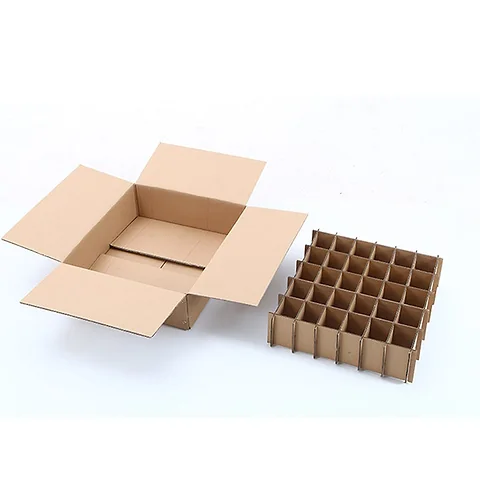
Custom corrugated box dividers are slotted partitions that slide together into a grid of cells, giving each bottle, jar or…
Chipboard Dividers
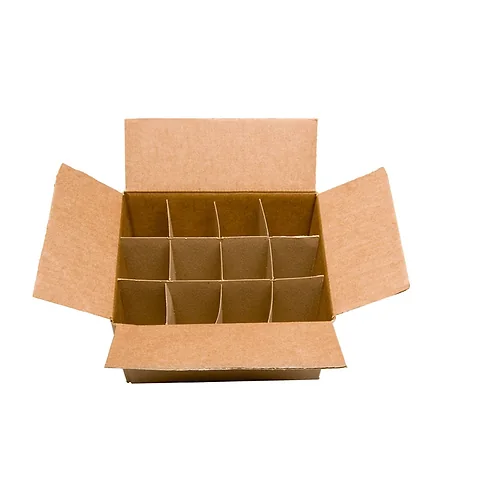
Custom chipboard dividers are thin, rigid card partitions that slot together into a grid and drop into a box, giving every…
Box Partitions
Custom box partitions are slotted strips of board that interlock into a grid, giving every bottle, jar or component its own…
Cardboard Shelf Bins
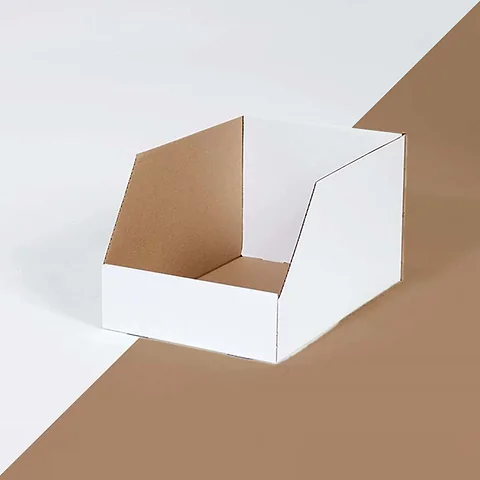
Custom cardboard shelf bins turn a run of open shelving into an organised pick face, with every part, product or spare in its…
Shelf Bin Dividers Questions
What buyers ask before ordering shelf bin dividers.
Will card dividers fit plastic picking bins?
Yes. Send us the inside dimensions at the base and at the top, and we will cut panels that sit snugly, including a tapered shape if the bin walls slope.
How do I stop dividers leaning over?
Use a stiffer board, cut them to the full inside length so they wedge against the walls, or choose a slotted grid that braces itself. For card bins, lock-in slots hold them firmly.
Can each divider carry a different location code?
Yes. Variable print puts a unique code on each panel within one order. Send a spreadsheet of codes and we will show a sample of each format on the proof.
Will barcodes printed on card scan reliably?
They will when printed at the right size with clear space round them on a white background. Tell us your scanner type and we will size the barcode to suit.
Which board should I use for heavy hardware?
Single or double wall corrugated gives the stiffness needed for heavy parts. Chipboard is better for light items where you want thin panels and more lane width.
Can I order dividers for several bin sizes at once?
Yes. Mixed sizes can usually run in one batch. We pack them grouped by size or aisle so your team can fit them without sorting.
Are the dividers suitable for a chilled store?
Standard board softens in damp conditions. For cold or humid areas, ask for a moisture-resistant coated board, which holds its shape far better.
Can I see the cutting shape before production?
Yes. The free proof shows the flat panel with slot positions, tab height and print placement, so you can check it against your bins before we cut anything.
What happens to old dividers when I change the layout?
Plain board dividers can go out with your other card waste; coated boards may need to go in general waste, so check locally. Keep a few spares from each batch, since a changed layout often reuses the same lane widths.
Can you make the shelf bins as well?
Yes. We make printed cardboard shelf bins, and we can design dividers that lock into them so the whole set arrives as one matched system.
Is there a minimum order for a trial aisle?
Minimums are low and quoted per job, so a small trial run for one bay is fine. Many clients order a test set before rolling out across the warehouse.
Get a Price for Your Shelf Bin Dividers
Fill in as much as you know. Sizes are in mm (internal sizes for boxes). If you have artwork, attach it; if not, a logo is enough to start the proof.
We reply with a custom quote by email within one working day, then send a free design proof before anything is printed.
- Phone+44 7578 382054
- WhatsAppMessage us
- Emailinfo@shopcustomboxes.co.uk
- HoursMonday to Friday, 9 am to 5.30 pm UK time
- OfficeOffice 704, 85 Dunstall Hill, Wolverhampton, WV6 0SR