 Custom Mailer Boxes
 Custom Shipping Boxes
 Custom Cardboard Boxes
 Custom Kraft Boxes
 Custom Product Boxes
 Custom Retail Boxes
 Custom Tuck End Boxes
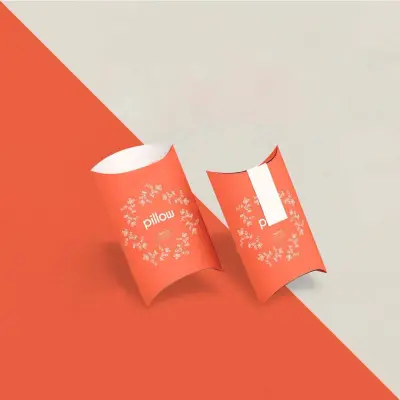 Custom Pillow Boxes
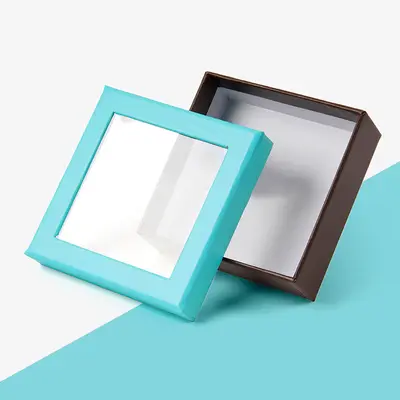 Custom Window Boxes
 Custom Rigid Boxes
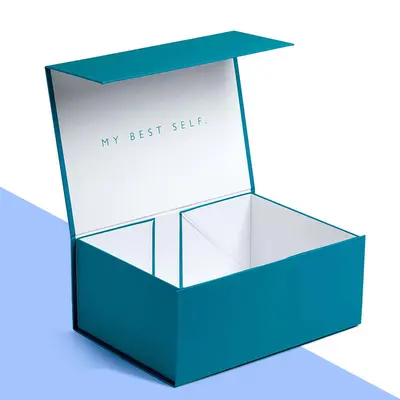 Custom Gift Boxes
 Custom Magnetic Boxes
 Custom Sleeve Boxes
 Custom Printed Boxes
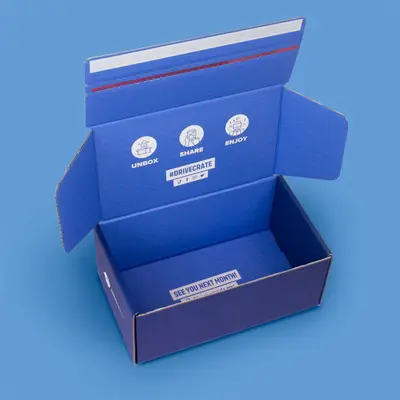 Custom Boxes with Logo
 Custom Box Inserts


Custom Folding Carton Dividers
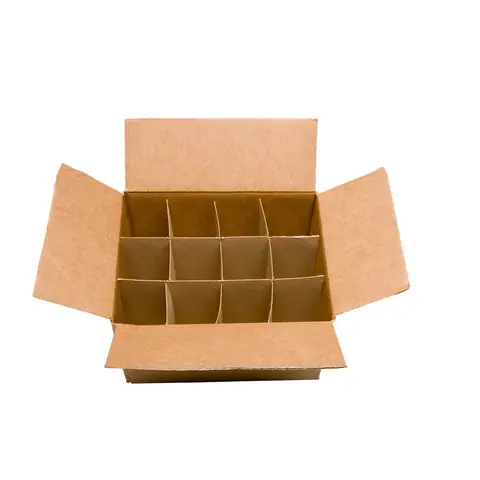
Custom folding carton dividers are card grids that fold or slot together and drop into a retail box, giving each lipstick, truffle, candle or bottle its own cell. They stop products knocking together, make sets look organised and turn a plain box into a presentation piece.
- Design proofFree, approved by you before printing
- PriceCustom quote by email within one working day
- Production4–7 working days after proof approval
- DeliveryFree and tracked, UK mainland, 2–3 working days
- Misprints or damageReported within 10 days, reprinted or refunded
Order Inside the Box
A set of four nail polishes rolling loose in a box looks careless and risks a chipped bottle. The same four sitting upright in their own cells look like a hand-picked collection. That is the job of a folding carton divider: it holds each item in a fixed place, protects it from its neighbours and makes the inside of the box look as considered as the outside.
Dividers are especially useful for sets. Cosmetics brands use them for lip kits, mini skincare sets and brush collections. Confectioners use them for truffles, macarons and chocolate selections. Candle and fragrance makers use them for votive and sample sets. Craft and hobby brands use them for paint pots, thread spools and bead kits. In each case, a divider means the set arrives exactly as it was packed.
Dividers also save time when packing. With a fixed grid, anyone in the team can pack a set correctly, because each item has a place and an empty cell is spotted straight away. That cuts down on sets going out with a missing shade or a doubled flavour, which is one of the most common reasons small brands receive complaints. Bottles in a case are usually held by slotted box partitions for bottles rather than a folding grid.
How Folding Carton Dividers Are Built
There are two main constructions. Slotted dividers are made from separate strips of card with half-depth slots cut into them; the strips slide into each other to form a grid, much like the dividers in a wine case but in lighter board. Folding dividers are cut from one piece and fold up into shape, sometimes with a base attached, so they are quicker to assemble and stay put without loose strips.
Which one is right depends on the number of cells and how quickly you need to pack. A two by two grid is easy either way. A grid of twelve or more is faster to build as a slotted divider, while a one-piece folding insert with a base is easier for small teams who want everything to drop in as a single unit.
- Slotted strip grids for many cells
- One-piece folding inserts with a base
- Single row partitions for lines of bottles or tubes
- Raised platform inserts with die-cut holes
Often ordered by
- Cosmetics and makeup brands
- Chocolatiers and sweet makers
- Candle and wax melt makers
- Skincare sample sets
- Craft and hobby kit brands
- Gift box and hamper makers
Popular Folding Carton Dividers Sizes
Sizes are in mm. Every order is cut to your size, so any size between these rows is fine.
| Size | Often used for |
|---|---|
| Four cell 100 x 100 x 40 mm | Four truffles or mini candles |
| Six cell lip kit 120 x 80 x 60 mm | Six lipsticks or nail polishes |
| Nine cell 150 x 150 x 35 mm | Chocolates, macarons or samples |
| Twelve cell 200 x 150 x 50 mm | Paint pots, thread spools or sample vials |
| Bottle row 240 x 60 x 80 mm | Four bottles in a single line |
Not sure of the size? Send the product measurements and we work out the rest.
Styles
- Slotted strip grids
- One-piece folding inserts
- Single row partitions
- Platform inserts with die-cut holes
Materials
- 300 to 400 gsm folding boxboard
- E-flute corrugated
- Wrapped greyboard
- Kraft board
- Food-contact grade board on request
- Plain unprinted
- Full colour
- Single spot colour
- Printed labels per cell
Finishes
- Matt varnish
- Gloss varnish
- Matt lamination
- Uncoated natural
Extras
- Finger notches for easy lifting
- Platform bases
- Matching outer boxes
- Paper cups and liners
Not sure which material or finish suits? Tell us how the divider will be used and we suggest one in your custom quote.
Production and Delivery
Production takes 4–7 working days after you approve the free design proof. Delivery to the UK mainland is free and tracked, and arrives in 2–3 working days once the order leaves production. The tracking link comes to you by email.
Reprints and Refunds
Check the order when it arrives. If anything is misprinted or damaged, report it within 10 days with a photo and we reprint or refund the items affected. Read the full returns and reprints policy.
Need it by a date?
Tell us the date with your sizes and we plan the proof and production around it.
Folding Carton Dividers Specification
| Style | Slotted strip grids, One-piece folding inserts, Single row partitions, Platform inserts with die-cut holes |
|---|---|
| Material | 300 to 400 gsm folding boxboard, E-flute corrugated, Wrapped greyboard, Kraft board, Food-contact grade board on request |
| Plain unprinted, Full colour, Single spot colour, Printed labels per cell | |
| Finish | Matt varnish, Gloss varnish, Matt lamination, Uncoated natural |
| Extras | Finger notches for easy lifting, Platform bases, Matching outer boxes, Paper cups and liners |
| Size | Made to your size in mm |
| Minimum order | Low, quoted per job |
| Price | From £0.25 a divider; custom quote by email within one working day |
| Proof | Free design proof before printing |
| Production | 4–7 working days after proof approval |
| Delivery | Free tracked UK mainland delivery, 2–3 working days |
Measuring for a Snug Fit
Start with the inside dimensions of the outer box, measured from wall to wall at the base, not at the opening. Then measure the largest item that will sit in a cell, at its widest point. Decide how many rows and columns you need, and allow the thickness of each divider wall, usually 0.5 to 1 mm for folding board and around 1.5 mm for E-flute. The divider height is normally between half and three-quarters of the product height, so items are held firmly but are easy to lift out.
If you already have the outer boxes, send us one or the exact inside measurements, along with a sample product. If you are ordering boxes and dividers together, we design them as a pair, which avoids the common problem of a divider that is a millimetre too wide to drop in.
A quick check before ordering saves frustration: cut a rough grid from scrap card to your planned measurements and drop it into a box with real products. If items are too tight, widen the cells; if they wobble, narrow them. It takes ten minutes and tells you more than any drawing. Our method for measuring products for a cell covers caps, lids and clearance.
Board Choice for Dividers
Folding boxboard in 300 to 400 gsm is the standard choice for light items such as cosmetics, sweets and small candles. It is thin, takes print well and folds cleanly. Heavier items like glass bottles or tins benefit from E-flute corrugated, which is thicker and stiffer and absorbs knocks. For a premium rigid box, a greyboard divider wrapped in printed paper matches the outer box perfectly.
Food items generally sit in a liner or cup inside the cell, but food-contact grade board is available on request if your chocolates or sweets will touch the divider directly.
- 300 to 400 gsm folding board for light items
- E-flute corrugated for glass and heavier products
- Wrapped greyboard for rigid presentation boxes
- Food-contact grade board on request
Plain or Printed Dividers
Plain white or kraft dividers are clean and economical, and many brands use them happily. Printing the divider in your brand colour, though, makes a noticeable difference when the box is opened. A black divider inside a black box looks sleek and expensive; a pink divider in a white box adds a pop of colour; a printed pattern on the divider edges adds detail that customers notice and photograph.
You can also print text on the divider walls or base, such as product names under each cell, so the customer knows which shade or flavour sits where. This is very useful in mixed sets and saves printing a separate key card.
Colour also helps the product read clearly. A dark lipstick tube against a pale divider, or a white candle against a deep green one, makes each item look more defined when the lid comes off and in the photographs customers take. Unprinted grids in a thinner board are on our plain chipboard dividers page.
Pairing Dividers With Your Boxes
Dividers work in tuck end cartons, tray and lid boxes, mailer boxes, drawer boxes and rigid gift boxes. The deeper the box, the more a divider helps, because items have more room to tip. In mailer boxes posted by courier, a divider also stops products sliding towards one end when the box is stood on its side. If your boxes are already in use and items move about, a divider is often a cheaper fix than a whole new box.
We can also combine a divider with a raised platform, so that small items sit higher in the box and the customer sees them straight away when the lid comes off.
For subscription boxes, where the contents change each month, a flexible divider with removable strips lets you rearrange cells without ordering new inserts every time. We can design one grid that adapts to several product combinations.
Measure the Inside of the Box, Not the Outside
Dividers are drawn from the inside of the box, and the most common error is sending the outside dimensions. Open a box, measure the internal length, width and depth, and send those with the number of cells you want across and down. Then measure the product that goes in each cell, including any cap or lid, so the cell is a few millimetres larger and the product lifts out without catching. Decide the height of the divider: full depth for bottles that must not tip, half depth for chocolates and lipsticks that should be seen above the grid. Choose plain board or a printed colour, and say if the divider should fold as one piece or slot together from strips. For printed dividers, send a vector file for the colour and any logo, and the free proof shows the flat pieces and the assembled grid. A custom quote comes by email within one working day, minimums are quoted per job, and dividers are made in 4–7 working days after approval and shipped flat on free tracked UK mainland delivery. Heavier shipping cartons use the thicker corrugated dividers for shipping boxes.
Design Your Folding Carton Divider
Choose the folding carton dividers photo closest to what you have in mind, add your logo, drag it into place and set the size. Send it with your sizes and we reply with a custom quote and a free design proof.


Drag the logo, or select it and use the arrow keys (Shift moves faster, + and − resize).
Related Products
Other packaging that is often ordered alongside folding carton dividers.

Folding Carton Inserts
Custom folding carton inserts are die-cut pieces of card that fold into shape inside a box and hold each product in its own place.

Corrugated Box Dividers
Custom corrugated box dividers are slotted partitions that slide together into a grid of cells, giving each bottle, jar or…

Chipboard Dividers
Custom chipboard dividers are thin, rigid card partitions that slot together into a grid and drop into a box, giving every…
Box Partitions
Custom box partitions are slotted strips of board that interlock into a grid, giving every bottle, jar or component its own…
Folding Carton Dividers Questions
What buyers ask before ordering folding carton dividers.
What is a folding carton divider?
It is a card grid that sits inside a box to separate products into individual cells. It can be made from slotted strips or folded from one piece. It stops items moving and knocking together.
How tall should the divider be?
Usually between half and three-quarters of the product height. That holds the item firmly but leaves enough showing to lift it out easily. We confirm the height on the proof.
Can you make dividers for boxes I already have?
Yes. Send us one box or its exact inside measurements, along with a sample product. We size the divider to fit wall to wall.
Should I choose slotted or folding dividers?
Slotted grids suit many cells and are quick to make in bulk. One-piece folding inserts with a base drop in as a single unit and suit small packing teams. We advise based on your cell count.
Can the dividers be printed?
Yes, in full colour or a single brand colour. You can also print product names on each cell so customers know what sits where. Plain dividers are available too.
What board should I use for glass bottles?
E-flute corrugated gives more cushioning and stiffness than folding board. It is better for glass and heavier items. Folding board suits cosmetics and sweets.
Can chocolates sit directly in the divider?
Most chocolatiers use paper cups or a liner in each cell. Food-contact grade board is available on request if you prefer chocolates to sit on the card. Tell us when you request your quote.
Can a divider fix products sliding in my mailer boxes?
Often yes. A divider or platform insert stops items moving when the box is turned or dropped. It can be cheaper than redesigning the whole mailer.
Can I add finger notches?
Yes, small notches cut into the divider walls make it easier to lift items out. They are common in lipstick and vial sets. We place them on the proof.
Can I order dividers and outer boxes together?
Yes, and it is the most reliable way to get a perfect fit. We design both as a pair and show them on one proof. Setup can be shared.
Are dividers delivered flat?
Yes, they ship flat to save space and are quick to assemble. One-piece inserts fold into shape, and slotted strips slide together. We can include a simple assembly sketch.
Get a Price for Your Folding Carton Dividers
Fill in as much as you know. Sizes are in mm (internal sizes for boxes). If you have artwork, attach it; if not, a logo is enough to start the proof.
We reply with a custom quote by email within one working day, then send a free design proof before anything is printed.
- Phone+44 7578 382054
- WhatsAppMessage us
- Emailinfo@shopcustomboxes.co.uk
- HoursMonday to Friday, 9 am to 5.30 pm UK time
- OfficeOffice 704, 85 Dunstall Hill, Wolverhampton, WV6 0SR