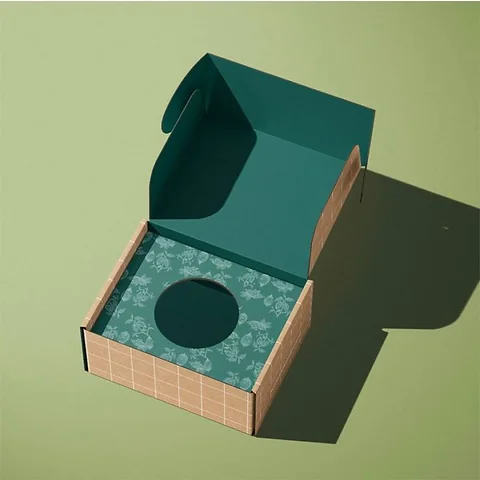
 Custom Mailer Boxes
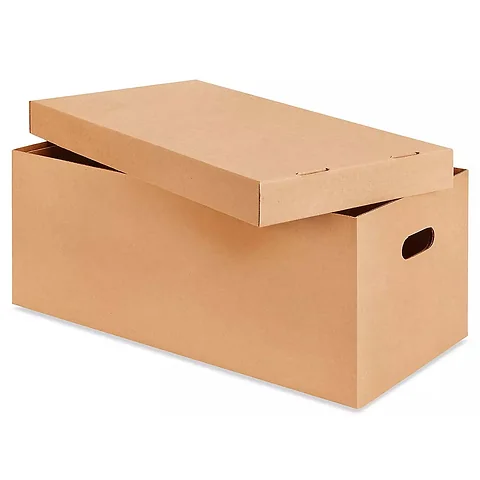 Custom Shipping Boxes
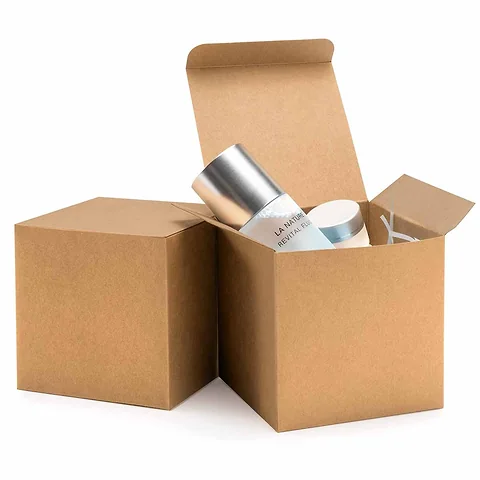 Custom Cardboard Boxes
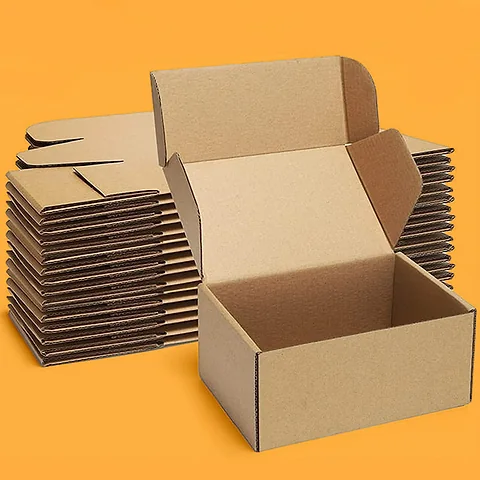 Custom Kraft Boxes
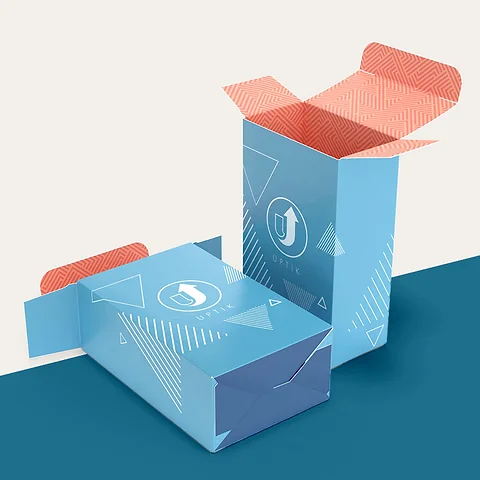 Custom Product Boxes
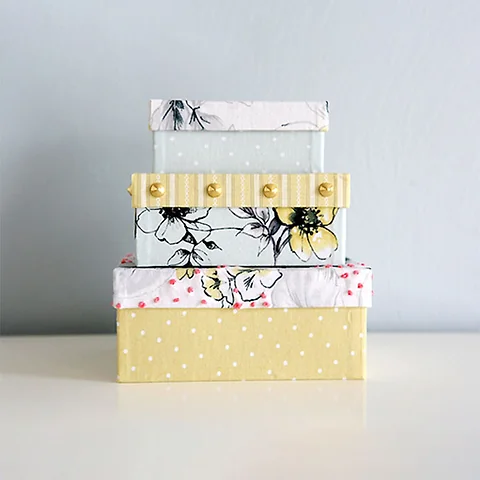 Custom Retail Boxes
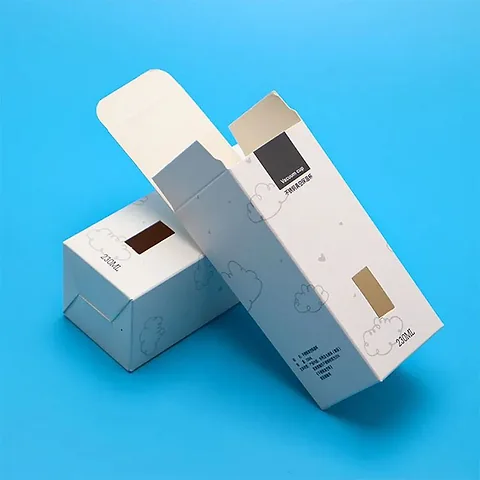 Custom Tuck End Boxes
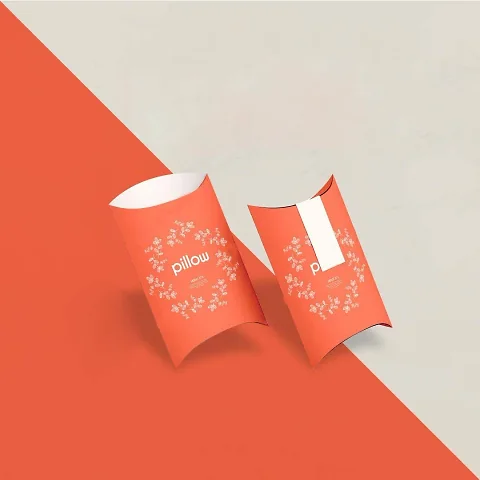 Custom Pillow Boxes
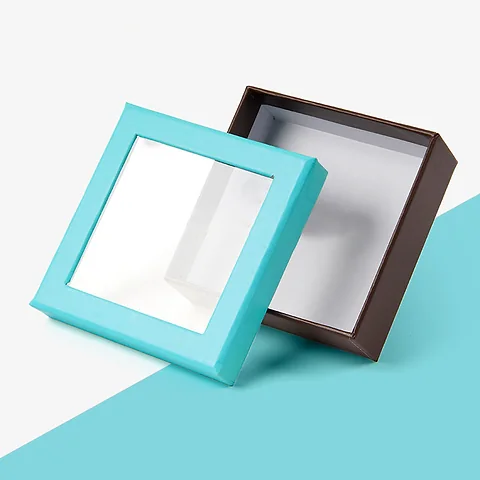 Custom Window Boxes
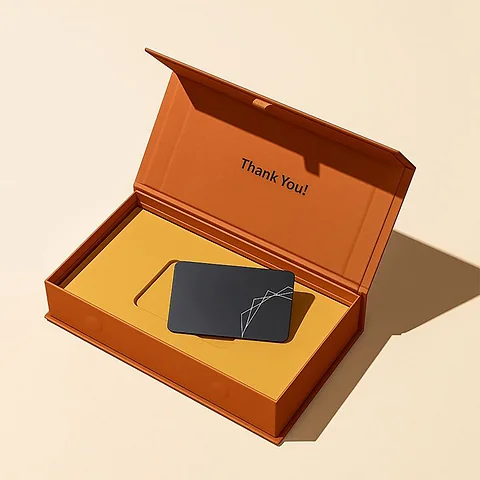 Custom Rigid Boxes
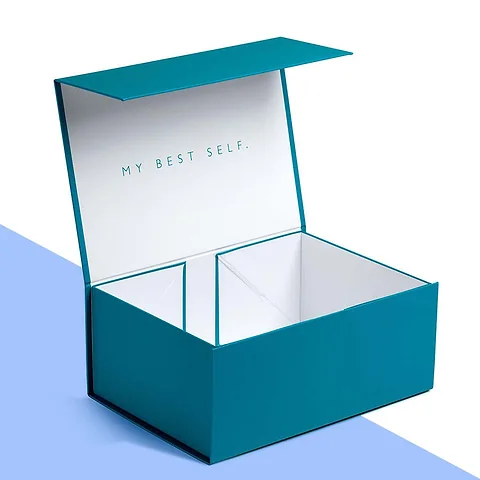 Custom Gift Boxes
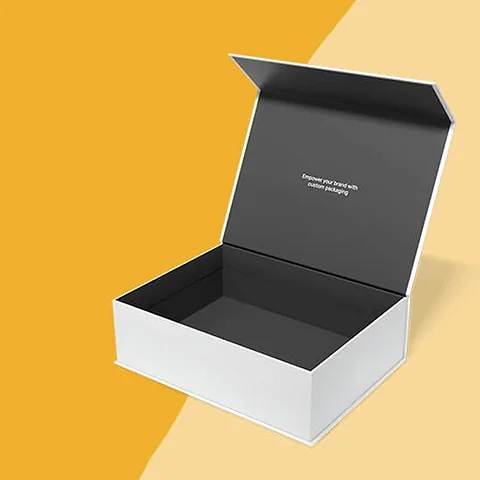 Custom Magnetic Boxes
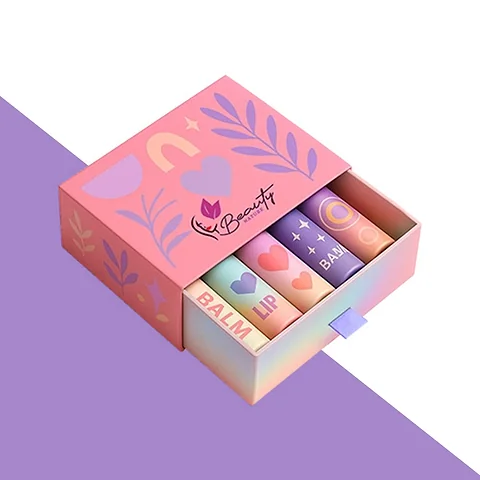 Custom Sleeve Boxes
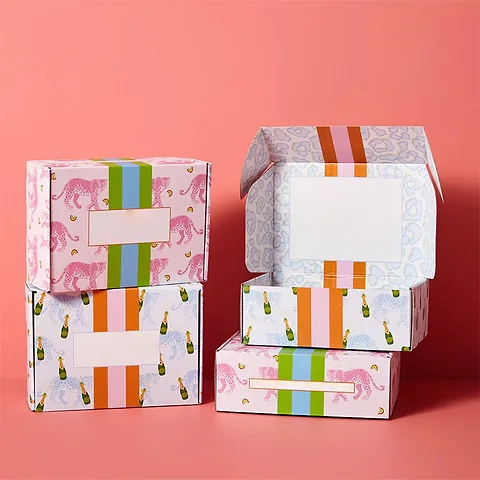 Custom Printed Boxes
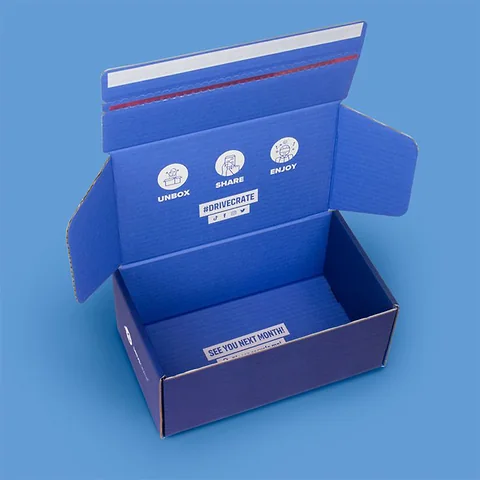 Custom Boxes with Logo
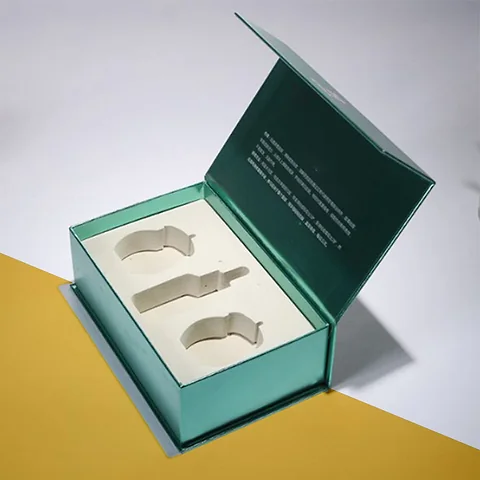 Custom Box Inserts
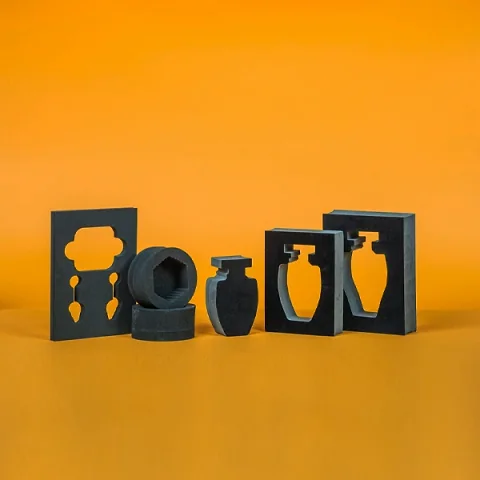
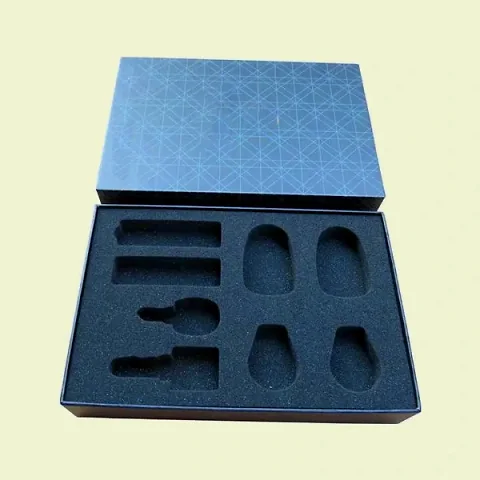
Custom Foam Sheets for Wrapping and Interleaving
Custom foam sheets are thin, flexible sheets of soft foam used to wrap, separate and cushion items that scratch, chip or rub against each other. They are cut to the size you need, from small squares for glassware to long lengths for furniture and panels.
- Design proofFree, approved by you before printing
- PriceCustom quote by email within one working day
- Production4–7 working days after proof approval
- DeliveryFree and tracked, UK mainland, 2–3 working days
- Misprints or damageReported within 10 days, reprinted or refunded
Protection That Takes Up Almost No Space
Bubble wrap and void fill both have their place, but they add bulk. Foam sheets protect with very little thickness. A thin sheet between two plates stops them grinding together, a wrap around a framed print keeps the glass and frame free of scuffs, and a layer over a polished table top protects the finish when it is moved. Because the sheets are so thin, they fit into existing boxes without forcing a larger carton.
Foam is also clean and soft against delicate surfaces. Unlike paper, it does not leave fibres or marks, and unlike some films it does not cling or trap moisture against a surface. That makes it a go-to for lacquered, painted, polished and glass finishes.
Foam is light, so it adds very little to the weight of a parcel and does not push items into a higher postage band. Corners that take the hardest knocks can be covered separately with card edge protectors for corners.
Common Uses for Foam Sheets
The best use is any job where surfaces need separating rather than heavy shock absorption. Homeware sellers interleave plates, bowls and glasses. Furniture makers wrap legs, edges and table tops before boxing or loading. Framers protect glass and moulding. Electronics and component suppliers wrap boards and panels that scratch easily. Removal and storage firms use larger sheets around mirrors and pictures.
Craft sellers posting candles, ceramics and handmade glass also rely on foam sheets, because a single wrap keeps a delicate glaze or a decorated surface from rubbing against the box wall during a bumpy journey. It is a small cost that prevents a lot of disappointed customers. Sets of glasses that need a cell each are better held by corrugated dividers inside the box with a foam sheet on top.
- Interleaving plates, bowls and glassware
- Wrapping framed art and mirrors
- Protecting polished furniture and panels
- Lining boxes before packing delicate items
- Separating stacked metal or wood components
- Wrapping candles and ceramics for posting
Often ordered by
- Homeware and ceramics brands
- Furniture makers
- Picture framers
- Removal and storage companies
- Electronics suppliers
- Glassware sellers
Popular Foam Sheets Sizes
Sizes are in mm. Every order is cut to your size, so any size between these rows is fine.
| Size | Often used for |
|---|---|
| Glassware sheet 200 x 200 mm | Interleaving glasses and small bowls |
| Plate sheet 300 x 300 mm | Plates and saucers |
| Frame sheet 500 x 700 mm | Framed prints and mirrors |
| Furniture length 1000 x 1500 mm | Table tops and panels |
| Pouch 150 x 250 mm | Phones, tiles and small ceramics |
Not sure of the size? Send the product measurements and we work out the rest.
Styles
- Cut sheets
- Foam pouches
- Plain rolls
- Perforated rolls
Materials
- Polyethylene foam
- Anti-static foam
- Coloured foam
- Thicker cushioning foam
- One colour logo repeat
- Plain unprinted
Finishes
- Smooth surface
- Coloured foam
Extras
- Corner protectors
- Foam inserts
- Matching cartons
- Dispenser boxes
Not sure which material or finish suits? Tell us how the sheet will be used and we suggest one in your custom quote.
Production and Delivery
Production takes 4–7 working days after you approve the free design proof. Delivery to the UK mainland is free and tracked, and arrives in 2–3 working days once the order leaves production. The tracking link comes to you by email.
Reprints and Refunds
Check the order when it arrives. If anything is misprinted or damaged, report it within 10 days with a photo and we reprint or refund the items affected. Read the full returns and reprints policy.
Need it by a date?
Tell us the date with your sizes and we plan the proof and production around it.
Foam Sheets Specification
| Style | Cut sheets, Foam pouches, Plain rolls, Perforated rolls |
|---|---|
| Material | Polyethylene foam, Anti-static foam, Coloured foam, Thicker cushioning foam |
| One colour logo repeat, Plain unprinted | |
| Finish | Smooth surface, Coloured foam |
| Extras | Corner protectors, Foam inserts, Matching cartons, Dispenser boxes |
| Size | Made to your size in mm |
| Minimum order | Low, quoted per job |
| Price | From £0.25 a sheet; custom quote by email within one working day |
| Proof | Free design proof before printing |
| Production | 4–7 working days after proof approval |
| Delivery | Free tracked UK mainland delivery, 2–3 working days |
Thickness, Foam Types and Formats
Thin sheets of a millimetre or two are for interleaving and scratch protection. They wrap easily around curved items and fold into corners. Thicker sheets give more cushioning against light knocks and are better for heavier or more fragile items, though they are stiffer and harder to fold. Many customers use a thin sheet for wrapping and add a thicker sheet only at the base or on the corners of the box.
Polyethylene foam is the most common choice. It is light, flexible, resists moisture and does not crumble. Other foam types are available for special jobs, for example where an item needs a softer or anti-static surface. Tell us what you are protecting and we will suggest a foam type and thickness.
Cut sheets are quick to use and keep packing benches tidy, as each sheet is ready-sized for a particular item. They can be cut to square or rectangular sizes to match your products. Foam pouches, which are sheets sealed on three sides, let you slide a plate, a glass or a phone straight in, which is faster again for high volumes of identical items.
Rolls suit businesses that pack many different sizes and cut their own lengths, such as removal companies and furniture makers. Perforated rolls tear off at set intervals, combining the flexibility of a roll with the speed of pre-cut sheets. The materials and finish options page lists the foam types and thicknesses we stock.
Sizing Your Foam Sheets
For interleaving flat items, choose a sheet slightly larger than the item so the edges are covered. For wrapping, measure around the item and add enough for an overlap. For box lining, measure the inside base and walls. If you pack several products, a small set of standard sheet sizes is usually more practical than a different size for every item.
Keep your carton sizes in mind too. Thicker foam adds to the size of the wrapped item, so a product that fits a box snugly unwrapped may need the next size up when wrapped in thick foam. Testing with a sample sheet before ordering a full run is a sensible step. Our guide to measuring products for a box explains how to allow for wrapping.
Printed Foam for a Branded Unboxing
Plain white foam does its job quietly, but a printed logo on the sheet adds a touch of brand to the unboxing. It works well for homeware and gift brands, where customers unwrap each piece and see your name several times along the way. Simple one-colour logos print best on foam, repeated across the sheet so they appear wherever the sheet is folded.
For a more premium look, coloured foam in a brand shade is another option. It turns a packing material into part of the presentation. Your free design proof shows the logo repeat on the sheet before we print.
If you are unsure, send us your largest and smallest product dimensions and we will suggest two or three sheet sizes that cover the range with little waste. Brands that want a softer final layer often add printed tissue paper in the brand colour over the foam.
Packing Fragile Orders With Foam Sheets
A simple routine works for most fragile parcels. Wrap each item individually in a foam sheet so no two surfaces touch. Group wrapped items tightly so they cannot shift, then fill any remaining space so the group sits in the centre of the box rather than against a wall. Finish with a layer of foam on top before closing, so the lid does not press directly on the items.
For stacks of plates or bowls, put a sheet between each piece and stand the stack on its edge rather than flat, which spreads impact better. For glasses, wrap the stem and bowl separately if they are delicate, then roll a final sheet around the whole glass.
A well packed parcel should pass a gentle shake test: if you can hear or feel anything moving, add more foam or a tighter insert. That simple check before taping up catches most problems before they become breakages and returns.
On printed sheets, fold with the logo facing out and keep it clear of the trimmed edges.
Wrap One Plate and Check It Still Fits the Box
The usual surprise is a product that fitted its carton unwrapped and no longer does with two layers of foam round it, so before ordering wrap one of your largest items in a sample sheet of the thickness you have in mind and try it in the box you already use. Then settle the format by how you pack: cut sheets for a bench that handles the same plate all day, pouches for identical items at volume, a perforated roll for mixed sizes.
Send the item you are protecting, the sheet size or format, the thickness, the quantity and any logo, and a custom quote comes back by email within one working day, with low minimums quoted per job. Printed sheets get a free proof showing the logo repeat. Production takes 4–7 working days after approval and tracked delivery to UK mainland addresses is free, taking 2–3 working days. Sheets that arrive damaged or off-specification are reprinted or refunded when reported within 10 days. Items that need a shaped cradle rather than a wrap move to foam inserts cut to the product in the same material.
Design Your Foam Sheet
Choose the foam sheets photo closest to what you have in mind, add your logo, drag it into place and set the size. Send it with your sizes and we reply with a custom quote and a free design proof.
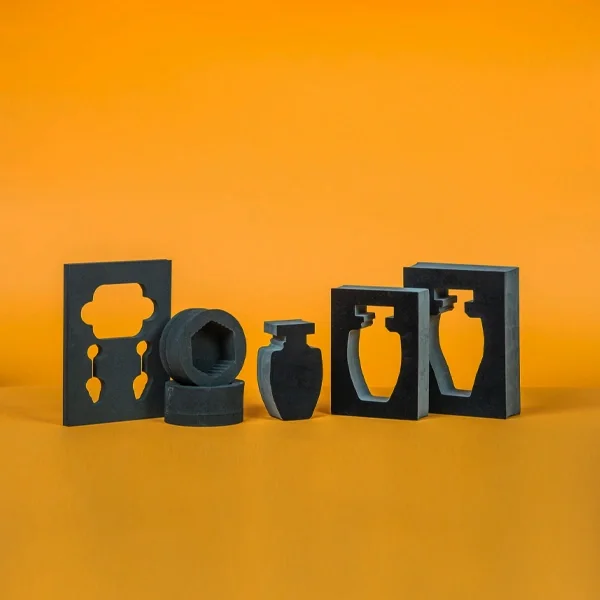

Drag the logo, or select it and use the arrow keys (Shift moves faster, + and − resize).
Related Products
Other packaging that is often ordered alongside foam sheets.
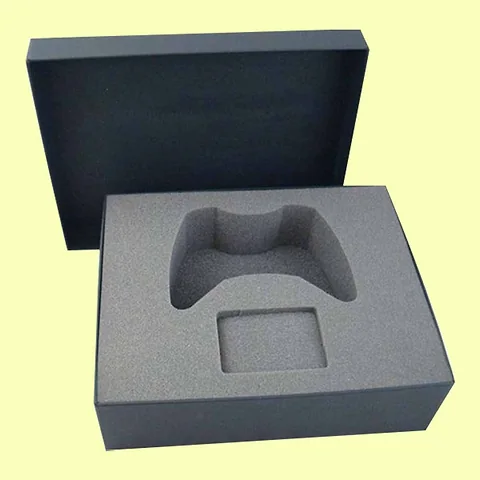
Foam Inserts
Custom foam inserts hold a product in a pocket shaped exactly around it, so nothing slides, knocks or scratches between your…
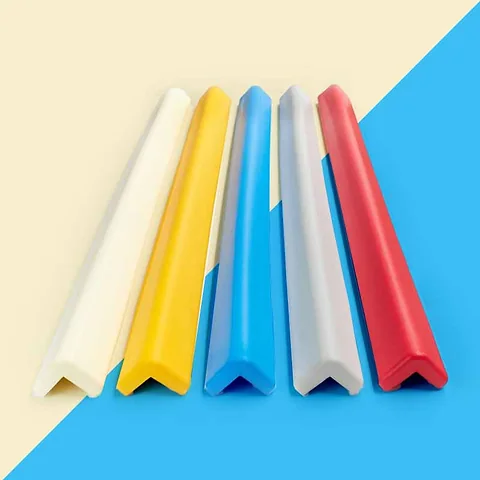
Edge Protectors
Custom edge protectors are L-shaped card angle boards that sit on the corners of pallets, stacked boxes and flat panels to…
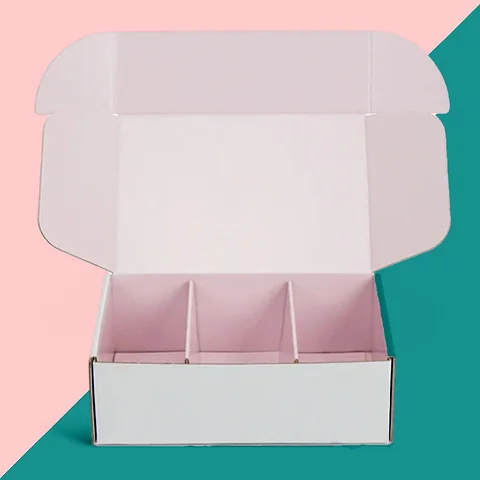
Corrugated Box Dividers
Custom corrugated box dividers are slotted partitions that slide together into a grid of cells, giving each bottle, jar or…
Branded Tissue Paper
Custom branded tissue paper is the layer a customer touches between opening the box and holding what they bought.
Foam Sheets Questions
What buyers ask before ordering foam sheets.
Are foam sheets better than bubble wrap?
They do a different job. Foam sheets are thinner and better for scratch protection and interleaving. Bubble wrap gives more shock absorption but adds bulk. Many sellers use both.
What thickness should I use for plates?
A thin sheet between plates is usually enough to stop scratches and chips from rubbing. Add a thicker layer at the top and bottom of the stack for extra protection.
Will foam leave marks on polished furniture?
Polyethylene foam is clean and does not leave fibres. It is widely used on polished and lacquered surfaces.
Can foam sheets be printed with my logo?
Yes, with a simple one-colour logo repeated across the sheet. Fine detail does not print well on foam.
What are foam pouches?
Pouches are foam sheets sealed on three sides. You slide the item in, which is faster than wrapping for identical items like plates or phones.
Do you supply foam on rolls?
Yes, as plain or perforated rolls. Perforated rolls tear off at set lengths for quicker packing.
Can I get anti-static foam?
Yes, anti-static foam is available for electronic components and boards. Ask when you request a quote.
Will thick foam change my box size?
It can. Thick foam adds to the wrapped size, so test a sample before ordering cartons.
Can foam sheets be coloured?
Coloured foam is available in a range of shades. It is popular for gift and homeware brands.
How fast can foam sheets arrive?
Production takes 4–7 working days after approval and free tracked UK mainland delivery takes 2–3 working days. Plain unprinted sheets skip the proof stage, so they tend to arrive at the quicker end.
What if my foam sheets are the wrong size?
If sheets do not match the agreed specification, report it within 10 days and we will reprint or refund them. Measure a few sheets from each pack against the quote when the delivery lands.
Get a Price for Your Foam Sheets
Fill in as much as you know. Sizes are in mm (internal sizes for boxes). If you have artwork, attach it; if not, a logo is enough to start the proof.
We reply with a custom quote by email within one working day, then send a free design proof before anything is printed.
- Phone+44 7578 382054
- WhatsAppMessage us
- Emailinfo@shopcustomboxes.co.uk
- HoursMonday to Friday, 9 am to 5.30 pm UK time
- OfficeOffice 704, 85 Dunstall Hill, Wolverhampton, WV6 0SR