 Custom Mailer Boxes
 Custom Shipping Boxes
 Custom Cardboard Boxes
 Custom Kraft Boxes
 Custom Product Boxes
 Custom Retail Boxes
 Custom Tuck End Boxes
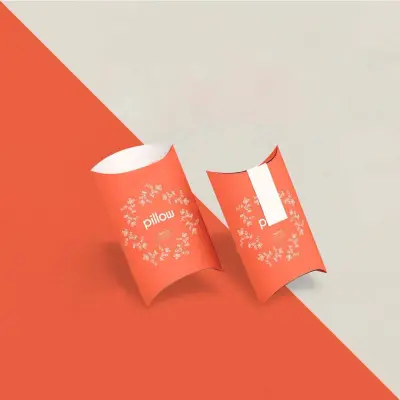 Custom Pillow Boxes
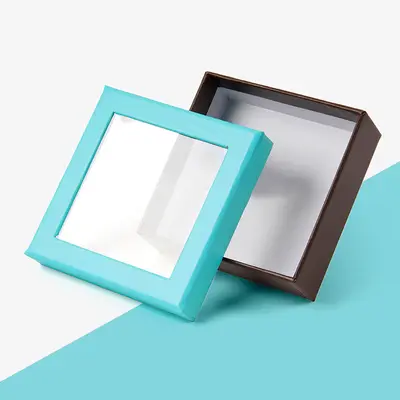 Custom Window Boxes
 Custom Rigid Boxes
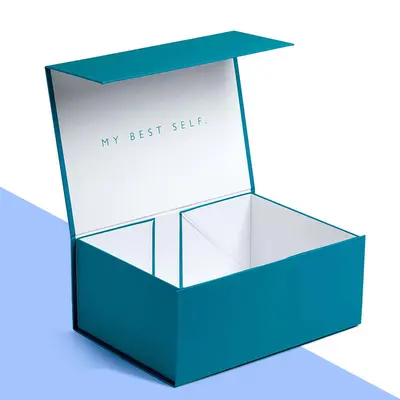 Custom Gift Boxes
 Custom Magnetic Boxes
 Custom Sleeve Boxes
 Custom Printed Boxes
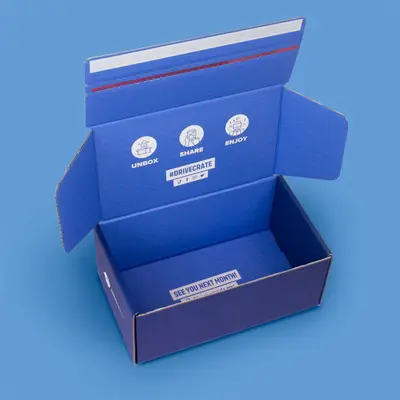 Custom Boxes with Logo
 Custom Box Inserts


Custom Stand-Up Pouches
Custom stand-up pouches are flexible bags with a gusseted base that lets them stand upright on a shelf, usually with a zip so customers can reseal them. Food brands of every kind use them for snacks, coffee, granola, sweets, pet treats and dry ingredients.
- Design proofFree, approved by you before printing
- PriceCustom quote by email within one working day
- Production4–7 working days after proof approval
- DeliveryFree and tracked, UK mainland, 2–3 working days
- Misprints or damageReported within 10 days, reprinted or refunded
Why So Many Food Brands Choose Pouches
Stand-up pouches combine several things that rigid packaging struggles to offer at once. They stand on a shelf like a box, show a full printed face like a label, reseal like a jar and weigh very little, which keeps postage and shipping costs down. Empty pouches lie flat, so storage space at your unit is far smaller than for boxes or tubs.
They also suit products sold in more than one size. The same artwork can be scaled across small, medium and large pouches, so a brand can offer a trial pack and a family size without designing a new pack from scratch.
For small food businesses moving from hand-labelled bags to printed packaging, pouches are often the first step up. They look professional on a deli shelf and photograph well for online shops.
Pouches also give you a large printable area for the price, so even a modest run can carry full-colour artwork on both sides rather than a single sticker on a plain bag. Roasters who need a valve as well as a zip are covered on the printed coffee bags with valves page.
Choosing the Right Film
Pouches are made from layers of film laminated together, each doing a job. The outer layer carries the print, the middle layer adds barrier protection, and the inner layer seals and touches the product. The board and card types guide has a short section on film layers alongside the boards.
Which layers you need depends on what goes inside:
- Dry snacks, sweets and baking mixes: a clear or white film structure with a moderate moisture barrier.
- Coffee and tea: a foil or metallised layer to keep out light and oxygen, often with a one-way valve for freshly roasted beans.
- Nuts, seeds and granola: a good grease and moisture barrier so oils do not mark the outside.
- Pet treats: a sturdy film that resists puncturing from hard or sharp pieces.
- Kraft-look pouches: a paper outer layer laminated to a film liner, giving a natural, craft feel with the protection of a film.
Often ordered by
- Snack and crisp brands
- Coffee roasters
- Confectioners and sweet shops
- Granola and cereal makers
- Pet treat brands
- Spice and baking mix sellers
- Farm shops and delis
Popular Stand-Up Pouches Sizes
Sizes are in mm. Every order is cut to your size, so any size between these rows is fine.
| Size | Often used for |
|---|---|
| Sample pouch 90 x 140 x 50 mm | Tasters and single servings |
| Small pouch 120 x 200 x 70 mm | Sweets, spices and small snack packs |
| Medium pouch 160 x 230 x 90 mm | Granola, coffee and pet treats |
| Large pouch 200 x 300 x 110 mm | Family packs and bulk dry goods |
| Extra large pouch 260 x 350 x 120 mm | Large pet food and flour packs |
Not sure of the size? Send the product measurements and we work out the rest.
Styles
- Stand-up pouch with zip
- Stand-up pouch without zip
- Pouch with window
- Pouch with hang hole
- Pouch with degassing valve
Materials
- Clear film laminate
- White film laminate
- Metallised film
- Foil barrier laminate
- Kraft paper outer with film liner
- CMYK full colour
- Pantone spot colours
- White ink under colours on clear film
Finishes
- Matte
- Gloss
- Matte with spot gloss
- Soft-touch
Extras
- Press-to-close zip
- Tear notches
- Rounded corners
- Clear windows
- One-way valve
Not sure which material or finish suits? Tell us how the pouch will be used and we suggest one in your custom quote.
Production and Delivery
Production takes 4–7 working days after you approve the free design proof. Delivery to the UK mainland is free and tracked, and arrives in 2–3 working days once the order leaves production. The tracking link comes to you by email.
Reprints and Refunds
Check the order when it arrives. If anything is misprinted or damaged, report it within 10 days with a photo and we reprint or refund the items affected. Read the full returns and reprints policy.
Need it by a date?
Tell us the date with your sizes and we plan the proof and production around it.
Stand-Up Pouches Specification
| Style | Stand-up pouch with zip, Stand-up pouch without zip, Pouch with window, Pouch with hang hole, Pouch with degassing valve |
|---|---|
| Material | Clear film laminate, White film laminate, Metallised film, Foil barrier laminate, Kraft paper outer with film liner |
| CMYK full colour, Pantone spot colours, White ink under colours on clear film | |
| Finish | Matte, Gloss, Matte with spot gloss, Soft-touch |
| Extras | Press-to-close zip, Tear notches, Rounded corners, Clear windows, One-way valve |
| Size | Made to your size in mm |
| Minimum order | Low, quoted per job |
| Price | From £0.25 a pouch; custom quote by email within one working day |
| Proof | Free design proof before printing |
| Production | 4–7 working days after proof approval |
| Delivery | Free tracked UK mainland delivery, 2–3 working days |
Zips, Notches and Other Features
Most food pouches use a press-to-close zip just below the top seal. Above it, a tear notch lets the customer open the pouch cleanly without scissors. After opening, the zip keeps contents fresh between uses, which customers expect for anything they will not finish in one go.
Other useful features include a hang hole for display on retail pegs, a rounded corner finish that feels softer in the hand, and a clear window that shows the product. Windows work beautifully for colourful granola, sweets and pasta, but are best avoided for products sensitive to light, such as coffee.
Tell us how the pouch will be filled and sold, and we will recommend the features that make sense rather than adding everything by default. Single-serve packs that open with a tear rather than a zip are covered under tear-notch pouches for samples.
Designing Custom Stand-Up Pouches
A pouch has a front panel, a back panel and a base gusset. The front is your billboard: brand name, product name, a key image and one or two reasons to buy. The back carries the details: ingredients, allergens, nutrition information, storage advice and contact details.
Because pouches are flexible, the edges of the design curve slightly when filled. Keep important text and logos away from the side seals and the very top, where the zip and seal sit. We will mark these zones clearly on the template so you know where it is safe to place artwork.
Matte finishes look calm and premium, especially in muted or natural colour palettes. Gloss makes bright colours pop and suits confectionery and children's snacks. A combination, with matte overall and gloss on the logo, gives a subtle contrast that catches the light on a shelf.
Think about how the pouch looks from above as well. In a shop basket or a shelf viewed from standing height, the top third of the front panel is what people see first, so the brand name and product name belong there. Metallic and matt finishes on film are compared in the print and finish options guide.
Sizing, Filling and Sealing
Pouches are usually described by width, height and gusset depth. The best way to size one is by volume rather than weight, because a light, bulky product like popcorn fills a pouch far faster than dense rice or sugar.
If you can, fill a sample pouch with your product before ordering. Leave enough headspace above the product for the zip to close and the top seal to be made, generally around 30 to 40 mm. Too little room and the pouch is hard to seal; too much and it looks half empty on the shelf.
We can suggest a starting size from the weight and type of product, then refine it from there.
Pouches arrive open at the top, with the zip already fitted. You fill them by hand or with a filling machine, then heat seal the top above the zip. A simple impulse heat sealer is all most small producers need.
If you plan to use automated filling equipment, share the machine's requirements with us so the pouch dimensions and film suit it. Food-contact grade laminates are available on request, and we will confirm the structure in your custom quote. Our guide to measuring products for packaging covers fill weight against pouch volume.
Moving From Labelled Bags to Printed Pouches
Many small food businesses start with plain stock pouches and a sticker. It is a sensible way to begin, but as sales grow, applying labels by hand becomes slow and the look can feel less polished next to printed competitors.
Moving to printed pouches removes the labelling step entirely and gives you a design that covers the whole pack. To keep the change smooth, many brands print their core range first, the flavours that sell steadily, and keep labelled stock pouches for new or limited flavours until they prove themselves.
Before switching, check your ingredient lists and nutrition information carefully, because printed text cannot be corrected with a fresh label. Your free proof is the time to read every line, and asking a colleague to check it as well is a sensible habit. Shaped pouches that follow a product outline are shown on the die-cut mylar bags in custom shapes page.
Fill a Sample to the Shoulder, Not the Top
A stand-up pouch stands because of what is inside it, so the fill level decides the look on the shelf. Fill a plain sample to about two-thirds of its height, where the gusset has fully opened and the front panel is flat, and weigh that fill. That weight is the one to print on the pack, because a pouch filled to the top bulges, hides the top third of the artwork and will not seal cleanly. Send that weight with the product type, the preferred size, the finish and the quantity per design.
A custom quote arrives by email within one working day, with smaller pouch styles from £0.25 and minimums quoted per job. The free proof shows the artwork on the pouch template, and it is the moment to read every line of the back panel, because printed text cannot be corrected with a label. Production takes 4 to 7 working days after approval and free tracked delivery to UK mainland addresses follows in 2 to 3 working days; misprints or damage reported within 10 days are reprinted or refunded. Biscuits and bakes that need a foil barrier suit the foil cookie bags with zips.
Design Your Stand-Up Pouch
Choose the Stand-Up pouches photo closest to what you have in mind, add your logo, drag it into place and set the size. Send it with your sizes and we reply with a custom quote and a free design proof.


Drag the logo, or select it and use the arrow keys (Shift moves faster, + and − resize).
Related Products
Other packaging that is often ordered alongside Stand-Up pouches.

Tear Notch Pouches
Custom tear notch pouches are heat-sealed bags with a small cut in the seal that lets anyone tear them open by hand, straight…
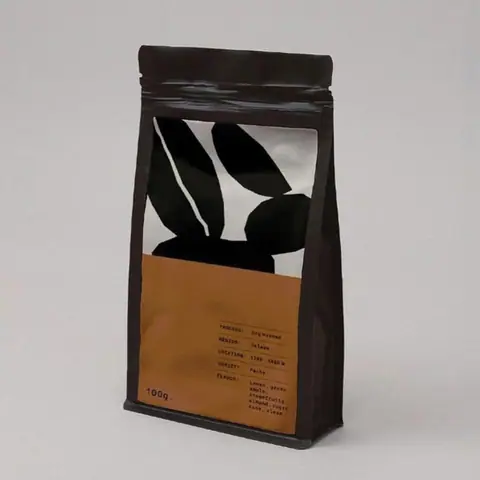
Custom Coffee Bags
Custom coffee bags are made for freshly roasted beans, with a one-way valve that lets carbon dioxide escape while keeping air out.
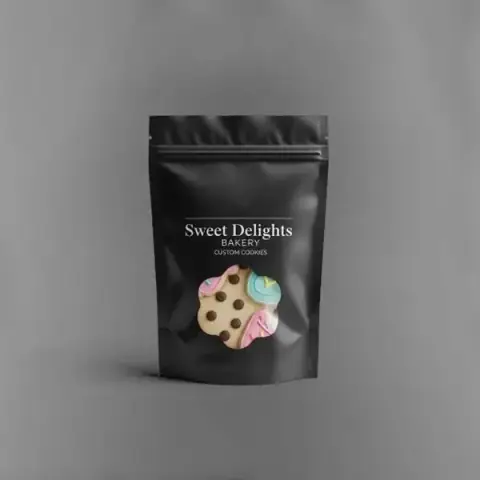
Cookie Mylar Bags
Custom cookie mylar bags are printed, resealable barrier pouches that hold one giant cookie or a stack of smaller ones and…

Die-Cut Mylar Bags
Custom die-cut mylar bags are printed pouches cut to an outline of your choosing, so the pack itself becomes the shape of a…
Stand-Up Pouches Questions
What buyers ask before ordering Stand-Up pouches.
Do stand-up pouches come with zips already fitted?
Yes. Pouches with zips are supplied open at the top with the zip in place. You fill them and heat seal the top edge above the zip.
Which pouch film is best for coffee?
Coffee needs a foil or metallised barrier to keep out light and air, ideally with a one-way valve for fresh beans. Windows are not recommended for coffee.
Can I have a clear window on my pouch?
Windows are available in many shapes and work well for colourful products. Avoid them for anything sensitive to light.
How do I choose a pouch size for my product?
Size by volume rather than weight. Fill a sample with your product and leave 30 to 40 mm of headspace for the zip and seal.
Do I need a heat sealer?
Yes, the top seal is made with heat. A basic impulse sealer suits small batches, and larger operations often use continuous band sealers.
Where should ingredients and nutrition information go?
Most brands put them on the back panel. Keep text away from the side seals and the zip area, which we mark on the template.
Can kraft-look pouches still be printed in colour?
Yes, but colours on kraft paper look more muted and natural. Dark inks and one or two spot colours usually read best.
Are the pouches suitable for direct food contact?
Food-contact grade laminates are available on request. We will confirm the structure for your product when we quote.
Can one order cover several flavours?
Yes. Different designs can share the same pouch size, and quantities per design are set out in your custom quote.
Can pouches have a matte finish with a glossy logo?
Yes, a matte pouch with spot gloss on the logo or product image is a popular combination. The contrast catches the light on a shelf without looking busy.
What if some pouches are faulty?
Report misprints or faulty seals within 10 days of delivery and we will reprint or refund them.
Get a Price for Your Stand-Up Pouches
Fill in as much as you know. Sizes are in mm (internal sizes for boxes). If you have artwork, attach it; if not, a logo is enough to start the proof.
We reply with a custom quote by email within one working day, then send a free design proof before anything is printed.
- Phone+44 7578 382054
- WhatsAppMessage us
- Emailinfo@shopcustomboxes.co.uk
- HoursMonday to Friday, 9 am to 5.30 pm UK time
- OfficeOffice 704, 85 Dunstall Hill, Wolverhampton, WV6 0SR