 Custom Mailer Boxes
 Custom Shipping Boxes
 Custom Cardboard Boxes
 Custom Kraft Boxes
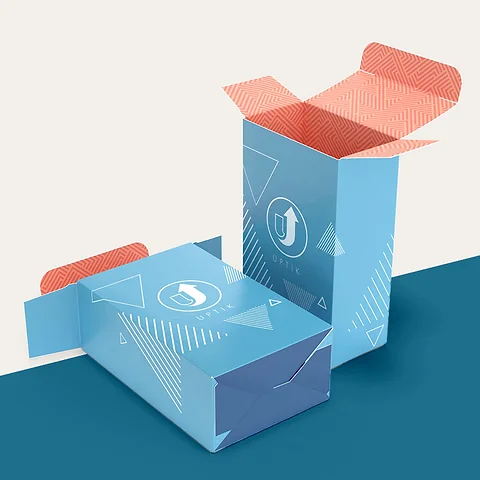 Custom Product Boxes
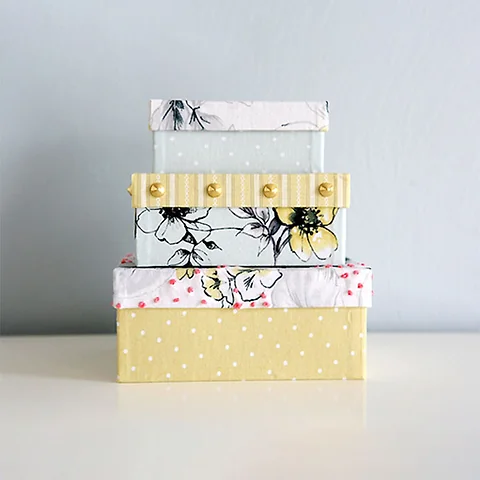 Custom Retail Boxes
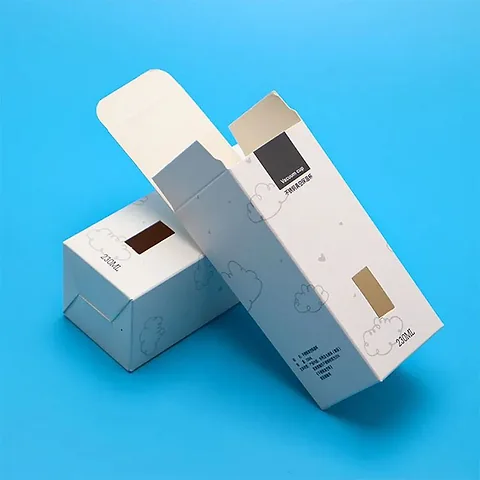 Custom Tuck End Boxes
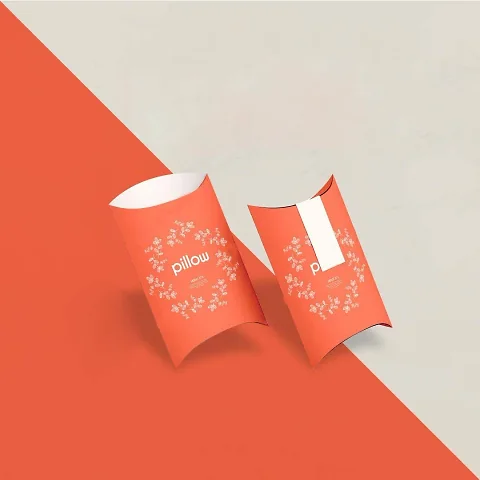 Custom Pillow Boxes
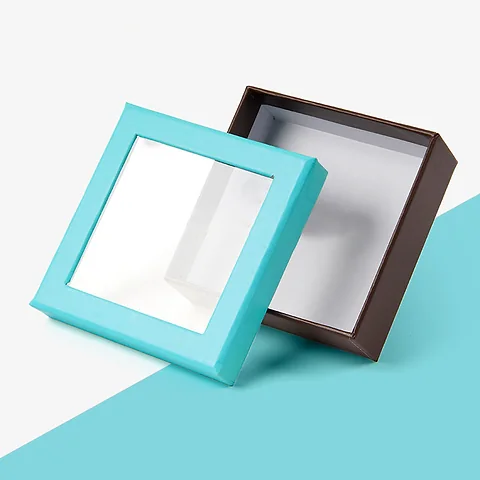 Custom Window Boxes
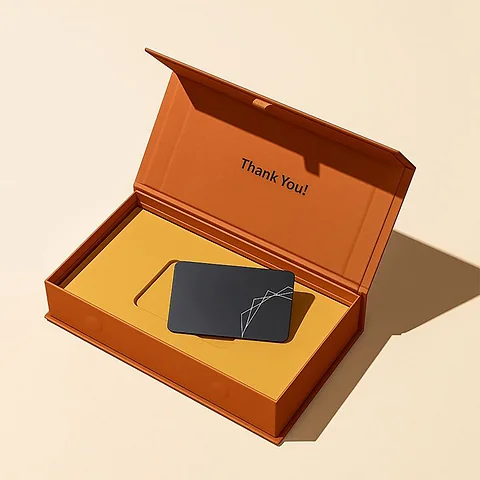 Custom Rigid Boxes
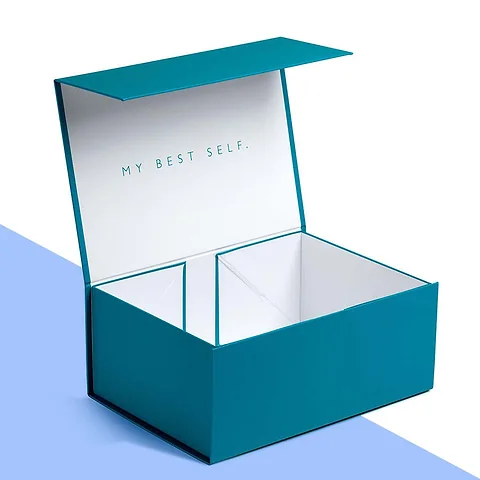 Custom Gift Boxes
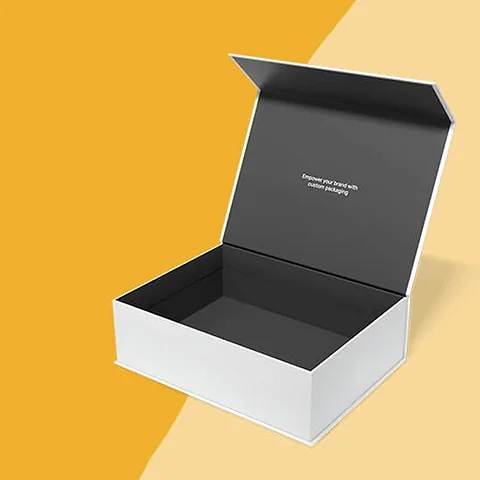 Custom Magnetic Boxes
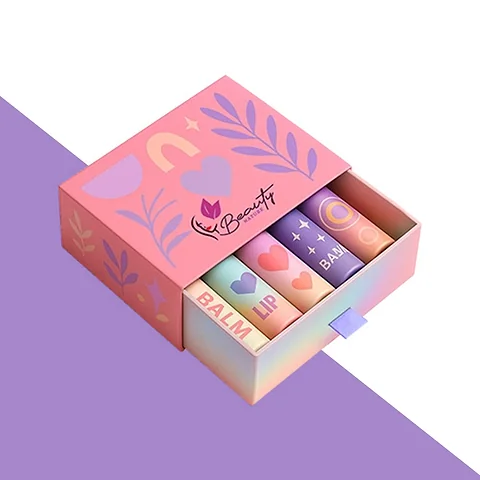 Custom Sleeve Boxes
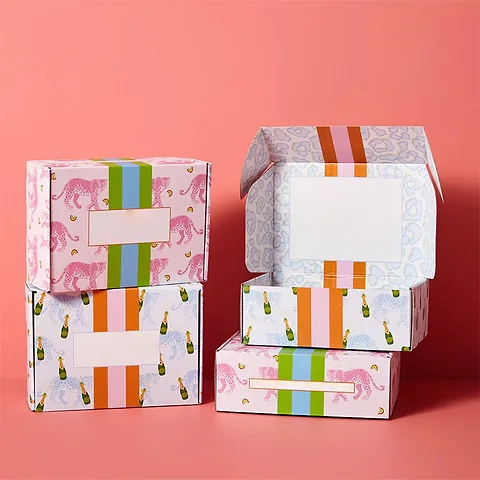 Custom Printed Boxes
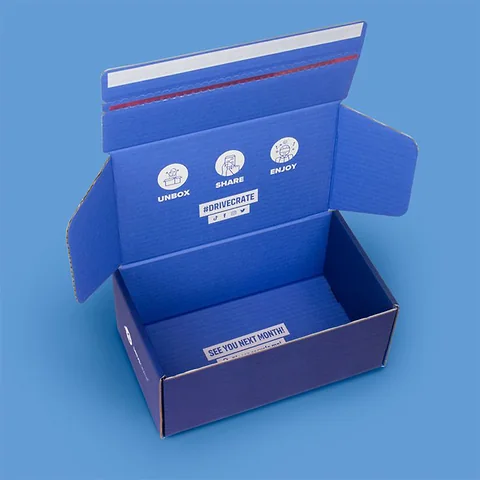 Custom Boxes with Logo
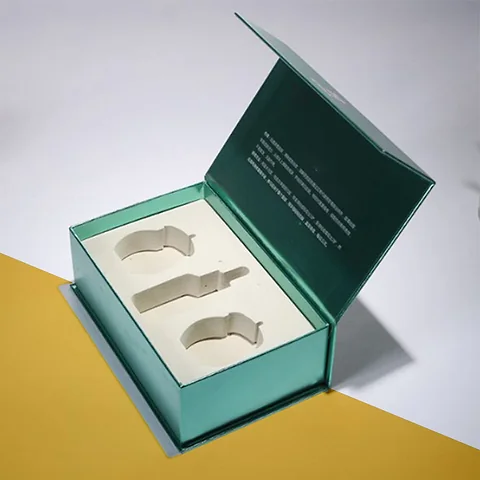 Custom Box Inserts
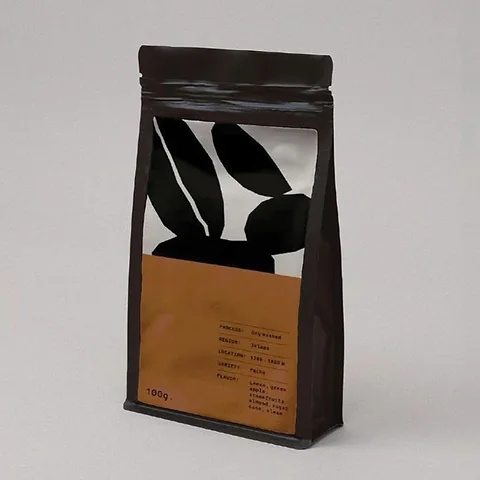
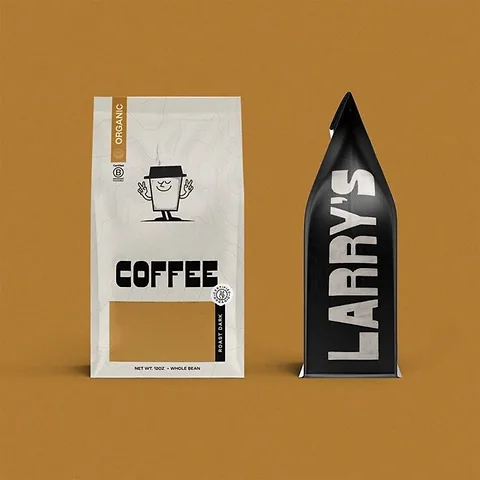
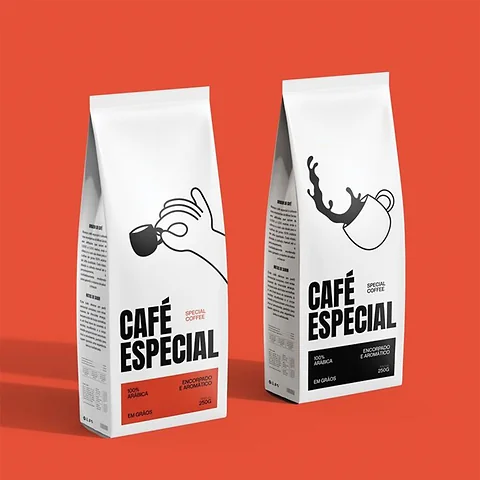
Custom Coffee Bags With Degassing Valves
Custom coffee bags are made for freshly roasted beans, with a one-way valve that lets carbon dioxide escape while keeping air out. We print stand-up, side-gusset and flat-bottom bags in your roastery's design, sized for retail bags through to wholesale packs.
- Design proofFree, approved by you before printing
- PriceCustom quote by email within one working day
- Production4–7 working days after proof approval
- DeliveryFree and tracked, UK mainland, 2–3 working days
- Misprints or damageReported within 10 days, reprinted or refunded
What Freshly Roasted Coffee Needs From a Bag
Coffee beans keep releasing carbon dioxide for days after roasting. Seal them in an airtight bag without a vent and the bag swells, sometimes enough to split a seam, which is why a plain kraft paper bag only suits coffee sold the same day. Leave them open and oxygen starts to flatten the flavour. A coffee bag has to do two things at once: let gas out and stop air getting in. That is the job of the one-way degassing valve, a small round fitting heat-sealed into the front or back of the bag.
Light and moisture are the other enemies. A foil or metallised inner layer blocks light and slows moisture getting in, while the outer layer carries the print. Kraft paper outer layers give a natural, craft-roaster look; matt and gloss film outers give a sharper, more contemporary finish. The right combination depends on your brand and how long the coffee will sit on a shelf before it is opened.
Choosing a Coffee Bag Shape
Stand-up pouches with a bottom gusset are the most popular choice for retail coffee. They stand on a shelf, show a large front panel and usually include a zip so customers can reseal the bag between brews; flat-bottom versions are closer to our flat-bottom box pouches. Side-gusset bags are the traditional coffee sack shape, folded down and closed with a tin tie or label. They stack neatly in boxes and feel classic, which suits speciality roasters with a heritage look.
Flat-bottom bags, sometimes called box pouches, combine both: a square base that stands firmly, five printable panels and usually a pull-tab zip on top. They look premium on a shelf and hold their shape well, which makes them a favourite for subscription coffee and gift ranges. Flat-bottom bags cost a little more per unit but often justify it in sell-through.
- Stand-up pouch with zip: everyday retail coffee
- Side-gusset bag: classic roaster look, tin tie or fold
- Flat-bottom bag: premium shelf presence, five print panels
- Flat sachets: single-brew samples and trial packs
Often ordered by
- Speciality coffee roasters
- Cafés selling retail coffee
- Coffee subscription services
- Delis and farm shops
- Office coffee suppliers
- Hotel and restaurant groups
Popular Coffee Bags Sizes
Sizes are in mm. Every order is cut to your size, so any size between these rows is fine.
| Size | Often used for |
|---|---|
| Sample sachet 80 x 120 mm | Single-brew samples and tasting packs |
| Small retail bag 130 x 200 x 80 mm gusset | Small retail packs of beans or ground |
| Standard retail bag 160 x 240 x 90 mm gusset | Everyday whole bean retail |
| Flat-bottom bag 120 x 280 x 80 mm | Premium and subscription coffee |
| Wholesale bag 260 x 400 x 110 mm gusset | Café and office bulk supply |
Not sure of the size? Send the product measurements and we work out the rest.
Styles
- Stand-up pouch with bottom gusset
- Side-gusset bag
- Flat-bottom box pouch
- Flat sachet
Materials
- Kraft paper outer with foil inner
- Matt film outer with metallised inner
- Gloss film outer
- Food-contact grade inner film on request
- Full colour CMYK
- Spot colours
- Blank label panels
- Matching labels
Finishes
- Matt
- Gloss
- Soft-touch
- Natural kraft
- Spot gloss
Extras
- One-way degassing valve
- Press-to-close zip
- Pull-tab zip
- Tin tie
- Tear notch
- Clear window
Not sure which material or finish suits? Tell us how the bag will be used and we suggest one in your custom quote.
Production and Delivery
Production takes 4–7 working days after you approve the free design proof. Delivery to the UK mainland is free and tracked, and arrives in 2–3 working days once the order leaves production. The tracking link comes to you by email.
Reprints and Refunds
Check the order when it arrives. If anything is misprinted or damaged, report it within 10 days with a photo and we reprint or refund the items affected. Read the full returns and reprints policy.
Need it by a date?
Tell us the date with your sizes and we plan the proof and production around it.
Coffee Bags Specification
| Style | Stand-up pouch with bottom gusset, Side-gusset bag, Flat-bottom box pouch, Flat sachet |
|---|---|
| Material | Kraft paper outer with foil inner, Matt film outer with metallised inner, Gloss film outer, Food-contact grade inner film on request |
| Full colour CMYK, Spot colours, Blank label panels, Matching labels | |
| Finish | Matt, Gloss, Soft-touch, Natural kraft, Spot gloss |
| Extras | One-way degassing valve, Press-to-close zip, Pull-tab zip, Tin tie, Tear notch, Clear window |
| Size | Made to your size in mm |
| Minimum order | Low, quoted per job |
| Price | From £0.25 a bag; custom quote by email within one working day |
| Proof | Free design proof before printing |
| Production | 4–7 working days after proof approval |
| Delivery | Free tracked UK mainland delivery, 2–3 working days |
Sizing by Weight and Grind
Coffee bags are sized by weight, but beans and ground coffee take up different volumes. Whole beans from a light roast are denser than dark roasts, and ground coffee packs tighter than either. A bag that holds a certain weight of dark-roasted whole beans might be generously full with the same weight of ground coffee. Tell us your roast style and if you sell beans, ground or both, and we size the bag to suit, following the same clearance rules as the guide to measuring for custom packaging.
Common retail weights cover home brewers buying a week or two at a time, while larger bags serve offices, cafés and wholesale customers. If you sell several weights, keep the design consistent so a customer can recognise your coffee at any size on the shelf.
Headroom matters as well. Leave enough film above the coffee for a clean heat seal and for the zip to close without catching beans in its teeth. A bag filled right to the zip looks generous but is awkward to reseal, and ground coffee trapped in the track stops the zip closing properly, which defeats the point of having one.
Designing a Coffee Bag That Sells
Speciality coffee customers read the bag. They want the origin, farm or co-operative, process, roast level, tasting notes and roast date, and they want them in that order of clarity, whether printed on the bag or on a coffee bag label. Many roasters keep the main design fixed and print a clear panel or leave space for a label that changes with each lot. That way one print run serves many coffees, and the label carries the details.
The front panel should show your roastery name and the coffee's identity at a glance. The back panel can tell the story: who grew it, how it was processed and how to brew it. A tear notch and zip make opening easy, and printing the roast date clearly builds trust with customers who care about freshness.
Valves, Zips and Closures
The valve is placed high on the front or back panel, above the coffee line, so beans do not block it. Some roasters prefer the valve on the back to keep the front design clean; others place it on the front as a visible mark of quality, as they would on a printed stand-up pouch for any other dry good. Either works as long as it stays clear of the fill line.
Press-to-close zips are standard on stand-up and flat-bottom bags. Pull-tab zips are easier to open neatly on flat-bottom bags. Side-gusset bags use tin ties, which fold over to reseal, or a heat seal with a tear notch for one-time opening. If your coffee goes to cafés and is used in a day or two, a zip may be unnecessary and a heat seal will save cost.
Degassing valves come in slightly different styles, and the one you need depends on how soon after roasting you pack. Coffee bagged within hours of roasting releases more gas than coffee rested for a few days, so tell us your usual packing routine and we will make sure the valve suits it.
Labels, Stamps and Small Batches
Small roasters often start with plain or lightly printed bags and a custom label, then move to fully printed bags once a coffee becomes a regular. That is a sensible approach, and the tin-tie coffee bags work the same way: a printed bag with a blank label area gives you a professional look on every coffee, and the label handles the changing origin details. We can supply labels to fit the bag panel, and rubber stamps and tied cards look right at home on kraft.
When a coffee sells consistently, a fully printed bag with no label at all looks most polished and saves packing time. Plan your designs so the move from label to full print is a natural step rather than a rebrand.
Weigh a Filled Bag of Each Roast Before You Confirm the Size
Coffee bags are ordered by weight and filled by volume, which is where sizing goes wrong. A 250 g bag of a light roast whole bean takes more room than 250 g of a dark roast, and ground coffee packs tighter than either. So fill a sample bag with each roast at your retail weight, check that the top still seals with a clear margin above the beans, and send us the bag that was tightest. Decide the valve position and the zip at the same time; cafes buying wholesale rarely use a zip.
Send the bag style, fill weight, coffee type, outer finish, valve and zip preferences and your artwork, and a custom quote comes back by email within one working day, from £0.25 a bag depending on size, materials and print, low minimums quoted per job. Food-contact grade inner films are available on request if you say so in the enquiry. A free design proof follows, production takes 4 to 7 working days after approval and free tracked delivery reaches UK mainland addresses in 2 to 3 working days. Roasters who sell pods as well usually add matching coffee pod boxes to the same order.
Design Your Coffee Bag
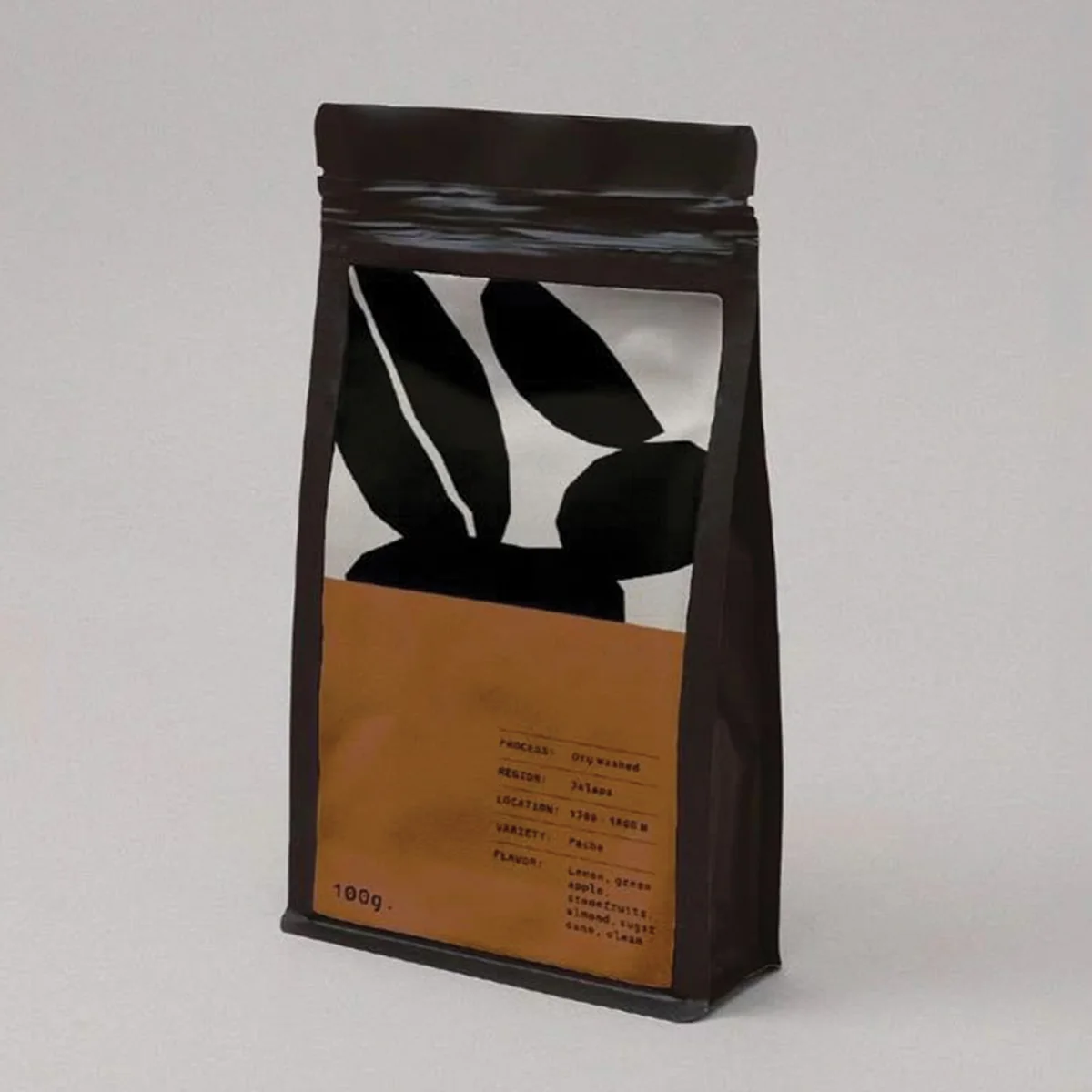
Choose the coffee bags photo closest to what you have in mind, add your logo, drag it into place and set the size. Send it with your sizes and we reply with a custom quote and a free design proof.

Drag the logo, or select it and use the arrow keys (Shift moves faster, + and − resize).
Related Products
Other packaging that is often ordered alongside coffee bags.
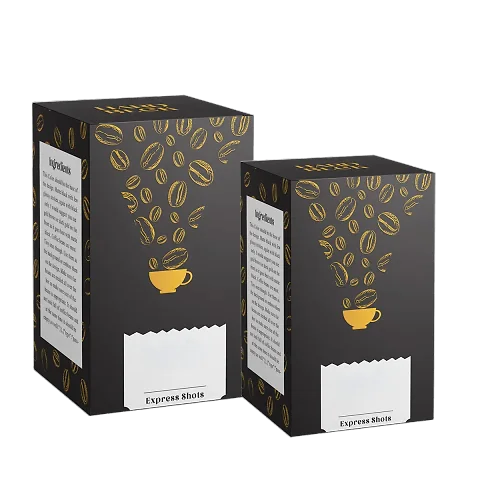
Custom Coffee Boxes
Custom coffee boxes give a roaster's beans a home on the shelf and a proper reveal when they arrive by post.
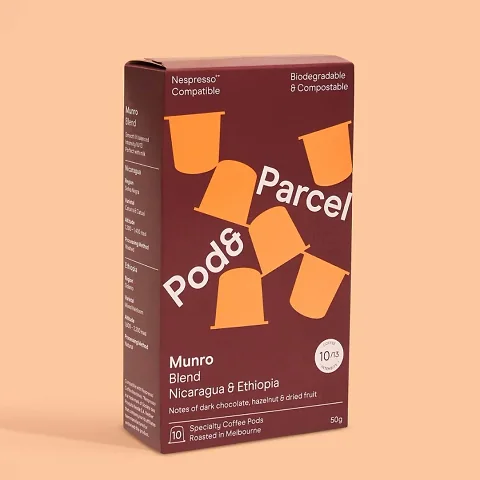
Coffee Pod Boxes
Custom coffee pod boxes have one job on a supermarket or café shelf: tell a shopper in a second which roast this is, how…
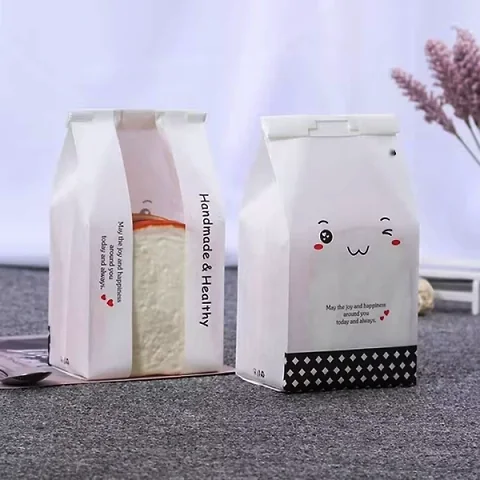
Tin Tie Coffee Bags
Tin tie coffee bags are the paper bags with a flat wire strip across the top that folds down to reseal the bag after every scoop.
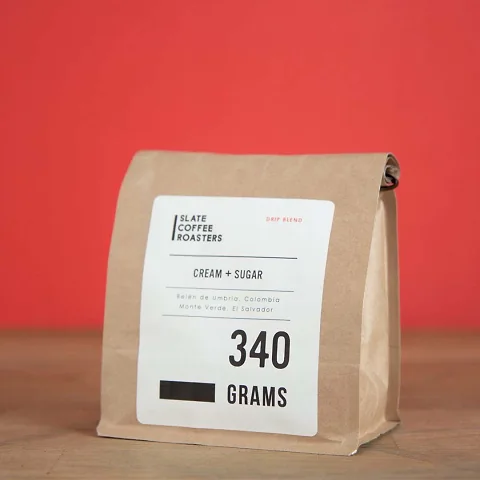
Coffee Bag Labels
Custom coffee bag labels let a small roaster use one stock of plain bags for every coffee on the menu, with the origin, roast…
Coffee Bags Questions
What buyers ask before ordering coffee bags.
Why do coffee bags need a valve?
Fresh coffee releases carbon dioxide after roasting. The one-way valve lets that gas escape without letting air back in, so the bag does not swell and the coffee stays fresher.
Should the valve go on the front or the back of a 250 g pouch?
High on either panel, above the fill line so beans never block it. On the back it keeps the front design clean; on the front it reads as a mark of fresh roasting. Tell us which and we position it on the proof.
Which bag shape stands best on a shelf?
Flat-bottom bags stand most firmly and show five printable panels. Stand-up pouches also stand well and are a little more economical.
Do beans and ground coffee need different bag sizes?
Often, yes. Ground coffee packs tighter, so the same weight takes less space. Tell us what you pack and we size the bag for it.
Can I use one printed bag for several coffees?
Yes. Print the bag with your brand and leave a panel for a label that carries each coffee's origin, notes and roast date.
Is kraft or film better for coffee?
Both use a barrier inner layer, so protection is similar. Kraft gives a natural, craft look; film gives a sleeker finish and more vivid colour.
Do I need a zip if I sell to cafés?
Cafés usually open and use a bag quickly, so a heat seal with a tear notch is often enough and costs less than a zip. Keep the zip for retail bags that customers open and close over a week or two.
Can you supply tin-tie bags?
Yes. Side-gusset bags with tin ties are available for a classic roaster look, and we also offer dedicated tin-tie coffee bags.
Can the roast date be printed on each bag?
Roast dates change with each batch, so most roasters add them by stamp, label or date coder. We leave a clear panel for it.
Can the inner film touch roasted beans directly?
Food-contact grade inner films are available on request. Mention it in your enquiry so we specify the right film, and it will be noted on your custom quote.
What if the valves are missing or the print is off?
Report misprints or faulty bags within 10 days of delivery with a photo and we reprint or refund them. Check a few bags from each carton for the valve as soon as the order lands, before any are filled.
Get a Price for Your Coffee Bags
Fill in as much as you know. Sizes are in mm (internal sizes for boxes). If you have artwork, attach it; if not, a logo is enough to start the proof.
We reply with a custom quote by email within one working day, then send a free design proof before anything is printed.
- Phone+44 7578 382054
- WhatsAppMessage us
- Emailinfo@shopcustomboxes.co.uk
- HoursMonday to Friday, 9 am to 5.30 pm UK time
- OfficeOffice 704, 85 Dunstall Hill, Wolverhampton, WV6 0SR