 Custom Mailer Boxes
 Custom Shipping Boxes
 Custom Cardboard Boxes
 Custom Kraft Boxes
 Custom Product Boxes
 Custom Retail Boxes
 Custom Tuck End Boxes
 Custom Pillow Boxes
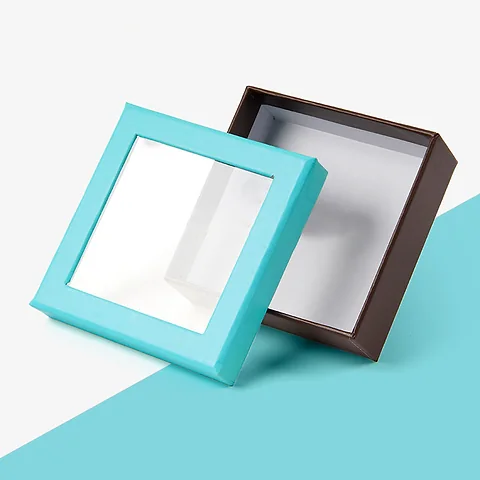 Custom Window Boxes
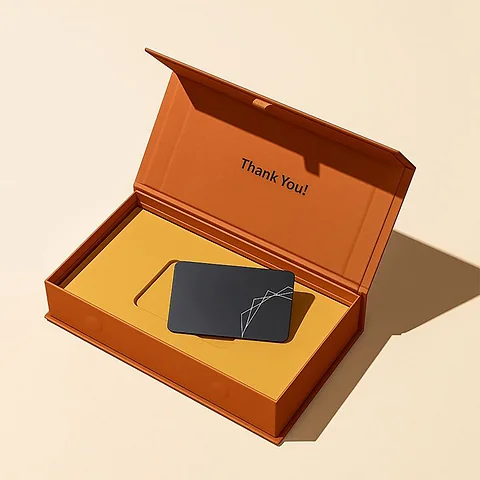 Custom Rigid Boxes
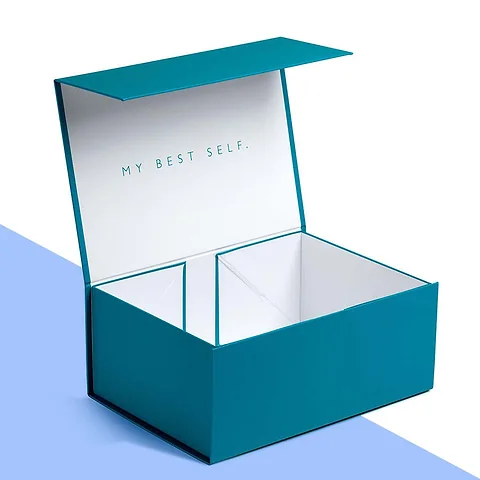 Custom Gift Boxes
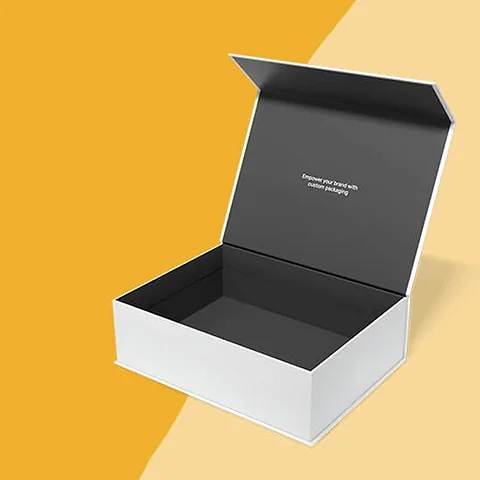 Custom Magnetic Boxes
 Custom Sleeve Boxes
 Custom Printed Boxes
 Custom Boxes with Logo
 Custom Box Inserts
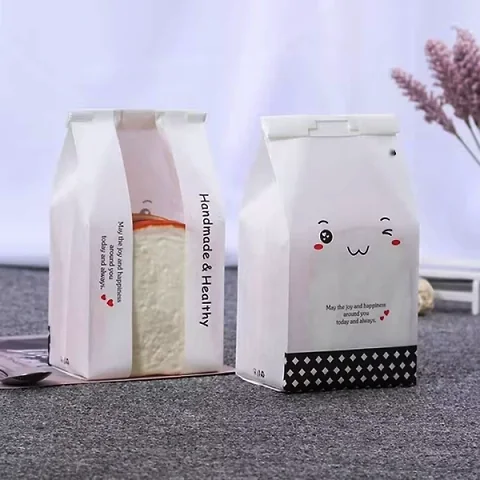
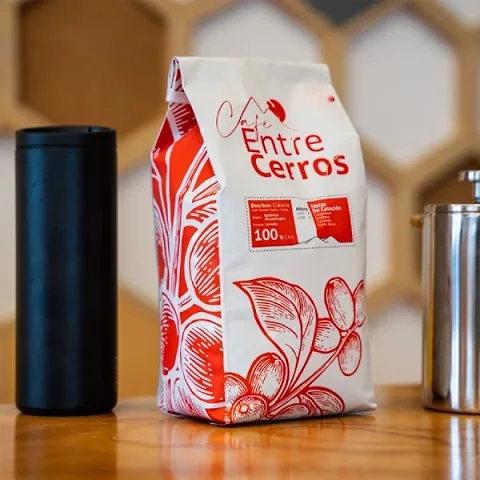
Custom Tin Tie Coffee Bags
Tin tie coffee bags are the paper bags with a flat wire strip across the top that folds down to reseal the bag after every scoop. We make them with lined gussets in the sizes roasters and tea shops actually fill, printed with your branding and checked on a free proof before production.
- Design proofFree, approved by you before printing
- PriceCustom quote by email within one working day
- Production4–7 working days after proof approval
- DeliveryFree and tracked, UK mainland, 2–3 working days
- Misprints or damageReported within 10 days, reprinted or refunded
The Bag Behind the Counter of Every Good Roastery
A tin tie bag has a look people associate with freshly roasted beans: a crisp paper body, a square base that stands on the shelf, and a metal-cored tie glued along the top edge. Once the bag is opened, the customer rolls the top down two or three times and folds the ends of the tie over to hold it closed. It is a simple closure that works surprisingly well and needs no zip, clip or rubber band.
For a roaster or a shop that weighs out goods to order, tin tie bags have another advantage. They are filled by hand at the counter or on a packing bench, then folded and sealed in seconds, which suits small batches and changing stock better than a pouch that needs a heat sealer for every bag. Brands often pair them with printed coffee bags so the whole order arrives in one look.
What Goes Into Them Besides Coffee
Coffee is the classic use, but the same bag suits anything dry that is sold by weight and opened more than once. Loose-leaf tea merchants use them for blends, sweet shops for pick and mix, bakers for granola and biscotti, and health food shops for oats, pulses, seeds and dried fruit, where a printed bread bag covers the loaves.
Pet treat makers have taken to them too, as the tie keeps a bag of biscuits closed in a cupboard between walks. The bag is not airtight, so it is best for products that are used within a few weeks of opening.
- Whole bean and ground coffee
- Loose-leaf tea and herbal blends
- Granola, muesli and porridge oats
- Sweets, fudge and pick and mix
- Dog biscuits and pet treats
- Seeds, pulses and dried fruit
Often ordered by
- Independent coffee roasters
- Loose-leaf tea merchants
- Delis and health food shops
- Sweet shops selling pick and mix
- Bakers packing granola and biscotti
- Pet treat makers
Popular Tin Tie Coffee Bags Sizes
Sizes are in mm. Every order is cut to your size, so any size between these rows is fine.
| Size | Often used for |
|---|---|
| Sample bag 80 x 50 x 190 mm | Tasting samples and small tea blends |
| 250 g coffee 90 x 60 x 230 mm | Standard retail bag for whole bean or ground coffee |
| 500 g coffee 110 x 70 x 280 mm | Larger home bags and subscription packs |
| 1 kg coffee 140 x 90 x 330 mm | Café wholesale and office supply bags |
| Sweets and treats 100 x 60 x 200 mm | Pick and mix, fudge, biscuits and dog treats |
Not sure of the size? Send the product measurements and we work out the rest.
Styles
- Tin tie bag with square base
- Side-gusseted tin tie bag
- Tin tie bag with window panel
- Tin tie bag with degassing valve
Materials
- Brown kraft paper
- White kraft paper
- Foil or film lining
- Greaseproof or glassine lining
- 1 or 2 colours on kraft
- Full colour on white paper
- Plain bags for labelling
Finishes
- Uncoated natural kraft
- Matt finish
- Metallic or coloured tie
Extras
- One-way degassing valve
- Clear window strip
- Printed blend labels
- Tamper seal stickers
- Heat-sealable top
Not sure which material or finish suits? Tell us how the bag will be used and we suggest one in your custom quote.
Production and Delivery
Production takes 4–7 working days after you approve the free design proof. Delivery to the UK mainland is free and tracked, and arrives in 2–3 working days once the order leaves production. The tracking link comes to you by email.
Reprints and Refunds
Check the order when it arrives. If anything is misprinted or damaged, report it within 10 days with a photo and we reprint or refund the items affected. Read the full returns and reprints policy.
Need it by a date?
Tell us the date with your sizes and we plan the proof and production around it.
Tin Tie Coffee Bags Specification
| Style | Tin tie bag with square base, Side-gusseted tin tie bag, Tin tie bag with window panel, Tin tie bag with degassing valve |
|---|---|
| Material | Brown kraft paper, White kraft paper, Foil or film lining, Greaseproof or glassine lining |
| 1 or 2 colours on kraft, Full colour on white paper, Plain bags for labelling | |
| Finish | Uncoated natural kraft, Matt finish, Metallic or coloured tie |
| Extras | One-way degassing valve, Clear window strip, Printed blend labels, Tamper seal stickers, Heat-sealable top |
| Size | Made to your size in mm |
| Minimum order | Low, quoted per job |
| Price | From £0.25 a bag; custom quote by email within one working day |
| Proof | Free design proof before printing |
| Production | 4–7 working days after proof approval |
| Delivery | Free tracked UK mainland delivery, 2–3 working days |
Linings and Valves for Custom Tin Tie Coffee Bags
The paper outside is what customers see, but the lining is what protects the contents. A thin greaseproof or glassine liner is enough for tea, sweets and biscuits; the board and card types guide covers the paper weights outside. Coffee is more demanding, because its oils mark plain paper and its aroma fades quickly, so most roasters choose a foil or film lining that holds the oils in and slows the loss of flavour.
Freshly roasted beans keep releasing carbon dioxide for days after roasting. If they are packed straight away, a one-way degassing valve stops the bag from swelling while keeping outside air from getting in. The valve is a small round fitting on the front or back panel and is worth adding for whole bean coffee that is bagged on roast day.
Ground coffee releases far less gas, so many roasters skip the valve on those bags and rely on the lining and the tin tie alone. If you are unsure, tell us how soon after roasting you bag your coffee and we will recommend the right build.
Sizes Matched to What You Weigh Out
Bag size depends on the weight and the density of what goes inside, and coffee is the trickiest example. Whole beans take up more space than ground coffee of the same weight, and a dark roast is lighter and bulkier than a light one, so follow the guide to measuring your product by volume. A bag that holds 250 g of a medium roast comfortably may be tight with a dark roast.
The sensible approach is to fill a sample bag with your actual product before ordering. Leave enough space at the top for three rolls of the tie, around 50 mm, otherwise the bag will not close neatly. If you sell several weights, keep the bag width the same across the range and change only the height, so the shelf looks tidy and labels fit every size.
Width also affects how the bag behaves on a shelf. A wider base with a deeper gusset stands up more reliably once the top is rolled down, while a tall, narrow bag can topple when half empty. For retail display, a bag that is roughly twice as tall as it is wide tends to look balanced and stay upright.
If you supply cafés as well as home customers, the larger wholesale bags rarely need the same print finish. A plain kraft bag with a simple label is often enough for trade customers, and it keeps your printed stock for the retail shelf where it does the most work.
Printing, Labels and Window Panels
Kraft paper with a one or two-colour print is the most common look, partly because it suits the handmade feel of a small roaster. White paper takes full-colour artwork better, which is the right choice if your branding uses photography or bright colours; the print and finish options compared page shows both.
Many roasters print a fixed design on the bag and add a small label for each origin or blend. It means one print run covers the whole range, and you can swap coffees as new origins arrive without reprinting packaging. Leave a clear panel in the artwork for that label, with space for roast date and tasting notes.
A narrow window on the front panel shows off whole beans or colourful tea blends. Windows suit products that look good, but they reduce the light protection, so for coffee meant to sit on a shelf for a while, a fully printed bag keeps it fresher.
Filling and Closing on a Busy Day
Tin tie bags arrive flat and open out with a gusseted base. A wide scoop or funnel makes filling quicker, and a small bench scale next to the bags speeds up weighing, with printed coffee bag labels ready for the origin. Once filled, fold the top over a couple of times, press the tie flat and fold the ends back. That is the closed bag the customer sees.
For a sealed first opening, some roasters heat seal the top above the tie and ask customers to cut it off on first use, then use the tie from then on. Others add a printed sticker across the fold as a simple tamper seal. Both approaches work, so choose the one that fits your packing routine.
Fill a Bag With Your Darkest Roast and Check the Fold-Down
Tin tie bags close by rolling the top, so the test is the fold. Weigh 250 g of your darkest, bulkiest roast into a plain bag of the size you have in mind and see whether about 50 mm of paper is left above the beans; that is what two or three rolls of the top need, and a bag that is right for a light roast runs short on a dark one. Decide whether beans go in fresh, which calls for a valve, or rested, which does not, and whether tea and sweets lines can use a cheaper glassine liner instead of foil.
Tell us what you are packing, the fill weights, any lining or valve and how you want the bag printed, and a custom quote comes by email within one working day, printed bags from £0.25 each depending on size and build, minimums quoted per job. A free design proof shows the artwork on every panel. Bags are made in 4 to 7 working days after approval and reach UK mainland addresses on free tracked delivery in 2 to 3 working days. Roasters who sell by post usually add letterbox coffee boxes sized to the flat bag.
Design Your Tin Tie Coffee Bag
Choose the tin tie coffee bags photo closest to what you have in mind, add your logo, drag it into place and set the size. Send it with your sizes and we reply with a custom quote and a free design proof.

Drag the logo, or select it and use the arrow keys (Shift moves faster, + and − resize).
Related Products
Other packaging that is often ordered alongside tin tie coffee bags.
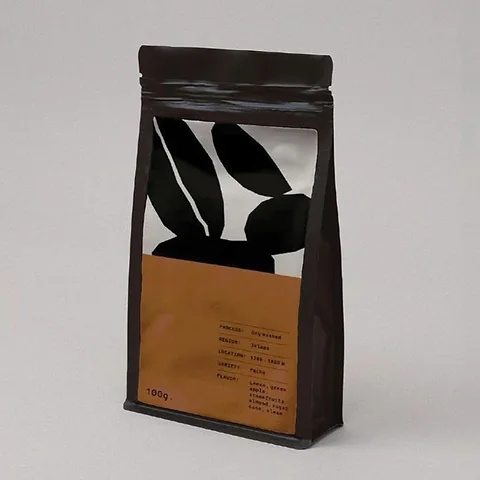
Custom Coffee Bags
Custom coffee bags are made for freshly roasted beans, with a one-way valve that lets carbon dioxide escape while keeping air out.
Custom Bread Bags
Custom bread bags give a fresh loaf a proper home between your counter and the customer's kitchen, in kraft or white paper…

Gusseted Mylar Bags
Custom gusseted mylar bags fold out at the sides as they fill, turning a flat pouch into a tall, block-shaped bag that holds…
Tear Notch Pouches
Custom tear notch pouches are heat-sealed bags with a small cut in the seal that lets anyone tear them open by hand, straight…
Tin Tie Coffee Bags Questions
What buyers ask before ordering tin tie coffee bags.
Do tin tie coffee bags keep coffee fresh?
With a foil or film lining they hold the oils in and slow the loss of aroma well for everyday use. They are not airtight, so they suit coffee that will be used within a few weeks of opening.
Do I need a degassing valve on my bags?
If you bag whole beans soon after roasting, yes, because the beans release gas for several days. Ground coffee and coffee rested before packing usually do not need one.
How much space should I leave at the top of the bag?
Leave about 50 mm above the product so the top can be rolled down two or three times. Overfilled bags will not close neatly with the tie.
Will a 250 g bag fit a dark roast?
Dark roasts are bulkier than light roasts of the same weight, so they may need a slightly taller bag. Fill a sample with your own coffee before committing to a full run.
Can I use one printed bag for every blend?
Yes. Many roasters print a fixed brand design and add a small label for each origin, which keeps one print run working across the whole range.
Is a window panel a good idea for coffee?
A window shows off whole beans, but it lets in light. For coffee that will sit on a shelf for a while, a fully printed bag is the safer choice.
Can tin tie bags be heat sealed?
They can be heat sealed above the tie for a sealed first opening. The customer cuts the seal off and then uses the tie to close the bag afterwards.
Are these bags suitable for loose tea and sweets?
Very much so. A greaseproof or glassine lining is usually enough for tea, sweets and biscuits, which keeps the cost lower than a foil-lined coffee bag.
What colour can the tin tie be?
Standard ties are silver or white, and coloured or metallic ties are available on request. Ask when you request your custom quote.
Can food-contact grade linings be supplied?
Food-contact grade materials are available on request for linings that touch the product. Tell us what you are packing so we can specify the right one.
What if some bags arrive with a faulty tie?
Report it within 10 days with a photo and we reprint or refund the affected bags. A loose tie is usually confined to one bundle, so check a bag from each bundle when the order lands.
Get a Price for Your Tin Tie Coffee Bags
Fill in as much as you know. Sizes are in mm (internal sizes for boxes). If you have artwork, attach it; if not, a logo is enough to start the proof.
We reply with a custom quote by email within one working day, then send a free design proof before anything is printed.
- Phone+44 7578 382054
- WhatsAppMessage us
- Emailinfo@shopcustomboxes.co.uk
- HoursMonday to Friday, 9 am to 5.30 pm UK time
- OfficeOffice 704, 85 Dunstall Hill, Wolverhampton, WV6 0SR