 Custom Mailer Boxes
 Custom Shipping Boxes
 Custom Cardboard Boxes
 Custom Kraft Boxes
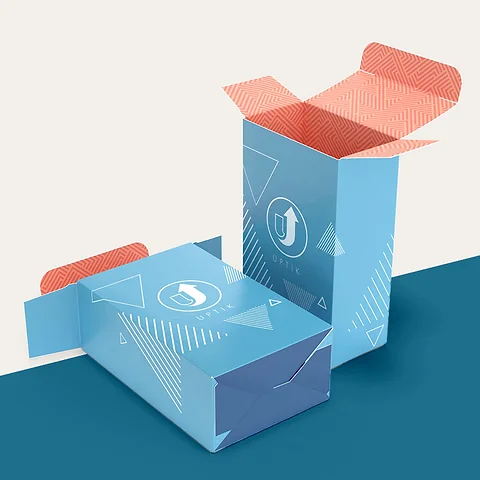 Custom Product Boxes
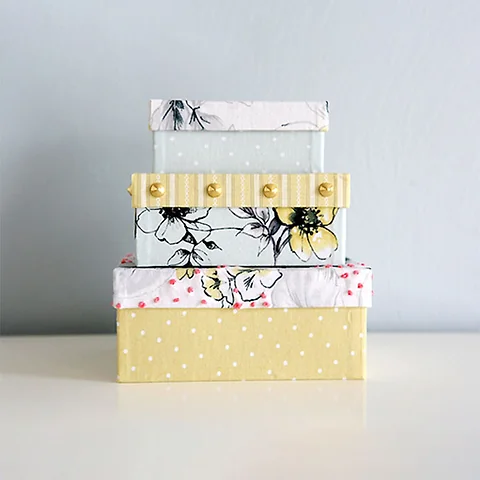 Custom Retail Boxes
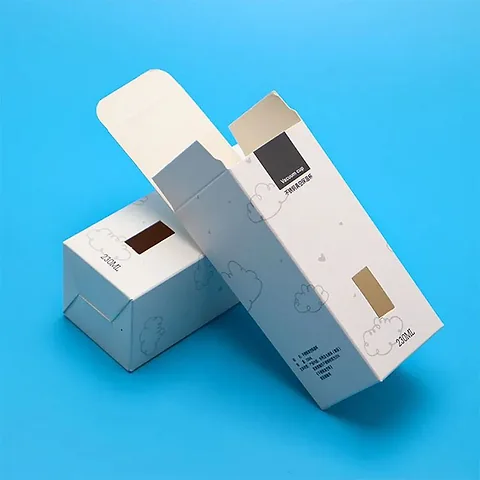 Custom Tuck End Boxes
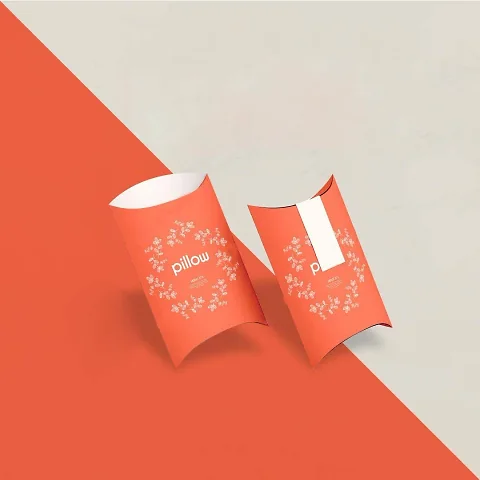 Custom Pillow Boxes
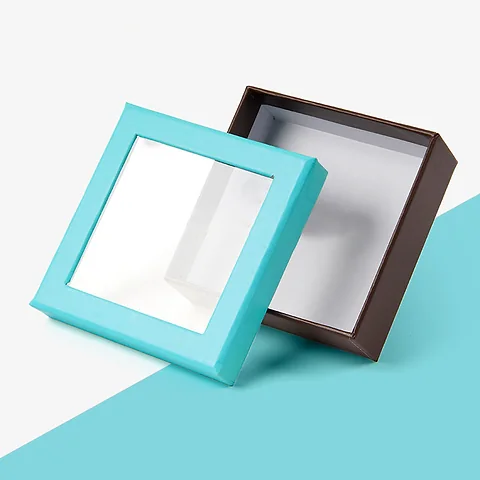 Custom Window Boxes
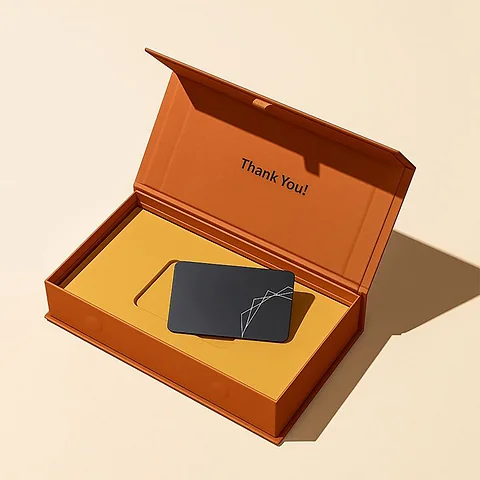 Custom Rigid Boxes
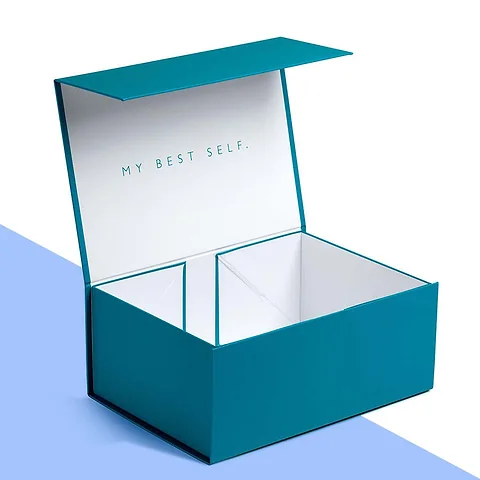 Custom Gift Boxes
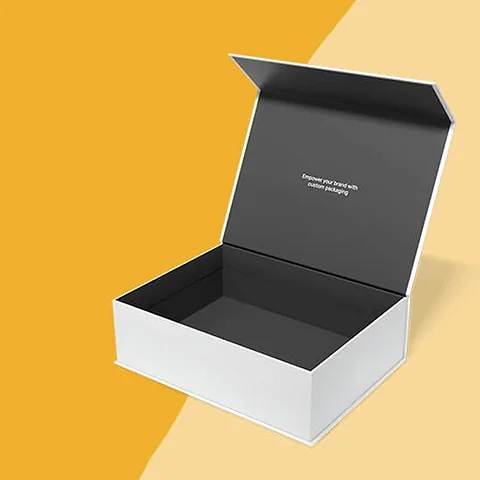 Custom Magnetic Boxes
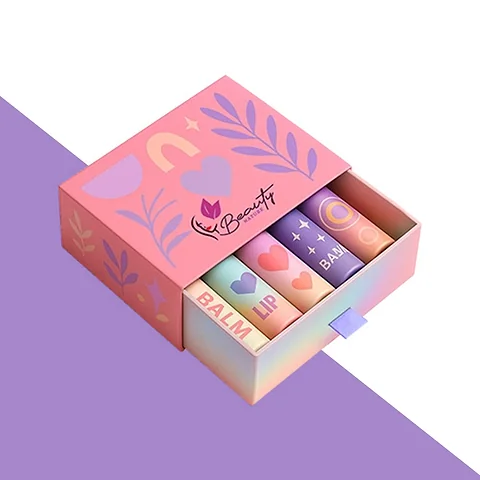 Custom Sleeve Boxes
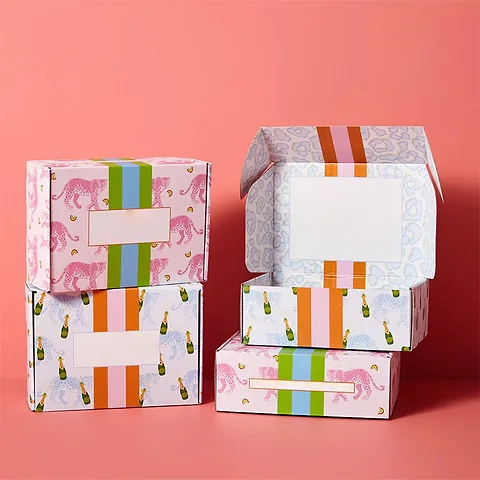 Custom Printed Boxes
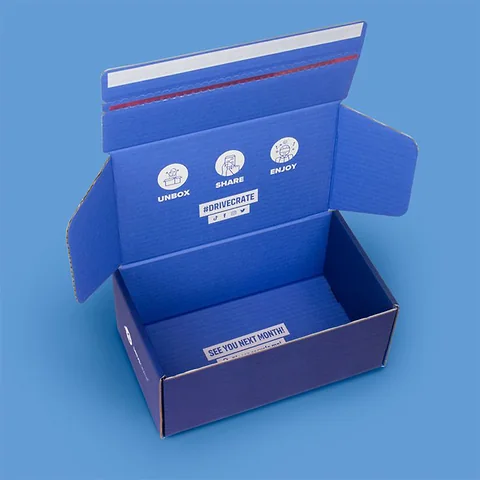 Custom Boxes with Logo
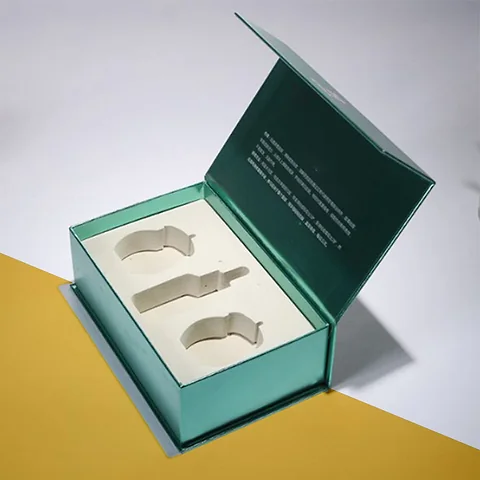 Custom Box Inserts
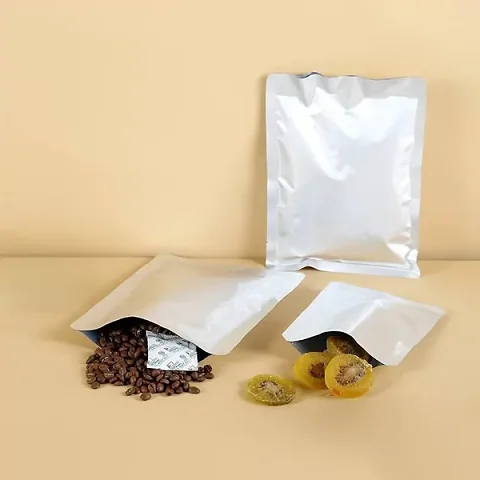
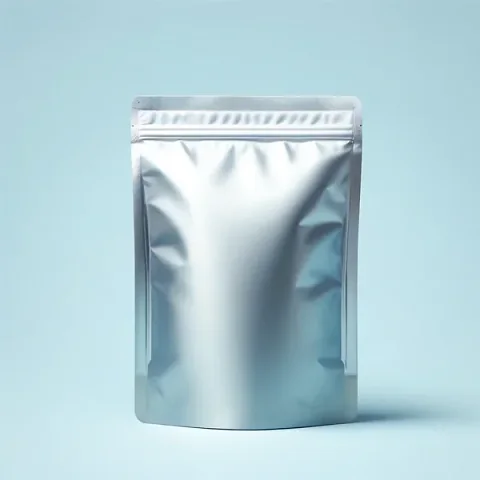
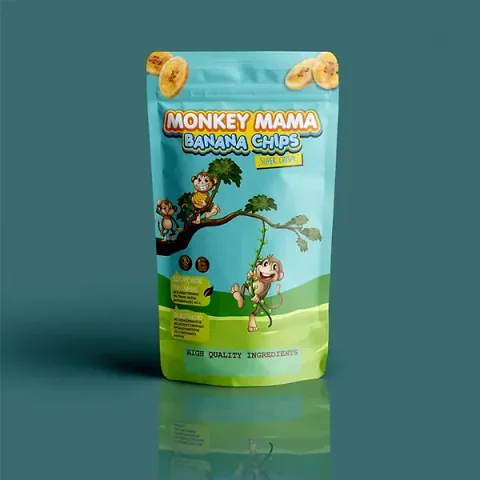
Vacuum Sealed Mylar Bags
Vacuum sealed mylar bags are barrier bags made to have the air drawn out and sealed tight, keeping meat, cheese and preserved foods fresher for longer. We print them for butchers, cheesemakers, charcuterie producers and food brands.
- Design proofFree, approved by you before printing
- PriceCustom quote by email within one working day
- Production4–7 working days after proof approval
- DeliveryFree and tracked, UK mainland, 2–3 working days
- Misprints or damageReported within 10 days, reprinted or refunded
Why Vacuum Packing Needs the Right Bag
Vacuum packing works by removing air from around food and sealing it in. With less oxygen, food keeps its colour, flavour and texture longer, and it is protected from freezer burn and drying out, which a standard heat seal mylar bag cannot do on its own. But the bag has to do its part. A thin bag may puncture on a bone or a hard cheese rind, and a bag with a poor barrier will let air seep back in over time, undoing the vacuum.
Mylar-based vacuum bags combine strong, puncture-resistant layers with a high barrier film that holds the vacuum. Printed versions add your brand, product name and storage guidance, turning a practical bag into retail-ready packaging.
Many producers start with clear vacuum pouches and plain labels, then move to printed mylar bags when they want a more polished look on farm shop and deli shelves.
Vacuum packing also helps with stock management. Products last longer on the shelf and in the freezer, which means less waste and more flexibility in how far ahead you can produce.
Bag Types for Different Sealers
There are two main types of vacuum sealer, and the bag needs to match. Chamber sealers work with smooth bags, because the whole bag sits inside the chamber while the air is removed, and the heavy duty mylar bags are the thick-walled version for either. Suction or external sealers, the type often used in smaller kitchens and farm shops, need bags with a textured or embossed inner face so air can be drawn out through channels. Tell us which machine you use and we will specify the right bag.
Bags can be made fully opaque, with a metallised or foil layer to block light, or with a clear front so the product is visible. Clear fronts are popular for meat and cheese, where customers like to see the cut.
Gusseted bags are useful for bulky items, such as whole chickens or large cheese wheels, because the gussets expand to accommodate the shape before the air is removed.
- Smooth bags for chamber vacuum sealers
- Textured bags for suction sealers
- Opaque foil bags for light-sensitive products
- Clear front bags for meat and cheese
- Gusseted bags for bulky cuts and coffee
Often ordered by
- Butchers
- Cheesemakers
- Charcuterie producers
- Smokehouses
- Meal prep businesses
- Raw pet food producers
Popular Vacuum Sealed Mylar Bags Sizes
Sizes are in mm. Every order is cut to your size, so any size between these rows is fine.
| Size | Often used for |
|---|---|
| Small portion 150 x 200 mm | Cheese wedges and sliced meats |
| Steak bag 200 x 250 mm | Single or double steaks |
| Fish fillet 200 x 350 mm | Smoked fish sides and fillets |
| Joint bag 250 x 400 mm | Roasting joints and large cuts |
| Bulk bag 300 x 450 mm | Wholesale portions and coffee |
Not sure of the size? Send the product measurements and we work out the rest.
Styles
- Flat vacuum pouch
- Gusseted vacuum bag
- Clear front vacuum bag
- Fully opaque vacuum bag
Materials
- Smooth barrier film for chamber sealers
- Textured barrier film for suction sealers
- Metallised barrier layer
- Food-contact grade film on request
- Full colour CMYK
- Spot colours
- Clear window areas
Finishes
- Gloss
- Matt
Extras
- Tear notch
- Hang hole
- Freezer-rated film
- Sous vide rated film
- Label panel
Not sure which material or finish suits? Tell us how the bag will be used and we suggest one in your custom quote.
Production and Delivery
Production takes 4–7 working days after you approve the free design proof. Delivery to the UK mainland is free and tracked, and arrives in 2–3 working days once the order leaves production. The tracking link comes to you by email.
Reprints and Refunds
Check the order when it arrives. If anything is misprinted or damaged, report it within 10 days with a photo and we reprint or refund the items affected. Read the full returns and reprints policy.
Need it by a date?
Tell us the date with your sizes and we plan the proof and production around it.
Vacuum Sealed Mylar Bags Specification
| Style | Flat vacuum pouch, Gusseted vacuum bag, Clear front vacuum bag, Fully opaque vacuum bag |
|---|---|
| Material | Smooth barrier film for chamber sealers, Textured barrier film for suction sealers, Metallised barrier layer, Food-contact grade film on request |
| Full colour CMYK, Spot colours, Clear window areas | |
| Finish | Gloss, Matt |
| Extras | Tear notch, Hang hole, Freezer-rated film, Sous vide rated film, Label panel |
| Size | Made to your size in mm |
| Minimum order | Low, quoted per job |
| Price | From £0.25 a bag; custom quote by email within one working day |
| Proof | Free design proof before printing |
| Production | 4–7 working days after proof approval |
| Delivery | Free tracked UK mainland delivery, 2–3 working days |
Thickness, Barrier and Puncture Resistance
Bag thickness is measured in microns. Thinner bags are fine for soft products like sliced cheese, while thicker bags are needed for bone-in meat, hard cheese with sharp edges and products with crumbs or seeds that might pierce the film; the board and card types guide explains how film is measured. We will suggest a thickness based on the food you pack.
For products that will be frozen, ask for a bag rated for freezer use, as some films become brittle at low temperatures. For products that will be cooked in the bag, such as sous vide, tell us the cooking temperature so we can specify a suitable film. Food-contact grade films are available on request.
Puncture is the most common failure. If you pack bone-in cuts, consider bone guards, small pieces of film placed over sharp edges inside the bag. They cost little and greatly reduce rejected packs.
For dry products such as coffee or nuts, a softer vacuum is often used so the product is not crushed, and a thinner bag may be enough.
Printing on Vacuum Bags
Vacuum bags shrink tightly around the product, so the print should be designed with that in mind. Large solid areas and bold logos work best; very fine text may distort slightly when the bag is pulled around an uneven shape, as the print and finish options compared page shows for film. Keep key information, such as product name, weight, use-by area and storage advice, on the flatter parts of the bag.
A clear window area within an opaque printed bag lets customers see the product while keeping your brand prominent. Leave space for a weight and price label if you sell by weight.
Many producers print one design across several products and add a product label on the front. That keeps print runs larger and cheaper while still allowing different cuts or cheeses to be clearly named.
If you sell into retail, include a barcode area and space for a use-by date that can be printed or labelled at packing.
Sizing Bags for Your Products
Measure the product's length, width and thickness, then allow extra length for the seal area and for the bag to wrap around the product's depth. As a rough guide, add the thickness of the product to both the width and length, plus around 30 to 50 mm at the open end for sealing. Testing a few plain bags of different sizes on your sealer is the quickest way to find the right fit.
If you pack several products, two or three standard bag sizes usually cover most of them.
Bag length also needs to leave enough room to grip the bag in the sealer. Chamber sealers usually need less spare length than suction sealers.
Write down the bag size that works for each product once you have tested it, so staff always reach for the right size and waste fewer bags.
Who Uses Printed Vacuum Bags
Butchers use them for steaks, joints and sausages sold in chillers. Cheesemakers vacuum pack wedges for shops and online sales, often with a sheet of printed cheese paper for the counter. Charcuterie producers use them for cured meats and sliced salami. Smokehouses pack smoked fish and meats. Coffee roasters sometimes vacuum pack beans for wholesale. Home-food businesses use them for prepared meals and sous vide dishes.
Pet food producers also use vacuum bags for raw food portions, where freshness matters as much as it does for human food.
Farm shops that pack their own produce often use a mix of sizes, so a small starting run of each size, with matching print, helps them see which sizes move fastest before reordering.
Tell Us Which Sealer You Own Before Anything Else
The sealer decides the bag. A chamber machine needs smooth film and a suction sealer needs a textured inner face, and a bag of the wrong type will not pull a vacuum at all, so name the machine first. Then say what goes in: bone-in cuts, hard cheese and anything with seeds or crumbs want a thicker film that resists puncture, while sliced products can use a thinner one. Add the product size plus 30 to 50 mm at the open end for the seal, and say if the bags go into the freezer or a sous vide bath, since each needs a particular film.
Send the product, the sealer type, the bag size, the thickness and your artwork, and a custom quote comes by email within one working day, minimums kept low and quoted job by job. A free design proof shows the print on the bag. Production takes 4 to 7 working days after approval and free tracked delivery reaches UK mainland addresses in 2 to 3 working days. Food-contact grade film is available on request. Butchers who wrap at the counter usually add printed butcher paper in the same colours.
Design Your Vacuum Sealed Mylar Bag
Choose the vacuum sealed mylar bags photo closest to what you have in mind, add your logo, drag it into place and set the size. Send it with your sizes and we reply with a custom quote and a free design proof.

Drag the logo, or select it and use the arrow keys (Shift moves faster, + and − resize).
Related Products
Other packaging that is often ordered alongside vacuum sealed mylar bags.
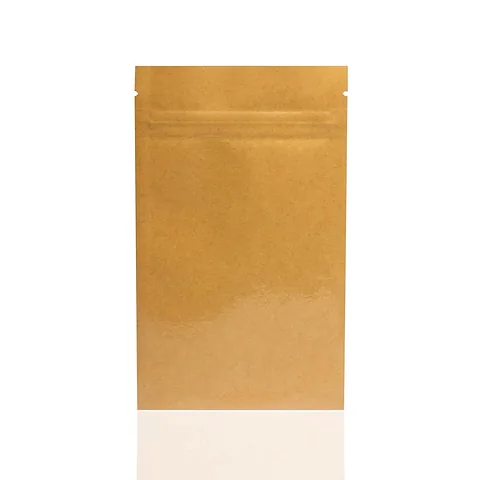
Kraft-Lined Mylar Bags
Kraft-lined mylar bags pair a natural paper outside with a foil inner layer that keeps out light, air and moisture.
Heat Seal Mylar Bags
Heat seal mylar bags are closed by melting the inner layers together with an impulse sealer, which gives a tight,…
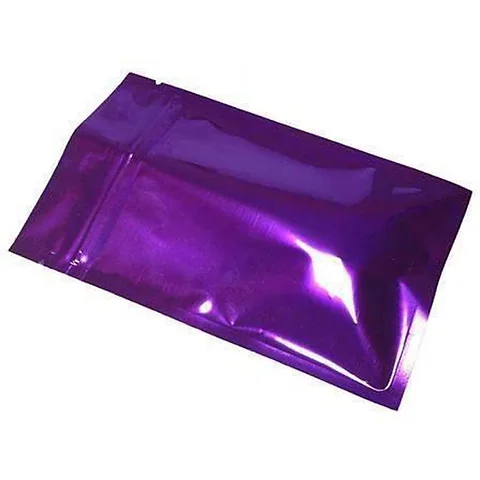
Heavy Duty Mylar Bags
Custom heavy duty mylar bags use a thicker, multi-layer foil laminate that stands up to sharp grains, pasta, dried beans and…
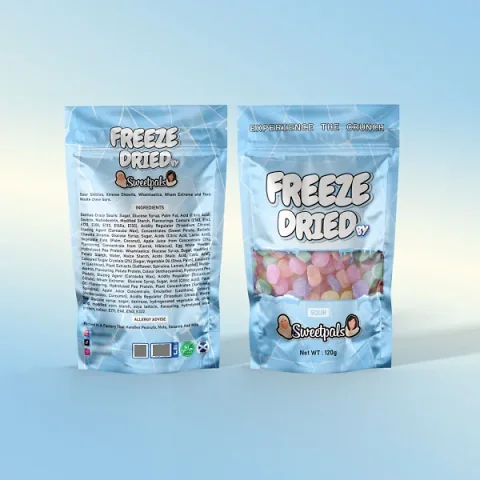
Freeze-Dried Food Mylar Bags
Custom freeze-dried food mylar bags are foil-lined pouches with a strong barrier against oxygen, moisture and light, the three…
Vacuum Sealed Mylar Bags Questions
What buyers ask before ordering vacuum sealed mylar bags.
Which bag do I need for a suction sealer?
Suction sealers need bags with a textured inner face so air can be drawn out. Chamber sealers use smooth bags.
How thick should my bags be for bone-in meat?
Bone-in cuts need thicker, more puncture-resistant bags. Tell us the product and we suggest a suitable thickness.
Can the bags go in the freezer?
Yes, if you choose a freezer-rated film. Mention it in your enquiry so we specify the right one.
Are the bags suitable for sous vide?
Some films are suitable for cooking in the bag. Tell us your cooking temperature and we will advise.
Will the print distort when vacuum sealed?
Bags shrink around the product, so bold designs work best and fine text should sit on flatter areas. We show the artwork on a flat bag on the proof, so allow for the pull in the layout.
Can customers see the product through the bag?
Yes. A clear front or clear window area lets customers see the cut or cheese while keeping your brand visible.
How much bigger than the product should the bag be?
Add the product thickness to the width and length, plus 30 to 50 mm at the open end for sealing. A bag that is too tight will not seal cleanly; one too loose wastes film.
Is food-contact grade film available?
Yes, on request. Tell us what you pack so we can specify the right film.
Can I add space for a price label?
Yes. We leave a clear panel for weight and price labels if you sell by weight.
What if bags arrive with faulty seals?
Report it within 10 days with a photo and we reprint or refund the affected bags. Test one bag from each carton on your sealer before packing a batch.
Get a Price for Your Vacuum Sealed Mylar Bags
Fill in as much as you know. Sizes are in mm (internal sizes for boxes). If you have artwork, attach it; if not, a logo is enough to start the proof.
We reply with a custom quote by email within one working day, then send a free design proof before anything is printed.
- Phone+44 7578 382054
- WhatsAppMessage us
- Emailinfo@shopcustomboxes.co.uk
- HoursMonday to Friday, 9 am to 5.30 pm UK time
- OfficeOffice 704, 85 Dunstall Hill, Wolverhampton, WV6 0SR