 Custom Mailer Boxes
 Custom Shipping Boxes
 Custom Cardboard Boxes
 Custom Kraft Boxes
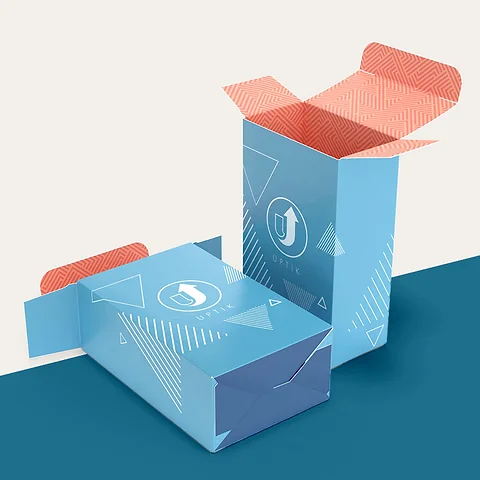 Custom Product Boxes
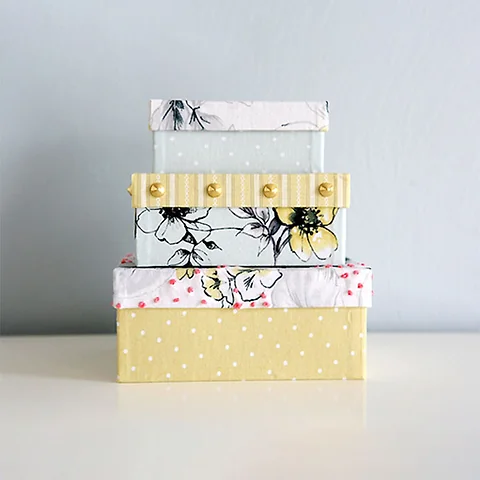 Custom Retail Boxes
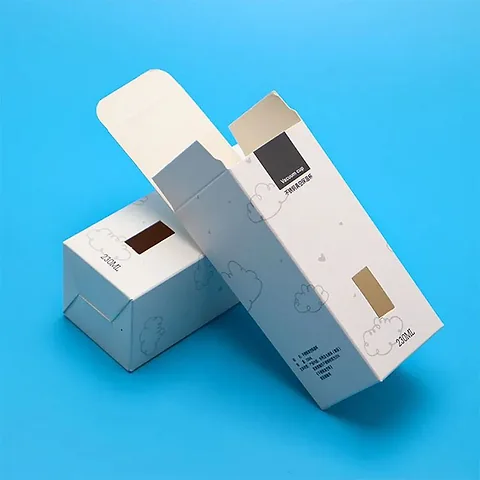 Custom Tuck End Boxes
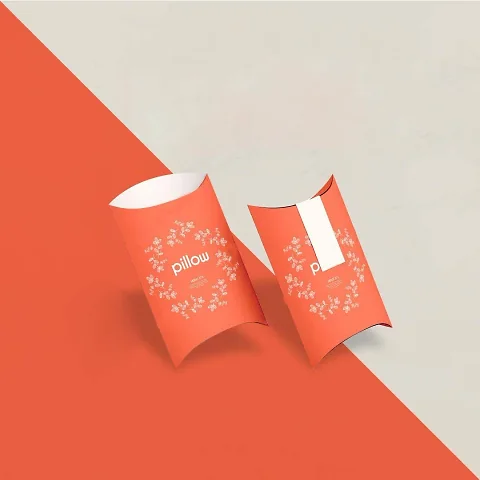 Custom Pillow Boxes
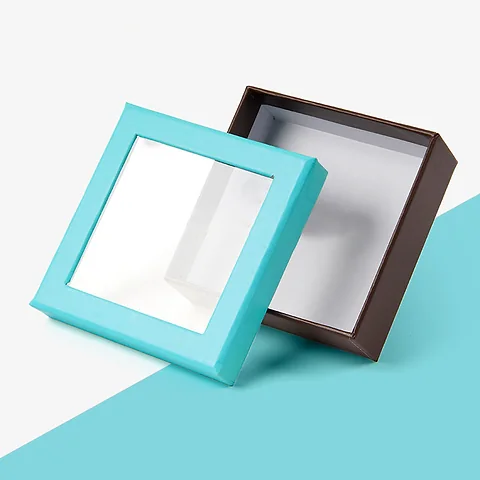 Custom Window Boxes
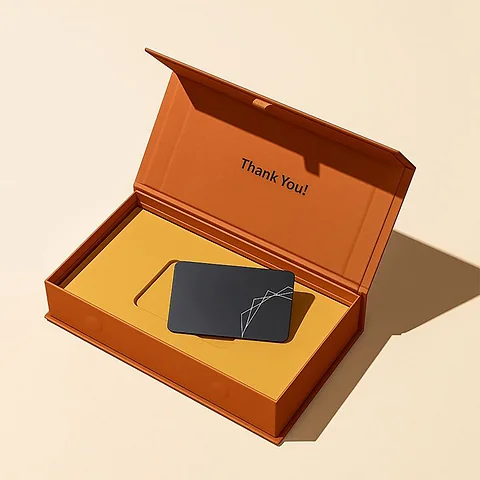 Custom Rigid Boxes
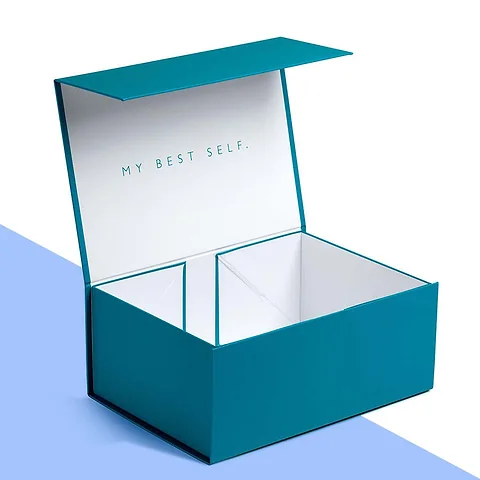 Custom Gift Boxes
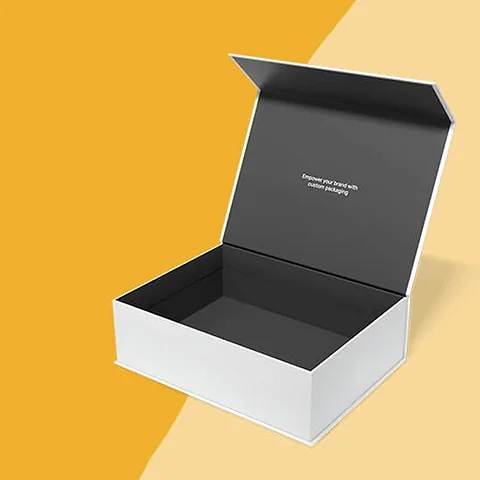 Custom Magnetic Boxes
 Custom Sleeve Boxes
 Custom Printed Boxes
 Custom Boxes with Logo
 Custom Box Inserts
Custom Flat-Bottom Pouches
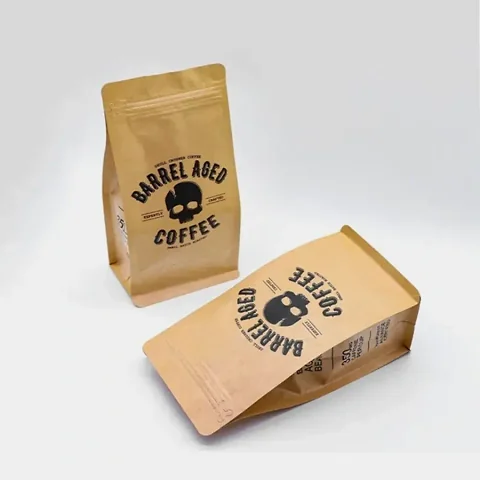
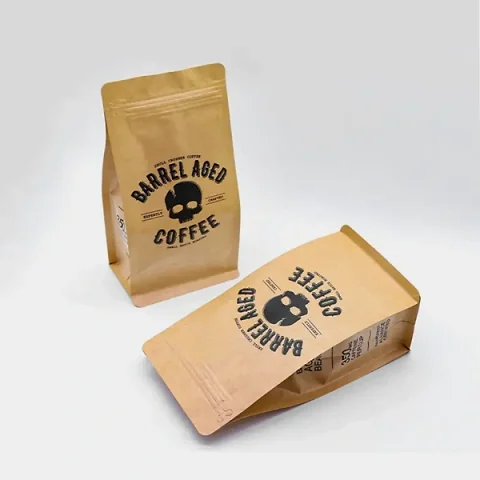
Custom flat-bottom pouches stand upright like a box, with a square base, two side gussets and five panels you can print on. We make them for coffee roasters, granola brands and anyone selling dry food that deserves to look as good as it tastes.
- Design proofFree, approved by you before printing
- PriceCustom quote by email within one working day
- Production4–7 working days after proof approval
- DeliveryFree and tracked, UK mainland, 2–3 working days
- Misprints or damageReported within 10 days, reprinted or refunded
Custom Flat-Bottom Pouches Behave Like a Box
A flat-bottom pouch, sometimes called a box pouch or block-bottom bag, is made with a folded, sealed base that opens out into a flat rectangle. Filled, it stands perfectly square on a shelf without leaning or slumping. Two side gussets give it depth, so it holds far more than a flat stand-up pouch of the same height.
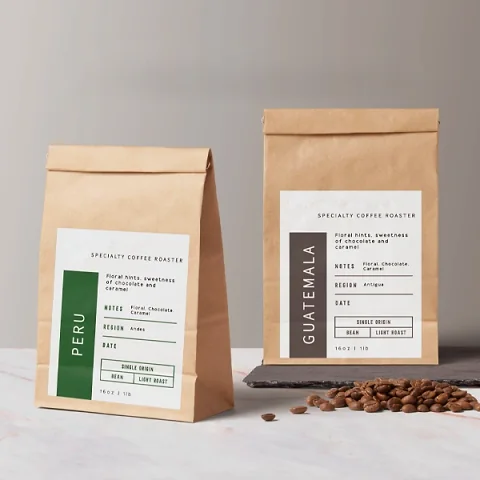
That shape gives you five faces to print: front, back, two sides and the base. Brands use the front for the logo and product name, the back for the story and details, and the side gussets for flavour notes, brewing guides or a bold pattern that shows when pouches stand side by side. The result looks more like a premium carton than a bag, while keeping the lightness and barrier properties of flexible packaging.
Compared with a rigid tin or a carton, a flat-bottom pouch is far lighter to post and arrives flat, so hundreds take up the space of a few boxes. That makes it a good fit for small roasters and food brands working from a unit or a shared kitchen, where every shelf counts.
Why Coffee and Granola Brands Choose Flat-Bottom Pouches
Coffee roasters were early adopters. Whole beans and ground coffee need protection from oxygen, light and moisture, and a flat-bottom pouch made from a high-barrier laminate does that well. Add a one-way degassing valve, which lets freshly roasted coffee release carbon dioxide without letting air in, and a zip that reseals after opening, and the pouch keeps coffee fresh in the cupboard.
Granola, muesli, specialty flours, pet treats, loose tea and dried fruit all benefit in the same way. The square base means the pouch stands steady even when half empty, and the wide opening makes it easy to scoop from. For shelf impact, a row of flat-bottom pouches looks orderly and premium in a way that floppy pillow bags never do. Roasters who prefer a side gusset format use our coffee bags with a valve instead.
- Whole bean and ground coffee with degassing valves
- Granola, muesli and breakfast cereals
- Loose tea and herbal blends
- Pet treats and dry pet food
- Flour, rice, pulses and baking mixes
Often ordered by
- Coffee roasters
- Granola and cereal brands
- Tea merchants
- Pet treat makers
- Health food brands
- Specialty flour mills
- Snack and nut companies
Popular Flat-Bottom Pouches Sizes
Sizes are in mm. Every order is cut to your size, so any size between these rows is fine.
| Size | Often used for |
|---|---|
| Coffee 250 g 120 x 200 x 75 mm | Whole bean or ground coffee |
| Coffee 500 g 140 x 260 x 85 mm | Larger bags of beans |
| Coffee 1 kg 160 x 340 x 100 mm | Wholesale and café bags |
| Granola 400 g 150 x 240 x 90 mm | Granola, muesli and cereals |
| Tea 100 g 100 x 170 x 60 mm | Loose leaf tea and herbal blends |
Not sure of the size? Send the product measurements and we work out the rest.
Styles
- Flat-bottom box pouch
- Flat-bottom pouch with window
- Flat-bottom pouch with side stripe window
- Kraft flat-bottom pouch
Materials
- High-barrier metallised laminate
- Aluminium foil laminate
- Kraft paper outer laminate
- Clear barrier film
- Food-contact grade inner film
- Full colour gravure or digital
- Five-panel print
- Pantone spot colours
- White ink on kraft
Finishes
- Gloss
- Matte
- Soft-touch matte
- Spot gloss on matte
Extras
- Press-to-close zip
- Pocket zip
- Degassing valve
- Tear notch
- Hang hole
- Tin tie
Not sure which material or finish suits? Tell us how the pouch will be used and we suggest one in your custom quote.
Production and Delivery
Production takes 4–7 working days after you approve the free design proof. Delivery to the UK mainland is free and tracked, and arrives in 2–3 working days once the order leaves production. The tracking link comes to you by email.
Reprints and Refunds
Check the order when it arrives. If anything is misprinted or damaged, report it within 10 days with a photo and we reprint or refund the items affected. Read the full returns and reprints policy.
Need it by a date?
Tell us the date with your sizes and we plan the proof and production around it.
Flat-Bottom Pouches Specification
| Style | Flat-bottom box pouch, Flat-bottom pouch with window, Flat-bottom pouch with side stripe window, Kraft flat-bottom pouch |
|---|---|
| Material | High-barrier metallised laminate, Aluminium foil laminate, Kraft paper outer laminate, Clear barrier film, Food-contact grade inner film |
| Full colour gravure or digital, Five-panel print, Pantone spot colours, White ink on kraft | |
| Finish | Gloss, Matte, Soft-touch matte, Spot gloss on matte |
| Extras | Press-to-close zip, Pocket zip, Degassing valve, Tear notch, Hang hole, Tin tie |
| Size | Made to your size in mm |
| Minimum order | Low, quoted per job |
| Price | From £0.25 a pouch; custom quote by email within one working day |
| Proof | Free design proof before printing |
| Production | 4–7 working days after proof approval |
| Delivery | Free tracked UK mainland delivery, 2–3 working days |
Materials and Barrier Layers
Flat-bottom pouches are made from laminated films, with each layer doing a job. An outer layer takes the print and gives the finish. A middle barrier layer, often a metallised film or aluminium foil, blocks oxygen, moisture and light. An inner layer seals the pouch and is in contact with the food, and we use food-contact grade films for that layer.
For products that need less protection, such as dry pasta or pet treats with a short shelf life, a lighter barrier is enough and keeps costs down. For coffee and products sensitive to moisture, a high barrier is worth it. Kraft paper outer layers give a natural, artisan look, while gloss or matte films give a modern, polished finish. Clear windows can show the product, though a window reduces the light barrier, so they are best kept small for light-sensitive products like coffee. A paper-look outer over the same barrier is available as kraft stand-up pouches.
Closures, Valves and Handy Extras
Most flat-bottom pouches have a resealable closure. A press-to-close zip is the standard; a pocket zip or slider zip is easier for customers with limited grip, and a tear notch above the zip lets them open the pouch cleanly. Degassing valves are essential for freshly roasted coffee and are placed on the front or back panel.
Other extras include hang holes for retail display, rounded corners that feel softer in the hand, and a clear stripe window down a side gusset that shows the fill level. Tin ties are another resealing option, popular with artisan coffee roasters who like the hand-folded look.
Think about how the pouch will be filled. Many small producers fill by hand through the open top, then seal with a heat sealer above the zip. A wider pouch is easier to fill by hand, and a little extra headspace makes sealing quicker and neater. If you use a filling machine, send its specification so we can match the pouch dimensions to it. For single-serve portions, tear notch pouches without a zip keep costs down.
Designing for Five Panels
Treat the pouch as a three-dimensional object rather than a flat label. Shoppers often see the side gusset first, especially when pouches are stacked in a row on a shelf. A bold colour or pattern on the gussets makes the whole row look striking and helps customers spot their favourite flavour.
The base is the least seen but useful for batch codes, best-before dates and storage guidance. Keep fine text off the fold lines, because the material bends there. Our proof shows the artwork on each panel, and we will flag anything that sits too close to a seal or fold. You receive a free proof of all five panels before anything is printed.
Sizing and Fill Volumes
Pouches are sized by width, height and gusset depth. The same weight of different products needs different pouches: 250 g of coffee beans takes up more space than 250 g of sugar. The best way to choose is to fill a sample pouch with your product, or to tell us the product and target weight and let us recommend a size.
Leave enough headspace above the product for the zip and seal, so the pouch closes cleanly without crushing the contents. If you sell several weights, choose sizes with the same width and gusset so pouches line up neatly on a shelf even when their heights differ.
Shipping is another factor. If you sell online, check that your most popular pouch fits through a letterbox inside a slim mailer, which can save customers a trip to the depot. A slightly shorter, wider pouch often fits where a tall, narrow one would not. Our guide explains measuring fill volume rather than weight for loose products.
Fill a Sample Pouch to the Target Weight, Then Weigh the Air
Flat-bottom pouches are sized by volume, and coffee beans, ground coffee and granola all take different space at the same weight. Fill any similar pouch to your target weight, note how full it is, and tell us the product and the weight. Decide on the extras in one go: a one-way valve for freshly roasted coffee, a zip for products used over weeks, a tear notch for a clean opening and a window only for products that are not light sensitive. Plan artwork for all five panels, because the gussets are often what shoppers see first, and keep a plain area on the base for dates. Roasters launching guest blends sometimes pair the pouch with a coffee box for subscription deliveries.
Send the product, fill weight, features and artwork, and a custom quote comes by email within one working day. The free proof shows every panel. Production takes 4 to 7 working days after approval, pouches arrive by tracked courier to UK mainland addresses, and misprints or damage reported within 10 days are reprinted or refunded.
Design Your Flat-Bottom Pouch
Choose the Flat-Bottom pouches photo closest to what you have in mind, add your logo, drag it into place and set the size. Send it with your sizes and we reply with a custom quote and a free design proof.
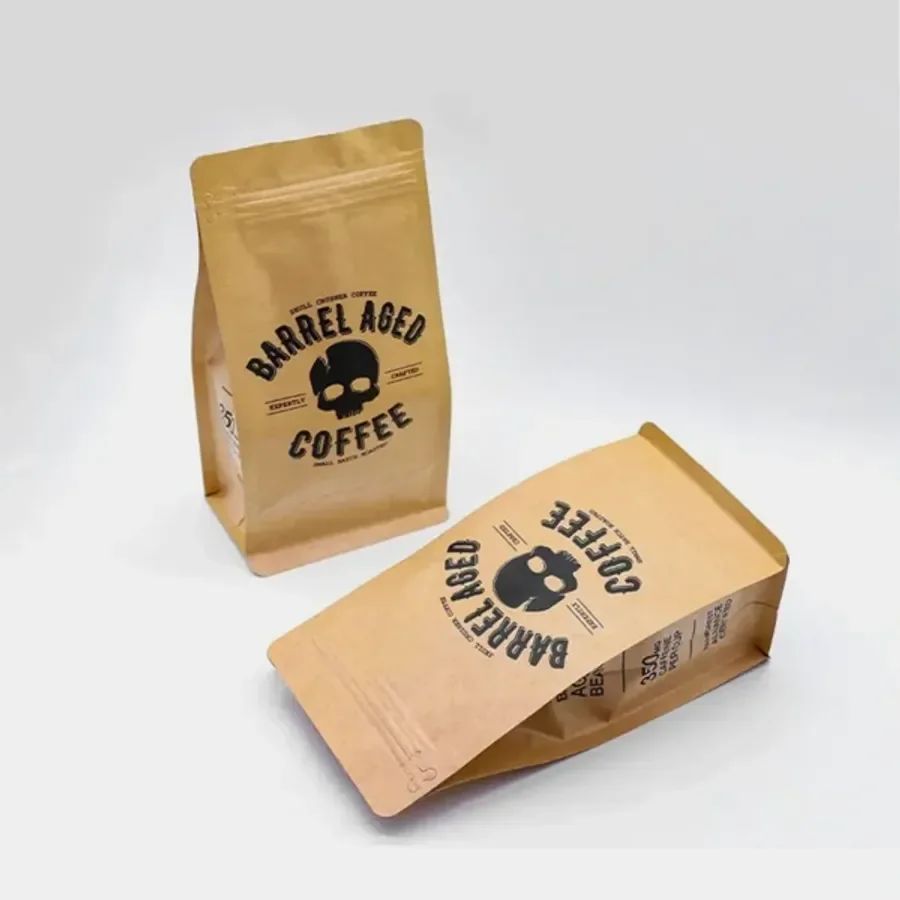

Drag the logo, or select it and use the arrow keys (Shift moves faster, + and − resize).
Related Products
Other packaging that is often ordered alongside Flat-Bottom pouches.
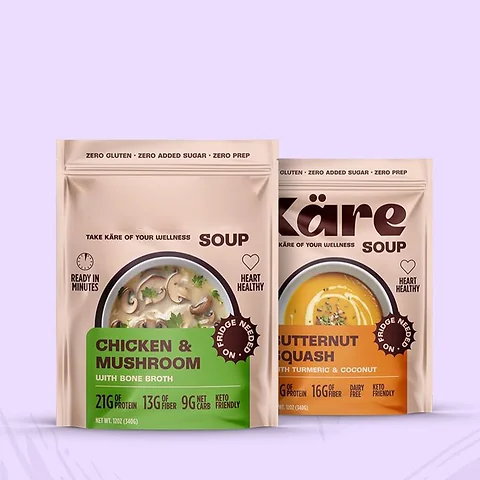
Custom Stand-Up Pouches
Custom stand-up pouches are flexible bags with a gusseted base that lets them stand upright on a shelf, usually with a zip so…
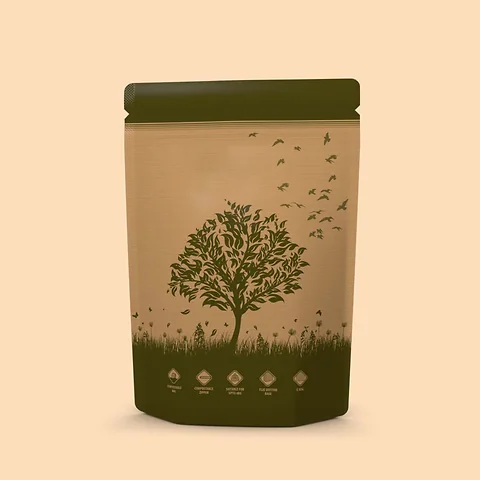
Kraft Stand-Up Pouches
Custom kraft stand-up pouches pair a brown paper outer with a lined inside, so they look honest and handmade on the shelf…
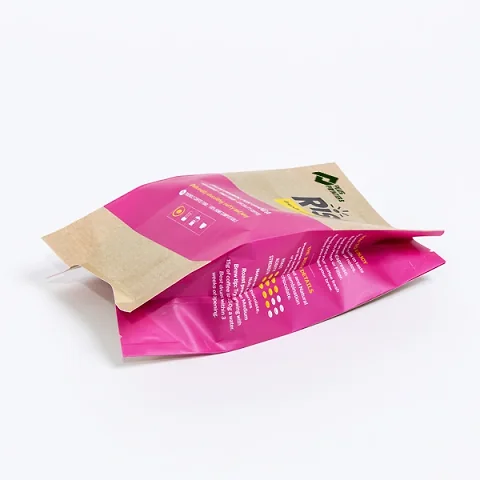
Side Gusset Pouches
Custom side gusset pouches fold in at the sides and open out into a neat block as they are filled, which is why coffee…
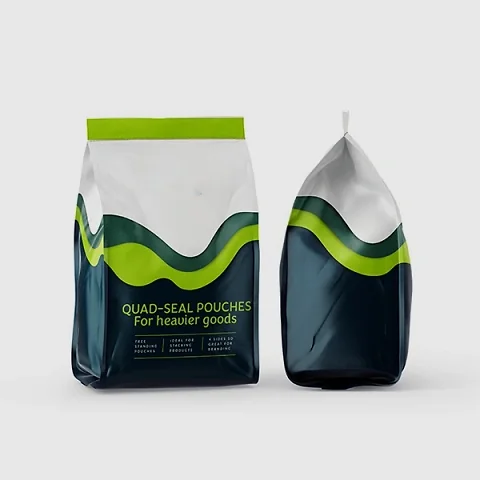
Quad Seal Pouches
Custom quad seal pouches have a seal running down each of their four vertical corners, so they stand square, hold their shape…
Flat-Bottom Pouches Questions
What buyers ask before ordering Flat-Bottom pouches.
What is the difference between a flat-bottom pouch and a stand-up pouch?
A stand-up pouch has a round, gusseted base and tapers at the top. A flat-bottom pouch has a square base and side gussets, so it stands like a box and has five printable panels.
Do flat-bottom pouches for freshly roasted beans need a degassing valve?
Yes. Beans release carbon dioxide for days after roasting, and without a one-way valve the pouch swells and the seal can fail. Ground coffee that is rested before packing can sometimes go without, but most roasters fit one.
What size flat-bottom pouch holds 250 g of whole beans?
Usually a pouch around 120 x 200 mm with a 70 to 80 mm base, but bean density varies by roast. Fill a sample pouch to 250 g and tell us how full it sits, and we confirm the size on the quote.
Can the pouch have a window?
Yes, on the front or as a stripe down a side gusset. Keep windows small for light-sensitive products such as coffee.
Which closure is easiest to use?
Pocket and slider zips are easier for customers with limited grip. A standard press-to-close zip suits most products.
Can the side gussets of a flat-bottom pouch carry print?
Yes, all five panels print. The gussets are often the first panel seen when pouches are shelved side by side, so many brands put the roast name or flavour colour there.
Are kraft pouches as protective?
A kraft outer layer can sit over the same barrier layers as a film pouch, so protection is similar. The kraft is mainly for appearance.
Can I use one pouch design for several flavours?
Many brands print a base design and add a flavour sticker, or print several flavour versions in one order with split quantities.
Where should roast dates and batch codes go on a flat-bottom pouch?
On the base or the back panel, in a clear unprinted area we leave in the artwork. Dates are then stamped or labelled at packing rather than printed into the pouch.
Will the pouch stand when half empty?
Yes. The square base keeps it upright even as the contents go down, which is one of its main advantages.
Can coffee roasters order small runs of guest blends?
Yes, minimums are quoted per job, so short runs of limited blends are possible alongside your core range.
Get a Price for Your Flat-Bottom Pouches
Fill in as much as you know. Sizes are in mm (internal sizes for boxes). If you have artwork, attach it; if not, a logo is enough to start the proof.
We reply with a custom quote by email within one working day, then send a free design proof before anything is printed.
- Phone+44 7578 382054
- WhatsAppMessage us
- Emailinfo@shopcustomboxes.co.uk
- HoursMonday to Friday, 9 am to 5.30 pm UK time
- OfficeOffice 704, 85 Dunstall Hill, Wolverhampton, WV6 0SR