 Custom Mailer Boxes
 Custom Shipping Boxes
 Custom Cardboard Boxes
 Custom Kraft Boxes
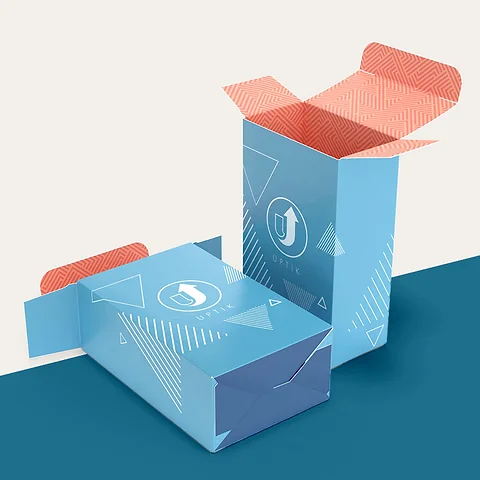 Custom Product Boxes
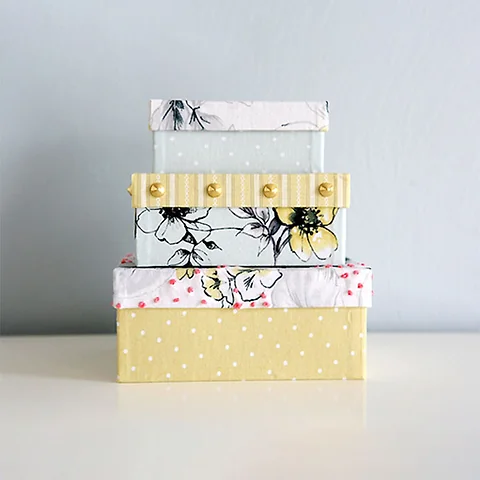 Custom Retail Boxes
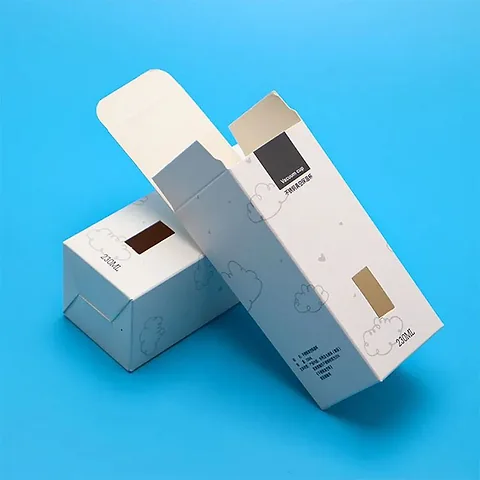 Custom Tuck End Boxes
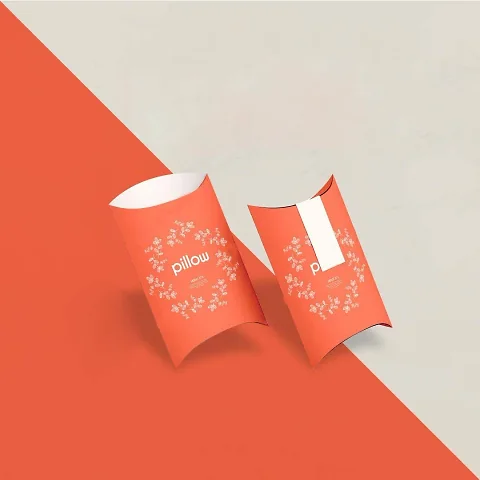 Custom Pillow Boxes
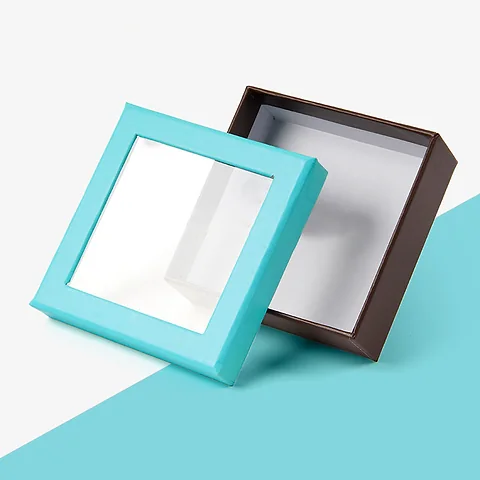 Custom Window Boxes
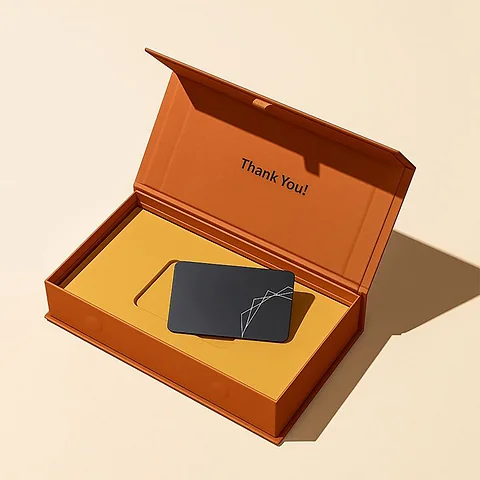 Custom Rigid Boxes
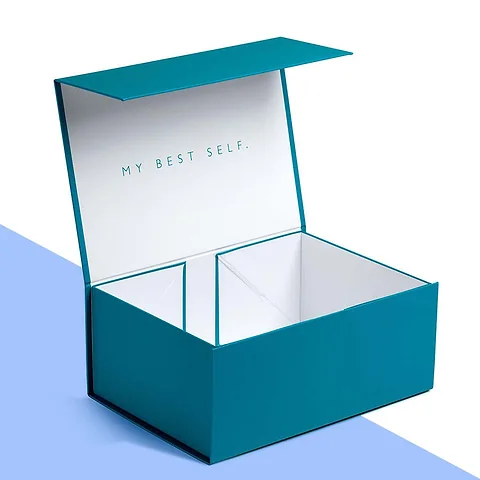 Custom Gift Boxes
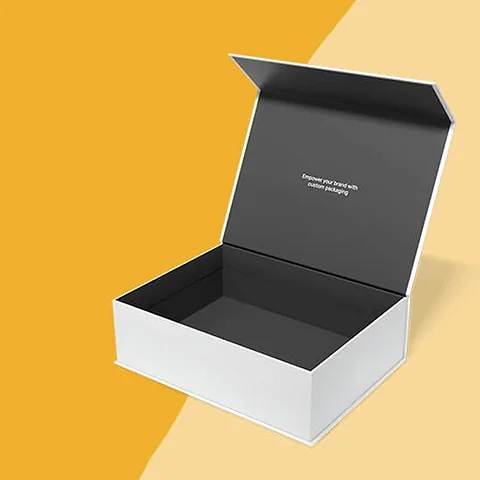 Custom Magnetic Boxes
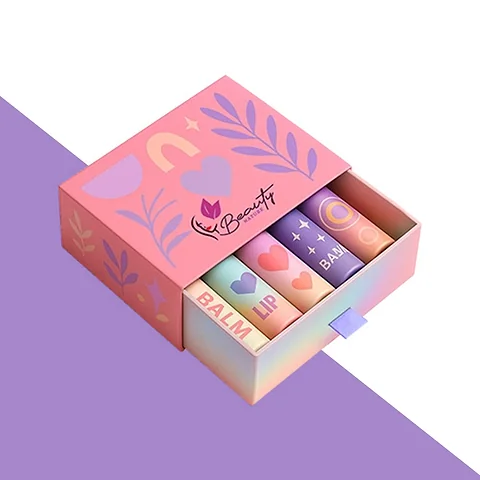 Custom Sleeve Boxes
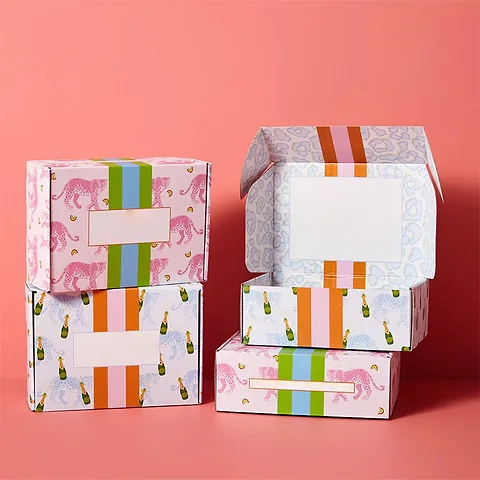 Custom Printed Boxes
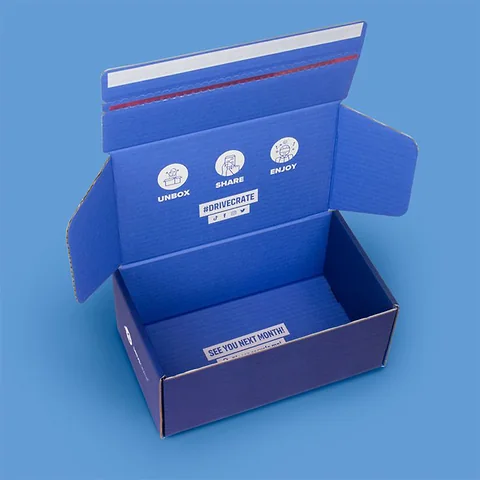 Custom Boxes with Logo
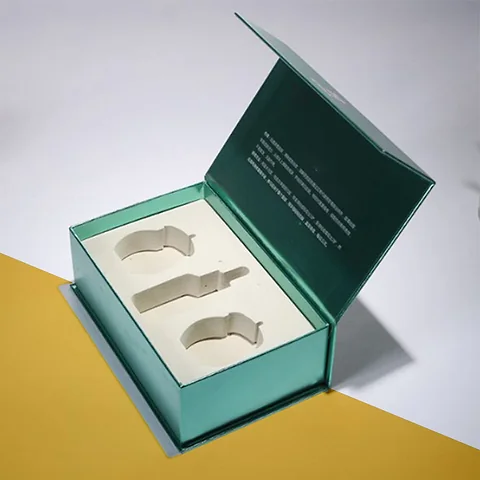 Custom Box Inserts
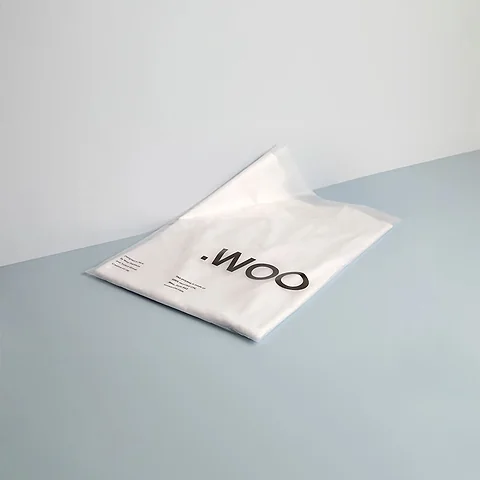
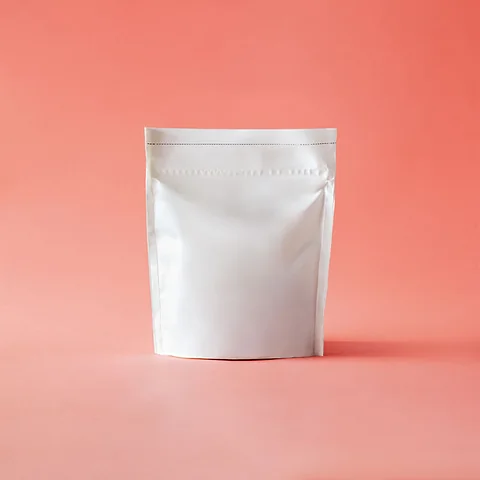
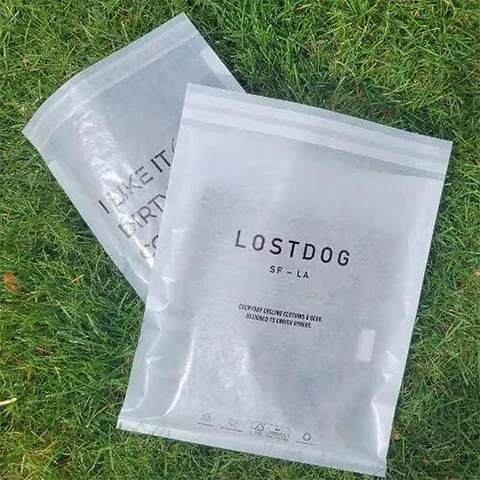
Custom Poly Bags for Garments and Parts
Custom poly bags are clear or printed polythene bags used to keep garments, components and kits clean, dry and grouped together. Manufacturers, clothing brands and warehouses use them as the first layer of packaging before an item goes into a box, a mailer or onto a shelf.
- Design proofFree, approved by you before printing
- PriceCustom quote by email within one working day
- Production4–7 working days after proof approval
- DeliveryFree and tracked, UK mainland, 2–3 working days
- Misprints or damageReported within 10 days, reprinted or refunded
What Poly Bags Do in a Supply Chain
A poly bag is rarely the packaging a customer admires, but it does a lot of quiet work. It keeps a folded shirt free of dust in a warehouse, stops a set of screws from scattering across a carton, and keeps moisture away from a printed manual. It also groups items, so a picker can grab one bag that holds everything for a single product and know nothing is missing.
For clothing, poly bags protect garments from the moment they leave the factory until they reach a shop rail or a customer's door. For engineering and electronics firms, they hold spare parts, fixings and accessories that would otherwise be loose in a box. Both uses rely on the same simple qualities: a clean, clear film, a closure that suits the job and a size that fits without waste.
Clothing manufacturers and fashion brands order them for every garment that leaves the factory. Engineering firms, furniture makers and electronics companies bag spare parts, fixings and cables. Print shops and stationers use them to protect finished work, and online sellers wrap products before placing them in a mailer. Laundries and dry cleaners use larger bags to protect finished garments on a hanger.
Many customers start with a plain stock size and move to printed bags once volumes grow and they want part numbers or branding on every bag. Others order two or three standard sizes and use them across their whole range, which keeps reordering simple and makes it easy to train new packing staff. Brands often pair them with printed zipper bags so the whole order arrives in one look.
Closures and Bag Types
The way a poly bag closes depends on how often it will be opened and how quickly it needs to be filled. Bags that are opened and closed many times are specified separately as zip lock bags for parts and samples.
- Self-seal flap bags with an adhesive strip, the standard for garments and e-commerce
- Open-top bags that are heat-sealed or folded, quick for high-volume packing lines
- Bags with a hang hole or header for peg display
- Gusseted bags that open out for bulky knitwear or boxed parts
- Bags on a roll with perforations for automated packing
- Grip-seal bags for parts that are opened and closed many times
Often ordered by
- Clothing manufacturers
- Fashion brands
- Engineering and parts suppliers
- Electronics companies
- Online sellers
- Dry cleaners and laundries
Popular Poly Bags Sizes
Sizes are in mm. Every order is cut to your size, so any size between these rows is fine.
| Size | Often used for |
|---|---|
| Small parts 75 x 100 mm | Screws, fixings and small spares |
| Accessories 150 x 230 mm | Cables, chargers and manuals |
| T-shirt 250 x 350 mm | Folded t-shirts and tops |
| Knitwear 330 x 450 mm | Jumpers, hoodies and folded jeans |
| Garment cover 600 x 900 mm | Jackets and items on hangers |
Not sure of the size? Send the product measurements and we work out the rest.
Styles
- Self-seal flap bag
- Open-top bag
- Header bag with hang hole
- Gusseted bag
- Perforated bags on a roll
- Grip-seal bag
Materials
- Clear polythene
- Frosted polythene
- White opaque polythene
- Black opaque polythene
- One-colour print
- Two-colour print
- Suffocation warning print
- Part numbers and instructions
Finishes
- Clear
- Frosted
- Matt
Extras
- Hang holes
- Vent holes
- Adhesive flaps
- Counted bundles
Not sure which material or finish suits? Tell us how the bag will be used and we suggest one in your custom quote.
Production and Delivery
Production takes 4–7 working days after you approve the free design proof. Delivery to the UK mainland is free and tracked, and arrives in 2–3 working days once the order leaves production. The tracking link comes to you by email.
Reprints and Refunds
Check the order when it arrives. If anything is misprinted or damaged, report it within 10 days with a photo and we reprint or refund the items affected. Read the full returns and reprints policy.
Need it by a date?
Tell us the date with your sizes and we plan the proof and production around it.
Poly Bags Specification
| Style | Self-seal flap bag, Open-top bag, Header bag with hang hole, Gusseted bag, Perforated bags on a roll, Grip-seal bag |
|---|---|
| Material | Clear polythene, Frosted polythene, White opaque polythene, Black opaque polythene |
| One-colour print, Two-colour print, Suffocation warning print, Part numbers and instructions | |
| Finish | Clear, Frosted, Matt |
| Extras | Hang holes, Vent holes, Adhesive flaps, Counted bundles |
| Size | Made to your size in mm |
| Minimum order | Low, quoted per job |
| Price | From £0.25 a bag; custom quote by email within one working day |
| Proof | Free design proof before printing |
| Production | 4–7 working days after proof approval |
| Delivery | Free tracked UK mainland delivery, 2–3 working days |
Film Thickness and Clarity
Poly bags are made in different film thicknesses, measured in microns. A thin film is fine for a light t-shirt that will go straight into a mailer. A thicker film resists punctures from sharp corners, such as metal brackets, screws or the edges of a boxed accessory, and stands up better to rough handling in a busy warehouse.
Clear film lets anyone see the product and its barcode label without opening the bag. Frosted film softens the look of a garment and hides minor creases while still showing the colour. White or black opaque film keeps the contents private, which suits underwear, swimwear and products that are sent by post. Tell us what goes in the bag and how it is handled, and we will recommend a sensible thickness. Our materials and film options page lists the film thicknesses we stock.
Printing on Poly Bags
Plain bags suit internal use, but printing adds information and branding. Clothing brands often print a logo and a short message on the front. Manufacturers print part numbers, assembly instructions or a contents list so warehouse teams and customers know what is inside without opening the bag. Print is usually in one or two colours, which keeps it sharp on the film and cost-effective in volume.
Bags of a certain size need a suffocation warning, which tells parents to keep the bag away from babies and young children. We can print this in a clear position on every bag, along with any instructions you need, such as which way up to store the contents. Upload the logo or part list through the free proof request and we will place it with the warning text.
Getting the Size Right for Garments and Parts
For garments, fold the item the way it will be packed and measure the folded size, then add around 30 to 40 mm to the width and 50 mm to the length to allow for easy filling and the seal flap. Folded t-shirts, shirts and knitwear each need slightly different bags, and a bag that is far too large looks sloppy and wastes film.
For parts, measure the largest item or the bundle, and allow extra for sharp edges that might push into the film. If you pack many different kits, a small range of standard bag sizes usually works better than a different bag for each product. Send us your item list and we will suggest a size plan. The measuring guide for packaging covers folded garments and bundled parts.
Packing Tips That Save Time and Film
In a busy warehouse, the speed of bagging adds up. Self-seal flaps are quickest for mixed orders packed by hand, because the packer can drop the item in, peel and press in one movement. For long runs of the same product, open-top bags sealed on a bench heat sealer are faster still and use slightly less film per bag. Bags on a roll suit packing benches where the operator tears off one bag at a time without reaching into a box.
Store bags flat and out of direct sunlight, as film left on a sunny windowsill can turn brittle. Keep the counted bundles in their cartons until needed, and label the cartons with the size so the wrong bag is never grabbed in a hurry. If static makes thin bags cling together on dry days, a light shake before packing separates them.
Finally, check that the bag suits the next layer of packaging. A garment bag that is too long will crumple inside a mailer, and a parts bag that is too wide may not slide into the carton slot it was meant for. Measure the outer packaging as well as the product. Online shops that post the bag itself move to tear strip poly mailers for the outer layer.
Send Your Item List, Not a Bag Size
Poly bags are cheapest when a handful of sizes covers everything, so rather than guessing a size per product, send us the list of items you bag with their folded or bundled measurements. We group them into two or three standard sizes. For garments, fold one as it will ship and add 30 to 40 mm to the width and 50 mm to the length; for parts, measure the bundle and mention any sharp edges so the film thickness is chosen to resist them.
Choose self-seal for hand-packed orders, open-top for a heat sealer, or rolls for a bench, and say if a suffocation warning or part numbers are printed. A custom quote comes back by email within one working day, with prices from £0.25 and minimums quoted per job. If printing, the free proof shows the artwork and warning on the bag. Production takes 4–7 working days after approval and tracked delivery to UK mainland addresses is free, taking 2–3 working days. Misprinted or damaged bags reported within 10 days are reprinted or refunded. Bags that must double as the postal wrapper are made as poly mailer bags with a peel seal.
Design Your Poly Bag
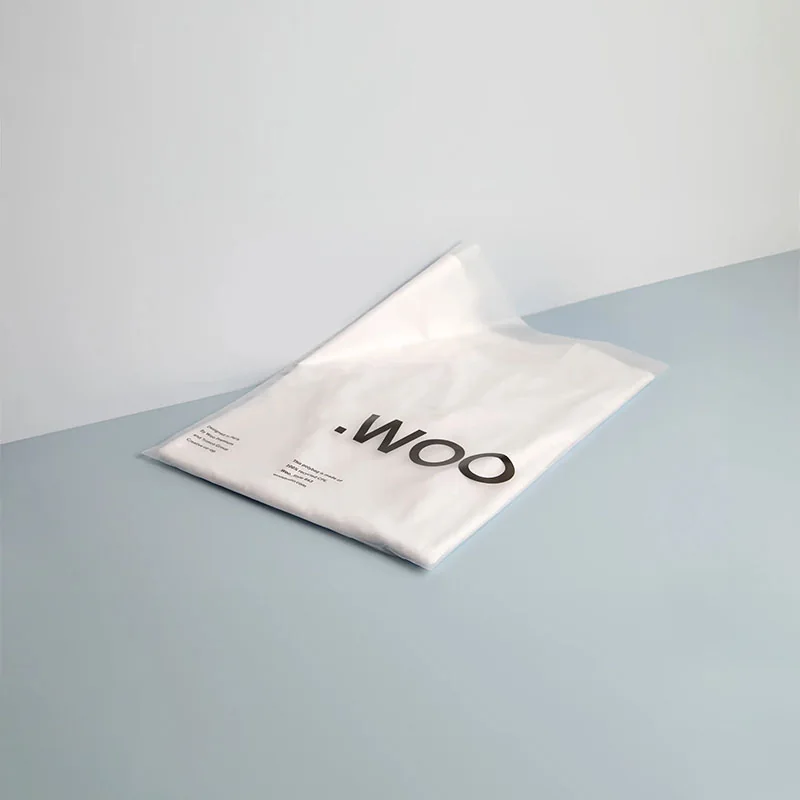
Choose the poly bags photo closest to what you have in mind, add your logo, drag it into place and set the size. Send it with your sizes and we reply with a custom quote and a free design proof.

Drag the logo, or select it and use the arrow keys (Shift moves faster, + and − resize).
Related Products
Other packaging that is often ordered alongside poly bags.
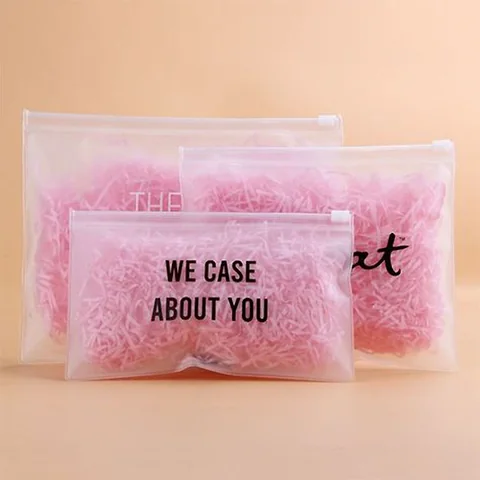
Custom Zipper Bags
Custom zipper bags are printed plastic bags with a slider or press zip across the top, made for folded garments, accessories…
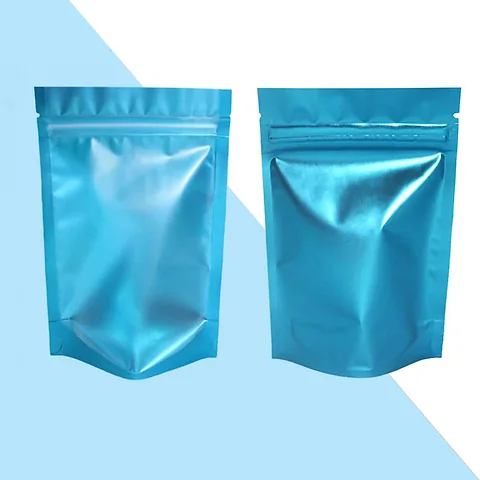
Zip Lock Bags
Zip lock bags are clear or frosted plastic bags with a press-to-close zip along the top, so they can be opened and resealed…
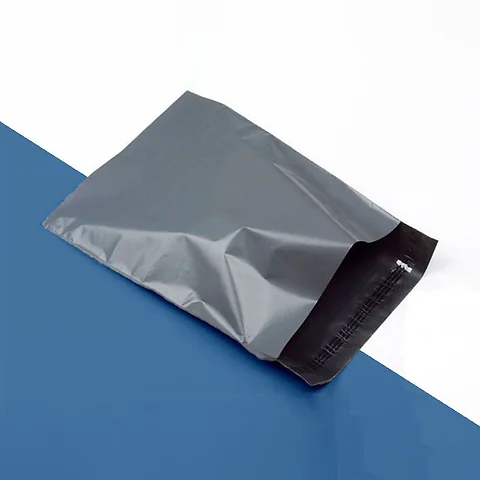
Poly Mailer Bags
For a fashion or accessories brand, the mailer is the first thing a customer sees when an order lands on the doormat.
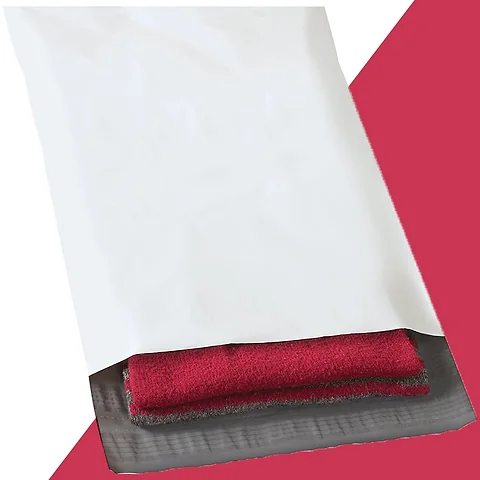
Tear Strip Poly Mailers
Tear strip poly mailers are lightweight plastic mailing bags with a perforated strip that opens the bag cleanly by hand, often…
Poly Bags Questions
What buyers ask before ordering poly bags.
What thickness of poly bag do I need?
Thin film suits light garments going into a mailer. Parts with sharp edges, or bags handled roughly in a warehouse, need a thicker film. Tell us what goes inside and we will recommend one.
Do I need a suffocation warning on my bags?
Bags above a certain size should carry one, especially if they could reach children. We can print a clear warning on every bag.
Can you print part numbers on the bags?
Yes, we print part numbers, contents lists or short instructions in one or two colours. It helps warehouse teams identify kits without opening them.
What is the difference between clear and frosted film?
Clear film shows the product and any barcode sharply. Frosted film looks softer, hides small creases and still shows the colour.
Can I have bags with a hang hole?
Yes, header bags with a punched hang hole suit peg displays for accessories and small parts. The header can be printed with the part name so the peg reads from the aisle.
How do I size a bag for a folded shirt?
Fold the shirt as you will pack it, measure it, then add 30 to 40 mm to the width and about 50 mm to the length. That leaves room to fill the bag and close the flap.
Do you supply opaque bags?
Yes, white and black opaque films are available for products that should stay private in transit. Black hides the contents completely; white still shows a shadow of the shape.
Can bags come on a roll for a packing line?
Yes, perforated bags on a roll suit automated or semi-automated packing. Tell us the roll width your line needs.
How much do custom poly bags cost?
Prices start from £0.25 depending on size, film and print. A custom quote for custom poly bags reaches you by email within one working day.
How many bags come in a bundle, and can I split sizes across cartons?
Bags arrive in counted bundles inside cartons, usually a few hundred per bundle depending on size and film thickness. Each size ships in its own labelled carton so a packer never mixes them. Tell us if you want smaller bundles for several packing stations.
Can I order plain bags now and printed ones later?
Yes, many customers start with plain bags and move to printed ones as volumes grow. We can match the size so your packing process does not change.
Get a Price for Your Poly Bags
Fill in as much as you know. Sizes are in mm (internal sizes for boxes). If you have artwork, attach it; if not, a logo is enough to start the proof.
We reply with a custom quote by email within one working day, then send a free design proof before anything is printed.
- Phone+44 7578 382054
- WhatsAppMessage us
- Emailinfo@shopcustomboxes.co.uk
- HoursMonday to Friday, 9 am to 5.30 pm UK time
- OfficeOffice 704, 85 Dunstall Hill, Wolverhampton, WV6 0SR