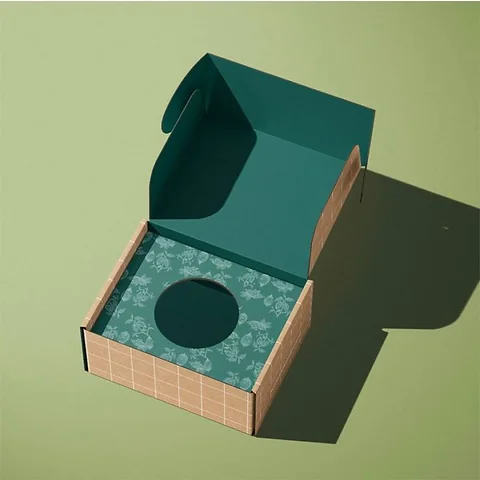
 Custom Mailer Boxes
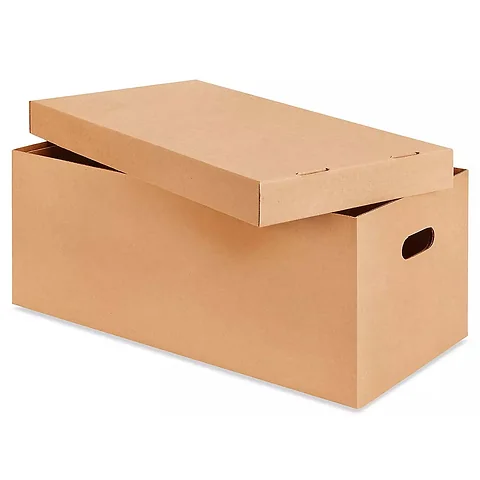 Custom Shipping Boxes
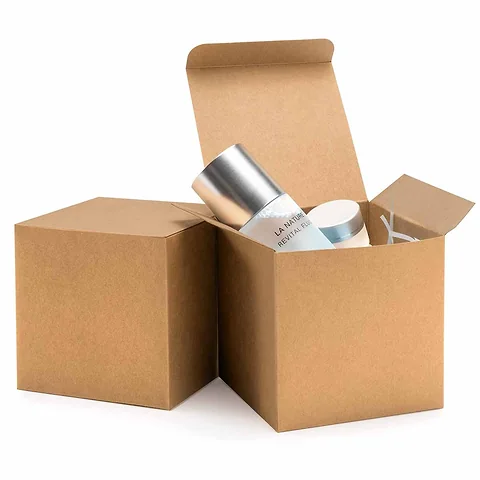 Custom Cardboard Boxes
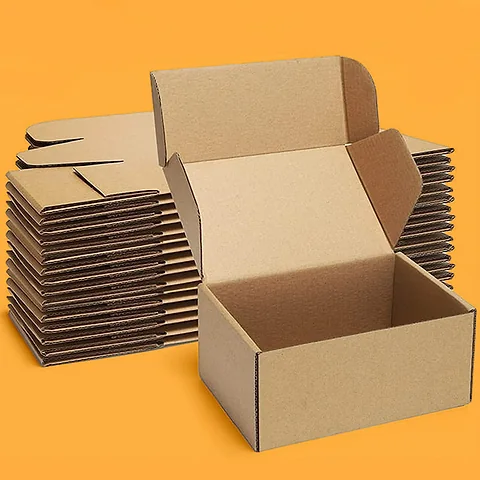 Custom Kraft Boxes
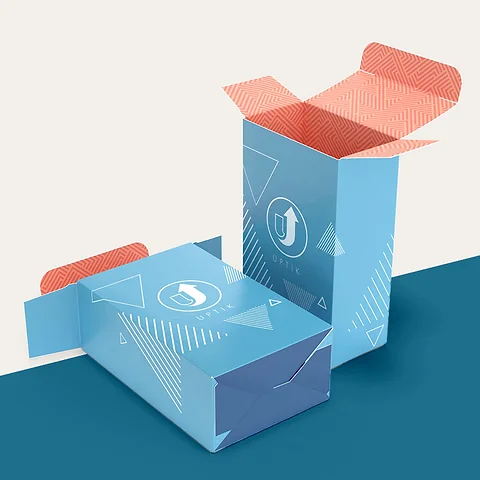 Custom Product Boxes
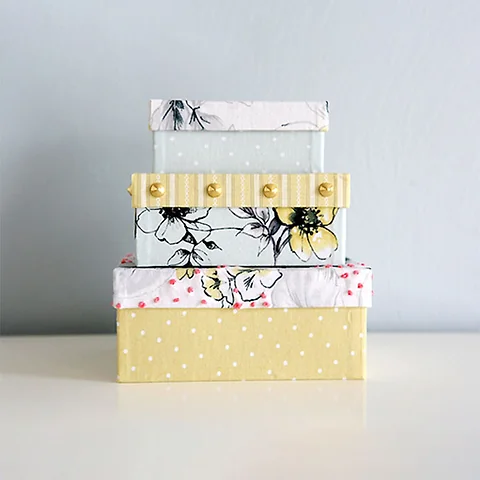 Custom Retail Boxes
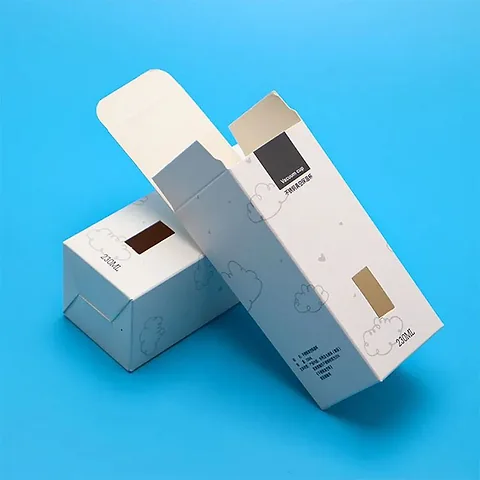 Custom Tuck End Boxes
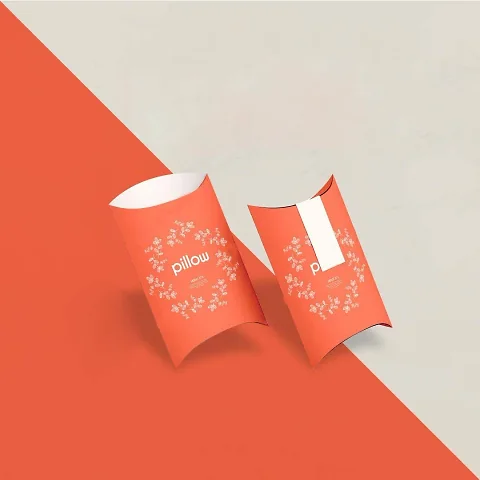 Custom Pillow Boxes
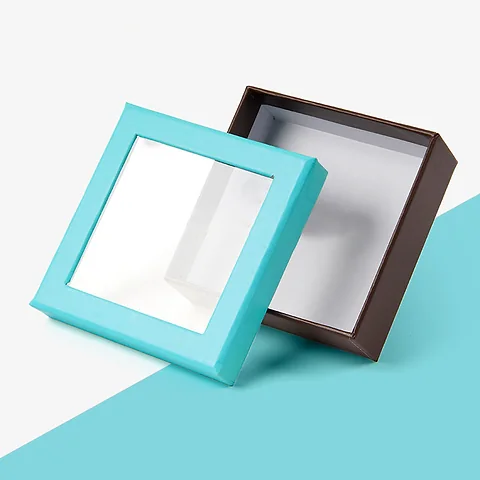 Custom Window Boxes
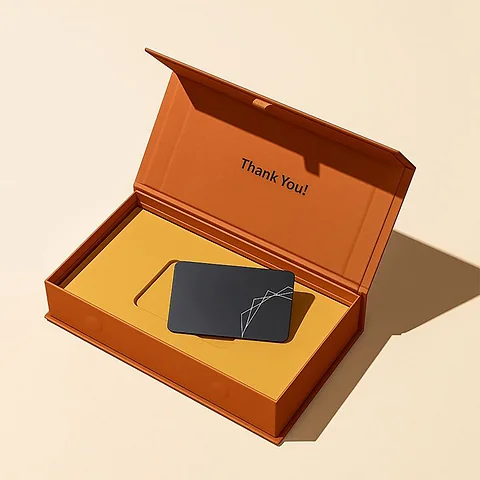 Custom Rigid Boxes
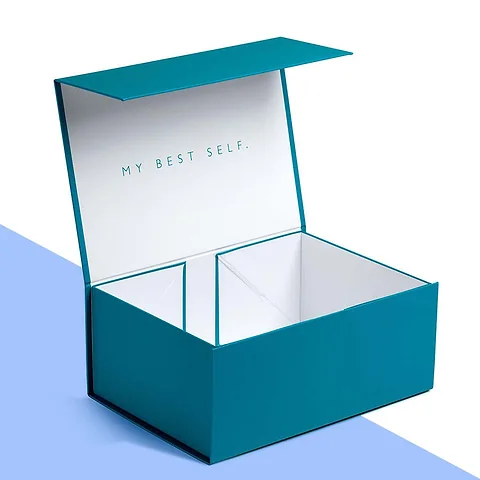 Custom Gift Boxes
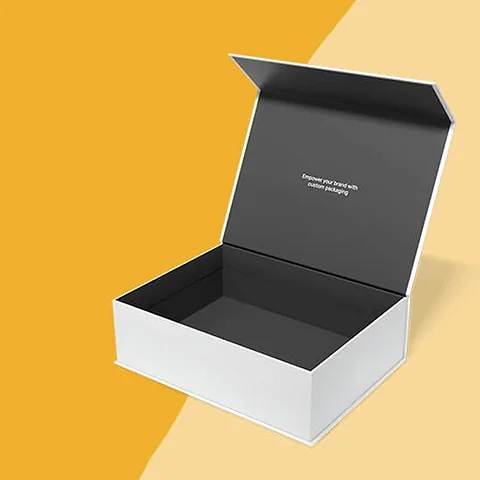 Custom Magnetic Boxes
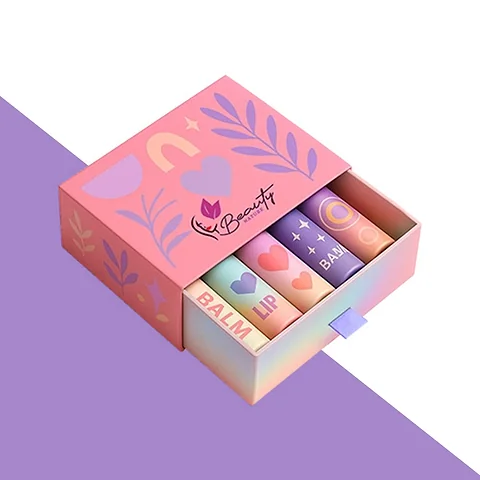 Custom Sleeve Boxes
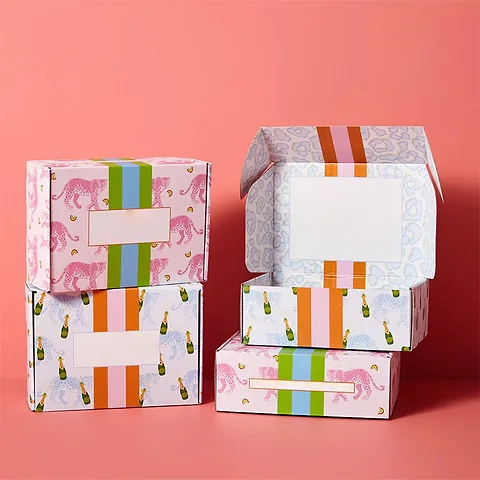 Custom Printed Boxes
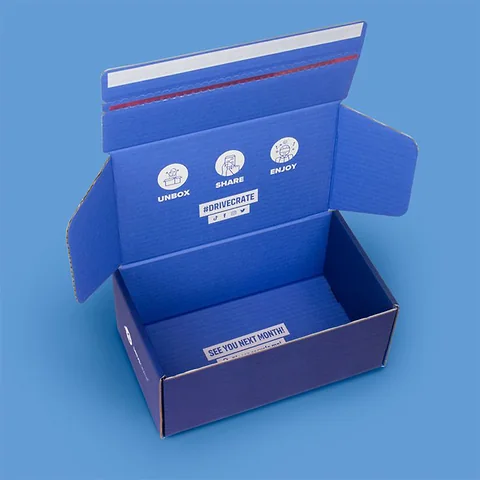 Custom Boxes with Logo
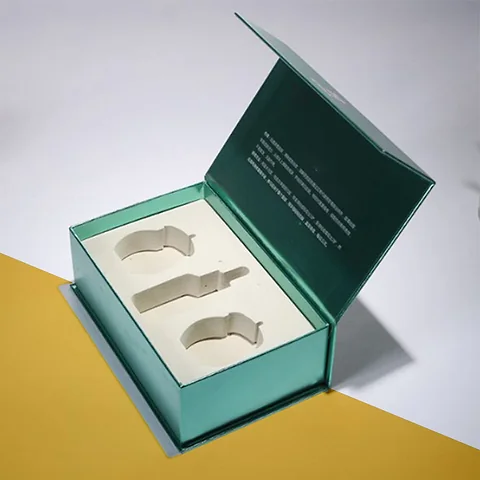 Custom Box Inserts
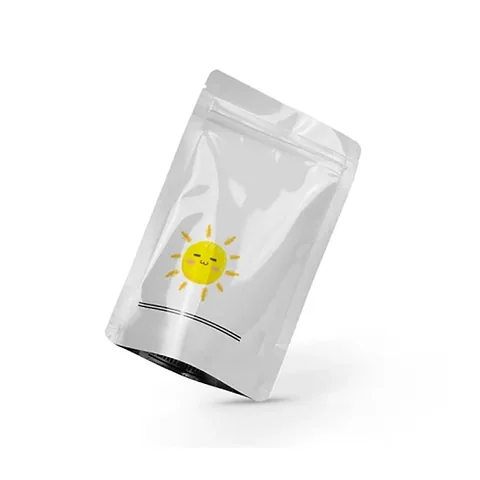
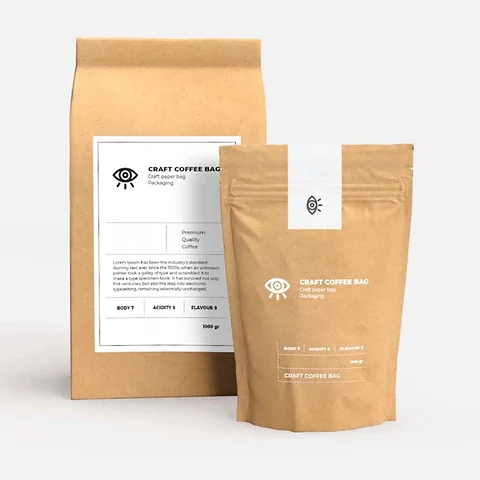
Custom Flour Mylar Bags
Custom flour mylar bags use a laminated foil layer to keep out moisture, light and air, so stoneground flour, bread mixes and specialty baking blends stay in good condition on the shelf and in the cupboard. We print them in your branding, add resealable zips and tear notches, and size them by the weight of flour each bag holds.
- Design proofFree, approved by you before printing
- PriceCustom quote by email within one working day
- Production4–7 working days after proof approval
- DeliveryFree and tracked, UK mainland, 2–3 working days
- Misprints or damageReported within 10 days, reprinted or refunded
Why Flour Needs More Than a Paper Sack
Traditional paper flour bags do one thing well: they are cheap. Once opened, though, they let damp air in, they tear when folded over, and they offer little defence against pantry moths or the musty smell of a cupboard. For small mills, artisan bakers and brands selling premium flours at a higher price, that is a weak finish to a careful product.
A mylar bag is a laminate of several thin layers. A printable outer film carries your design, a metallised or foil layer in the middle blocks light and moisture, and an inner sealing layer lets the bag be heat-sealed closed. The result is a tough, flexible pouch that resists tearing, keeps flour dry and can be closed again after each use with a zip. Wholemeal and stoneground flours, which contain more of the natural oils from the grain, especially benefit from being kept away from light and air. Grains, seeds and sugar from the same mill use our mylar bags for other dry goods.
Bag Shapes for Different Weights
Stand-up pouches with a gusseted base are the most popular choice. They sit upright on a shelf like a small box, show off a full front panel and are easy to scoop from once open. For larger weights, a flat-bottom pouch with side gussets holds more flour without becoming wobbly, and its five printable faces give you plenty of room for recipes and product details.
Flat three-side-seal pouches suit sample sizes, single-use bread mixes and refill packs that go into a canister. They are compact, quick to fill and cost less, although they do not stand on their own. If you sell a range from small to large, keeping the same design across shapes builds a tidy, recognisable shelf presence.
- Stand-up pouches for everyday retail weights
- Flat-bottom pouches for larger bags
- Flat pouches for samples and single-use mixes
- Side gusset bags for bulk flour
- Window panels to show the colour of the flour
Often ordered by
- Small and heritage mills
- Artisan bakeries
- Farm shops and delis
- Bread and pizza mix brands
- Gluten-free baking brands
- Online baking suppliers
Popular Flour Mylar Bags Sizes
Sizes are in mm. Every order is cut to your size, so any size between these rows is fine.
| Size | Often used for |
|---|---|
| Sample pouch 100 x 150 mm | Tasting samples and single-use mixes |
| 500 g stand-up 140 x 220 x 80 mm gusset | Specialty flours and bread mixes |
| 1 kg stand-up 180 x 280 x 100 mm gusset | Everyday retail flour |
| 1.5 kg flat-bottom 130 x 300 x 90 mm | Bread flour and larger bags |
| 3 kg flat-bottom 170 x 360 x 110 mm | Family size and trade bags |
Not sure of the size? Send the product measurements and we work out the rest.
Styles
- Stand-up pouch
- Flat-bottom pouch
- Flat three-side-seal pouch
- Side gusset bag
Materials
- Metallised film laminate
- Foil laminate
- Kraft-effect outer film
- Clear window film panel
- Full colour digital
- Rotogravure for large runs
- Spot colour matching
Finishes
- Matt
- Gloss
- Soft-touch
- Spot gloss on matt
Extras
- Press-to-close zip
- Tear notches
- Hang holes
- Rounded corners
- Clear windows
- Wide-mouth zip for scooping
Not sure which material or finish suits? Tell us how the bag will be used and we suggest one in your custom quote.
Production and Delivery
Production takes 4–7 working days after you approve the free design proof. Delivery to the UK mainland is free and tracked, and arrives in 2–3 working days once the order leaves production. The tracking link comes to you by email.
Reprints and Refunds
Check the order when it arrives. If anything is misprinted or damaged, report it within 10 days with a photo and we reprint or refund the items affected. Read the full returns and reprints policy.
Need it by a date?
Tell us the date with your sizes and we plan the proof and production around it.
Flour Mylar Bags Specification
| Style | Stand-up pouch, Flat-bottom pouch, Flat three-side-seal pouch, Side gusset bag |
|---|---|
| Material | Metallised film laminate, Foil laminate, Kraft-effect outer film, Clear window film panel |
| Full colour digital, Rotogravure for large runs, Spot colour matching | |
| Finish | Matt, Gloss, Soft-touch, Spot gloss on matt |
| Extras | Press-to-close zip, Tear notches, Hang holes, Rounded corners, Clear windows, Wide-mouth zip for scooping |
| Size | Made to your size in mm |
| Minimum order | Low, quoted per job |
| Price | From £0.25 a bag; custom quote by email within one working day |
| Proof | Free design proof before printing |
| Production | 4–7 working days after proof approval |
| Delivery | Free tracked UK mainland delivery, 2–3 working days |
Sizing by Weight, Not Just Dimensions
Flour varies in density. A bag that holds 1 kg of fine white flour may not quite fit 1 kg of coarse wholemeal or a bread mix with seeds. Rather than guessing, the best approach is to fill a test bag or a measuring jug with your actual product and note the volume. Send us the weight you want to pack and the type of flour, and we will suggest bag dimensions with sensible headroom for filling and sealing.
Leave space above the flour for the zip and heat seal. Overfilled bags are hard to seal cleanly, and a fine dusting of flour across the seal area can stop it bonding. Filling with a funnel or a scoop with a narrow spout helps keep the seal area clean.
If you pack by hand, a pouch with a slightly wider opening than strictly necessary makes filling much quicker and cleaner. Mills using a semi-automatic filler should tell us the spout size and the sealing jaw width of their machine, so the bag mouth and seal area match the equipment they already have. Our method for measuring fill volume for a bag covers settling.
Closures and Features Bakers Actually Use
A press-to-close zip is the feature home bakers value most, because they rarely use a whole bag in one go. Pair it with a tear notch above the zip so the bag opens cleanly the first time without scissors. A rounded corner finish stops sharp edges from catching on other packets in a cupboard.
Clear windows can be added to show off the flour, which is particularly effective for coloured flours such as rye, spelt or chestnut, or for mixes with visible seeds and grains. A hang hole at the top lets shops display smaller bags on pegs. For mills supplying cafés and bakeries in bulk, a wide-mouth zip makes scooping easier. Recipe kits and sample packs without a zip go in tear notch pouches for sample packs.
Printing a Flour Bag That Earns Its Shelf Space
Flour aisles can look very similar, so the front of your bag should say clearly what the flour is and why it is worth choosing. The type of flour, the grain and what it is best used for, such as bread, pasta or cakes, are more helpful to a shopper than a long description. A simple illustration of wheat or a loaf, or a photograph of a finished bake, does a lot of work at a glance.
The back is the place for a recipe, baking tips, storage advice and the information you are required to show, such as ingredients, allergens, weight and your business address. Matt finishes give flour bags a natural, crafted feel, while gloss makes colours brighter. Kraft-effect films are popular with mills that want a traditional look but the protection of a barrier bag.
Consider batch and best-before details as well. Many mills print a small blank box on the back or base where a date stamp or sticker can be added at packing time, so one print run covers many milling days without reprinting. The two surfaces are shown side by side in our matt and gloss film compared guide.
Who Packs Flour in Mylar Bags
Small and heritage mills selling stoneground flours direct to customers are a natural fit, as are farm shops and delis packing their own range. Artisan bakeries sell bags of the flour they bake with, often alongside a recipe for their signature loaf. Brands making bread mixes, pizza dough blends, gluten-free flour mixes and pancake mixes use mylar pouches to keep their blends consistent from pack to plate.
Online sellers benefit too. A flexible pouch is lighter than a box or tin, which keeps postage costs down, and it is far less likely to burst open in transit than a paper sack. A pouch also packs flat in a postal carton, so several bags can travel together in one parcel without wasted space. Mills that want a paper look with a barrier inside choose our kraft lined mylar bags.
Fill a Bag With Your Flour and Shake It Down
Flour settles, so the volume a kilo takes up in the mill is not the volume it takes up after a van journey. Fill a plain bag with your pack weight, tap it on the bench until it stops settling, and measure the height it reaches; that figure, plus 40 mm for the seal and zip, sets the bag. Wholemeal and stoneground flours take more room than white flour at the same weight. Then choose the shape by weight, a stand-up pouch for 500 g and 1 kg, a flat-bottom bag for 1.5 kg and above, and the features: a zip for home bakers, a window for a mill that wants the flour seen, a hang hole for farm shops. Artwork is the front, the back with ingredients and allergens, and the gussets, sent as vector files, and the free proof shows them flat. A custom quote comes by email within one working day with bags from £0.25 and minimums per job for a small mill. Production takes 4 to 7 working days after approval with free tracked UK mainland delivery. Bags for 1.5 kg and 2 kg packs are on our flat bottom pouches for larger bags page.
Design Your Flour Mylar Bag
Choose the flour mylar bags photo closest to what you have in mind, add your logo, drag it into place and set the size. Send it with your sizes and we reply with a custom quote and a free design proof.

Drag the logo, or select it and use the arrow keys (Shift moves faster, + and − resize).
Related Products
Other packaging that is often ordered alongside flour mylar bags.
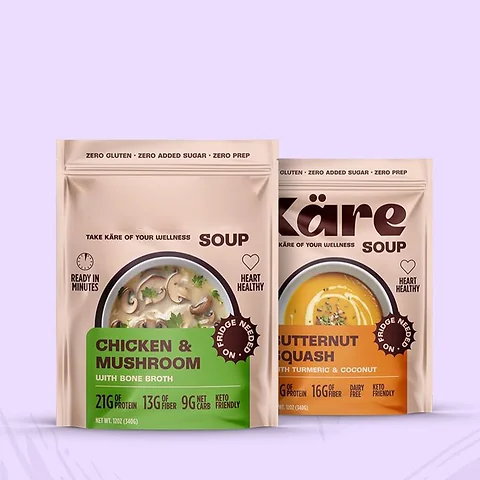
Custom Stand-Up Pouches
Custom stand-up pouches are flexible bags with a gusseted base that lets them stand upright on a shelf, usually with a zip so…
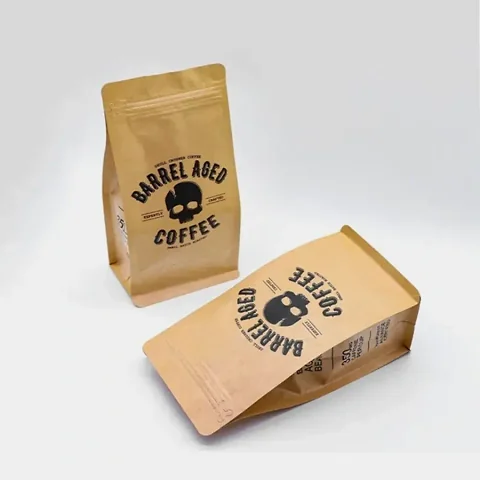
Custom Flat-Bottom Pouches
Custom flat-bottom pouches stand upright like a box, with a square base, two side gussets and five panels you can print on.
Custom Mylar Bags
Custom mylar bags are printed pouches made from layered films with a metallised barrier, built to keep moisture, light and air…
Kraft-Lined Mylar Bags
Kraft-lined mylar bags pair a natural paper outside with a foil inner layer that keeps out light, air and moisture.
Flour Mylar Bags Questions
What buyers ask before ordering flour mylar bags.
Why use mylar instead of a paper flour bag?
Mylar laminates block moisture, light and air far better than paper, and they resist tearing. With a zip, the bag can be closed again after each use, which keeps flour in better condition in the cupboard.
How do I choose a bag size for my flour?
Tell us the weight and type of flour, as density varies between fine white, wholemeal and seeded mixes. We suggest dimensions that leave room above the flour for the zip and seal.
Can I see the flour through the bag?
Yes, we can add a clear window panel. It works well for coloured flours like rye and spelt, or mixes with visible seeds.
Will flour dust stop the bag sealing?
It can if the seal area gets dusty. Leave enough headroom and use a funnel or narrow scoop when filling. Wipe the inside of the seal area before heat sealing if needed.
Which shape works best for 1 kg bags?
A stand-up pouch with a base gusset is the usual choice for 1 kg retail bags. For heavier weights, a flat-bottom pouch stays more stable on the shelf.
Can the bag have a traditional paper look?
Yes, a kraft-effect outer film gives the look of a paper sack with the protection of a barrier laminate. It suits mills and bakeries with a heritage style.
What goes on the back of a flour bag?
Ingredients, allergens, the weight and your business address, with a storage note and a recipe if there is room. Keep the allergen line in bold because wheat is the main one. We lay out your copy on the proof so you can check it.
Do you add tear notches and zips?
Yes, both are common on flour bags. A tear notch above the zip opens the bag cleanly, and the zip lets customers close it again.
Are mylar bags good for posting flour?
They are lighter than boxes or tins and much less likely to split than paper sacks. That keeps postage costs and breakages down for online sellers.
What is the starting price for flour mylar bags?
Bags start from £0.25 each, depending on size, film, print and features. We send a custom quote by email within one working day.
Can I order bags in several weights with one design?
Yes, we can quote a family of sizes with matching artwork. It keeps your range looking consistent on the shelf.
Get a Price for Your Flour Mylar Bags
Fill in as much as you know. Sizes are in mm (internal sizes for boxes). If you have artwork, attach it; if not, a logo is enough to start the proof.
We reply with a custom quote by email within one working day, then send a free design proof before anything is printed.
- Phone+44 7578 382054
- WhatsAppMessage us
- Emailinfo@shopcustomboxes.co.uk
- HoursMonday to Friday, 9 am to 5.30 pm UK time
- OfficeOffice 704, 85 Dunstall Hill, Wolverhampton, WV6 0SR