 Custom Mailer Boxes
 Custom Shipping Boxes
 Custom Cardboard Boxes
 Custom Kraft Boxes
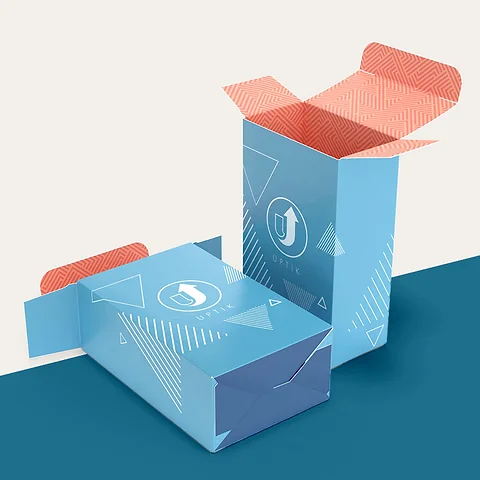 Custom Product Boxes
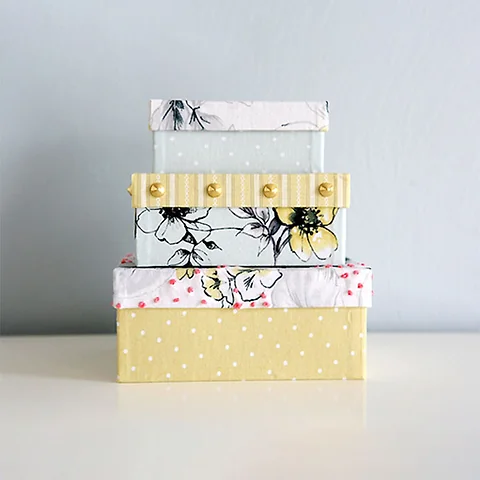 Custom Retail Boxes
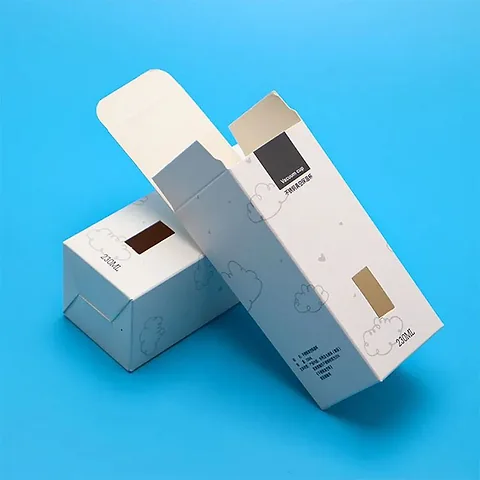 Custom Tuck End Boxes
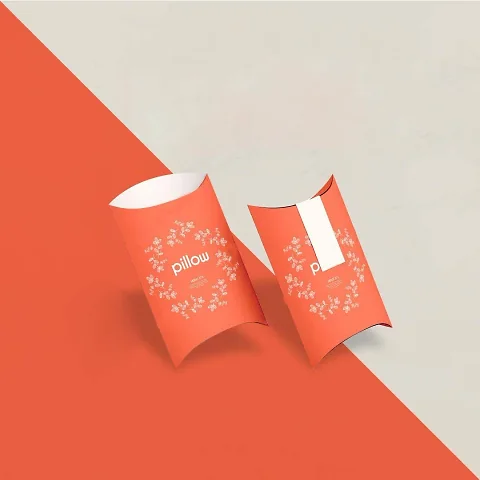 Custom Pillow Boxes
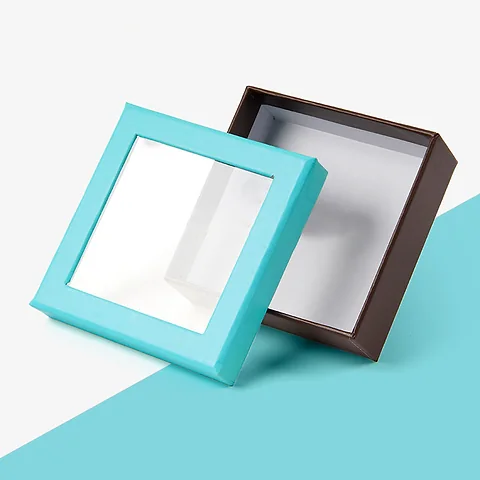 Custom Window Boxes
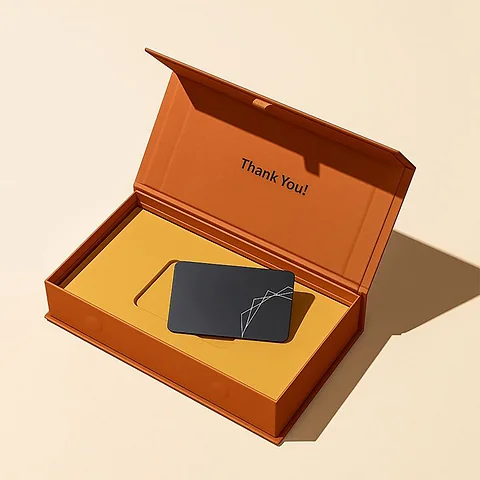 Custom Rigid Boxes
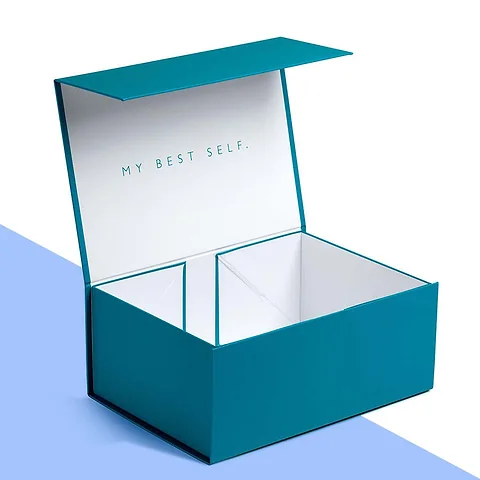 Custom Gift Boxes
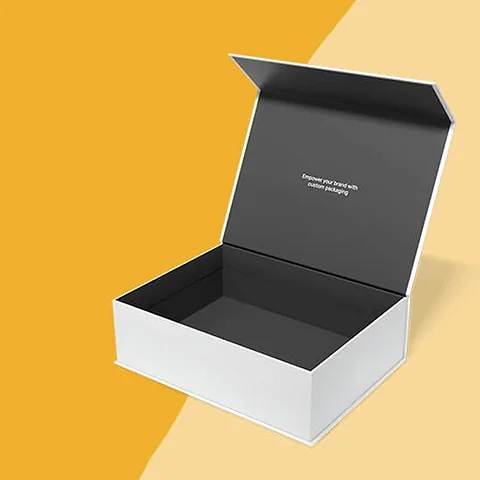 Custom Magnetic Boxes
 Custom Sleeve Boxes
 Custom Printed Boxes
 Custom Boxes with Logo
 Custom Box Inserts
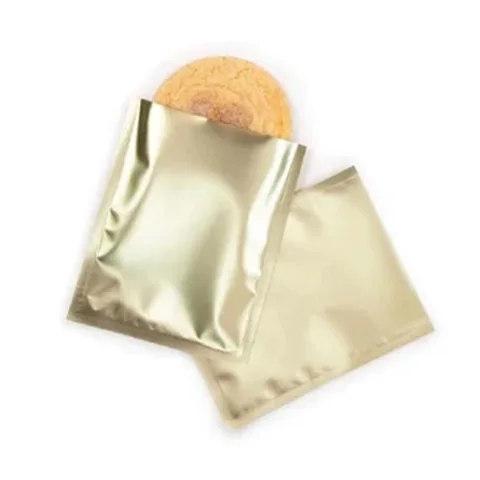
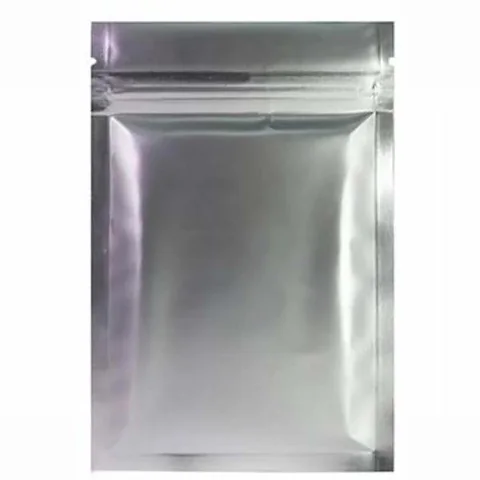
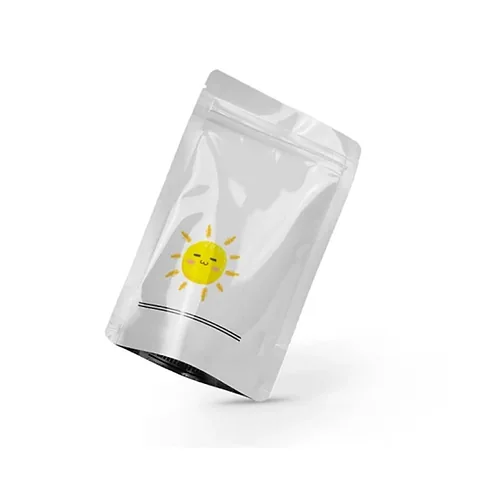
Custom Flat Mylar Bags
Custom flat mylar bags are slim, gusset-free pouches made from layered foil film that seal shut with heat and keep air, light and moisture away from what is inside. They are the go-to format for samples, sachets, single servings and powders, and we print them in full colour with your branding.
- Design proofFree, approved by you before printing
- PriceCustom quote by email within one working day
- Production4–7 working days after proof approval
- DeliveryFree and tracked, UK mainland, 2–3 working days
- Misprints or damageReported within 10 days, reprinted or refunded
What Makes Flat Mylar Bags Different
A flat pouch is the simplest bag shape there is: two layers of film sealed on three sides, with the fourth left open for filling. Unlike a stand-up pouch, it has no folded base, so it lies flat rather than standing on a shelf. That sounds like a limitation, but for many products it is exactly what is wanted.
Flat bags take very little space. They stack in a box, slide into an envelope or a subscription pack and hang neatly from a peg on a display. They use less material than a stand-up pouch of the same capacity, which keeps the unit cost low, and they fill quickly by hand or on a simple filling line.
The mylar part refers to the barrier film. A metallised or foil layer in the laminate blocks light and slows the passage of air and moisture far better than plain plastic or paper bags. That protects aroma and texture in coffee, tea, spices, supplements and dried foods, and helps powders stay free-flowing. Many customers order these alongside our tear notch pouches, printed in the same colours.
Common Uses for Flat Pouches
Flat mylar bags shine wherever a product is sold in small, single quantities or sent out as a sample. Typical uses include:
Sample sachets are particularly effective for brands selling larger bags online. A customer who tries a sachet in their order is far more likely to buy the full pack next time, and the sachet, printed in the same style as the main product, makes the connection obvious. Biscuits and baked samples that need a slightly wider pouch are covered on our cookie mylar bags page.
- Product samples: a single serving of coffee, protein powder, bath salts or skincare to send with orders or hand out at events.
- Single-serve sachets: a portion of hot chocolate, drink mix or seasoning for hotels, meal kits and hampers.
- Tea and herbal blends: small retail quantities that hang on pegs in delis and farm shops.
- Powders and supplements: daily doses in tear-open sachets.
- Small dry goods: seeds, beads, buttons and spare parts that need a sealed, labelled pack.
Often ordered by
- Coffee roasters sending samples
- Tea and herbal blenders
- Supplement and sports nutrition brands
- Bath and body brands
- Meal kit and hamper companies
- Hotels and hospitality
- Craft and hobby suppliers
Popular Flat Mylar Bags Sizes
Sizes are in mm. Every order is cut to your size, so any size between these rows is fine.
| Size | Often used for |
|---|---|
| Small sample sachet 70 x 100 mm | Single servings of powder or bath salts |
| Coffee sample pouch 100 x 150 mm | A small sample of ground or whole bean coffee |
| Tea retail pouch 120 x 180 mm | Loose tea on a retail peg |
| Supplement sachet 80 x 120 mm | Daily dose powders and capsules |
| Large flat pouch 160 x 230 mm | Seasonings, dried foods or craft supplies |
Not sure of the size? Send the product measurements and we work out the rest.
Styles
- Three-side seal flat pouch
- Flat pouch with zip
- Flat pouch with window
- Flat pouch with hang hole
Materials
- Metallised barrier film
- Foil laminate
- White outer film with barrier
- Kraft-look outer film with barrier
- Full colour front and back
- Unprinted metallic areas
- Pantone brand colours
- Plain stock with labels
Finishes
- Gloss
- Matt
- Soft-touch matt
- Spot gloss on matt
Extras
- Tear notches
- Press-to-close zips
- Round or euro-slot hang holes
- Clear windows
Not sure which material or finish suits? Tell us how the bag will be used and we suggest one in your custom quote.
Production and Delivery
Production takes 4–7 working days after you approve the free design proof. Delivery to the UK mainland is free and tracked, and arrives in 2–3 working days once the order leaves production. The tracking link comes to you by email.
Reprints and Refunds
Check the order when it arrives. If anything is misprinted or damaged, report it within 10 days with a photo and we reprint or refund the items affected. Read the full returns and reprints policy.
Need it by a date?
Tell us the date with your sizes and we plan the proof and production around it.
Flat Mylar Bags Specification
| Style | Three-side seal flat pouch, Flat pouch with zip, Flat pouch with window, Flat pouch with hang hole |
|---|---|
| Material | Metallised barrier film, Foil laminate, White outer film with barrier, Kraft-look outer film with barrier |
| Full colour front and back, Unprinted metallic areas, Pantone brand colours, Plain stock with labels | |
| Finish | Gloss, Matt, Soft-touch matt, Spot gloss on matt |
| Extras | Tear notches, Press-to-close zips, Round or euro-slot hang holes, Clear windows |
| Size | Made to your size in mm |
| Minimum order | Low, quoted per job |
| Price | From £0.25 a bag; custom quote by email within one working day |
| Proof | Free design proof before printing |
| Production | 4–7 working days after proof approval |
| Delivery | Free tracked UK mainland delivery, 2–3 working days |
Finishes, Windows and Closures
Flat bags can be made in shiny foil, matt metallised film, white or kraft-look outer layers, all with a barrier layer inside. A matt finish gives a modern, premium look and reduces glare under shop lights. Gloss finishes make bright colours pop. Kraft-look film suits natural and artisan brands.
A clear window on the front shows the contents, which is useful for colourful teas, bath salts or granola. Just remember that a window lets light in, so it is best for products that are not light-sensitive or that sell quickly.
Closures depend on how the bag is used. A simple heat seal suits single-use sachets. Tear notches near the top let customers open the bag cleanly without scissors. A press-to-close zip turns a flat bag into a resealable pack for products used over several days. Hang holes, round or euro-slot, let bags hang on retail pegs. Shaped pouches cut to an outline rather than a rectangle are made as die-cut mylar bags.
Sizing Flat Mylar Bags
Size a flat bag by width and height, measured on the outside. Because there is no gusset, the usable volume depends on how full you fill it: a bag filled too full becomes pillow-shaped and is hard to seal neatly. Leave at least 20 mm of clear film above the contents for the heat seal, more if you add a zip.
The easiest test is to take a plain bag of a similar size, fill it with your product to the weight you plan to sell, and see how it looks and seals. Powders settle into a compact shape; leafy teas and crisp foods need much more room for the same weight.
For samples posted with orders, check the bag fits flat inside your mailer or envelope without bending. A bag that lies flat looks far neater on opening than one forced into a corner. Our guide to measuring products for packaging covers fill height for pouches too.
Printing and Artwork
We print flat mylar bags in full colour, front and back. Fine text, photographs and gradients reproduce well on film, and metallic film can be left unprinted in places to give a natural foil shine through your design.
Plan the layout around the seals. The top seal area and side seals are pressed flat during sealing, so avoid placing important text close to the edges. The back of a sachet is the natural home for ingredients, directions, allergens and your business details, while the front stays clean with the brand and product name.
If you sell several flavours or variants in the same size, a common design with a coloured band or a small label area for the flavour keeps the order simple. Upload the artwork through the free proof request and we will show the seal areas over it.
Sealing Your Bags
Mylar bags are sealed with a heat sealer, either a hand-operated impulse sealer for small batches or a band sealer for higher volumes. The inner layer of the film melts and bonds under heat and pressure, creating an airtight seal that is also tamper-evident: once opened, the bag cannot be sealed again in the same way.
Test your sealer settings on a few empty bags before filling. Too little heat leaves a weak seal; too much can wrinkle the film. Most small businesses find the right setting within a few tries.
If you are filling hundreds of sachets for an event or a subscription box, set up a small production line: one person weighs, one fills, one seals and one checks. Mark the fill line on a sample bag and keep it beside the scales so every sachet looks the same, and keep a few sealed bags from each batch to check later that the seals have held. Stand-up and gusseted formats for the full-size product sit under bags and pouches.
Fill a Plain Bag to Your Sale Weight First
Flat pouches have no gusset, so their real capacity depends on the product: 30 g of ground coffee sits flat in a 100 x 150 mm bag, while 30 g of loose-leaf tea needs the next size up. Take a plain bag close to the size you have in mind, fill it to the weight you will sell, and check it seals with at least 20 mm of clear film above the contents, more if a zip is added. Then pick closures: a tear notch, a zip for products used over days, a hang hole for pegs.
Send the size, finish, closures and quantity per design, and a custom quote comes back by email within one working day, with low minimums quoted per job. The free proof shows the bag outline, the seal areas and any window or hang hole. Production takes 4–7 working days after approval and tracked delivery to UK mainland addresses is free, taking 2–3 working days. Bags with faulty seals or print reported within 10 days are reprinted or refunded. Products that must be seen through the front move to mylar bags with a clear window in the same film.
Design Your Flat Mylar Bag
Choose the flat mylar bags photo closest to what you have in mind, add your logo, drag it into place and set the size. Send it with your sizes and we reply with a custom quote and a free design proof.
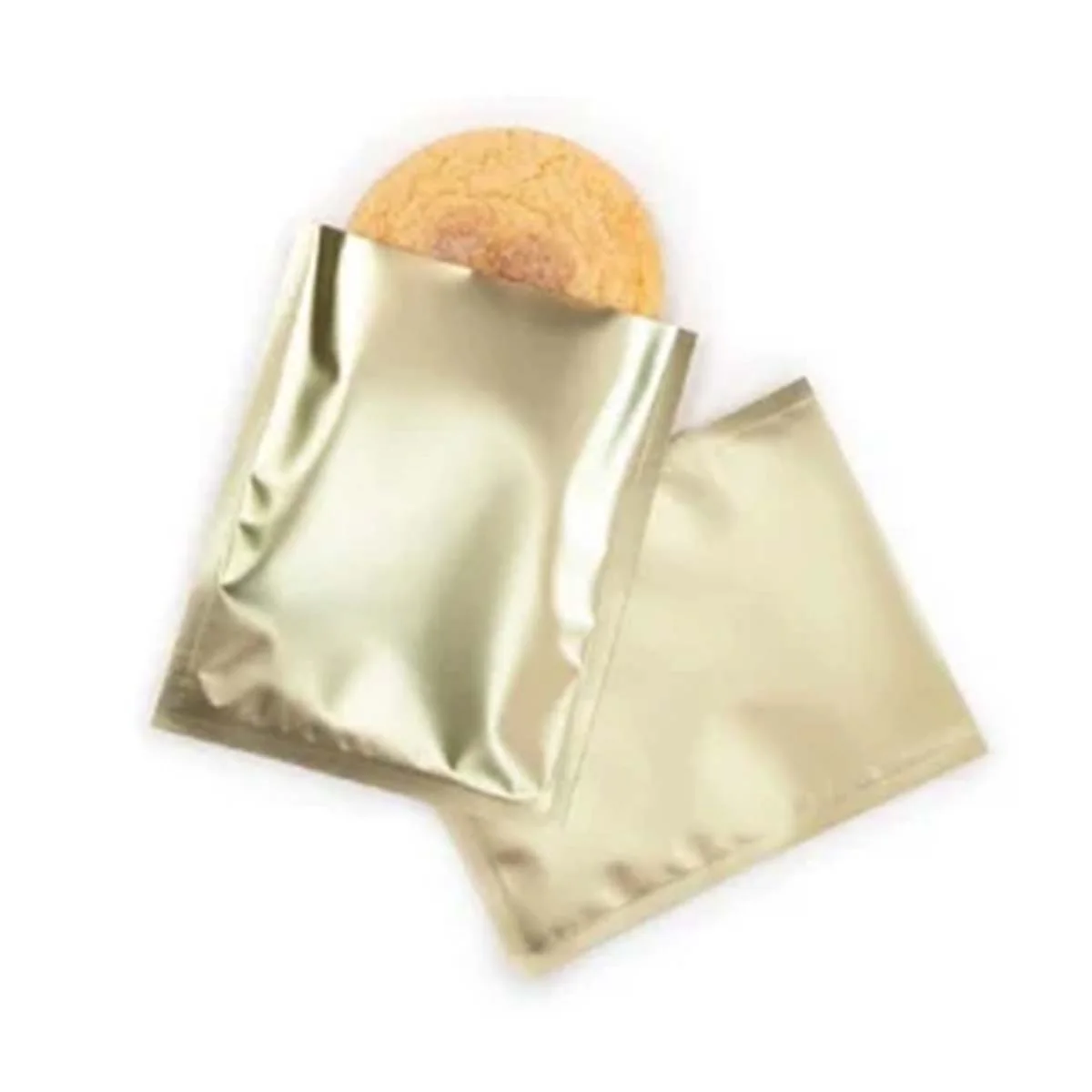
Drag the logo, or select it and use the arrow keys (Shift moves faster, + and − resize).
Related Products
Other packaging that is often ordered alongside flat mylar bags.
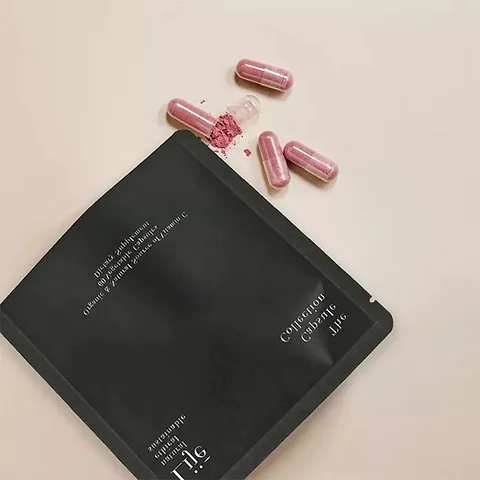
Tear Notch Pouches
Custom tear notch pouches are heat-sealed bags with a small cut in the seal that lets anyone tear them open by hand, straight…
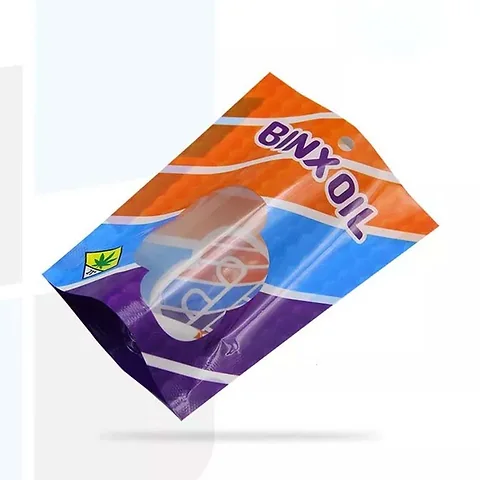
Mylar Bags with Window
Custom mylar bags with window panels give you the barrier of a foil-lined pouch with a clear view of what is inside.
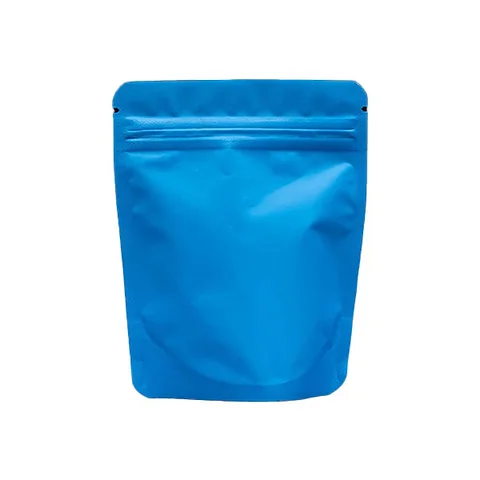
Die-Cut Mylar Bags
Custom die-cut mylar bags are printed pouches cut to an outline of your choosing, so the pack itself becomes the shape of a…
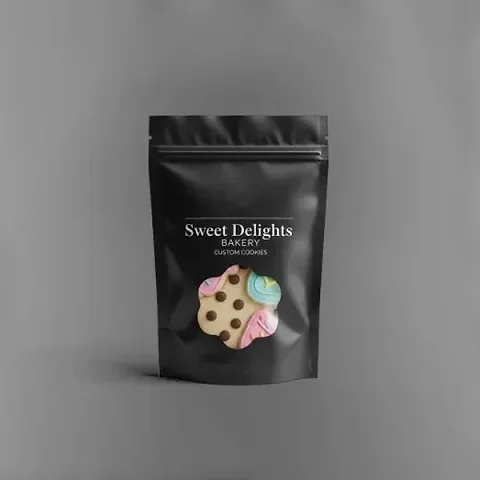
Cookie Mylar Bags
Custom cookie mylar bags are printed, resealable barrier pouches that hold one giant cookie or a stack of smaller ones and…
Flat Mylar Bags Questions
What buyers ask before ordering flat mylar bags.
What is the difference between flat and stand-up mylar bags?
A flat bag has no gusset at the base, so it lies flat rather than standing. It uses less material, stacks neatly and suits samples, sachets and small quantities.
Do I need a special machine to seal the bags?
You need a heat sealer. A simple impulse sealer is enough for small batches, and a band sealer suits larger volumes.
Can flat mylar bags be resealed?
Add a press-to-close zip and the bag can be opened and closed many times. Without a zip, the heat seal is single-use and tamper-evident.
Will a window affect freshness?
A window lets light in, which can affect light-sensitive products over time. For coffee and some supplements, a fully opaque bag is the safer choice.
How much space should I leave above the contents?
Leave at least 20 mm of clear film for the seal, and more if the bag has a zip. Overfilled bags are hard to seal neatly.
Can the back of a 70 x 100 mm sachet carry a full ingredients list?
Yes, in full colour, but at that size the list needs to be set at about 6 point with the seals kept clear, so keep it to the legal essentials. The front stays for the brand and product name. The proof shows the text at actual size so you can judge it.
Will a hang hole weaken the top seal on a tea pouch?
No, because the hole is punched above the seal line in the header, not through it. Round or euro-slot holes both work, and the euro-slot suits mixed peg sizes in delis. The header is left about 25 mm deep so the hole has film on every side.
Does ground coffee need the foil laminate or the metallised film?
Either keeps coffee fresh for the short life of a sample, since both block light and slow air and moisture. The foil laminate gives the longer barrier and suits retail pouches that sit on a shelf for months. Tell us the product and the shelf life you need and we confirm the film.
How long do printed mylar bags take?
Production is 4–7 working days after proof approval, with free tracked UK mainland delivery in 2–3 working days. Bags arrive flat in counted packs ready for the sealer.
What do you need from me to price printed mylar bags?
Send the size, finish, closures and quantity for each design. Expect a custom quote for the bags by email within one working day.
My sealer wrinkles the film. Is that a bag fault?
Usually not; wrinkling comes from too much heat or dwell time on the sealer, and a few test seals on empty bags finds the setting. If the side seals are weak or the print is wrong on arrival, that is ours to fix. Report it within 10 days and we reprint or refund the affected bags.
Get a Price for Your Flat Mylar Bags
Fill in as much as you know. Sizes are in mm (internal sizes for boxes). If you have artwork, attach it; if not, a logo is enough to start the proof.
We reply with a custom quote by email within one working day, then send a free design proof before anything is printed.
- Phone+44 7578 382054
- WhatsAppMessage us
- Emailinfo@shopcustomboxes.co.uk
- HoursMonday to Friday, 9 am to 5.30 pm UK time
- OfficeOffice 704, 85 Dunstall Hill, Wolverhampton, WV6 0SR