 Custom Mailer Boxes
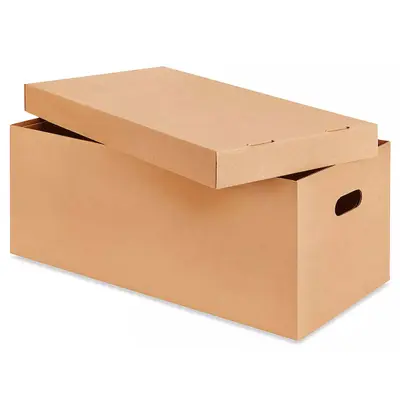 Custom Shipping Boxes
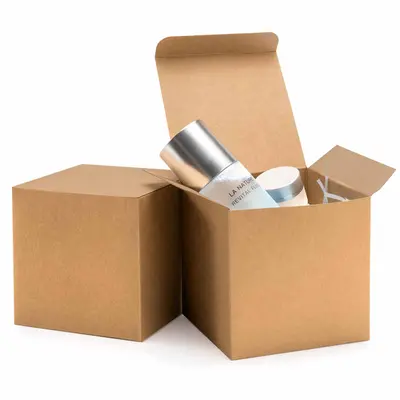 Custom Cardboard Boxes
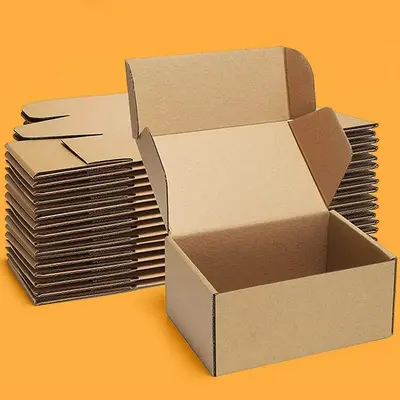 Custom Kraft Boxes
 Custom Product Boxes
 Custom Retail Boxes
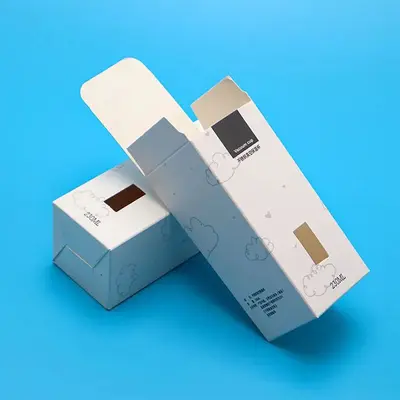 Custom Tuck End Boxes
 Custom Pillow Boxes
 Custom Window Boxes
 Custom Rigid Boxes
 Custom Gift Boxes
 Custom Magnetic Boxes
 Custom Sleeve Boxes
 Custom Printed Boxes
 Custom Boxes with Logo
 Custom Box Inserts


Custom Magazine Mylar Sleeves
Custom magazine mylar sleeves are clear, stiff film covers that keep back issues, larger comics and collectable fanzines flat, clean and on show. We cut them to the magazine sizes you stock, add flaps or resealable strips and can print your shop name on matching backing boards.
- Design proofFree, approved by you before printing
- PriceCustom quote by email within one working day
- Production4–7 working days after proof approval
- DeliveryFree and tracked, UK mainland, 2–3 working days
- Misprints or damageReported within 10 days, reprinted or refunded
Sleeves for Paper That Matters
Magazines were never designed to last. Thin covers crease, spines wear, corners curl and newsprint pages yellow as they meet light and air. For a collector building a run of music, film or football magazines, or a dealer pricing a scarce issue, that wear can make a big difference to what a copy is worth.
A mylar sleeve is a clear polyester film cover, noticeably stiffer and clearer than the soft polypropylene bags often used for everyday storage. It does not go cloudy over time in the way cheaper bags can, it resists tearing and it holds a magazine flatter, especially when paired with a backing board. That is why serious collectors and specialist shops tend to move their best stock into mylar.
Sleeves also make magazines easier to sell. A buyer can see the cover clearly and handle the copy without leaving fingerprints on it, and a dealer can stack sleeved issues in a box without corners catching. Collectors of comics get the same protection from our mylar bags sized for comic books.
Sizing Magazine Mylar Sleeves Correctly
Magazines come in more sizes than most people realise. Modern glossies are close to A4, older titles were often larger, and some fanzines and digests are much smaller. A sleeve that is too tight bends the corners; one that is too loose lets the magazine slide and rub.
The best approach is to measure your most common titles and order a small set of sizes that cover them, rather than one sleeve that fits nothing perfectly. Measure the width and height of the magazine and its thickness at the spine, then allow a few millimetres of clearance on width and height. Thick special issues and annuals need extra room for their spine, so treat them as a separate size.
If you are a shop, think about how you will file the sleeves too. Sleeves sized to fit your storage boxes and display racks save a lot of frustration when stock is moved about. Broadsheets, posters and oversized annuals fit better in large mylar bags for oversized items.
Often ordered by
- Comic and collectables shops
- Music and film memorabilia dealers
- Sports programme collectors
- Fanzine and indie publishers
- Private collectors
- Libraries and archives
Popular Magazine Mylar Sleeves Sizes
Sizes are in mm. Every order is cut to your size, so any size between these rows is fine.
| Size | Often used for |
|---|---|
| Digest 150 x 215 mm | Small-format fanzines and digest titles |
| Standard glossy 230 x 310 mm | Most modern magazines near A4 size |
| Magazine-size comic 220 x 300 mm | Larger-format comics and art books |
| Large vintage title 260 x 350 mm | Oversized older magazines and music papers |
| Thick annual 240 x 320 mm | Annuals and special editions with a wide spine |
Not sure of the size? Send the product measurements and we work out the rest.
Styles
- Open top sleeve
- Sleeve with tuck flap
- Sleeve with resealable strip
- Side-opening sleeve
Materials
- Clear polyester mylar film in several gauges
- Stiff white backing boards
- White card header inserts
- Logo print on backing boards
- One colour shop branding
- Full colour header cards
Finishes
- Crystal clear film
- Matt or gloss printed boards
Extras
- Printed price and grade box on boards
- Custom sizes for annuals and programmes
- Matching storage boxes
Not sure which material or finish suits? Tell us how the sleeve will be used and we suggest one in your custom quote.
Production and Delivery
Production takes 4–7 working days after you approve the free design proof. Delivery to the UK mainland is free and tracked, and arrives in 2–3 working days once the order leaves production. The tracking link comes to you by email.
Reprints and Refunds
Check the order when it arrives. If anything is misprinted or damaged, report it within 10 days with a photo and we reprint or refund the items affected. Read the full returns and reprints policy.
Need it by a date?
Tell us the date with your sizes and we plan the proof and production around it.
Magazine Mylar Sleeves Specification
| Style | Open top sleeve, Sleeve with tuck flap, Sleeve with resealable strip, Side-opening sleeve |
|---|---|
| Material | Clear polyester mylar film in several gauges, Stiff white backing boards, White card header inserts |
| Logo print on backing boards, One colour shop branding, Full colour header cards | |
| Finish | Crystal clear film, Matt or gloss printed boards |
| Extras | Printed price and grade box on boards, Custom sizes for annuals and programmes, Matching storage boxes |
| Size | Made to your size in mm |
| Minimum order | Low, quoted per job |
| Price | From £0.25 a sleeve; custom quote by email within one working day |
| Proof | Free design proof before printing |
| Production | 4–7 working days after proof approval |
| Delivery | Free tracked UK mainland delivery, 2–3 working days |
Film Thickness, Flaps and Closures
Mylar comes in several gauges. Thinner film is lighter and cheaper to store in quantity, while thicker film feels rigid and gives the most protection for high-value issues. Many dealers use a thinner gauge for general stock and a thicker one for their showcase copies. If you only need a simple open sleeve, flat mylar bags without gussets are the plainest option.
The opening matters as much as the film.
- Open top: the magazine slides in and out freely, fine for storage in a closed box.
- Tuck flap: a fold-over flap closes the sleeve without adhesive touching the magazine.
- Resealable strip: an adhesive strip on the flap keeps the sleeve closed for posting and handling.
- Side opening: useful for wide or oversized magazines that are awkward to slide in from the top.
Backing Boards and Branded Inserts
On its own, a sleeve protects the surface but does not stop a magazine from bending. Adding a stiff backing board behind the magazine keeps it flat on a shelf, in a box or in the post. Boards are cut to sit just inside the sleeve so they do not stretch the film.
For shops and dealers, the backing board is also a branding opportunity. We can print your shop name, logo and website on the back of each board, along with a space for a price, grade or issue number. Every customer who takes a magazine home then has your details on the back, and staff can see key information without opening the sleeve.
We can also print small header cards or labels that sit inside the sleeve above the magazine, which is handy for convention stands where copies are flicked through quickly. Our guide to board and card types explains how backing board stiffness varies.
Who Orders Mylar Sleeves for Magazines
Comic and collectables shops order them for magazine-size comics, art books and annuals. Music and film memorabilia dealers use them for back issues of specialist titles. Sports collectors use them for match programmes and football magazines, often alongside programme-sized sleeves.
Independent publishers and fanzine makers use sleeves to protect limited print runs and special editions, sometimes selling them pre-sleeved with a printed backing board. Libraries, archives and private collectors also order them for long-term storage of periodicals they want to keep in good order. Sellers who want a fully closed pack for postage sometimes choose heat-seal mylar bags for postage instead.
Storing, Handling and Selling Sleeved Stock
At a collectors' fair, buyers flick through boxes fast. Sleeved magazines with a printed board behind them stand upright in the box, show their covers clearly and carry the price and grade in the same spot on every copy, so customers can browse without asking. Dealers tell us this one change speeds up a busy stand more than anything else.
Online, the sleeve gives a cleaner photo. Shoot the magazine in its sleeve under soft, angled light to avoid glare, and the cover reads clearly while buyers can see you store stock properly. That reassurance matters when someone is paying a premium for a scarce issue they cannot inspect in person.
When posting, slide the sleeved magazine and board between two pieces of stiff card or into a rigid mailer, and mark the parcel as not to be bent. A sleeve keeps moisture and dirt off the cover in transit, but it cannot stop a parcel being folded through a letterbox, so the outer packaging still has to do that job.
Sleeved magazines are best stored upright in a sturdy box, packed firmly enough that they do not slump, but not so tightly that they are hard to pull out. Keep the box away from radiators and damp walls, and out of direct sunlight, which fades covers even through clear film.
When sliding a magazine into a sleeve, hold the sleeve open with one hand and guide the magazine in with the board behind it, so the cover does not drag against the film. Never tape a sleeve shut directly over the magazine; use a flap or resealable strip so no adhesive gets near the paper. Sleeved issues file neatly upright in printed storage boxes for comics, which also take slim magazines.
Ordering and Delivery
Tell us the magazine sizes, the film thickness you prefer, the closure style and whether you need printed boards. We will reply with a custom quote by email within one working day, with low minimums quoted per job and prices from £0.25 per sleeve depending on size and gauge.
Where printing is involved, you get a free design proof before production. Production runs 4–7 working days from approval, and free tracked delivery to UK mainland addresses takes 2–3 working days. Report any misprints or damaged stock within 10 days for a reprint or refund.
Design Your Magazine Mylar Sleeve
Choose the magazine mylar sleeves photo closest to what you have in mind, add your logo, drag it into place and set the size. Send it with your sizes and we reply with a custom quote and a free design proof.


Drag the logo, or select it and use the arrow keys (Shift moves faster, + and − resize).
Related Products
Other packaging that is often ordered alongside magazine mylar sleeves.

Comic Book Mylar Bags
Custom comic book mylar bags are clear, stiff polyester sleeves that collectors use for the issues they care most about,…

Flat Mylar Bags
Custom flat mylar bags are slim, gusset-free pouches made from layered foil film that seal shut with heat and keep air, light…

Large Mylar Bags
Custom large mylar bags hold kilos of rice, oats, beans or pet kibble behind a foil barrier that keeps out light, air and…

Comic Book Boxes
Custom comic book boxes are the long, sturdy corrugated boxes collectors and shops use to store bagged and boarded comics upright.
Magazine Mylar Sleeves Questions
What buyers ask before ordering magazine mylar sleeves.
What is the difference between mylar and ordinary magazine bags?
Mylar is a clear polyester film that is stiffer, clearer and more resistant to tearing than the soft polypropylene used in standard bags. It is the choice for valuable or long-term storage.
Which size sleeve fits a modern glossy magazine?
Most modern glossy magazines fit a sleeve of around 230 x 310 mm. Titles vary, so measure your magazines and allow a few millimetres of clearance before ordering.
Do I need backing boards with mylar sleeves?
Boards are not essential, but they keep magazines flat and stop them bending in storage or in the post. Most dealers use them for anything worth more than a casual read.
Can you print our shop logo on the backing boards?
Yes. We can print your logo, website and a price or grade box on the back of each board, so every sale carries your details.
Will a resealable strip damage the magazine?
The adhesive is on the flap, which folds over onto the outside of the sleeve, so it does not touch the magazine. Always slide the magazine in carefully so the cover stays clear of the flap.
Can I get sleeves for thick annuals?
Yes. Annuals and special editions need extra width for the spine, so we make them as a separate size rather than forcing them into a standard sleeve.
Are thicker gauges always better?
Thicker film gives more rigidity and protection, but it costs more and takes up more space. Many shops use thinner film for general stock and thicker film for premium copies.
Can I order several sizes in one order?
Yes. Most shops need two or three sizes, and we can quote them together on one custom quote.
Can sleeves be posted to customers as they are?
A sleeved magazine with a backing board should still go inside a stiff mailer for posting. The sleeve keeps it clean, while the mailer stops it bending.
Do these sleeves also fit football programmes?
Programmes vary widely in size, so we recommend a dedicated programme size. Send us a few measurements and we will suggest one that suits most of your collection.
What if some sleeves arrive split or scratched?
Report it within 10 days of delivery with a photo, and we will replace the affected sleeves or refund them.
Get a Price for Your Magazine Mylar Sleeves
Fill in as much as you know. Sizes are in mm (internal sizes for boxes). If you have artwork, attach it; if not, a logo is enough to start the proof.
We reply with a custom quote by email within one working day, then send a free design proof before anything is printed.
- Phone+44 7578 382054
- WhatsAppMessage us
- Emailinfo@shopcustomboxes.co.uk
- HoursMonday to Friday, 9 am to 5.30 pm UK time
- OfficeOffice 704, 85 Dunstall Hill, Wolverhampton, WV6 0SR