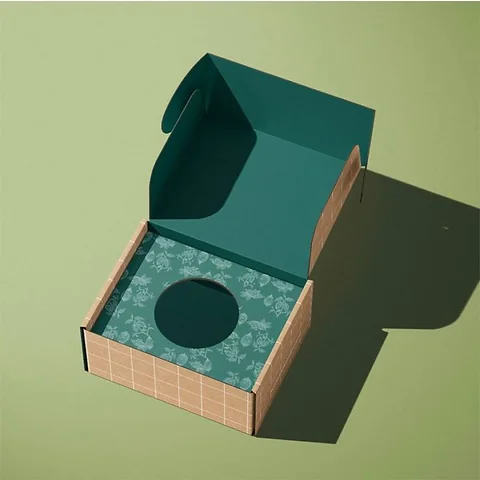
 Custom Mailer Boxes
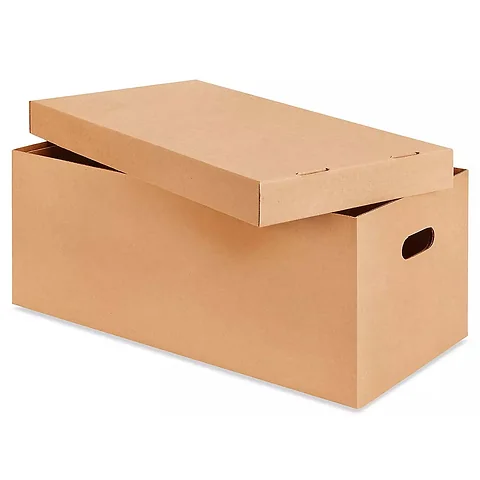 Custom Shipping Boxes
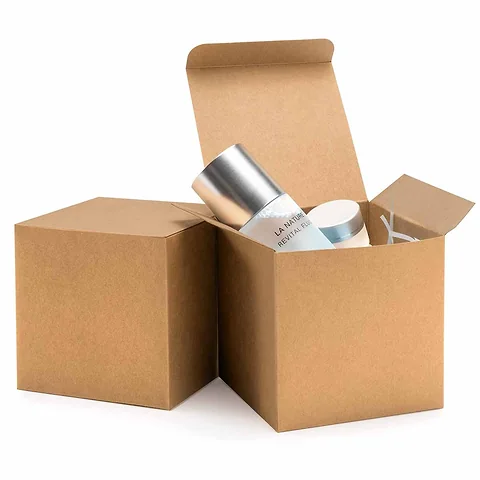 Custom Cardboard Boxes
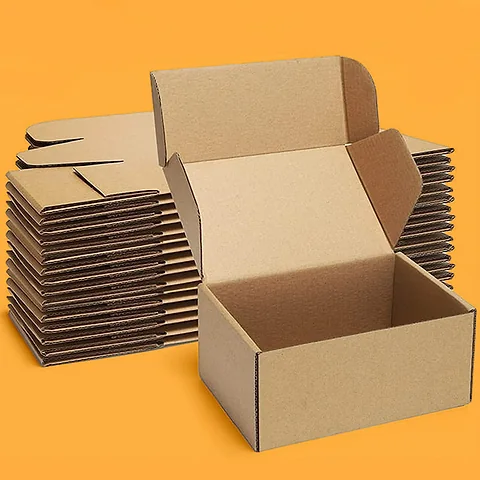 Custom Kraft Boxes
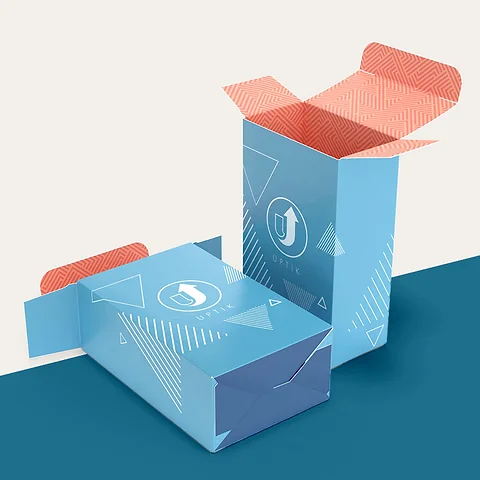 Custom Product Boxes
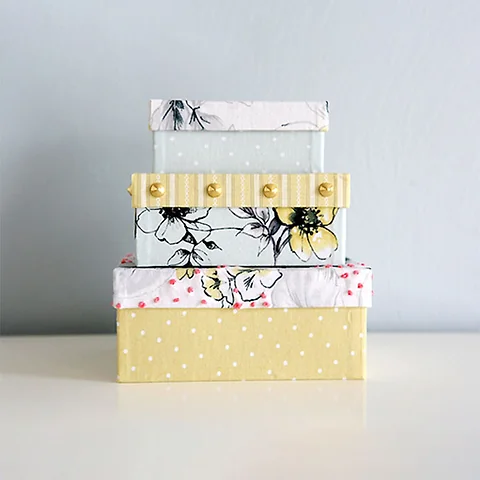 Custom Retail Boxes
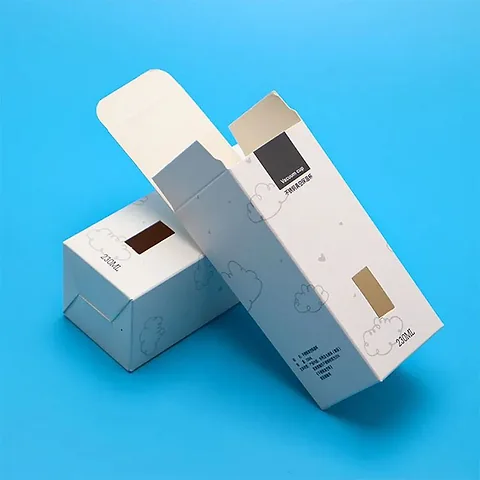 Custom Tuck End Boxes
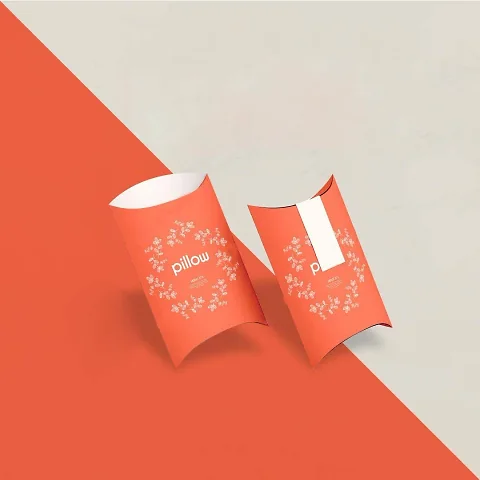 Custom Pillow Boxes
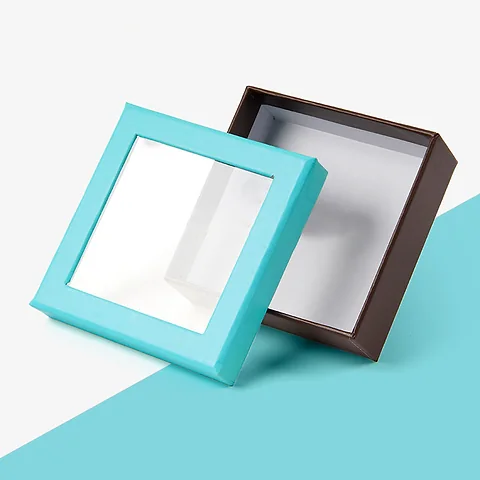 Custom Window Boxes
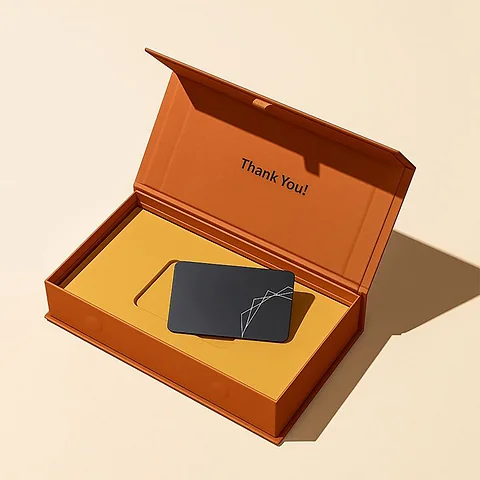 Custom Rigid Boxes
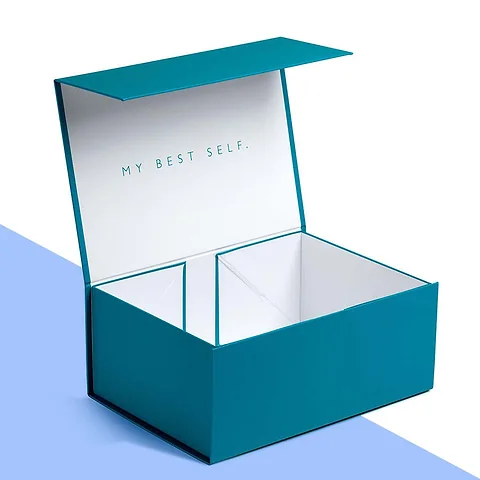 Custom Gift Boxes
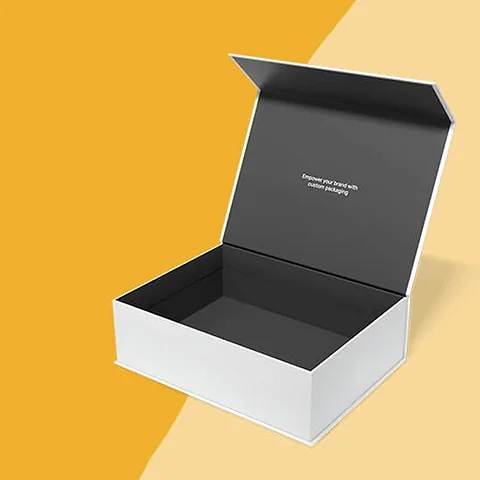 Custom Magnetic Boxes
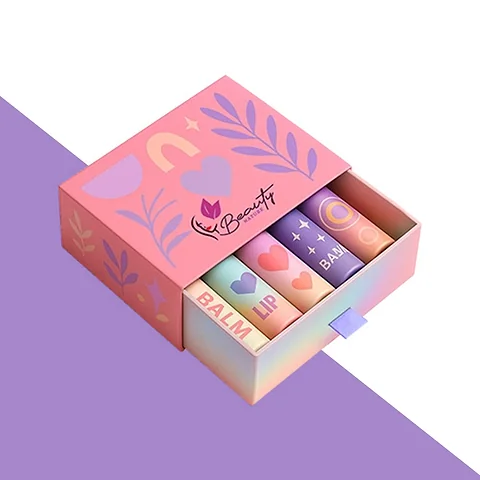 Custom Sleeve Boxes
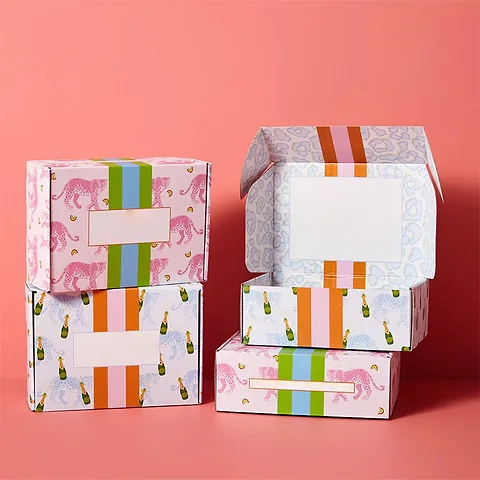 Custom Printed Boxes
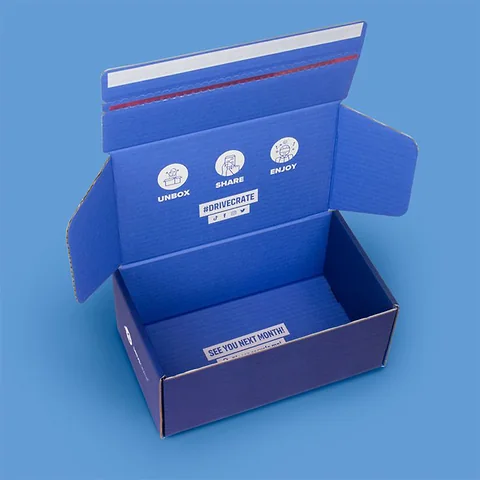 Custom Boxes with Logo
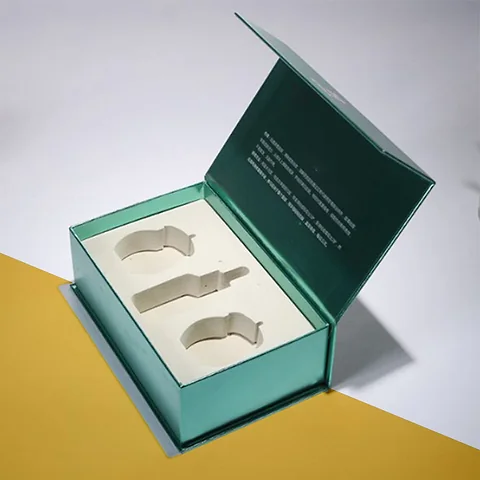 Custom Box Inserts
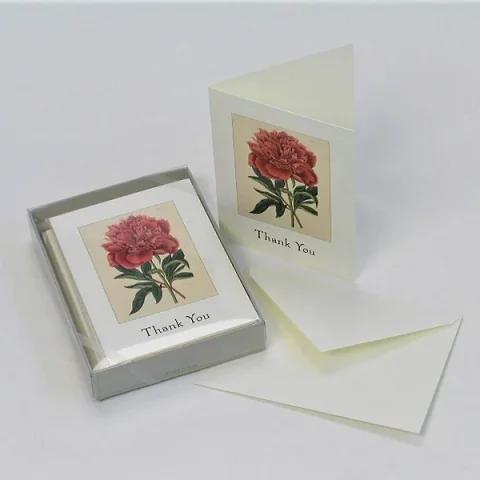
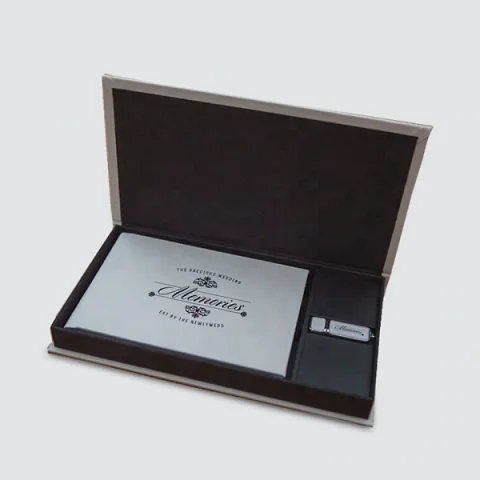
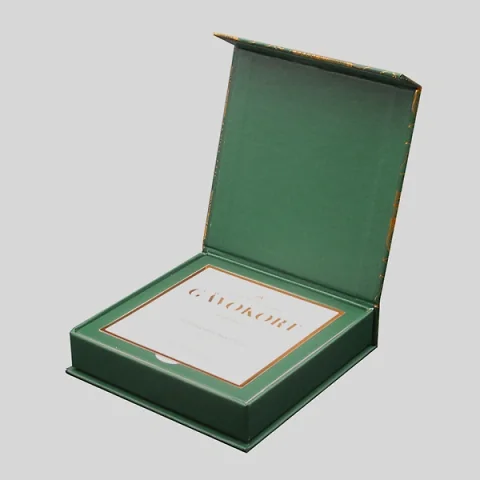
Custom Greeting Card Boxes for Card Packs
Custom greeting card boxes turn a stack of cards and envelopes into a boxed set that sells on a shelf and makes a ready-made gift. We size them to your card format and pack count, with lids, windows or sleeves printed in your publisher's style.
- Design proofFree, approved by you before printing
- PriceCustom quote by email within one working day
- Production4–7 working days after proof approval
- DeliveryFree and tracked, UK mainland, 2–3 working days
- Misprints or damageReported within 10 days, reprinted or refunded
Why Card Publishers Box Their Cards
Single cards sell one at a time from a spinner. Boxed sets sell differently: a pack of notecards, a box of printed thank-you cards, a collection of an artist's best designs. They are bought as gifts for people who write letters, by people who want a stock of cards at home, and by businesses that send thank-you notes regularly. A box makes a set feel like a product rather than a bundle, and it lets you charge accordingly.
A good card box protects the cards from bent corners and scuffs, holds the envelopes neatly alongside, and shows what is inside through a window or a printed sample on the lid. For a publisher, it also opens up new shops: gift shops, museum shops and homeware stores often prefer boxed sets to single cards, because they are easier to display and sell as gifts.
Boxed sets also smooth out the sales pattern for a small publisher. Single cards tend to sell around particular occasions, while a box of blank notecards or thank-you cards sells steadily because people buy them for everyday use. Adding a few boxed sets to a range gives stockists a reason to reorder between the busy periods for single cards.
Box Styles for Card Sets
A two-piece box with a lift-off lid is the classic card set box. It feels like a gift, protects well and can be kept for storing letters afterwards; the greeting card presentation boxes are the rigid version. A window in the lid, backed with clear film, shows the top card so shoppers see the design. A tray with a printed sleeve is a flexible option: one plain tray fits many sets, and only the sleeve changes for each design.
Tuck-end cartons are the economical choice for multipacks and notecards sold in quantity. A box with a magnetic flap or a ribbon tie suits premium collections and artist editions, where presentation justifies a higher price. Clear-lid boxes show the whole top card and suit bright, graphic designs.
- Lift-off lid with window for gift sets
- Tray and sleeve for ranges with many designs
- Tuck-end cartons for multipacks
- Magnetic or ribboned boxes for premium collections
Often ordered by
- Card publishers
- Illustrators and artists
- Gift and museum shops
- Stationery brands
- Companies ordering corporate card sets
- Charities selling card packs
Popular Greeting Card Boxes Sizes
Sizes are in mm. Every order is cut to your size, so any size between these rows is fine.
| Size | Often used for |
|---|---|
| A6 notecard box 120 x 165 x 40 mm | Packs of A6 notecards with envelopes |
| Small square box 140 x 140 x 40 mm | Square notecard sets |
| Large square box 165 x 165 x 45 mm | Square greeting card collections |
| A5 card box 170 x 235 x 40 mm | A5 card collections |
| Slim multipack 120 x 165 x 25 mm | Small multipacks of thank-you cards |
Not sure of the size? Send the product measurements and we work out the rest.
Styles
- Two-piece lid and base
- Window lid
- Tray and sleeve
- Tuck-end carton
- Magnetic flap box
- Clear lid box
Materials
- White folding board
- Kraft board
- Paper-wrapped greyboard
- Full colour CMYK
- Spot colours
- Inside print
- Barcode panels
Finishes
- Matt lamination
- Soft-touch lamination
- Gloss lamination
- Hot foil
- Embossing
Extras
- Clear film windows
- Ribbon ties
- Card dividers
- Artist booklets
- Matching cards and envelopes
See the board and finish guide for what each option looks like.
Production and Delivery
Production takes 4–7 working days after you approve the free design proof. Delivery to the UK mainland is free and tracked, and arrives in 2–3 working days once the order leaves production. The tracking link comes to you by email.
Reprints and Refunds
Check the order when it arrives. If anything is misprinted or damaged, report it within 10 days with a photo and we reprint or refund the items affected. Read the full returns and reprints policy.
Need it by a date?
Tell us the date with your sizes and we plan the proof and production around it.
Greeting Card Boxes Specification
| Style | Two-piece lid and base, Window lid, Tray and sleeve, Tuck-end carton, Magnetic flap box, Clear lid box |
|---|---|
| Material | White folding board, Kraft board, Paper-wrapped greyboard |
| Full colour CMYK, Spot colours, Inside print, Barcode panels | |
| Finish | Matt lamination, Soft-touch lamination, Gloss lamination, Hot foil, Embossing |
| Extras | Clear film windows, Ribbon ties, Card dividers, Artist booklets, Matching cards and envelopes |
| Size | Made to your size in mm |
| Minimum order | Low, quoted per job |
| Price | From £0.25 a box; custom quote by email within one working day |
| Proof | Free design proof before printing |
| Production | 4–7 working days after proof approval |
| Delivery | Free tracked UK mainland delivery, 2–3 working days |
Sizing Around Cards and Envelopes
Card boxes are sized around the envelope, because it is slightly larger than the card. Stack the number of cards and envelopes you plan to include, measure the length, width and height of the stack, and add a little clearance so the set slides in and out easily, as the guide to measuring your product describes. Square cards, A6 notecards and A5 cards all need different footprints.
Depth depends on card weight and pack count. Heavy card and thick envelopes stack higher than you expect, so measure a real stack rather than calculating. If the box will include a ribbon, a divider or a small booklet about the artist, include that in your measurement.
Mixed sets need a little more thought. A collection with several designs often looks best with the cards fanned or stacked in a set order, perhaps with a printed card on top listing the designs. If cards are different sizes, such as a few large cards with smaller notecards, a divider or a two-level tray keeps each size in place and stops the smaller cards slipping underneath.
Design: Show the Cards, Sell the Set
Shoppers want to know what is inside. A window lid that shows the top card is the simplest answer, and the print and finish options compared page shows how a laminate keeps the lid clean. If the box is closed, print a selection of the designs on the lid or the back, with the number of cards and envelopes and a short description. For artist collections, a short biography on the back adds value and helps sell a premium set.
Keep the box design in the publisher's style so it sits comfortably next to your single cards. Use the end panels for the set name so boxes stacked on a shelf are easy to identify. A barcode on the base keeps retailers happy.
Board and Finish
Folding board is the usual choice for card boxes, light, smooth and easy to print. Rigid greyboard wrapped in printed paper feels more substantial and suits premium collections; the board and card types guide compares the two. Kraft board pairs well with illustrated and nature-inspired designs.
Matt lamination gives a soft, calm finish that suits most card publishers. Soft-touch adds a velvety feel for premium sets. Foil on the publisher name or the collection title catches the eye, and embossing adds a tactile touch. Keep finishes consistent with your card range so boxed sets and single cards look like part of the same family.
If your boxes will be kept and reused for storing letters, photographs or keepsakes, rigid board is worth the extra cost. Customers notice when a box is too good to throw away, and every time they open it your name is on the lid.
Retail, Online and Corporate Sets
In shops, boxed card sets sit on tables and shelves rather than spinners, so they need to stand up and stack neatly. A box with a strong lid and a square base does both, and a printed sleeve over a plain box lets one tray serve several designs. Online, a boxed set photographs well and travels safely inside a mailer.
Businesses also order boxed card sets as corporate gifts or for their own use: thank-you cards for clients, welcome cards for new members or notecards with a company illustration. A box printed with the company logo and filled with their own cards makes a practical, personal gift.
Museums and galleries are a strong market for boxed sets. A box of notecards featuring works from a collection is easy for visitors to carry home, and a gift shop buyer will often prefer a neat boxed set to a spinner of single cards that needs constant tidying. If you supply these shops, a box with a short description of each artwork printed on the back or on a card inside adds context that visitors appreciate.
Stack the Envelopes, Not the Cards, and Measure With the Ribbon On
A card box is sized by its envelopes, which are a few millimetres bigger than the cards, and by whatever else sits on the stack. So count out a full set, cards and envelopes interleaved as they will be packed, add the ribbon or the artist booklet if there is one, and measure the length, width and height of that stack. That stack plus a little clearance is the inside of the box. Decide whether the lid gets a window to show the top card, and whether one plain tray with a printed sleeve per design would serve a range better than a printed box for each.
Send the card and envelope size, the pack count, the box style, artwork and finishes, and a custom quote comes by email within one working day, card boxes from £0.25 each with a low minimum that suits a first collection; the cards and envelopes can be quoted in the same email. Production takes 4 to 7 working days after the free design proof is approved and free tracked delivery reaches UK mainland addresses in 2 to 3 working days. Publishers who sell single cards too usually order the folded greeting cards alongside.
Design Your Greeting Card Box
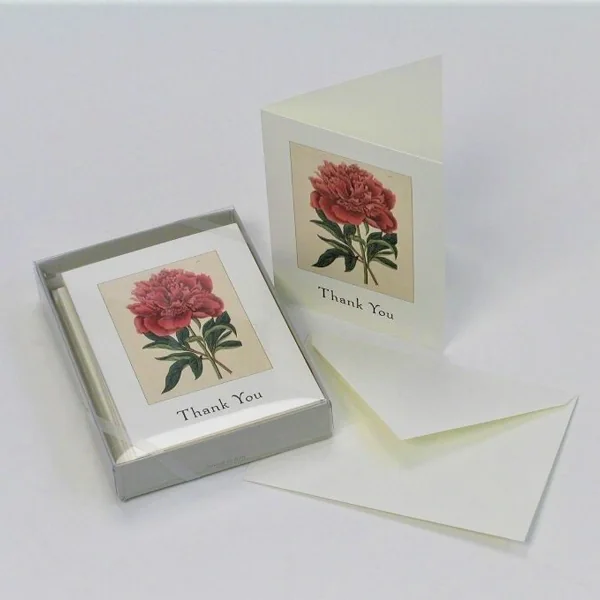
Choose the greeting card boxes photo closest to what you have in mind, add your logo, drag it into place and set the size. Send it with your sizes and we reply with a custom quote and a free design proof.

Drag the logo, or select it and use the arrow keys (Shift moves faster, + and − resize).
Related Products
Other packaging that is often ordered alongside greeting card boxes.
Folded Greeting Cards
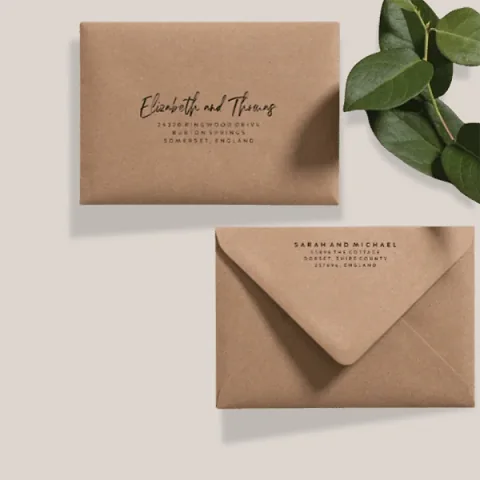
Custom folded greeting cards are printed flat on heavy board, creased on a machine and folded so the spine sits straight and…
Flat Greeting Cards
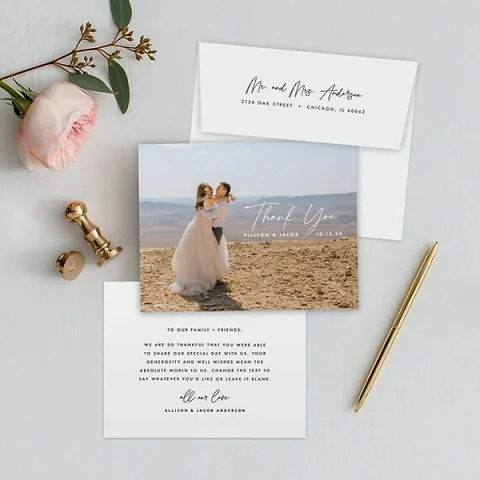
Custom flat greeting cards are single-panel cards on heavy board, printed on the front with your design and on the back with a…
Thank You Cards
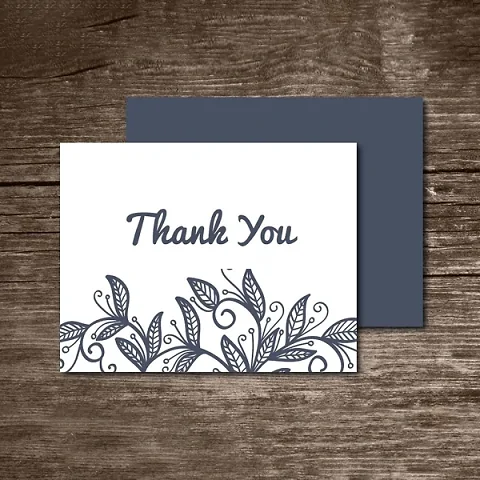
Custom thank you cards are one of the simplest ways to make someone feel appreciated, whether they have just bought from your…
Greeting Card Presentation Boxes
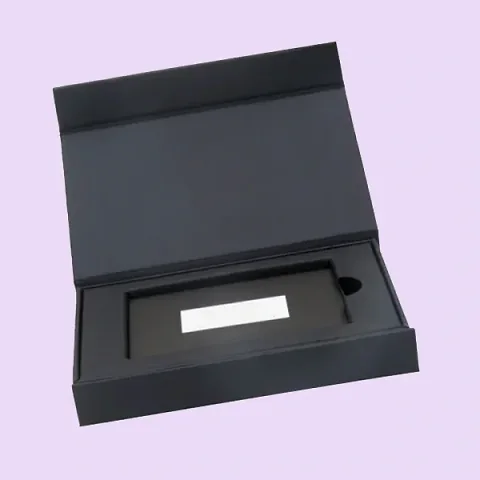
Custom greeting card presentation boxes turn a single premium card into a gift in its own right, held flat in a rigid case…
Greeting Card Boxes Questions
What buyers ask before ordering greeting card boxes.
Do I size the box by the card or the envelope?
By the envelope, because it is slightly larger. Measure a real stack of cards and envelopes and add a little clearance.
Can the lid show the top card through a window?
Yes. A window in the lid shows the top card and is one of the most effective ways to sell a set. We leave a border of board around the film so the lid stays stiff enough to stack.
Can one box size hold different designs?
Yes. A tray and sleeve design lets one plain tray fit many sets, with a printed sleeve for each design.
Can you print the notecards as well as the box?
Yes. We can quote the cards, envelopes and boxes together so the whole set comes from one supplier and the colours are matched on one proof.
How deep should a box for a pack of notecards be?
It depends on card weight and pack count. Measure a real stack, including envelopes and any ribbon, and we will size the depth.
Which finish suits an illustrated card range?
Matt lamination or uncoated kraft both suit illustrated designs. Foil on the title adds a premium touch.
Can I add a booklet about the artist?
Yes. A small booklet or card about the artist can sit on top of the stack, and we will allow space for it.
Will the boxes stand up on a shelf?
Lid-and-base boxes stand and stack neatly. End panels can carry the set name for easy identification.
Can businesses order boxed card sets as gifts?
Yes. A box printed with the company logo and filled with their own cards makes a practical corporate gift.
Is there a minimum for card boxes?
Minimums are low and quoted per job, so publishers can box a small collection before scaling up. A first run of one design is a normal order.
What if lids arrive dented?
Let us know within 10 days if any lids arrive dented or misprinted, and those boxes are reprinted or refunded. A photo of the carton helps us trace where the damage happened.
Get a Price for Your Greeting Card Boxes
Fill in as much as you know. Sizes are in mm (internal sizes for boxes). If you have artwork, attach it; if not, a logo is enough to start the proof.
We reply with a custom quote by email within one working day, then send a free design proof before anything is printed.
- Phone+44 7578 382054
- WhatsAppMessage us
- Emailinfo@shopcustomboxes.co.uk
- HoursMonday to Friday, 9 am to 5.30 pm UK time
- OfficeOffice 704, 85 Dunstall Hill, Wolverhampton, WV6 0SR