 Custom Mailer Boxes
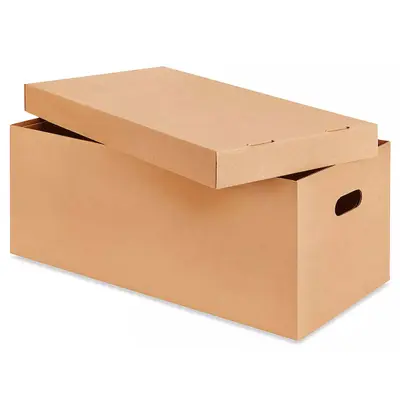 Custom Shipping Boxes
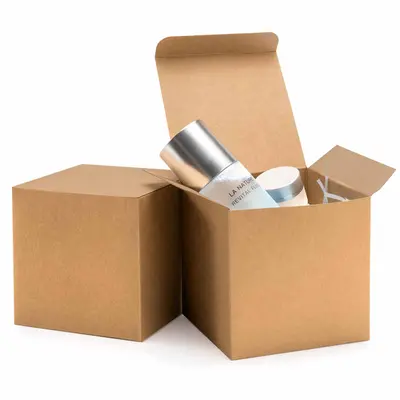 Custom Cardboard Boxes
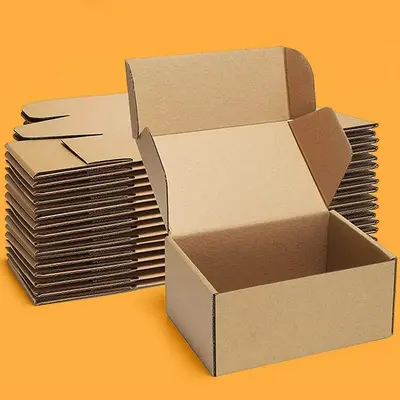 Custom Kraft Boxes
 Custom Product Boxes
 Custom Retail Boxes
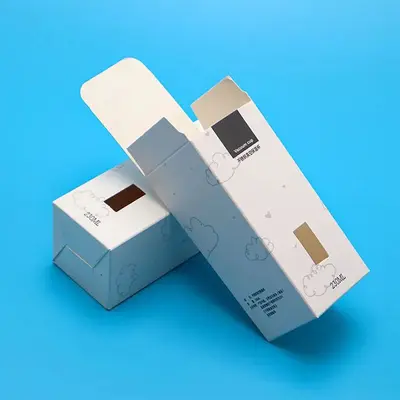 Custom Tuck End Boxes
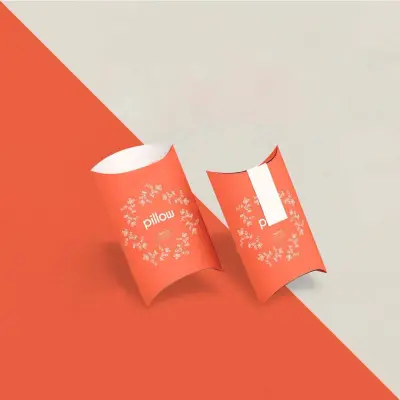 Custom Pillow Boxes
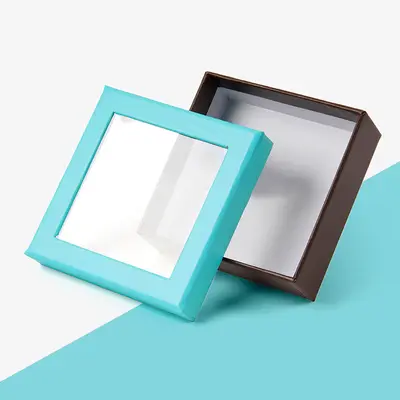 Custom Window Boxes
 Custom Rigid Boxes
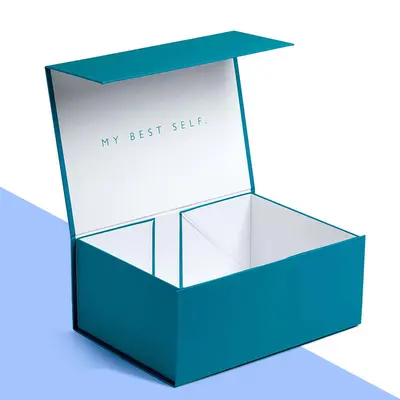 Custom Gift Boxes
 Custom Magnetic Boxes
 Custom Sleeve Boxes
 Custom Printed Boxes
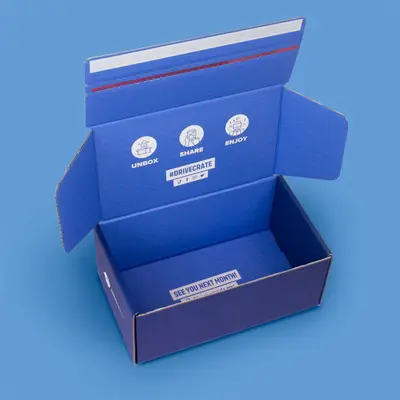 Custom Boxes with Logo
 Custom Box Inserts
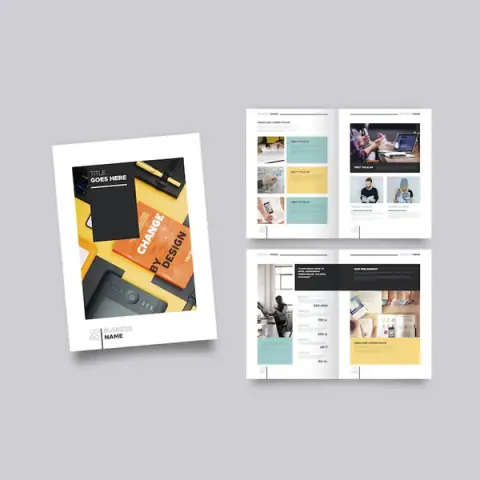


Magazine Printing
Our magazine printing service is built for short runs: club newsletters, school magazines, fanzines and brand journals that need to look professional without a publisher's budget. We print stapled A4 and A5 magazines in full colour and send a free proof so every page can be checked first.
- Design proofFree, approved by you before printing
- PriceCustom quote by email within one working day
- Production4–7 working days after proof approval
- DeliveryFree and tracked, UK mainland, 2–3 working days
- Misprints or damageReported within 10 days, reprinted or refunded
Short-Run Magazines That Look the Part
Plenty of organisations want a printed magazine but do not need tens of thousands of copies. A football club wants enough for members and sponsors. A school wants a copy for every family at the end of term. A small brand wants a lookbook-style magazine to slip into orders. Short-run printing makes that possible, with the same paper choices and colour quality as a newsstand title.
Print still has a place that screens cannot quite fill. A magazine sits on a coffee table, gets passed around, and is picked up again days later. People read it more slowly than a web page and remember it better. For clubs and schools, it becomes a record that families keep; for brands, it is a piece of marketing that customers do not scroll past.
Our job is to make the process simple. You design or supply the pages, we check the files, show you a proof and print a run sized to your audience rather than a minimum set by a large press.
Sports clubs print member magazines and matchday publications. Schools print end-of-year magazines, prospectuses and student-written titles. Churches, community groups and residents' associations print quarterly newsletters with local news and events.
Brands use short-run magazines as lookbooks, customer journals and product guides tucked into parcels. Artists and writers print zines and small press titles for fairs and shops, and societies print journals for members who prefer something they can hold. Shorter publications of eight to sixteen pages are usually printed as stapled brochure booklets.
Page Counts and Binding
Stapled magazines, also called saddle-stitched, are made from sheets folded in half and stapled through the spine. Because each sheet makes four pages, the page count must be a multiple of four, including the covers. Common counts are 8, 12, 16, 20 and 24 pages, and thicker magazines are possible depending on paper weight.
Above a certain thickness, a stapled magazine stops closing neatly and the centre pages push outwards. If your content runs long, we will suggest a lighter inner paper or a different binding so the magazine still lies flat and opens comfortably.
Self-cover magazines use the same paper throughout, which suits newsletters and zines. A separate heavier cover gives a more substantial feel and protects the inner pages, which is worth it for anything that will be kept. Issues beyond the staple limit move to catalogue printing with a spine instead.
Often ordered by
- Sports clubs
- Schools and colleges
- Churches and community groups
- Brands creating lookbooks
- Zine makers and small presses
- Societies and member organisations
Popular Magazine Printing Sizes
Sizes are in mm. Every order is cut to your size, so any size between these rows is fine.
| Size | Often used for |
|---|---|
| A5 zine A5 148 x 210 mm | Fanzines, small journals and brand booklets |
| A4 magazine A4 210 x 297 mm | Club, school and society magazines |
| Square magazine 210 x 210 mm | Lookbooks and photo-led titles |
| A6 pocket zine A6 105 x 148 mm | Mini zines and event guides |
| Slim DL magazine 99 x 210 mm | Programmes and slim guides that fit a DL envelope |
Not sure of the size? Send the product measurements and we work out the rest.
Styles
- Stapled A4 magazine
- Stapled A5 magazine
- Square format magazine
- Self-cover or separate cover
Materials
- Gloss coated paper
- Silk coated paper
- Uncoated paper
- Heavier cover board
- Full colour throughout
- Black and white inner pages with colour cover
Finishes
- Matt laminated cover
- Gloss laminated cover
- Soft-touch cover
- Spot gloss on cover
Extras
- File checking before proof
- Envelopes for posting
- Tip-in inserts
- Bulk packing by group
Not sure which material or finish suits? Tell us how the copy will be used and we suggest one in your custom quote.
Production and Delivery
Production takes 4–7 working days after you approve the free design proof. Delivery to the UK mainland is free and tracked, and arrives in 2–3 working days once the order leaves production. The tracking link comes to you by email.
Reprints and Refunds
Check the order when it arrives. If anything is misprinted or damaged, report it within 10 days with a photo and we reprint or refund the items affected. Read the full returns and reprints policy.
Need it by a date?
Tell us the date with your sizes and we plan the proof and production around it.
Magazine Printing Specification
| Style | Stapled A4 magazine, Stapled A5 magazine, Square format magazine, Self-cover or separate cover |
|---|---|
| Material | Gloss coated paper, Silk coated paper, Uncoated paper, Heavier cover board |
| Full colour throughout, Black and white inner pages with colour cover | |
| Finish | Matt laminated cover, Gloss laminated cover, Soft-touch cover, Spot gloss on cover |
| Extras | File checking before proof, Envelopes for posting, Tip-in inserts, Bulk packing by group |
| Size | Made to your size in mm |
| Minimum order | Low, quoted per job |
| Price | From £0.25 a copy; custom quote by email within one working day |
| Proof | Free design proof before printing |
| Production | 4–7 working days after proof approval |
| Delivery | Free tracked UK mainland delivery, 2–3 working days |
Paper Choices for Magazine Printing
Paper changes how your magazine feels in the hand far more than most people expect. Here are the usual options and where each fits best. Our board guide has paper and cover weights explained for self-cover and separate covers.
- Gloss coated: bright, punchy colour for photo-heavy club magazines and product catalogues.
- Silk coated: a smooth, low-glare surface that shows photos well and is easier to read under lights.
- Uncoated: a natural, slightly rough paper that suits fanzines, literary journals and text-led titles.
- Heavier cover board: adds stiffness and weight, ideal for keepsake school magazines.
- Laminated covers: matt or gloss lamination protects the cover from scuffs and fingerprints.
Preparing Your Files
Most problems with printed magazines start with the files, so a little preparation saves time. Set your document to the finished page size, add a bleed of a few millimetres around each edge for images and colour that run off the page, and keep text and logos a safe distance inside the trim so nothing is cut off.
Supply a high-resolution PDF with fonts embedded and images at print quality. Photos taken from websites or social media are often too small and will print blurry, so use originals where you can. Supply pages as single pages in reading order, not as printer's spreads, and we will impose them correctly for stapling.
If you are not sure your files are ready, send them anyway. We check every job and will tell you about anything that looks likely to cause a problem, such as low-resolution photos or text running into the fold, before your proof is made. Every job gets a free proof with bleed checked before printing.
Planning Content That People Read
A magazine works best when it has a rhythm. Open with something visual and easy, such as a big photo or a short welcome, put your strongest feature in the middle where the magazine falls open naturally at the staples, and close with something people flick to on purpose, like fixtures, events or a back-page interview. Readers rarely start at page one and read through, so every spread should make sense on its own.
Plan your pages on a simple grid before anyone starts designing. Sketch each spread as a box on paper and note what goes where, including adverts and sponsor pages. This shows straight away if you have too much content for the page count or a gap to fill, and it stops the common problem of discovering at proof stage that one article runs over by half a page.
Finally, leave enough white space. A crowded page full of small text feels like hard work, while a confident photo, a clear headline and a few well-spaced paragraphs invite people in. Volunteers and busy staff often try to fit everything in; a slightly thinner magazine that people actually read will always do more for your club, school or brand. Event details that change after printing can go on A6 flyers tucked inside the magazine.
A4 or A5: Choosing the Format
A4 is the classic magazine size. It gives room for large photos, multi-column layouts and full-page adverts, which suits club magazines with sponsors and school publications packed with pictures. It also posts well in a C4 envelope.
A5 is half the size and feels more personal. It is easy to carry, fits a pocket or bag and works beautifully for zines, small journals and brand booklets. Printing costs per copy are lower, and postage is cheaper because A5 fits large letter sizes more easily.
Square formats and custom sizes are also possible if you want something less expected, though they may cost a little more to trim and post. Copies sent to members by post need printed envelopes for posting copies in the matching size.
Build a Page Plan in Multiples of Four Before the Content Is Final
Magazine jobs run smoothly when the page plan comes first. Draw a box for every page, in multiples of four, and write in what goes where, including the cover, adverts, sponsor pages and the contents list. That shows straight away if you have too much copy or a gap to fill, and it stops a last-minute page count change that moves every spread. Decide on A4 or A5, a self-cover or a heavier separate cover, and coated or uncoated paper according to how many photographs you run. Then supply a single print-ready PDF with bleed and embedded fonts. Clubs and schools that post copies usually order C5 envelopes sized for an A5 issue in the same job.
Send the size, page count, paper and quantity, and a custom quote comes by email within one working day. We check the file and send a free proof, flagging low-resolution images or missing bleed. Printing takes 4 to 7 working days after approval, copies arrive by tracked courier to UK mainland addresses, and misprinted or damaged copies reported within 10 days are reprinted or refunded.
Design Your Magazine Printing
Choose the magazine printing photo closest to what you have in mind, add your logo, drag it into place and set the size. Send it with your sizes and we reply with a custom quote and a free design proof.

Drag the logo, or select it and use the arrow keys (Shift moves faster, + and − resize).
Related Products
Other packaging that is often ordered alongside magazine printing.

Brochure Booklets
Custom brochure booklets are multi-page printed guides held together with two wire staples along the spine, giving you room to…
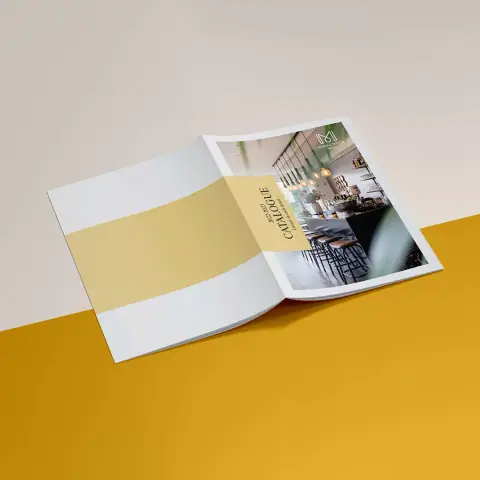
Catalogue Printing
Our catalogue printing service produces bound product catalogues with clear pages, price lists and order forms that buyers…

A3 Presentation Folders
Custom A3 presentation folders are large printed card folders with inside pockets, made to carry A3 drawings, plans, boards…

Flat Greeting Cards
Custom flat greeting cards are single-panel cards on heavy board, printed on the front with your design and on the back with a…
Magazine Printing Questions
What buyers ask before ordering magazine printing.
Why can my school magazine not have 30 pages?
Stapled magazines are made from sheets folded in half, and each folded sheet gives four pages, so the count has to be 28 or 32. If the content lands on 30, add a two-page spread such as a photo gallery or a sponsors' page.
How many pages can a stapled magazine have?
It depends on paper weight. Lighter paper allows more pages before the magazine becomes too thick to close neatly. Tell us your page count and we will advise.
Should my school magazine have a separate cover?
If families will keep it, a heavier cover is worth it. It feels more substantial and protects the inner pages.
Can I mix colour and black and white pages?
Yes, you can have a full colour cover with black and white inner pages. Because of how pages share sheets, ask us how to arrange colour pages for the best value.
What file format should I supply?
A print-ready PDF with fonts embedded, bleed included and images at print resolution. Supply single pages in reading order.
Will you check my files before printing?
Yes, we check every job and flag issues such as low-resolution images, missing bleed or text too close to the trim before making your proof.
Which paper is best for a photo-heavy club magazine?
Gloss or silk coated paper shows photos best. Silk has less glare, which some readers find easier on the eye.
Can you print an A5 zine on uncoated paper?
Yes, uncoated paper gives zines a natural, tactile feel. It suits text, illustration and black and white photography particularly well.
Can copies be packed in separate bundles?
Yes, we can pack copies in bundles by class, team or distribution point. Tell us the split when you order.
Can my magazine have a square format?
Square magazines are possible and look striking. They may cost a little more to trim and post, which we will include in your custom quote.
When will magazines arrive for an event?
Allow 4–7 working days for printing after you approve the proof, then 2–3 working days for free tracked UK mainland delivery. Approve your proof promptly if the event date is fixed.
Get a Price for Your Magazine Printing
Fill in as much as you know. Sizes are in mm (internal sizes for boxes). If you have artwork, attach it; if not, a logo is enough to start the proof.
We reply with a custom quote by email within one working day, then send a free design proof before anything is printed.
- Phone+44 7578 382054
- WhatsAppMessage us
- Emailinfo@shopcustomboxes.co.uk
- HoursMonday to Friday, 9 am to 5.30 pm UK time
- OfficeOffice 704, 85 Dunstall Hill, Wolverhampton, WV6 0SR