 Custom Mailer Boxes
 Custom Shipping Boxes
 Custom Cardboard Boxes
 Custom Kraft Boxes
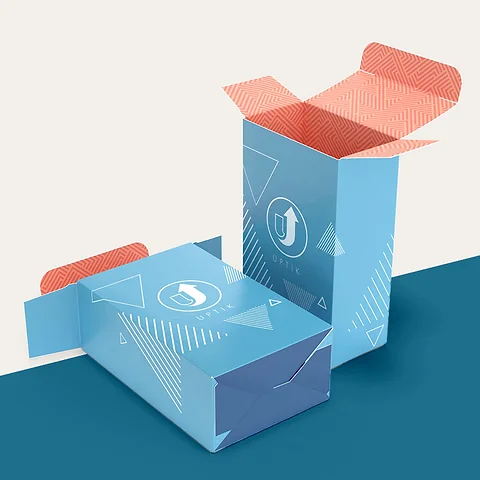 Custom Product Boxes
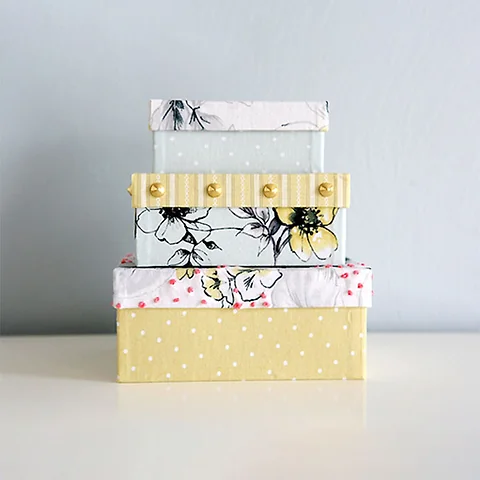 Custom Retail Boxes
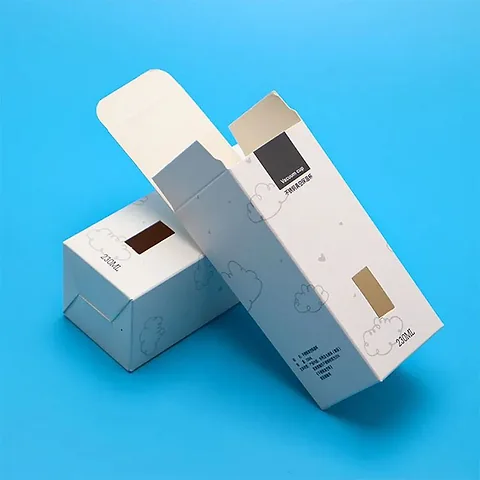 Custom Tuck End Boxes
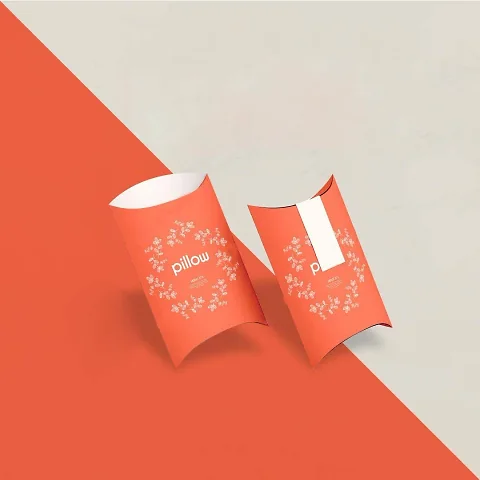 Custom Pillow Boxes
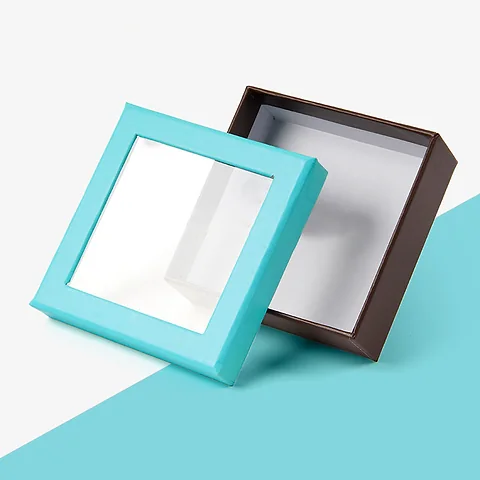 Custom Window Boxes
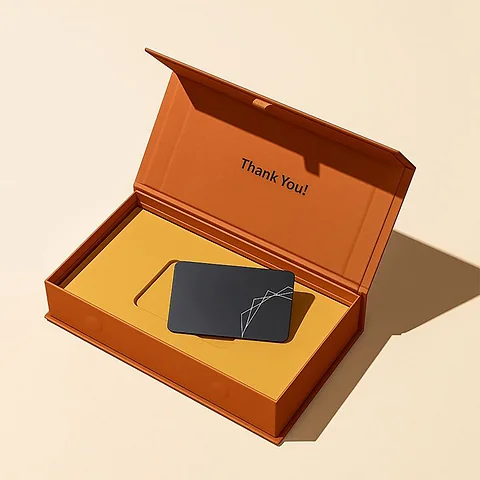 Custom Rigid Boxes
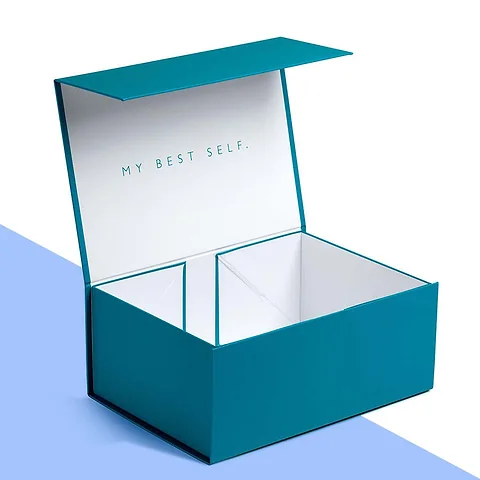 Custom Gift Boxes
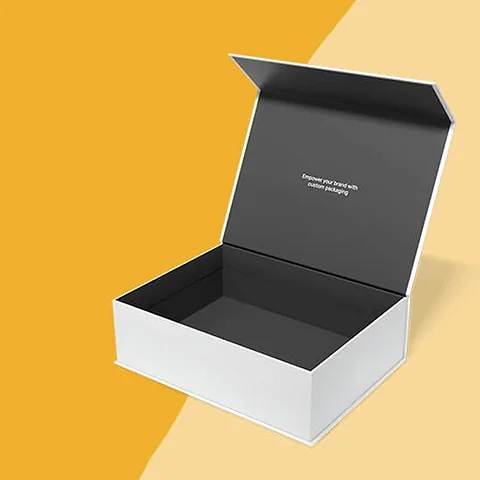 Custom Magnetic Boxes
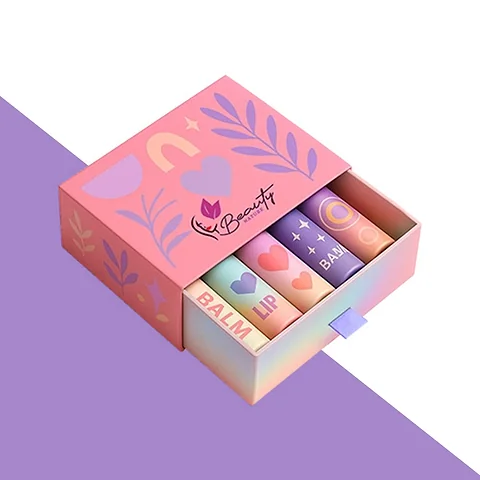 Custom Sleeve Boxes
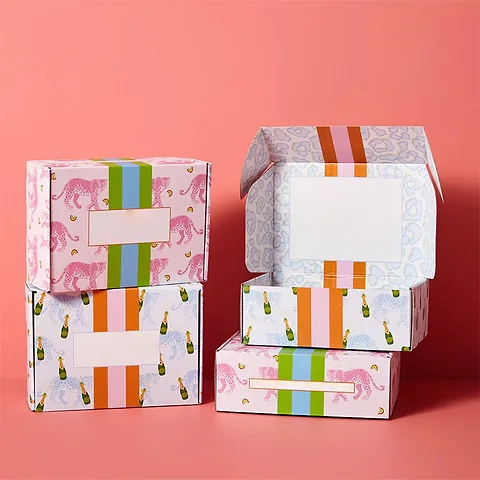 Custom Printed Boxes
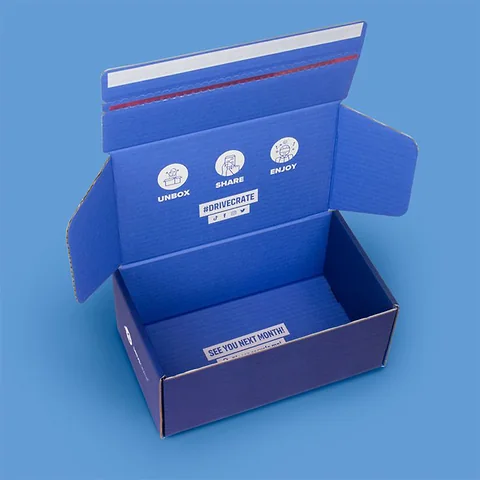 Custom Boxes with Logo
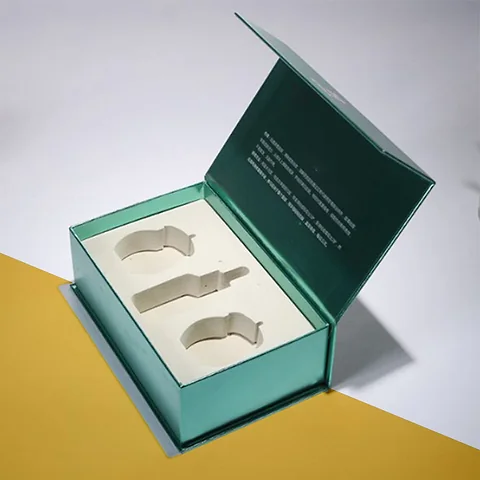 Custom Box Inserts
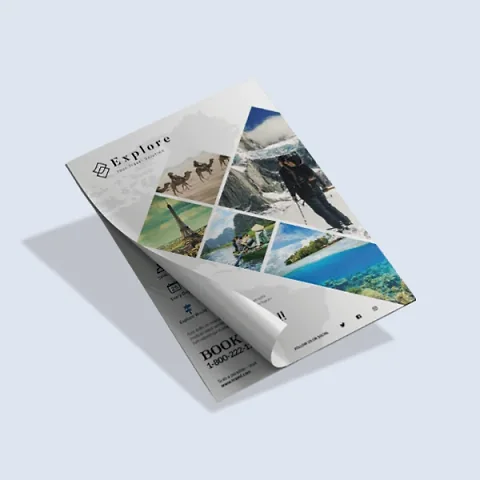
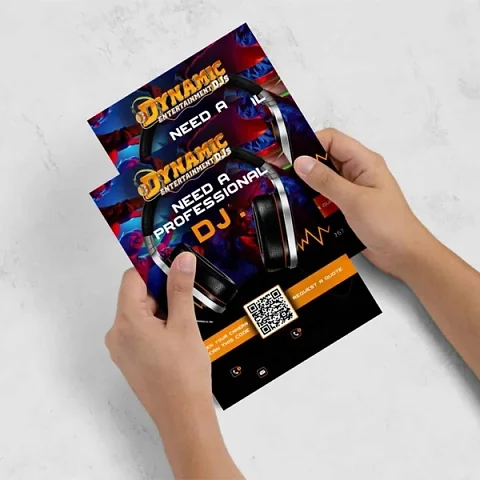
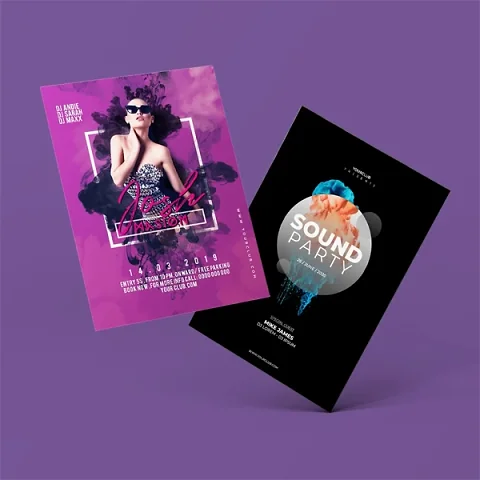
Custom A6 Flyers
Custom A6 flyers are pocket-sized handouts, 105 x 148 mm, that slip into a takeaway bag, sit on a counter or go through a letterbox without being folded. We print them single or double sided on gloss, silk or uncoated paper for takeaways, shops, events and local businesses that want a simple, affordable way to tell people what they do.
- Design proofFree, approved by you before printing
- PriceCustom quote by email within one working day
- Production4–7 working days after proof approval
- DeliveryFree and tracked, UK mainland, 2–3 working days
- Misprints or damageReported within 10 days, reprinted or refunded
Why A6 Is Such a Useful Size
A6 is a quarter of an A4 sheet, roughly the size of a postcard. It is big enough to carry a clear message, an image and a call to action, yet small enough to be handed over without feeling like a burden. People are much more likely to keep an A6 flyer than a large sheet, because it fits in a pocket, a purse or a kitchen drawer.
The size also suits distribution. A6 flyers drop into takeaway bags and delivery boxes, sit neatly in counter displays, tuck into parcels and fit through every letterbox. Because they are small, they cost less per piece to print and to post than larger formats.
The trade-off is space. An A6 flyer cannot hold a full menu or a long explanation, so it rewards a clear, focused message.
A6 also pairs well with larger formats. Many businesses use an A5 or A4 leaflet for detail and an A6 flyer as the quick reminder that goes in every bag. When the message really does need two sides, an A5 notepad with the same branding is the usual next step up.
What People Use A6 Flyers For
Takeaways and restaurants use them as mini menus with best-sellers and a phone number, or as offer cards in every delivery bag. Shops use them for opening announcements, loyalty schemes and promotions. Event organisers use them to promote gigs, fairs, classes and fundraisers.
Tradespeople and local services, such as cleaners, gardeners and dog walkers, use them for letterbox drops. Online sellers put them in parcels to thank customers, offer a discount on the next order or ask for a follow on social media. Churches, schools and clubs use them for notices and invitations.
Fitness instructors, tutors and therapists use them as compact introduction cards with a free first session offer, handed out at community centres and local shops. Tradespeople who want something that stays on the handle rather than the mat often switch to door hanger flyers cut to fit handles.
- Mini menus and offer cards for takeaways
- Shop promotions and openings
- Event and class promotion
- Letterbox drops for local services
- Parcel inserts for online sellers
Often ordered by
- Takeaways and restaurants
- Independent shops
- Tradespeople and local services
- Event organisers
- Schools, churches and charities
- Online sellers adding parcel inserts
Popular A6 Flyers Sizes
Sizes are in mm. Every order is cut to your size, so any size between these rows is fine.
| Size | Often used for |
|---|---|
| A6 portrait flyer A6 105 x 148 mm | Handouts, menus and offers |
| A6 landscape flyer A6 148 x 105 mm | Postcards and event flyers |
| A6 with bleed 111 x 154 mm | Artwork size with 3 mm bleed each side |
| A6 heavy card A6 105 x 148 mm | Loyalty cards and vouchers on 350 gsm |
Not sure of the size? Send the product measurements and we work out the rest.
Styles
- Single-sided A6 flyers
- Double-sided A6 flyers
- A6 postcards
- Rounded corner A6 cards
Materials
- 130 gsm gloss or silk paper
- 170 gsm gloss or silk paper
- 250 to 350 gsm card
- Uncoated paper
- Full colour one side
- Full colour both sides
Finishes
- Gloss
- Silk
- Uncoated
- Matt or gloss lamination on card
Extras
- Rounded corners
- QR codes
- Unique offer codes per batch
- Perforated tear-off vouchers
Not sure which material or finish suits? Tell us how the flyer will be used and we suggest one in your custom quote.
Production and Delivery
Production takes 4–7 working days after you approve the free design proof. Delivery to the UK mainland is free and tracked, and arrives in 2–3 working days once the order leaves production. The tracking link comes to you by email.
Reprints and Refunds
Check the order when it arrives. If anything is misprinted or damaged, report it within 10 days with a photo and we reprint or refund the items affected. Read the full returns and reprints policy.
Need it by a date?
Tell us the date with your sizes and we plan the proof and production around it.
A6 Flyers Specification
| Style | Single-sided A6 flyers, Double-sided A6 flyers, A6 postcards, Rounded corner A6 cards |
|---|---|
| Material | 130 gsm gloss or silk paper, 170 gsm gloss or silk paper, 250 to 350 gsm card, Uncoated paper |
| Full colour one side, Full colour both sides | |
| Finish | Gloss, Silk, Uncoated, Matt or gloss lamination on card |
| Extras | Rounded corners, QR codes, Unique offer codes per batch, Perforated tear-off vouchers |
| Size | Made to your size in mm |
| Minimum order | Low, quoted per job |
| Price | From £0.25 a flyer; custom quote by email within one working day |
| Proof | Free design proof before printing |
| Production | 4–7 working days after proof approval |
| Delivery | Free tracked UK mainland delivery, 2–3 working days |
Paper Weight and Finish for Printed A6 Flyers
A 130 to 170 gsm paper suits most handouts and letterbox drops. It feels substantial enough to keep without adding much cost. For flyers that act as small cards, such as loyalty cards or offer vouchers, a heavier 250 to 350 gsm stock feels more like a postcard and survives being kept in a wallet.
Gloss paper makes photographs of food or products look vivid. Silk, a smooth satin finish, is easier to read under bright lights and suits mixed text and images. Uncoated paper has a natural feel and takes a pen easily, which is handy for appointment cards or forms.
Lamination on heavier stocks adds durability for menus that will be handled a lot.
If your flyer will be handed out outdoors, at a market or event, a slightly heavier stock stands up better to wind and damp hands. Thin paper curls quickly and looks tired by the end of the day. Most of the stocks here are shared with the rest of our marketing print for small businesses, so a flyer and a poster can match exactly.
Designing a Flyer That Gets Read
Lead with one strong headline that tells people what is in it for them: a discount, an opening date, a new menu or a service they need. Follow with a short supporting line and a clear way to act, such as a phone number, web address or QR code. If you print double sided, use the back for details like opening hours, a map or a short menu.
Use large, readable type and keep a margin of at least 3 mm from the edge so nothing is trimmed. Add 3 mm of bleed if your design has colour or images running to the edge. We check bleed and margins on the free proof.
Images should be high resolution so they stay sharp at print size.
Resist the urge to fill every corner. White space draws the eye to the important parts, and a flyer with one clear message is remembered far better than one listing every service you offer. If you have a lot to say, a double-sided flyer with a simple front and a detailed back gives you both impact and information.
Check contact details twice before approving the proof. A wrong digit in a phone number is the single most costly mistake on a flyer, and it is surprisingly common. The same headline-first rule scales up to A3 posters for shop windows, where the type has to read from the pavement.
Distributing Your Flyers
Think about where your customers are. A takeaway gets the best return from flyers in its own delivery bags, since those customers already like the food. A local service gets better results from targeted letterbox drops in nearby streets. A shop does well with flyers at the till and in partner businesses nearby.
Track results with a unique offer code or QR code on each batch. That shows which distribution method works best, so the next run can be focused there.
For letterbox drops, timing helps. Flyers for a takeaway do best when they land in the late afternoon or just before a weekend, when people are thinking about dinner. Flyers for services like gardening or window cleaning do well when people are at home and noticing what needs doing.
Keep a small stack at the counter even if your main plan is delivery. Customers often pick one up to pass on to a friend, which is the most trusted recommendation of all. At a market stall, a flyer handed out under a vinyl banner printed with your name gets kept more often, because the two are linked in the customer's mind.
Who Orders A6 Flyers
Takeaways, cafés, restaurants, independent shops, tradespeople, event organisers, schools, churches, charities and online sellers all order A6 flyers from us. Many order them alongside packaging, such as burger boxes or mailer boxes, so their print and packaging arrive together.
Because the format is so flexible, the same business often orders several versions over time, each with a different offer or message.
Online sellers have become one of the biggest groups. A flyer in each parcel with a thank-you, a care tip and a code for the next order costs very little and turns a one-off buyer into a returning customer far more often than an email alone. Service businesses that want a flyer which cannot be mistaken for junk mail tend to pick printed door hangers for letterbox rounds instead.
Set Up the A6 Artwork Before Asking for a Price
An A6 flyer is cheap to print and expensive to reprint, so the order goes smoothly when the file is right first time. Build the artwork at 111 x 154 mm, which is the trimmed 105 x 148 mm plus 3 mm bleed on every edge, and keep phone numbers, prices and dates at least 3 mm inside the trim line. Save it as a PDF with fonts embedded. If the flyer is going into parcels, a 250 gsm card version survives better than paper, and a shaped flyer cut to a custom outline is worth a look when the design needs to be noticed in a bag.
Decide the quantity by distribution route rather than by a round number: count the parcels you send in a month, or the letterboxes on a round, and add a counter stack. Email the file, paper weight, single or double sided and the quantity, and a custom quote arrives within one working day with a free proof to follow. Flyers print in 4 to 7 working days after you approve the proof and arrive free and tracked anywhere on the UK mainland in 2 to 3 more. A batch with a print fault is reprinted or refunded when reported inside 10 days.
Design Your A6 Flyer
Choose the A6 flyers photo closest to what you have in mind, add your logo, drag it into place and set the size. Send it with your sizes and we reply with a custom quote and a free design proof.
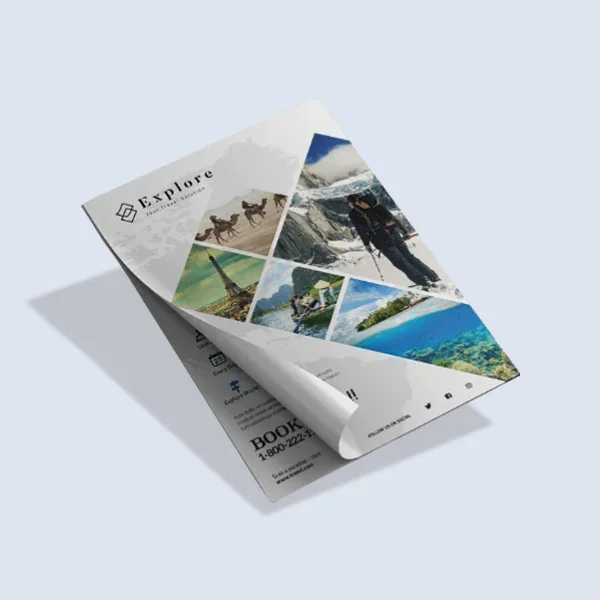

Drag the logo, or select it and use the arrow keys (Shift moves faster, + and − resize).
Related Products
Other packaging that is often ordered alongside A6 flyers.
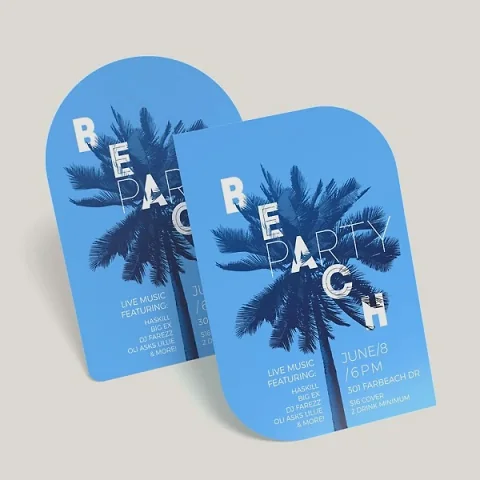
Die-Cut Flyers
Custom die-cut flyers are printed leaflets cut into a shape rather than a plain rectangle, so they get noticed in a pile of…
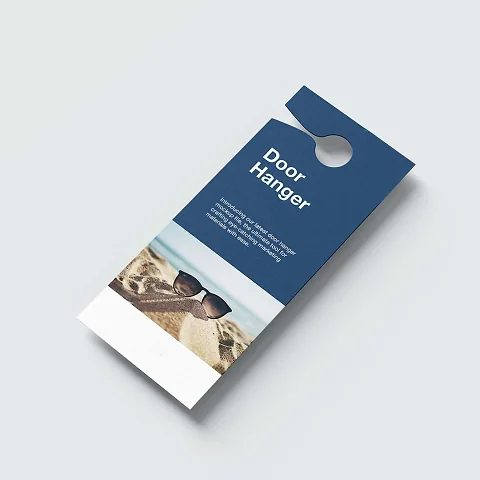
Door Hanger Flyers
Custom door hanger flyers combine a flyer's room for detail with a hanger that stays on the door handle until someone deals…
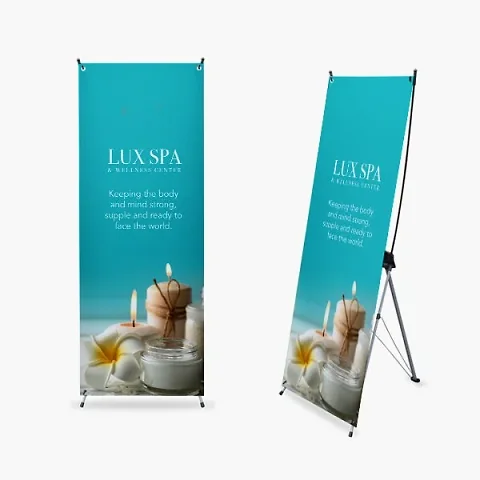
Vinyl Banners
Custom vinyl banners are the quickest way to put your name in front of passing people, whether that means a shopfront fascia,…
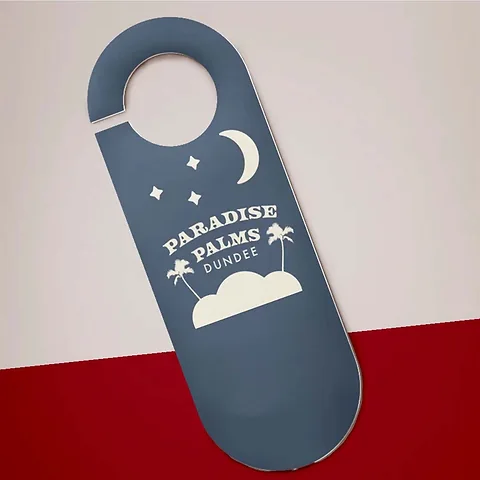
Door Hangers
Custom door hangers hook straight over a door handle, so your message is the first thing a householder sees when they come…
A6 Flyers Questions
What buyers ask before ordering A6 flyers.
What paper weight should I choose for letterbox flyers?
A 130 to 170 gsm paper suits most letterbox drops. It feels substantial without adding much cost.
Can A6 flyers double as loyalty cards?
Yes, print them on 250 to 350 gsm card. They feel like a postcard and survive being kept in a wallet.
Gloss or silk for a takeaway menu flyer?
Gloss makes food photos vivid. Silk is easier to read under bright lights and suits menus with lots of text.
Do I need to add bleed to my artwork?
Yes, if colours or images run to the edge. Add 3 mm on each side and keep text at least 3 mm inside the trim.
How do I know which flyer drop worked best?
Use a unique offer code or QR code for each batch. It shows which distribution method brings in customers.
Can I print two A6 designs, one for parcels and one for letterboxes, in a single order?
Yes, several designs can run together and each gets its own proof. Splitting one quantity across two designs usually costs a little more than printing one design, so ask for both prices.
Can customers write on the flyers?
Uncoated paper takes pen easily, which suits appointment cards and forms. Gloss and silk are harder to mark.
What should go on the back of a double-sided flyer?
Opening hours, a map, a short menu or terms of an offer. Keep the front for the main headline and call to action.
Can you add rounded corners?
Yes, rounded corners give a softer look and help cards survive being carried in a wallet.
Can my A6 flyers be delivered with my boxes so they go in every parcel?
Yes. If you order flyers alongside packaging we group the two so they arrive together, and we can pre-pack the flyers in bundles that match your box cartons. Tell us the number of parcels you send each week and we size the flyer run to it.
Get a Price for Your A6 Flyers
Fill in as much as you know. Sizes are in mm (internal sizes for boxes). If you have artwork, attach it; if not, a logo is enough to start the proof.
We reply with a custom quote by email within one working day, then send a free design proof before anything is printed.
- Phone+44 7578 382054
- WhatsAppMessage us
- Emailinfo@shopcustomboxes.co.uk
- HoursMonday to Friday, 9 am to 5.30 pm UK time
- OfficeOffice 704, 85 Dunstall Hill, Wolverhampton, WV6 0SR