 Custom Mailer Boxes
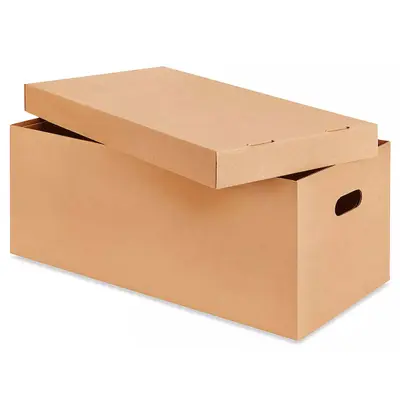 Custom Shipping Boxes
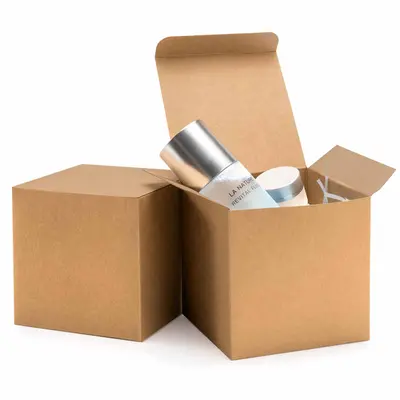 Custom Cardboard Boxes
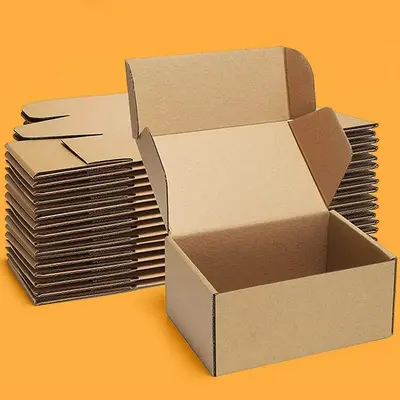 Custom Kraft Boxes
 Custom Product Boxes
 Custom Retail Boxes
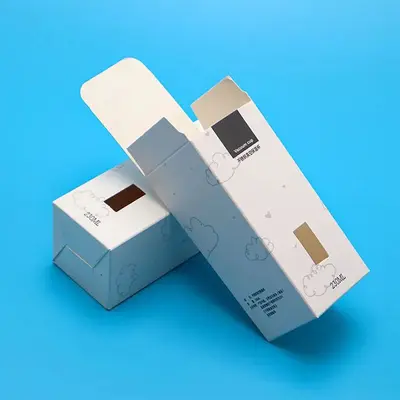 Custom Tuck End Boxes
 Custom Pillow Boxes
 Custom Window Boxes
 Custom Rigid Boxes
 Custom Gift Boxes
 Custom Magnetic Boxes
 Custom Sleeve Boxes
 Custom Printed Boxes
 Custom Boxes with Logo
 Custom Box Inserts


Custom Brochure Booklets
Custom brochure booklets are multi-page printed guides held together with two wire staples along the spine, giving you room to explain a range or a service properly. They suit product catalogues, price guides, menus and welcome packs that are too long for a flyer.
- Design proofFree, approved by you before printing
- PriceCustom quote by email within one working day
- Production4–7 working days after proof approval
- DeliveryFree and tracked, UK mainland, 2–3 working days
- Misprints or damageReported within 10 days, reprinted or refunded
When a Booklet Beats a Leaflet
A folded leaflet gives you six panels. Once you need to show a dozen products, explain several services, or include photographs alongside the detail, those panels fill up fast and the text shrinks. A booklet of eight, twelve or sixteen pages lets the content breathe, with one topic per spread and room for proper images.
Booklets also feel more permanent. Customers keep a well-made product guide in a drawer or on a reception desk, while a flyer tends to get binned after a glance. For businesses with a considered purchase, such as kitchen fitters, wedding venues or furniture makers, that staying power counts.
They work just as well in a parcel. A slim A5 booklet tucked into an online order introduces the rest of your range and gives the buyer a reason to come back. Many brands pair the booklet with folded brochures for shorter messages, using one for the range and the other for a single offer.
A booklet also gives a sales team something to talk through. Turning the pages together at a meeting, pointing at a spec table or a finished project, is often more persuasive than scrolling a phone screen.
Brochure Booklets Printing: Page Counts and Formats
Saddle-stitched booklets are printed on large sheets that fold in half, so the page count must be a multiple of four. Eight, twelve, sixteen and twenty pages are the most common choices; beyond about forty-eight pages the spine gets too thick for staples and a different binding is needed.
A5 is the everyday choice for product guides and handouts, because it fits a bag or envelope. A4 suits catalogues with large photographs and price tables. Square formats, such as 210 x 210 mm, give a design-led brochure for studios, florists and interiors brands a distinct presence. Page counts beyond what a staple can hold move to our catalogue printing for longer page counts.
- A6: pocket guides, mini menus and loyalty booklets
- A5: product guides, welcome packs and parcel inserts
- A4: catalogues, price lists and sales brochures
- Square 148 or 210 mm: portfolios and lookbooks
Often ordered by
- Retailers and wholesalers
- Building and trades firms
- Wedding and event venues
- Hotels and holiday lets
- Schools, clubs and charities
- Online shops adding parcel inserts
Popular Brochure Booklets Sizes
Sizes are in mm. Every order is cut to your size, so any size between these rows is fine.
| Size | Often used for |
|---|---|
| A6 pocket booklet A6 105 x 148 mm | Mini menus, loyalty and care guides |
| A5 booklet A5 148 x 210 mm | Product guides and parcel inserts |
| A4 booklet A4 210 x 297 mm | Catalogues and sales brochures |
| Small square 148 x 148 mm | Lookbooks and studio portfolios |
| Large square 210 x 210 mm | Interiors and design-led brochures |
| DL booklet DL 99 x 210 mm | Price lists that fit a DL envelope |
Not sure of the size? Send the product measurements and we work out the rest.
Styles
- Saddle-stitched booklet
- Self-cover booklet
- Separate heavier cover
Materials
- 130 gsm silk
- 150 gsm gloss
- 170 gsm silk
- Uncoated 120 gsm
- 250–350 gsm cover card
- Full colour both sides
- Single colour text pages
Finishes
- Matt lamination on cover
- Gloss lamination on cover
- Soft-touch cover lamination
- Spot gloss on cover
Extras
- Page counts in multiples of four
- Square formats
- Tear-out order form page
Not sure which material or finish suits? Tell us how the booklet will be used and we suggest one in your custom quote.
Production and Delivery
Production takes 4–7 working days after you approve the free design proof. Delivery to the UK mainland is free and tracked, and arrives in 2–3 working days once the order leaves production. The tracking link comes to you by email.
Reprints and Refunds
Check the order when it arrives. If anything is misprinted or damaged, report it within 10 days with a photo and we reprint or refund the items affected. Read the full returns and reprints policy.
Need it by a date?
Tell us the date with your sizes and we plan the proof and production around it.
Brochure Booklets Specification
| Style | Saddle-stitched booklet, Self-cover booklet, Separate heavier cover |
|---|---|
| Material | 130 gsm silk, 150 gsm gloss, 170 gsm silk, Uncoated 120 gsm, 250–350 gsm cover card |
| Full colour both sides, Single colour text pages | |
| Finish | Matt lamination on cover, Gloss lamination on cover, Soft-touch cover lamination, Spot gloss on cover |
| Extras | Page counts in multiples of four, Square formats, Tear-out order form page |
| Size | Made to your size in mm |
| Minimum order | Low, quoted per job |
| Price | From £0.25 a booklet; custom quote by email within one working day |
| Proof | Free design proof before printing |
| Production | 4–7 working days after proof approval |
| Delivery | Free tracked UK mainland delivery, 2–3 working days |
Paper Weights for Cover and Inside Pages
Inside pages are usually 130–170 gsm silk or gloss, which gives good photo reproduction without making the booklet stiff. A self-cover booklet uses the same paper throughout and keeps costs down. A separate cover in 250–350 gsm card gives the booklet a firmer feel and stops the front page curling.
Silk paper is the safe all-rounder: it shows images well yet is easy to read under bright lights. Gloss makes photographs pop. Uncoated paper suits text-heavy guides and brands with a quieter, crafted look, and it takes a pen easily, which matters for order forms. Paper weights are explained in more detail in our guide to board and card types.
Laying Out Pages So They Read Well
Plan the page order before designing. Cover, a short introduction, then the content grouped by product type or service, finishing with contact details and a call to action on the back cover. Keep body text at 9–10 pt or larger for A5, and leave a 5 mm margin clear of trim inside the page edge.
Images and backgrounds that run to the edge need 3 mm bleed. We check your file for bleed, image resolution and page order on the free proof, so mistakes are caught before anything prints.
Write headings that make sense on their own, because many readers flick through before they read. A clear heading per spread, a short paragraph and an image or table is a reliable pattern. Price tables are easier to scan with alternate tinted rows than with heavy ruled lines.
If the booklet will be updated often, keep prices on a separate insert sheet or the back page. That way you can reprint one page when prices change rather than the whole booklet. Healthcare clients lay out medical brochures for patient information in the same way, with one topic per spread.
Where Booklets Earn Their Keep
Retailers use them as product catalogues and stock lists for trade buyers. Service firms such as building contractors, landscapers and accountants hand them over at a first meeting. Venues and hotels place them in rooms or send them to couples planning an event. Schools, clubs and charities use them for prospectuses and annual programmes.
E-commerce brands often add an A6 or A5 booklet to each parcel explaining care instructions or telling the founder's story.
Estate and letting agents use them for area guides and landlord service packs, and garden centres print planting guides that customers keep through the year. Gyms and wellness studios hand new members a booklet covering classes, rules and timetables, which saves staff answering the same questions at the desk.
Manufacturers and wholesalers print trade catalogues with product codes and pack sizes, often in A4 so tables stay readable. A shorter A5 version with best sellers is handy for sales reps to leave behind after a visit.
Charities and community groups print annual reports and fundraising booklets, where a mix of photographs, short stories and simple figures tells supporters what their money achieved.
Architects and interior designers use square booklets as printed portfolios, leaving one with a prospective client after a first meeting so the work stays on the table after they have gone. Studios that want a sturdier leave-behind often present it in a printed folder that holds the booklet.
Finishing Touches That Make a Booklet Last
A laminated cover is the simplest upgrade. Matt lamination gives a calm, modern feel and resists fingerprints; gloss lamination makes cover photos richer; soft-touch has a velvety surface that people tend to remember. Lamination also stops the spine fold cracking on dark covers, where unprotected ink can show white lines along the crease.
Spot gloss on a logo or headline adds a subtle shine that catches the light when the booklet is tilted. For brochures that will be posted, keep weight in mind: a 16-page A5 booklet on 150 gsm silk with a 300 gsm cover weighs far less than the same booklet in A4, which keeps postage in a lower band.
If the booklet will sit in a display rack, ask us about a slightly heavier cover so it stands without slumping. Our guide to lamination and finish options shows how matt, gloss and soft-touch compare on a cover.
Ordering Brochure Booklets: Quote to Doorstep
Tell us the format, the page count, paper choices and quantity, and you will have a custom quote by email within one working day. We send a free proof showing every spread in order. After you approve it, printing and binding take 4–7 working days, then free tracked delivery to UK mainland addresses takes 2–3 working days.
Booklets are packed flat in boxes so covers arrive crisp. If any copies are misprinted or damaged, let us know within 10 days and we will reprint or refund them. Low minimums are quoted per job, so short runs for a launch or a trade show are fine.
Design Your Brochure Booklet
Choose the brochure booklets photo closest to what you have in mind, add your logo, drag it into place and set the size. Send it with your sizes and we reply with a custom quote and a free design proof.

Drag the logo, or select it and use the arrow keys (Shift moves faster, + and − resize).
Related Products
Other packaging that is often ordered alongside brochure booklets.
Folded Brochures
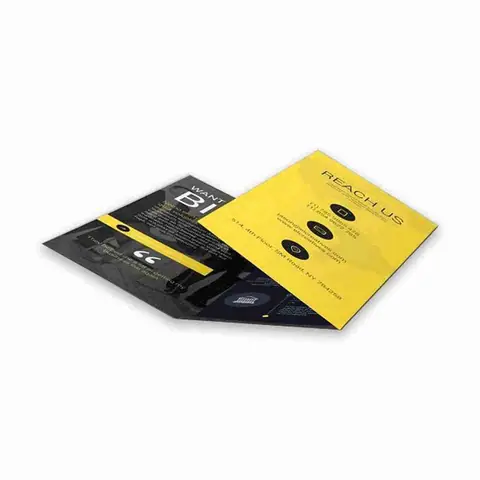
Custom folded brochures turn one printed sheet into a neat, panelled leaflet that guides a reader from a cover to the details…
Catalogue Printing
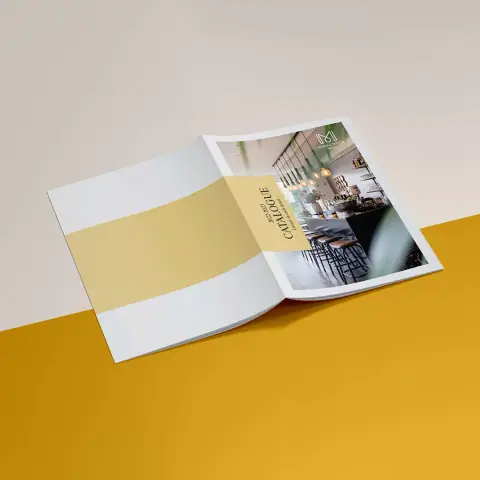
Our catalogue printing service produces bound product catalogues with clear pages, price lists and order forms that buyers…

Medical Brochures
Custom medical brochures explain treatments, aftercare and services to patients in plain language they can take home and read…

Custom Booklet Folders
Custom booklet folders hold a printed booklet alongside loose sheets, so a welcome pack or proposal stays together and looks…
Brochure Booklets Questions
What buyers ask before ordering brochure booklets.
Why must the page count be a multiple of four?
Each sheet folds in half to make four pages, so a stapled booklet always grows in fours. If your content falls short, we can suggest a notes page or a back-cover order form.
How many pages can a stapled booklet have?
Saddle stitching works well up to around 48 pages depending on paper weight. Beyond that the spine bulges and the booklet will not lie flat.
Should I choose a self-cover or a separate cover?
A self-cover is lighter and cheaper to post. A heavier card cover feels more substantial and protects the inside pages in a bag or on a reception desk.
What resolution do my photos need to be?
Aim for 300 dpi at the printed size. We flag low-resolution images on the proof so you can swap them before printing.
Can customers write on the pages?
Uncoated paper takes ballpoint and pencil easily, so it suits order forms and workbooks. Silk and gloss resist ink and can smudge.
Can you add a separate order form page?
Yes. A page can carry an order or booking form, and on uncoated stock customers can fill it in by hand.
Will an A5 booklet fit inside a mailer box?
A5 measures 148 x 210 mm, so it fits most small mailers and C5 envelopes. Give us your box size and we can confirm.
Do you check the page order before printing?
Yes. The free proof shows every spread in reading order, so you can confirm nothing is upside down or out of sequence.
Can I update prices without reprinting the whole booklet?
Put prices on a loose insert sheet or the back cover. When prices change, you reprint only that sheet and keep the rest of the stock.
Can I order a short run for a launch?
Minimums are kept low and quoted per job, so a short run for one event is fine.
Get a Price for Your Brochure Booklets
Fill in as much as you know. Sizes are in mm (internal sizes for boxes). If you have artwork, attach it; if not, a logo is enough to start the proof.
We reply with a custom quote by email within one working day, then send a free design proof before anything is printed.
- Phone+44 7578 382054
- WhatsAppMessage us
- Emailinfo@shopcustomboxes.co.uk
- HoursMonday to Friday, 9 am to 5.30 pm UK time
- OfficeOffice 704, 85 Dunstall Hill, Wolverhampton, WV6 0SR