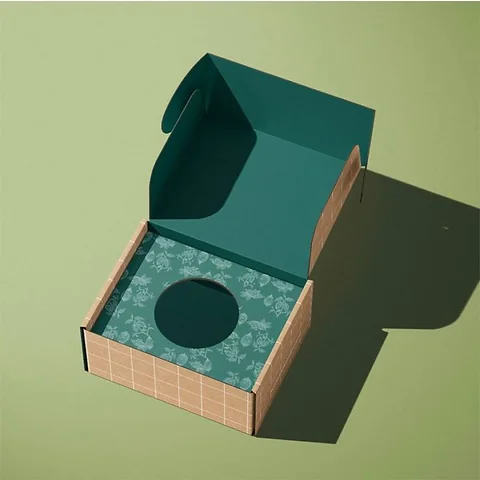
 Custom Mailer Boxes
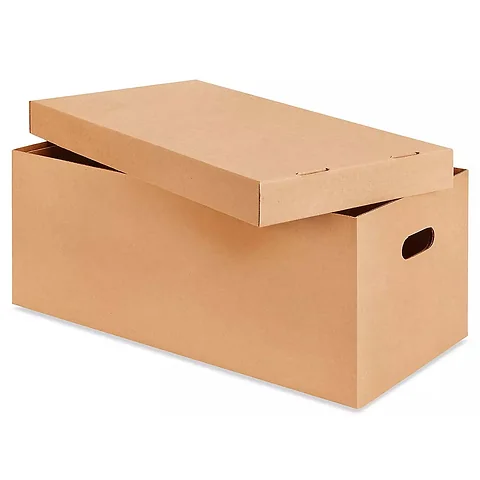 Custom Shipping Boxes
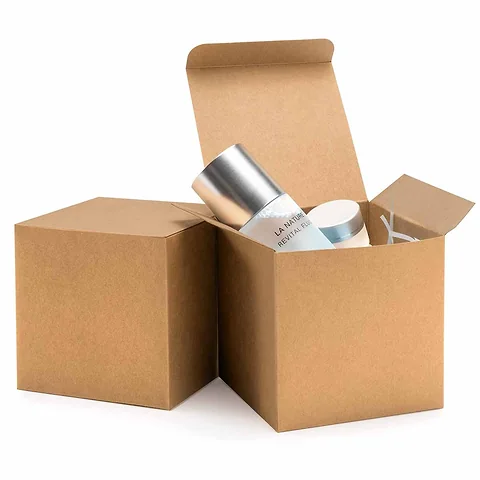 Custom Cardboard Boxes
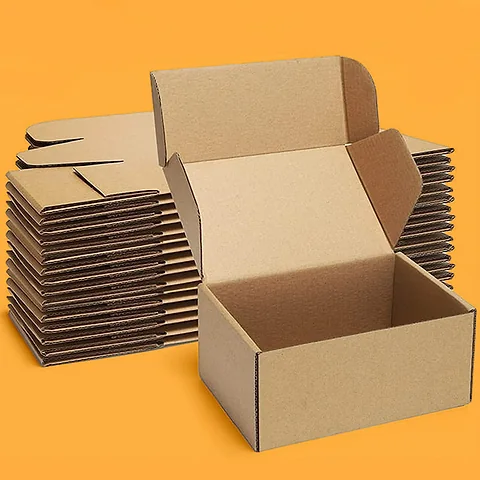 Custom Kraft Boxes
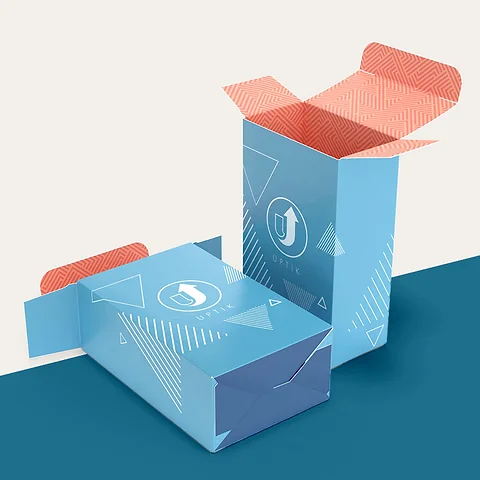 Custom Product Boxes
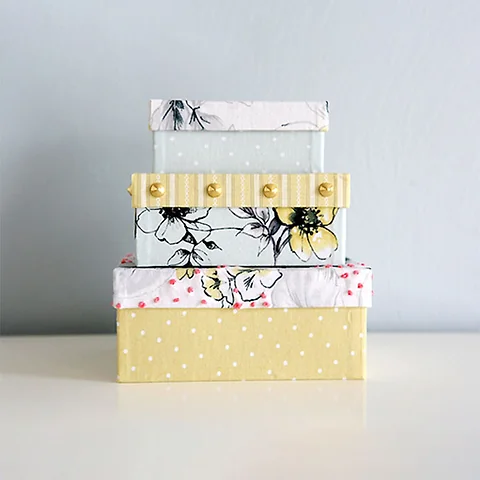 Custom Retail Boxes
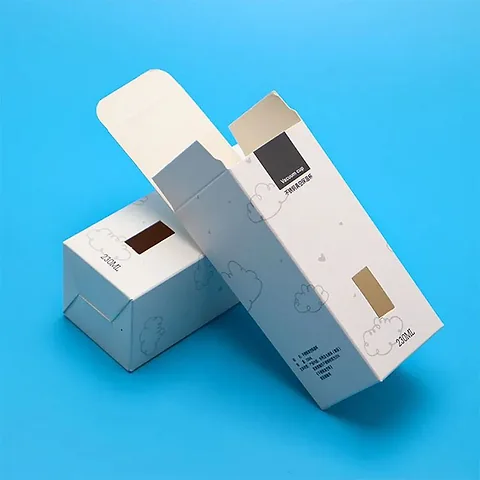 Custom Tuck End Boxes
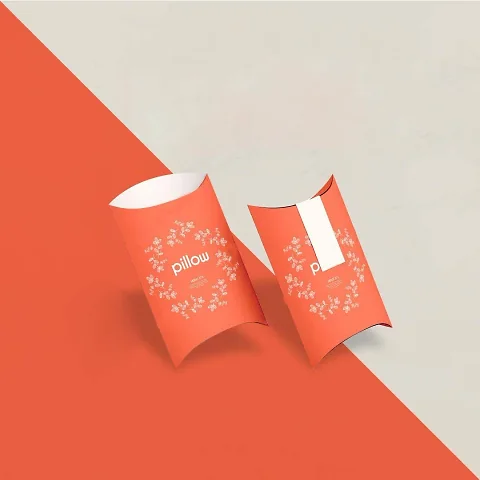 Custom Pillow Boxes
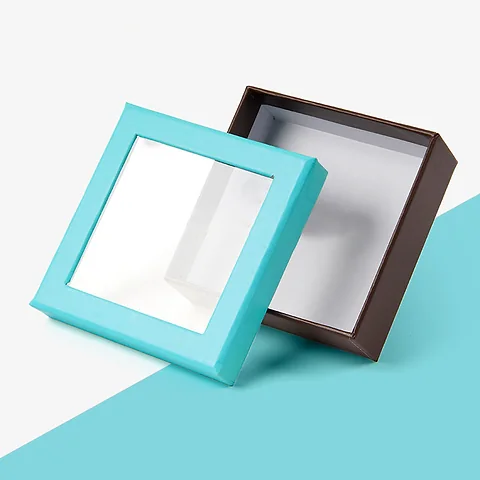 Custom Window Boxes
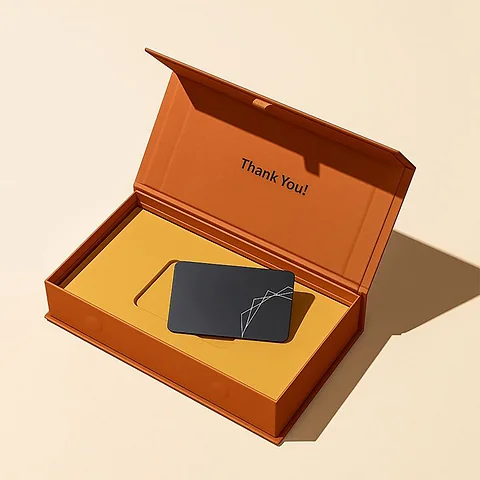 Custom Rigid Boxes
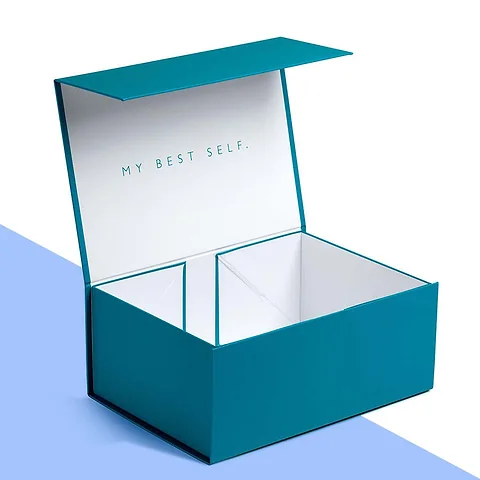 Custom Gift Boxes
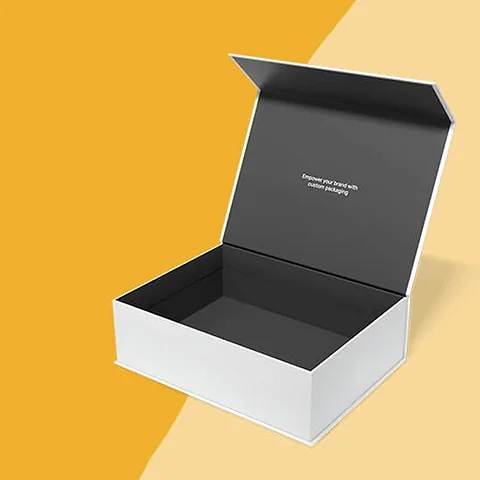 Custom Magnetic Boxes
 Custom Sleeve Boxes
 Custom Printed Boxes
 Custom Boxes with Logo
 Custom Box Inserts
Custom Business Cards
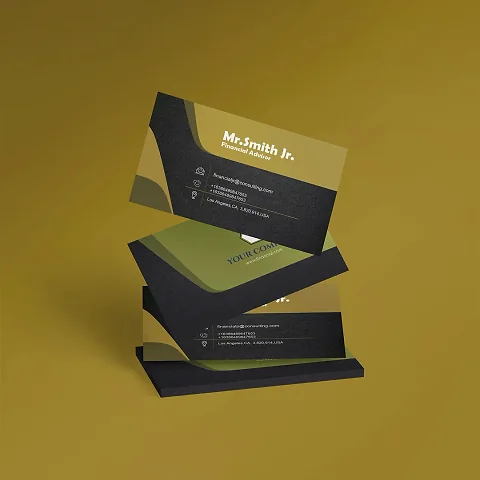
Custom business cards are still the quickest way to leave your name, number and brand in someone's hand after a conversation. We print them on a wide choice of stocks and finishes, from simple silk cards for everyday use to thick, foiled cards that people remember.
- Design proofFree, approved by you before printing
- PriceCustom quote by email within one working day
- Production4–7 working days after proof approval
- DeliveryFree and tracked, UK mainland, 2–3 working days
- Misprints or damageReported within 10 days, reprinted or refunded
Why Cards Still Matter
Phones can swap contact details in seconds, yet business cards remain in every wallet and on every reception desk. A card is instant, it works without signal and it does not depend on the other person remembering to save your number. More importantly, it is physical. Someone who picks up a card with a satisfying weight and a crisp finish forms an impression of your business before they have read a word.
Cards are also useful beyond networking. Tradespeople leave them on site, shops slip them into orders, hairdressers write the next appointment on the back, and freelancers pin them to noticeboards in cafés and community centres. In each case the card does a small job that no app does as well.
For a start-up, a good card is one of the cheapest ways to look established.
Cards also travel further than you might expect. A card left with one customer is often passed to a friend or colleague who needs the same service, which is exactly how many trades and local businesses win new work. p3 Shops that slip a card into every parcel often print a thank-you card in the same style for the same job.
Business Cards Printing: Stocks and Weights
The paper you choose sets the tone. Silk card at around 400 gsm is the everyday choice: smooth, reliable and good with photographs. Uncoated card has a natural, slightly textured feel and takes a pen easily, which suits appointment cards and creative brands. Kraft card gives a brown, rustic look that works well with one dark ink. Thick duplex cards, made by bonding two sheets together, reach 700–900 gsm and feel noticeably luxurious.
If you are unsure, order a small sample pack of stocks first. Holding a silk card next to a duplex card makes the difference in weight and feel obvious in a way a description never can. p1 The guide to board and card types explains the difference between silk, uncoated and duplex stocks.
- 400 gsm silk: everyday cards with photos or full colour
- 350–450 gsm uncoated: writeable cards and natural brands
- Kraft card: rustic, handmade and food brands
- Duplex 700–900 gsm: premium, weighty cards
- Linen and felt-marked: textured, classic feel
Often ordered by
- Start-ups and freelancers
- Tradespeople
- Hairdressers and beauty therapists
- Dentists and clinics
- Estate agents and solicitors
- Online sellers adding order inserts
- Exhibition and event teams
Popular Business Cards Sizes
Sizes are in mm. Every order is cut to your size, so any size between these rows is fine.
| Size | Often used for |
|---|---|
| Standard card 85 x 55 mm | Everyday business cards |
| Small square 55 x 55 mm | Creative and design-led brands |
| Large square 65 x 65 mm | Studios and boutiques |
| Mini card 70 x 28 mm | Product tags and loyalty cards |
| Folded card 85 x 110 mm open, 85 x 55 mm folded | Appointment grids and price lists |
Not sure of the size? Send the product measurements and we work out the rest.
Styles
- Standard 85 x 55 mm
- Square cards
- Mini cards
- Folded cards
- Die-cut shapes
Materials
- 400 gsm silk
- Uncoated card
- Kraft card
- Duplex 700–900 gsm
- Linen and felt-marked card
- Full colour both sides
- Pantone spot colours
- Single-colour print
Finishes
- Matt lamination
- Soft-touch lamination
- Gloss lamination
- Foil stamping
- Spot gloss
- Embossing and debossing
Extras
- Rounded corners
- Painted edges
- QR codes
- Multiple names in one order
- Matching card boxes
Not sure which material or finish suits? Tell us how the card will be used and we suggest one in your custom quote.
Production and Delivery
Production takes 4–7 working days after you approve the free design proof. Delivery to the UK mainland is free and tracked, and arrives in 2–3 working days once the order leaves production. The tracking link comes to you by email.
Reprints and Refunds
Check the order when it arrives. If anything is misprinted or damaged, report it within 10 days with a photo and we reprint or refund the items affected. Read the full returns and reprints policy.
Need it by a date?
Tell us the date with your sizes and we plan the proof and production around it.
Business Cards Specification
| Style | Standard 85 x 55 mm, Square cards, Mini cards, Folded cards, Die-cut shapes |
|---|---|
| Material | 400 gsm silk, Uncoated card, Kraft card, Duplex 700–900 gsm, Linen and felt-marked card |
| Full colour both sides, Pantone spot colours, Single-colour print | |
| Finish | Matt lamination, Soft-touch lamination, Gloss lamination, Foil stamping, Spot gloss, Embossing and debossing |
| Extras | Rounded corners, Painted edges, QR codes, Multiple names in one order, Matching card boxes |
| Size | Made to your size in mm |
| Minimum order | Low, quoted per job |
| Price | From £0.25 a card; custom quote by email within one working day |
| Proof | Free design proof before printing |
| Production | 4–7 working days after proof approval |
| Delivery | Free tracked UK mainland delivery, 2–3 working days |
Finishes That Make Cards Memorable
Matt lamination gives a soft, modern feel and protects colours from rubbing. Soft-touch lamination adds a velvety surface that people tend to run a thumb across. Gloss lamination makes colours rich and bright. On uncoated cards, no lamination is used, so the texture of the paper comes through.
Foil stamping in gold, silver, copper or rose gold adds a metallic highlight to a logo or name. Spot gloss picks out a logo or pattern with a raised shine against matt. Embossing raises part of the design, while debossing presses it in. Rounded corners soften the look and stop corners dog-earing in a wallet, and painted edges add a colour stripe around a thick duplex card.
Choose one or two effects rather than all of them. A single foil logo on a soft-touch card often looks more refined than a card with every option applied. p2 If you want a raised logo, the embossed business cards page shows how deep the impression can go on each stock.
Designing a Card That Works
A standard UK card is 85 x 55 mm. Keep all text at least 4 mm inside the trimmed edge, and add 3 mm bleed if your design runs to the edge. Body text of 7–8 pt is the smallest most people can read comfortably; names and job titles look better at 9–11 pt.
Put only the essentials on the front: name, role, phone, email and web address. The back has room for a logo, a short line about what you do, a QR code or a list of services. Leave the back plain on uncoated cards if you plan to write appointment details on them.
If you need cards for several staff, we can set up one master design and change only names and details for each person.
Check contrast before you sign off. Pale grey text on white card or light text on kraft can look fine on screen but become hard to read in dim light. The proof is the moment to raise text weight or darken a colour.
Use a font size and style that matches the rest of your branding, so the card, the website and the shop sign all feel like the same business. p4 The same brand rules carry over to printed letterheads for correspondence, which many start-ups order at the same time.
Shapes and Sizes
Most cards are the standard 85 x 55 mm, which fits wallets and card holders. Square cards of 55 x 55 mm or 65 x 65 mm are less common and suit creative businesses. Mini cards of about 70 x 28 mm are handy as product tags or loyalty cards. Folded cards open out to 85 x 110 mm and give space for price lists or appointment grids.
Die-cut shapes, such as a leaf, a tooth or a house outline, are possible for brands that want something unusual. p1 A card that opens to a price list is covered on our folded business cards page.
Trades, Salons, Agents and Start-Ups
Start-ups and freelancers order their first set. Tradespeople, such as electricians, plumbers and decorators, order in volume for leaving on site. Hairdressers, beauty therapists and dentists use appointment cards. Estate agents, solicitors and consultants order cards for teams. Shops and online sellers use cards as order inserts, and event teams print them for exhibitions and conferences.
Restaurants and cafés print loyalty cards in the same size, with a grid of stamp boxes on the back. Coffee shops often find that a well-designed loyalty card is the most handled piece of branding they own. p1 Salons that book repeat appointments often add small table tent cards for the counter in the same print.
Order a Year's Worth, Not a Lifetime's
The commonest mistake with business cards is ordering 2,000 to get a better unit price and then changing a job title six months later. Work out how many you hand out in a typical month, multiply by twelve and round up a little; for most sole traders that is 250 to 500 cards. Smaller runs keep the details current and the drawer empty.
Before you send artwork, decide on the stock by touch if you can, because a 400 gsm silk card and a 700 gsm duplex feel nothing alike. Then supply the file at 85 x 55 mm with 3 mm bleed and text 4 mm inside the trim. The custom quote comes by email within one working day and the minimum is set per job, so a first run for a start-up is fine.
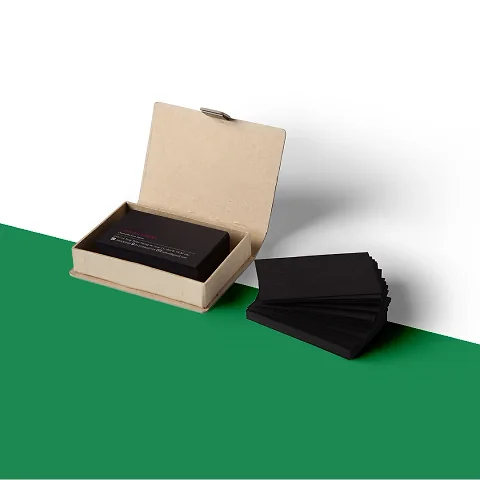
The free proof shows the card with trim and safe areas marked; after approval, printing takes 4 to 7 working days and the cards reach UK mainland addresses by free tracked delivery. If you want them presented rather than rubber-banded, our small printed boxes for business cards hold a stack of 100 in the same print.
Design Your Business Card
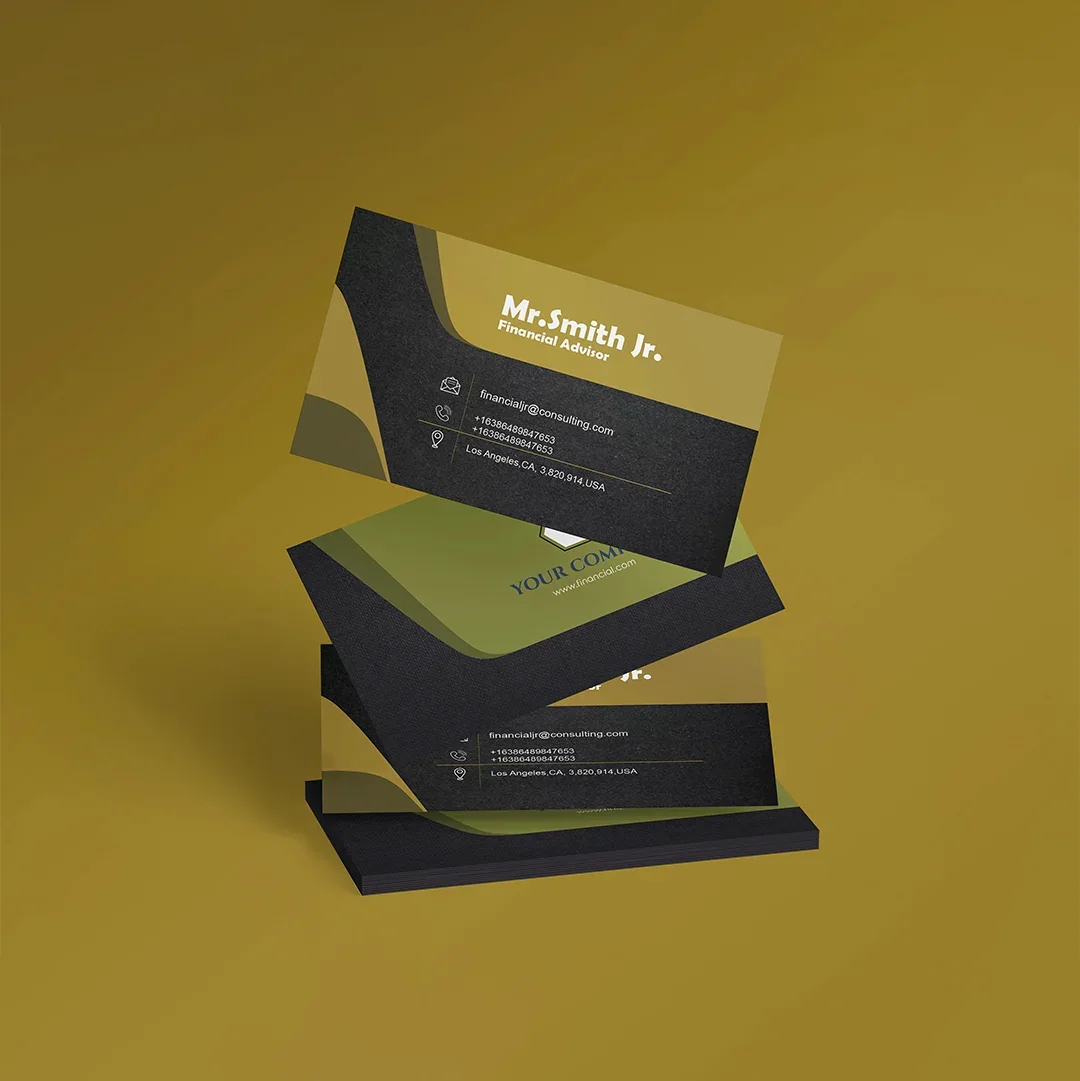
Choose the business cards photo closest to what you have in mind, add your logo, drag it into place and set the size. Send it with your sizes and we reply with a custom quote and a free design proof.

Drag the logo, or select it and use the arrow keys (Shift moves faster, + and − resize).
Related Products
Other packaging that is often ordered alongside business cards.
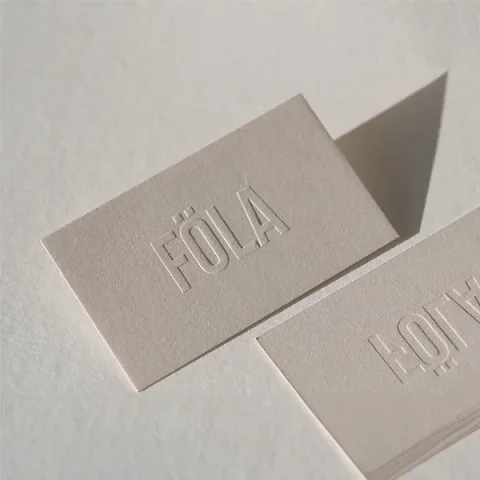
Embossed Business Cards
Custom embossed business cards press your logo or name up from the surface of the card, so it can be felt as well as seen.
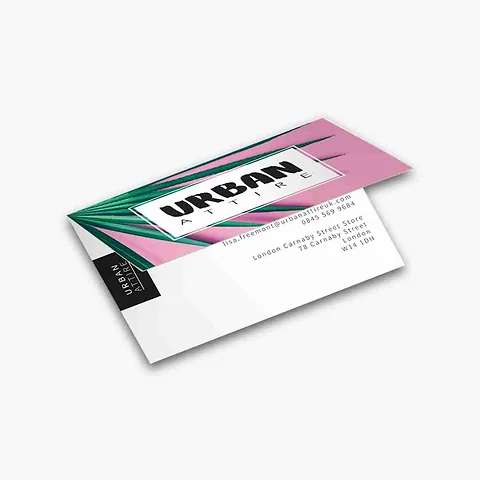
Folded Business Cards
A folded business card gives you four panels instead of two, so the card can carry a loyalty scheme, an appointment slot or a…
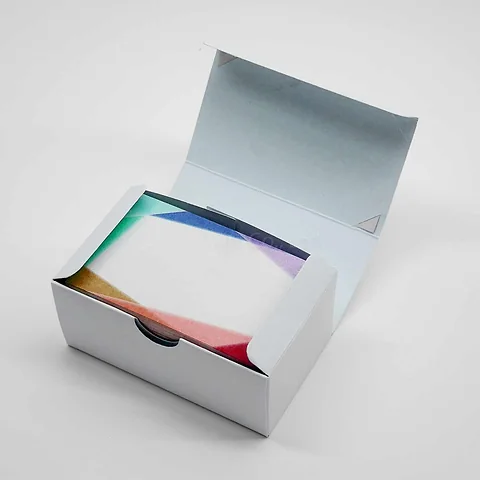
Business Card Boxes
Custom business card boxes are small card cases that hold a stack of standard 85 x 55 mm cards, keeping them clean and square…
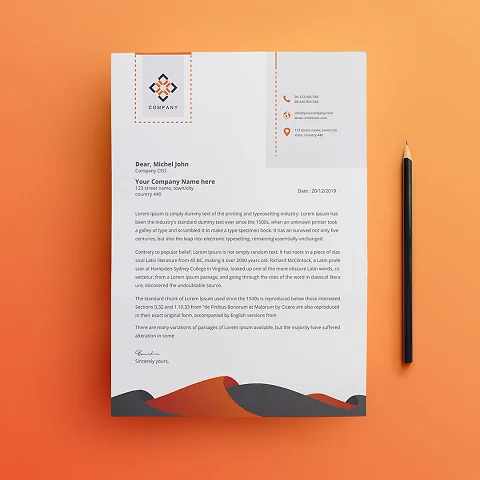
Letterheads
Custom letterheads give every letter, invoice and quotation the same professional frame, with your logo, address and company…
Business Cards Questions
What buyers ask before ordering business cards.
Which stock is best for everyday cards?
A 400 gsm silk card is a dependable all-rounder that shows colours and photos well. Add matt lamination for extra durability.
Can I write on the cards?
Uncoated card takes pens and pencils easily, so it suits appointment cards. Laminated cards resist ink.
What is a duplex card?
Two sheets of card bonded together, giving 700–900 gsm thickness. It feels weighty and can have a coloured core or painted edges.
How close to the edge can text go?
Keep text at least 4 mm inside the trimmed edge, and add 3 mm bleed if your design runs off the card. The proof shows both lines so you can check nothing sits too close.
Can I print the same business card design for twelve staff with different names?
Yes. We set up one master layout and change the name, title, phone and email for each person, then print all twelve versions in one order. Send the details as a spreadsheet and we show each version on the proof so every person can check their own card.
Do rounded corners cost more?
Rounded corners are a small extra on most orders. They give a softer look and stop corners dog-earing.
Can I add a QR code?
Yes, a QR code on the back can link to your website, booking page or portfolio. Keep it at least 15 mm square to scan reliably.
Can you supply boxes for the cards?
Yes, we make printed and rigid card boxes sized to your stock and quantity. A box for 100 standard cards is the usual size.
Can I order a loyalty card in the same style?
Yes. A loyalty card in the standard size with a stamp grid on the back is a popular add-on. Using the same stock and finish keeps your print consistent.
Is there a small minimum for start-ups?
Minimums are low and quoted per job, so a new business can order a sensible first batch. Many start with 250 cards and reorder once the details have settled.
Get a Price for Your Business Cards
Fill in as much as you know. Sizes are in mm (internal sizes for boxes). If you have artwork, attach it; if not, a logo is enough to start the proof.
We reply with a custom quote by email within one working day, then send a free design proof before anything is printed.
- Phone+44 7578 382054
- WhatsAppMessage us
- Emailinfo@shopcustomboxes.co.uk
- HoursMonday to Friday, 9 am to 5.30 pm UK time
- OfficeOffice 704, 85 Dunstall Hill, Wolverhampton, WV6 0SR