 Custom Mailer Boxes
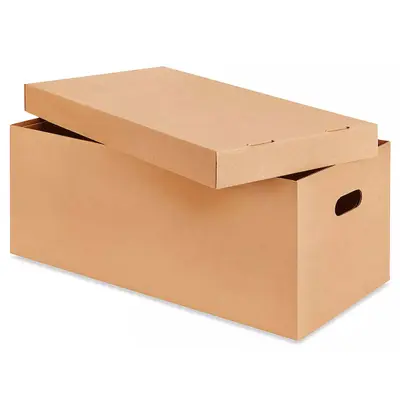 Custom Shipping Boxes
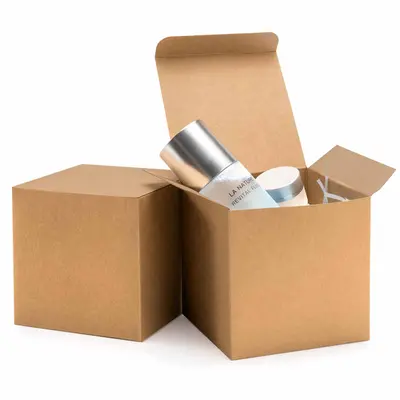 Custom Cardboard Boxes
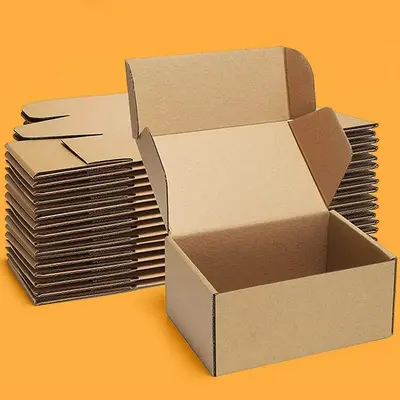 Custom Kraft Boxes
 Custom Product Boxes
 Custom Retail Boxes
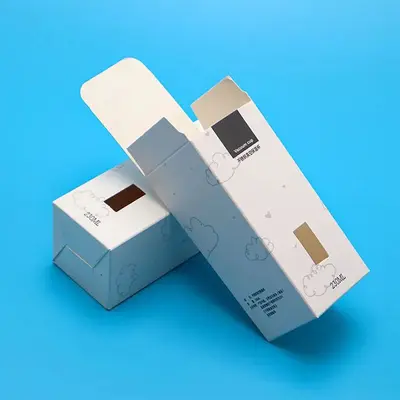 Custom Tuck End Boxes
 Custom Pillow Boxes
 Custom Window Boxes
 Custom Rigid Boxes
 Custom Gift Boxes
 Custom Magnetic Boxes
 Custom Sleeve Boxes
 Custom Printed Boxes
 Custom Boxes with Logo
 Custom Box Inserts


Custom Embossed Business Cards
Custom embossed business cards press your logo or name up from the surface of the card, so it can be felt as well as seen. The raised detail makes a quiet, confident impression, which is why consultants, solicitors and design studios still reach for it when a plain flat card would be forgotten.
- Design proofFree, approved by you before printing
- PriceCustom quote by email within one working day
- Production4–7 working days after proof approval
- DeliveryFree and tracked, UK mainland, 2–3 working days
- Misprints or damageReported within 10 days, reprinted or refunded
Why a Raised Card Gets Remembered
People handle a business card for a few seconds. In that time they glance at the name, feel the weight of the board and, if something catches their thumb, look again. Embossing gives them that reason to look twice. A logo that stands proud of the surface signals care and craft without needing loud colours or a busy design.
For professions where trust matters, such as law, finance, architecture and private healthcare, that restrained detail suits the message. For creatives, embossing is a way to show taste and attention to detail in an object most people treat as disposable.
There is a practical side as well. A card with texture is easier to find in a pile on a desk or among dozens of cards in a wallet. That small advantage can be the difference between being called back and being forgotten. Flat-printed versions for the wider team are made as standard printed business cards on the same board.
Blind, Foil and Registered Embossing
Blind embossing raises the design with no ink or foil at all. On a white or cream card it creates a soft shadowed relief that looks classic and understated. On a coloured board it reads as a subtle pattern that catches the light.
Registered embossing lines the raised area up with printed ink, so a printed logo is also lifted from the surface. Foil embossing combines a metallic foil with the raised shape in one pass, giving a gleaming, sculpted logo that suits luxury brands.
The opposite effect, debossing, presses the design down into the card. Our guide comparing foil, embossing and debossing shows each effect on the same card.
- Blind emboss: raised design with no ink, quiet and classic
- Registered emboss: raised area matched to printed ink
- Foil emboss: metallic foil and raised relief together
- Deboss: design pressed into the card for a stamped look
Often ordered by
- Consultants and advisers
- Solicitors and barristers
- Architects and interior designers
- Photographers and creatives
- Private clinics and therapists
- Estate agents and property firms
Popular Embossed Business Cards Sizes
Sizes are in mm. Every order is cut to your size, so any size between these rows is fine.
| Size | Often used for |
|---|---|
| UK standard 85 x 55 mm | Fits all card holders and wallets |
| Square 65 x 65 mm | Creative studios and designers |
| Slim 85 x 40 mm | Minimal, modern brands |
| Folded 85 x 110 mm flat, 85 x 55 mm folded | Appointment cards and price lists |
| Mini 70 x 28 mm | Tags and small loyalty cards |
Not sure of the size? Send the product measurements and we work out the rest.
Styles
- Standard 85 x 55 mm card
- Square card
- Slim card
- Rounded corners
- Duplexed thick card
Materials
- Heavyweight uncoated board
- Cotton board
- Textured laid board
- Coloured-through board
- Uncoated fibre board
- Single colour
- Two spot colours
- Full colour CMYK
- Letterpress-style printing
Finishes
- Blind embossing
- Registered embossing
- Foil embossing
- Debossing
- Edge painting
Extras
- Matching letterheads
- Compliments slips
- Business card boxes
- Envelope flap embossing
Not sure which material or finish suits? Tell us how the card will be used and we suggest one in your custom quote.
Production and Delivery
Production takes 4–7 working days after you approve the free design proof. Delivery to the UK mainland is free and tracked, and arrives in 2–3 working days once the order leaves production. The tracking link comes to you by email.
Reprints and Refunds
Check the order when it arrives. If anything is misprinted or damaged, report it within 10 days with a photo and we reprint or refund the items affected. Read the full returns and reprints policy.
Need it by a date?
Tell us the date with your sizes and we plan the proof and production around it.
Embossed Business Cards Specification
| Style | Standard 85 x 55 mm card, Square card, Slim card, Rounded corners, Duplexed thick card |
|---|---|
| Material | Heavyweight uncoated board, Cotton board, Textured laid board, Coloured-through board, Uncoated fibre board |
| Single colour, Two spot colours, Full colour CMYK, Letterpress-style printing | |
| Finish | Blind embossing, Registered embossing, Foil embossing, Debossing, Edge painting |
| Extras | Matching letterheads, Compliments slips, Business card boxes, Envelope flap embossing |
| Size | Made to your size in mm |
| Minimum order | Low, quoted per job |
| Price | From £0.25 a card; custom quote by email within one working day |
| Proof | Free design proof before printing |
| Production | 4–7 working days after proof approval |
| Delivery | Free tracked UK mainland delivery, 2–3 working days |
Choosing Board for Embossed Business Cards
Embossing needs a card thick and soft enough to take the shape without cracking. Heavyweight uncoated boards are ideal: they hold a deep, rounded relief and feel substantial in the hand. Textured boards, such as laid or felt-marked stock, add character to the background around the raised logo.
Very thin or heavily coated cards can crack along the edges of the embossed area, so we will steer you away from them. If you want a strong colour, consider a coloured-through board rather than printing a solid colour over white, because the embossed edges then stay the same colour instead of showing a white crack line.
Some customers duplex two sheets together to create an extra-thick card with a different colour on each side. It looks impressive, and the coloured edge is visible when the card is laid flat on a table. The board and card types guide explains why uncoated stock takes a deeper relief.
Designing for Emboss
Not every design embosses well. Bold logos, monograms, simple shapes and names in a solid typeface give the cleanest relief. Very fine lines, tiny text and intricate detail tend to blur, because the board cannot form sharp points at small sizes.
Keep small text, such as phone numbers and email addresses, flat printed rather than embossed. It stays readable and keeps the raised element as the focus. Remember that an emboss shows through to the back of the card as a dent, so plan the back design around it or keep that area clear.
Send us vector artwork for the embossed element. We use it to make the die, so clean shapes give the best result.
Position matters as much as shape. A small raised monogram in one corner looks refined, while a large blind-embossed logo across the centre of the back makes a bold statement with no ink at all. Some clients emboss a simple pattern, such as fine lines or a repeating mark, across the whole back of the card and keep the front entirely flat printed. If you are unsure, we can mark up two or three options on the proof so you can compare them side by side. Cards that need more room for the raised mark are sometimes made as folded business cards with an inside panel.
Pairing Your Cards With Stationery
Embossed cards look best as part of a set. The same raised logo on letterheads, compliments slips, folders and envelope flaps carries the look through every piece a client receives. Because the die is made once, adding matching items costs less than you might think.
Packaging the cards matters too. A small printed box or a sleeve keeps a fresh stack clean and makes a neat gift when you set up a new member of staff. If you post cards to team members working from home, a sturdy business card box protects the embossed edges from being crushed.
Think about how cards are handed over. In client meetings, a slim leather or metal card case protects the raised edges and shows the card at its best. At trade shows and networking events, carry a smaller stack and keep the rest in their box, because embossed cards pressed tightly together in a pocket can flatten slightly over many weeks.
Size and Corner Options
The standard UK business card is 85 x 55 mm, which fits every card holder and wallet. A square card is more memorable but may not fit a card holder, and a slim card looks modern but leaves less room for the raised area. Rounded corners soften the look and stop corners dog-earing in a wallet.
If you hand cards out at events, the standard size is the safest choice. If cards are mainly sent with orders or proposals, you have more freedom to choose an unusual size.
Edge painting is another option that pairs well with embossing. A coloured edge on a thick white card picks up a brand colour without printing anything on the face, and it shows clearly when the card sits on a desk.
Pick One Element to Raise, Then Choose the Board
Embossing works when one bold element is raised and everything else stays flat, so decide that element first: the logo, a monogram or the name in a solid typeface. Fine addresses and phone numbers are printed, not embossed. Then choose a heavy uncoated or coloured-through board, because thin or heavily coated stock cracks at the raised edges, and tell us whether the back must stay clean, since the emboss shows there as a dent unless the card is duplexed.
Send vector artwork for the raised element, the board, any foil or ink colours and the list of names, and a custom quote comes back by email within one working day, with minimums low enough for a sole practitioner. The free proof marks the printed and embossed areas separately so you can see exactly what will stand proud. Production takes 4–7 working days after approval and tracked delivery to UK mainland addresses is free, taking 2–3 working days. Cards that arrive marked or misprinted are reprinted or refunded when reported within 10 days. The die is kept, so new starters get matching cards later, and the same mark can go on embossed presentation folders for client packs.
Design Your Embossed Business Card
Choose the embossed business cards photo closest to what you have in mind, add your logo, drag it into place and set the size. Send it with your sizes and we reply with a custom quote and a free design proof.

Drag the logo, or select it and use the arrow keys (Shift moves faster, + and − resize).
Related Products
Other packaging that is often ordered alongside embossed business cards.

Business Cards
Custom business cards are still the quickest way to leave your name, number and brand in someone's hand after a conversation.

Folded Business Cards
A folded business card gives you four panels instead of two, so the card can carry a loyalty scheme, an appointment slot or a…

Custom Embossed Folders
Custom embossed folders carry your logo or crest as a raised impression pressed into the cover board, so it can be felt as…

Luxury Business Card Boxes
Custom luxury business card boxes are small rigid boxes that hold a stack of premium cards and present them the way a jeweller…
Embossed Business Cards Questions
What buyers ask before ordering embossed business cards.
What is the difference between embossing and debossing?
Embossing raises the design above the card. Debossing presses it into the card. Both are made with a die and can be combined with foil or ink.
Can I emboss my whole card design?
It is best to emboss one bold element, such as a logo or name, and flat print the smaller details. Fine text and thin lines do not emboss cleanly.
Will the emboss show on the back of the card?
Yes, as a dent where the raised area is pressed. Plan the back design around it, or duplex two sheets to hide it.
Which card thickness works best?
A heavy, soft uncoated board takes a deep, rounded relief. Thin or heavily coated cards can crack around the raised edges.
Can I combine foil with embossing?
Yes. Foil embossing applies metallic foil and raises the design in one step, giving a shiny, sculpted logo.
What artwork do you need?
Vector artwork for the embossed element, such as an AI, EPS or PDF file. It is used to make the die, so clean shapes give the best result.
Can new staff members get matching cards later?
Yes. We keep the die and settings, so later orders match the originals and only the name and contact details change.
Are rounded corners possible on embossed cards?
Yes. Rounded corners suit embossed cards well and help stop the edges dog-earing in a wallet.
Can I emboss a coloured card?
Yes. A coloured-through board gives the best result because the colour stays even across the raised edges.
Can you emboss my logo on matching letterheads?
Yes. The same die can be used across letterheads, compliments slips and folders for a consistent look.
Is embossing much more expensive than flat printing?
It adds the cost of a die and an extra pass, but for most orders the difference is modest. Tell us the names and finish you want and we will email a custom quote within one working day.
Get a Price for Your Embossed Business Cards
Fill in as much as you know. Sizes are in mm (internal sizes for boxes). If you have artwork, attach it; if not, a logo is enough to start the proof.
We reply with a custom quote by email within one working day, then send a free design proof before anything is printed.
- Phone+44 7578 382054
- WhatsAppMessage us
- Emailinfo@shopcustomboxes.co.uk
- HoursMonday to Friday, 9 am to 5.30 pm UK time
- OfficeOffice 704, 85 Dunstall Hill, Wolverhampton, WV6 0SR