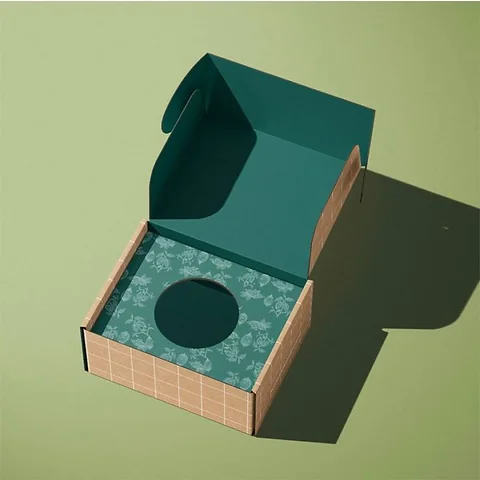
 Custom Mailer Boxes
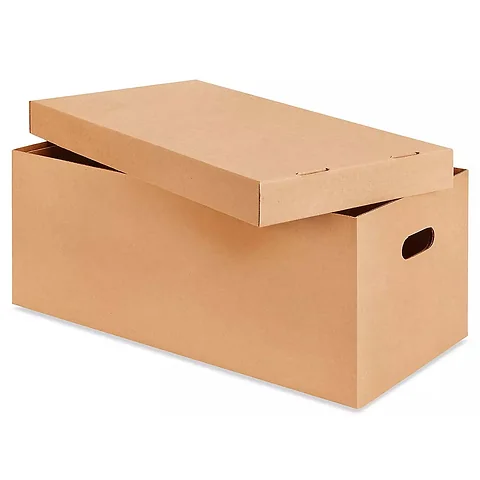 Custom Shipping Boxes
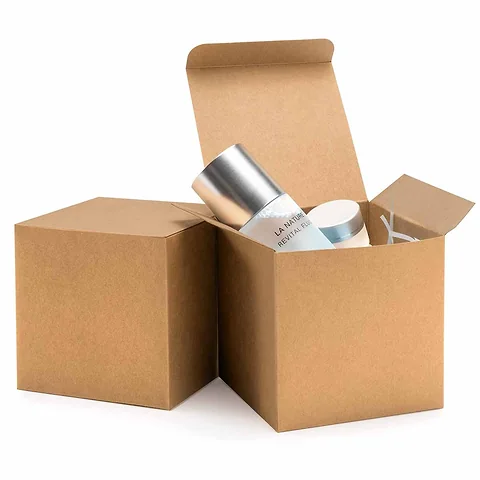 Custom Cardboard Boxes
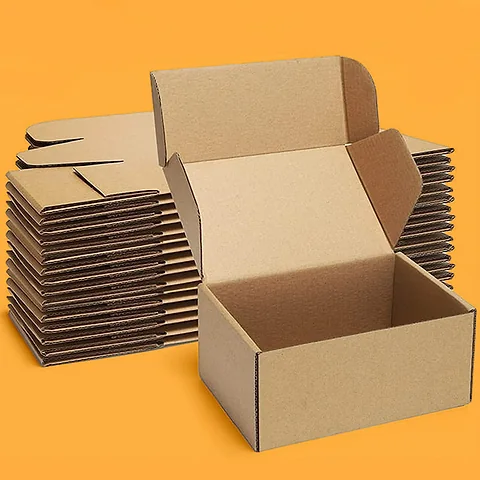 Custom Kraft Boxes
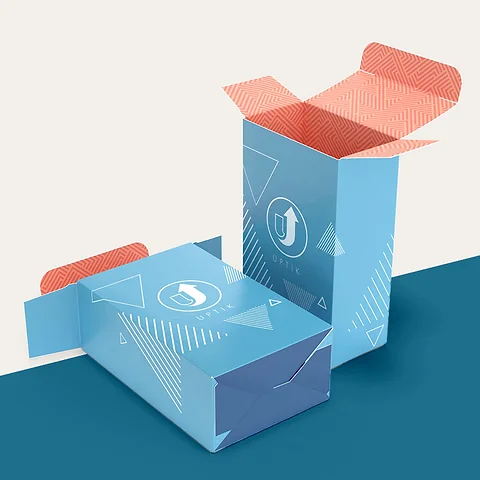 Custom Product Boxes
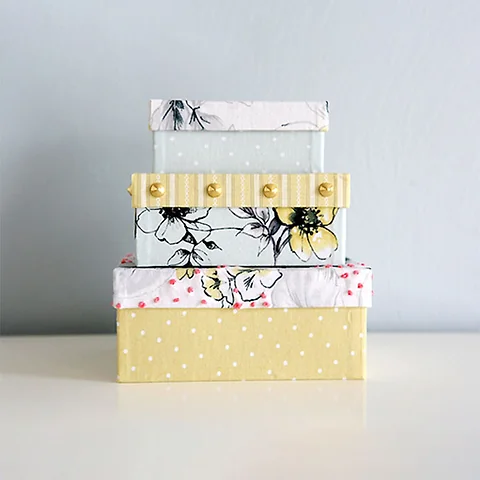 Custom Retail Boxes
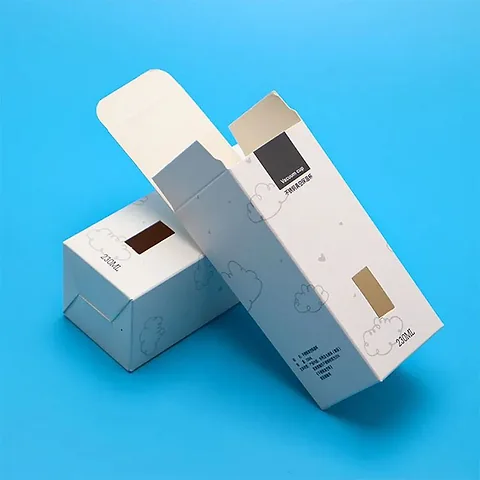 Custom Tuck End Boxes
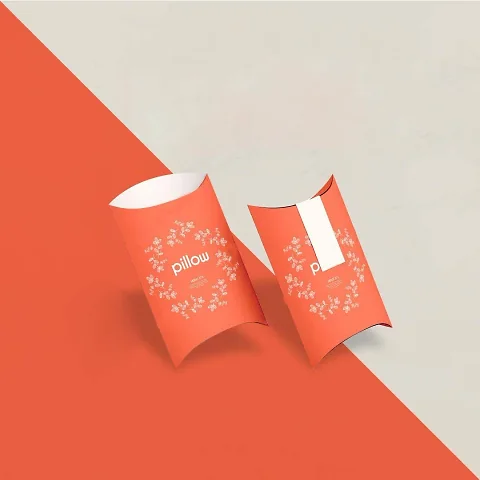 Custom Pillow Boxes
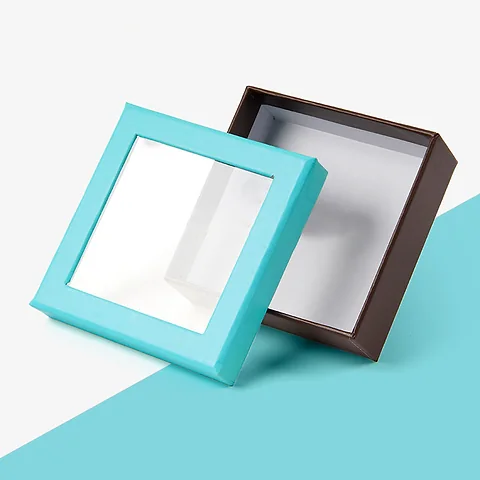 Custom Window Boxes
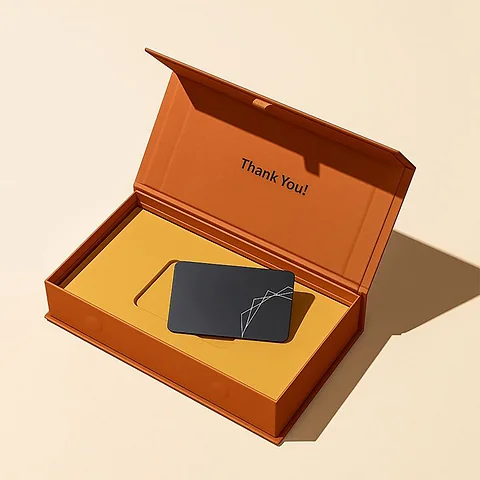 Custom Rigid Boxes
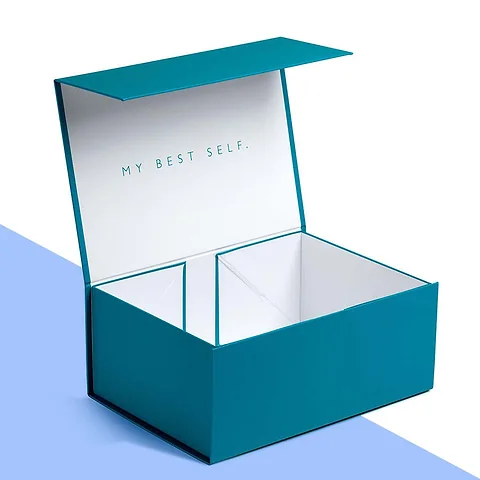 Custom Gift Boxes
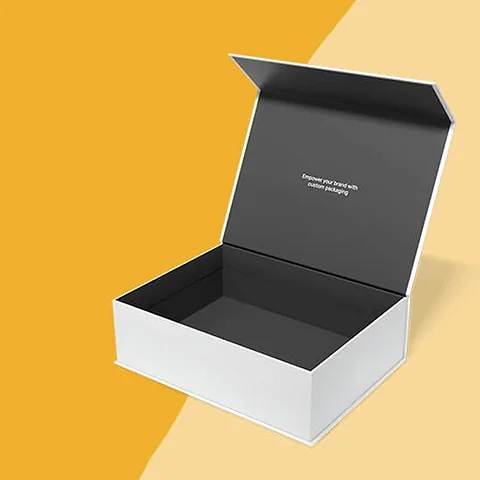 Custom Magnetic Boxes
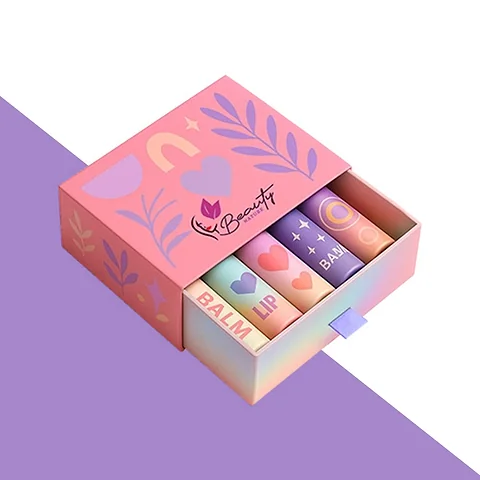 Custom Sleeve Boxes
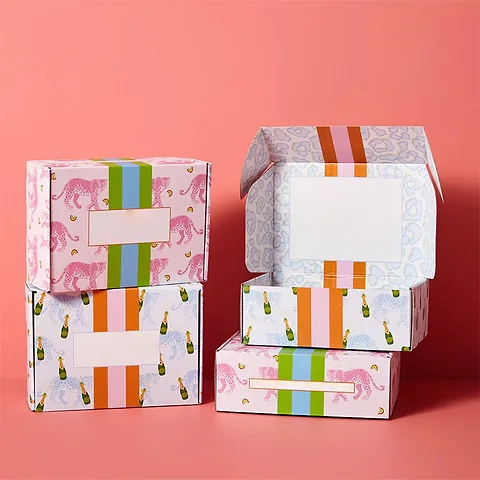 Custom Printed Boxes
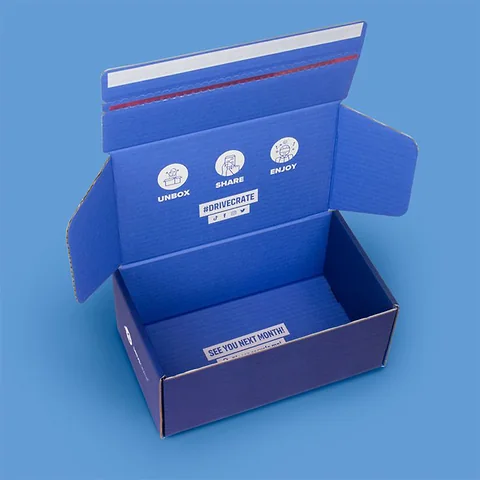 Custom Boxes with Logo
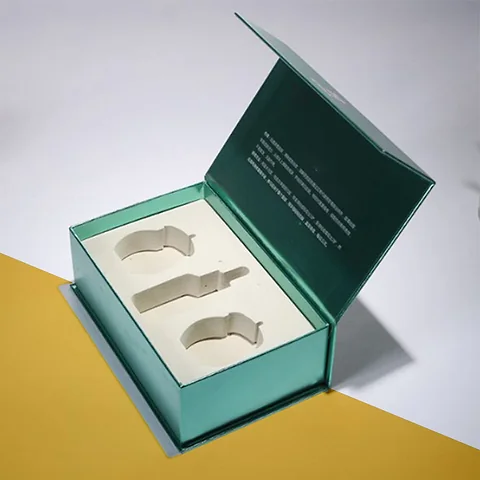 Custom Box Inserts
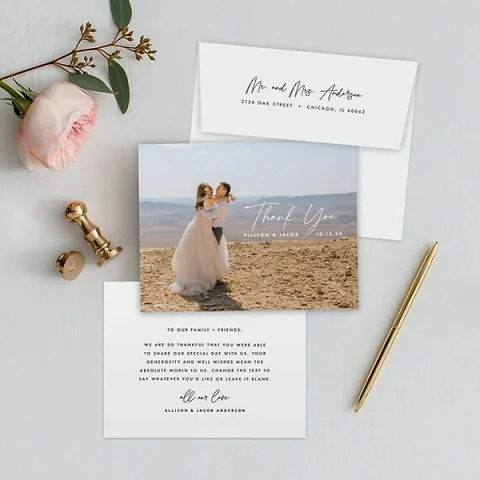
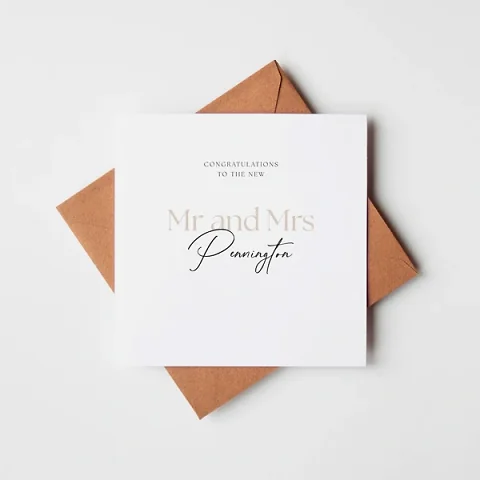
Custom Flat Greeting Cards
Custom flat greeting cards are single-panel cards on heavy board, printed on the front with your design and on the back with a message or space to write. They are quicker to read than a folded card, slip easily into a parcel or envelope, and give businesses a smart way to say thank you, announce an offer or add a personal touch to an order.
- Design proofFree, approved by you before printing
- PriceCustom quote by email within one working day
- Production4–7 working days after proof approval
- DeliveryFree and tracked, UK mainland, 2–3 working days
- Misprints or damageReported within 10 days, reprinted or refunded
Why Businesses Choose a Flat Card Over a Folded One
A folded greeting card has a front, an inside and a back, and it often feels like a formal occasion. A flat card is simpler and more direct. The front grabs attention with an image or headline, and the back carries the message. There is nothing to open, so the recipient takes in the whole card in a couple of seconds.
That makes flat cards a natural fit for business use. An online shop can slip one into every parcel with a thank-you note and a discount code. A café can hand one out with a loyalty offer. A consultancy can send a smart card to clients after a project. Because the card is one thick panel, it also stands up on a desk or shelf, which keeps your brand in view for longer than a flyer that is glanced at and binned.
Paper Weights That Feel Substantial
The weight of the board is what separates a greeting card from a flyer. A card that bends easily feels cheap, while a thick, stiff card feels like it was chosen with care. Most flat greeting cards are printed on board between 350 and 450 gsm. For a truly premium feel, two sheets can be laminated together into a duplexed card with a coloured core that shows along the edges.
Uncoated board has a soft, natural texture and is easy to write on with any pen, which matters if you add handwritten notes. Silk and gloss coated boards give brighter colours and sharper photographs but can smudge some inks. Textured stocks such as linen or felt-marked board suit wedding, hospitality and luxury brands.
- Uncoated board for handwritten messages
- Silk coated board for photography and bright colours
- Textured linen or felt-marked board for a crafted feel
- Duplexed board with a coloured edge for premium cards
- Kraft board for a natural, rustic look
Often ordered by
- Online shops and e-commerce brands
- Cafés and restaurants
- Estate agents
- Photographers and artists
- Wedding and event planners
- Charities and schools
Popular Flat Greeting Cards Sizes
Sizes are in mm. Every order is cut to your size, so any size between these rows is fine.
| Size | Often used for |
|---|---|
| A6 card A6 105 x 148 mm | Parcel inserts and thank-you notes |
| A5 card A5 148 x 210 mm | Invitations and client cards |
| Square small 120 x 120 mm | Gift tags and compact thank-you cards |
| Square large 150 x 150 mm | Eye-catching announcement cards |
| DL card 99 x 210 mm | Slim cards for vouchers and menus |
Not sure of the size? Send the product measurements and we work out the rest.
Styles
- Single-panel flat card
- Rounded corner card
- Square flat card
- Duplexed thick card
Materials
- Uncoated board
- Silk coated board
- Textured linen or felt-marked board
- Kraft board
- Duplexed board with coloured core
- Full colour both sides
- Pantone spot colours
- White ink on kraft or dark board
Finishes
- Gold, silver or copper foil
- Spot UV
- Embossing
- Debossing
- Matt or soft-touch lamination
- Painted edges
Extras
- Matching envelopes
- Rounded corners
- Personalised names
- Individual cello sleeves
Not sure which material or finish suits? Tell us how the card will be used and we suggest one in your custom quote.
Production and Delivery
Production takes 4–7 working days after you approve the free design proof. Delivery to the UK mainland is free and tracked, and arrives in 2–3 working days once the order leaves production. The tracking link comes to you by email.
Reprints and Refunds
Check the order when it arrives. If anything is misprinted or damaged, report it within 10 days with a photo and we reprint or refund the items affected. Read the full returns and reprints policy.
Need it by a date?
Tell us the date with your sizes and we plan the proof and production around it.
Flat Greeting Cards Specification
| Style | Single-panel flat card, Rounded corner card, Square flat card, Duplexed thick card |
|---|---|
| Material | Uncoated board, Silk coated board, Textured linen or felt-marked board, Kraft board, Duplexed board with coloured core |
| Full colour both sides, Pantone spot colours, White ink on kraft or dark board | |
| Finish | Gold, silver or copper foil, Spot UV, Embossing, Debossing, Matt or soft-touch lamination, Painted edges |
| Extras | Matching envelopes, Rounded corners, Personalised names, Individual cello sleeves |
| Size | Made to your size in mm |
| Minimum order | Low, quoted per job |
| Price | From £0.25 a card; custom quote by email within one working day |
| Proof | Free design proof before printing |
| Production | 4–7 working days after proof approval |
| Delivery | Free tracked UK mainland delivery, 2–3 working days |
Sizes and Envelopes
The most popular flat card sizes follow standard paper formats so they fit common envelopes. A6 is a good choice for parcel inserts and thank-you notes, small enough to tuck into most packaging. A5 gives more room for a message or a larger image and works well for invitations and client cards. Square cards get noticed precisely because they are less common, though they need a square envelope and may cost more to post.
If you are sending cards by post rather than inside a parcel, choose an envelope at the same time. A C6 envelope takes an A6 card, and a C5 takes A5. Coloured or kraft envelopes add another layer of personality and help the card get opened rather than mistaken for junk mail. A card meant to be mailed on its own without an envelope is covered under printed postcards for direct mail.
Designing Both Sides With Purpose
Treat the front as the headline. A single striking image, an illustration, your logo on a bold colour or a short phrase such as thank you or welcome is usually more effective than trying to say everything at once. If the card will stand on a desk, design the front so it looks good as a small piece of artwork.
The back is where the conversation happens. For parcel inserts, a short thank-you message, a discount code for the next order and your social handles work well together. For client cards, leave a clear area for a handwritten note and keep printed text minimal. Remember to leave margins of a few millimetres from the edge so nothing important is trimmed off.
A useful test is to print a draft on your home printer at actual size and hold it at arm length. If the front message is hard to read or the back feels crowded, simplify. Cards that carry one clear idea tend to be kept, while cards that try to cover a full product range read like advertising and get thrown away with the packaging. A simpler thank-you card for order parcels often does the job for online shops.
Finishes That Make a Card Memorable
Finishes add texture and sparkle without changing the size or format. Foil stamping in gold, silver, copper or a coloured foil is the most popular upgrade, well suited to a logo or a single word on the front. Spot UV adds a glossy raised area against a matt background, which catches the light as the card moves. Embossing and debossing press a design into the board so it can be felt as well as seen.
Rounded corners make a card feel friendlier and stop corners from getting bent in a parcel. Painted edges, where the edges of a thick card are coloured, create a striking line of colour that shows when the card is held. Keep in mind that a soft-touch laminate on the back can make writing harder, so if you plan to handwrite, leave the back uncoated. Foil, spot UV and painted edges are compared in the print and finish options guide.
Ways Businesses Use Flat Greeting Cards
E-commerce brands put them in parcels to thank customers and encourage repeat orders. Restaurants and cafés use them for gift vouchers and loyalty offers. Estate agents send them to new homeowners. Photographers and artists print their own work on the front and sell them as cards or include them with orders. Wedding planners, florists and event companies use them as thank-you cards after an occasion.
Charities send flat cards to donors to show appreciation, and schools use them to celebrate pupils or thank volunteers. Because a flat card is easy to handle and inexpensive to post, it suits both small personal runs and larger campaigns where every recipient gets the same message.
A small but effective idea for online shops is a set of rotating designs. Instead of one card in every parcel, print three or four fronts and pack them at random. Repeat customers get a different card each time, which keeps the gesture feeling fresh rather than routine. Our guide to how custom pricing works explains why four designs on one run cost little more than one.
Choose the Envelope Before the Card Size
Flat cards are posted or slipped into parcels, so the envelope decides the card. A C6 envelope takes an A6 card, a C5 takes A5, and a 150 mm square card needs a square envelope that costs more to post. Decide how the card travels, pick the envelope, and size the card 3 mm smaller each way so it slides in without catching. If you plan to handwrite on the back, say so, because a soft-touch laminate makes a pen skip.
Send the size, board and finish, the number of designs and if envelopes are needed, and a custom quote comes by email within one working day, with cards from £0.25 each and minimums set per job. The free proof shows the front and back side by side with trim and margin lines, which is the moment to check spelling. Production takes 4 to 7 working days after approval and delivery is free and tracked to UK mainland addresses in 2 to 3 working days; cards that arrive misprinted or marked are reprinted or refunded if reported within 10 days. Cards sold as a boxed set use the greeting card boxes for sets of cards.
Design Your Flat Greeting Card
Choose the flat greeting cards photo closest to what you have in mind, add your logo, drag it into place and set the size. Send it with your sizes and we reply with a custom quote and a free design proof.
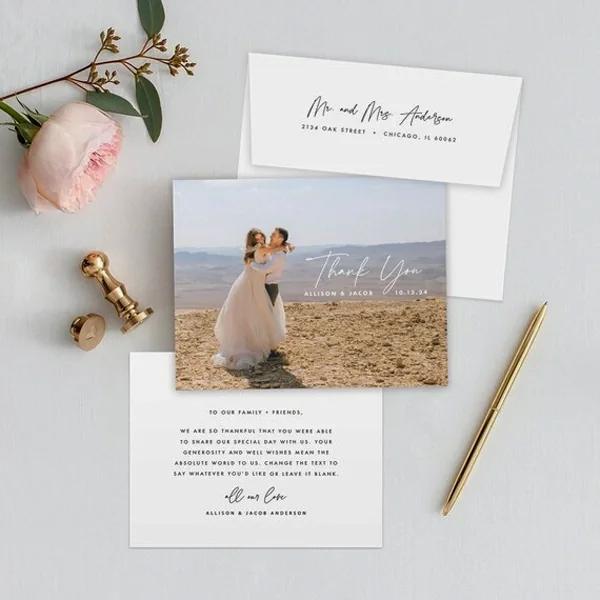
Drag the logo, or select it and use the arrow keys (Shift moves faster, + and − resize).
Related Products
Other packaging that is often ordered alongside flat greeting cards.
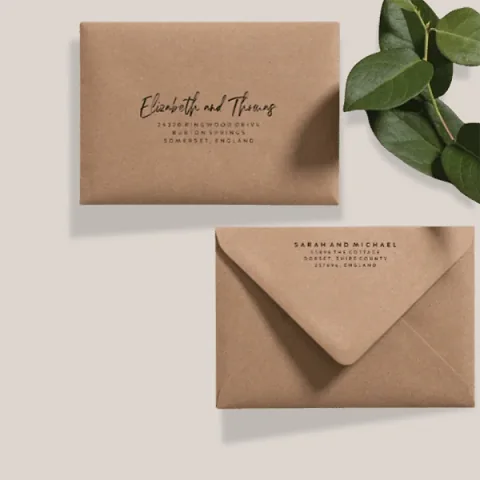
Folded Greeting Cards
Custom folded greeting cards are printed flat on heavy board, creased on a machine and folded so the spine sits straight and…
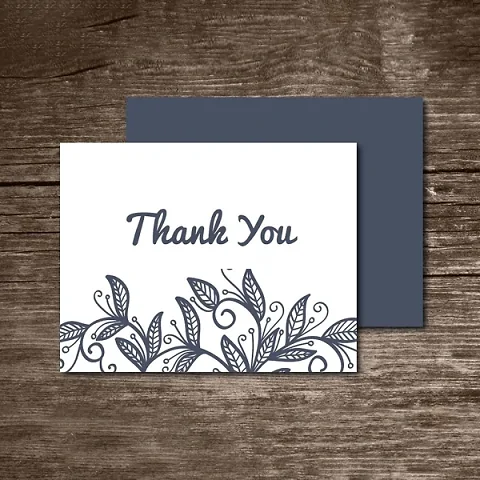
Thank You Cards
Custom thank you cards are one of the simplest ways to make someone feel appreciated, whether they have just bought from your…
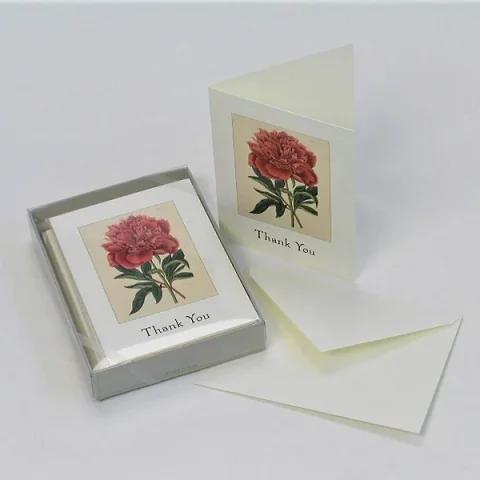
Greeting Card Boxes
Custom greeting card boxes turn a stack of cards and envelopes into a boxed set that sells on a shelf and makes a ready-made gift.
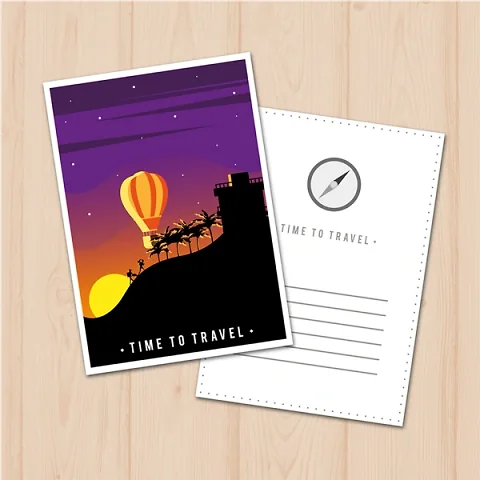
Postcards
Custom postcards are a small, sturdy piece of print that does a surprising amount of work: they land on doormats as direct…
Flat Greeting Cards Questions
What buyers ask before ordering flat greeting cards.
What is the difference between a flat and a folded greeting card?
A flat card is a single thick panel printed on both sides, with no fold. It is quicker to read, easier to slip into a parcel and stands up on a desk. A folded card opens like a book.
What thickness should a flat card be?
Between 350 and 450 gsm suits most flat cards and feels firm in the hand. For a heavier feel, a duplexed card made from two laminated sheets is thicker still and can carry a coloured core at the edge.
Can I write on the back of the card?
Yes, if you choose uncoated board or leave the back uncoated. Gloss and soft-touch coatings can make some pens smudge.
Which size works best as a parcel insert?
A6 is the most popular choice. It fits easily into most mailers and boxes and still gives enough room for a message and a discount code.
Do you supply envelopes as well?
Yes, we can supply matching envelopes, including coloured and kraft options. A C6 envelope fits an A6 card, and C5 fits A5.
Can I add gold foil to my card?
Yes, foil stamping in gold, silver, copper or colours is a popular upgrade. It suits logos, single words and simple line designs.
Can each card be personalised with a name?
We can print individual names or messages on each card from a list you supply. It is useful for client thank-yous and event cards.
What are painted edges?
The edges of a thick card are coloured so a bright line shows when the card is held. It works best on duplexed or very heavy board.
Can an online shop order four thank-you card fronts in one run?
Yes. Designs on the same board and size print together, so four fronts cost little more than one at the same total quantity, and each gets its own free proof. Packing them at random means repeat customers see a different card each time.
How much do flat greeting cards cost?
Cards start from £0.25 each, depending on size, board and finishes. We send a custom quote by email within one working day.
What happens if the cards arrive with errors?
Let us know within 10 days and we will reprint or refund any misprinted or damaged cards. You also approve a free proof first to catch mistakes early.
Get a Price for Your Flat Greeting Cards
Fill in as much as you know. Sizes are in mm (internal sizes for boxes). If you have artwork, attach it; if not, a logo is enough to start the proof.
We reply with a custom quote by email within one working day, then send a free design proof before anything is printed.
- Phone+44 7578 382054
- WhatsAppMessage us
- Emailinfo@shopcustomboxes.co.uk
- HoursMonday to Friday, 9 am to 5.30 pm UK time
- OfficeOffice 704, 85 Dunstall Hill, Wolverhampton, WV6 0SR