 Custom Mailer Boxes
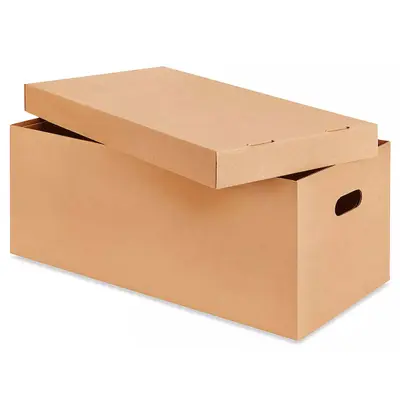 Custom Shipping Boxes
 Custom Cardboard Boxes
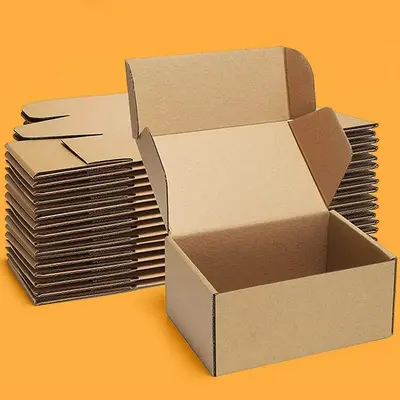 Custom Kraft Boxes
 Custom Product Boxes
 Custom Retail Boxes
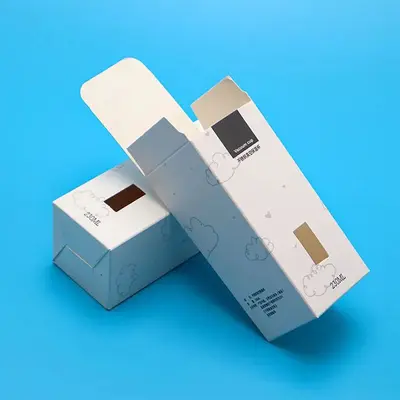 Custom Tuck End Boxes
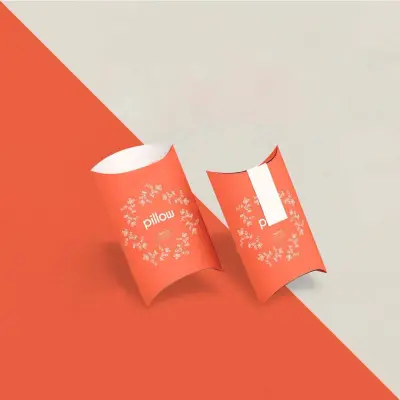 Custom Pillow Boxes
 Custom Window Boxes
 Custom Rigid Boxes
 Custom Gift Boxes
 Custom Magnetic Boxes
 Custom Sleeve Boxes
 Custom Printed Boxes
 Custom Boxes with Logo
 Custom Box Inserts


Custom Shipping Tubes
Custom shipping tubes protect rolled artwork, maps, architectural drawings and posters on their way through the post. With thick spiral-wound walls and end caps that stay put, they keep paper from creasing, and a printed outer wrap tells the recipient exactly who sent it.
- Design proofFree, approved by you before printing
- PriceCustom quote by email within one working day
- Production4–7 working days after proof approval
- DeliveryFree and tracked, UK mainland, 2–3 working days
- Misprints or damageReported within 10 days, reprinted or refunded
Rolled, Not Folded
Anything printed on paper or canvas that should arrive flat and crease-free is safer rolled than folded. A fold leaves a permanent line across a fine art print or a technical drawing, and corners on flat packages get bent when parcels are stacked. A tube spreads impact around its curved surface and resists crushing far better than a flat envelope of the same size.
Tubes are also efficient. They take up little space on a packing bench, roll artwork quickly and suit items of very different widths within the same diameter. A print shop can send a small poster and a large map in tubes of the same diameter, simply choosing different lengths.
For high-value pieces such as original artwork or limited edition prints, a well-made tube is the difference between a happy collector and a return request. Many customers order these alongside our long postal tubes, printed in the same colours.
Wall Thickness and Diameter
Shipping tubes are made by winding layers of board in a spiral around a core. More layers mean thicker walls and more crush resistance, the same construction as our kraft paper tubes for retail. A light-wall tube is fine for a single poster sent across town, while a heavy-wall tube suits long distance courier journeys, framed canvas rolls and items that will be stacked under heavier parcels.
Diameter decides how tightly the item is rolled. Thin paper rolls easily into a narrow tube, but thick card, canvas or heavyweight art paper should be rolled more loosely to avoid cracking the surface. As a rule of thumb, choose the widest diameter that still keeps postage sensible for your item.
Length should exceed the width of the rolled item by a few centimetres at each end, so the edges are not pressed against the caps where a knock would crush them.
If you are unsure, send us the item and the typical journey, such as a gallery posting prints to collectors or an office sending plans to a building site. We will suggest a wall weight that protects without adding unnecessary postage.
- Light wall for posters and prints sent within the UK
- Medium wall for everyday courier shipping
- Heavy wall for canvas, artwork and stacked parcels
- Wider diameters for thick papers that must not crack
Often ordered by
- Artists and illustrators
- Poster and print shops
- Architects and engineers
- Map publishers
- Universities posting graduation scrolls
- Event and banner printers
- Fabric and wallpaper sample suppliers
Popular Shipping Tubes Sizes
Sizes are in mm. Every order is cut to your size, so any size between these rows is fine.
| Size | Often used for |
|---|---|
| A3 print tube 50 x 330 mm | A3 posters and art prints |
| A2 print tube 60 x 450 mm | A2 posters and maps |
| A1 drawing tube 76 x 640 mm | A1 plans and architectural drawings |
| A0 drawing tube 76 x 890 mm | A0 drawings and large maps |
| Canvas tube 100 x 1050 mm | Rolled canvas and heavy art paper |
Not sure of the size? Send the product measurements and we work out the rest.
Styles
- Spiral-wound tube with push-in caps
- Tube with card and metal rim caps
- Crimped end tube
- Telescopic tube for adjustable length
Materials
- Kraft spiral-wound board
- White wrapped board
- Heavy wall board for artwork
- Full colour wrap
- One or two colour logo
- Repeated logo around circumference
- Handling messages
Finishes
- Matt
- Gloss
- Natural kraft
- Soft-touch wrap
Extras
- Plastic push-in end caps
- Card end caps
- Branded cap tape
- Tamper-evident seals
- Tissue interleaving
See the board and finish guide for what each option looks like.
Production and Delivery
Production takes 4–7 working days after you approve the free design proof. Delivery to the UK mainland is free and tracked, and arrives in 2–3 working days once the order leaves production. The tracking link comes to you by email.
Reprints and Refunds
Check the order when it arrives. If anything is misprinted or damaged, report it within 10 days with a photo and we reprint or refund the items affected. Read the full returns and reprints policy.
Need it by a date?
Tell us the date with your sizes and we plan the proof and production around it.
Shipping Tubes Specification
| Style | Spiral-wound tube with push-in caps, Tube with card and metal rim caps, Crimped end tube, Telescopic tube for adjustable length |
|---|---|
| Material | Kraft spiral-wound board, White wrapped board, Heavy wall board for artwork |
| Full colour wrap, One or two colour logo, Repeated logo around circumference, Handling messages | |
| Finish | Matt, Gloss, Natural kraft, Soft-touch wrap |
| Extras | Plastic push-in end caps, Card end caps, Branded cap tape, Tamper-evident seals, Tissue interleaving |
| Size | Made to your size in mm |
| Minimum order | Low, quoted per job |
| Price | From £0.25 a tube; custom quote by email within one working day |
| Proof | Free design proof before printing |
| Production | 4–7 working days after proof approval |
| Delivery | Free tracked UK mainland delivery, 2–3 working days |
End Caps and Closures
Plastic push-in caps are the most common closure. They fit tightly, resist being knocked out and can be reused by the customer; the paper tubes with end caps page shows the cap styles. Card end caps with a metal rim give a fully paper finish that many artists and stationers prefer for appearance. Crimped ends, folded closed at one end during manufacture, save a cap and speed up packing.
For extra security, a strip of branded tape over each cap stops them working loose and shows if a tube has been opened. Some sellers use a tamper-evident seal sticker for valuable prints.
If recipients will reuse the tube for storage, choose push-in caps that come out with a firm pull and need nothing more than fingers.
Printing on a Curved Surface
Shipping tubes are printed on a paper wrap that covers the outside. Because the surface is curved, artwork is set up as a flat rectangle that wraps around the tube with a small overlap, and the Design Your Box page takes the file. Logos repeated two or three times around the circumference stay visible however the tube lies on a sorting belt.
A simple layout often works best: your logo, a website and perhaps a handling message such as do not bend or fragile artwork. Kraft wraps with black or white print look smart and understated. Full colour wraps suit poster companies and galleries that want the tube itself to make an impression.
Leave a clear area for the shipping label. A curved label can lift at the edges, so keep the label zone smooth and free of heavy varnish.
Tubes that sit on a client desk or in a studio corner for weeks keep advertising long after delivery. A tidy logo on a natural kraft wrap tends to be kept.
Packing Tips for Artwork and Drawings
Roll prints with the image facing outwards when you can. When the recipient unrolls it, the curl relaxes away from the surface rather than towards it, which helps it lie flat; for prints that must not be rolled at all, see the flat art print shipping boxes. Interleave a sheet of tissue or glassine against the printed face to prevent rubbing.
Wrap the roll in a protective sheet before sliding it into the tube, and fill any spare length with crumpled paper so the roll cannot slide and hit the caps. Include a short note on how to unroll and flatten the print, which customers appreciate.
For canvas, roll with the painted side facing outwards and use the largest diameter tube available to keep the paint surface from cracking.
Weigh a packed tube before you buy postage in bulk. Heavy wall tubes with plastic caps can tip a parcel into the next weight band, and knowing the real weight helps you price shipping accurately on your website.
Who Uses Printed Postal Tubes
Artists and illustrators send prints and original work to collectors. Poster and print shops ship framed-ready prints, and architects post plans in the wider cylinder postal tubes. Architects, surveyors and engineering firms post drawings and plans to clients and sites. Map publishers, universities sending graduation scrolls and event organisers posting banners all rely on sturdy tubes.
Calendar printers, wallpaper sample companies and fabric suppliers sending swatch rolls also use shipping tubes, as do businesses mailing large posters for promotional campaigns.
Offices with a regular flow of plans often keep a stock of branded tubes by the post room door, so drawings leave the building looking as professional as the work printed on them.
Roll the Print Loosely and Measure the Roll, Not the Sheet
A tube is sized from the rolled item, so roll a print the way you will pack it, loosely enough that the paper does not crack, and measure the diameter of the roll and its length. Thick art papers and canvas want a wider roll than a poster, which is why a 76 mm tube suits drawings and a 100 mm tube suits canvas. Add 20 to 30 mm to the length for the end caps and a little tissue. Then choose the wall: a light wall for posters going a short distance, a heavy wall for canvas, originals or anything travelling by courier.
Tell us the rolled size, the wall strength, the closure type and your artwork, and a custom quote comes by email within one working day, minimums low and quoted per job. A free design proof shows how the wrap sits around the tube. Production takes 4 to 7 working days after approval and free tracked delivery reaches UK mainland addresses in 2 to 3 working days. Tubes are bulky to store, so order what you can house. Studios that also sell small rolled prints use the small paper tubes for those.
Design Your Shipping Tube
Choose the shipping tubes photo closest to what you have in mind, add your logo, drag it into place and set the size. Send it with your sizes and we reply with a custom quote and a free design proof.


Drag the logo, or select it and use the arrow keys (Shift moves faster, + and − resize).
Related Products
Other packaging that is often ordered alongside shipping tubes.

Long Postal Tubes
Custom long postal tubes carry rolled posters, architectural drawings and fine art prints through the post without a single…

Cylinder Postal Tubes
Custom cylinder postal tubes keep posters, prints and plans rolled and safe in the post, so they arrive without creases or…

Paper Tubes with End Caps
Custom paper tubes with end caps are rigid spiral-wound tubes closed at each end with a push-in plastic cap or a fitted card…

Kraft Paper Tubes
Custom kraft paper tubes give loose tea, lip balm, candles and bath salts a solid, natural-looking canister that feels good in…
Shipping Tubes Questions
What buyers ask before ordering shipping tubes.
Which diameter should I choose for fine art paper?
Go wider rather than narrower. Thick art papers and canvas can crack if rolled too tightly, so a larger diameter keeps the surface safe.
Do I need heavy wall tubes?
For courier journeys, canvas and valuable artwork, yes. For posters sent short distances, a lighter wall is usually enough.
Should prints be rolled image in or image out?
Image out is generally better, because the print relaxes away from its surface when unrolled. Use tissue against the printed face to prevent rubbing.
Can recipients reuse the tube?
Yes. Push-in caps come out with a firm pull and refit easily, so many customers keep tubes for storing prints.
How do I stop end caps falling out?
A strip of tape over each cap, or a tamper-evident seal, keeps them in place and shows if the tube has been opened. Push-in caps fit tightly on their own, but a seal is cheap insurance on a courier journey.
Can a 76 mm tube be printed all the way round?
Yes. The wrap is printed flat and applied around the tube with a small overlap, so a 76 mm tube carries a continuous design around its full circumference. Repeating your logo around it keeps the brand visible however the tube lies.
Will a shipping label stick to a curved tube?
It will if the label area is smooth and not heavily varnished. We keep a clear label zone on the wrap for this reason.
Can I order tubes for A0 drawings?
Yes. Architects and engineers often order A0 and A1 lengths with medium or heavy walls for posting plans to sites and clients.
How soon can tubes arrive for a print launch?
Tubes go into production once the free proof is approved and take 4 to 7 working days to make. Free tracked UK mainland delivery follows in 2 to 3 working days, so plan a launch around that window.
What if a tube arrives dented?
Report damaged or misprinted tubes within 10 days with a photo and we reprint or refund them. A dented tube can press on a rolled print, so set it aside rather than using it.
Is a telescopic tube useful?
If you ship items of varying lengths, a telescopic tube adjusts to fit, so one stock item covers several sizes. It costs a little more than a fixed tube but saves holding three lengths in stock.
Get a Price for Your Shipping Tubes
Fill in as much as you know. Sizes are in mm (internal sizes for boxes). If you have artwork, attach it; if not, a logo is enough to start the proof.
We reply with a custom quote by email within one working day, then send a free design proof before anything is printed.
- Phone+44 7578 382054
- WhatsAppMessage us
- Emailinfo@shopcustomboxes.co.uk
- HoursMonday to Friday, 9 am to 5.30 pm UK time
- OfficeOffice 704, 85 Dunstall Hill, Wolverhampton, WV6 0SR