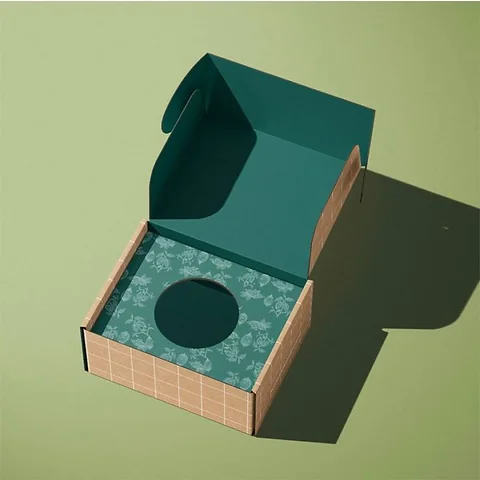
 Custom Mailer Boxes
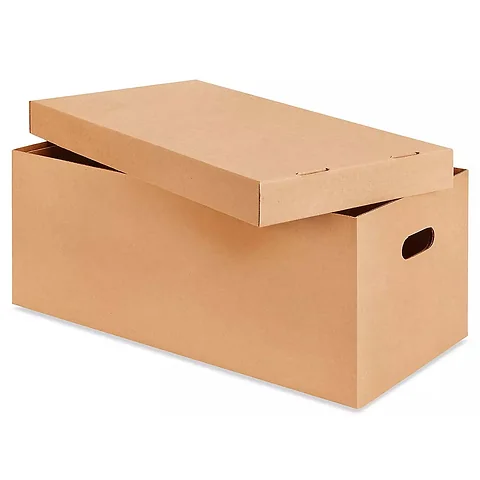 Custom Shipping Boxes
 Custom Cardboard Boxes
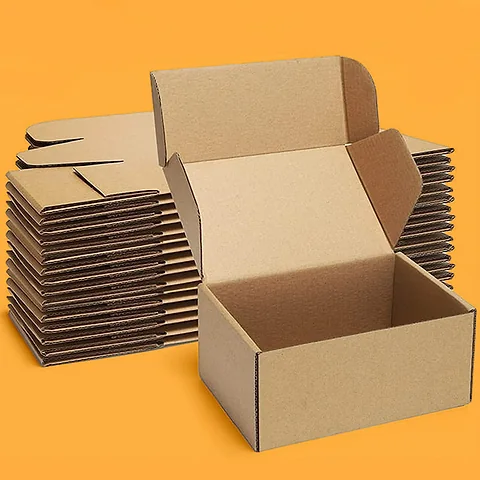 Custom Kraft Boxes
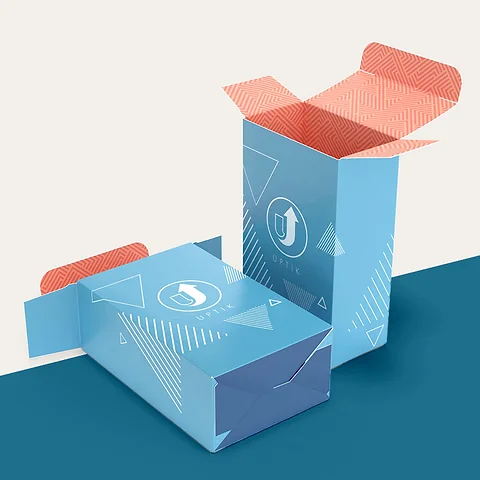 Custom Product Boxes
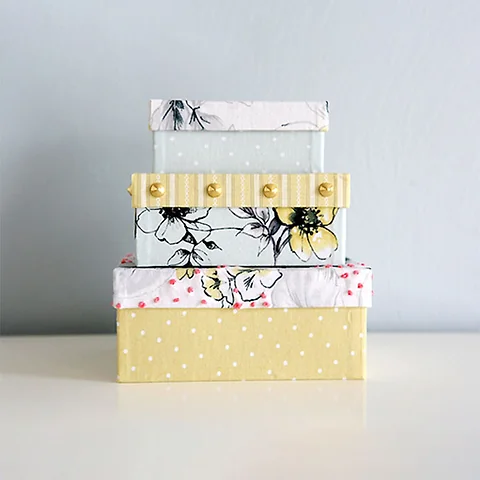 Custom Retail Boxes
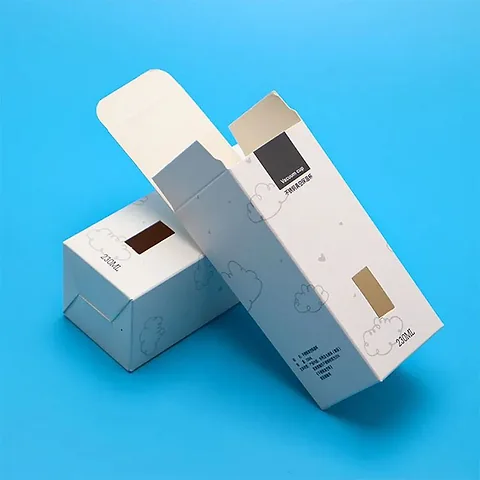 Custom Tuck End Boxes
 Custom Pillow Boxes
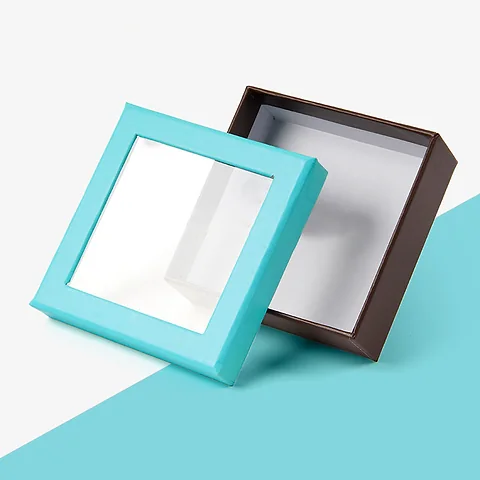 Custom Window Boxes
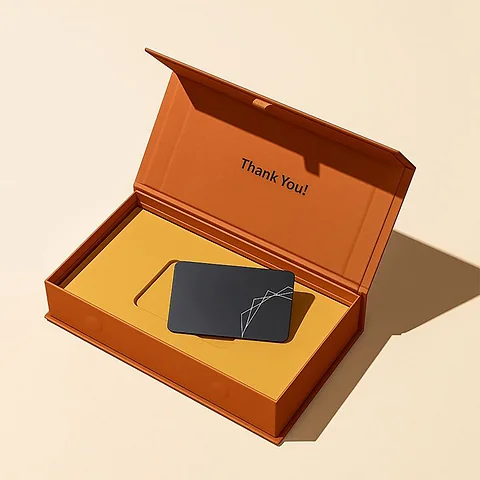 Custom Rigid Boxes
 Custom Gift Boxes
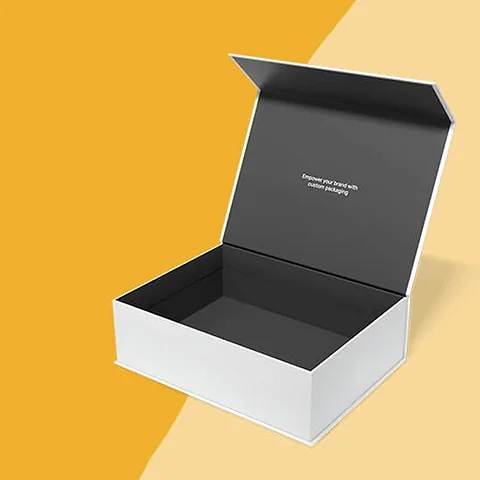 Custom Magnetic Boxes
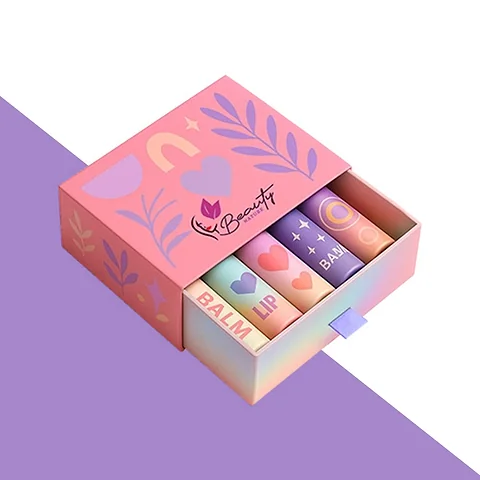 Custom Sleeve Boxes
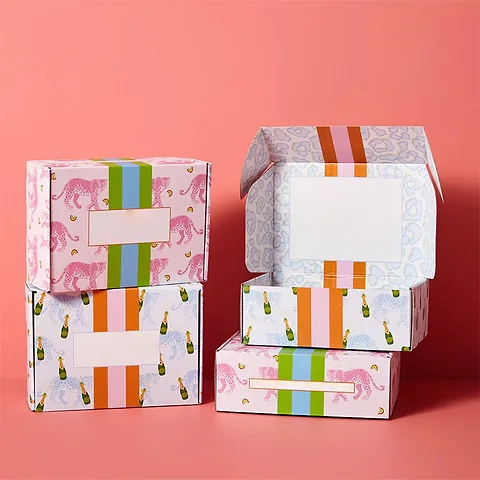 Custom Printed Boxes
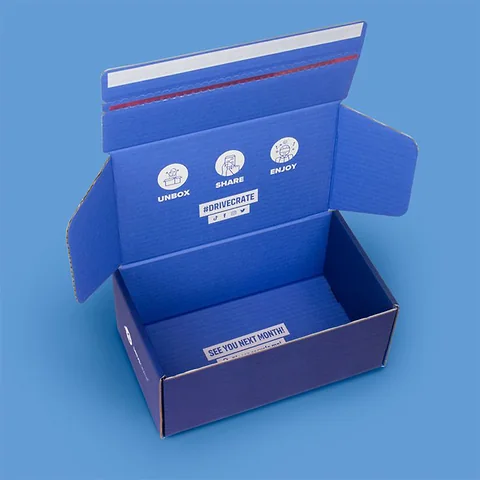 Custom Boxes with Logo
 Custom Box Inserts
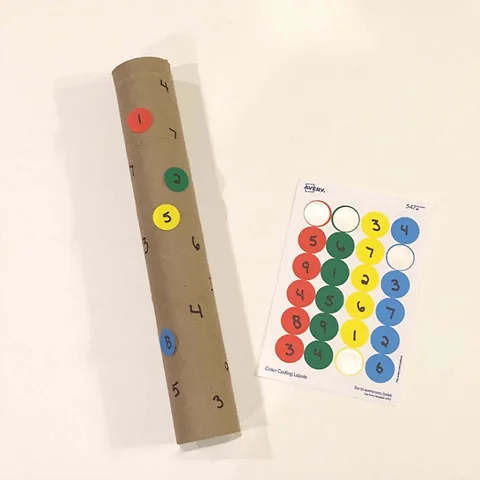
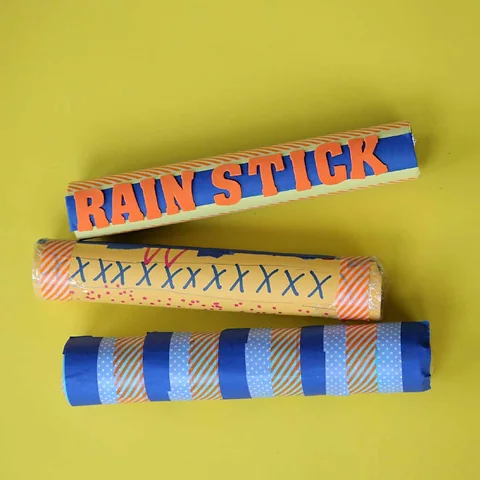
Custom Paper Core Tubes
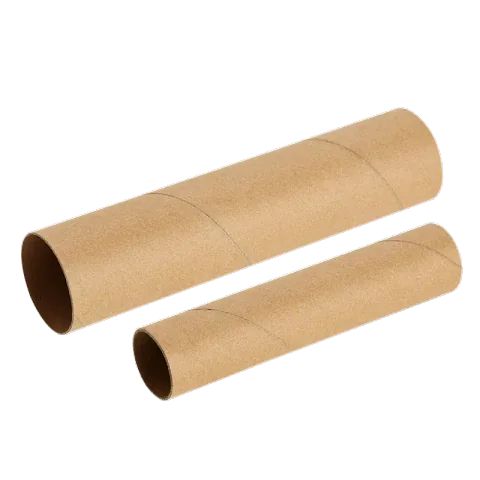
Custom paper core tubes are spiral-wound cardboard cylinders that rolled materials are wound onto, from kitchen towel and gift wrap to fabric, film and label stock. We make them to the inner diameter, wall thickness and length your winding equipment and customers need.
- Design proofFree, approved by you before printing
- PriceCustom quote by email within one working day
- Production4–7 working days after proof approval
- DeliveryFree and tracked, UK mainland, 2–3 working days
- Misprints or damageReported within 10 days, reprinted or refunded
What a Core Has to Do
A core looks simple, but it does several jobs at once. It gives the roll a stable centre during winding, it carries the weight of the material without crushing, and it lets the end user mount the roll on a spindle, a shaft or a dispenser. If the core is too weak it collapses under tension and the roll telescopes; if the inner diameter is wrong, it will not fit the customer's machine.
Paper cores are made by winding several plies of paperboard around a mandrel with adhesive between each ply. The number and weight of plies sets the wall thickness, and that in turn sets the strength. Because they are wound continuously, cores can be cut to almost any length, from short label cores to long lengths for fabric bolts.
For many converters, cores are a quiet but critical consumable. Running out stops the line, and an inconsistent batch causes jams, so a dependable supply of the right specification matters more than anything fancy.
Cores are also a hidden cost in every roll. Using a wall heavier than necessary adds weight to every pallet and every parcel, so the aim is the lightest core that does the job reliably, not simply the strongest available. If you need a second format, our kraft paper tubes can carry the same design.
Specifying Paper Core Tubes Wholesale
Every core order comes down to three numbers: inner diameter, wall thickness and length. Inner diameter must match the spindle or shaft. Common sizes include 25 mm and 40 mm for labels and tapes, 76 mm, often called a 3 inch core, for film, foil and larger label rolls, and 152 mm for heavier industrial rolls.
Wall thickness is chosen for load. Light materials such as kitchen roll and gift wrap need only a thin wall of around 1–1.5 mm. Labels and tapes typically sit on 2–3 mm walls. Heavy film, textiles and paper reels may need walls of 5 mm or more to resist crushing on the shaft and during stacking.
Length usually matches the roll width plus a little, or exactly to the roll width if the roll will be slit later. Tell us if you need a tight length tolerance for automatic machinery. Our method for measuring a shaft before ordering covers chucks and expanding mandrels.
- Inner diameter to match your spindle, shaft or dispenser
- Wall thickness to match roll weight and winding tension
- Length to match roll width or slitting plans
- Tolerance requirements for automated lines
Often ordered by
- Label printers and converters
- Film and tape manufacturers
- Textile mills and fabric suppliers
- Gift wrap and ribbon brands
- Kitchen roll producers
- Paper merchants
Popular Paper Core Tubes Sizes
Sizes are in mm. Every order is cut to your size, so any size between these rows is fine.
| Size | Often used for |
|---|---|
| Small label core 25 mm ID x 2 mm wall x 100 mm | Small label and tape rolls |
| Label core 40 mm ID x 3 mm wall x 100 mm | Desktop printer labels |
| 3 inch core 76 mm ID x 3 mm wall x 500 mm | Film, foil and large label rolls |
| Kitchen roll core 40 mm ID x 1 mm wall x 230 mm | Kitchen towel and paper rolls |
| Fabric core 50 mm ID x 3 mm wall x 1600 mm | Textile bolts and upholstery fabric |
| Heavy reel core 152 mm ID x 10 mm wall x 1000 mm | Paper reels and heavy industrial film |
Not sure of the size? Send the product measurements and we work out the rest.
Styles
- Spiral-wound cores
- Cut-to-length cores
- Notched cores for drive shafts
- Printed outer ply cores
Materials
- Brown kraft paperboard
- White-lined paperboard
- High-density board for heavy rolls
- One or two-colour outer print
- Full colour outer wrap
- Inside code printing
Finishes
- Plain natural
- Coloured outer ply
- Smooth white outer ply
Extras
- Tight length tolerances
- Bevelled ends
- Bundled or boxed packing
See the board and finish guide for what each option looks like.
Production and Delivery
Production takes 4–7 working days after you approve the free design proof. Delivery to the UK mainland is free and tracked, and arrives in 2–3 working days once the order leaves production. The tracking link comes to you by email.
Reprints and Refunds
Check the order when it arrives. If anything is misprinted or damaged, report it within 10 days with a photo and we reprint or refund the items affected. Read the full returns and reprints policy.
Need it by a date?
Tell us the date with your sizes and we plan the proof and production around it.
Paper Core Tubes Specification
| Style | Spiral-wound cores, Cut-to-length cores, Notched cores for drive shafts, Printed outer ply cores |
|---|---|
| Material | Brown kraft paperboard, White-lined paperboard, High-density board for heavy rolls |
| One or two-colour outer print, Full colour outer wrap, Inside code printing | |
| Finish | Plain natural, Coloured outer ply, Smooth white outer ply |
| Extras | Tight length tolerances, Bevelled ends, Bundled or boxed packing |
| Size | Made to your size in mm |
| Minimum order | Low, quoted per job |
| Price | From £0.25 a tube; custom quote by email within one working day |
| Proof | Free design proof before printing |
| Production | 4–7 working days after proof approval |
| Delivery | Free tracked UK mainland delivery, 2–3 working days |
Printed and Branded Cores
Most cores are plain brown, but printing a logo or product code on the inside or outside is surprisingly useful. Branded cores remind the end user whose material they have just finished, which helps reordering. Coloured or printed cores also help warehouse staff tell grades apart at a glance, such as different label adhesives or film gauges that look identical once wound.
For consumer products, a printed core becomes a small branding moment. Gift wrap brands and premium kitchen roll makers print a pattern or message on the core so the customer sees it when the roll runs out. We print the outer ply before winding, so the design wraps continuously around the tube. How one colour sits on the kraft outer ply is shown in our print options on kraft compared guide.
Where Cores Are Used
Label printers and converters order cores in large numbers in small diameters. Packaging film suppliers, tape manufacturers and foil converters use 76 mm cores. Textile mills and upholstery suppliers wind fabric onto long cores, and paper merchants use heavy cores for reels.
Craft and hobby brands use smaller printed cores for ribbon, washi tape and yarn, where the core is visible on the shop shelf. Kitchen roll and toilet roll producers use thin cores at very high volume, and gift wrap makers use printed cores as part of the product presentation.
Florists and gift shops use short printed cores for ribbon rolls on a counter dispenser, and craft retailers sell washi tape and twine on small branded cores that sit in a display tray. In these cases the core is part of the product, so a clean print and neat ends matter as much as strength. Retail rolls that stay on the core are packed as gift wrap tubes wound on cores.
Getting Strength Right
If cores are crushing or going oval, the wall is too thin for the load or the tension, or the cores are being stacked too high in storage. The fix is usually a thicker wall or a denser board grade rather than a bigger diameter. Damp storage also weakens paper cores, so keep them dry and off the floor.
If you are moving from plastic cores to paper, send us the current core dimensions and the roll weight and we will suggest a wall thickness that behaves similarly on your line. A short trial run before a large order is sensible, and we can quote small batches for testing. Ply counts and board grades are explained in our board grades and ply explained guide.
Tolerances and Machine Fit
Automatic winding and unwinding machines are fussy. A core with an inner diameter even half a millimetre too small will not slide onto an expanding shaft, while one that is too loose can slip under torque. For automated lines, tell us the shaft type and the tolerance you need on inner diameter and length, and we will set production to match.
Ends should be cut square and clean. Ragged ends can catch on chucks and leave fibres in clean-room or printing environments. Bevelled ends help cores slide onto shafts more easily and reduce damage to the first few plies when loading. If your line uses drive notches, send a drawing or a sample core with the notch size and position.
Roundness also matters. Cores stored on their side in damp warehouses can flatten slightly over time. Storing cartons upright in a dry area keeps them true until use, especially for thin-walled cores. Cores that double as packaging for a product are on our one piece paper tubes for packaging page.
Measure the Shaft, Then Decide the Wall
Core orders start at the machine. Measure the diameter of the shaft or chuck the core sits on with calipers, because a core that is a millimetre loose slips and one that is a millimetre tight has to be forced on and splits. Then decide the wall thickness from the weight of the wound roll and the tension of the winding; a light roll of tissue sits on a 3 mm wall, a heavy roll of film needs 10 mm or more. Tell us the length, cut to the roll width or long if the roll is slit later, and the tolerance your line needs. For printed cores, the outer ply carries a logo or a grade code, so send a vector file and the free proof shows the outer ply flat. A custom quote comes by email within one working day, minimums are quoted per job so a trial batch is fine, and cores are made in 4–7 working days after approval and delivered free and tracked to UK mainland addresses in cartons or bundles. Rolls that go in the post afterwards travel in our long postal tubes for posting rolls.
Design Your Paper Core Tube
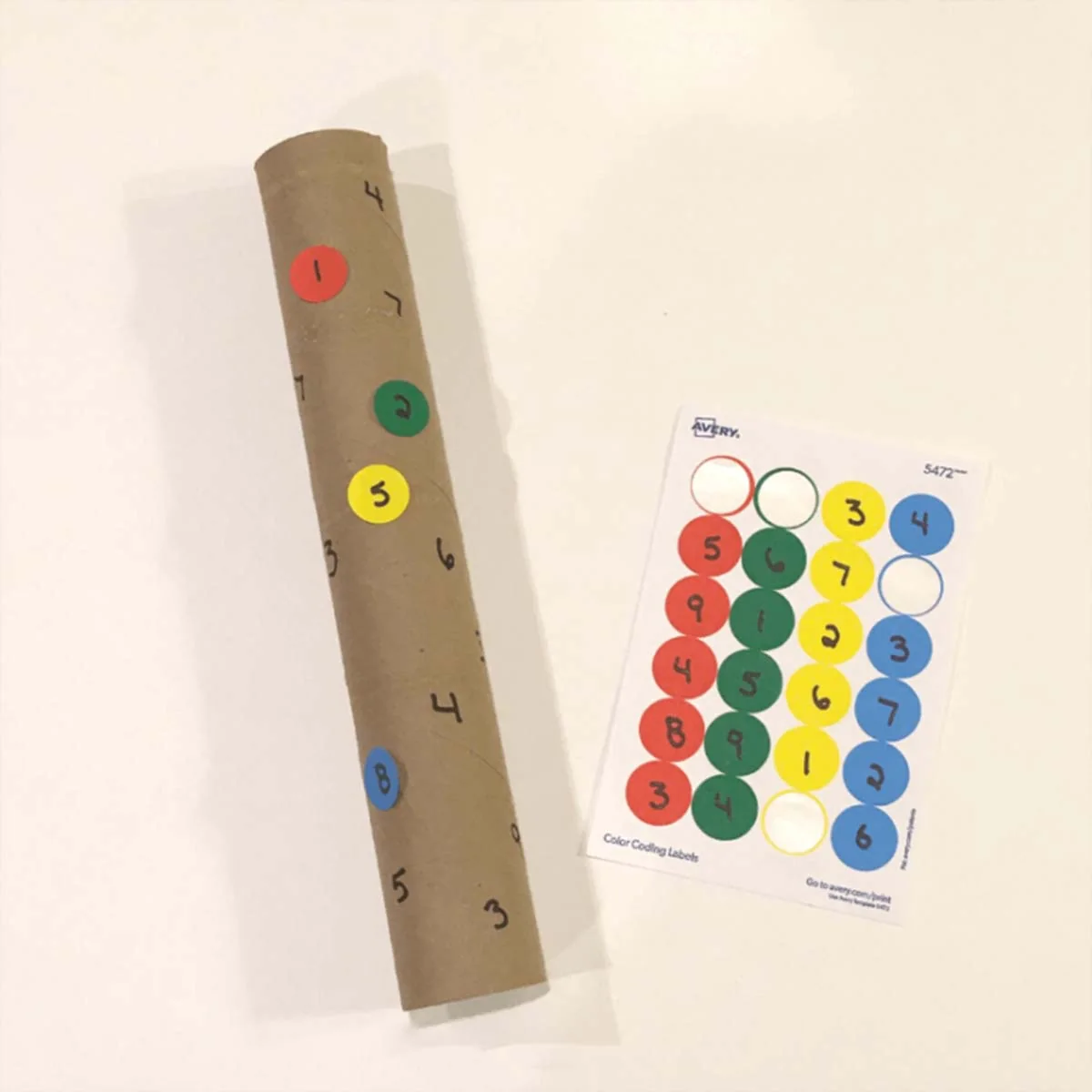
Choose the paper core tubes photo closest to what you have in mind, add your logo, drag it into place and set the size. Send it with your sizes and we reply with a custom quote and a free design proof.

Drag the logo, or select it and use the arrow keys (Shift moves faster, + and − resize).
Related Products
Other packaging that is often ordered alongside paper core tubes.
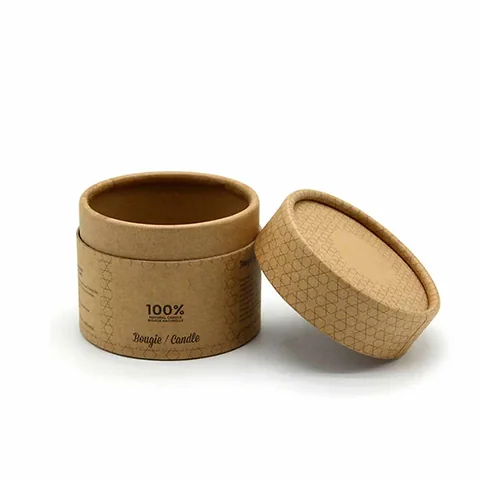
Kraft Paper Tubes
Custom kraft paper tubes give loose tea, lip balm, candles and bath salts a solid, natural-looking canister that feels good in…
One-Piece Paper Tubes
Custom one-piece paper tubes are single cylinders of wound paperboard with no separate lid to lose, closed at the ends with…
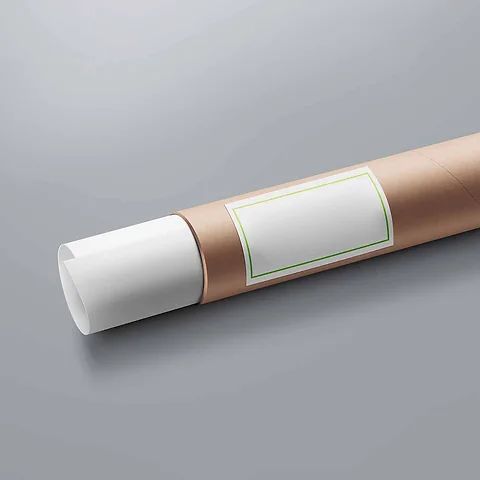
Gift Wrap Tubes
Custom gift wrap tubes are printed paper tubes with end caps that hold rolled wrapping paper safe from creases, dents and torn…
Long Postal Tubes
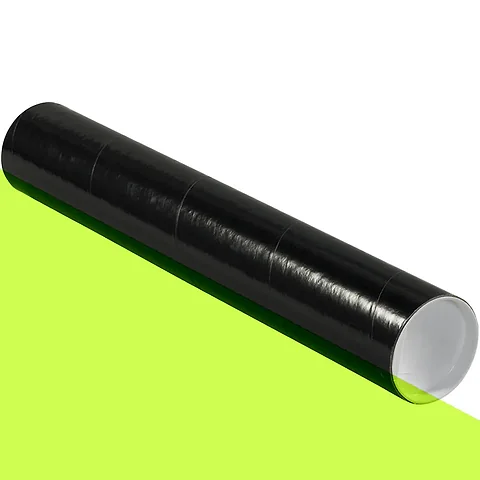
Custom long postal tubes carry rolled posters, architectural drawings and fine art prints through the post without a single…
Paper Core Tubes Questions
What buyers ask before ordering paper core tubes.
What inner diameter do I need?
Match it to the spindle or shaft your roll will sit on. Common sizes are 25, 40, 76 and 152 mm, but we can make others.
How thick should the core wall be?
It depends on roll weight and winding tension. Light rolls need about 1–1.5 mm, labels about 2–3 mm, and heavy film or fabric 5 mm or more.
Why are my cores crushing on the shaft?
Usually the wall is too thin for the load, or the cores have been stored damp or stacked too high. A thicker wall or denser board normally solves it.
Can you cut cores to exact lengths?
Yes. Tell us the length and tolerance you need, especially for automatic winding lines.
Can cores be printed with a logo?
Yes. We print the outer ply before winding so the design wraps continuously. Inside codes are also possible.
Can paper cores replace plastic ones?
In many uses they can. Send current core dimensions and roll weight, and we will suggest a wall thickness for a trial run.
Do you make notched cores?
Notches for drive keys can be cut at one or both ends. Send a drawing or a sample core.
How should I store cores?
Keep them dry, off the floor and not stacked too high. Damp storage weakens paperboard and can cause cores to go oval.
Can different grades be told apart once wound?
Yes, printed codes or coloured outer plies make it easy to tell grades apart in the warehouse. It saves mix-ups between materials that look identical on the roll.
Can I trial 50 cores on my slitting line first?
Yes, minimums are quoted per job, so a batch of 50 to test the fit on your shafts and the crush strength under your winding tension is normal. Run them at full speed and check for slip and splitting. The full order is then made to the same specification.
Get a Price for Your Paper Core Tubes
Fill in as much as you know. Sizes are in mm (internal sizes for boxes). If you have artwork, attach it; if not, a logo is enough to start the proof.
We reply with a custom quote by email within one working day, then send a free design proof before anything is printed.
- Phone+44 7578 382054
- WhatsAppMessage us
- Emailinfo@shopcustomboxes.co.uk
- HoursMonday to Friday, 9 am to 5.30 pm UK time
- OfficeOffice 704, 85 Dunstall Hill, Wolverhampton, WV6 0SR