 Custom Mailer Boxes
 Custom Shipping Boxes
 Custom Cardboard Boxes
 Custom Kraft Boxes
 Custom Product Boxes
 Custom Retail Boxes
 Custom Tuck End Boxes
 Custom Pillow Boxes
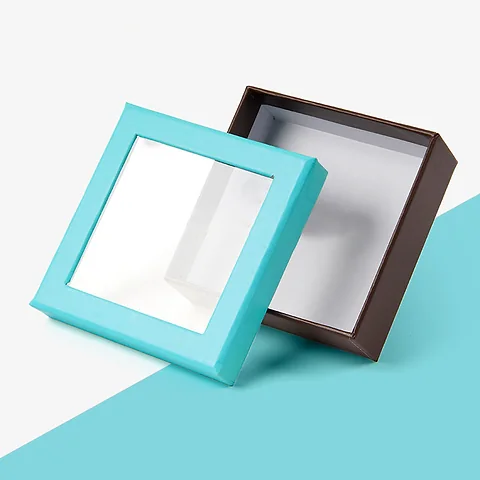 Custom Window Boxes
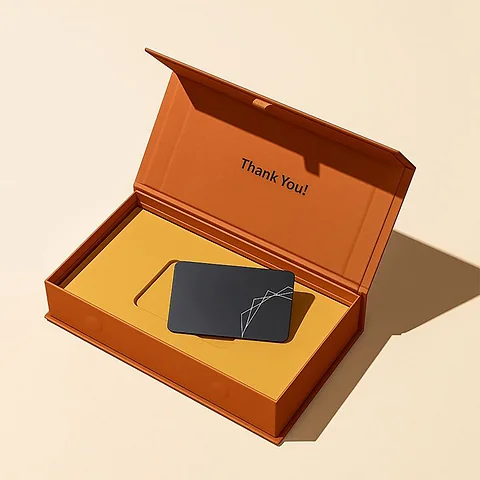 Custom Rigid Boxes
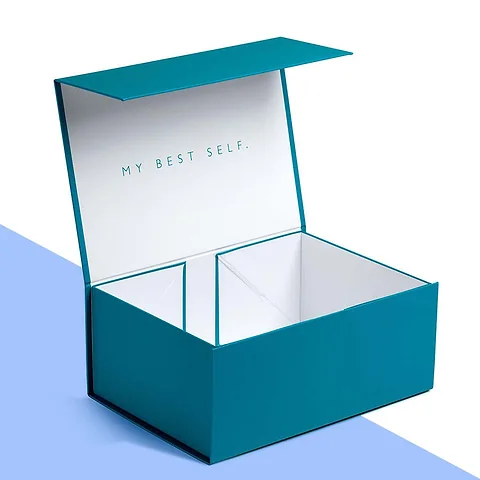 Custom Gift Boxes
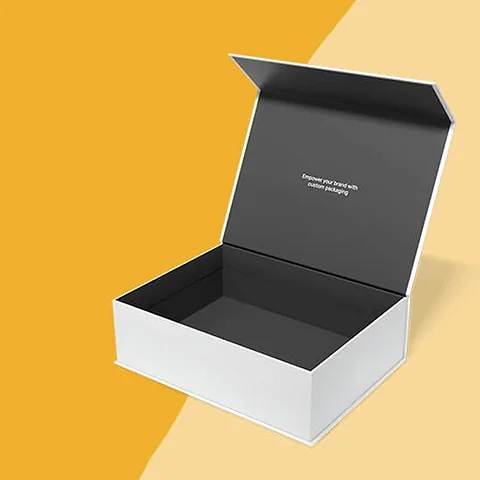 Custom Magnetic Boxes
 Custom Sleeve Boxes
 Custom Printed Boxes
 Custom Boxes with Logo
 Custom Box Inserts
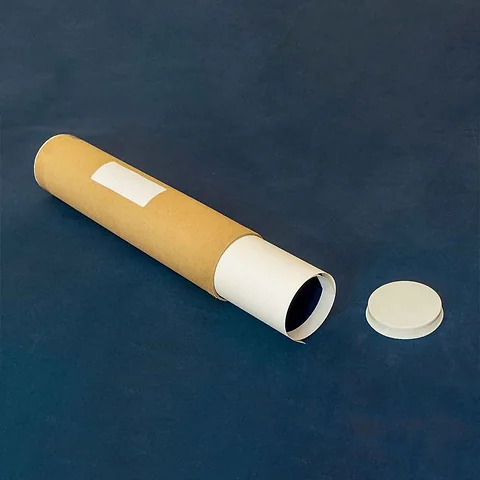
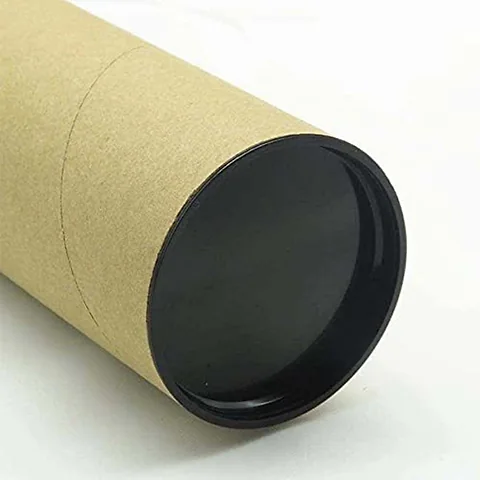
Custom Cylinder Postal Tubes
Custom cylinder postal tubes keep posters, prints and plans rolled and safe in the post, so they arrive without creases or crushed corners. We make them in strong spiral-wound card with secure end caps, print them with your branding and send a free design proof before production.
- Design proofFree, approved by you before printing
- PriceCustom quote by email within one working day
- Production4–7 working days after proof approval
- DeliveryFree and tracked, UK mainland, 2–3 working days
- Misprints or damageReported within 10 days, reprinted or refunded
Why Rolled Work Travels Best in a Tube
Anything printed on a large sheet is vulnerable in the post. Folding it leaves permanent creases, and flat envelopes bend at the corners as soon as they are squeezed into a postbag. Rolling the sheet and sliding it into a rigid tube avoids both problems. The tube takes knocks on the outside while the print stays smooth inside, and the round shape spreads pressure evenly so it is very hard to crush.
For artists and print shops, that protection is the difference between a happy customer and a reprint. A poster or giclée print that arrives with a dent in the corner is usually unsellable, so the cost of a good tube is small compared with the cost of replacing the work.
Tubes also suit documents that are used rolled, such as architectural plans, maps and technical drawings. They can be stored upright in a tube rack and pulled out when needed. The same print files can be reused for long postal tubes if you want a matching range.
How Postal Tubes Are Made
Postal tubes are made by winding several layers of card around a mandrel in a spiral, gluing each layer to the next. The more layers, the thicker and stronger the wall. A light tube with a thin wall is fine for a single poster sent a short distance, while a thick wall protects valuable prints, framed canvases and heavier rolls.
The ends are closed with caps. Push-in plastic caps are the most common, fitting snugly into the end of the tube and staying put in transit. Card caps give a fully paper finish and suit brands that prefer to avoid plastic. Telescopic tubes, with one tube sliding inside another, let the length be adjusted to the item.
The outside can be plain brown kraft, white, or wrapped in a printed paper label that covers the full length of the tube.
Square-section tubes are another option. They do not roll off a desk or a sorting belt, stack neatly in storage and give four flat faces for printing, though they are a little less resistant to crushing than a round tube of the same wall thickness. Plain brown versions without a printed label are listed as kraft paper tubes with caps.
Often ordered by
- Artists and illustrators
- Print shops and poster companies
- Photographers and galleries
- Architects and engineers
- Schools and universities
- Retailers of rolled goods
Popular Cylinder Postal Tubes Sizes
Sizes are in mm. Every order is cut to your size, so any size between these rows is fine.
| Size | Often used for |
|---|---|
| A3 poster 50 mm diameter x 320 mm | A3 posters and small prints |
| A2 print 75 mm diameter x 450 mm | A2 art prints and posters |
| A1 plan 75 mm diameter x 630 mm | A1 drawings, plans and posters |
| A0 drawing 100 mm diameter x 870 mm | A0 plans and large maps |
| Fine art wide 100 mm diameter x 500 mm | Heavy paper prints rolled loosely |
Not sure of the size? Send the product measurements and we work out the rest.
Styles
- Spiral-wound postal tube
- Telescopic adjustable tube
- Heavy-wall art tube
- Printed label tube
Materials
- Brown kraft card
- White card
- Printed paper wrap
- Plastic push-in end caps
- Card end caps
- Full colour wraparound label
- 1 or 2 colour print
- Plain kraft or white
Finishes
- Matt laminate on label
- Gloss laminate on label
- Uncoated kraft
Extras
- Coloured end caps
- Tissue or glassine wrapping
- Care cards
- Paper fill
- Return address panels
See the board and finish guide for what each option looks like.
Production and Delivery
Production takes 4–7 working days after you approve the free design proof. Delivery to the UK mainland is free and tracked, and arrives in 2–3 working days once the order leaves production. The tracking link comes to you by email.
Reprints and Refunds
Check the order when it arrives. If anything is misprinted or damaged, report it within 10 days with a photo and we reprint or refund the items affected. Read the full returns and reprints policy.
Need it by a date?
Tell us the date with your sizes and we plan the proof and production around it.
Cylinder Postal Tubes Specification
| Style | Spiral-wound postal tube, Telescopic adjustable tube, Heavy-wall art tube, Printed label tube |
|---|---|
| Material | Brown kraft card, White card, Printed paper wrap, Plastic push-in end caps, Card end caps |
| Full colour wraparound label, 1 or 2 colour print, Plain kraft or white | |
| Finish | Matt laminate on label, Gloss laminate on label, Uncoated kraft |
| Extras | Coloured end caps, Tissue or glassine wrapping, Care cards, Paper fill, Return address panels |
| Size | Made to your size in mm |
| Minimum order | Low, quoted per job |
| Price | From £0.25 a tube; custom quote by email within one working day |
| Proof | Free design proof before printing |
| Production | 4–7 working days after proof approval |
| Delivery | Free tracked UK mainland delivery, 2–3 working days |
Sizing Custom Cylinder Postal Tubes
Length comes from the short side of the sheet you are rolling, plus a little extra so the caps do not press on the edge of the paper. An A2 print rolled along its 420 mm side needs a tube of around 450 mm. An A1 sheet rolled along its 594 mm side needs about 630 mm.
Diameter depends on how tightly you want to roll the work and how many sheets go in each tube. Rolling too tightly can stress thick paper and make it hard to flatten, so fine art prints often go in wider tubes, around 75 to 100 mm. Thin posters can go into 50 mm tubes.
If you send a mix of sizes, a few standard tubes usually cover the whole range. Telescopic tubes are useful for one-off larger items. Our guide to measuring products for packaging covers rolled sheets as well as boxes.
- A3 posters: short tubes around 320 mm
- A2 prints: tubes around 450 mm
- A1 plans and posters: tubes around 630 mm
- A0 drawings: tubes around 870 mm
- Fine art on heavy paper: wider tubes for a looser roll
Printed Tubes for Brands and Artists
A plain brown tube does the job, but a printed tube makes a parcel feel special. Artists often print a full-length design with their name and a pattern from their work, so the tube itself becomes something customers keep. Print shops and galleries print their logo and website along the length.
Because the label wraps around a cylinder, designs that run along the length of the tube read best. A logo repeated two or three times means it can be seen from any angle. Leave a clear area for the shipping label, so couriers do not cover your branding.
Coloured end caps are a simple way to add brand colour without full printing. Black, white and coloured caps are available.
Matching the tube to your other packaging, such as flat mailers for smaller prints, keeps every order recognisably yours. Smaller gift items such as candles use the same wound card as our paper tubes with end caps.
Packing Prints Inside a Tube
Roll the print with the image facing outwards for most papers, as this helps it lie flat when unrolled. Wrap it in a sheet of tissue or glassine to protect the surface, then slide it into the tube. A small tab of tape on the tissue stops the roll from unwinding inside the tube.
Avoid filling the tube to the very end. A gap of around 15 mm at each end leaves space for the caps and protects the edges of the paper from impact. If the roll is loose inside a wide tube, add a little paper fill around it so it does not slide.
Including a printed card with care instructions, such as how to flatten the print and how to store it, is a nice touch for art buyers.
For multiple prints in one tube, interleave each sheet with tissue and roll them together rather than one inside another, which keeps the inner prints from curling too tightly. Mark the outside of the tube with the number of prints so the customer knows to look for them all. Upload the label artwork through the free proof request and we will show the repeat around the tube.
Who Uses Postal Tubes
Artists and illustrators selling prints online are the largest group, followed by print shops, poster companies, photographers and galleries. Architects, engineers and surveyors use tubes for plans and drawings. Schools and universities use them for graduation scrolls and rolled awards.
Retailers selling wallpaper samples, calendars, maps, yoga mats and fabric samples also use tubes because they protect rolled goods better than flat packaging.
Event organisers use printed tubes to send tickets, programmes and posters together as a keepsake pack, and the tube often ends up displayed on a shelf. The rest of the tubes and canisters range covers the short tubes those organisers use for pin badges and lanyards.
Roll the Sheet, Then Choose the Diameter
Tube length is easy to work out from the short side of the sheet plus about 30 mm for the caps, but the diameter is where orders go wrong. Roll your heaviest paper by hand and measure the roll; if it needs forcing below 75 mm, a wider tube is the answer. Send the sheet sizes you post, the paper weight, how many sheets go in one tube and how far they travel, and the wall thickness follows from that.
Choose plastic push-in caps for speed or card caps for a paper-only finish, and mark a clear area for the courier label on the artwork. A custom quote comes back by email within one working day, with minimums quoted per job. The free proof shows the label flat with the wrap direction marked. Production takes 4–7 working days after approval and tracked delivery to UK mainland addresses is free, taking 2–3 working days. Tubes that arrive dented or misprinted are reprinted or refunded when reported within 10 days. Artists who also sell small prints flat usually pair the tube with a slimmer shipping tube for A4 and A3 in the same label.
Design Your Cylinder Postal Tube
Choose the cylinder postal tubes photo closest to what you have in mind, add your logo, drag it into place and set the size. Send it with your sizes and we reply with a custom quote and a free design proof.
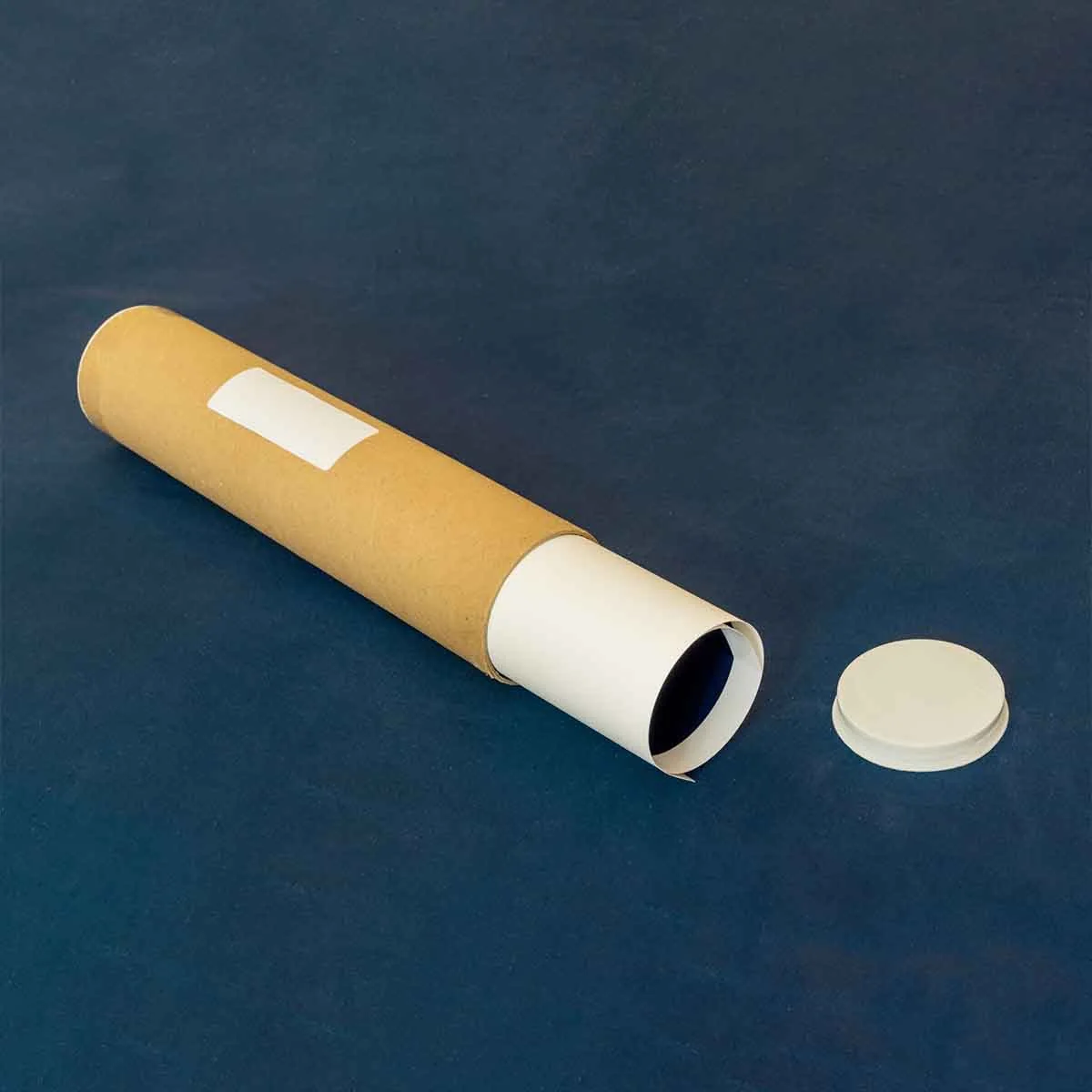

Drag the logo, or select it and use the arrow keys (Shift moves faster, + and − resize).
Related Products
Other packaging that is often ordered alongside cylinder postal tubes.
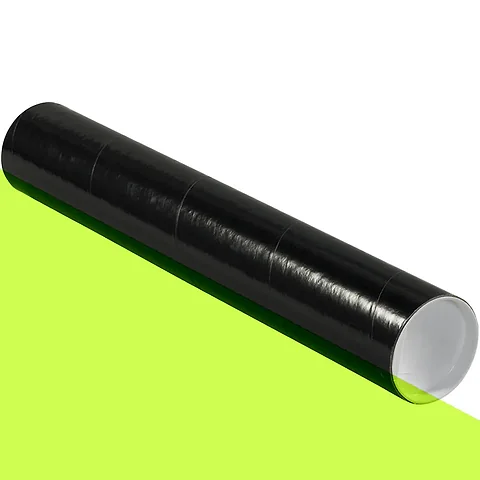
Long Postal Tubes
Custom long postal tubes carry rolled posters, architectural drawings and fine art prints through the post without a single…
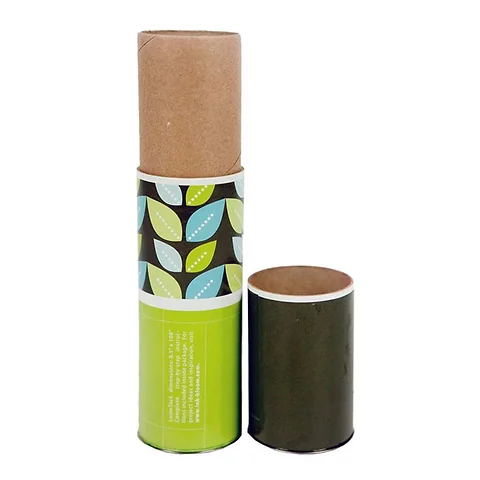
Custom Shipping Tubes
Custom shipping tubes protect rolled artwork, maps, architectural drawings and posters on their way through the post.
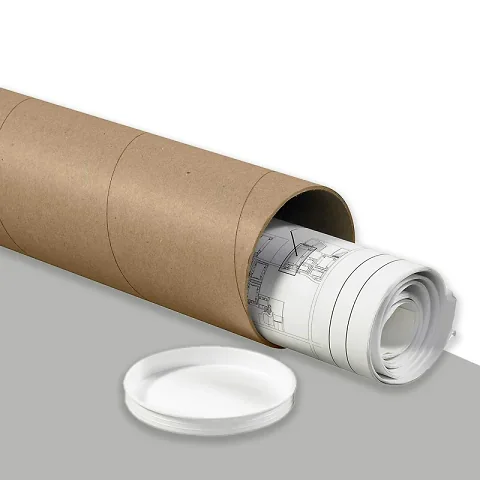
Paper Tubes with End Caps
Custom paper tubes with end caps are rigid spiral-wound tubes closed at each end with a push-in plastic cap or a fitted card…
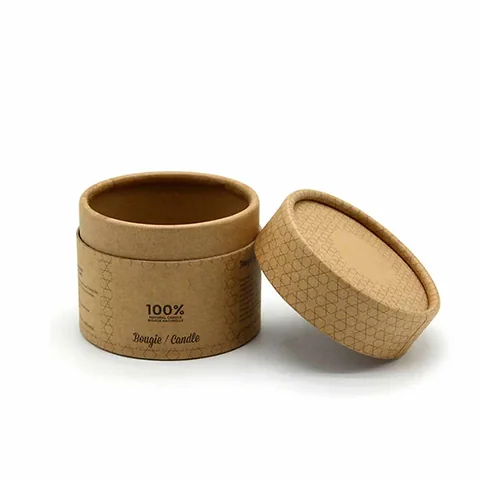
Kraft Paper Tubes
Custom kraft paper tubes give loose tea, lip balm, candles and bath salts a solid, natural-looking canister that feels good in…
Cylinder Postal Tubes Questions
What buyers ask before ordering cylinder postal tubes.
What length tube do I need for an A2 print?
Around 450 mm, which allows for the 420 mm side plus space for the end caps. Roll along the short side so the tube stays as compact as possible.
Should I roll prints with the image inside or outside?
For most papers, roll with the image facing outwards. It helps the print lie flat when unrolled.
What diameter tube is best for fine art prints?
Wider tubes of around 75 to 100 mm allow a looser roll, which is kinder to heavy paper. Thin posters are fine at 50 mm.
Are the end caps secure in the post?
Push-in caps fit snugly and stay in place in transit. A strip of tape over each cap adds extra security.
Can you print my artwork on the tube?
Yes. We print a full-length label that wraps around the tube, with space for the shipping label.
Can I choose card end caps instead of plastic?
Yes. Card caps give a fully paper finish if you prefer to avoid plastic.
Can one tube fit several sizes?
Telescopic tubes adjust in length, making them useful for mixed or one-off sizes. For a steady mix, two or three fixed lengths are cheaper per tube.
How strong is a postal tube?
The wall strength depends on the number of card layers. We recommend a heavier wall for valuable prints.
Can tubes be used for graduation scrolls?
Yes. Schools and universities use them for graduation scrolls and rolled awards.
Can a postal tube hold a rolled canvas?
Unstretched canvas can be rolled into a wide, heavy-wall tube with the paint facing outwards. Wrap it in glassine first and choose a diameter that avoids a tight roll.
Get a Price for Your Cylinder Postal Tubes
Fill in as much as you know. Sizes are in mm (internal sizes for boxes). If you have artwork, attach it; if not, a logo is enough to start the proof.
We reply with a custom quote by email within one working day, then send a free design proof before anything is printed.
- Phone+44 7578 382054
- WhatsAppMessage us
- Emailinfo@shopcustomboxes.co.uk
- HoursMonday to Friday, 9 am to 5.30 pm UK time
- OfficeOffice 704, 85 Dunstall Hill, Wolverhampton, WV6 0SR