 Custom Mailer Boxes
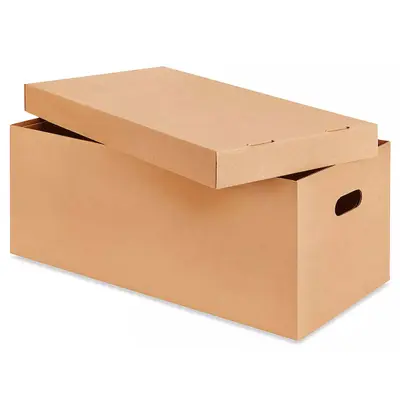 Custom Shipping Boxes
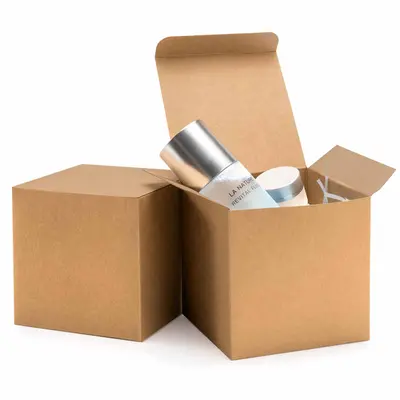 Custom Cardboard Boxes
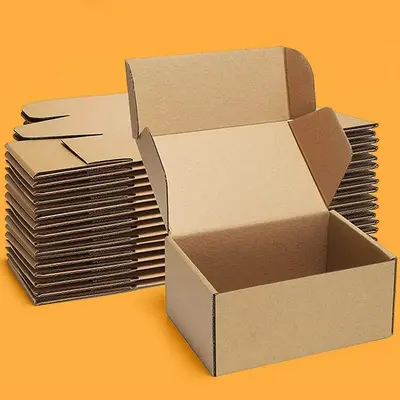 Custom Kraft Boxes
 Custom Product Boxes
 Custom Retail Boxes
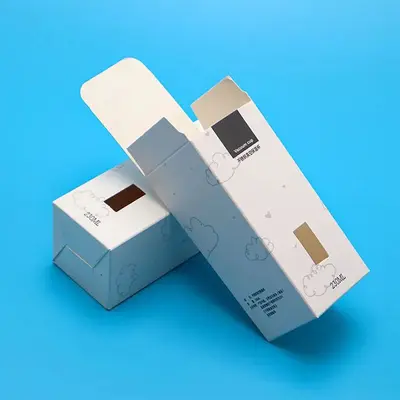 Custom Tuck End Boxes
 Custom Pillow Boxes
 Custom Window Boxes
 Custom Rigid Boxes
 Custom Gift Boxes
 Custom Magnetic Boxes
 Custom Sleeve Boxes
 Custom Printed Boxes
 Custom Boxes with Logo
 Custom Box Inserts

Custom Air Float Boxes
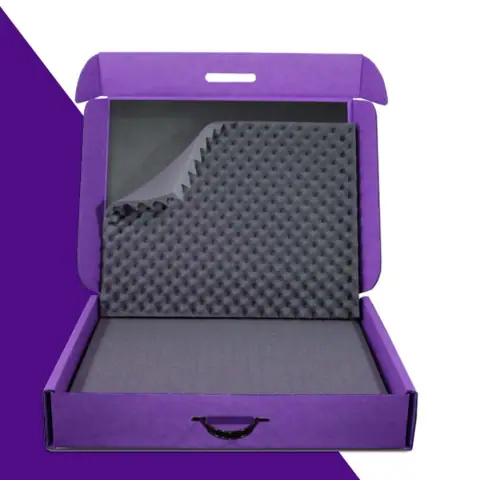
Custom air float boxes suspend a fragile item between layers of foam so it never touches the outer walls, which is what stops a knock in a parcel van from becoming a chipped glass or a cracked screen. We build them around your product, print the outer box with your branding and send a free proof before production starts.
- Design proofFree, approved by you before printing
- PriceCustom quote by email within one working day
- Production4–7 working days after proof approval
- DeliveryFree and tracked, UK mainland, 2–3 working days
- Misprints or damageReported within 10 days, reprinted or refunded
How an Air Float Box Protects What Is Inside
The idea is simple: the product should float. Instead of sitting against cardboard, it is held in the middle of the box by foam above and below, sometimes with foam on the sides as well. When a parcel is dropped, the outer corrugated shell takes the first hit and the foam absorbs what is left, so the shock reaching the item is a fraction of what the box felt.
There are two common builds. The first uses two flat pads of soft convoluted foam, the egg-crate kind, which press around the product when the lid closes and mould themselves to its shape. The second uses a cut foam insert with a cavity shaped to the item, which holds it in a fixed position and looks neater when the customer opens it. Convoluted foam is forgiving and suits mixed products; cut inserts suit one product shipped again and again.
What People Ship in Them
Anything that breaks, scratches or rattles is a candidate. Glassware brands send decanters and wine glasses this way instead of in moulded pulp end caps, ceramicists use them for mugs and vases, and electronics sellers rely on them for small devices with screens. Laboratory and dental suppliers use the same construction for instruments and samples that cannot take a jolt.
Air float boxes also suit products that are not especially fragile but are expensive to replace, such as camera lenses, watches and refurbished phones. A single breakage on a high-value order costs more than months of better packaging, so the foam pays for itself quickly.
- Glassware, decanters and barware
- Handmade ceramics and pottery
- Small electronics, lenses and accessories
- Laboratory, medical and dental equipment
- Collectables, figurines and trophies
Often ordered by
- Glassware and barware brands
- Ceramicists and potters
- Electronics and gadget sellers
- Refurbished phone and tablet sellers
- Laboratory and dental suppliers
- Collectables and trophy makers
Popular Air Float Boxes Sizes
Sizes are in mm. Every order is cut to your size, so any size between these rows is fine.
| Size | Often used for |
|---|---|
| Small device 150 x 100 x 60 mm | Earbuds, watches, lenses and small accessories |
| Mug or tumbler 180 x 140 x 140 mm | Single ceramic mug, tumbler or candle jar |
| Glassware pair 260 x 200 x 130 mm | Two wine glasses or a pair of tumblers |
| Tablet or screen 300 x 230 x 80 mm | Tablets, small displays and handheld devices |
| Decanter or vase 380 x 200 x 200 mm | Tall glass decanters, vases and bottles |
Not sure of the size? Send the product measurements and we work out the rest.
Styles
- Tuck front mailer with foam pads
- Mailer with cut foam insert
- Two-piece lid and base with foam
- Slotted shipper with foam end caps
Materials
- E-flute corrugated board
- B-flute corrugated board
- Double-wall corrugated board
- Convoluted foam pads
- Cut polyethylene foam inserts
- 1 colour on kraft outside
- Full colour outside
- Full colour inside lid
- Plain unprinted outer
Finishes
- Matt varnish
- Gloss varnish
- Uncoated kraft
Extras
- Black, white or grey foam
- Finger notches in inserts
- Ribbon pull tabs
- Printed instruction cards
- Tear strip opening
See the board and finish guide for what each option looks like.
Production and Delivery
Production takes 4–7 working days after you approve the free design proof. Delivery to the UK mainland is free and tracked, and arrives in 2–3 working days once the order leaves production. The tracking link comes to you by email.
Reprints and Refunds
Check the order when it arrives. If anything is misprinted or damaged, report it within 10 days with a photo and we reprint or refund the items affected. Read the full returns and reprints policy.
Need it by a date?
Tell us the date with your sizes and we plan the proof and production around it.
Air Float Boxes Specification
| Style | Tuck front mailer with foam pads, Mailer with cut foam insert, Two-piece lid and base with foam, Slotted shipper with foam end caps |
|---|---|
| Material | E-flute corrugated board, B-flute corrugated board, Double-wall corrugated board, Convoluted foam pads, Cut polyethylene foam inserts |
| 1 colour on kraft outside, Full colour outside, Full colour inside lid, Plain unprinted outer | |
| Finish | Matt varnish, Gloss varnish, Uncoated kraft |
| Extras | Black, white or grey foam, Finger notches in inserts, Ribbon pull tabs, Printed instruction cards, Tear strip opening |
| Size | Made to your size in mm |
| Minimum order | Low, quoted per job |
| Price | From £0.25 a box; custom quote by email within one working day |
| Proof | Free design proof before printing |
| Production | 4–7 working days after proof approval |
| Delivery | Free tracked UK mainland delivery, 2–3 working days |
Sizing Custom Air Float Boxes Around Your Product
Start with the product's longest, widest and tallest measurements, including any stand or handle, following the steps in our measuring guide. For convoluted foam, the inner box size should be roughly the product size plus the thickness of the foam on each side once compressed, which is usually 20 to 30 mm per side for small items and more for heavy ones.
For a cut insert, send us the product itself or a precise drawing, because the cavity needs to be snug. Too loose and the item shifts; too tight and the customer struggles to lift it out. We normally leave a finger notch on each side so it can be gripped and removed without tipping the box.
Weight matters as much as dimensions. A heavy item sinks into soft foam, so a 2 kg piece of glass needs firmer foam and a thicker wall than a 200 g phone accessory. Tell us what the product weighs and we will specify the foam density and board grade to match.
Outer Board, Print and the Unboxing
The outer box is usually an E-flute or B-flute corrugated mailer with a tuck front lid, which closes without tape and gives a tidy opening. For heavier goods or long courier routes, a double wall corrugated outer adds stiffness so the box does not crush when other parcels are stacked on top of it.
Printing on the outside can be as plain or as bold as you like. Many brands keep the exterior to a one-colour logo on kraft so the parcel is understated in transit, then print the inside of the lid in full colour so the reveal happens when the box is opened. Others print the whole outside to make a statement on the doorstep.
Foam can look industrial if it is not planned. Black foam against a printed interior looks deliberate and premium, while white or grey foam reads more technical, which suits lab or electronics packaging. Choose the colour that matches the feel of the product.
Small details make a difference. A printed card sitting on top of the upper foam pad can carry care instructions or a thank-you message, and a ribbon pull under the product makes lifting it out easier. If you send spare parts or cables, a second small cavity in the insert keeps them from rattling around next to the main item.
If your product ships in several colours or variants, a small printed label on the end of the box saves packers opening every carton to check what is inside.
Packing Speed in a Busy Dispatch Room
Protection is only half the job; the box also has to be quick to pack. Convoluted foam pads cut from sheet are the fastest option because a packer simply drops the product onto the lower pad, lays the top pad over it and closes the lid. There is no lining up a cavity or fiddling with tissue, which keeps lines moving during busy weeks.
Cut inserts take a few seconds longer but remove guesswork, since every product sits in exactly the same position. That consistency helps when several people pack orders, or when temporary staff join at peak times and need packaging that is hard to get wrong.
We can also supply the foam and boxes separately if you prefer to assemble them on your own bench, or have the foam pad glued into the lid and base so the box arrives ready to use. Glued foam costs a little more but saves a step for every single parcel, which adds up quickly across a month of orders.
Testing Before a Full Run
We recommend a short sample run for any new product, particularly glass, and the same advice applies to fragile mailer boxes without foam. Pack a few boxes exactly as your team will in the warehouse and send them to a friend or a second address by your normal courier. Opening them on arrival tells you more than any specification sheet.
If a sample fails, it is usually the foam density or the gap between product and wall, both of which are easy to change before you commit to a large order. Keep notes on what worked so repeat orders match the tested version exactly.
Weigh the Item Before You Pick the Foam Density
Dimensions get a product into the box; weight decides whether the foam does its job. A 300 g tumbler and a 1.8 kg decanter can share the same outer size yet need very different foam, because a heavy item compresses soft convoluted pads flat on the first drop. So put the product on kitchen scales, note the figure next to its length, width and height, and add a photo showing any stem, spout or handle that sticks out. From that we can say whether convoluted pads will do or a cut polyethylene insert is needed, and which board grade the outer should be.
Those details are all a custom quote needs, and it comes back by email within one working day with minimums set per job, so a few hundred boxes is a normal order. A free design proof shows the outer print and, for cut inserts, the cavity layout. Production takes 4 to 7 working days once you approve it and free tracked delivery reaches UK mainland addresses in 2 to 3 working days. For items that are not fragile but must not move, retention boxes that hold goods under film are a lighter alternative worth comparing.
Design Your Air Float Box
Choose the air float boxes photo closest to what you have in mind, add your logo, drag it into place and set the size. Send it with your sizes and we reply with a custom quote and a free design proof.


Drag the logo, or select it and use the arrow keys (Shift moves faster, + and − resize).
Related Products
Other packaging that is often ordered alongside air float boxes.

Moulded Pulp Packaging
Custom moulded pulp packaging is formed from wet paper fibre pressed into a mould shaped around your product, then dried into…
Double Wall Corrugated Boxes
Custom double wall corrugated boxes use two layers of fluting bonded between three liners, giving far more crush and puncture…
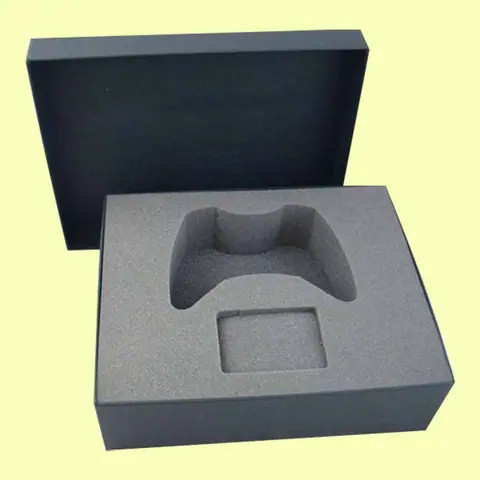
Foam Inserts
Custom foam inserts hold a product in a pocket shaped exactly around it, so nothing slides, knocks or scratches between your…
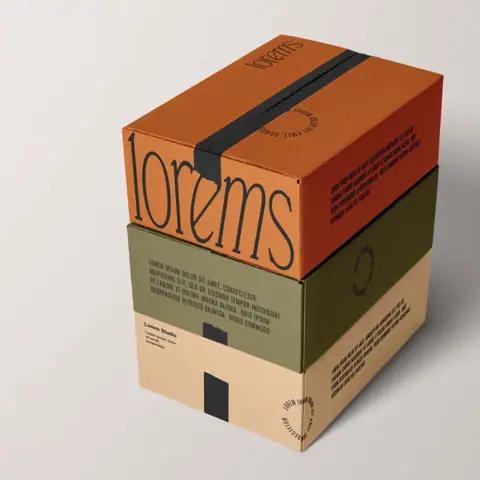
Custom Retention Boxes
Custom retention boxes hold a product tight against a corrugated frame with a sheet of stretchy film, so it floats inside the…
Air Float Boxes Questions
What buyers ask before ordering air float boxes.
What is the difference between convoluted foam and a cut foam insert?
Convoluted foam is the egg-crate style that compresses around whatever you put in, so one box can take several products. A cut insert has a cavity shaped to one item, which holds it firmly and looks neater, but it only fits that product.
Will an air float box protect a wine glass sent by standard courier?
Yes, provided the foam is the right density and there is enough space between the glass and the outer walls. We suggest a short sample run so you can test your own courier route before ordering in volume.
How much space should there be between the product and the box wall?
For light items, around 20 to 30 mm of compressed foam on each side works well. Heavier products need more, and we will recommend a figure once we know the weight.
Can the foam be black so it matches our branding?
Black, white and grey foam are all available. Black tends to suit premium consumer products, while white or grey suits technical and laboratory items.
Do air float boxes need packing tape to close?
The tuck front mailer style locks shut without tape, though many sellers add a branded sticker or tape strip as a tamper seal. Heavier shippers in slotted styles are taped as normal.
Can the artwork go on the underside of the lid?
Yes. Printing the inside lid in full colour while keeping the outside simple is a popular choice, because it hides the brand in transit and gives the customer a moment when they open it.
Is double-wall board necessary for heavy glass items?
For items over a kilogram or parcels likely to be stacked in transit, double-wall board is a sensible upgrade. It resists crushing much better than single-wall E-flute.
Can I add a compartment for cables or spare parts?
A second, smaller cavity can be cut into the same foam insert so accessories sit separately and do not knock against the main product. Tell us what goes in the box and we will lay it out.
How do I send you my product for an accurate insert?
A precise drawing with measurements is often enough, but for unusual shapes posting us a sample gives the best fit. We will confirm the cavity sizes on your free proof before cutting.
Does a cut foam insert add time compared with convoluted pads?
Slightly, because the cavity has to be drawn and confirmed on your free proof before cutting, and for unusual shapes we may suggest a sample first. After approval production still runs 4 to 7 working days, with free tracked UK mainland delivery in 2 to 3 working days. Convoluted pads need no cavity drawing, so they move straight to production.
What if the foam pads arrive torn or the outer boxes are crushed?
Open a carton from each pallet layer and check the foam and the box corners as soon as the delivery lands. Report any tear, crush or misprint within 10 days, with photos if you can, and we reprint or refund the affected boxes. Torn foam should not be used, as it no longer holds the product centred.
Get a Price for Your Air Float Boxes
Fill in as much as you know. Sizes are in mm (internal sizes for boxes). If you have artwork, attach it; if not, a logo is enough to start the proof.
We reply with a custom quote by email within one working day, then send a free design proof before anything is printed.
- Phone+44 7578 382054
- WhatsAppMessage us
- Emailinfo@shopcustomboxes.co.uk
- HoursMonday to Friday, 9 am to 5.30 pm UK time
- OfficeOffice 704, 85 Dunstall Hill, Wolverhampton, WV6 0SR