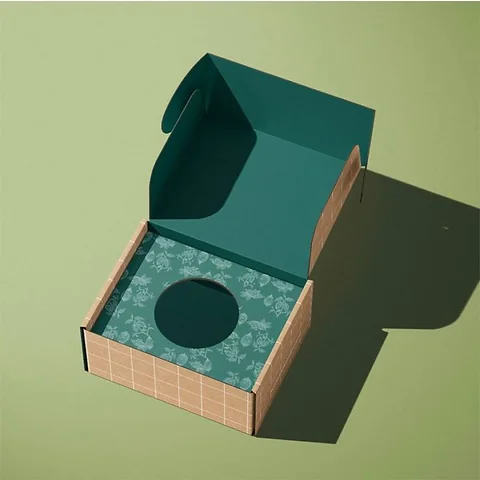
 Custom Mailer Boxes
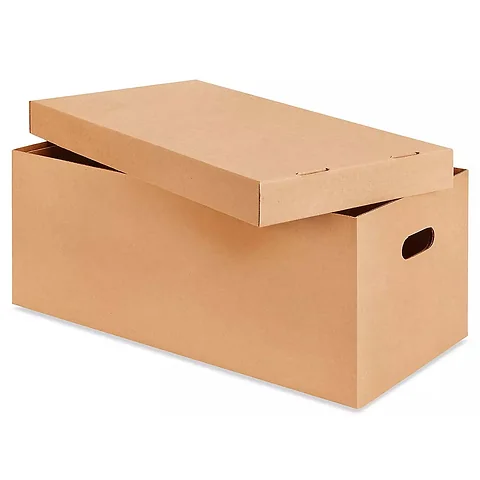 Custom Shipping Boxes
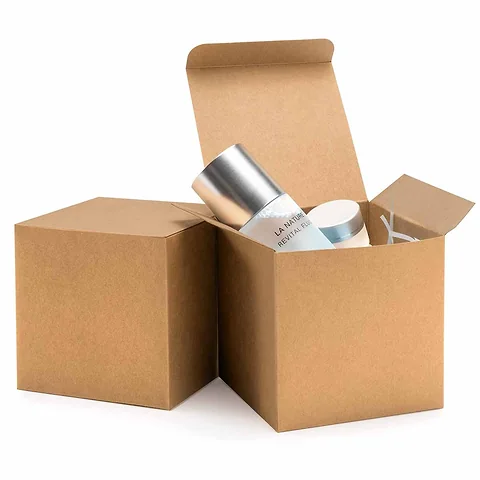 Custom Cardboard Boxes
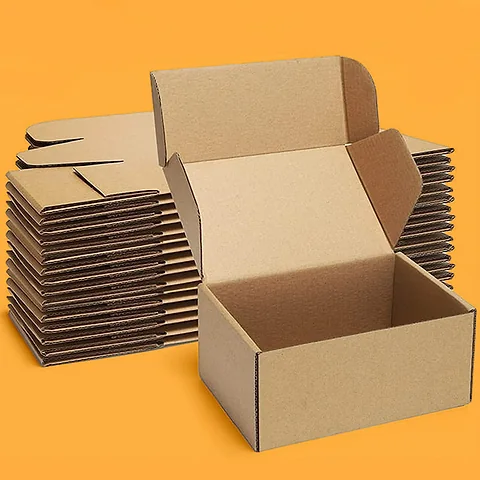 Custom Kraft Boxes
 Custom Product Boxes
 Custom Retail Boxes
 Custom Tuck End Boxes
 Custom Pillow Boxes
 Custom Window Boxes
 Custom Rigid Boxes
 Custom Gift Boxes
 Custom Magnetic Boxes
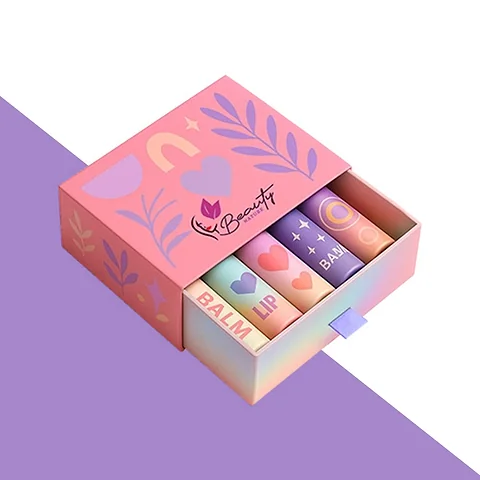 Custom Sleeve Boxes
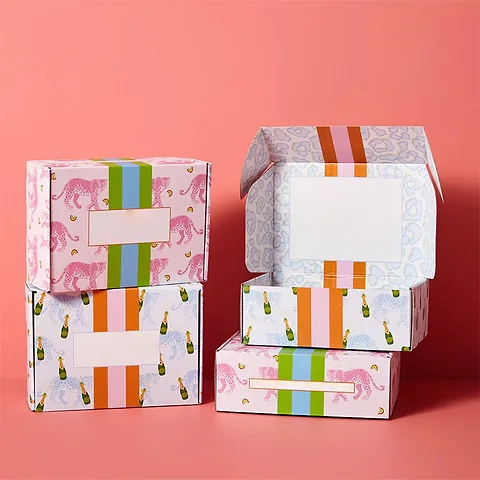 Custom Printed Boxes
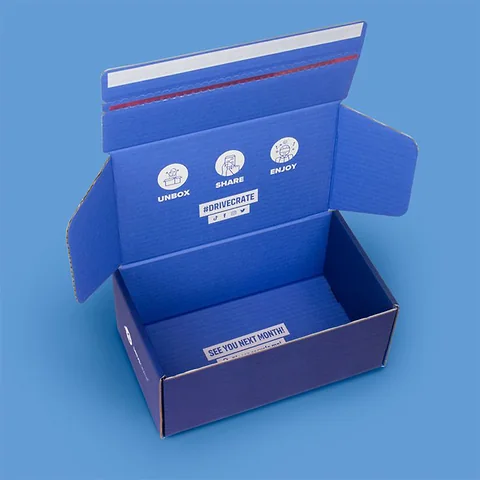 Custom Boxes with Logo
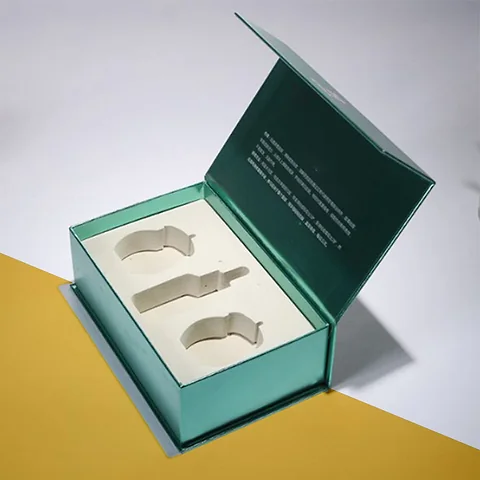 Custom Box Inserts
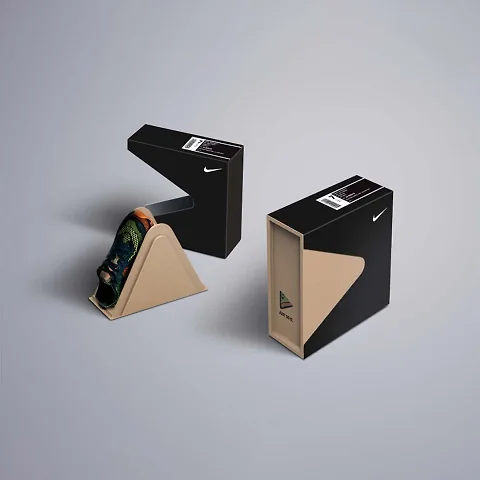
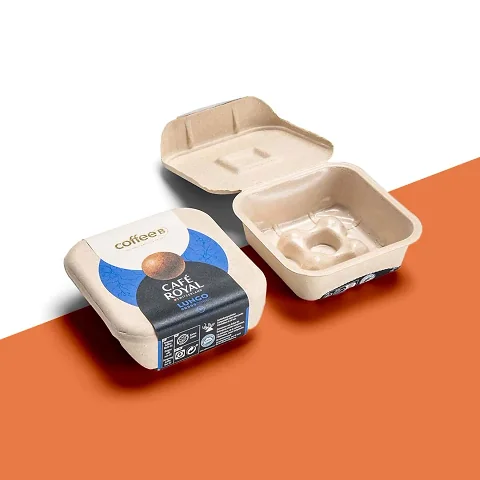
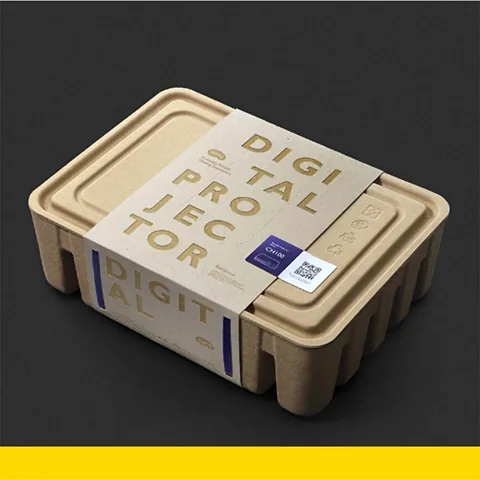
Custom Moulded Pulp Packaging
Custom moulded pulp packaging is formed from wet paper fibre pressed into a mould shaped around your product, then dried into a firm, cushioning tray, insert or end cap. It holds bottles, devices and gift sets snugly in place, and it gives a neat, all-card look inside the box.
- Design proofFree, approved by you before printing
- PriceCustom quote by email within one working day
- Production4–7 working days after proof approval
- DeliveryFree and tracked, UK mainland, 2–3 working days
- Misprints or damageReported within 10 days, reprinted or refunded
What Moulded Pulp Is and How It Is Made
Moulded pulp starts as paper fibre mixed with water into a slurry. A mesh mould, machined to the shape of your product, is dipped into the slurry and draws the fibre onto its surface. The wet form is then pressed and dried, either in open air for a rougher, thicker texture or in heated moulds for a smoother, thinner and more precise finish.
The result is a light, rigid shape with pockets, ribs and walls that match the contours of what it holds. Egg boxes are the most familiar example, but the same process makes trays for phones and earbuds, end caps for appliances, bottle shippers and cradles for candles and skincare sets.
Because the shape is made on a mould specific to your product, moulded pulp is a considered investment. It makes the most sense when a product will be packed in the same way for a long time. Products packed in changing ways are better served by folding card inserts cut per order until the design settles.
Two Finishes: Smooth and Natural
There are two broad grades, and the choice affects both the look and the cost.
Thermoformed, or smooth, pulp is pressed and dried in heated moulds. It has crisp edges, thin walls and a smooth, almost paper-like surface on both sides. It suits premium unboxing, such as a phone tray or a beauty gift set, where the insert is the first thing a customer sees.
Natural, or dry-pressed, pulp has a textured surface, thicker walls and softer edges. It is more cushioning and less expensive per unit, which makes it ideal for transit protection: end caps on a bottle, corner blocks on an appliance or a tray inside a shipping carton where looks matter less than protection.
If you are unsure, it is common to use both: a smooth tray where the product is presented, and natural end caps or corner pieces in the shipping carton around it. Each grade then does the job it is best at, and the overall cost stays sensible.
Often ordered by
- Consumer electronics brands
- Skincare and fragrance gift sets
- Candle makers
- Wine, spirits and drinks producers
- Homeware, ceramics and glass sellers
- Subscription box companies
- Brands replacing foam inserts
Popular Moulded Pulp Packaging Sizes
Sizes are in mm. Every order is cut to your size, so any size between these rows is fine.
| Size | Often used for |
|---|---|
| Earbud case tray 110 x 90 x 35 mm | Small electronics with a cable pocket |
| Phone or device tray 170 x 95 x 30 mm | Smartphones and handheld devices |
| Candle jar cradle 100 x 100 x 70 mm | Glass candle vessels in a mailer |
| Two-bottle shipper 330 x 180 x 100 mm | Wine or spirits bottles by post |
| Appliance end caps 250 x 200 x 60 mm | Protecting the ends of kitchen appliances |
Not sure of the size? Send the product measurements and we work out the rest.
Styles
- Product tray
- Hinged clamshell
- End caps and corner blocks
- Bottle shipper
- Lidded pulp box
Materials
- Smooth thermoformed pulp
- Natural dry-pressed pulp
- Bleached white pulp
- Natural fibre colour pulp
- Debossed or embossed logo in the mould
- Printed sleeves and labels
- Printed outer boxes
- Plain
Finishes
- Smooth both sides
- Textured natural finish
- Dyed solid colours where available
Extras
- Finger notches for lift-out
- Accessory pockets
- Matching outer cartons
- Pre-production sample
Not sure which material or finish suits? Tell us how the item will be used and we suggest one in your custom quote.
Production and Delivery
Production takes 4–7 working days after you approve the free design proof. Delivery to the UK mainland is free and tracked, and arrives in 2–3 working days once the order leaves production. The tracking link comes to you by email.
Reprints and Refunds
Check the order when it arrives. If anything is misprinted or damaged, report it within 10 days with a photo and we reprint or refund the items affected. Read the full returns and reprints policy.
Need it by a date?
Tell us the date with your sizes and we plan the proof and production around it.
Moulded Pulp Packaging Specification
| Style | Product tray, Hinged clamshell, End caps and corner blocks, Bottle shipper, Lidded pulp box |
|---|---|
| Material | Smooth thermoformed pulp, Natural dry-pressed pulp, Bleached white pulp, Natural fibre colour pulp |
| Debossed or embossed logo in the mould, Printed sleeves and labels, Printed outer boxes, Plain | |
| Finish | Smooth both sides, Textured natural finish, Dyed solid colours where available |
| Extras | Finger notches for lift-out, Accessory pockets, Matching outer cartons, Pre-production sample |
| Size | Made to your size in mm |
| Minimum order | Low, quoted per job |
| Price | From £0.25 each; custom quote by email within one working day |
| Proof | Free design proof before printing |
| Production | 4–7 working days after proof approval |
| Delivery | Free tracked UK mainland delivery, 2–3 working days |
Common Moulded Pulp Packaging Shapes
Every moulded pulp part is designed around a product, but most fall into a handful of familiar families: Fragile items that need to hang clear of the walls use the related air float boxes with a suspension film.
- Product trays: a single-piece tray with a pocket for the product and smaller pockets for cables or accessories.
- Clamshells: two halves joined by a hinge that close around the product, often used for small electronics and gift items.
- End caps and corner blocks: pieces that fit over the ends or corners of a larger item inside a carton, absorbing knocks.
- Bottle shippers: cradles that hold one or several bottles apart so they cannot knock together in a parcel.
- Lidded pulp boxes: a base and lid moulded in pulp, used as the main pack for candles, cosmetics and small gifts.
Designing a Fit That Protects
Good moulded pulp design balances grip and give. The pocket should hold the product firmly so it cannot shift, while the walls and ribs around it flex slightly to absorb the shock of a drop. Too tight and the product is hard to remove; too loose and it rattles.
We start from a sample of your product, or from accurate dimensions and a drawing if a sample is not ready. From there we agree the pocket shape, wall thickness, draft angles that let the part release from the mould and any finger notches that help customers lift the product out. Small features such as raised text or a logo can be built into the mould itself.
We also design the outer box at the same time, so the pulp part fits snugly inside it. A pulp insert that slides about in an oversized carton loses much of its protective value.
Before full production, we can supply a sample part from the finished mould. Pack it with your real product, put it in its outer box and send it through your normal courier to yourself. A real journey is the most honest test of any protective packaging, and it shows whether any adjustment is needed before the full run of parts is made. Our guide to measuring products for packaging covers draft angles and clearance.
Branding Moulded Pulp
Pulp itself is not printed in the same way as card. Branding usually comes from three places. First, a debossed or embossed logo moulded into the surface, which looks subtle and premium on smooth pulp. Second, colour: pulp can be produced in natural fibre shades, bleached white or dyed in some solid colours, depending on the material available for the job. Third, printed sleeves, labels or outer boxes that frame the pulp part.
Many brands combine a plain pulp tray with a fully printed outer box or sleeve. That way the printed card carries the colours and messaging, while the pulp provides structure and a tactile, natural feel when the box is opened.
A simple printed belly band around a natural pulp box is one of the most cost-effective looks we make: the band carries the name and product details, and the textured pulp underneath does the rest. Upload the logo through the free proof request and we will show it debossed on the tray.
Who Uses Moulded Pulp Packaging
We see strong interest from consumer electronics brands replacing foam in earbud and speaker packaging, skincare and fragrance companies building gift sets, candle makers sending jars and vessels by post, drinks producers shipping bottles to customers, and homeware sellers protecting ceramics and glass.
It also suits subscription boxes that send the same items every month, because once the mould is made, packing becomes fast and consistent. Businesses moving away from bubble wrap and loose fill often find that a single pulp tray replaces several separate packing materials and makes packing quicker. The outer cartons those trays sit in are made as corrugated folding boxes sized to the pulp.
Send the Product and a Year's Packing Forecast
Pulp is a mould before it is a part, so two things decide if it is right for you: the product itself, posted to us or drawn with accurate dimensions and weight, and how many you expect to pack over a year. The mould pays back over steady use; for a short run a card insert is better value and we will say so. Tell us how the parcel travels and whether the tray will be seen by the customer, which decides smooth or natural pulp.
A custom quote comes back by email within one working day covering the mould and the parts, with the mould lead time confirmed on it. Ask for a sample part from the finished mould, pack your real product in it and post it to yourself before the full run. Printed outer boxes for the same order are made in 4–7 working days after the free proof is approved, with tracked delivery to UK mainland addresses free and taking 2–3 working days. Damaged parts or wrong print reported within 10 days are replaced or refunded. Very delicate instruments that need softer cushioning move to foam inserts cut to shape instead.
Design Your Moulded Pulp Packaging
Choose the moulded pulp packaging photo closest to what you have in mind, add your logo, drag it into place and set the size. Send it with your sizes and we reply with a custom quote and a free design proof.
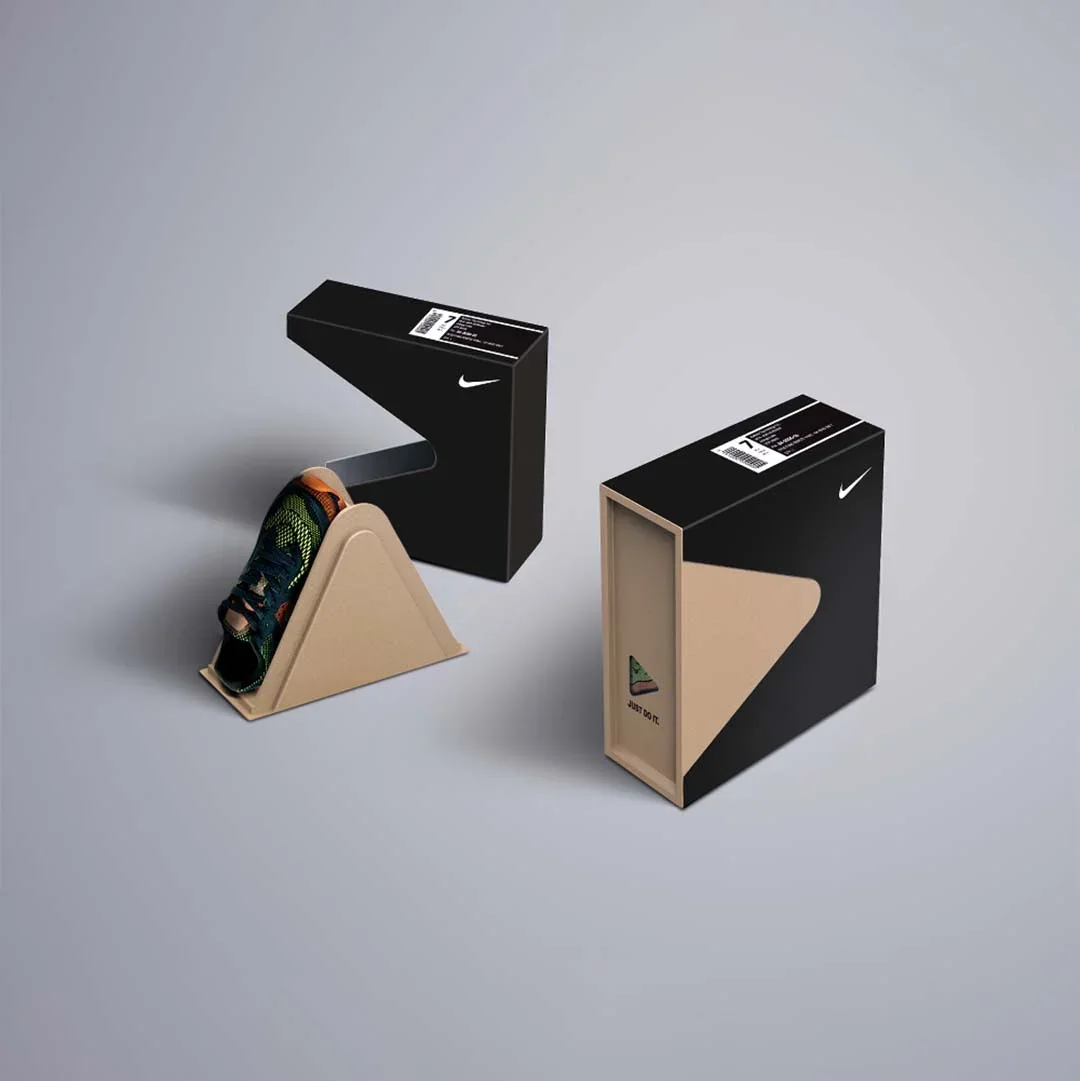

Drag the logo, or select it and use the arrow keys (Shift moves faster, + and − resize).
Related Products
Other packaging that is often ordered alongside moulded pulp packaging.
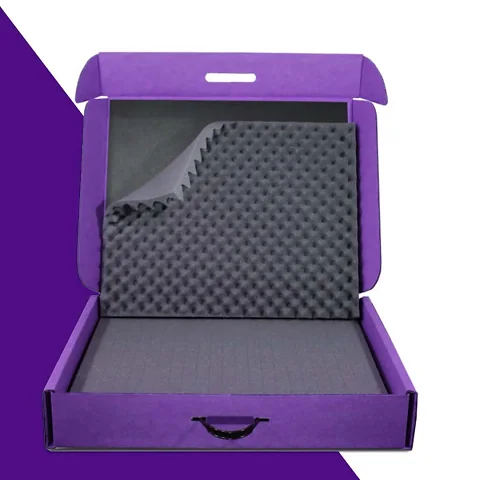
Air Float Boxes
Custom air float boxes suspend a fragile item between layers of foam so it never touches the outer walls, which is what stops…
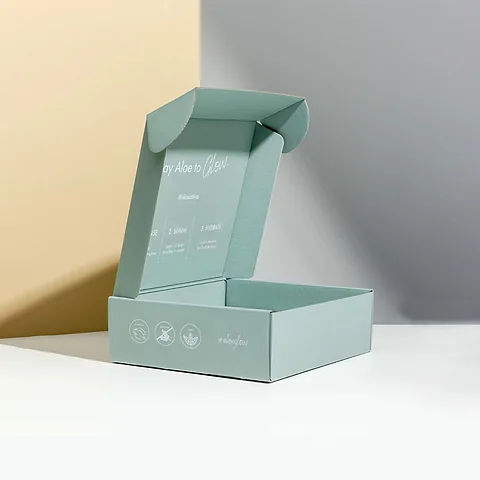
Corrugated Folding Boxes
Custom corrugated folding boxes arrive flat, store in a fraction of the space of made-up cartons and fold into a strong…
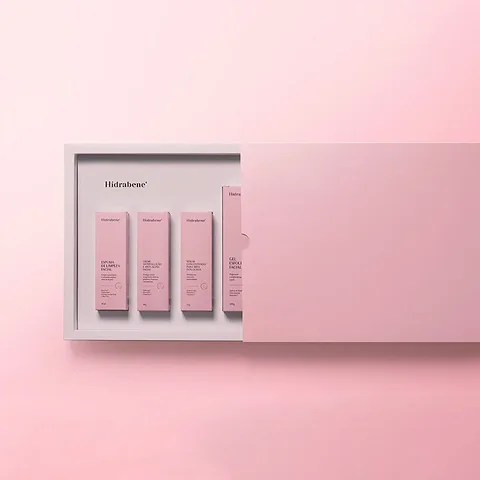
Folding Carton Inserts
Custom folding carton inserts are die-cut pieces of card that fold into shape inside a box and hold each product in its own place.
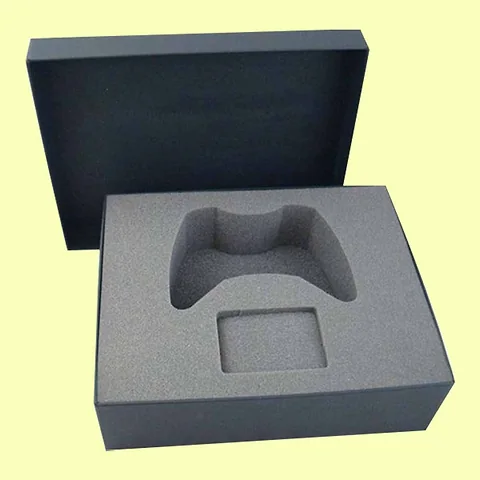
Foam Inserts
Custom foam inserts hold a product in a pocket shaped exactly around it, so nothing slides, knocks or scratches between your…
Moulded Pulp Packaging Questions
What buyers ask before ordering moulded pulp packaging.
Why does moulded pulp need a custom mould?
Each part is formed on a mould shaped around your product, so the pocket fits it exactly. That mould is made once and then reused for every part in your order and future reorders.
Is smooth or natural pulp better for my product?
Smooth pulp suits premium presentation where the customer sees the tray. Natural pulp is thicker and more cushioning, and it is better value for protection inside shipping cartons.
Can moulded pulp be printed?
Pulp is usually branded with a moulded logo rather than ink. For colour and messaging, most brands add a printed sleeve, label or outer box around the pulp part.
Will a pulp tray protect glass bottles in the post?
Yes, a well-designed bottle shipper keeps bottles apart and absorbs knocks. The outer carton must fit the pulp snugly for it to work properly.
Can pulp be made in colours other than brown?
Pulp can be natural fibre colour, bleached white or, depending on the material available, dyed in some solid colours. We confirm the options with your quote.
Do I need a product sample?
A sample is the most reliable way to get a precise fit. If your product is still in development, accurate dimensions and drawings let us start the design.
Can the tray hold accessories as well as the product?
Yes, extra pockets can hold cables, chargers, droppers or small booklets alongside the main item. Each pocket is part of the same mould, so it adds nothing to the unit cost once the mould exists.
How long does a new pulp mould take?
It depends on the shape, and we confirm the timing with your quote. Printed outer boxes for the same order are made in 4 to 7 working days after proof approval.
Is moulded pulp suitable for small runs?
Because of the mould, pulp is most economical for products packed the same way over time. For very short runs, a folding card insert may be better value, and we will tell you if so.
How do I get a price for moulded pulp?
Send the product details, how you ship and the quantities you expect. A custom quote covering the mould and parts comes back by email within one working day.
What if parts arrive damaged?
Report any damage within 10 days and we will replace or refund the affected parts. Pulp travels stacked, so check the top and bottom of each stack first.
Get a Price for Your Moulded Pulp Packaging
Fill in as much as you know. Sizes are in mm (internal sizes for boxes). If you have artwork, attach it; if not, a logo is enough to start the proof.
We reply with a custom quote by email within one working day, then send a free design proof before anything is printed.
- Phone+44 7578 382054
- WhatsAppMessage us
- Emailinfo@shopcustomboxes.co.uk
- HoursMonday to Friday, 9 am to 5.30 pm UK time
- OfficeOffice 704, 85 Dunstall Hill, Wolverhampton, WV6 0SR