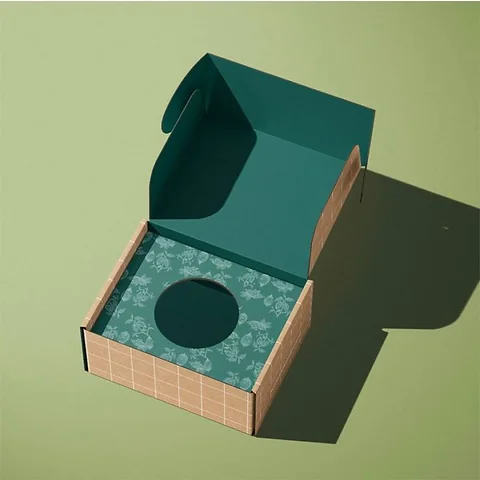
 Custom Mailer Boxes
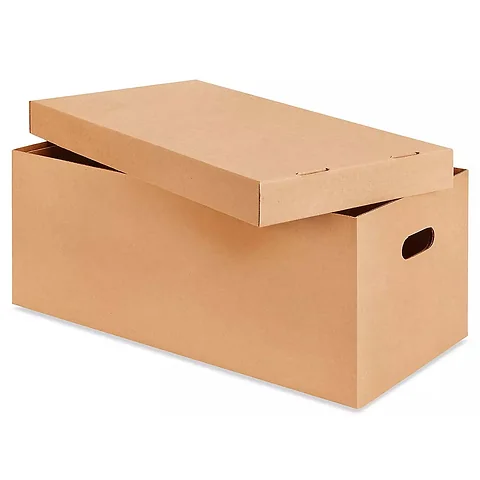 Custom Shipping Boxes
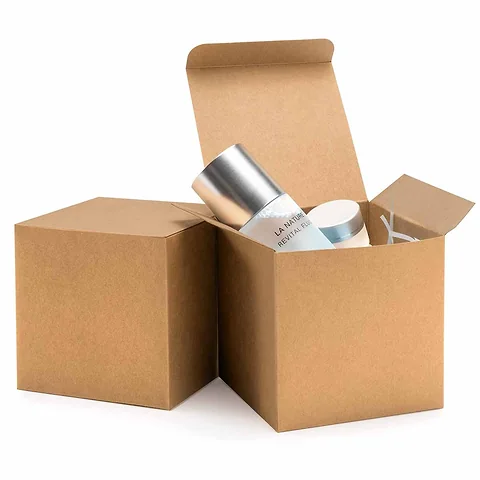 Custom Cardboard Boxes
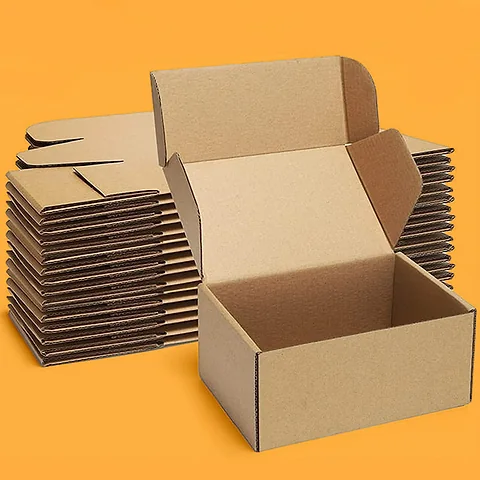 Custom Kraft Boxes
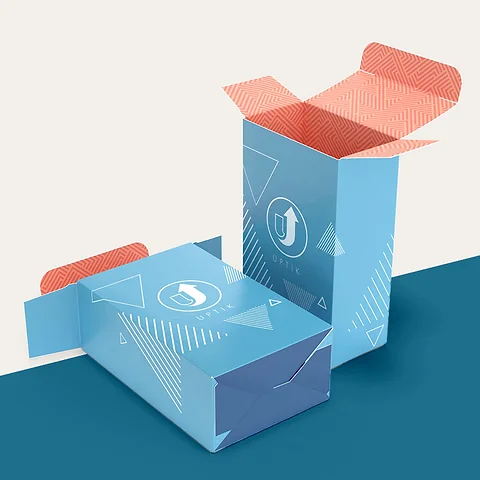 Custom Product Boxes
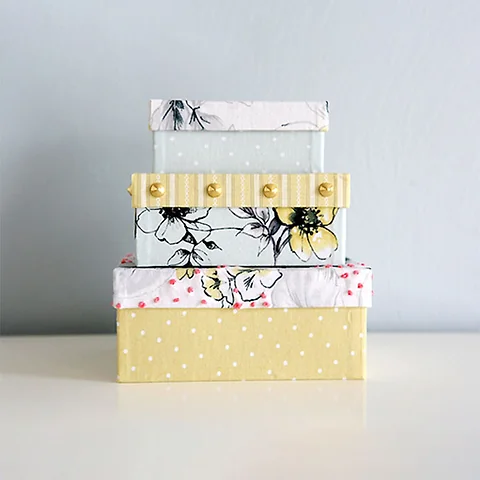 Custom Retail Boxes
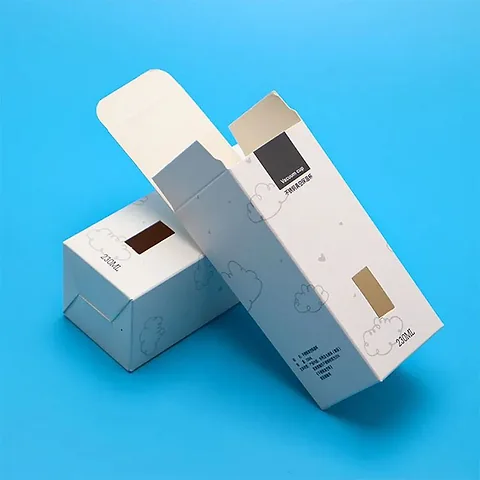 Custom Tuck End Boxes
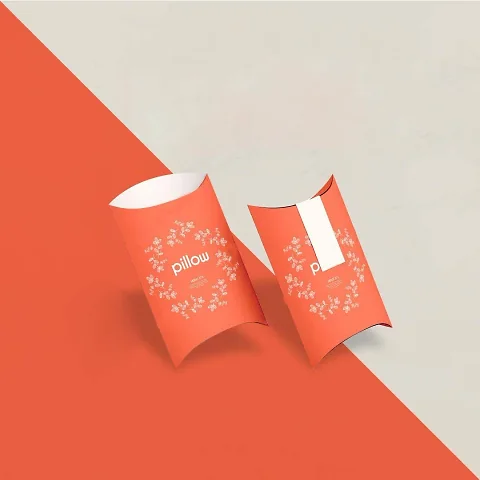 Custom Pillow Boxes
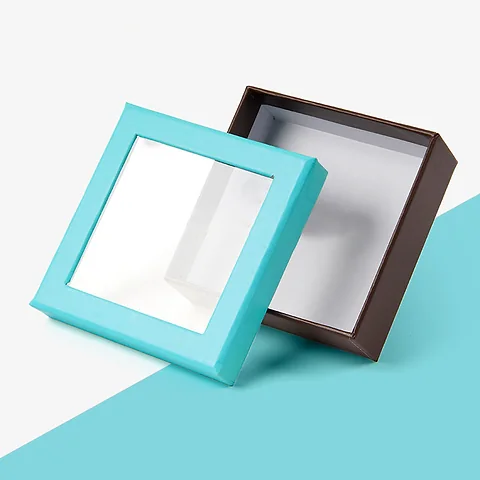 Custom Window Boxes
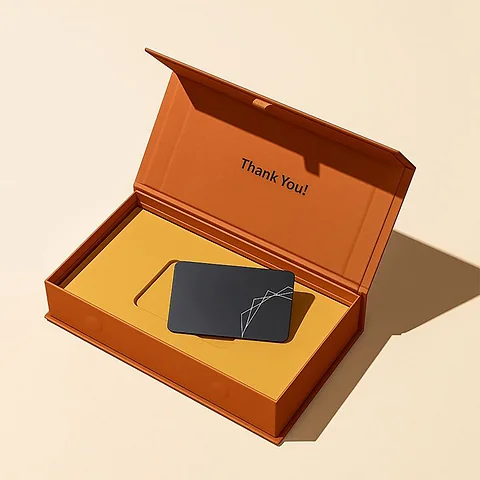 Custom Rigid Boxes
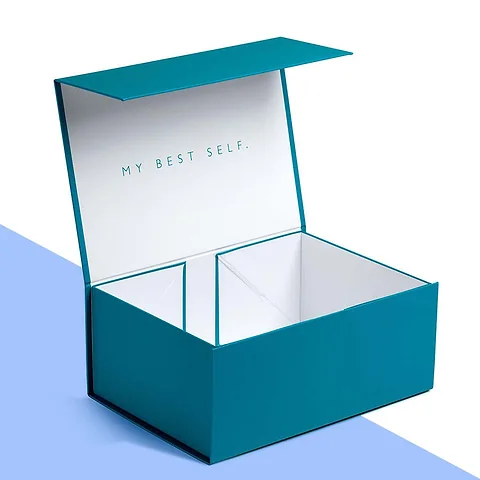 Custom Gift Boxes
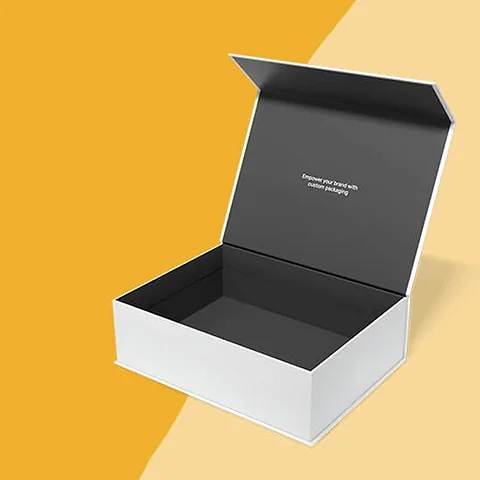 Custom Magnetic Boxes
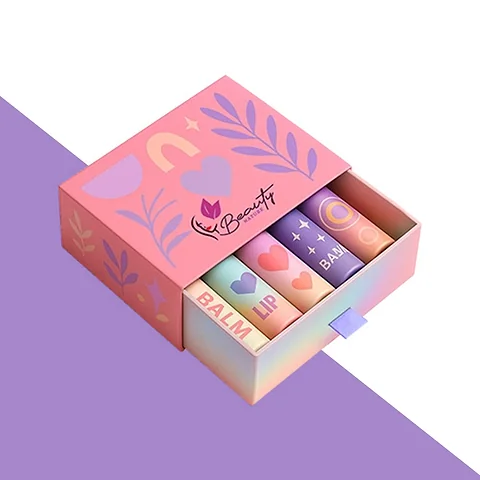 Custom Sleeve Boxes
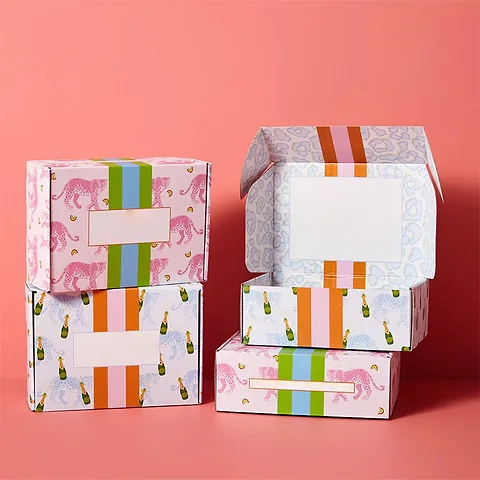 Custom Printed Boxes
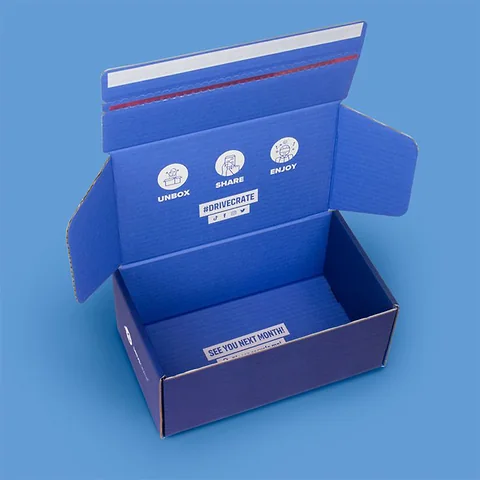 Custom Boxes with Logo
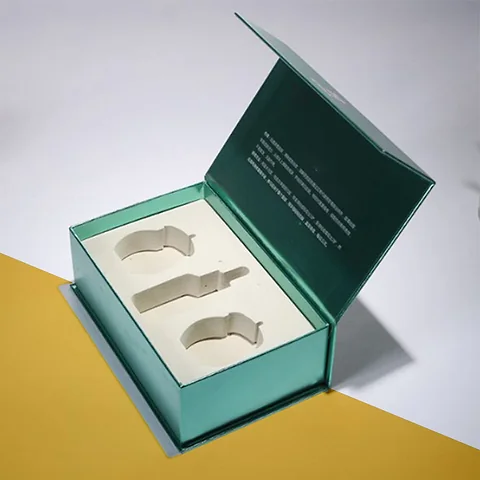 Custom Box Inserts
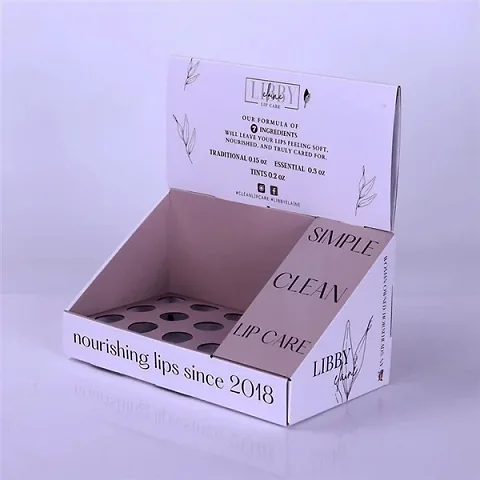
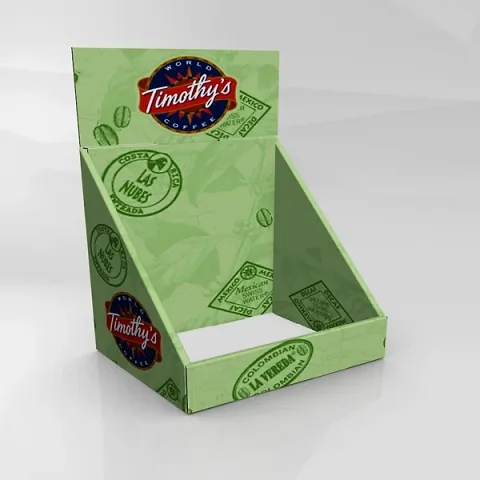
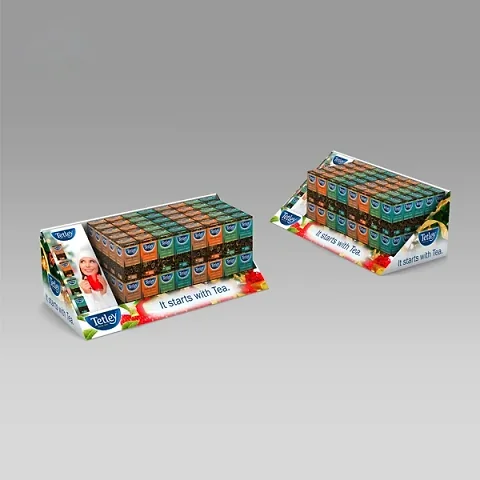
Custom PDQ Display Trays
Custom PDQ display trays are shelf-ready cases that arrive at a store full of product and convert into a printed display tray in seconds, usually by tearing off a perforated top. Supermarket and convenience suppliers use them so staff can put a full tray straight on the shelf without unpacking each item.
- Design proofFree, approved by you before printing
- PriceCustom quote by email within one working day
- Production4–7 working days after proof approval
- DeliveryFree and tracked, UK mainland, 2–3 working days
- Misprints or damageReported within 10 days, reprinted or refunded
What PDQ Means for a Supplier
PDQ stands for pretty darn quick, and the name says it all. Store staff are short of time, and every product they have to unpack by hand is a product that may sit in the back room a little longer. A PDQ tray goes from delivery cage to shelf in one movement: tear off the top, place the tray, done. That speed is why many retailers prefer or require shelf-ready packaging from their suppliers.
For the brand, the tray is also a small billboard. The front lip and side walls carry your logo and product name, and they frame your products as a block on the shelf. A neat, well-printed tray lifts a range above loose packs and helps shoppers spot it from further down the aisle.
The tray keeps products tidy as stock sells through, so the shelf still looks orderly when it is half empty, and staff can see at a glance when a tray needs replacing.
PDQ trays also cut waste in store. Instead of opening an outer case, unpacking each unit and binning the case, staff simply move the tray. That makes it easier for stores to keep your line on the shelf and less likely to leave cases unopened in the back room. Products sold from the till rather than the aisle usually go in counter display boxes with a header.
PDQ Display Trays Wholesale: How They Are Built
A PDQ tray is usually made from corrugated board, strong enough to stack on a pallet and survive the distribution centre. The case has a perforated tear line around the top or front, so the upper part lifts away cleanly to reveal the display tray underneath. Some designs use a separate lid instead.
Common styles include a simple open tray with a low front lip, a tray with a raised back panel for a header, and a counter-top unit with angled sides that tilt products towards the shopper. Trays that show the front of each product through a cut-out are listed as cut-out front display trays.
- Tear-off top case: ships closed, opens into an open-top tray
- Front tear-away: front panel lifts off to show products at eye level
- Tray with header card: raised back panel with brand message
- Counter-top unit: angled display for tills and small shops
Often ordered by
- Food and drink suppliers
- Confectionery brands
- Household product brands
- Health and pharmacy brands
- Pet food and treat brands
- Farm and artisan producers
Popular PDQ Display Trays Sizes
Sizes are in mm. Every order is cut to your size, so any size between these rows is fine.
| Size | Often used for |
|---|---|
| Twelve jars 250 x 190 x 100 mm | Jams, sauces and spreads |
| Twenty-four snack bars 220 x 150 x 70 mm | Cereal and protein bars |
| Six bottles 240 x 160 x 220 mm | Drinks, oils and dressings |
| Counter-top unit 200 x 150 x 120 mm | Confectionery and impulse lines at tills |
| Pharmacy lines 300 x 200 x 80 mm | Toiletries and health products |
Not sure of the size? Send the product measurements and we work out the rest.
Styles
- Tear-off top case
- Front tear-away case
- Open tray with header
- Counter-top display unit
Materials
- E-flute corrugated board
- B-flute corrugated board
- White-lined board
- Kraft board
- One to three-colour flexo
- Full colour digital print
- Litho-laminated print
Finishes
- Matt varnish
- Gloss varnish
- Uncoated kraft
Extras
- Perforated tear lines
- Barcode panels
- Header cards
- Dividers between rows
See the board and finish guide for what each option looks like.
Production and Delivery
Production takes 4–7 working days after you approve the free design proof. Delivery to the UK mainland is free and tracked, and arrives in 2–3 working days once the order leaves production. The tracking link comes to you by email.
Reprints and Refunds
Check the order when it arrives. If anything is misprinted or damaged, report it within 10 days with a photo and we reprint or refund the items affected. Read the full returns and reprints policy.
Need it by a date?
Tell us the date with your sizes and we plan the proof and production around it.
PDQ Display Trays Specification
| Style | Tear-off top case, Front tear-away case, Open tray with header, Counter-top display unit |
|---|---|
| Material | E-flute corrugated board, B-flute corrugated board, White-lined board, Kraft board |
| One to three-colour flexo, Full colour digital print, Litho-laminated print | |
| Finish | Matt varnish, Gloss varnish, Uncoated kraft |
| Extras | Perforated tear lines, Barcode panels, Header cards, Dividers between rows |
| Size | Made to your size in mm |
| Minimum order | Low, quoted per job |
| Price | From £0.25 a tray; custom quote by email within one working day |
| Proof | Free design proof before printing |
| Production | 4–7 working days after proof approval |
| Delivery | Free tracked UK mainland delivery, 2–3 working days |
Designing for Real Store Conditions
Retailers have rules for shelf-ready packaging, and they generally come down to five things: easy to identify in the back room, easy to open, easy to put on the shelf, easy to shop from, and easy to dispose of. Clear product codes and names on the outer case help staff find it. A tear line that opens without a knife protects products from blade damage.
The front lip should be low enough that shoppers can see and reach the products, typically 30–60 mm high depending on product size. The tray must fit the shelf depth and height in the target store, so measure the planogram space or ask the buyer for it. Remember that the tray will be handled by people in a hurry, so perforations must tear cleanly every time.
It is worth testing a prototype with real products before the full run. Fill a plain sample tray, put it on a shelf and ask someone unfamiliar with it to open it. If they reach for a knife, the tear line needs to be clearer or easier to grip. Our guide to choosing a box style compares tear-off cases with lidded displays.
Sizing Around Your Product
Work out how many units you want per tray and how they sit: in rows, standing up or lying flat. Add the product dimensions together and allow 2–3 mm per unit for easy removal. For example, twelve 60 mm diameter jars in a 4 x 3 arrangement need an inside of around 250 x 190 mm.
Height depends on the case: tall enough to protect the products during transit, but with the display part cut to the right lip height once opened. Many suppliers aim for case weights that one person can lift comfortably, typically under 10 kg.
Remember that trays sit side by side on the shelf. If your outer width does not divide neatly into the shelf length, you may lose space at the end of every bay, so ask the buyer for shelf widths before fixing the footprint. The measuring guide for packaging covers rows, columns and clearance.
Print That Works on a Busy Shelf
Shelf-ready trays are seen from a distance and at an angle, so bold, simple graphics work best. Put the brand name and product type on the front lip in large type. The sides can carry flavour or variant names, and the outer case should carry clear barcodes and handling information.
Flexographic printing in one to three colours is common and cost-effective for larger runs. Full-colour litho-laminated or digitally printed trays suit premium lines and short promotional runs. White-lined board makes colours brighter; brown kraft board gives a natural look that suits artisan and farm products.
Use contrasting colours on the tear line or print a small arrow and tear here instruction, so staff open the case the right way first time.
Lines That Suit Shelf-Ready Trays
Food and drink suppliers are the main users, packing jars, bottles, snack bars, sauces and confectionery. Household and health product brands use them for cleaning products, batteries, toiletries and pharmacy lines. Pet food and treat brands, garden products and stationery suppliers all use PDQ trays for their supermarket listings.
Smaller producers selling to farm shops, delis and independent grocers also use them to make stocking easy for shop owners, which can help win new stockists.
Wholesalers supplying cash and carry outlets use them too, because a tray that goes straight onto a shelf saves their customers time as well. Loose items such as sweets or batteries are better dispensed from cardboard shelf bins than a flat tray.
Ask the Buyer for the Shelf Width Before Fixing the Footprint
A PDQ tray lives or dies by the planogram, so before anything is drawn ask each retailer for three figures: shelf width, shelf depth and the lip height they allow. A width that does not divide into the shelf length wastes space in every bay. Then set the count per tray so a filled case stays under about 10 kg for one person to lift, and give us the product weight for the flute choice.
Have someone unfamiliar open a plain sample; if they reach for a knife, the perforation changes before print. Send the product dimensions, units per tray, the retailer guidelines, artwork and quantity, and a custom quote comes back by email within one working day, with minimums quoted per job. The free proof shows the dieline, the tear line and the print. Production takes 4–7 working days after approval and the flat trays arrive by free tracked delivery to UK mainland addresses in 2–3 working days. Damaged or misprinted trays reported within 10 days are reprinted or refunded. Lines that stay on display for months move to retail display boxes with a permanent header.
Design Your PDQ Display Tray
Choose the PDQ display trays photo closest to what you have in mind, add your logo, drag it into place and set the size. Send it with your sizes and we reply with a custom quote and a free design proof.
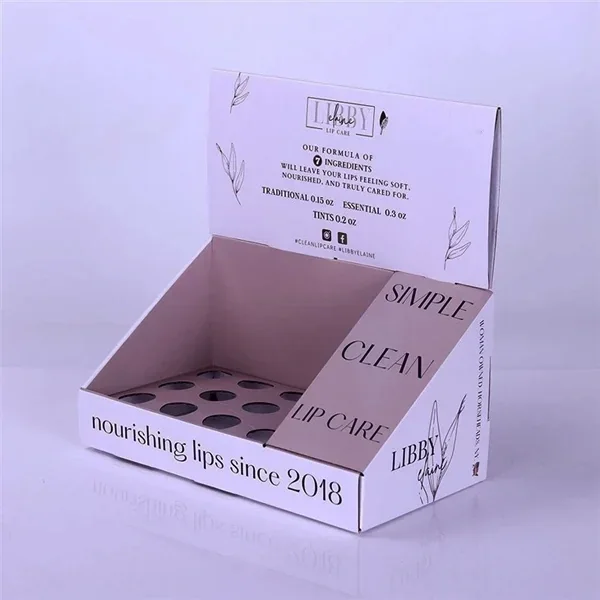

Drag the logo, or select it and use the arrow keys (Shift moves faster, + and − resize).
Related Products
Other packaging that is often ordered alongside PDQ display trays.
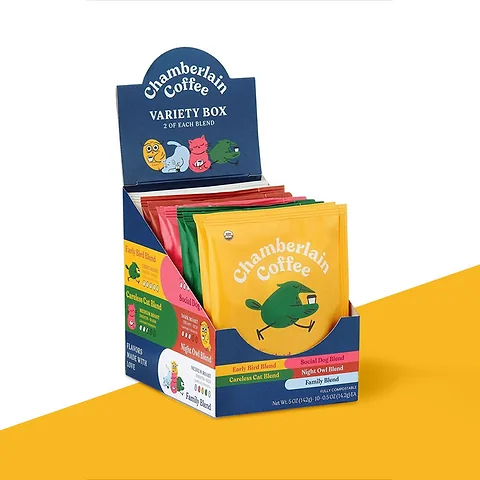
Counter Display Boxes
Custom counter display boxes are open-front cartons that sit beside the till, holding a row of snacks, lip balms, keyrings or…
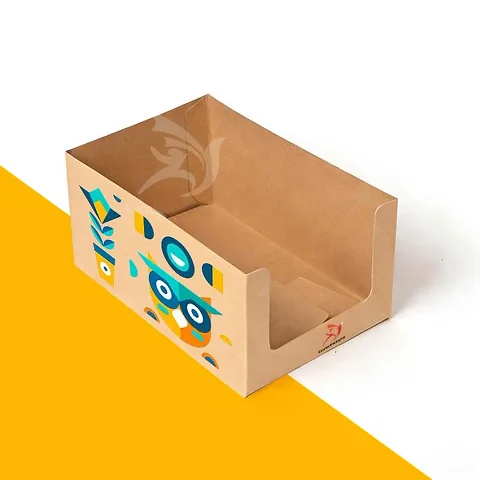
Cut-Out Front Display Trays
Cut-out front display trays are shelf and counter trays with a lowered front edge, so shoppers can see the products and lift…
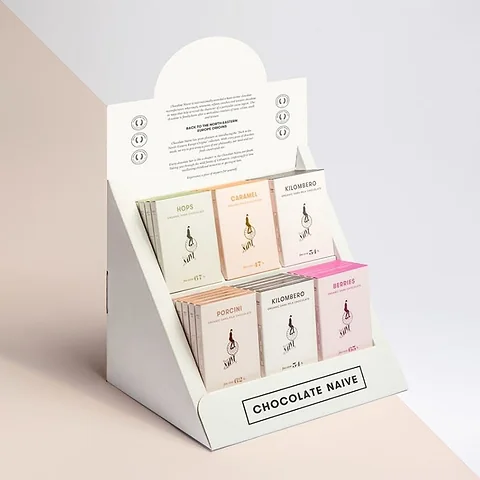
Retail Display Boxes
Custom retail display boxes arrive at a shop as a closed shipping carton, then open along a tear line into a printed display…
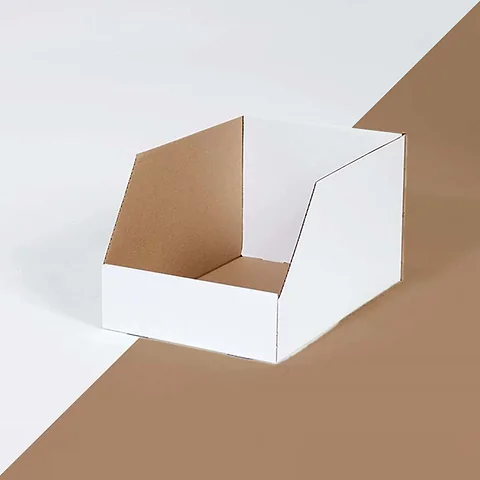
Cardboard Shelf Bins
Custom cardboard shelf bins turn a run of open shelving into an organised pick face, with every part, product or spare in its…
PDQ Display Trays Questions
What buyers ask before ordering PDQ display trays.
What does PDQ stand for?
It stands for pretty darn quick. It describes packaging that goes from delivery to shelf with almost no handling.
Do I need PDQ trays for a supermarket listing?
Many retailers prefer or require shelf-ready packaging. Ask the buyer for their guidelines and we will design the tray to suit.
How does the tray open?
Usually by a perforated tear line around the top or front. It opens without a knife, which protects your products.
How high should the front lip be?
Typically 30–60 mm, depending on product size. Low enough to see and reach products, high enough to keep them in place.
Can the tray include dividers?
Yes, card dividers keep rows tidy and stop products tipping over as the tray empties. They are cut below the lip height so they do not hide the front row.
What board should I use for heavy jars?
B-flute corrugated board gives the strength for heavier products and pallet stacking. E-flute suits lighter goods and finer print.
Can I print barcodes on the case?
Yes. Send your barcodes and we will place them on the outer case for scanning in the back room.
Do you make trays for farm shops as well as supermarkets?
Yes. Smaller producers use PDQ trays to make stocking easy for independent shops.
Should I test a prototype before printing?
Yes. Fill a plain sample tray with real stock and ask someone unfamiliar with it to open it. If they reach for a knife, the tear line needs adjusting.
What if perforations do not tear cleanly?
Report misprints or faults within 10 days and we will reprint or refund the affected trays. Test the tear on a few cases from each pallet before they go out to stores.
Get a Price for Your PDQ Display Trays
Fill in as much as you know. Sizes are in mm (internal sizes for boxes). If you have artwork, attach it; if not, a logo is enough to start the proof.
We reply with a custom quote by email within one working day, then send a free design proof before anything is printed.
- Phone+44 7578 382054
- WhatsAppMessage us
- Emailinfo@shopcustomboxes.co.uk
- HoursMonday to Friday, 9 am to 5.30 pm UK time
- OfficeOffice 704, 85 Dunstall Hill, Wolverhampton, WV6 0SR