 Custom Mailer Boxes
 Custom Shipping Boxes
 Custom Cardboard Boxes
 Custom Kraft Boxes
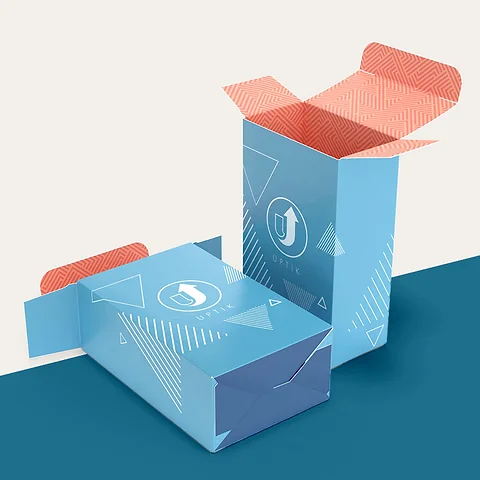 Custom Product Boxes
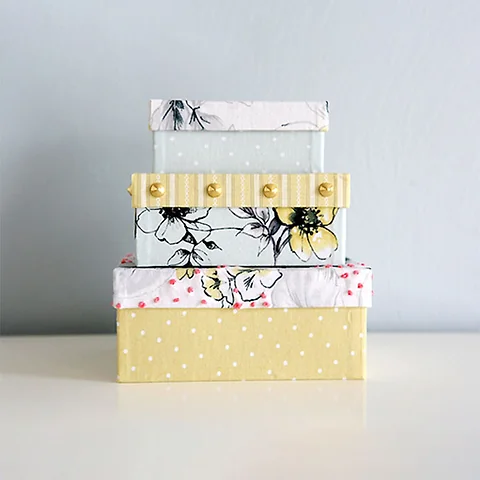 Custom Retail Boxes
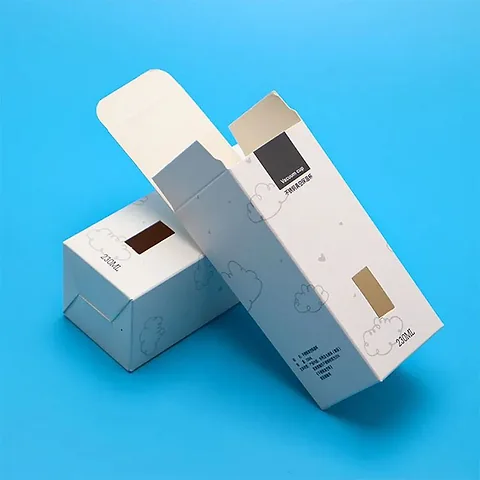 Custom Tuck End Boxes
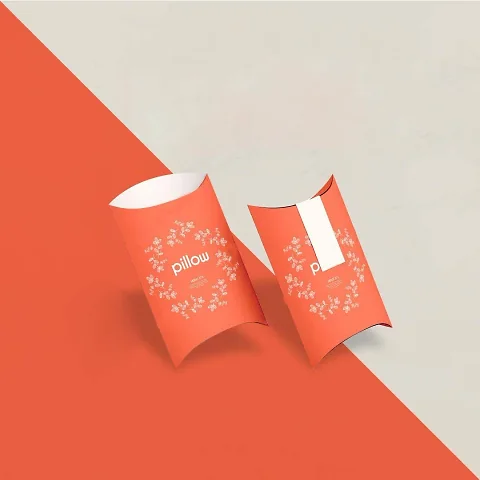 Custom Pillow Boxes
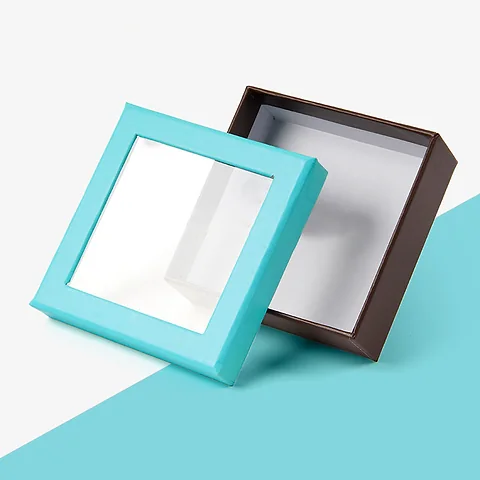 Custom Window Boxes
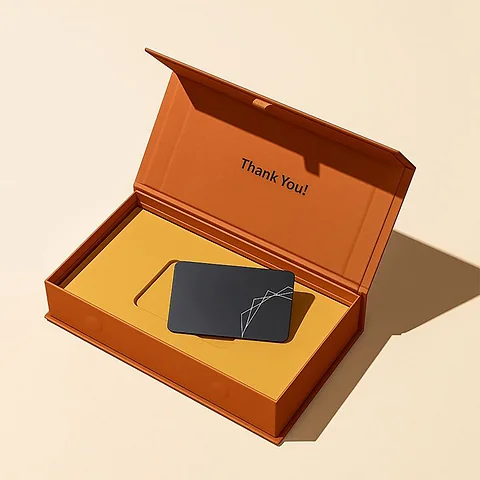 Custom Rigid Boxes
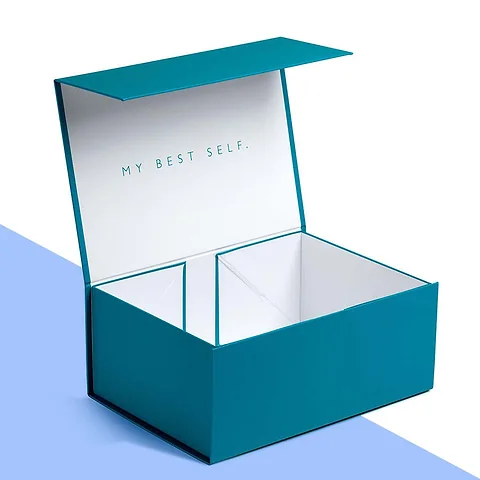 Custom Gift Boxes
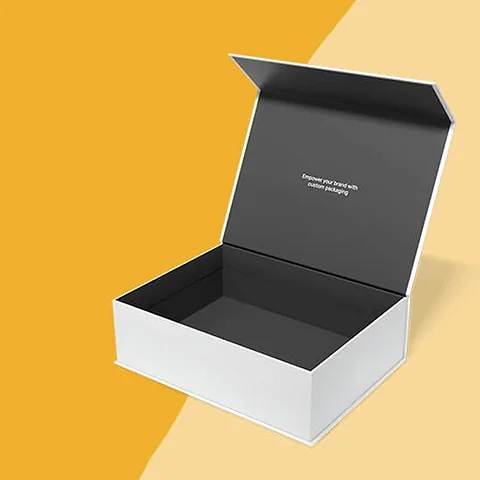 Custom Magnetic Boxes
 Custom Sleeve Boxes
 Custom Printed Boxes
 Custom Boxes with Logo
 Custom Box Inserts
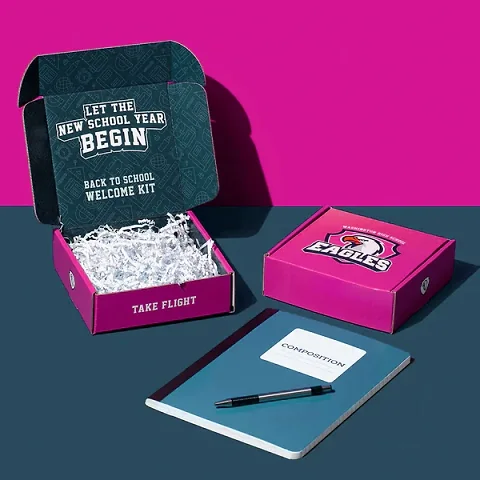
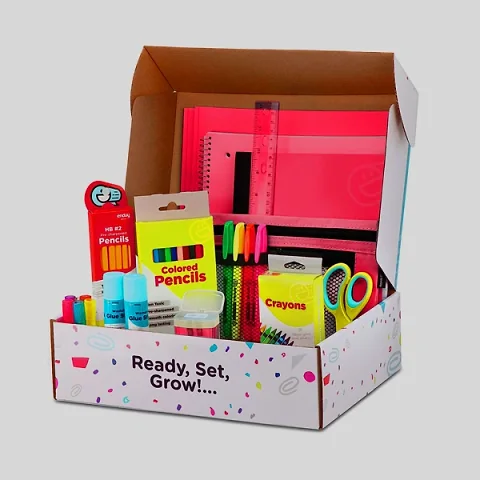
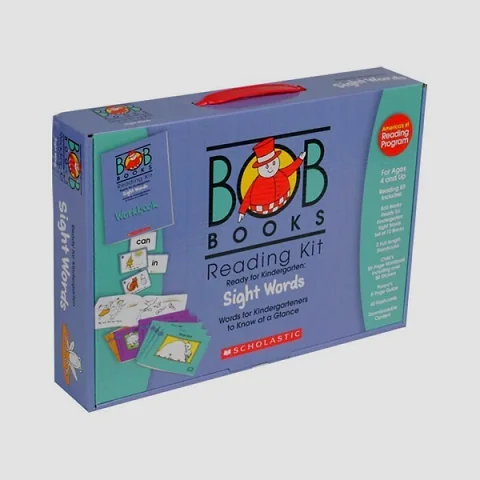
Custom Educational Kit Boxes
Custom educational kit boxes hold science sets, coding kits and craft projects with every component in its own slot, so a child opens the lid and can see straight away what goes where. We build the box and its inserts around your parts list and print it with instructions, branding and anything else the learner needs.
- Design proofFree, approved by you before printing
- PriceCustom quote by email within one working day
- Production4–7 working days after proof approval
- DeliveryFree and tracked, UK mainland, 2–3 working days
- Misprints or damageReported within 10 days, reprinted or refunded
Start With the Parts List, Not the Box
Every good kit box begins on a table with all the pieces laid out. Test tubes, circuit boards, battery packs, magnets, paint pots, a booklet: each one has a size, a weight and a level of fragility, which is why the guide to measuring your product starts with a list. Before we suggest a box, we ask for that list, because the insert layout decides the outer size far more than the other way round.
Group parts by when they are used. A kit that is worked through in stages is easier to follow when stage one sits on top and stage three is underneath. Small loose items such as screws, beads or seeds belong in a sealed bag that drops into a shallow well, so nothing rattles into the corners. Heavy items go near the base and towards the centre, which keeps the box balanced when a child carries it.
- Lay out every component and photograph it from above
- Note the largest single item, which often sets the box depth
- Mark anything fragile, liquid or sharp
- Decide whether the booklet sits on top or in a lid pocket
Custom Educational Kit Boxes That Survive the Classroom
Kits get opened, closed and reopened many times. A two-piece lid-and-base box made from rigid board is the toughest choice, and its lid can carry a large hero image like a board game. A folding mailer box with a tuck front is lighter and cheaper to post, which suits subscription kits that arrive monthly by letterbox or courier. For shop shelves, a printed sleeve over a plain tray lets you update the artwork for new editions without remaking the whole box.
Schools often store kits on shelves for a whole term, so stackability matters. Flat lids, square corners and a clear label area on the short end make it easy for a teacher to find the right set.
Often ordered by
- STEM kit brands
- Science subscription services
- Craft kit makers
- Tutoring companies
- Museum and gallery shops
- School resource suppliers
- Coding and robotics startups
Popular Educational Kit Boxes Sizes
Sizes are in mm. Every order is cut to your size, so any size between these rows is fine.
| Size | Often used for |
|---|---|
| Pocket science kit 180 x 120 x 40 mm | Single experiment or starter coding kit |
| Letterbox subscription kit 240 x 160 x 25 mm | Monthly craft or STEM kit posted through the door |
| Standard STEM kit 300 x 220 x 70 mm | Electronics, robotics or chemistry sets |
| Classroom group kit 400 x 300 x 100 mm | Shared sets for a table of four learners |
| Large model kit 450 x 320 x 120 mm | Engineering builds and solar models |
Not sure of the size? Send the product measurements and we work out the rest.
Styles
- Rigid lid and base
- Folding mailer box
- Sleeve and tray
- Magnetic flap box
- Tuck end carton
Materials
- Rigid greyboard with printed wrap
- White folding boxboard
- E-flute corrugated board
- Kraft board
- Full colour CMYK outside
- Inside lid print
- Pantone spot colours
- Numbered cavity icons
Finishes
- Matte lamination
- Soft-touch lamination
- Gloss lamination
- Spot UV
- Foil stamping
Extras
- Die-cut card insert
- Corrugated cavity insert
- Folded partitions
- Lid booklet pocket
- Hang tab for retail
See the board and finish guide for what each option looks like.
Production and Delivery
Production takes 4–7 working days after you approve the free design proof. Delivery to the UK mainland is free and tracked, and arrives in 2–3 working days once the order leaves production. The tracking link comes to you by email.
Reprints and Refunds
Check the order when it arrives. If anything is misprinted or damaged, report it within 10 days with a photo and we reprint or refund the items affected. Read the full returns and reprints policy.
Need it by a date?
Tell us the date with your sizes and we plan the proof and production around it.
Educational Kit Boxes Specification
| Style | Rigid lid and base, Folding mailer box, Sleeve and tray, Magnetic flap box, Tuck end carton |
|---|---|
| Material | Rigid greyboard with printed wrap, White folding boxboard, E-flute corrugated board, Kraft board |
| Full colour CMYK outside, Inside lid print, Pantone spot colours, Numbered cavity icons | |
| Finish | Matte lamination, Soft-touch lamination, Gloss lamination, Spot UV, Foil stamping |
| Extras | Die-cut card insert, Corrugated cavity insert, Folded partitions, Lid booklet pocket, Hang tab for retail |
| Size | Made to your size in mm |
| Minimum order | Low, quoted per job |
| Price | From £0.25 a box; custom quote by email within one working day |
| Proof | Free design proof before printing |
| Production | 4–7 working days after proof approval |
| Delivery | Free tracked UK mainland delivery, 2–3 working days |
Inserts for Fiddly and Fragile Parts
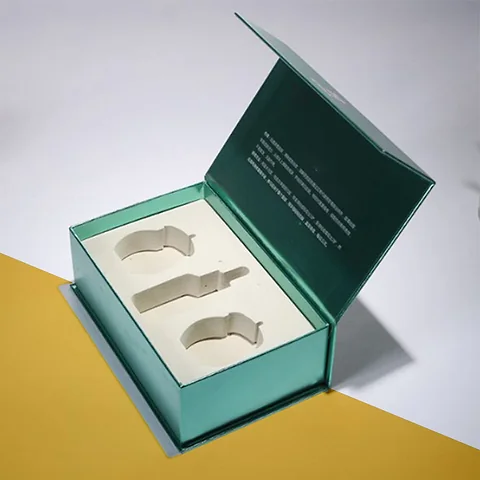
Card inserts are cut with a die so each component drops into a matching hole. They are light, print well and suit most kits; glass parts are better held in cut foam inserts. For glass vials, sensors or anything that must not move at all, a corrugated insert with deeper cavities gives more cushioning. Folded card partitions create compartments for rolled posters, coloured paper or larger models.
We can print a small icon or number beside each cavity so a child can match the part to the step in the booklet. It also makes refilling easier for classroom kits that are shared between groups.
Printing Instructions on the Box Itself
The inside of the lid is wasted space on most kit boxes. We can print a quick-start guide there, a parts checklist, or a simple diagram showing where each item lives when it goes back in the box, with a pocket folder for worksheets tucked under the lid. That one change cuts the number of lost parts in a classroom dramatically, because putting things away becomes part of the activity.
The outside carries the age guidance and safety text you supply, the learning outcomes parents look for, and a photograph or illustration of the finished project. White board with full-colour print shows bright illustrations at their best, while a matte lamination resists sticky fingers and pencil marks.
Materials and Finishes for Learning Kits
Rigid greyboard wrapped in printed paper is the premium option, suited to gift kits sold in museum shops and toy retailers; the board and card types guide compares it with folding boxboard. Folding boxboard covers most retail and subscription kits. E-flute corrugated board is the right call when kits are posted to homes and need to survive a courier van.
Finishes are best kept practical. Matte or soft-touch lamination protects against wear, spot UV can highlight a title, and a foil logo suits a gift edition. We avoid finishes that flake or scratch easily on boxes that will be handled every week.
- Rigid greyboard for gift editions and museum shop shelves
- Folding boxboard for retail and subscription kits
- E-flute corrugated board for kits posted straight to homes
- Matte lamination to shrug off sticky fingers and pencil marks
Designing for Two Audiences: the Child and the Buyer
An educational kit is chosen by an adult and opened by a child, and the box has to work for both. The adult wants to know the age range, what the child will learn, how long the activity takes and whether any extra items are needed, such as batteries or scissors, the same questions a printed toy box has to answer. Put those answers on the back panel in short, scannable lines. The child cares about what they are going to make, so the front should show the finished project large and clearly, with the kit name in bold type that a young reader can manage.
Colour coding helps when you sell a series. A physics kit, a chemistry kit and a biology kit can share the same layout and logo, with a different colour band for each subject. Teachers ordering class sets can then tell them apart at a glance, and parents collecting the series see a set worth completing.
If the kit links to online videos or worksheets, a QR code inside the lid is neater than one on the outside, because it is found at the moment the child actually starts the project.
Photograph the Parts Laid Out With a Ruler Before We Draw a Cavity
The insert is where a kit box succeeds, and the quickest brief is a photograph. Lay every component on a table in the order a child should find them, with a ruler in the frame, and send that picture with the sizes of the fragile and heavy pieces. From it we can see which parts need a deep well, which small bags need a labelled pocket and whether glass wants foam rather than card. Decide too if the kit is posted to homes, which argues for a corrugated mailer, or sold on a shelf, where a rigid lid and base suits a gift edition.
Send the parts list and photo with a target quantity and a custom quote comes back by email within one working day, with low minimums quoted per job. A free design proof shows the box, the insert and the artwork. The boxes are made in 4 to 7 working days after approval and travel free on a tracked service to UK mainland addresses in 2 to 3 working days. Brands that run a monthly kit usually add subscription boxes in the same artwork once the first kit is settled.
Design Your Educational Kit Box
Choose the educational kit boxes photo closest to what you have in mind, add your logo, drag it into place and set the size. Send it with your sizes and we reply with a custom quote and a free design proof.
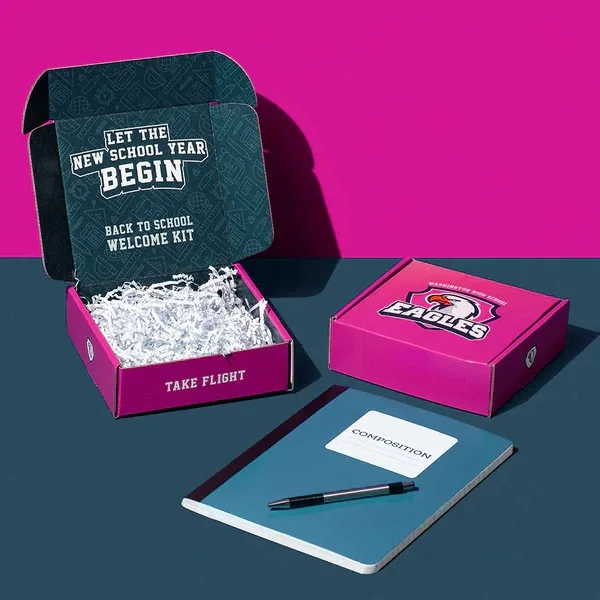

Drag the logo, or select it and use the arrow keys (Shift moves faster, + and − resize).
Related Products
Other packaging that is often ordered alongside educational kit boxes.
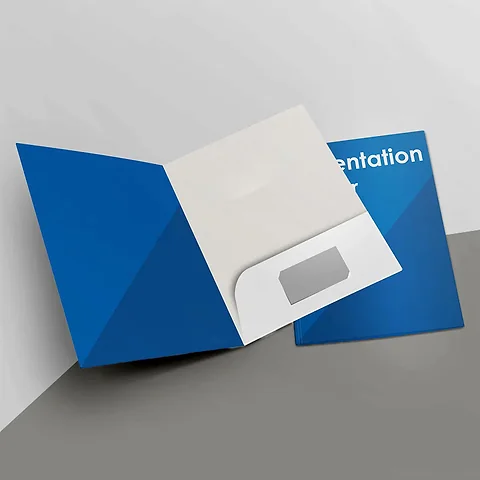
Custom Pocket Folders
Custom pocket folders keep proposals, price lists, contracts and brochures together in one branded cover, with inside pockets…
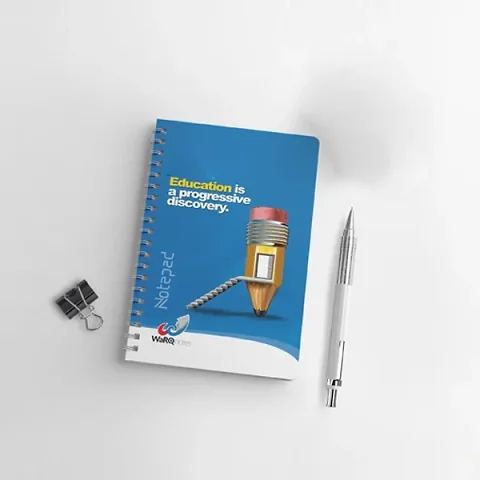
A5 Notepads
Custom A5 notepads are the size people actually keep on a desk: big enough for proper notes, small enough to slip into a bag…
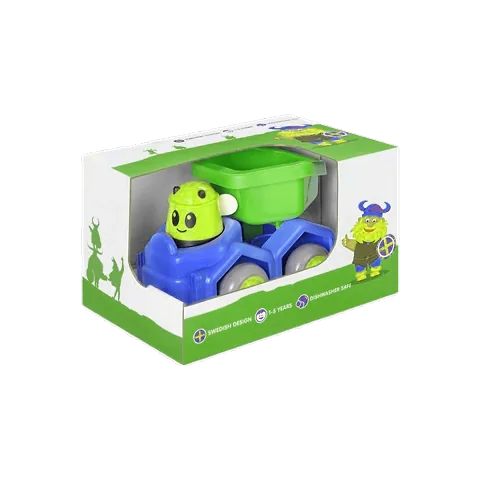
Custom Toy Boxes
Custom toy boxes have two audiences: the child who points at the shelf and the adult who reads the side panel before paying.
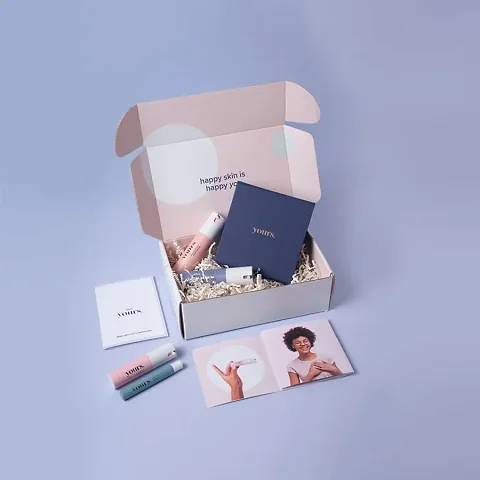
Custom Subscription Boxes
Custom subscription boxes turn a monthly delivery into something your members look forward to opening.
Educational Kit Boxes Questions
What buyers ask before ordering educational kit boxes.
Can you design the insert layout from my parts list?
Yes. Send the list with sizes, or a photo of the parts laid out, and we plan the cavities for you. The proof shows the insert so you can check every item has a home.
What is the best box for a kit posted to homes?
A corrugated mailer box with a tuck front is the strongest folding option for posting. If it needs to fit a letterbox, keep the depth to 25 mm or less and we will design around that.
Can the inside of the lid show instructions?
It can, and we recommend it. Inside print suits a quick-start guide, a parts checklist or a putting-away diagram, and it cannot be lost the way a loose sheet can.
How do I keep tiny parts from getting lost?
Pack them in small bags and give each bag its own shallow well in the insert. A printed label beside each well helps children return parts after use.
Do you print age and safety warnings?
We print any text you provide in the position you choose. The wording and compliance are your responsibility, and we check the type size stays readable on the proof.
Can I order a short run for a pilot?
Yes. Minimums are quoted per job and kept low, so a small pilot batch is fine. Many brands start small and reorder once the kit content is final.
Which material suits a gift edition?
Rigid greyboard wrapped in printed paper gives a solid, giftable feel and a lid that lifts cleanly. Add a foil title or soft-touch lamination for a premium finish.
Can the same box hold different kits?
A shared outer box with a printed sleeve per kit works well. You stock one box size and change only the sleeve and insert for each project.
Will the box survive being reused in a classroom?
Rigid lid-and-base boxes with matte lamination stand up to repeated handling best. Square corners and a printed end label also make them easy to store on shelves.
How long from approval to delivery for a classroom kit?
Allow 4 to 7 working days for production after the proof is approved, then 2 to 3 working days for free tracked delivery to the UK mainland. For a term start, approve the insert drawing early, since that is the step that most often moves a date.
What if a kit box arrives crushed?
Let us know within 10 days with a photo and we reprint or refund the affected boxes. Check the inserts as well as the outer boxes, since a crushed carton can bend the card cavities.
Get a Price for Your Educational Kit Boxes
Fill in as much as you know. Sizes are in mm (internal sizes for boxes). If you have artwork, attach it; if not, a logo is enough to start the proof.
We reply with a custom quote by email within one working day, then send a free design proof before anything is printed.
- Phone+44 7578 382054
- WhatsAppMessage us
- Emailinfo@shopcustomboxes.co.uk
- HoursMonday to Friday, 9 am to 5.30 pm UK time
- OfficeOffice 704, 85 Dunstall Hill, Wolverhampton, WV6 0SR