 Custom Mailer Boxes
 Custom Shipping Boxes
 Custom Cardboard Boxes
 Custom Kraft Boxes
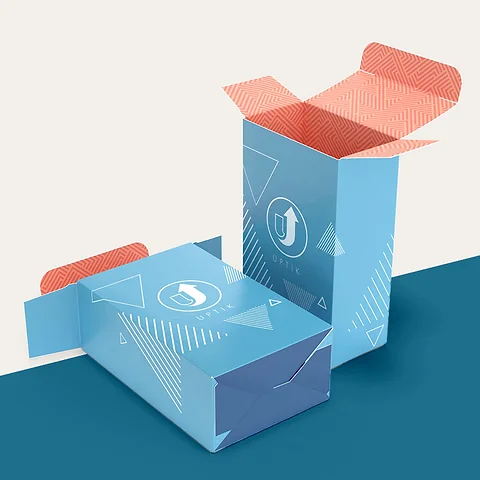 Custom Product Boxes
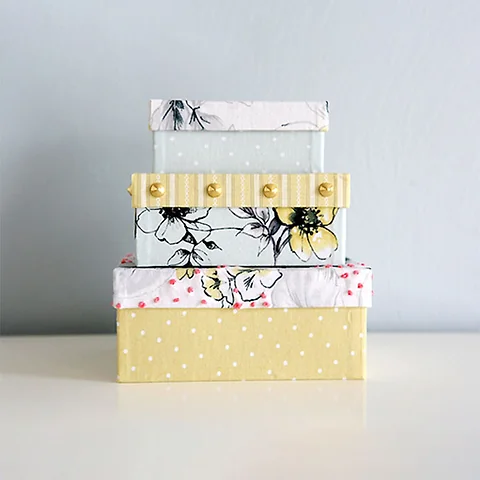 Custom Retail Boxes
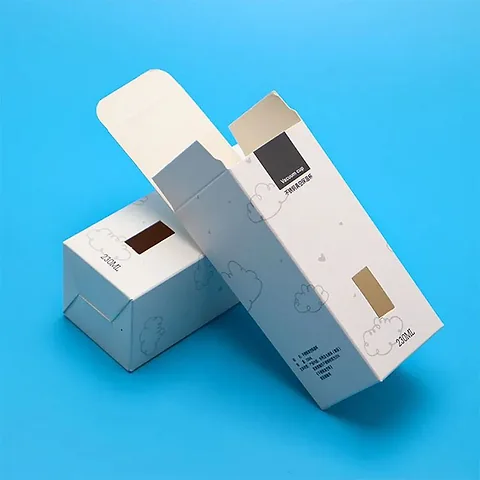 Custom Tuck End Boxes
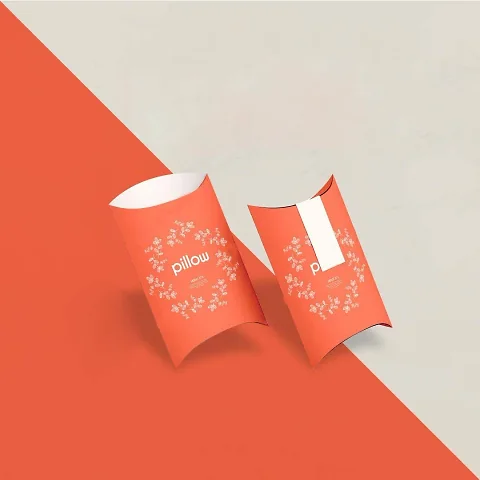 Custom Pillow Boxes
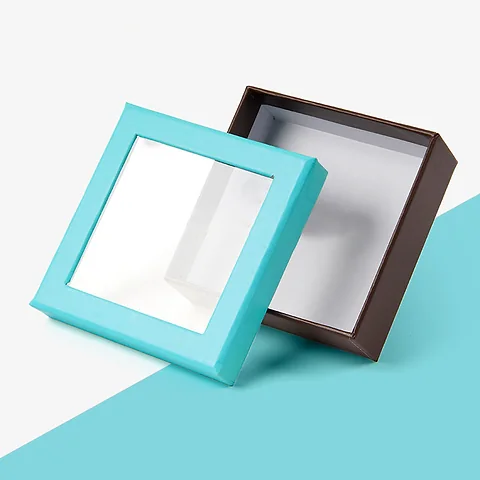 Custom Window Boxes
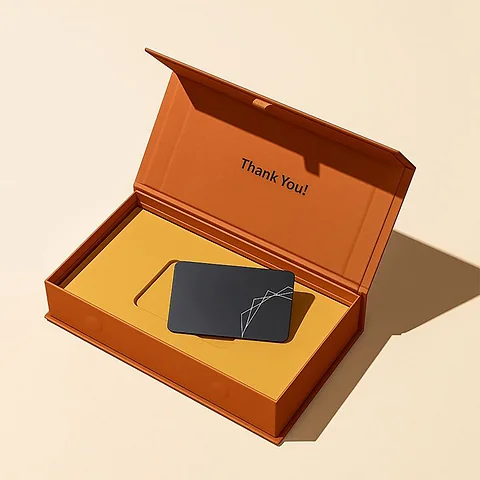 Custom Rigid Boxes
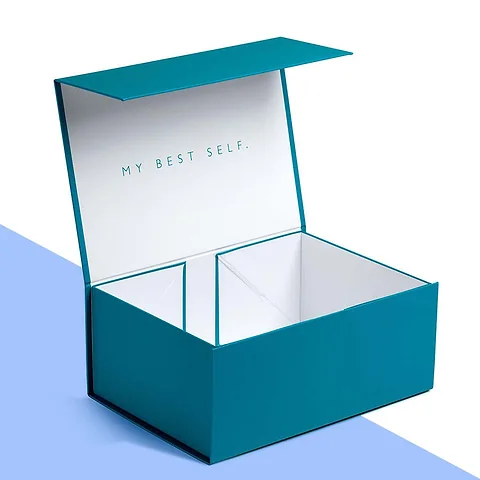 Custom Gift Boxes
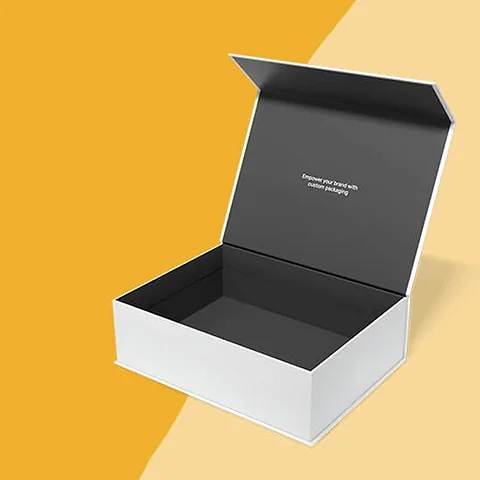 Custom Magnetic Boxes
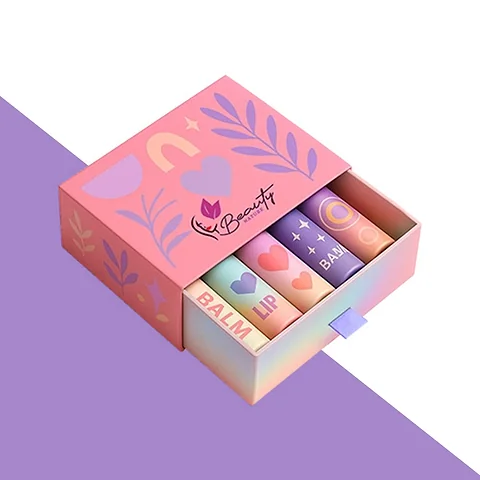 Custom Sleeve Boxes
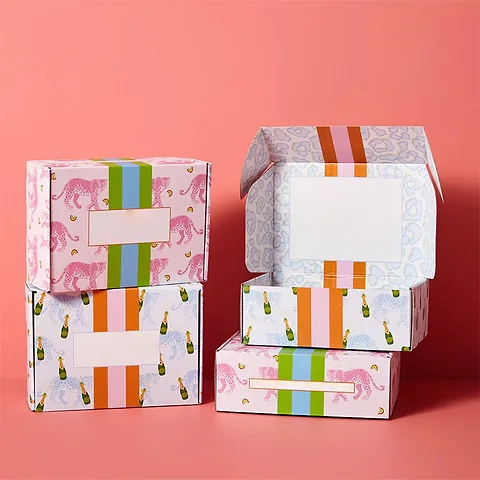 Custom Printed Boxes
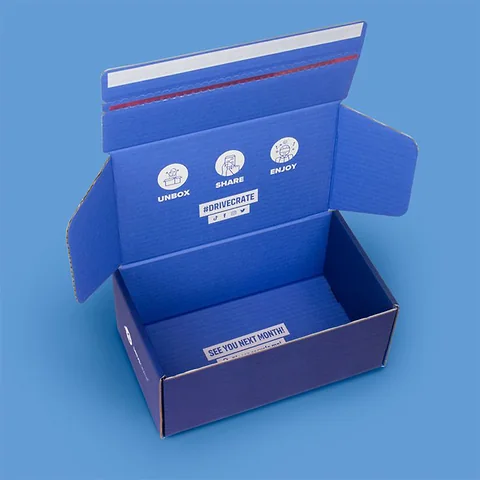 Custom Boxes with Logo
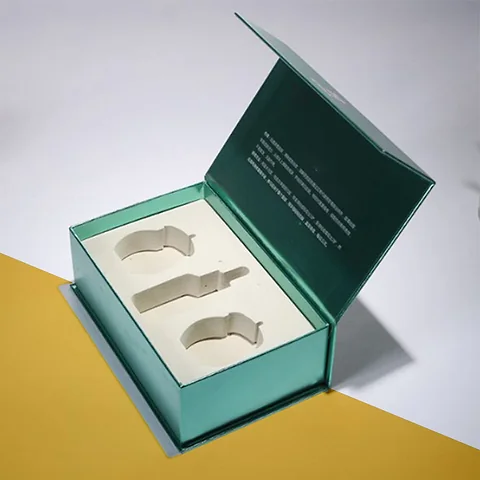 Custom Box Inserts
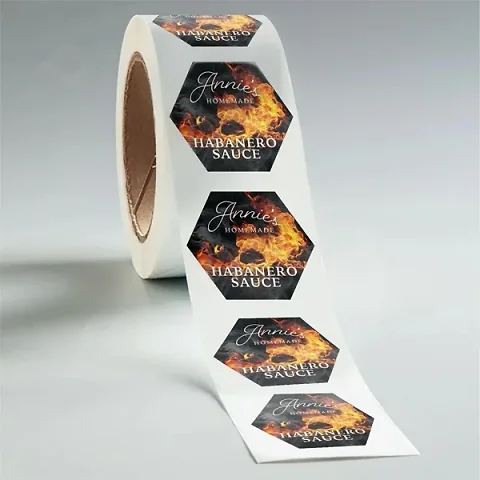
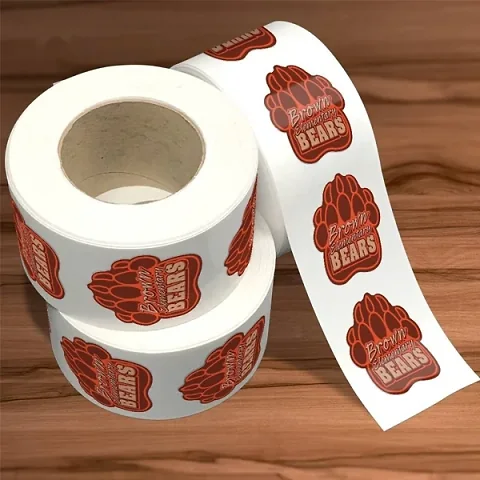
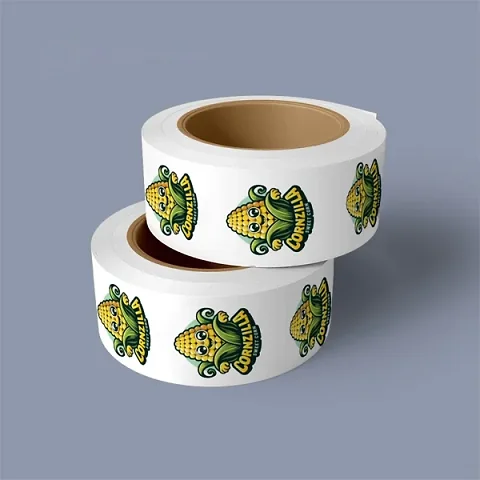
Custom Die-Cut Roll Labels
Custom die-cut roll labels are cut to the exact shape you design and supplied on a roll, ready to peel by hand or feed straight into a labelling machine. Food producers, drinks makers, cosmetic brands and anyone labelling products in volume use them for speed, consistency and a professional finish.
- Design proofFree, approved by you before printing
- PriceCustom quote by email within one working day
- Production4–7 working days after proof approval
- DeliveryFree and tracked, UK mainland, 2–3 working days
- Misprints or damageReported within 10 days, reprinted or refunded
Why Labels Come on Rolls
Labels on sheets are fine for small quantities. Once you are labelling hundreds or thousands of jars, bottles, tubs or boxes, sheets become slow and fiddly. Rolls feed continuously, peel easily and can be loaded into a hand-held dispenser or an automatic applicator. The labels sit in a neat line with consistent spacing, which makes applying them faster and more accurate.
Roll labels are also easier to store and count. A roll of a known quantity tells you exactly how many products you can label, and rolls can be stored on a spindle by product so the right label is always to hand. For businesses scaling up from home production, moving to roll labels is often one of the first steps towards a more efficient process.
Consistency is the other big benefit. Every label on a roll is cut to exactly the same shape and size, so a shelf of jars looks uniform rather than hand-finished. For food and drink producers supplying shops, that consistency is often what buyers notice first. For a matching set, the same artwork also works on our printed candle labels.
Shapes That Suit Custom Die-Cut Roll Labels
The die-cut part means the label can be almost any shape. Rectangles with rounded corners and circles are the most common, because they apply cleanly and are economical; the printed circle stickers are the simplest case. Ovals, arches and shields suit jars and bottles with traditional styling. Fully custom shapes, following the outline of a logo, a fruit, a leaf or a character, give products a distinctive look on a shelf.
Shape affects application. Very sharp corners or thin protrusions can lift or catch, especially on curved containers, so we may suggest slightly rounded corners or a simplified outline. For machine application, simple shapes with consistent spacing run most reliably.
- Rounded rectangles: the most versatile and economical
- Circles and ovals: jar lids, tubs and bottles
- Arches and shields: traditional jar and bottle styling
- Logo or product outlines: high-impact shelf presence
- Wraparound labels: full coverage on bottles and tins
Often ordered by
- Food and preserve producers
- Breweries and distillers
- Coffee roasters
- Cosmetic and candle brands
- Online sellers
- Manufacturers on production lines
Popular Die-Cut Roll Labels Sizes
Sizes are in mm. Every order is cut to your size, so any size between these rows is fine.
| Size | Often used for |
|---|---|
| Small circle 30 mm diameter | Seals, lids and sample pots |
| Jar lid 50 mm diameter | Preserve and spice jar tops |
| Front label 80 x 60 mm | Jars, tubs and candle tins |
| Bottle label 100 x 120 mm | Sauces, cosmetics and drinks |
| Wraparound 200 x 60 mm | Full wrap on bottles and tins |
Not sure of the size? Send the product measurements and we work out the rest.
Styles
- Rounded rectangle
- Circle and oval
- Arch and shield
- Custom outline
- Wraparound
Materials
- Gloss paper
- Matte paper
- Textured paper
- White polypropylene
- Clear film
- Metallic film
- Full colour CMYK
- Pantone spot colours
- White ink on clear or metallic
- Variable data on request
Finishes
- Gloss laminate
- Matte laminate
- Soft-touch laminate
- Foil highlights
- Spot varnish
- Embossing
Extras
- Permanent, removable or freezer adhesive
- Custom core sizes
- Specified unwind direction
- Blank date panel
Not sure which material or finish suits? Tell us how the label will be used and we suggest one in your custom quote.
Production and Delivery
Production takes 4–7 working days after you approve the free design proof. Delivery to the UK mainland is free and tracked, and arrives in 2–3 working days once the order leaves production. The tracking link comes to you by email.
Reprints and Refunds
Check the order when it arrives. If anything is misprinted or damaged, report it within 10 days with a photo and we reprint or refund the items affected. Read the full returns and reprints policy.
Need it by a date?
Tell us the date with your sizes and we plan the proof and production around it.
Die-Cut Roll Labels Specification
| Style | Rounded rectangle, Circle and oval, Arch and shield, Custom outline, Wraparound |
|---|---|
| Material | Gloss paper, Matte paper, Textured paper, White polypropylene, Clear film, Metallic film |
| Full colour CMYK, Pantone spot colours, White ink on clear or metallic, Variable data on request | |
| Finish | Gloss laminate, Matte laminate, Soft-touch laminate, Foil highlights, Spot varnish, Embossing |
| Extras | Permanent, removable or freezer adhesive, Custom core sizes, Specified unwind direction, Blank date panel |
| Size | Made to your size in mm |
| Minimum order | Low, quoted per job |
| Price | From £0.25 a label; custom quote by email within one working day |
| Proof | Free design proof before printing |
| Production | 4–7 working days after proof approval |
| Delivery | Free tracked UK mainland delivery, 2–3 working days |
Label Materials
Paper labels are the most common and economical. Gloss paper gives bright colours; matte paper is easy to write on and has a softer look; textured papers, such as laid or felt-marked stocks, suit premium foods, wines and spirits, and the jar labels for preserves often use them. Paper is fine for most dry, indoor products.
Film labels, usually polypropylene, resist water, oil and condensation. They suit drinks, cosmetics, bath products, sauces and anything stored in a fridge or bathroom. Clear film gives a 'no label' look where the print appears to sit directly on the glass or bottle. Metallic films add a premium shine.
Adhesive matters as much as face material. Permanent adhesive suits most products, removable adhesive suits labels that need to come off cleanly, and freezer-grade adhesive keeps labels stuck at low temperatures.
If you are unsure which material to choose, think about the worst conditions the product will meet. A jam jar on a kitchen shelf is easy for paper, while a bottle of shower gel or a beer in an ice bucket needs film. We are happy to suggest a material once we know the product and where it will be kept.
Getting the Roll Set-Up Right
If you apply labels by machine, three details matter: the core size, the outer roll diameter and the unwind direction. The core is the cardboard tube in the middle, and most applicators take a standard size, as they do for our plain custom roll labels. The outer diameter must fit the machine's holder. The unwind direction, sometimes called the wind position, decides which way the label faces as it comes off the roll, and it must match how your machine applies it.
Check your applicator's manual or ask your machine supplier for these details before ordering. If you apply by hand or with a simple dispenser, the settings are less critical, but a consistent wind direction still helps staff work quickly.
Label spacing on the roll, known as the gap, also affects machine application; we use standard gaps unless your machine needs something specific.
Print and Finishing Options
Roll labels can be printed in full colour with sharp text, which suits ingredients lists, nutritional panels and barcodes. Spot colours give exact brand matching. White ink under clear or metallic film makes colours opaque and vibrant.
Finishing adds impact. Foil highlights, spot varnish, embossing and soft-touch laminate give premium products a finish to match; the print and finish options compared page shows each one. Over-laminate protects print on products that will be handled often or exposed to moisture.
Variable data, such as batch numbers or best-before dates, can sometimes be printed during the run, or you can leave a blank panel for your own date coder.
Sizing a Label to Your Container
Measure the flat area of the container where the label will sit, not the full height or circumference. Bottles and jars have curves, shoulders and seams that a label cannot cross neatly, which is why clear wrap-around labels are cut to the straight section only. For round containers, allow a small gap so the label does not overlap itself unless you want a wraparound.
Making a paper mock-up is a simple way to check size and position. Print your design at actual size, cut it out and tape it to the container. You will see quickly if it looks right and if any text sits on a curve.
Food producers, preserve makers, bakers, coffee roasters and sauce brands are frequent users, along with breweries, distillers and juice makers. Cosmetic and candle brands use them on jars, tubes and tins, and online sellers use roll labels for branding packaging and sealing parcels. Larger manufacturers use them for batch and product identification on production lines.
Lids deserve their own label in many ranges. A small circle on the lid shows the flavour from above when jars sit in a crate or a low shelf.
Photograph Your Applicator's Spec Plate Before Ordering a Roll
Roll labels go wrong on the roll, not the label, so the first thing to send is a photograph of your labelling machine's specification plate or manual page. It gives the core size, the maximum roll diameter and the unwind direction, which decide how the roll is wound. If you apply by hand, say so and we wind for a dispenser. Then measure the flat area of the container the label sits on, not the full height, and choose the material: paper for dry goods, polypropylene for anything chilled, wet or oily.
Send the label shape and size, the material, the quantity per roll and the machine details, and a custom quote arrives by email within one working day, minimums low and quoted per job; simple labels start from £0.25 on small runs and fall with volume. A free design proof shows the shape, the print and the roll set-up. Labels are made in 4 to 7 working days after approval and posted by free tracked UK mainland delivery in 2 to 3 working days. Producers who seal jars with a lid label often add preserve jar lid labels to the same run.
Design Your Die-Cut Roll Label
Choose the Die-Cut roll labels photo closest to what you have in mind, add your logo, drag it into place and set the size. Send it with your sizes and we reply with a custom quote and a free design proof.
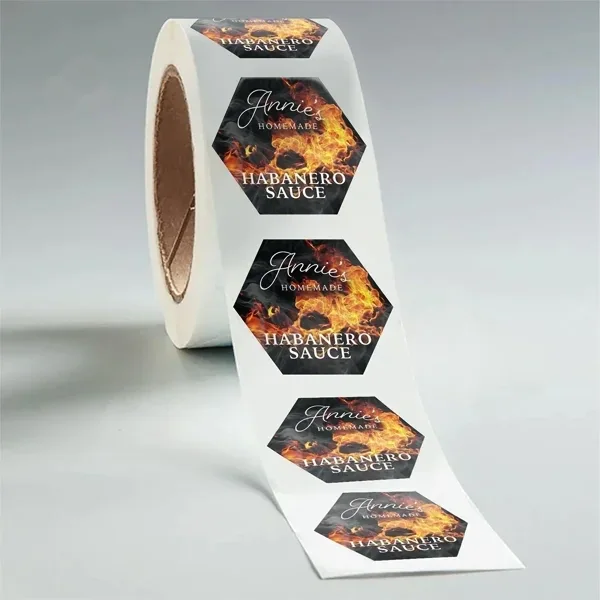
Drag the logo, or select it and use the arrow keys (Shift moves faster, + and − resize).
Related Products
Other packaging that is often ordered alongside Die-Cut roll labels.
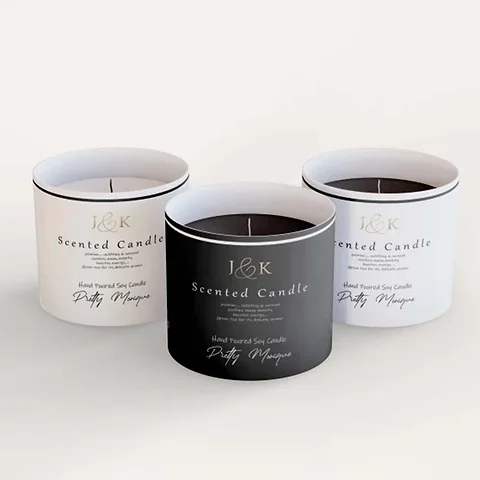
Custom Candle Labels
Custom candle labels wrap around jars, sit on tin lids and seal the base of tumblers, carrying your brand, the fragrance name,…
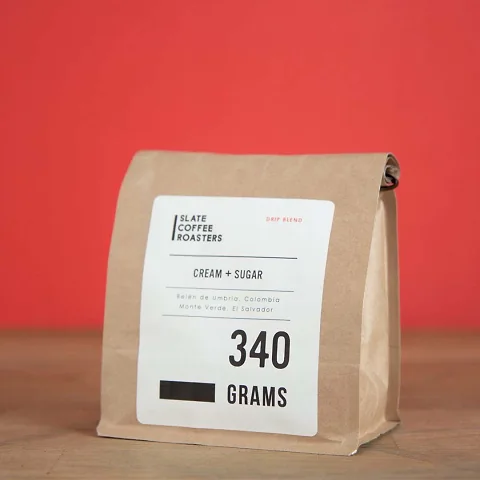
Coffee Bag Labels
Custom coffee bag labels let a small roaster use one stock of plain bags for every coffee on the menu, with the origin, roast…
Ice Cream Labels
Custom ice cream labels are made to stay stuck in the freezer, on cold, damp tubs and lids where ordinary labels peel away.
Custom Address Labels
Custom address labels put your return address on every envelope and parcel without writing it out by hand.
Die-Cut Roll Labels Questions
What buyers ask before ordering Die-Cut roll labels.
Can I use roll labels without a machine?
Yes, many small businesses peel them by hand or use a simple dispenser. Rolls are still quicker and neater than sheets.
What core size do I need?
Check your applicator's specifications. Most machines take a standard core, and we can supply other sizes on request.
What is unwind direction?
It is the way the label faces as it comes off the roll. It must match your machine, so ask your supplier or check the manual before ordering.
Which material resists water?
Polypropylene film labels resist water, oil and condensation. They suit drinks, bath products and anything refrigerated.
Can I have a clear label?
Yes, clear film gives a 'no label' look. White ink under the print keeps colours strong on dark or clear containers.
Will a custom shape peel off cleanly?
Simple outlines with rounded corners peel and apply best. We may suggest small changes to very intricate shapes.
Can you print batch numbers?
Variable data can sometimes be printed during the run. Alternatively we leave a blank panel for your own date coder.
Do labels stay stuck in the freezer?
Use a freezer-grade adhesive for frozen products. Standard adhesive can lose its grip at low temperatures.
How many labels come on a roll?
It depends on label size and your roll diameter. Tell us your preferred quantity per roll and we will set it up.
Can I order two rolls of 500 labels to start?
Yes. Minimums are low and quoted per job, so a small producer can order a couple of rolls to start and reorder once the label has proved itself. The proof and roll set-up are kept on file for the next run.
What if labels are wound the wrong way?
We wind to the direction you approve on the proof. If a fault is ours and reported within 10 days, we reprint or refund.
Get a Price for Your Die-Cut Roll Labels
Fill in as much as you know. Sizes are in mm (internal sizes for boxes). If you have artwork, attach it; if not, a logo is enough to start the proof.
We reply with a custom quote by email within one working day, then send a free design proof before anything is printed.
- Phone+44 7578 382054
- WhatsAppMessage us
- Emailinfo@shopcustomboxes.co.uk
- HoursMonday to Friday, 9 am to 5.30 pm UK time
- OfficeOffice 704, 85 Dunstall Hill, Wolverhampton, WV6 0SR