 Custom Mailer Boxes
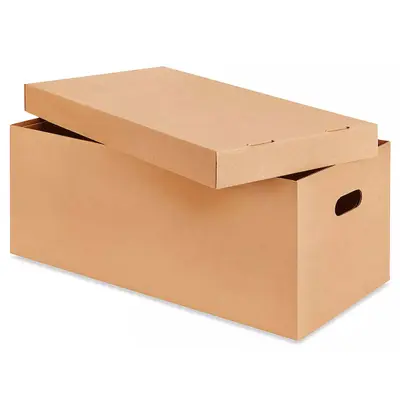 Custom Shipping Boxes
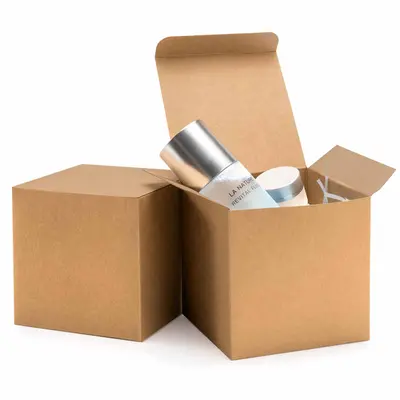 Custom Cardboard Boxes
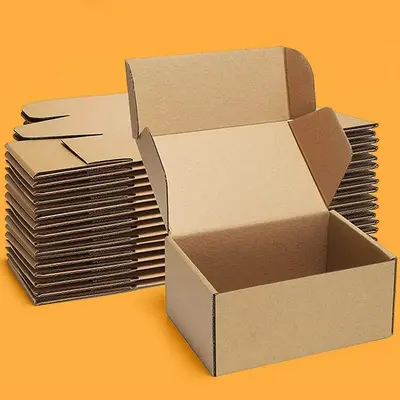 Custom Kraft Boxes
 Custom Product Boxes
 Custom Retail Boxes
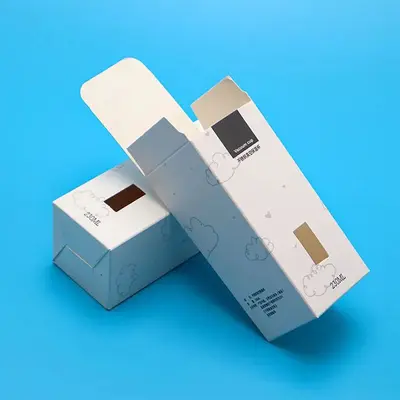 Custom Tuck End Boxes
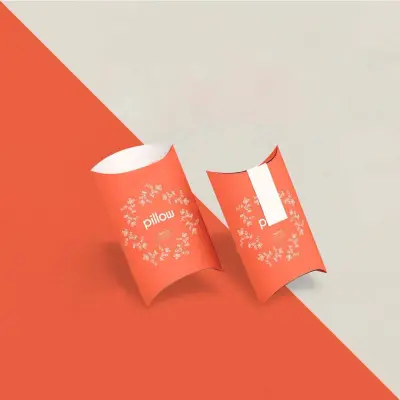 Custom Pillow Boxes
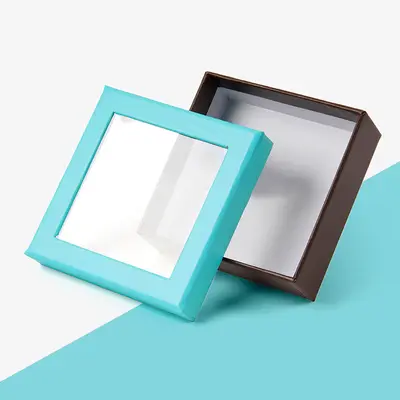 Custom Window Boxes
 Custom Rigid Boxes
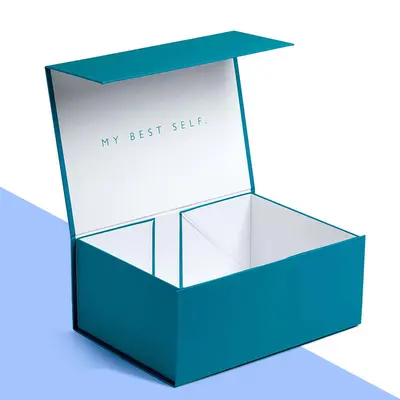 Custom Gift Boxes
 Custom Magnetic Boxes
 Custom Sleeve Boxes
 Custom Printed Boxes
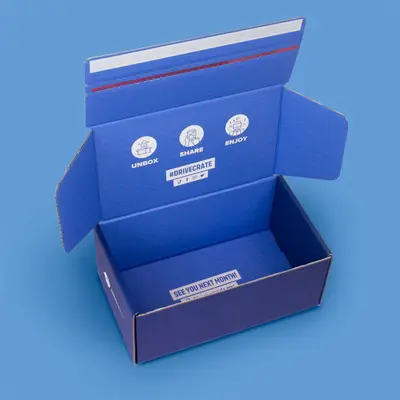 Custom Boxes with Logo
 Custom Box Inserts
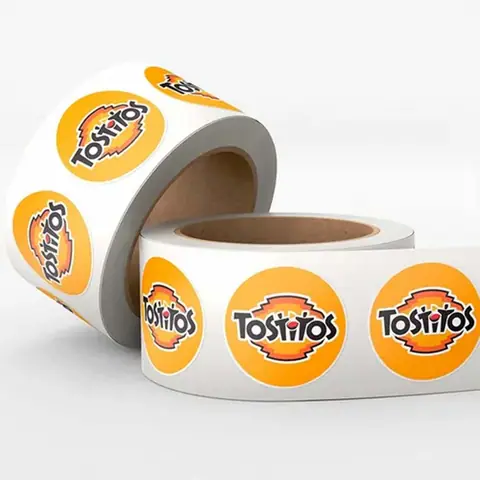
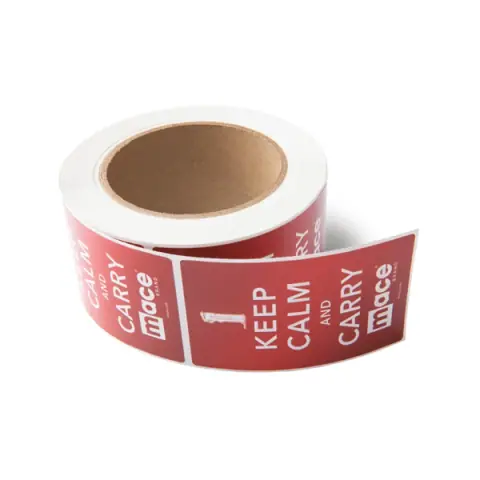

Custom Roll Labels Printed to Shape
Custom roll labels are self-adhesive labels printed and wound on a core, so they peel off one after another quickly by hand or feed straight into a labelling machine. If you put a label on jars, bottles, pouches or boxes every day, rolls are usually faster and neater than sheets.
- Design proofFree, approved by you before printing
- PriceCustom quote by email within one working day
- Production4–7 working days after proof approval
- DeliveryFree and tracked, UK mainland, 2–3 working days
- Misprints or damageReported within 10 days, reprinted or refunded
Why Producers Switch to Rolls
Most small brands start with sheet labels printed at home or ordered on A4. That works for a few dozen jars, but once you are labelling hundreds a week, peeling each label from a sheet slows everything down and the edges of sheets get in the way. On a roll, every label sits in a neat line on a continuous backing, and you peel one, apply it, and the next is already lifting. With a simple hand dispenser, the label pops forward each time you pull.
Rolls are also the format labelling machines need. Even a basic tabletop applicator for round jars takes labels on a roll, and as a business grows, moving to a machine is much easier when your labels are already supplied in the right format.
Rolls also keep stock tidy: one roll per design, labelled on the outside, is far easier to manage than loose sheets in a drawer. Small runs applied by hand are often cheaper as product labels supplied on sheets.
Shapes, Sizes and Cutting
Roll labels are die cut, so the shape is not limited to rectangles. Circles and ovals suit jar lids. Rounded rectangles wrap neatly around bottles. Custom outlines that follow a logo or an illustration give a product a stronger outline on the shelf. The die cutting goes through the label face but not the backing, so labels stay on the roll until you peel them.
Size is set by the product. For a jar, measure the flat area between the shoulder and the base, then choose a label height that sits inside that space with a few millimetres spare. For wraparound labels, measure the circumference and decide if the label should meet at the back, leave a gap or overlap slightly. Shapes that follow a logo are on our die-cut roll labels in custom shapes page.
- Circles and ovals for lids and fronts
- Rectangles and rounded rectangles for jars and bottles
- Wraparound labels for tins and tubes
- Custom die cut outlines
- Front and back label pairs on the same roll
Often ordered by
- Food and drink producers
- Candle makers
- Cosmetic and soap brands
- Coffee roasters
- Breweries and distillers
- Pet product makers
- Contract packers
Popular Roll Labels Sizes
Sizes are in mm. Every order is cut to your size, so any size between these rows is fine.
| Size | Often used for |
|---|---|
| Jar lid circle 50 mm diameter | Lids of jam and honey jars |
| Small jar front 70 x 50 mm | Fronts of small jars and tins |
| Bottle front 90 x 120 mm | Sauce, oil and drinks bottles |
| Candle wrap 220 x 60 mm | Wraparound candle jar labels |
| Pouch label 100 x 150 mm | Coffee bags and stand-up pouches |
Not sure of the size? Send the product measurements and we work out the rest.
Styles
- Die cut shapes
- Circles and ovals
- Rectangles
- Wraparound labels
- Front and back pairs
Materials
- Uncoated paper
- Coated gloss paper
- Coated matt paper
- Kraft paper
- White film
- Clear film
- Metallic film
- Full colour digital
- Spot colour matching
- White ink on clear film
- Multiple designs per order
Finishes
- Matt varnish
- Gloss varnish
- Matt or gloss lamination
- Foil
- Embossing
Extras
- Permanent adhesive
- Freezer-grade adhesive
- Removable adhesive
- Set core sizes
- Set wind direction
Not sure which material or finish suits? Tell us how the label will be used and we suggest one in your custom quote.
Production and Delivery
Production takes 4–7 working days after you approve the free design proof. Delivery to the UK mainland is free and tracked, and arrives in 2–3 working days once the order leaves production. The tracking link comes to you by email.
Reprints and Refunds
Check the order when it arrives. If anything is misprinted or damaged, report it within 10 days with a photo and we reprint or refund the items affected. Read the full returns and reprints policy.
Need it by a date?
Tell us the date with your sizes and we plan the proof and production around it.
Roll Labels Specification
| Style | Die cut shapes, Circles and ovals, Rectangles, Wraparound labels, Front and back pairs |
|---|---|
| Material | Uncoated paper, Coated gloss paper, Coated matt paper, Kraft paper, White film, Clear film, Metallic film |
| Full colour digital, Spot colour matching, White ink on clear film, Multiple designs per order | |
| Finish | Matt varnish, Gloss varnish, Matt or gloss lamination, Foil, Embossing |
| Extras | Permanent adhesive, Freezer-grade adhesive, Removable adhesive, Set core sizes, Set wind direction |
| Size | Made to your size in mm |
| Minimum order | Low, quoted per job |
| Price | From £0.25 a label; custom quote by email within one working day |
| Proof | Free design proof before printing |
| Production | 4–7 working days after proof approval |
| Delivery | Free tracked UK mainland delivery, 2–3 working days |
Choosing the Right Label Stock
Paper labels are the most economical and take print beautifully. Uncoated paper has a soft, natural feel and suits artisan food and candles. Coated gloss or matt paper gives sharper detail and brighter colours. Kraft paper labels have a brown, rustic look that pairs well with simple one-colour designs.
Film labels in white, clear or metallic finishes resist water and oil. They are the right choice for bath products, drinks bottles that go in ice buckets, sauces and anything stored in a fridge. Clear film gives a no-label look on glass, where the print appears to float on the bottle. Ask us which stock suits your product if you are unsure, especially for chilled or wet conditions.
Textured wine-style papers are another option for spirits and premium preserves, giving a tactile, uncoated finish. Bottles that sit in ice or a fridge need the film stock on our BOPP labels for wet conditions page.
Adhesives, Cores and Winding
The adhesive matters as much as the face stock. A standard permanent adhesive works for most glass, card and plastic. Freezer-grade adhesive holds on frozen and chilled packs where ordinary glue would let go. Removable adhesive peels off cleanly, useful for price labels or reusable containers. Highly curved or textured surfaces, such as small vials or kraft pouches, may need a more aggressive adhesive.
If your product is filled hot, chilled after labelling or kept in damp places, mention it when you ask for a quote. A quick test with a sample label on your actual container is the best way to be sure.
When labels go onto a machine, two details are essential: the core size and the wind direction. The core is the cardboard tube in the middle of the roll, and machines take specific internal diameters. The wind direction describes which way the label faces as it comes off the roll, top first, bottom first, left or right leading. Getting this wrong means labels come out upside down or sideways.
If you apply labels by hand, these details matter less, but a sensible roll size still helps. Smaller rolls are easier to handle on a busy bench, while larger rolls save changeovers on a machine. Tell us how you apply them and we will set it up correctly on the proof. Round containers on a semi-automatic labeller are covered by our jar labels applied by machine.
Printing and Finishing
Full colour digital print handles detailed artwork, photographs and multiple designs in one order without extra setup. That makes it ideal for brands with several flavours or scents, where each design is a separate version on its own roll. Spot colours can be matched for strong brand colours. Finishes include matt or gloss varnish and lamination for scuff resistance, foil for metallic accents and embossed texture for premium products.
Leave space on the design for information that changes, such as batch codes and best before dates. Many producers add these with a small hand stamp or a date printer once the label is applied.
Planning a Label Range That Grows
The labels you order for one product often become the template for a whole range. It pays to plan for that from the start. Keep the label shape and size the same across products that share a container, and change only the colour panel, flavour name or illustration. That keeps the shelf looking like a family and means every new product slots straight in without a new cutter or a new machine setting.
Think about what information sits on the front and what goes on a separate back label. A clean front label with the brand and product name sells better on the shelf, while ingredients, allergens, barcodes and legal wording usually live on the back. Printing front and back labels on the same roll, in order, saves time for anyone applying them by hand. Candle makers running a scent range use the same approach on our candle labels for a scent range.
Check Your Applicator Before You Choose the Wind
Roll labels are specified by the machine that applies them, so before anything else, find out from your labeller the core diameter, the maximum roll diameter and the wind direction it needs; applying labels by hand needs none of that, and a 76 mm core with a standard wind is fine. Then measure the container: for a wraparound, the circumference and the height of the flat area, deciding if the label meets at the back or leaves a gap. List every design and a quantity for each, because several designs run in one order. Artwork is a vector file per design with a clear area left for batch codes, and the free proof shows every version with the roll direction marked. A custom quote comes by email within one working day and minimums are quoted per job, so a new producer can order a few hundred of each design. Rolls are produced in 4–7 working days after approval and delivered free and tracked on the UK mainland. Seals, tags and sheet labels for the same shelf are with our other labels and stickers.
Design Your Roll Label
Choose the roll labels photo closest to what you have in mind, add your logo, drag it into place and set the size. Send it with your sizes and we reply with a custom quote and a free design proof.

Drag the logo, or select it and use the arrow keys (Shift moves faster, + and − resize).
Related Products
Other packaging that is often ordered alongside roll labels.

Die-Cut Roll Labels
Custom die-cut roll labels are cut to the exact shape you design and supplied on a roll, ready to peel by hand or feed…

Custom Product Labels
Custom product labels are often the first thing a shopper reads on a bottle, jar or pouch, and for small brands they are…
Custom Jar Labels
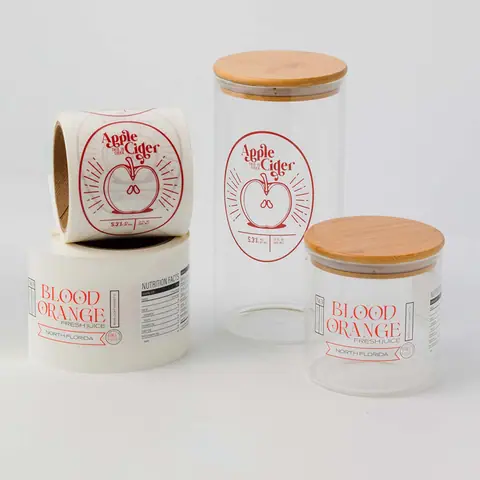
Custom jar labels turn a plain glass jar of jam, honey or chutney into something that looks at home on a deli shelf.

Custom Candle Labels
Custom candle labels wrap around jars, sit on tin lids and seal the base of tumblers, carrying your brand, the fragrance name,…
Roll Labels Questions
What buyers ask before ordering roll labels.
Do I need roll labels if I apply labels by hand?
Not necessarily, but rolls are much quicker to peel than sheets once you are labelling more than a few dozen items a week. A simple hand dispenser speeds things up further.
What core size do labelling machines use?
It depends on the machine. Check the manual or the spindle and tell us the internal core diameter. We set the core to match.
What does wind direction mean?
It describes which edge of the label comes off the roll first. Machines need a specific direction so labels go on the right way up. We confirm it on your proof.
Which labels survive the fridge and ice buckets?
Film labels with a suitable adhesive resist water and condensation. Paper labels can wrinkle when wet. Tell us about chilled use when you request a quote.
Can six jam flavours go on one roll label order?
Yes, digital printing handles several designs in one order without extra set-up, so six flavours on the same label size are one job. Each design is supplied on its own roll unless you ask for them mixed. Quantities per flavour can differ.
Can you print clear labels with white ink?
Yes. White ink can be printed under colours on clear film so they stay bright on glass or coloured containers.
What adhesive suits frozen food?
Freezer-grade adhesive holds on frozen and chilled packs. Apply labels before freezing for the best bond.
Can labels follow the shape of my logo?
Yes. Labels can be die cut to almost any outline. Very fine points or narrow sections may need softening for clean peeling.
Where do batch codes go on a roll label?
Leave a clear area on the design, usually near the base of the label, for a stamp or a date printer. That avoids reprinting labels when dates change. We mark the clear area on the proof.
How soon can roll labels be delivered?
Production takes 4–7 working days after proof approval. Free tracked delivery to UK mainland addresses then takes 2–3 working days.
What if the labels are wound the wrong way?
If the wind direction does not match the approved proof, report it within 10 days of delivery and we reprint or refund the rolls. The proof states the wind as a number and a diagram, so check it against your applicator. Hand-applied labels can be used in either direction.
Get a Price for Your Roll Labels
Fill in as much as you know. Sizes are in mm (internal sizes for boxes). If you have artwork, attach it; if not, a logo is enough to start the proof.
We reply with a custom quote by email within one working day, then send a free design proof before anything is printed.
- Phone+44 7578 382054
- WhatsAppMessage us
- Emailinfo@shopcustomboxes.co.uk
- HoursMonday to Friday, 9 am to 5.30 pm UK time
- OfficeOffice 704, 85 Dunstall Hill, Wolverhampton, WV6 0SR