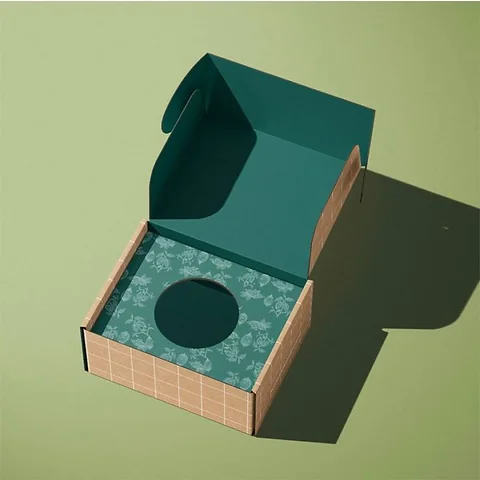
 Custom Mailer Boxes
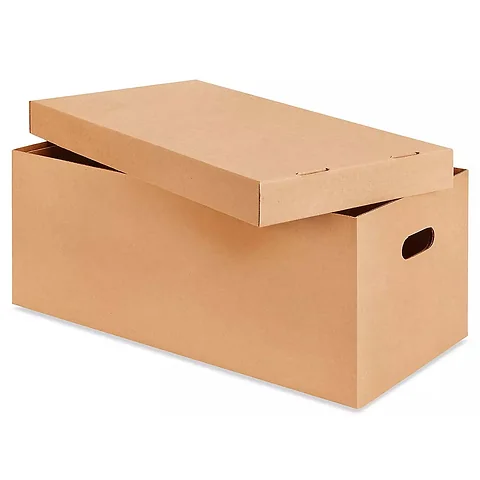 Custom Shipping Boxes
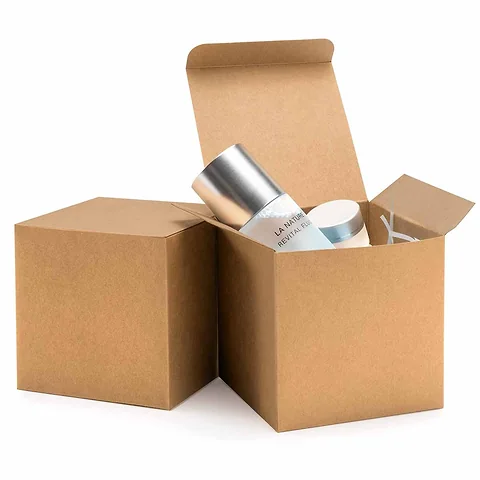 Custom Cardboard Boxes
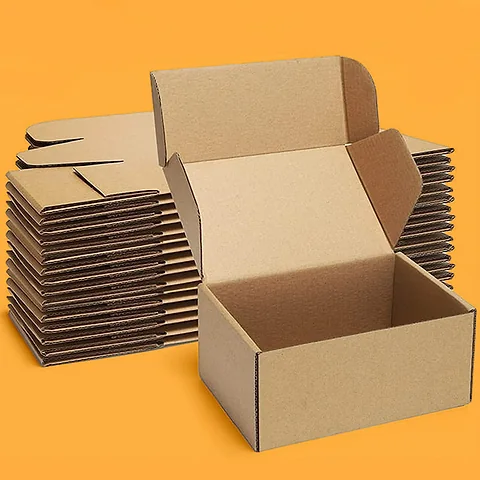 Custom Kraft Boxes
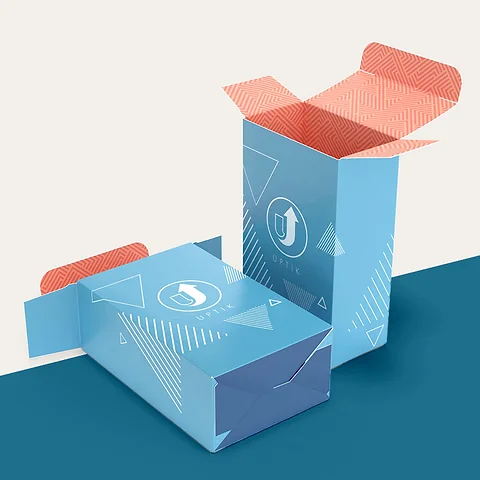 Custom Product Boxes
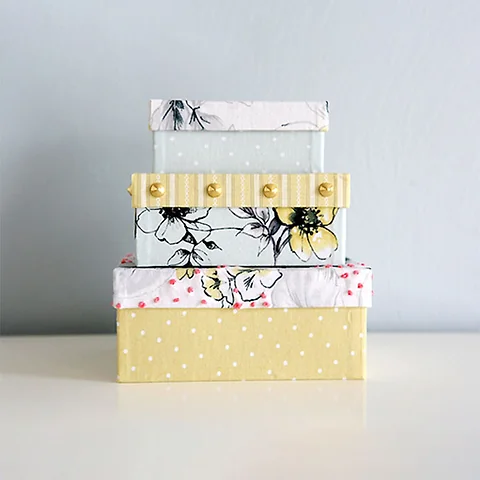 Custom Retail Boxes
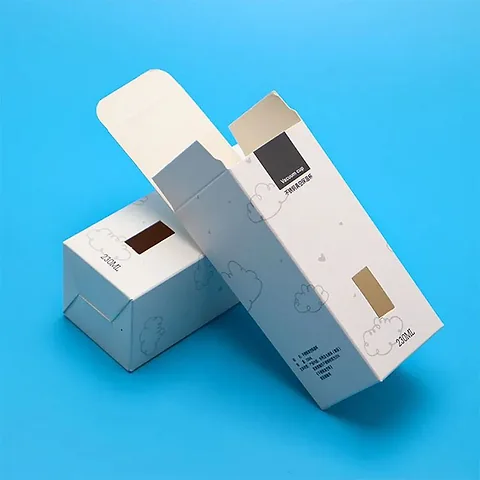 Custom Tuck End Boxes
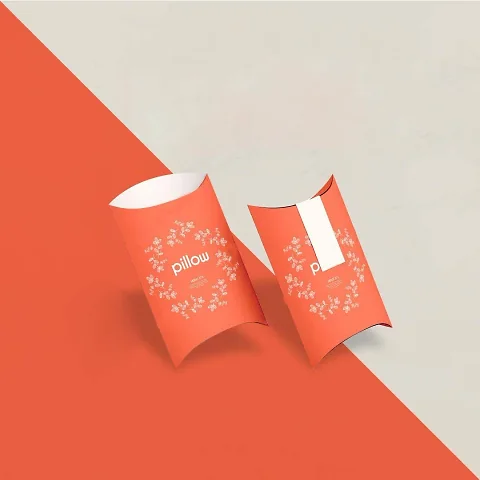 Custom Pillow Boxes
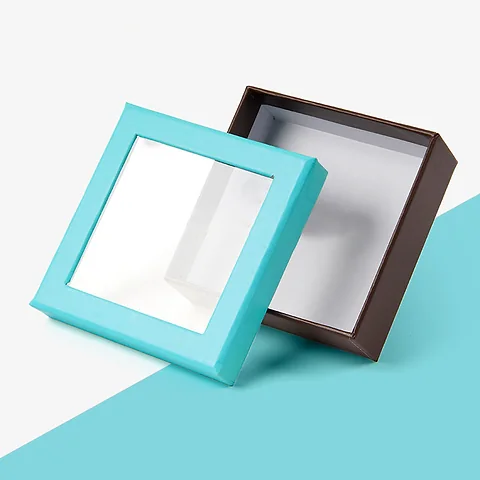 Custom Window Boxes
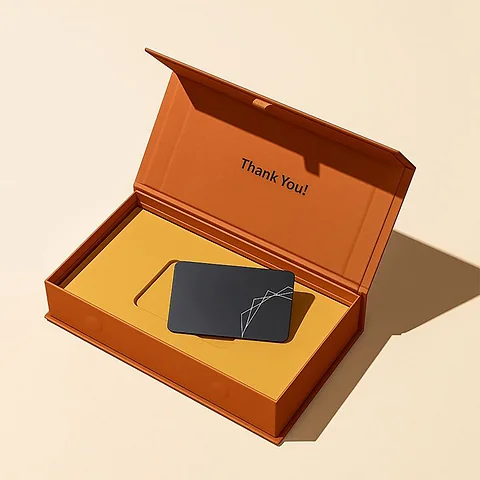 Custom Rigid Boxes
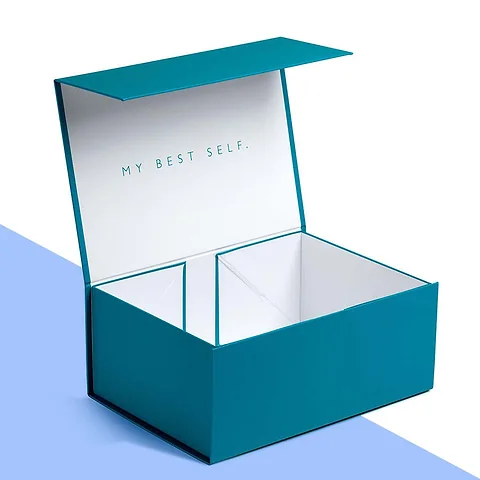 Custom Gift Boxes
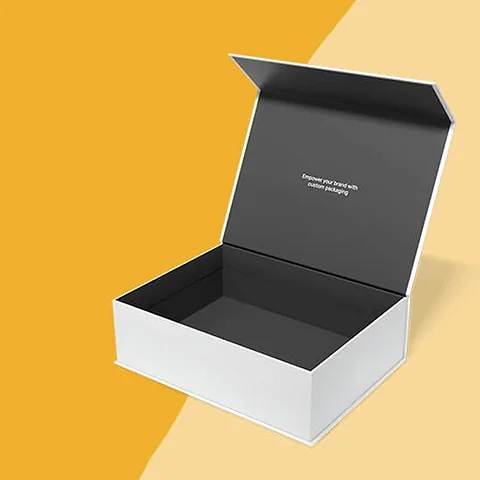 Custom Magnetic Boxes
 Custom Sleeve Boxes
 Custom Printed Boxes
 Custom Boxes with Logo
 Custom Box Inserts
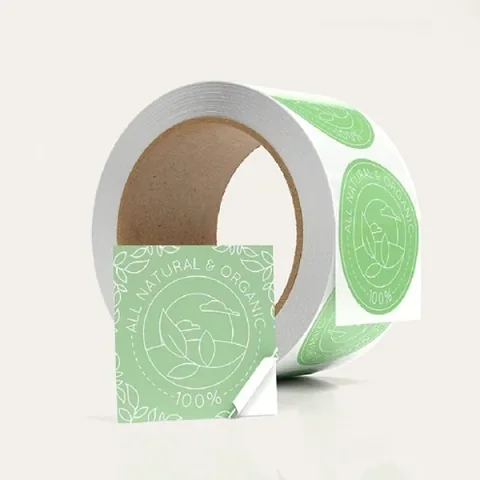
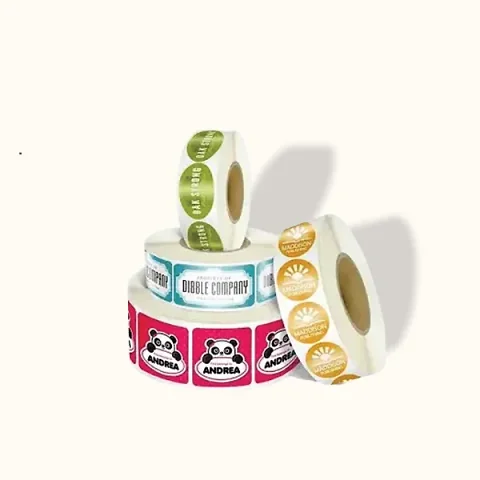
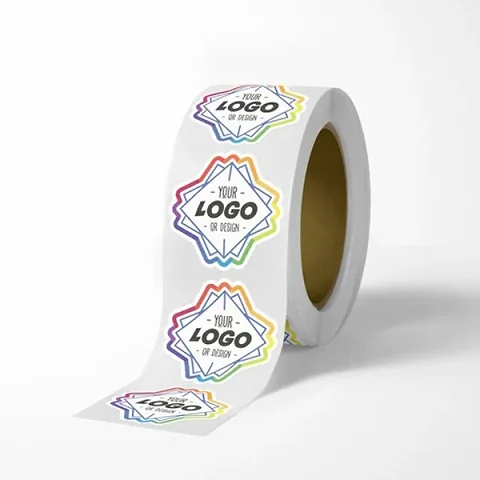
Custom General Purpose Labels
Custom general purpose labels are the everyday workhorses of a business: address labels, stock labels, shelf tags, return address stickers and branded seals. We print them on sheets or rolls with your logo and layout, so the labels you use dozens of times a day look like they belong to you.
- Design proofFree, approved by you before printing
- PriceCustom quote by email within one working day
- Production4–7 working days after proof approval
- DeliveryFree and tracked, UK mainland, 2–3 working days
- Misprints or damageReported within 10 days, reprinted or refunded
Labels for the Jobs Nobody Talks About
Most businesses use far more labels than they realise. A shop puts them on bags and shelves, a warehouse on bins and cartons, an office on files and post, a maker on jars and parcels. Plain labels from a stationer do the job, but they do nothing for the brand, and handwritten ones look rushed.
Printed general purpose labels fill that gap. Your logo, colours and a fixed layout are printed in advance, and the variable part, such as an address, product code or date, is added by hand, by a label printer or through your office printer. The result is consistent, quick to apply and recognisably yours.
Because they are not tied to one product, these labels are often the first printed item a small business orders. They make parcels, files and stock look organised from day one.
They also cost very little per piece compared with most printed items, which makes them an easy way to test how a new logo or colour scheme looks in daily use before you commit to printed boxes or bags. p3 Makers who need a label that sells rather than organises move to our product labels for retail packaging.
Sheets or Rolls: Which Suits Your Work
The format depends on how the labels will be applied and whether anything is printed on them later. p0 Roll formats are shown in more detail on our roll labels page.
- A4 sheets suit offices and small shops that print addresses or details on a desktop printer. Choose a layout with as many labels per sheet as you need.
- Rolls suit hand application in volume, label dispensers and thermal or inkjet label printers in warehouses and packing rooms.
- Fan-fold strips are an option for some industrial printers, though most small businesses do not need them.
- Single cut labels work for seals and stickers handed out loose, such as bag seals at a till.
Often ordered by
- Offices and admin teams
- Warehouses and packing rooms
- Independent shops
- Small makers and crafters
- Schools and colleges
- Online sellers
Popular General Purpose Labels Sizes
Sizes are in mm. Every order is cut to your size, so any size between these rows is fine.
| Size | Often used for |
|---|---|
| Address label 99 x 38 mm | Return and delivery addresses |
| Small stock label 50 x 25 mm | Product codes and bin locations |
| Round seal 40 mm diameter | Bag seals, envelopes and jar lids |
| Shelf label 70 x 35 mm | Shelf edges and price points |
| Large parcel label 100 x 150 mm | Shipping labels and carton marking |
Not sure of the size? Send the product measurements and we work out the rest.
Styles
- A4 label sheets
- Labels on rolls
- Single cut labels and seals
- Custom die-cut shapes
Materials
- Uncoated paper
- Matt coated paper
- Gloss coated paper
- White polypropylene film
- Clear polypropylene film
- Kraft paper
- Full colour
- One or two spot colours
- Blank writing or printing area
- Sequential numbering on request
Finishes
- Uncoated
- Matt
- Gloss
- Matt or gloss over-laminate
Extras
- Permanent adhesive
- Removable adhesive
- Freezer-grade adhesive
- Office printer compatible layouts
- Core sizes for label printers
Not sure which material or finish suits? Tell us how the label will be used and we suggest one in your custom quote.
Production and Delivery
Production takes 4–7 working days after you approve the free design proof. Delivery to the UK mainland is free and tracked, and arrives in 2–3 working days once the order leaves production. The tracking link comes to you by email.
Reprints and Refunds
Check the order when it arrives. If anything is misprinted or damaged, report it within 10 days with a photo and we reprint or refund the items affected. Read the full returns and reprints policy.
Need it by a date?
Tell us the date with your sizes and we plan the proof and production around it.
General Purpose Labels Specification
| Style | A4 label sheets, Labels on rolls, Single cut labels and seals, Custom die-cut shapes |
|---|---|
| Material | Uncoated paper, Matt coated paper, Gloss coated paper, White polypropylene film, Clear polypropylene film, Kraft paper |
| Full colour, One or two spot colours, Blank writing or printing area, Sequential numbering on request | |
| Finish | Uncoated, Matt, Gloss, Matt or gloss over-laminate |
| Extras | Permanent adhesive, Removable adhesive, Freezer-grade adhesive, Office printer compatible layouts, Core sizes for label printers |
| Size | Made to your size in mm |
| Minimum order | Low, quoted per job |
| Price | From £0.25 a label; custom quote by email within one working day |
| Proof | Free design proof before printing |
| Production | 4–7 working days after proof approval |
| Delivery | Free tracked UK mainland delivery, 2–3 working days |
Choosing General Purpose Labels Material and Adhesive
Paper labels are the most common and cheapest choice. Uncoated paper takes pen and printer ink well, which makes it ideal for labels you will write on. Gloss or matt coated paper gives brighter print and a smoother feel but can smudge ballpoint ink, so test before choosing it for handwritten labels.
For labels that face moisture, handling or cold, such as on jars in a fridge or boxes in a damp stock room, a film label in white or clear polypropylene lasts much longer. It resists tearing and does not wrinkle when wet.
Adhesive matters as much as the face material. Permanent adhesive suits parcels and products. Removable adhesive peels off cleanly and suits shelf labels, files and anything that changes regularly. Freezer-grade adhesive is available for labels going on chilled or frozen goods.
Kraft paper labels are a further option for brands with a natural look, though dark kraft makes fine print and handwriting harder to read. p3 Film labels for wet conditions are covered on our BOPP labels page.
Shapes, Sizes and Layouts
Rectangles with rounded corners are the most practical shape, as they peel easily and fit most surfaces. Circles suit jar lids, bag seals and envelopes. Ovals and custom die-cut shapes are available if the label needs to match a product or brand mark.
When choosing a size, think about the longest line of text it must hold. An address label needs room for a long street name and postcode in a readable font; a shelf label needs a product name, code and price box; a seal needs only a logo. If the labels will run through an office printer, tell us your printer and we can match a standard sheet layout so your existing templates line up.
Leaving a clearly defined writing or printing area in a pale colour keeps added details legible. Dark backgrounds look striking but leave nowhere to write. p2 Round seals for bags and envelopes follow our circle stickers page for diameter advice.
Common Uses Across a Business
Return address labels with a logo are the most popular single use, closely followed by product and stock labels with a space for a code. Retailers use round seals to close tissue paper and paper bags. Makers use rectangular labels on jars, pots and candles where a full product label is not needed. Offices use them for file spines, archive boxes and asset tags on equipment.
One print run can often cover several of these jobs if you design a flexible layout: logo at one end, a blank area for details, and perhaps a small line for date or initials.
Hospitality and food businesses often use them as allergen or date labels on prep containers, with a printed grid for the item, the date made and a use-by day. Event organisers print simple round labels for lanyards, goody bags and table numbers. Trades businesses stick a branded label inside a boiler cupboard or on a fuse board with a space for the service date, so the customer knows exactly who to call next time.
Tips for a Smooth First Order
Before ordering, stick a plain sample label on the actual surface it will go on, such as a cardboard box, glass jar or plastic tub, and leave it overnight. Some surfaces, like textured card or curved plastic, need a stronger adhesive or a smaller label to stay flat.
Count how many labels you use in a typical month and order several months at once; labels keep well in a cool, dry drawer, and longer runs bring the unit price down. If you think the design might change soon, start with a smaller run and reorder once the layout settles.
Ask for a few spare sheets if you print variable details yourself, so you can test alignment without wasting good labels.
Keep your artwork file simple and editable. If a phone number or address changes later, you want to be able to update one line and reprint quickly rather than start a design again from scratch. p3 Sequentially numbered versions are described on our die-cut roll labels page.
Stick a Plain Label to the Real Surface Overnight
General purpose labels fail on the surface, not in the print. A textured kraft carton, a curved plastic tub and a cold jar each need a different adhesive, and the only reliable test is to stick a plain label of the same material to the actual surface and look at it the next morning. Do that before you order, then tell us the surface, the size and whether anything will be written or printed on the label afterwards.
If the labels run through an office printer, name the printer so we match a standard sheet layout and your templates line up. If they go on a dispenser, give the core size. Count a month's use and order several months, since the unit price falls with the run. The custom quote arrives by email within one working day, from £0.25, with the minimum set per job.
The free proof shows the label at actual size and the full sheet or roll layout. Production takes 4 to 7 working days after approval and the labels reach UK mainland addresses by free tracked delivery. Businesses that post a lot usually add our printed address labels with a logo in the same stock.
Design Your General Purpose Label
Choose the general purpose labels photo closest to what you have in mind, add your logo, drag it into place and set the size. Send it with your sizes and we reply with a custom quote and a free design proof.
Drag the logo, or select it and use the arrow keys (Shift moves faster, + and − resize).
Related Products
Other packaging that is often ordered alongside general purpose labels.
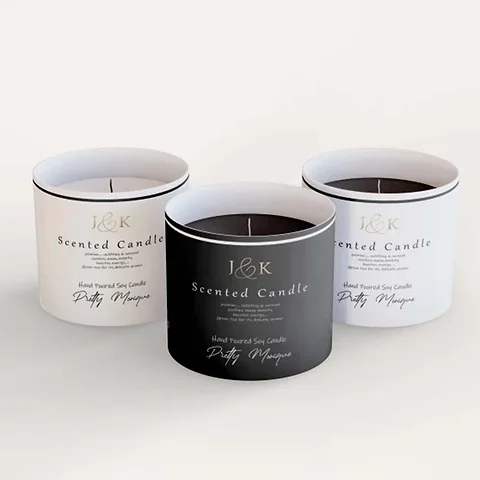
Custom Candle Labels
Custom candle labels wrap around jars, sit on tin lids and seal the base of tumblers, carrying your brand, the fragrance name,…
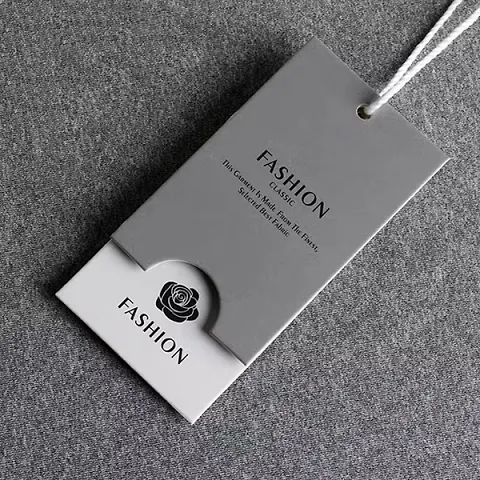
Clothing Hang Tags
Clothing hang tags are the small card tags on a string that carry your brand name, the size and the price, and they are often…
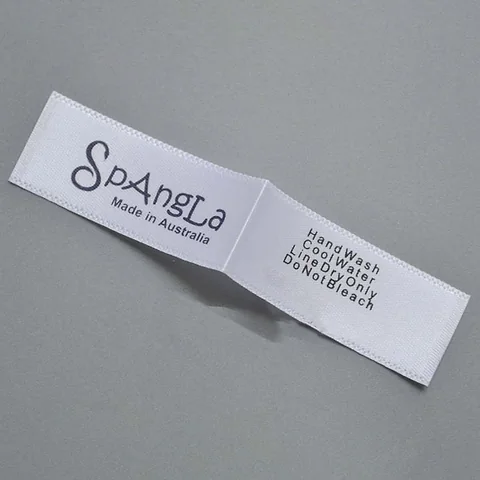
Custom Garment Labels
Custom garment labels are the small fabric tags that sit inside a neckline or side seam and quietly tell the wearer whose work…
Custom Sock Labels
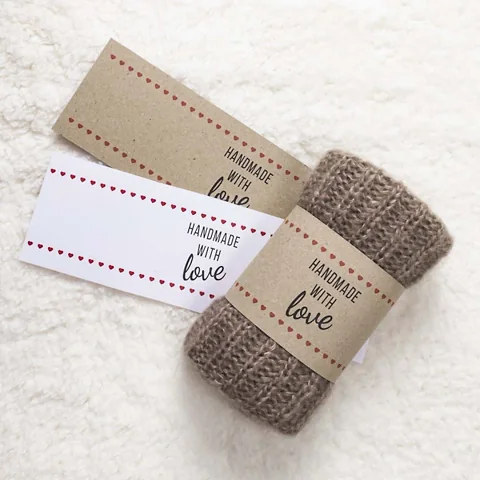
Custom sock labels turn a loose pair of socks into a retail product: a printed card that folds over the top as a header, or a…
General Purpose Labels Questions
What buyers ask before ordering general purpose labels.
Can I print on the labels with my office printer?
Yes, on paper sheet labels. Tell us your printer type and we can match a standard sheet layout so your existing templates line up.
Which material is best for labels I will write on?
Uncoated paper takes pen, pencil and printer ink best. Coated papers and film labels can smudge ballpoint, so test before choosing them for handwriting.
Will the labels peel off cleanly?
Choose removable adhesive if they need to come off without residue, such as on shelves and files. Permanent adhesive is better for parcels and products.
Can labels go on frozen or chilled items?
Yes, with freezer-grade adhesive and ideally a film face material, which will not wrinkle or peel in the cold. Apply them before the item goes into the freezer.
Should an office order general purpose labels on sheets or rolls?
Sheets, if the labels go through a desktop printer or are used a few at a time; rolls, if a dispenser or label printer applies them in volume. Many businesses keep address labels on sheets for the office and stock labels on rolls for the warehouse.
Can one label design cover several jobs?
Often yes. A logo with a blank area for details works for addresses, stock and seals, which keeps ordering simple.
What core size do rolls come on?
We match the core to your dispenser or label printer. Send us the model and we confirm the correct core and winding direction.
Can you number labels in sequence?
Sequential numbering is available on request for asset tags, tickets and stock control. Mention it when you ask for a quote.
How do I know a label will stick to my packaging?
Test a plain label on the actual surface overnight. Textured card and curved plastic sometimes need a stronger adhesive or a smaller size.
Can I see the sheet layout before printing?
Yes. The free design proof shows the label at actual size and the full sheet or roll layout for you to check.
Get a Price for Your General Purpose Labels
Fill in as much as you know. Sizes are in mm (internal sizes for boxes). If you have artwork, attach it; if not, a logo is enough to start the proof.
We reply with a custom quote by email within one working day, then send a free design proof before anything is printed.
- Phone+44 7578 382054
- WhatsAppMessage us
- Emailinfo@shopcustomboxes.co.uk
- HoursMonday to Friday, 9 am to 5.30 pm UK time
- OfficeOffice 704, 85 Dunstall Hill, Wolverhampton, WV6 0SR