 Custom Mailer Boxes
 Custom Shipping Boxes
 Custom Cardboard Boxes
 Custom Kraft Boxes
 Custom Product Boxes
 Custom Retail Boxes
 Custom Tuck End Boxes
 Custom Pillow Boxes
 Custom Window Boxes
 Custom Rigid Boxes
 Custom Gift Boxes
 Custom Magnetic Boxes
 Custom Sleeve Boxes
 Custom Printed Boxes
 Custom Boxes with Logo
 Custom Box Inserts

Custom Sushi Boxes
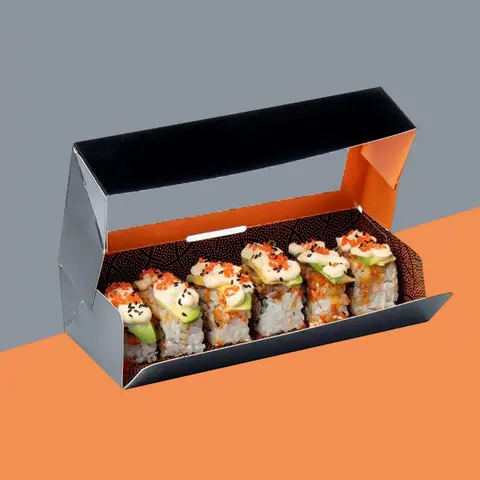
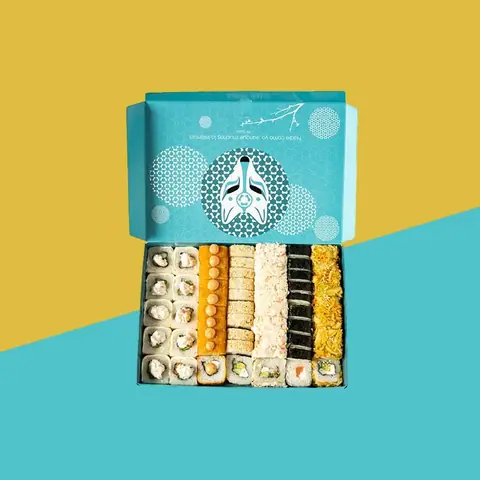
Custom sushi boxes keep rolls in neat lines, stop nigiri sliding into each other and give a sushi bar's takeaway the same tidy look as its counter. We make printed trays, lidded boxes and sleeves for sushi bars, takeaways and grab-and-go chillers, sized to your pieces and portions.
- Design proofFree, approved by you before printing
- PriceCustom quote by email within one working day
- Production4–7 working days after proof approval
- DeliveryFree and tracked, UK mainland, 2–3 working days
- Misprints or damageReported within 10 days, reprinted or refunded
Why Sushi Needs Its Own Packaging
Sushi is all about arrangement. A row of maki cut cleanly with even ends, nigiri lined up with the fish facing the same way, a small mound of ginger and a dab of wasabi in the corner. Put that into a generic takeaway box and it slides into a heap at the first corner the delivery rider takes.
Sushi boxes solve this with low walls, shaped trays and lids that sit just above the tallest piece. Pieces are held in rows rather than allowed to wander. Compartments keep pickled ginger, wasabi and soy sachets away from the rice, so nothing goes soggy or picks up the wrong flavour.
Sushi is also eaten cold, which means the box sits in fridges and chillers. Packaging needs to cope with condensation and still look smart when a shopper picks it up from a cabinet.
Rice is also sensitive. It dries out and hardens if left uncovered in a fridge, so a lid that closes snugly helps keep the sushi pleasant to eat for longer than an open tray covered loosely with film. Hot dishes from the same kitchen go in our noodle boxes for hot dishes.
Formats for Rolls, Nigiri and Platters
Most sushi businesses use more than one format depending on the order.
Choosing two or three formats that cover most orders keeps stock simple behind the counter. Tempura and crispy sides are served from our prawn boxes for tempura sides.
- Lidded card boxes: rigid, printable and stackable, the go-to for takeaway and delivery.
- Trays with clear lids: let shoppers see the sushi in a chiller, while a printed sleeve carries the brand.
- Printed sleeves over plastic trays: an affordable way to brand standard sushi trays.
- Compartment boxes: separate rolls, nigiri, edamame or salad in one meal box.
- Platter boxes: larger boxes for party and office orders, often with a printed lid.
Often ordered by
- Sushi bars
- Japanese restaurants
- Food halls and market stalls
- Supermarkets and delis
- Cafés with chillers
- Office caterers
Popular Sushi Boxes Sizes
Sizes are in mm. Every order is cut to your size, so any size between these rows is fine.
| Size | Often used for |
|---|---|
| Single roll 200 x 70 x 45 mm | Six or eight piece maki |
| Roll and nigiri 200 x 130 x 45 mm | Mixed lunch box |
| Meal box 240 x 160 x 50 mm | Sushi with sides |
| Small platter 280 x 200 x 50 mm | Sharing platters |
| Large platter 380 x 280 x 55 mm | Office and party orders |
Not sure of the size? Send the product measurements and we work out the rest.
Styles
- Lidded sushi box
- Tray with clear lid
- Printed sleeve for trays
- Compartment meal box
- Platter box
Materials
- Coated folding boxboard
- Kraft board
- Moisture-resistant coated board
- Clear lid film
- Food-contact grade board on request
- Full colour
- One or two spot colours
- Printed sleeves and labels
- Allergen and date panels
Finishes
- Matt
- Gloss
- Uncoated kraft
- Moisture-resistant coating
Extras
- Compartments for ginger and wasabi
- Clear windows
- Sachet slots
- Tamper-evident seals
- Chopstick slots
See the board and finish guide for what each option looks like.
Production and Delivery
Production takes 4–7 working days after you approve the free design proof. Delivery to the UK mainland is free and tracked, and arrives in 2–3 working days once the order leaves production. The tracking link comes to you by email.
Reprints and Refunds
Check the order when it arrives. If anything is misprinted or damaged, report it within 10 days with a photo and we reprint or refund the items affected. Read the full returns and reprints policy.
Need it by a date?
Tell us the date with your sizes and we plan the proof and production around it.
Sushi Boxes Specification
| Style | Lidded sushi box, Tray with clear lid, Printed sleeve for trays, Compartment meal box, Platter box |
|---|---|
| Material | Coated folding boxboard, Kraft board, Moisture-resistant coated board, Clear lid film, Food-contact grade board on request |
| Full colour, One or two spot colours, Printed sleeves and labels, Allergen and date panels | |
| Finish | Matt, Gloss, Uncoated kraft, Moisture-resistant coating |
| Extras | Compartments for ginger and wasabi, Clear windows, Sachet slots, Tamper-evident seals, Chopstick slots |
| Size | Made to your size in mm |
| Minimum order | Low, quoted per job |
| Price | From £0.25 a box; custom quote by email within one working day |
| Proof | Free design proof before printing |
| Production | 4–7 working days after proof approval |
| Delivery | Free tracked UK mainland delivery, 2–3 working days |
Sizing Custom Sushi Boxes to Your Menu
Start with your most common orders. A standard maki roll cut into six or eight pieces lines up in a row around 150 to 200 mm long. Nigiri take a little more space each and are usually set in pairs. A box for a single roll is slim and long; a mixed box for a meal is wider, with room for two or three rows.
Measure the height of your tallest piece, such as a dragon roll with toppings or nigiri with a generous slice of fish, and allow 5 to 10 mm of clearance for the lid. Too much space lets pieces tip over, so keep the depth modest.
Party platters come in fewer, larger sizes. Decide on two or three platter sizes based on your menu, for example small, medium and large, and design one printed lid that works across all of them.
Think about what else travels in the box. Soy sauce sachets, chopsticks and a napkin all need a place. A slot in the lid for chopsticks or a small side pocket for sachets keeps them from pressing into the rice, and it makes the order feel complete when it is opened. Our method for measuring rolls for a tray covers piece count and clearance.
Materials and Coatings
Sushi boxes are often made from coated folding boxboard or kraft board with a moisture-resistant inner coating, which copes with the cold and with soy sauce spills. Food-contact grade board is available on request, and we confirm the right specification for your menu in the custom quote.
Kraft gives a natural, artisan look that suits independent sushi bars; white board with bold print suits modern brands and food halls. Clear lids or windows in transparent film let customers see the sushi before they buy, which matters for chiller sales.
For hot items sold alongside sushi, such as katsu or gyoza, consider separate boxes with grease-resistant coatings, as hot and cold items packed together compromise both.
Ask us which board suits your fridge times when you request a quote.
Printing That Suits Sushi Brands
Many sushi brands favour clean, minimal design: a simple logo, plenty of white or kraft space and perhaps a single accent colour or a fine line pattern. Others go bold with bright illustrations and patterns. Either works on a box, as long as the logo is clear on the lid and the name is visible from the side when boxes are stacked.
For chiller sales, the sleeve or lid label should carry the product name, contents, allergens, storage instructions and a space for dates. For takeaways, a menu QR code or website on the side encourages repeat orders.
Matt finishes suit the understated style of many sushi bars and reduce glare under chiller lights.
If you offer vegetarian and vegan options, a small coloured marker on the sleeve or lid helps customers pick them out in a chiller quickly, and reduces mistakes when staff pack delivery orders. Coatings and laminations are shown side by side in our print finishes compared guide.
Takeaway, Delivery and Retail
Sushi bars and Japanese restaurants use printed boxes for takeaway and delivery app orders. Food halls and market stalls use them for grab-and-go sales. Supermarkets, delis and cafés with chillers sell pre-packed sushi in trays with printed sleeves. Caterers use platter boxes for office lunches and events.
For delivery, a tight-fitting lid and a box that sits flat in a delivery bag are the most important features. A paper band or sticker seal shows the order has not been opened.
Office caterers often need platters to stack on top of each other in a van, so a flat, rigid lid that bears weight is worth specifying for those orders. Food hall traders, on the other hand, care most about speed, so boxes that fold up quickly and close with a single tuck save time during the lunchtime rush.
Pack One Order on the Counter and Photograph It
Sushi boxes are drawn from a real order, so make up your most popular set, lay it out as you want the customer to see it, and photograph it from above with a ruler in shot. That photo gives us the compartment layout, the number of pieces per row and the clearance the tallest nigiri needs. Then tell us the formats, a tray with a lid for delivery, a sleeve over a clear tray for retail, a platter box for parties, and the quantity of each. Say whether the box sits in a chiller, because moisture-resistant board is specified at the quote stage. Artwork is a logo and a colour for the lid or sleeve, with a panel for contents and allergens, sent as vector files; the free proof shows the artwork and any compartment layout together. A custom quote comes by email within one working day with boxes from £0.25 and minimums per job. Production takes 4 to 7 working days after approval and boxes ship flat on free tracked UK mainland delivery. Bars that already use clear trays can brand them with our printed sleeves for standard trays.
Design Your Sushi Box
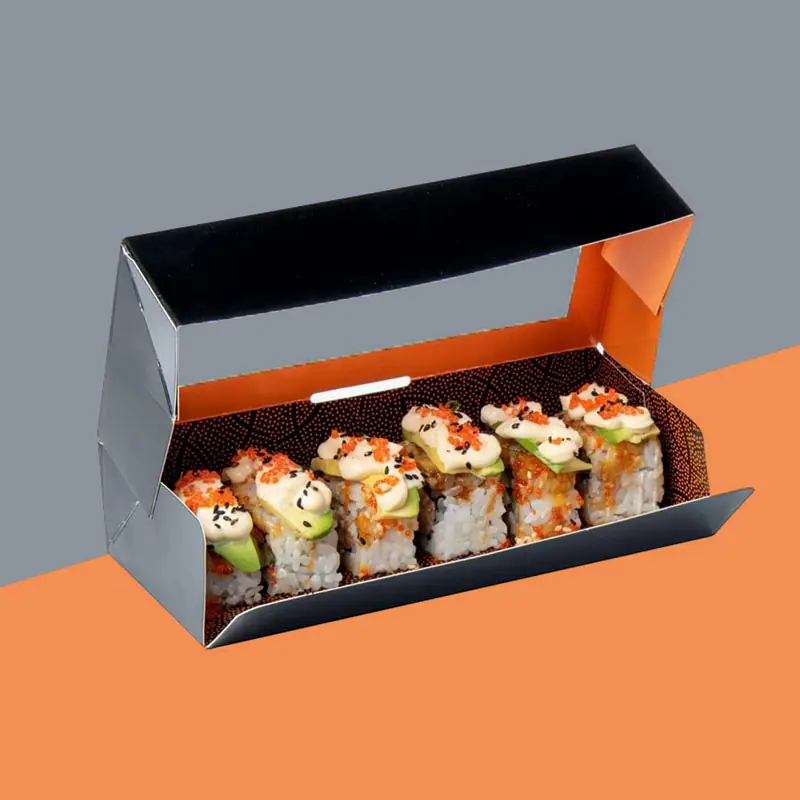
Choose the sushi boxes photo closest to what you have in mind, add your logo, drag it into place and set the size. Send it with your sizes and we reply with a custom quote and a free design proof.

Drag the logo, or select it and use the arrow keys (Shift moves faster, + and − resize).
Related Products
Other packaging that is often ordered alongside sushi boxes.

Custom Prawn Boxes
Custom prawn boxes have to cope with cold, damp and the occasional drip of brine, while still looking good in a freezer or on…
Custom Noodle Boxes
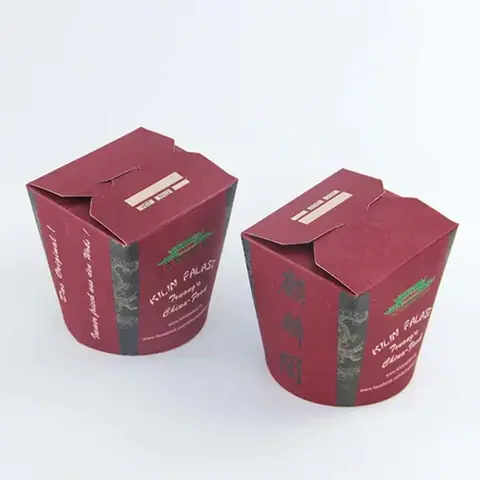
Custom noodle boxes are the folded paper pails that takeaway noodles, stir fry and rice dishes are famous for, with a wide…
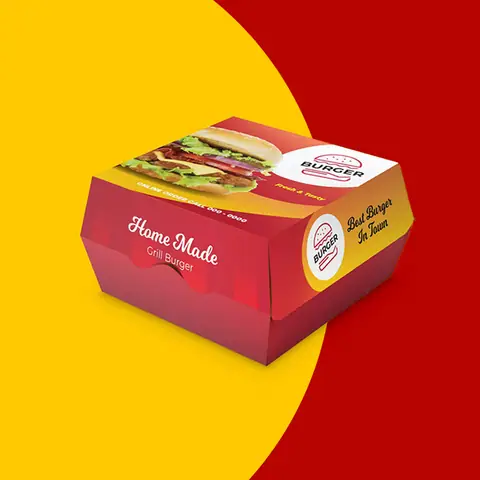
Custom Burger Boxes
Custom burger boxes are the folding card clamshells that carry a burger from the grill to the customer's hands, printed with…
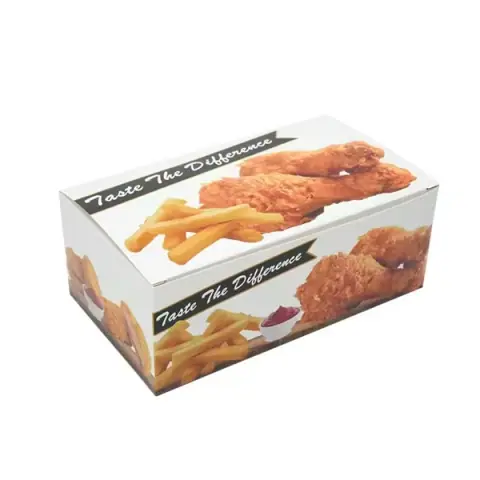
Fish and Chip Boxes
Custom fish and chip boxes keep a portion hot on the walk home without turning the batter soggy, and they put your shop's name…
Sushi Boxes Questions
What buyers ask before ordering sushi boxes.
How do I stop sushi sliding in the box?
Keep the box shallow and narrow so pieces sit in tight rows. Compartments and low walls also help.
Can ginger and wasabi have their own section?
Yes. A small compartment keeps them away from the rice and other pieces.
How much clearance should the lid have?
About 5 to 10 mm above the tallest piece, enough to protect toppings without leaving room for the pieces to tip. Nigiri with a prawn on top is usually the tallest item. We set the lid height from the piece you tell us is highest.
Will the box cope with chiller condensation?
A moisture-resistant coating helps the board keep its shape and print in fridges and chillers for a day. Plain board softens if it sits damp for hours. Tell us how long the boxes stay chilled and we specify the coating.
Can customers see the sushi before buying?
Yes, with a clear lid or window. It is very effective for chiller sales.
Does rice sit directly on the box board?
In a card tray without a liner, yes, so we supply food-contact grade board on request and confirm it in the quote for your menu. Many bars use a clear insert tray inside a printed box instead. Tell us which you prefer.
Can I brand standard plastic trays?
Yes. A printed sleeve slides over standard trays and carries your branding.
Do you make platter boxes?
Yes. Larger platter boxes with printed lids suit office and party orders.
Where do allergen notes go on a sushi sleeve?
On the sleeve or on a label panel on the lid, with the contents, storage advice and dates for retail packs. Keep the allergen line in bold so staff and customers find it quickly. We leave a clear panel for a sticker if the menu changes daily.
Can I add a seal for delivery orders?
Yes, a paper band or a printed sticker across the lid shows the order has not been opened on the way. The band can carry your logo. Stickers are quoted in the same order.
Should hot sides go in the same box?
No, pack hot items such as tempura or gyoza separately, so neither the sushi nor the hot food suffers from the other's temperature. A small vented box for hot sides can match the sushi box artwork. We quote both together.
Get a Price for Your Sushi Boxes
Fill in as much as you know. Sizes are in mm (internal sizes for boxes). If you have artwork, attach it; if not, a logo is enough to start the proof.
We reply with a custom quote by email within one working day, then send a free design proof before anything is printed.
- Phone+44 7578 382054
- WhatsAppMessage us
- Emailinfo@shopcustomboxes.co.uk
- HoursMonday to Friday, 9 am to 5.30 pm UK time
- OfficeOffice 704, 85 Dunstall Hill, Wolverhampton, WV6 0SR