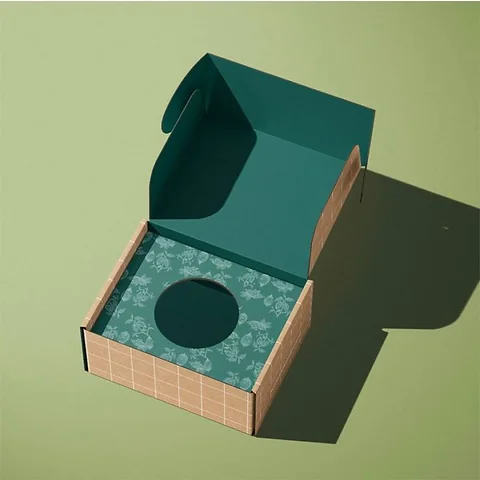
 Custom Mailer Boxes
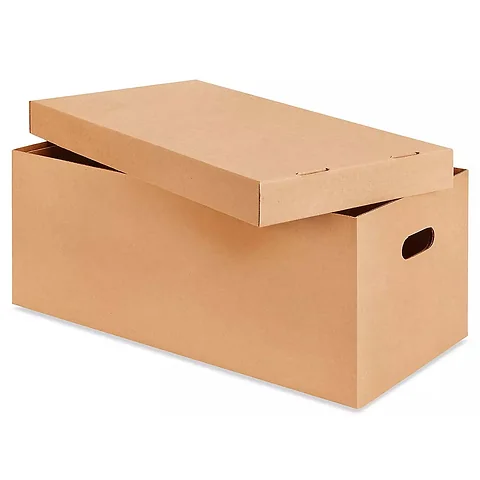 Custom Shipping Boxes
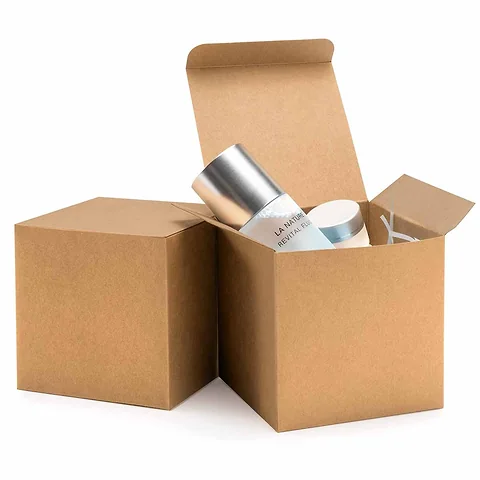 Custom Cardboard Boxes
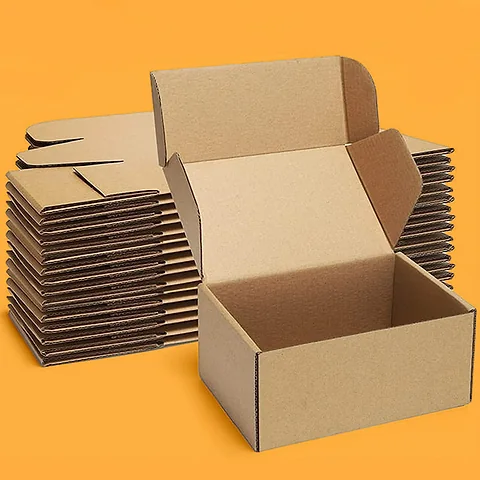 Custom Kraft Boxes
 Custom Product Boxes
 Custom Retail Boxes
 Custom Tuck End Boxes
 Custom Pillow Boxes
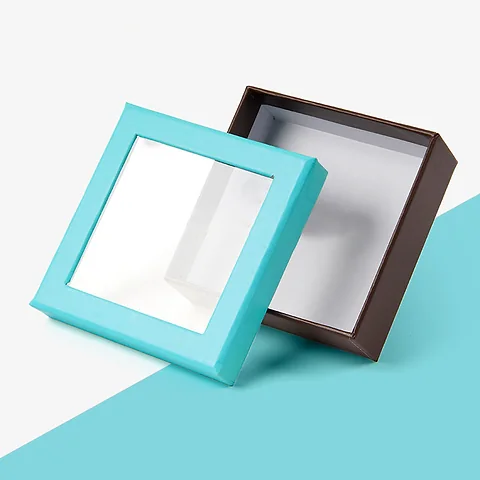 Custom Window Boxes
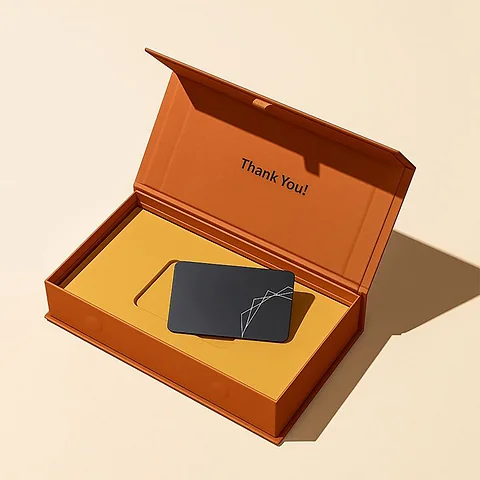 Custom Rigid Boxes
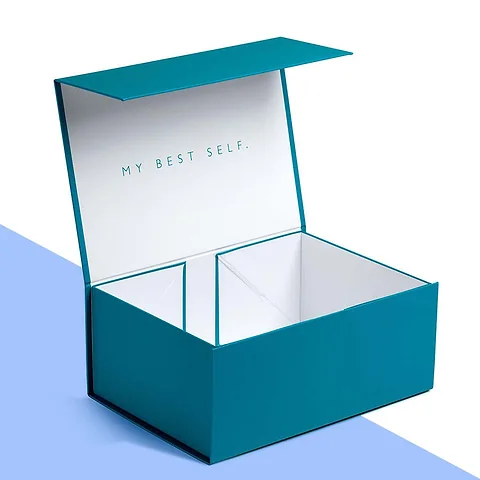 Custom Gift Boxes
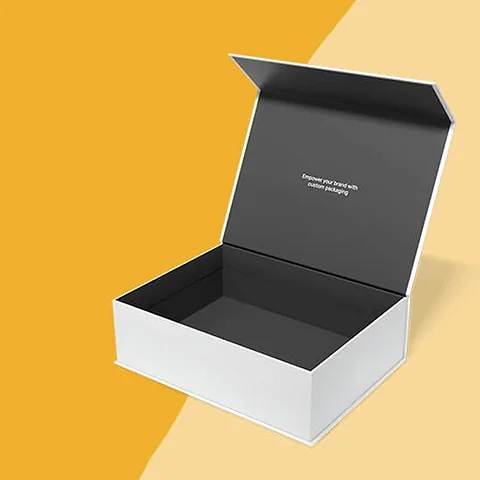 Custom Magnetic Boxes
 Custom Sleeve Boxes
 Custom Printed Boxes
 Custom Boxes with Logo
 Custom Box Inserts
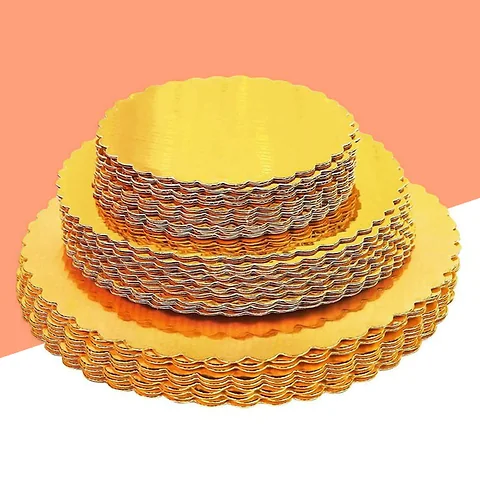
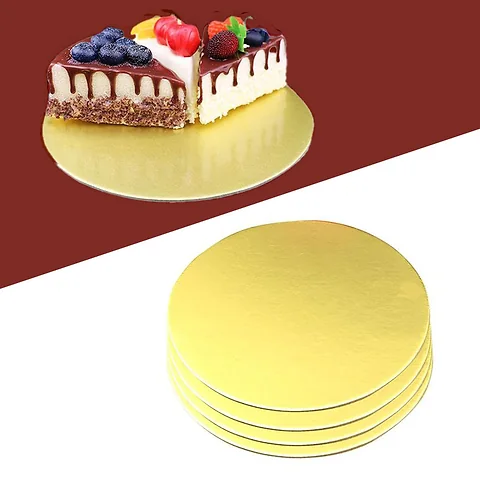
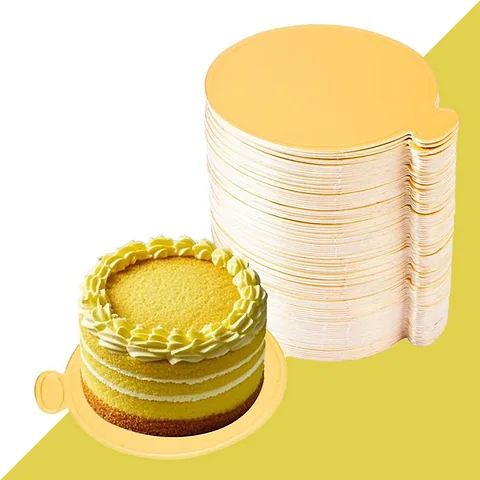
Custom Cake Boards
A cake is only as steady as what it sits on, and a flimsy base can crack icing before the cake leaves the kitchen. Our custom cake boards and drums come in gold, silver, white and printed finishes, cut in the round and square sizes bakers use most, with your logo if you want one.
- Design proofFree, approved by you before printing
- PriceCustom quote by email within one working day
- Production4–7 working days after proof approval
- DeliveryFree and tracked, UK mainland, 2–3 working days
- Misprints or damageReported within 10 days, reprinted or refunded
Boards, Drums and Cards: Knowing the Difference
Bakers use the word cake board loosely, but there are really three different products. A thin cake card is a single layer of board, a millimetre or two thick, used under individual tiers inside a stacked cake or under light sponges and cheesecakes. It supports the cake while you work, but it is not meant to be the final presentation base.
A standard cake board is thicker, often around 3 to 5 mm, made from compressed board with a foil or paper covering. It is strong enough for most single-tier cakes and gives a neat edge for presentation. A cake drum is thicker again, typically 10 to 12 mm, with a solid core and wrapped edges. Drums are the base of choice for heavy fruit cakes, tall tiered wedding cakes and anything that will be carried any distance.
Knowing which you need saves money. Many bakers overspend by using drums under everything, when a board would do for lighter bakes. Equally, some save a few pence on a thin board under a heavy cake and pay for it in a cracked finish or a collapsed corner during delivery. The board and card types guide explains the difference between a laminated card and a solid drum.
Matching Cake Board Size to the Cake
The usual rule is that the base should be about 50 mm larger than the cake, so 25 mm shows on each side. That border gives room for piping, ribbon and fingers when lifting. For a very ornate cake with decorations spilling over the edge, go up by 75 to 100 mm. For a cake that will go straight into a box, make sure the board still fits the box with a little room to spare.
Tiered cakes need a board under each tier. Inner tiers sit on thin cards cut to the exact tier size, so they disappear behind the icing, while the bottom tier sits on a drum that shows as the final base. If you make a lot of tiered cakes, it pays to order cards and drums in matching sets. Single slices sold from the counter use a thin card with the cake slice boxes for counter sales.
- 150 mm cake: 200 mm board
- 200 mm cake: 250 mm board or drum
- 250 mm cake: 300 mm drum
- 300 mm cake: 350 mm drum
- Square cakes: same rule, measured side to side
Often ordered by
- Celebration cake makers
- Wedding cake designers
- High street bakeries
- Home bakers
- Cake decorating suppliers
- Dessert caterers
Popular Cake Boards Sizes
Sizes are in mm. Every order is cut to your size, so any size between these rows is fine.
| Size | Often used for |
|---|---|
| Small round board 200 mm diameter, 3 mm thick | 150 mm sponges and cheesecakes |
| Standard round drum 250 mm diameter, 12 mm thick | 200 mm celebration cakes |
| Large round drum 300 mm diameter, 12 mm thick | 250 mm cakes and two-tier bases |
| Square drum 300 x 300 mm, 12 mm thick | Square celebration and novelty cakes |
| Rectangular board 400 x 300 mm, 5 mm thick | Traybakes, sheet cakes and number cakes |
| Thin tier card 150 mm diameter, 2 mm thick | Inner tiers in a stacked cake |
Not sure of the size? Send the product measurements and we work out the rest.
Styles
- Thin cake cards
- Standard cake boards
- Cake drums
- Round, square, rectangular and shaped bases
Materials
- Compressed board
- Solid core drum board
- Foil-covered board
- Coated paper covering
- Food-contact grade board on request
- Logo printed on border
- Logo printed on underside
- Full colour patterned boards
Finishes
- Gold foil
- Silver foil
- White coated
- Marble, wood-grain and coloured prints
Extras
- Matching board and box sizes
- Scalloped or wrapped edges
- Tiered sets of cards and drums
Not sure which material or finish suits? Tell us how the board will be used and we suggest one in your custom quote.
Production and Delivery
Production takes 4–7 working days after you approve the free design proof. Delivery to the UK mainland is free and tracked, and arrives in 2–3 working days once the order leaves production. The tracking link comes to you by email.
Reprints and Refunds
Check the order when it arrives. If anything is misprinted or damaged, report it within 10 days with a photo and we reprint or refund the items affected. Read the full returns and reprints policy.
Need it by a date?
Tell us the date with your sizes and we plan the proof and production around it.
Cake Boards Specification
| Style | Thin cake cards, Standard cake boards, Cake drums, Round, square, rectangular and shaped bases |
|---|---|
| Material | Compressed board, Solid core drum board, Foil-covered board, Coated paper covering, Food-contact grade board on request |
| Logo printed on border, Logo printed on underside, Full colour patterned boards | |
| Finish | Gold foil, Silver foil, White coated, Marble, wood-grain and coloured prints |
| Extras | Matching board and box sizes, Scalloped or wrapped edges, Tiered sets of cards and drums |
| Size | Made to your size in mm |
| Minimum order | Low, quoted per job |
| Price | From £0.25 a board; custom quote by email within one working day |
| Proof | Free design proof before printing |
| Production | 4–7 working days after proof approval |
| Delivery | Free tracked UK mainland delivery, 2–3 working days |
Gold, Silver, White or Printed
Gold and silver foil boards are the traditional choice and suit celebration cakes of every kind. Gold works well with warm colours and rich decoration, while silver suits pastel icing, white wedding cakes and modern designs. Many bakers keep both in stock and choose per cake.
White boards give a clean, contemporary look and let the cake take all the attention. They are popular for minimalist buttercream cakes, naked cakes and dessert tables where the board should almost disappear. Coloured and patterned boards are also possible, for example a marble effect, a solid brand colour or a wood-grain print for rustic cakes.
Printed boards carry your bakery name or logo, usually around the border or on the underside. A logo on the visible border is a subtle way to brand every cake that leaves your kitchen, and it shows up in the photographs customers take at parties. Full-colour borders and foil edges are shown on the printed packaging options page alongside the box print.
Strength, Weight and Grease Resistance
A heavy cake on a weak board will flex, and when the board flexes the icing cracks. As a rough guide, a single sponge up to 200 mm sits safely on a standard board. Fruit cakes, multi-layer sponges, carved cakes and anything over two tiers should go on a drum. If you are unsure, err on the side of the thicker base; a cracked cake costs far more than a drum.
The covering also matters. Foil and coated papers resist grease from buttercream and ganache, so the surface stays clean when the cake is cut. Uncoated paper can stain if butter sits on it for long. For cakes with lots of fresh cream or fruit, a coated board keeps the surface looking presentable to the last slice. If you need food-contact grade board for cakes placed straight onto the surface, ask and we will specify it.
Masonite, which is a hard board, is sometimes used by professional bakers for very heavy cakes and is reusable. For most orders, a good drum gives enough strength at a lower cost. The strength of the board matters most when the cake travels in a custom cake box for delivery that is lifted by its sides.
Round, Square and Other Shapes
Round boards are the most common, followed by square. Both come in standard sizes, which keeps costs down. Rectangular boards suit traybakes, sheet cakes and number cakes. Hexagonal, heart-shaped and petal-shaped boards add a decorative touch for special orders.
Custom shapes are cut from a die, so they cost a little more to set up but are worth it if you make a particular shape regularly. For a one-off novelty cake, a standard square board cut down by hand is often more practical. Tell us what shapes you make most and we will suggest whether standard or custom shapes suit your order. Novelty shapes often pair with the lower, wider bakery cake boxes for counter sales.
Boards That Work With Your Boxes
A board and a box should be chosen together. If the board is too big, the box will not close; if it is too small, the cake slides around in transit. The best approach is to choose your box sizes first, then order boards that fit inside with a few millimetres of clearance.
Some bakers use a board that fits the box exactly, so it cannot move at all. This works well for delivery, though it can make lifting the cake out more awkward. A small finger gap on two sides solves that. If you also order cake boxes from us, we can match the board sizes so everything fits together. Our measuring guide for custom boxes shows how to allow for the board when sizing a box.
Match Board Thickness to the Heaviest Cake
The one figure to decide before ordering is the thickness, and it should be set by the heaviest cake you make, not the average. A 200 mm sponge is happy on a 3 mm board, but a two-tier fruit cake or a fully iced drip cake needs a 12 mm drum or it will flex when lifted at the edges and crack the icing. Weigh your heaviest regular cake, note its diameter, and send that with the shapes and finishes you use most. We will suggest where a card does the job and where a drum is worth the extra.
Printed boards come with a free design proof showing the logo on the border, and a custom quote arrives by email within one working day with minimums quoted per job. Production takes 4 to 7 working days after approval, free tracked delivery to UK mainland addresses follows in 2 to 3 working days, and boards that arrive bent or misprinted are reprinted or refunded if reported within 10 days. Bakers who box their cakes with us can have the boards sized to the round cake boxes for drum bases so both arrive matched.
Design Your Cake Board
Choose the cake boards photo closest to what you have in mind, add your logo, drag it into place and set the size. Send it with your sizes and we reply with a custom quote and a free design proof.
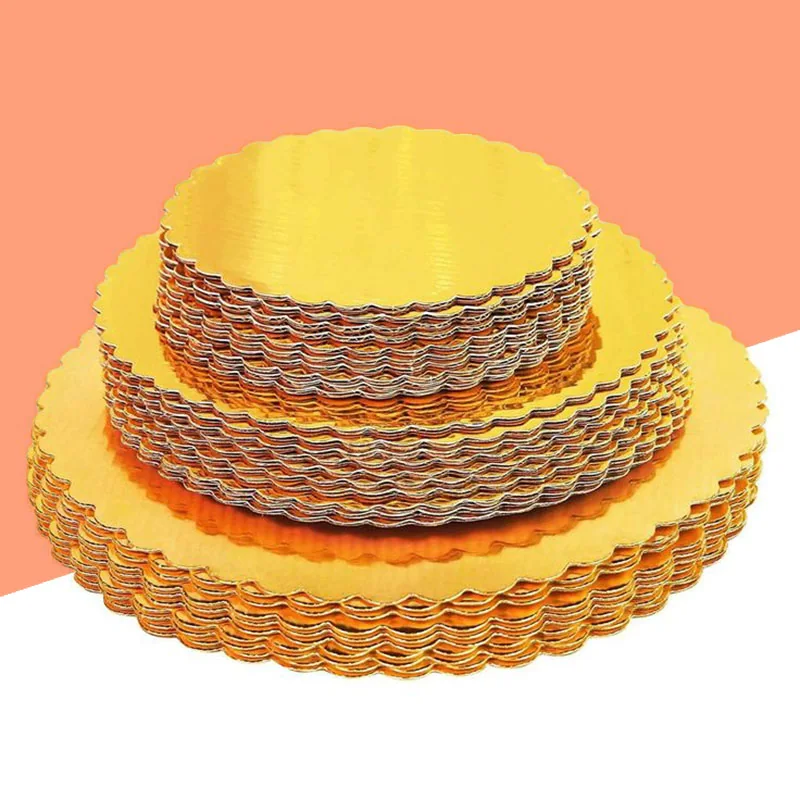

Drag the logo, or select it and use the arrow keys (Shift moves faster, + and − resize).
Related Products
Other packaging that is often ordered alongside cake boards.
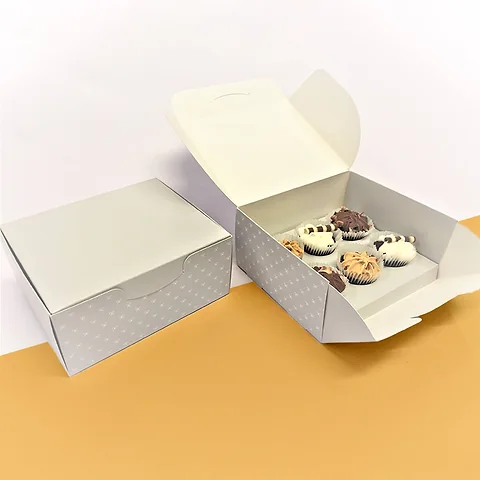
Custom Cake Boxes
Custom cake boxes are square boxes in kraft or white board, printed with your logo and sized for the cakes you bake most.
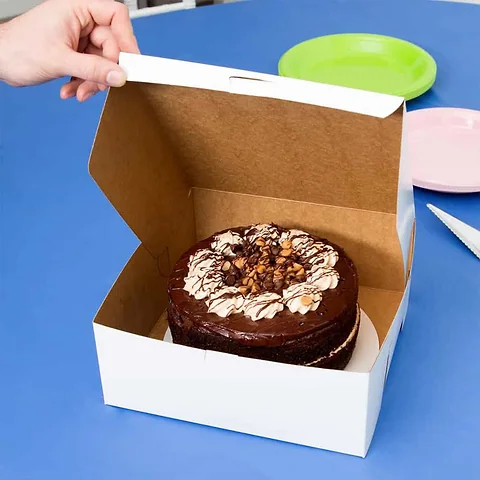
Round Cake Boxes
Custom round cake boxes are drum-style boxes with a lift-off lid, shaped to follow a round celebration cake instead of boxing…
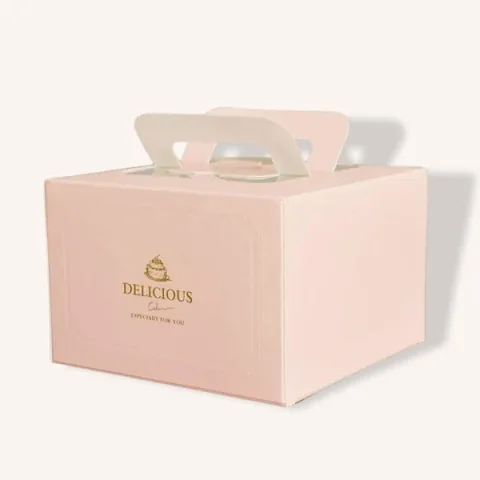
Bakery Cake Boxes
Bakery cake boxes are the boxes a whole cake leaves the shop in, and for many customers they are the first and last thing they…
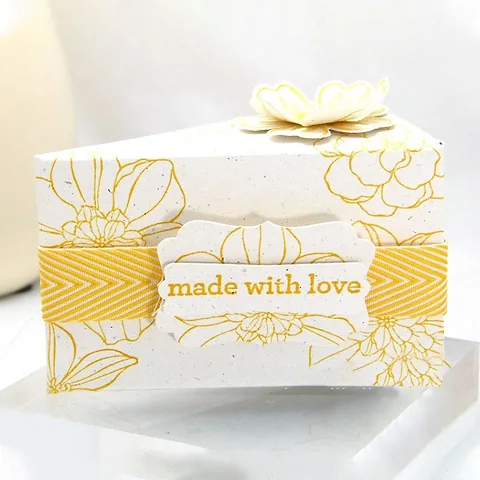
Cake Slice Boxes
Custom cake slice boxes are wedge-shaped cartons cut to the angle of a single slice, so a portion of gateau or cheesecake…
Cake Boards Questions
What buyers ask before ordering cake boards.
What is the difference between a cake board and a cake drum?
A cake board is thinner, around 3 to 5 mm, and suits lighter single-tier cakes. A drum is much thicker, around 10 to 12 mm, and is used for heavy or tiered cakes and anything carried a distance.
How much bigger than the cake should the board be?
About 50 mm larger is the usual rule, giving a 25 mm border all round. For heavily decorated cakes, go up 75 to 100 mm so decorations do not hang over the edge.
Can you print my bakery logo on the board?
Yes. Logos are usually printed on the visible border or on the underside. A border logo shows in party photos; an underside logo is more discreet.
Which colour board suits a white wedding cake?
Silver and white are the most popular for white wedding cakes. Silver adds a little shine, while white gives a clean, modern look.
Will buttercream stain the board?
Foil and coated boards resist grease, so they stay clean. Uncoated paper boards can mark if buttercream sits on them for a long time.
Do I need a board under every tier?
Yes. Each tier needs a thin card cut to its exact size, supported by dowels, with a drum under the bottom tier. This stops upper tiers sinking into lower ones.
Can you make heart or hexagon boards?
Yes. Custom shapes are cut from a die, so there is a small setup cost. They are worth it if you make the shape regularly.
Will your boards fit standard cake boxes?
They will if sizes are matched. Tell us your box sizes, or order boxes from us too, and we make sure the boards fit with a little clearance.
Does a cake sit directly on the board or does it need a liner?
Most bakers set the cake straight onto a foil or coated board, and a food-contact grade finish can be specified on request when you ask for a quote. For greasy or very moist bakes, a sheet of greaseproof under the cake keeps the board clean.
How quickly can I get printed cake boards?
After you approve the proof, production takes four to seven working days and free tracked UK mainland delivery takes two to three working days.
What if the boards arrive warped or damaged?
Tell us within ten days with photos and we will reprint or refund the affected boards.
Get a Price for Your Cake Boards
Fill in as much as you know. Sizes are in mm (internal sizes for boxes). If you have artwork, attach it; if not, a logo is enough to start the proof.
We reply with a custom quote by email within one working day, then send a free design proof before anything is printed.
- Phone+44 7578 382054
- WhatsAppMessage us
- Emailinfo@shopcustomboxes.co.uk
- HoursMonday to Friday, 9 am to 5.30 pm UK time
- OfficeOffice 704, 85 Dunstall Hill, Wolverhampton, WV6 0SR