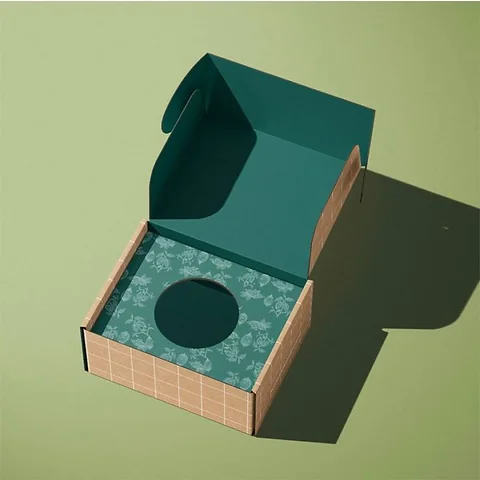
 Custom Mailer Boxes
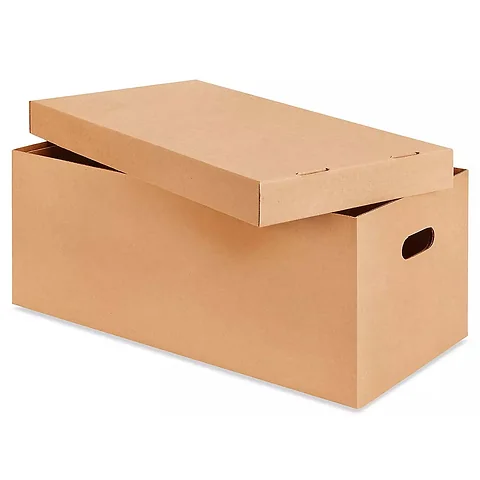 Custom Shipping Boxes
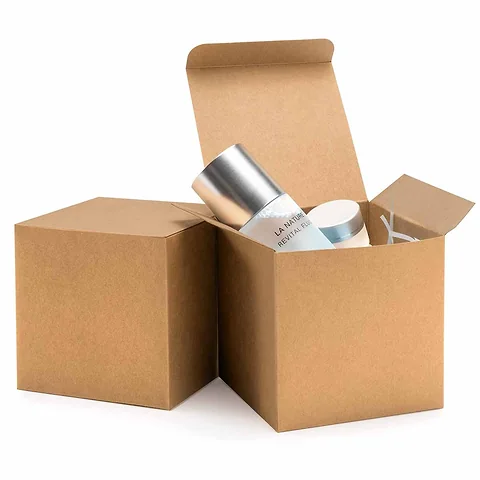 Custom Cardboard Boxes
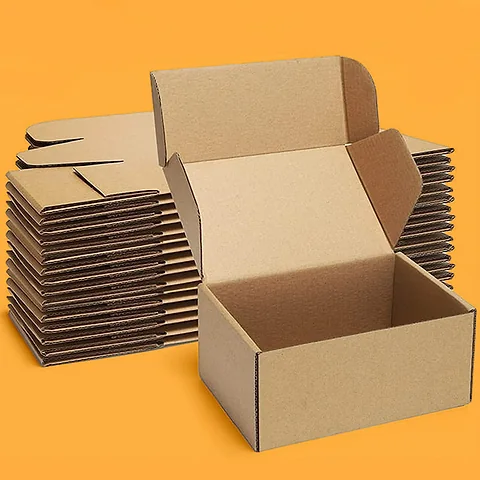 Custom Kraft Boxes
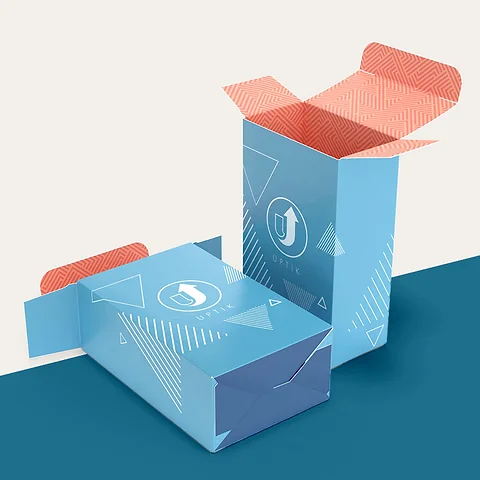 Custom Product Boxes
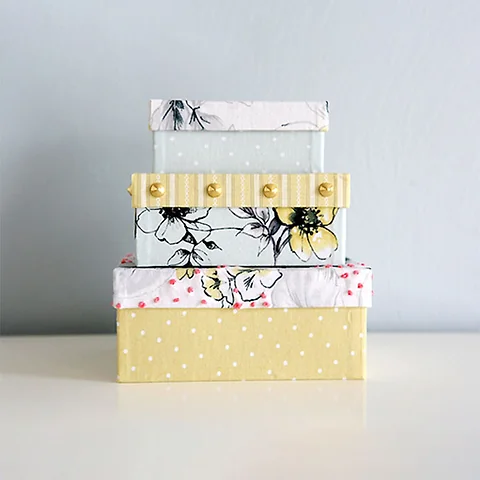 Custom Retail Boxes
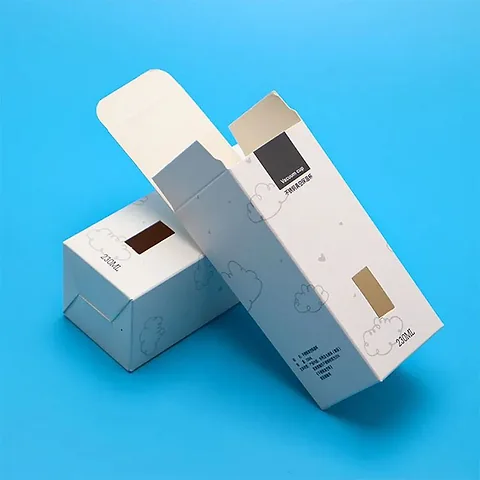 Custom Tuck End Boxes
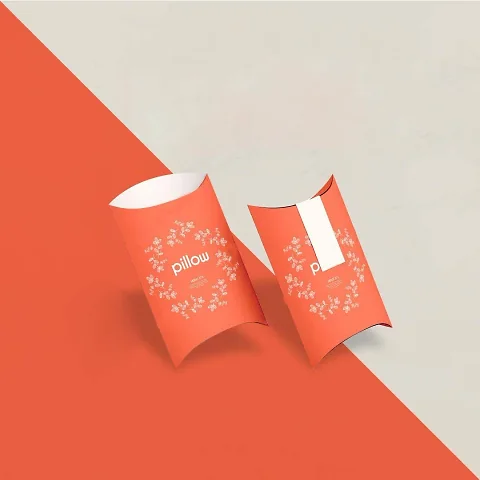 Custom Pillow Boxes
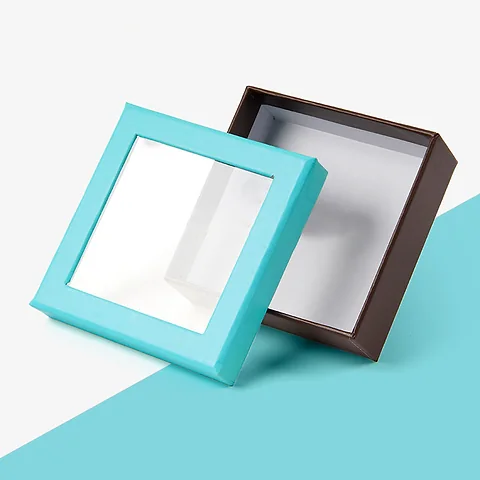 Custom Window Boxes
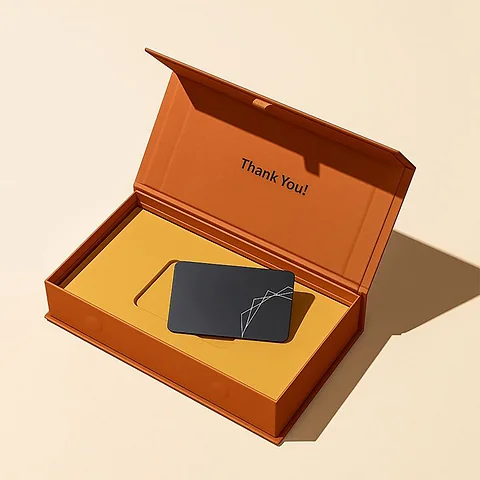 Custom Rigid Boxes
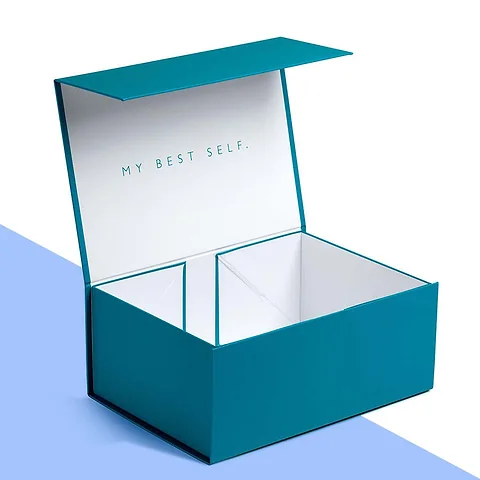 Custom Gift Boxes
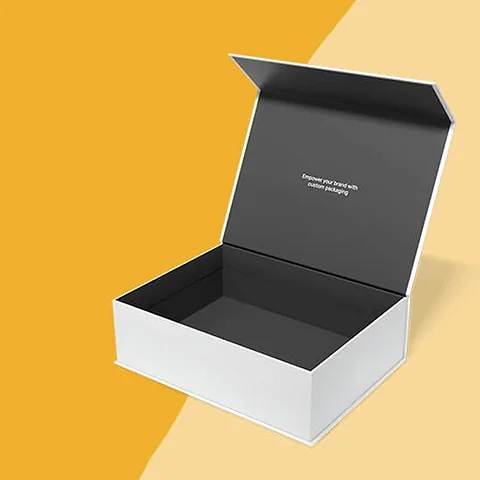 Custom Magnetic Boxes
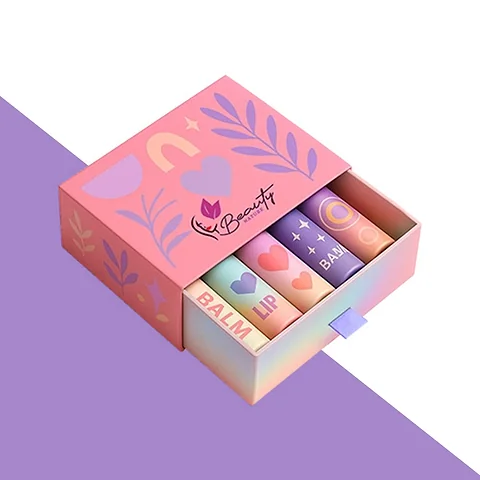 Custom Sleeve Boxes
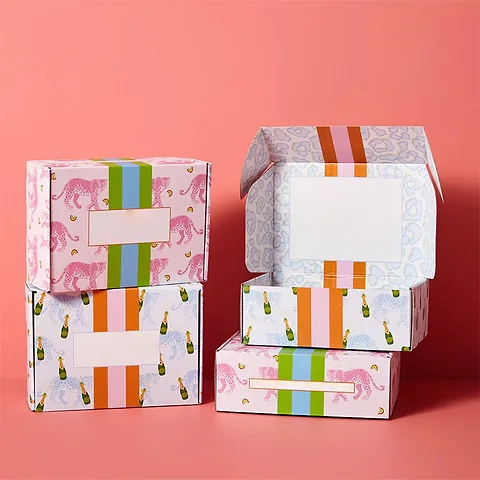 Custom Printed Boxes
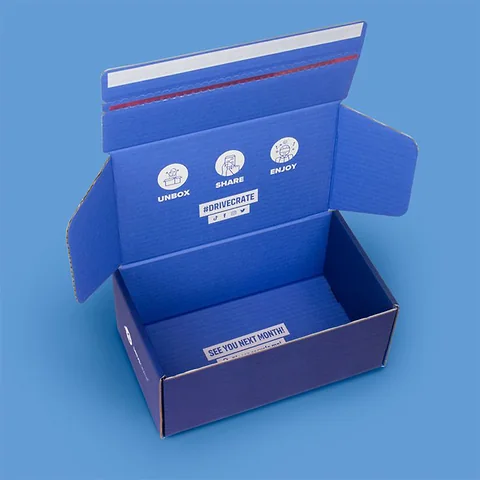 Custom Boxes with Logo
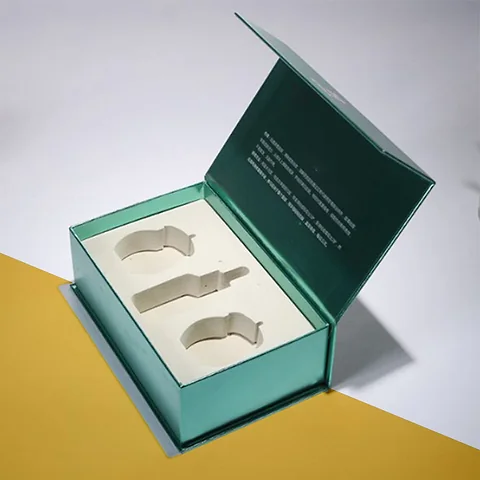 Custom Box Inserts
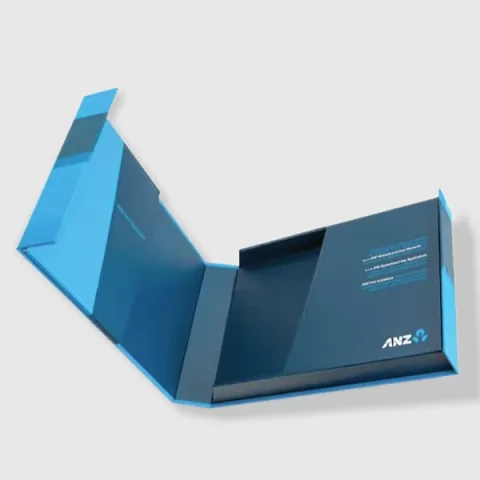
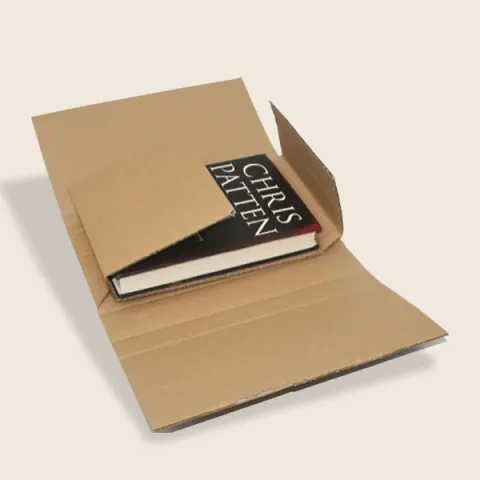
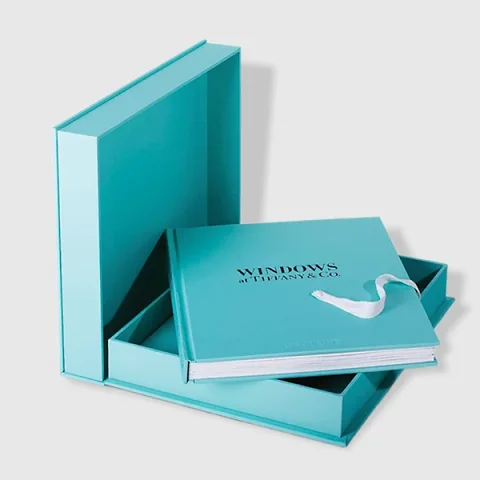
Custom Archival Book Boxes
Archival book boxes are made to measure around a single volume, holding it snugly in acid-free board so dust, light and knocks never reach it. We make clamshell, drop-front and simple phase boxes for libraries, archives, booksellers and private collectors.
- Design proofFree, approved by you before printing
- PriceCustom quote by email within one working day
- Production4–7 working days after proof approval
- DeliveryFree and tracked, UK mainland, 2–3 working days
- Misprints or damageReported within 10 days, reprinted or refunded
Protection That Fits One Book Exactly
A rare or fragile book suffers most from things that seem minor: dust settling on the head, light fading the spine, neighbouring books rubbing against loose boards, and pressure on a weak binding when it is pulled from a tight shelf. A well-made box addresses all of these at once. It surrounds the book on every side, keeps light out entirely, and lets the volume be lifted out by the box rather than by its spine.
Fit is everything. A box that is too loose lets the book slide and knock; a box that is too tight rubs the covers each time it is opened. That is why archival boxes are made to the measurements of a specific book rather than bought in stock sizes. Each one is cut and assembled around the height, width and thickness of the volume it will hold.
The result is a box that sits on a shelf like a book itself, with a labelled spine, and opens to cradle the volume safely. Where the volume is a run of periodicals or paperbacks rather than one book, a printed book box sized to a set is the simpler choice.
Clamshell, Drop-Front and Phase Boxes
The clamshell box, sometimes called a drop-spine box, is the classic choice for valuable volumes. Two trays, one slightly larger than the other, nest together and are joined by a hinged spine. When opened flat, the book lies in the lower tray and can be lifted out without strain. Covered in book cloth with a printed or blocked spine label, it looks handsome on a shelf.
Drop-front boxes have a front panel that folds down, letting a book slide out horizontally. They suit large, heavy items such as atlases and folios that should not be lifted from above. Phase boxes, made from a single folded sheet of board, are quicker and lower cost, and are often used as interim protection while a book awaits repair. The same drop-front construction, in plain board, is what we use for portfolio boxes holding loose prints.
- Clamshell boxes with cloth-covered boards
- Drop-front boxes for heavy folios and atlases
- Phase boxes folded from a single sheet
- Slipcases for volumes in good condition
- Portfolio boxes for loose papers and maps
- Multi-volume boxes for sets
Often ordered by
- Libraries and special collections
- Record offices and archives
- Antiquarian booksellers
- Private collectors
- Bookbinders and conservators
- Fine press publishers
- Museums
Popular Archival Book Boxes Sizes
Sizes are in mm. Every order is cut to your size, so any size between these rows is fine.
| Size | Often used for |
|---|---|
| Octavo 160 x 240 x 40 mm | Standard novels and early printed books |
| Small pocket volume 110 x 170 x 25 mm | Pocket books and diaries |
| Quarto 250 x 320 x 50 mm | Larger volumes and ledgers |
| Family Bible 260 x 340 x 100 mm | Heavy bound Bibles and registers |
| Folio 400 x 520 x 60 mm | Atlases, folios and large albums |
Not sure of the size? Send the product measurements and we work out the rest.
Styles
- Clamshell drop-spine box
- Drop-front box
- Phase box
- Slipcase
- Portfolio box
- Multi-volume box
Materials
- Acid-free buffered board
- Acid-free unbuffered board on request
- Book cloth
- Textured cover papers
- Printed spine and front labels
- Foil-blocked titles
- Catalogue number labels
Finishes
- Cloth covered
- Paper covered
- Plain board
Extras
- Ribbon lifts
- Finger holes
- Recessed label panels
- Linings for fragile items
See the board and finish guide for what each option looks like.
Production and Delivery
Production takes 4–7 working days after you approve the free design proof. Delivery to the UK mainland is free and tracked, and arrives in 2–3 working days once the order leaves production. The tracking link comes to you by email.
Reprints and Refunds
Check the order when it arrives. If anything is misprinted or damaged, report it within 10 days with a photo and we reprint or refund the items affected. Read the full returns and reprints policy.
Need it by a date?
Tell us the date with your sizes and we plan the proof and production around it.
Archival Book Boxes Specification
| Style | Clamshell drop-spine box, Drop-front box, Phase box, Slipcase, Portfolio box, Multi-volume box |
|---|---|
| Material | Acid-free buffered board, Acid-free unbuffered board on request, Book cloth, Textured cover papers |
| Printed spine and front labels, Foil-blocked titles, Catalogue number labels | |
| Finish | Cloth covered, Paper covered, Plain board |
| Extras | Ribbon lifts, Finger holes, Recessed label panels, Linings for fragile items |
| Size | Made to your size in mm |
| Minimum order | Low, quoted per job |
| Price | From £0.25 a box; custom quote by email within one working day |
| Proof | Free design proof before printing |
| Production | 4–7 working days after proof approval |
| Delivery | Free tracked UK mainland delivery, 2–3 working days |
Materials for Archival Book Boxes
We make these boxes from acid-free board, chosen because ordinary greyboard and some papers become acidic over time and can discolour or weaken what they touch. Buffered board contains an alkaline reserve that helps resist acidity from the surroundings; unbuffered board is preferred by some conservators for photographs and certain materials, so tell us if you have a preference.
Coverings range from plain board for working archives to book cloth and paper for display. Cloth is hard-wearing and comes in many colours, while textured papers give a more decorative finish. Linings can be added for very fragile items, and adhesives are chosen to suit long-term storage. We do not claim any external standard for these boxes; if your institution has a specification, send it to us and we will quote against it. Our explainer on board and card types compared describes how archival board differs from the greyboard used in ordinary rigid boxes.
Measuring a Book for a Box
Measure the book at its largest points, not just the cover. Bindings often bulge at the spine or fore-edge, boards may warp, and clasps or bosses add thickness. Take height, width and thickness with the book closed and resting naturally, using a rigid rule rather than a tape measure, and record each to the nearest millimetre.
If the book is distorted, measure at the widest point and note it. We build the inner tray around these figures with a small allowance so the book slides in without forcing. For a collection, a simple spreadsheet listing each volume's catalogue number and measurements lets us produce a batch of boxes that are each correct for their book.
Boxes can be labelled on the spine with the title, shelfmark or catalogue number, printed or on a fixed label, so they are easy to find on the shelf.
Where a book has loose pages, a detached board or fragile edges, mention it with the measurements. We can add a card wrapper or a separate compartment inside the tray so loose parts stay with the book without being pressed against it. Collectors who box comics by the issue use the same measuring routine for comic book boxes with a drop front.
Who Orders Made-to-Measure Book Boxes
Libraries, record offices and university special collections box rare books, manuscripts and bound records. Antiquarian booksellers box valuable stock for storage and to present a book to a buyer. Private collectors box first editions, signed copies and family Bibles. Museums use them for books on display rotation, and solicitors and estate offices use them for bound deeds and old ledgers.
Bookbinders and conservators order boxes to return repaired books to clients in a fitting case. Publishers of fine press and limited editions use cloth clamshells as a premium presentation for their customers.
Families are a quieter but important group. A grandparent's recipe book, a wartime diary, a christening register or a well-loved childhood edition often has value far beyond its price, and a fitted box keeps it safe in a loft or a bookcase for the next generation. Many people order a single cloth clamshell with the family name on the spine, and it becomes part of the story of the book.
Booksellers use boxes slightly differently. For them, a smart clamshell both protects stock between fairs and adds to the presentation when a buyer opens it. A box with the title on the spine also makes stock checks quicker, since volumes can be identified without being handled. Families who want the box to sit in a living room rather than an archive sometimes pair it with cloth-covered decorative storage boxes in the same colour.
Labels, Finishes and Presentation
Working archives often prefer plain board boxes with a simple printed label on the spine and front. For display and sale, cloth-covered clamshells can carry foil-blocked titles on the spine, a recessed label panel on the front, and a coloured lining inside. Finger holes or ribbon lifts help remove a tight-fitting book from its tray without gripping the cover.
For collections, consistent colours and label positions make shelves look orderly and help staff locate items quickly. We can match a cloth colour you already use. Plain board for the archive and cloth for the shelf sit alongside each other in our home and storage box range.
Measuring and Commissioning a Box for One Volume
Before anything else, measure the book three times: height at the spine, width across the fore-edge at the widest point including any clasps, and thickness at both the spine and the fore-edge, because bindings taper. Note all five figures in millimetres and photograph the book standing and lying flat so we can see any warp. Choose the style second: a clamshell for anything handled or displayed, a drop-front for folios too heavy to lift out vertically, a phase box for working collections. Our note on measuring an item for a made-to-measure box uses the same method.
Send the measurements, the covering and any label wording by email, and a custom quote follows within one working day, then a free design proof showing the box drawn to your figures. Each box is made in 4 to 7 working days after approval and delivered free and tracked to any UK mainland address in 2 to 3 days. If the finished box does not match the measurements you gave, say so within 10 days and it is remade or refunded. A single box for a single book is a normal order here, as minimums are quoted per job.
Design Your Archival Book Box
Choose the archival book boxes photo closest to what you have in mind, add your logo, drag it into place and set the size. Send it with your sizes and we reply with a custom quote and a free design proof.
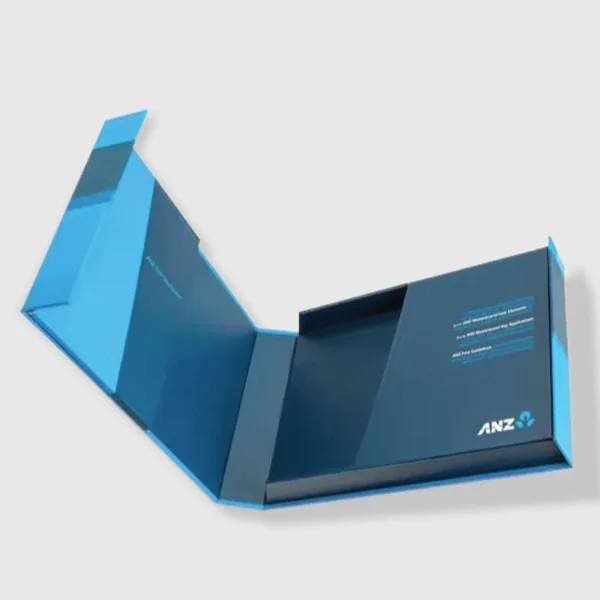
Drag the logo, or select it and use the arrow keys (Shift moves faster, + and − resize).
Related Products
Other packaging that is often ordered alongside archival book boxes.
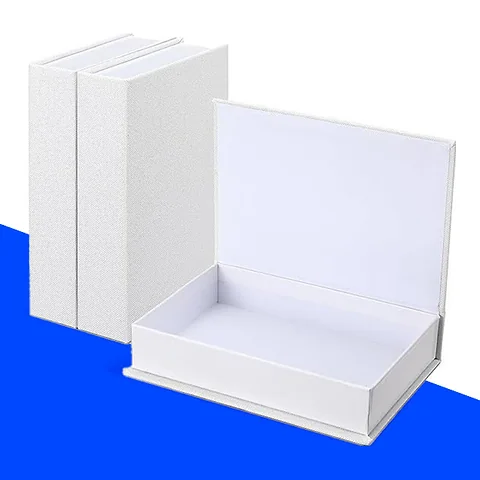
Custom Book Boxes
Custom book boxes hold a set of books, a signed special edition or an author bundle in a single printed case, so the…
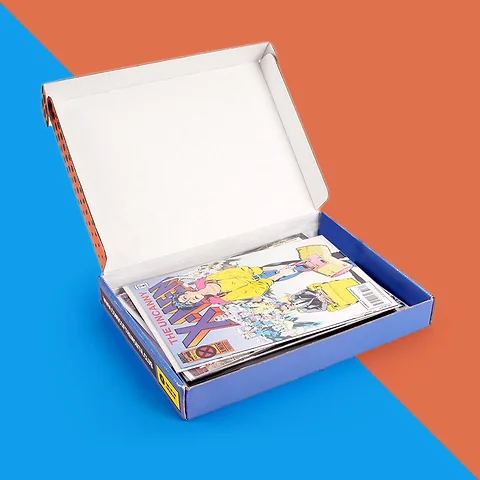
Comic Book Boxes
Custom comic book boxes are the long, sturdy corrugated boxes collectors and shops use to store bagged and boarded comics upright.
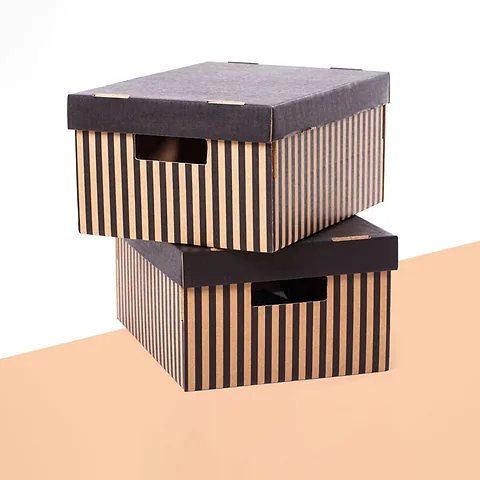
Decorative Storage Boxes
Custom decorative storage boxes are printed paperboard boxes with fitted lids, made to sit on shelves, in wardrobes and on…
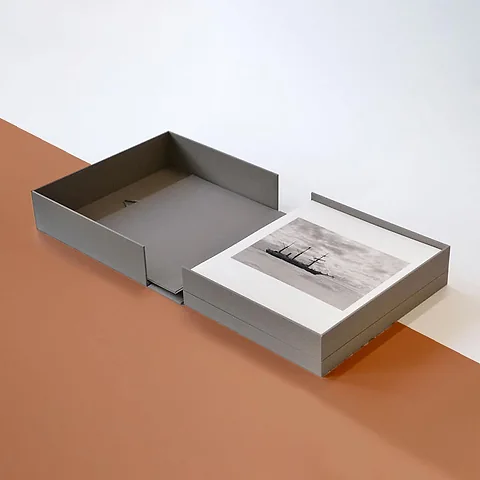
Custom Portfolio Boxes
Custom portfolio boxes store and present loose prints, photographs, design proofs and artwork in a sturdy lidded box that…
Archival Book Boxes Questions
What buyers ask before ordering archival book boxes.
What is the difference between a clamshell and a phase box?
A clamshell has two nesting trays joined by a hinged spine and is usually cloth-covered. A phase box is folded from a single sheet of board and is quicker and lower cost.
How should I measure a book with a warped cover?
Measure at the widest point and note the distortion. We size the tray so the book slides in without being forced.
Is the board acid-free?
Yes. We use acid-free board, buffered by default, with unbuffered available on request.
Can you match our institution's specification?
Send us the specification and we will quote against it. We do not claim any external standard unless agreed.
Can boxes be labelled with catalogue numbers?
Yes. We print or fix labels on the spine and front with titles, shelfmarks or catalogue numbers.
Which box suits a heavy atlas?
A drop-front box lets the atlas slide out horizontally, so it does not have to be lifted from above. Ribbon lifts inside help draw the atlas out gently.
Can I order one box for a single book?
Yes. Single boxes for a treasured volume are welcome and priced per job, so you are not asked to meet a minimum run. Send the measurements and a photograph and we quote the one box.
Can you box a whole collection?
Yes. Send a list of catalogue numbers and measurements and we will make a box for each volume.
Can the spine have a foil-blocked title?
Yes. Cloth-covered clamshells can carry foil titles on the spine for display.
Can we send books in batches as we catalogue them?
Yes. Many archives send measurements in batches. Each batch is produced in 4–7 working days after label approval and delivered free in 2–3 working days, so boxes arrive as cataloguing progresses.
What if a box does not fit when it arrives?
Report it within 10 days. If the box differs from the measurements supplied, we will remake it or refund.
Get a Price for Your Archival Book Boxes
Fill in as much as you know. Sizes are in mm (internal sizes for boxes). If you have artwork, attach it; if not, a logo is enough to start the proof.
We reply with a custom quote by email within one working day, then send a free design proof before anything is printed.
- Phone+44 7578 382054
- WhatsAppMessage us
- Emailinfo@shopcustomboxes.co.uk
- HoursMonday to Friday, 9 am to 5.30 pm UK time
- OfficeOffice 704, 85 Dunstall Hill, Wolverhampton, WV6 0SR