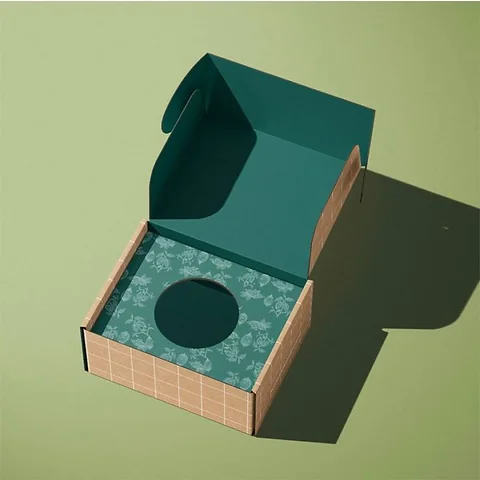
 Custom Mailer Boxes
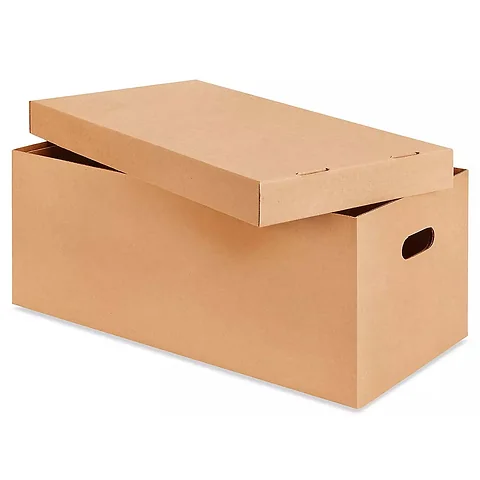 Custom Shipping Boxes
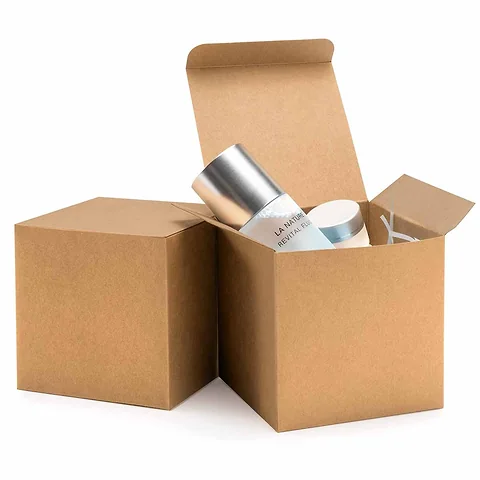 Custom Cardboard Boxes
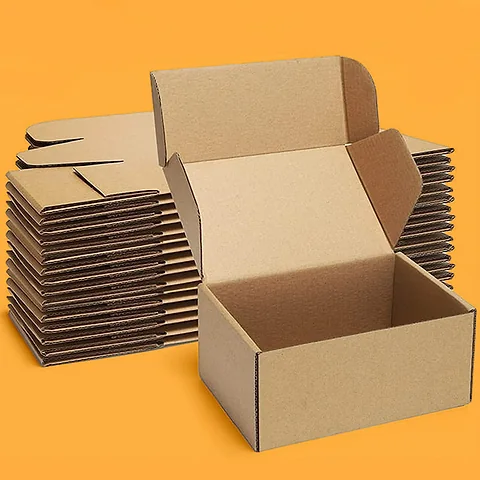 Custom Kraft Boxes
 Custom Product Boxes
 Custom Retail Boxes
 Custom Tuck End Boxes
 Custom Pillow Boxes
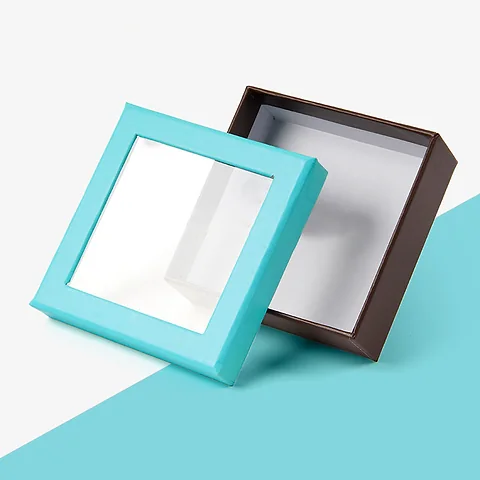 Custom Window Boxes
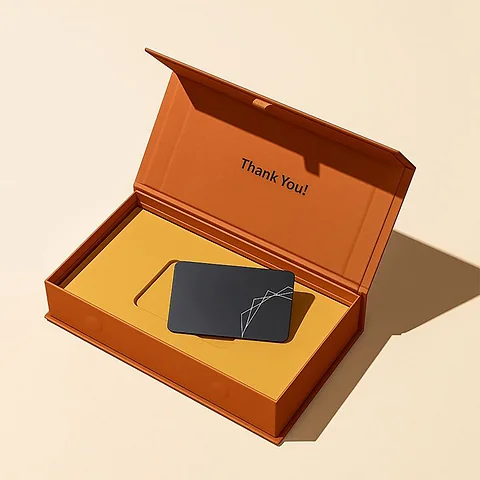 Custom Rigid Boxes
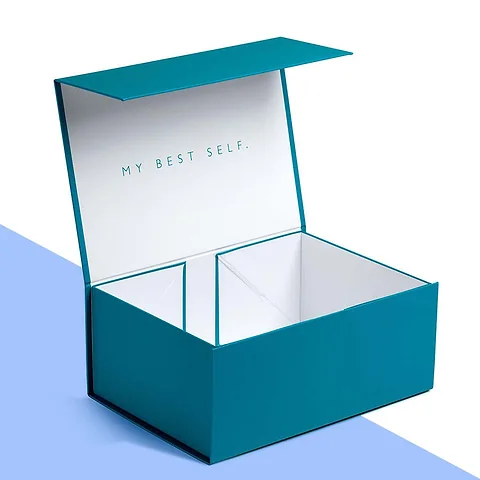 Custom Gift Boxes
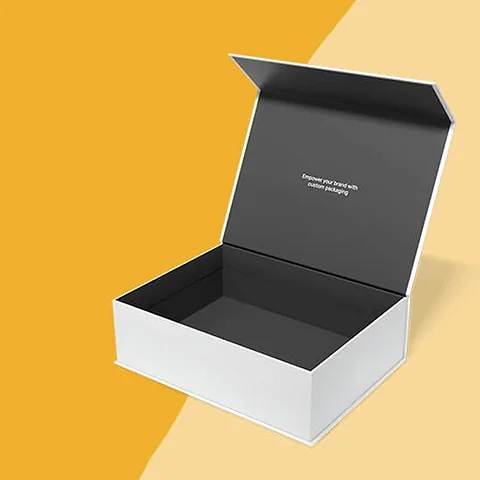 Custom Magnetic Boxes
 Custom Sleeve Boxes
 Custom Printed Boxes
 Custom Boxes with Logo
 Custom Box Inserts
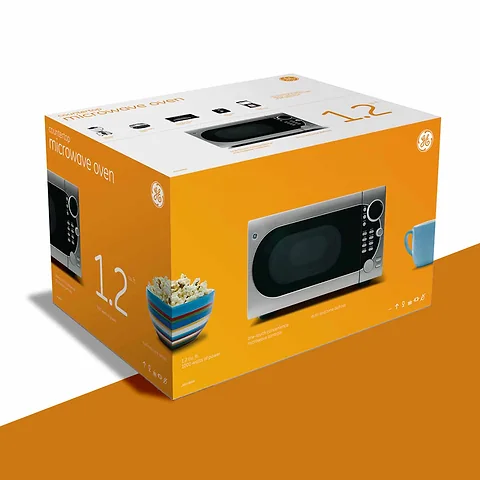
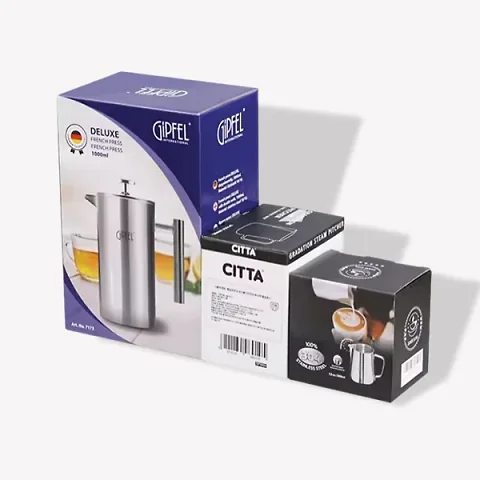
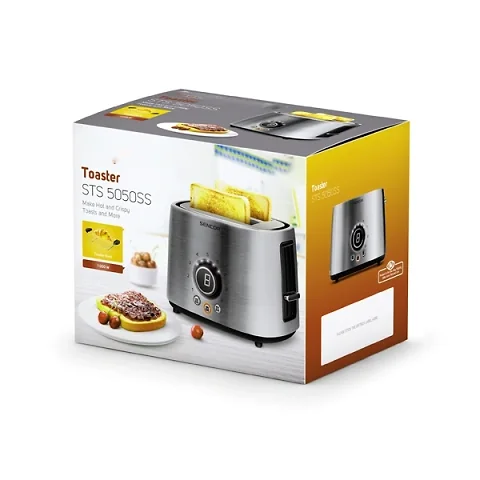
Custom Appliance Boxes
Custom appliance boxes have two jobs at once: protect a toaster, kettle or blender from warehouse to kitchen, and sell it from a shop shelf with clear photos and features. We make them in printed corrugated board with fitted inserts, sized around your product.
- Design proofFree, approved by you before printing
- PriceCustom quote by email within one working day
- Production4–7 working days after proof approval
- DeliveryFree and tracked, UK mainland, 2–3 working days
- Misprints or damageReported within 10 days, reprinted or refunded
Protection First, Then Persuasion
Small appliances are heavier and more fragile than they look. A kettle has a delicate spout and a lid hinge, a toaster has a chrome finish that scratches easily, and a blender jug is often glass. They travel by pallet, by courier and in the boots of cars, and every step brings a chance of a dent.
That is why appliance boxes start with structure. The board must resist crushing in a stack, the inserts must hold the appliance away from the box walls, and the base must stay flat under the weight. Only once that is solid do we turn to the outside, where your photography and feature panels do the selling.
Returns are expensive for appliance sellers. A dented kettle or scratched toaster often cannot be resold as new, and the cost of carriage both ways quickly wipes out the margin on the sale. Spending a little more on the right board and insert usually pays for itself within the first few weeks of shipping. A single-model run of toaster boxes for one model follows the same protection-first logic.
Choosing Corrugated Board for Custom Appliance Boxes
Most small appliances suit single wall corrugated board. E-flute is thin and prints beautifully, making it a good choice for lighter items such as hand blenders, milk frothers and hair styling sets. B-flute is thicker and stronger, better for kettles, toasters and slow cookers. Heavy items such as stand mixers and air fryers may need double wall board.
For the sharpest photographs, we can print onto a white paper sheet and laminate it to the corrugated board. This gives retail-quality images on a strong box. Direct print onto the corrugated surface is more economical and suits simpler designs with logos, line drawings and bold colour blocks.
Tell us the product weight and how it will be shipped, and we will recommend a board on your quote.
Often ordered by
- Small kitchen appliance brands
- Personal care appliance brands
- Importers launching own-label products
- Online homeware retailers
- Coffee machine sellers
- Refurbished appliance sellers
Popular Appliance Boxes Sizes
Sizes are in mm. Every order is cut to your size, so any size between these rows is fine.
| Size | Often used for |
|---|---|
| Hand blender 120 x 90 x 400 mm | Stick blenders and milk frothers |
| Kettle 240 x 180 x 260 mm | Cordless kettles with base |
| Two-slice toaster 320 x 200 x 220 mm | Standard two-slice toasters |
| Blender 220 x 220 x 420 mm | Jug blenders with base |
| Air fryer 380 x 330 x 360 mm | Compact air fryers in double wall board |
Not sure of the size? Send the product measurements and we work out the rest.
Styles
- Regular slotted cartons
- Crash-lock base boxes
- Tuck front boxes
- Boxes with hand holes
- Two-piece lid boxes
Materials
- E-flute corrugated
- B-flute corrugated
- Double wall corrugated
- Litho-laminated corrugated
- Full colour litho-laminated
- Direct print corrugated
- Spot colour
- Inside print
Finishes
- Gloss lamination
- Matt lamination
- Gloss varnish
- Uncoated
Extras
- End caps
- Compartment trays
- Tear strips
- Hand holes
- Barcode panels
See the board and finish guide for what each option looks like.
Production and Delivery
Production takes 4–7 working days after you approve the free design proof. Delivery to the UK mainland is free and tracked, and arrives in 2–3 working days once the order leaves production. The tracking link comes to you by email.
Reprints and Refunds
Check the order when it arrives. If anything is misprinted or damaged, report it within 10 days with a photo and we reprint or refund the items affected. Read the full returns and reprints policy.
Need it by a date?
Tell us the date with your sizes and we plan the proof and production around it.
Appliance Boxes Specification
| Style | Regular slotted cartons, Crash-lock base boxes, Tuck front boxes, Boxes with hand holes, Two-piece lid boxes |
|---|---|
| Material | E-flute corrugated, B-flute corrugated, Double wall corrugated, Litho-laminated corrugated |
| Full colour litho-laminated, Direct print corrugated, Spot colour, Inside print | |
| Finish | Gloss lamination, Matt lamination, Gloss varnish, Uncoated |
| Extras | End caps, Compartment trays, Tear strips, Hand holes, Barcode panels |
| Size | Made to your size in mm |
| Minimum order | Low, quoted per job |
| Price | From £0.25 a box; custom quote by email within one working day |
| Proof | Free design proof before printing |
| Production | 4–7 working days after proof approval |
| Delivery | Free tracked UK mainland delivery, 2–3 working days |
Inserts and Fitments
A well-designed insert is what makes the box feel professional when opened. It holds the appliance still, keeps accessories in their own compartments and makes repacking easy if the customer returns the item.
It is worth testing an insert with a real product before a large run. Drop a packed sample from waist height onto a hard floor on a corner and an edge, then open it and look for movement or marks. If the appliance has shifted, the insert needs tightening; if the box corner has crushed into the product, it needs more space between product and wall. Our corrugated inserts cut to the appliance hold the unit off the walls and keep accessories apart.
- Corrugated end caps that hold the appliance at each end
- Die-cut card trays with compartments for cables, jugs and attachments
- Pulp-style moulded trays sourced to your shape on request
- Divider panels that separate a jug from its base
- Sleeve wraps that protect polished surfaces from scuffs
Designing the Retail Panels
Shoppers in a store or watching a product video want to understand an appliance quickly. The front panel usually carries a large product photo, the product name and two or three headline features. Side panels hold more detail: capacity, power, dimensions, what is in the box and colour options.
Icons work well on appliance boxes. A small symbol for capacity, wattage or dishwasher-safe parts is quicker to read than a sentence. Keep any regulatory marks, model numbers and barcodes you need on the base or a side panel, using the exact artwork your compliance team supplies.
Think about where the box will be seen. In a retail store, the front panel faces the shopper at eye level, but in a warehouse or on a delivery doorstep the top and sides are what people see. A brand name on every face makes the box recognisable whichever way it lands. Photographic panels use litho-laminated full colour print on a white sheet bonded to the board.
Handles, Windows and Opening
Heavier appliances are much easier to carry with hand holes cut into the sides. We position them so they do not weaken the corners and so the insert does not block the fingers. For lighter items on display, a small window can show off a colour or finish, though most appliance brands prefer a printed photo for strength.
Consider how the customer opens the box. A tear strip or a clearly marked top flap makes unboxing easy and avoids knives near a new product. If you want the box to be reused for storage, a lid style that closes neatly again is worth the small extra cost.
Many customers keep appliance boxes for a while in case of a warranty claim or a house move. A box that opens cleanly and closes again neatly is more likely to be kept, and a kept box is a box that comes back intact if the product does need to be returned. Heavier units often move to boxes with carry handles cut clear of the print.
Online and Retail in One Box
Many appliance brands sell through retailers and online at the same time. A strong printed box can often go straight to a customer by courier without an extra outer carton, saving packaging and packing time. For premium products, a plain outer shipper keeps the printed retail box pristine.
We can quote both setups so you can weigh the cost of a second carton against fewer damaged returns.
If you sell on large marketplaces, check their packaging guidance for items shipped in their own box, as some have specific drop and crush expectations. Tell us which channels you use and we will factor that into the board recommendation.
Weigh the Appliance Packed, Then Pick the Board
Appliance boxes are specified from the packed weight, so weigh the product with its insert, cable, accessories and manual together before you send measurements. That figure, plus whether cartons are palletised or posted singly, decides between B-flute, double wall and a litho-laminated face. Measure the appliance at its widest points including feet, handles and the cable exit, and list every accessory so the insert has a pocket for each. If the same box must work on a shop shelf and in a courier network, say so now, because a plain outer shipping carton is sometimes cheaper than making one box do both jobs.
With the weight, dimensions, accessory list and artwork, we email a custom quote within one working day and prepare a free proof showing the box and insert dielines. Production takes 4 to 7 working days after approval, boxes arrive flat on pallets or in cartons by tracked courier, and misprints or damage reported within 10 days are reprinted or refunded. A modest first run is a sensible way to test the insert with real handling before a larger order.
Design Your Appliance Box
Choose the appliance boxes photo closest to what you have in mind, add your logo, drag it into place and set the size. Send it with your sizes and we reply with a custom quote and a free design proof.
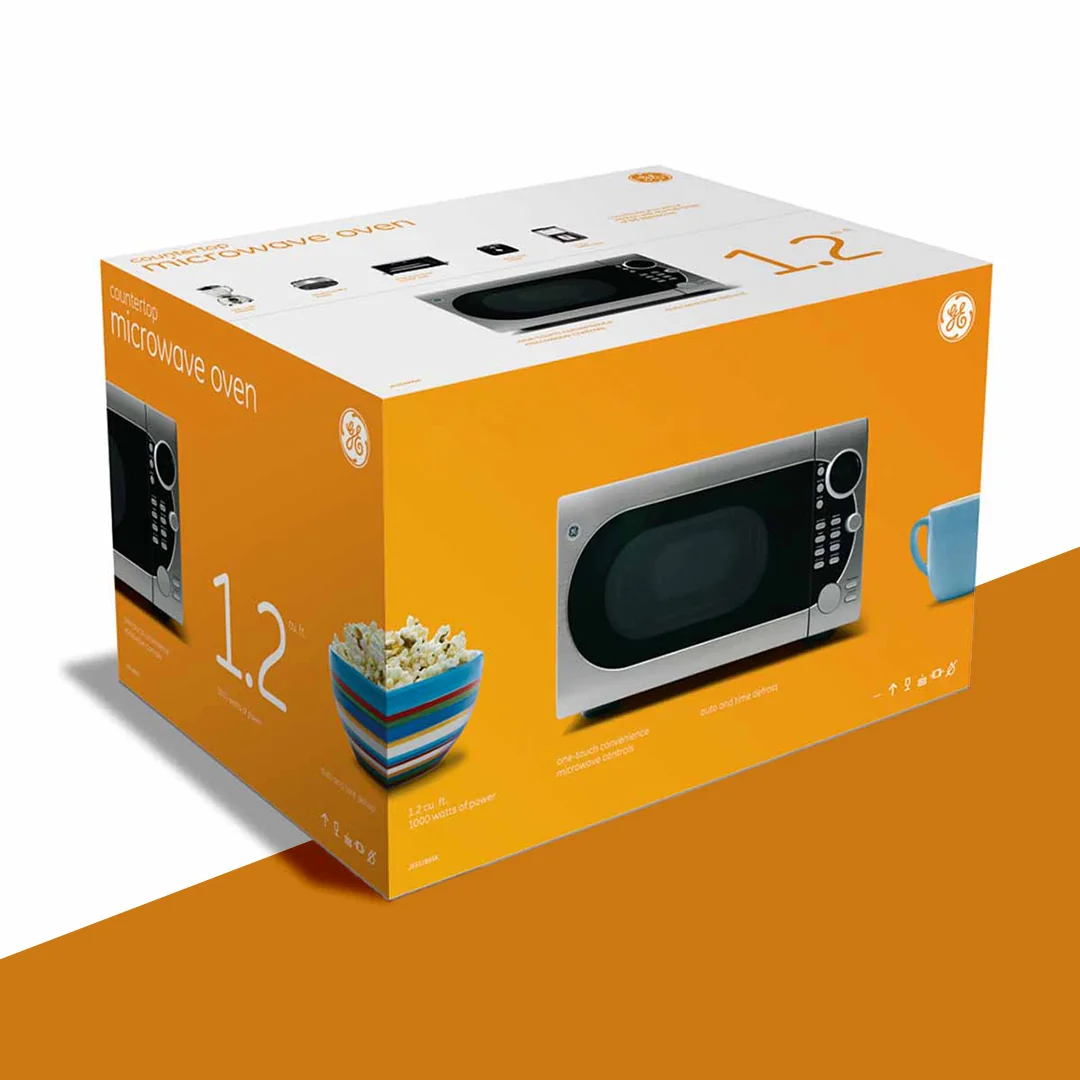

Drag the logo, or select it and use the arrow keys (Shift moves faster, + and − resize).
Related Products
Other packaging that is often ordered alongside appliance boxes.
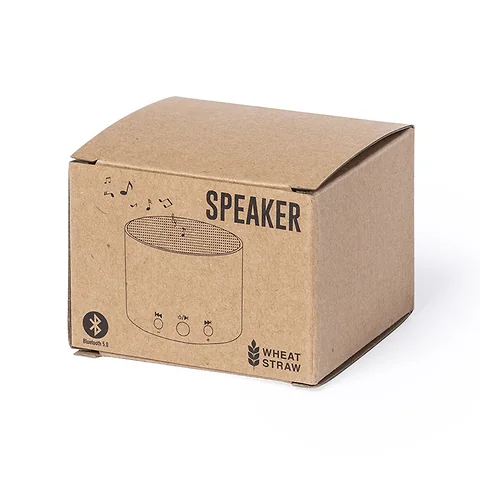
Bluetooth Speaker Boxes
Custom Bluetooth speaker boxes hold a portable speaker, its cable and its paperwork in a fitted insert, so nothing moves in…
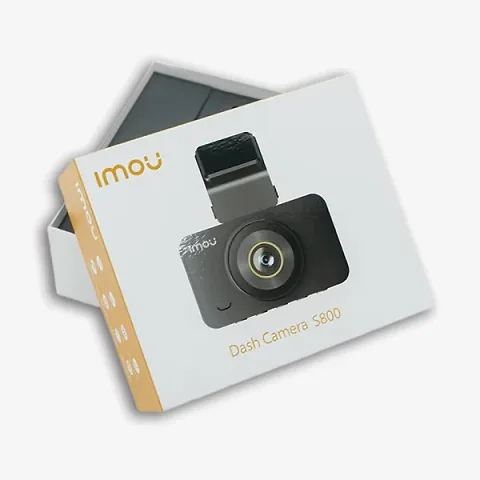
Custom Camera Boxes
Custom camera boxes hold a camera body, lens, dash cam or action camera in a fitted insert alongside its batteries, cables and…
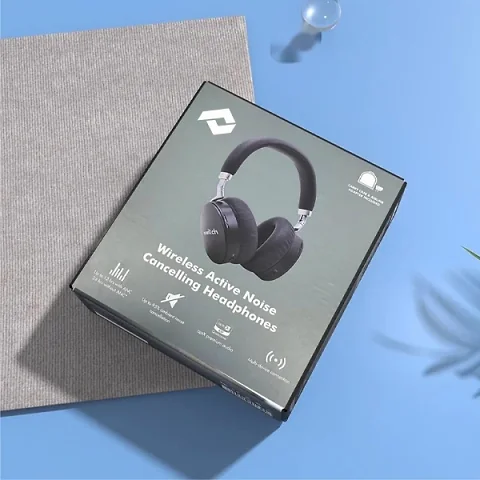
Custom Headphone Boxes
Custom headphone boxes hold over-ear, on-ear and gaming headsets in a moulded or die-cut insert shaped around the headband and…
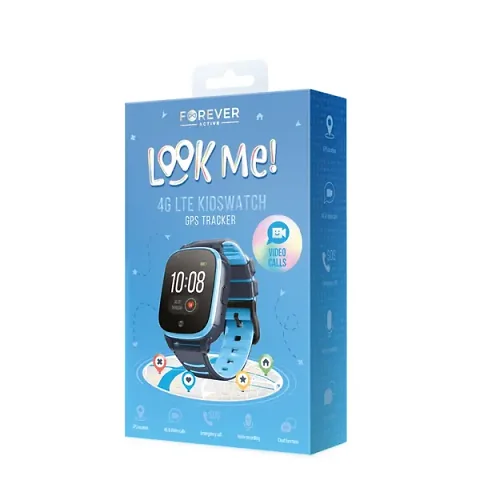
Kids Smartwatch Boxes
Kids smartwatch boxes have to reassure two very different people at once: a parent checking features and a child who just…
Appliance Boxes Questions
What buyers ask before ordering appliance boxes.
Which board is best for a kettle or toaster box?
B-flute single wall corrugated is a good all-round choice for kettles and toasters. It protects well in stacks and prints clearly. Lighter items can use E-flute, while heavy appliances may need double wall.
Can you print photographs on corrugated boxes?
Yes, for photographic quality we print on a white paper sheet and laminate it to the corrugated board. This gives sharp images on a strong box. Direct print suits simpler designs.
Do appliance boxes need an insert?
Almost always. Inserts hold the appliance away from the walls and keep accessories in place. Corrugated end caps and die-cut trays are the most common choices.
Can the box go straight to a customer by courier?
A strong printed box can often ship without an outer carton, especially in B-flute or double wall board. For premium products, an outer shipper keeps the retail box unmarked. We can quote both.
Can you add hand holes to a heavy box?
Yes, hand holes on two sides make heavier appliances far easier to carry. We place them clear of the corners and the insert.
Will you include my compliance marks and barcode?
We print any marks, model numbers and barcodes you supply as part of the artwork. Use the exact files your compliance team provides, and check them carefully on the proof.
Can a kettle and a toaster from the same range share one carton?
Only if their packed sizes are close. The usual route is one carton size with a model-specific insert and a printed sticker or colour band, which reduces box stock without leaving the smaller product loose.
Can I order a sample box before a full run?
Ask about a sample when you request a custom quote. It is especially useful for checking insert fit with a real product before committing to a larger run.
How are appliance boxes packed for delivery to a warehouse?
Flat, in bundles inside cartons for smaller runs or strapped on pallets for larger ones. Free tracked UK mainland delivery takes 2 to 3 working days, and inserts travel flat alongside the boxes.
Can boxes be timed to arrive with a container of stock?
Yes, tell us when your stock lands and we will work back from that date. Production runs 4 to 7 working days after proof approval, and free tracked delivery takes 2 to 3 working days, so boxes can be waiting when the appliances arrive.
What if a pallet of appliance boxes arrives with crushed bundles?
Report the damage or any misprint within 10 days of delivery with photos, and we reprint or refund the affected boxes. Keep the pallet wrap and photograph it if the damage happened in transit.
Get a Price for Your Appliance Boxes
Fill in as much as you know. Sizes are in mm (internal sizes for boxes). If you have artwork, attach it; if not, a logo is enough to start the proof.
We reply with a custom quote by email within one working day, then send a free design proof before anything is printed.
- Phone+44 7578 382054
- WhatsAppMessage us
- Emailinfo@shopcustomboxes.co.uk
- HoursMonday to Friday, 9 am to 5.30 pm UK time
- OfficeOffice 704, 85 Dunstall Hill, Wolverhampton, WV6 0SR