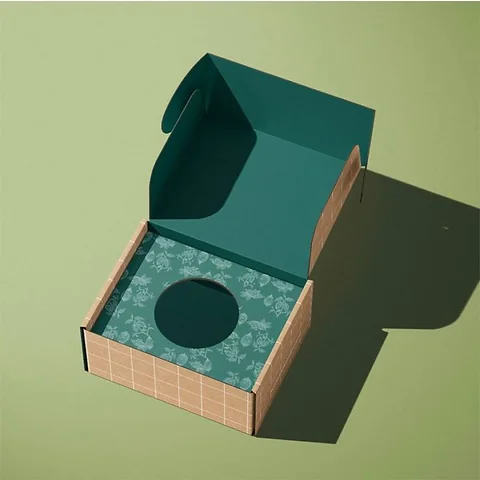
 Custom Mailer Boxes
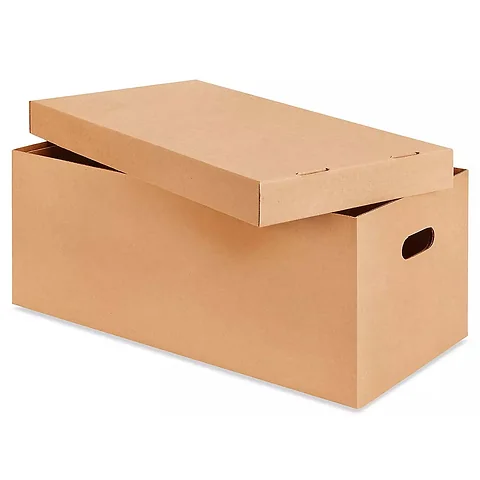 Custom Shipping Boxes
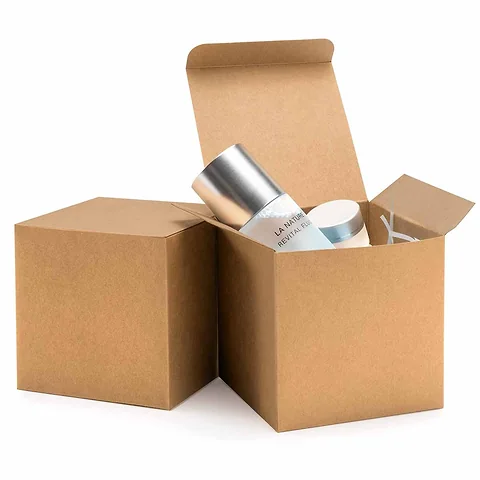 Custom Cardboard Boxes
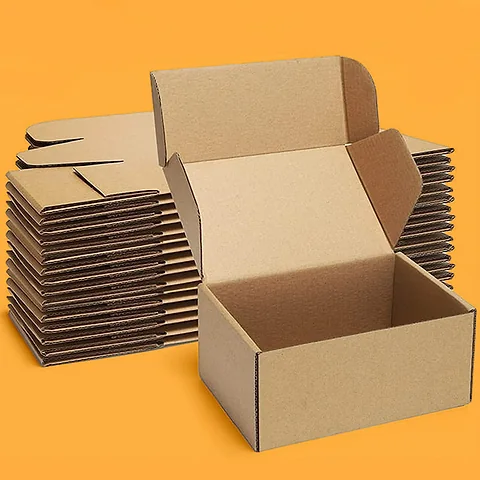 Custom Kraft Boxes
 Custom Product Boxes
 Custom Retail Boxes
 Custom Tuck End Boxes
 Custom Pillow Boxes
 Custom Window Boxes
 Custom Rigid Boxes
 Custom Gift Boxes
 Custom Magnetic Boxes
 Custom Sleeve Boxes
 Custom Printed Boxes
 Custom Boxes with Logo
 Custom Box Inserts
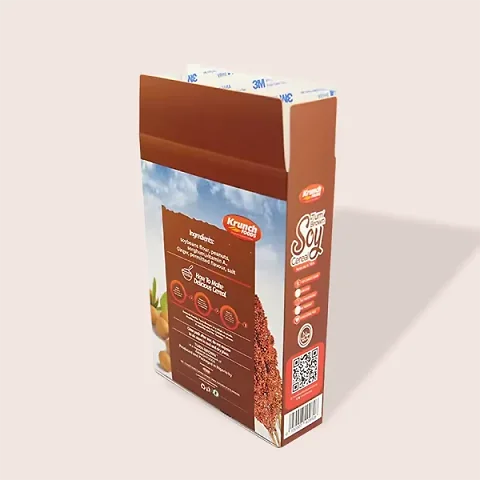
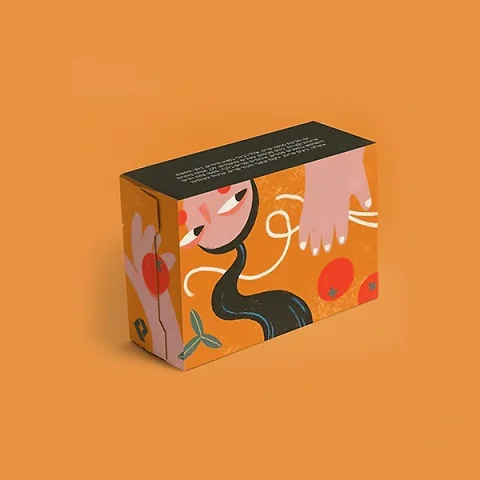
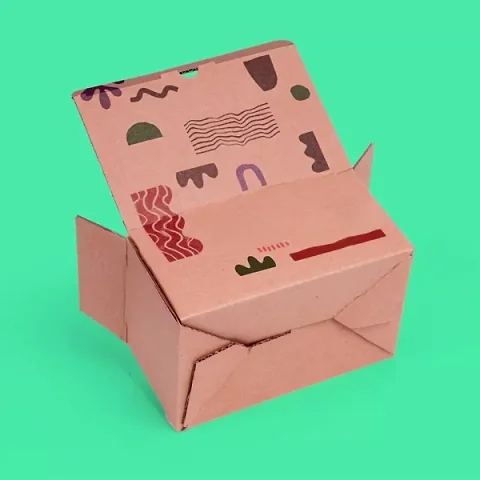
Custom Seal End Boxes
Custom seal end boxes are the cartons you see on every cereal aisle: glued closed at the top and bottom, so they stay shut through filling, shipping and stacking. We make them to your pack size, print every panel and send a free proof before production begins.
- Design proofFree, approved by you before printing
- PriceCustom quote by email within one working day
- Production4–7 working days after proof approval
- DeliveryFree and tracked, UK mainland, 2–3 working days
- Misprints or damageReported within 10 days, reprinted or refunded
How a Seal End Carton Works
A seal end box is a simple rectangular carton where the end flaps at the top and bottom are glued rather than tucked. The four flaps at each end fold in and overlap, then a line of glue holds them together. Once sealed, the carton is rigid, tamper-evident and very hard to open by accident, which is exactly what a product like cereal, crackers or dried pasta needs.
Compare that with a tuck end carton, where a flap simply slides into the box. Tuck ends are great for products that customers open and close often, such as cosmetics, but they can pop open under the weight of loose dry goods. A seal end carton keeps its contents in even when a full case is dropped or stacked six high on a pallet.
The carton is supplied flat with its side seam already glued. You open it into a tube, close and glue the bottom, fill it, and then glue the top.
Products That Suit Glued Ends
Seal end cartons are built for products packed in bulk that need to stay closed until the customer chooses to open them. They are common in grocery but appear in plenty of other categories too.
If your product goes into an inner bag first, as most cereals do, the carton mainly provides structure and shelf presence. If it goes in loose, such as dishwasher tablets or individually wrapped bars, the carton itself needs to be sized more tightly and the board chosen with care. Loose dry goods usually go in cereal boxes with an inner bag on this construction.
- Breakfast cereal, granola and porridge oats packed in an inner bag
- Crackers, crispbreads and oatcakes
- Dried pasta, rice and couscous
- Cake mixes, baking mixes and flour blends
- Dishwasher tablets and laundry pods
- Pet biscuits and dry pet food
Often ordered by
- Cereal and granola brands
- Cracker and biscuit bakers
- Pasta and grain brands
- Baking mix producers
- Household cleaning brands
- Pet food makers
- Farm shops packing own-label oats
Popular Seal End Boxes Sizes
Sizes are in mm. Every order is cut to your size, so any size between these rows is fine.
| Size | Often used for |
|---|---|
| Single-serve 100 x 40 x 140 mm | Small cereal packs and snack portions |
| Cracker pack 200 x 60 x 120 mm | Crackers, crispbreads and oatcakes |
| Pasta box 70 x 40 x 260 mm | 500 g dried spaghetti or long pasta |
| Standard cereal 190 x 65 x 280 mm | 375 g to 500 g cereal in an inner bag |
| Family cereal 220 x 80 x 320 mm | 750 g cereal or granola |
| Tablet carton 150 x 100 x 120 mm | Dishwasher tablets and laundry pods |
Not sure of the size? Send the product measurements and we work out the rest.
Styles
- Standard seal end carton
- Seal end with tear strip
- Seal end with pour spout
- Seal end with reclose tab
- Seal end with window
Materials
- 300 gsm folding boxboard
- 350 gsm folding boxboard
- 400 gsm folding boxboard
- Kraft-backed board
- Full-colour CMYK on all panels
- Pantone spot colours
- Printed inside panels
Finishes
- Gloss varnish
- Satin varnish
- Matt laminate
- Spot gloss on photography
Extras
- Glue-friendly flap panels
- Perforated tear strips
- Pour spouts
- Reclose tabs
- Food-contact grade board on request
See the board and finish guide for what each option looks like.
Production and Delivery
Production takes 4–7 working days after you approve the free design proof. Delivery to the UK mainland is free and tracked, and arrives in 2–3 working days once the order leaves production. The tracking link comes to you by email.
Reprints and Refunds
Check the order when it arrives. If anything is misprinted or damaged, report it within 10 days with a photo and we reprint or refund the items affected. Read the full returns and reprints policy.
Need it by a date?
Tell us the date with your sizes and we plan the proof and production around it.
Seal End Boxes Specification
| Style | Standard seal end carton, Seal end with tear strip, Seal end with pour spout, Seal end with reclose tab, Seal end with window |
|---|---|
| Material | 300 gsm folding boxboard, 350 gsm folding boxboard, 400 gsm folding boxboard, Kraft-backed board |
| Full-colour CMYK on all panels, Pantone spot colours, Printed inside panels | |
| Finish | Gloss varnish, Satin varnish, Matt laminate, Spot gloss on photography |
| Extras | Glue-friendly flap panels, Perforated tear strips, Pour spouts, Reclose tabs, Food-contact grade board on request |
| Size | Made to your size in mm |
| Minimum order | Low, quoted per job |
| Price | From £0.25 a box; custom quote by email within one working day |
| Proof | Free design proof before printing |
| Production | 4–7 working days after proof approval |
| Delivery | Free tracked UK mainland delivery, 2–3 working days |
Glue Lines, Hot Melt and Hand Packing
Brands filling on a production line usually seal the ends with a hot melt glue unit. Smaller producers filling by hand often use a cold glue, a glue gun or double-sided tape strips applied to the flaps. All of these work with seal end cartons, but it helps to tell us which method you will use, because the coating on the board can affect how well the glue grips.
For hand packing, we can leave the inside flap areas uncoated or add a glue-friendly panel so adhesive bonds properly. If you are moving from hand packing to a machine later, mention it now; the carton can be made to run on both, which saves a redesign when you grow.
Whichever method you use, glue placement matters more than quantity. A couple of short beads near the centre of the outer flap hold far better than a thick smear near the edge, which tends to squeeze out and mark the printed panel. Press the sealed end flat for a few seconds, or stack filled cartons on their sides briefly, so the bond sets before the box is moved. If you find the top flaps springing open on a cold morning, the glue may be chilling too fast; a slightly warmer packing area usually cures it. Hand packers who do not want glue at all use auto-lock bottom boxes for hand packing.
Easy Opening Without Tearing the Box Apart
The one drawback of a fully glued carton is that customers can end up ripping the top off. A few small features solve that neatly. A perforated tear strip along the top lets the lid lift away cleanly, and a pour spout panel on one side works well for oats, rice and granola. A reclose tab, where a small slot and tongue hold the top shut after opening, is welcome on cereals that last a week or two.
These features cost little and change how customers feel about the product every morning. A clean open and a reclosable top are far more likely to keep the carton on the shelf, with your branding facing outwards, until it is empty.
Mark the opening point clearly with a small printed arrow or the words open here, so customers start in the right place. A perforated strip follows the same idea as our easy tear boxes with a strip.
Planning Size and Board
Size the carton from the filled inner bag or the product stack, not from the volume on paper. Fill a bag to your target weight, let it settle, then measure its width, depth and height. Add 3 to 5 mm on width and depth and a little more on height so the bag slides in without catching. Classic cereal proportions are tall and slim, which gives a large front panel for branding.
Most dry food seal end cartons are made from 300 to 400 gsm folding boxboard. Lighter board suits small packs of crackers, while larger family packs or heavier products such as dishwasher tablets need the stiffer grades. Food-contact grade board is available on request where the product may touch the inside of the carton. Our board guide lists the board weights for family packs that stack without bowing.
Making the Most of Five Printed Faces
A seal end carton gives you a big front, a back, two sides and a top, so there is space to tell a proper story. The front carries the brand, product name, flavour and pack weight. The back is the natural home for nutrition information, ingredients, allergens and a serving suggestion. Side panels suit a recipe, a fun fact or your brand story, and the top is handy for a short brand mark visible when cartons are stacked flat.
On a busy grocery shelf, colour blocking per flavour helps shoppers find their usual pick quickly. If you sell several varieties, keep the layout identical and switch the main colour and photography for each. A gloss or satin varnish brings out food photography and also helps the carton resist splashes in the kitchen. White board carries five faces of full colour print plus the small top panel.
Tell Us Your Gluing Method, Then Test a Handful Before the Line Runs
Seal end cartons are only as good as the glue line, so the first thing we need is how you close them: hot melt on a cartoner, cold glue by hand, a glue gun or double-sided tape. Each needs the flaps left slightly different, and a carton that will move to a machine later can be made to run on both. Measure the filled inner bag or the stack it holds, say whether an easy-open strip or pour spout is wanted, and reserve the top panel for the small logo that reads on a shelf. Family-size packs need stiffer board. When the cartons arrive, glue and fill a handful with your usual method before the full run starts, and keep cereal cartons with a sealed inner bag in mind if the product is loose.
Send the product, the filled bag or stack size, the closing method and the quantity per variety, and a custom quote comes by email within one working day. The free proof shows the full dieline with the glue flaps. Production takes 4 to 7 working days after approval, cartons arrive flat by tracked courier to UK mainland addresses, and misprinted or damaged cartons reported within 10 days are reprinted or refunded.
Design Your Seal End Box
Choose the seal end boxes photo closest to what you have in mind, add your logo, drag it into place and set the size. Send it with your sizes and we reply with a custom quote and a free design proof.
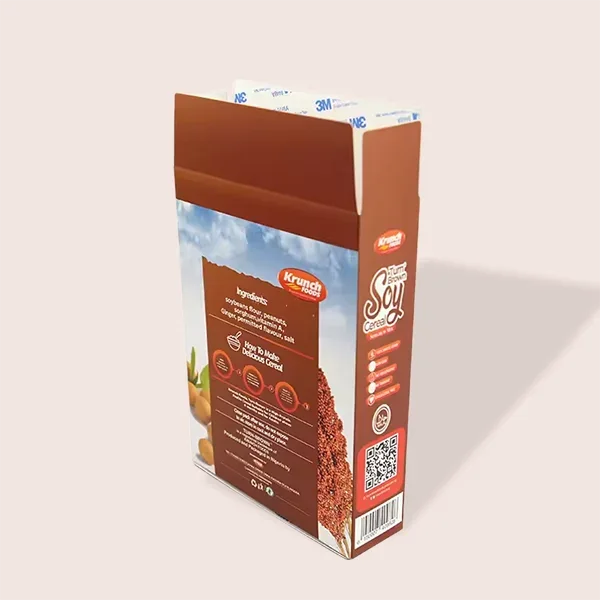

Drag the logo, or select it and use the arrow keys (Shift moves faster, + and − resize).
Related Products
Other packaging that is often ordered alongside seal end boxes.
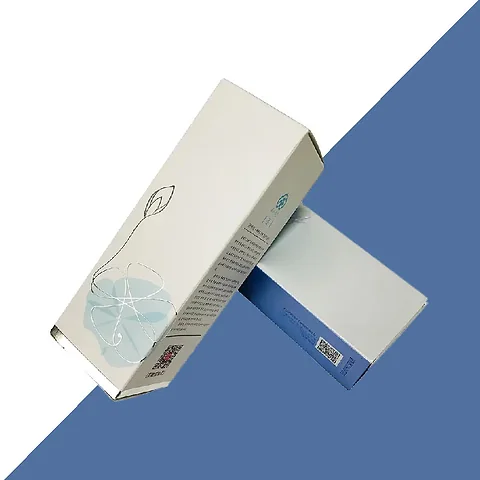
Straight Tuck End Boxes
Custom straight tuck end boxes are folding cartons where the top and bottom closing flaps both tuck in from the same side,…
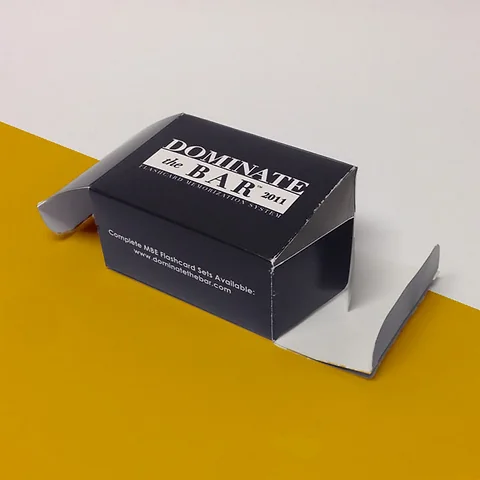
Reverse Tuck End Boxes
Custom reverse tuck end boxes are the everyday carton behind most of the cosmetics, supplements and small gadgets on a shop shelf.
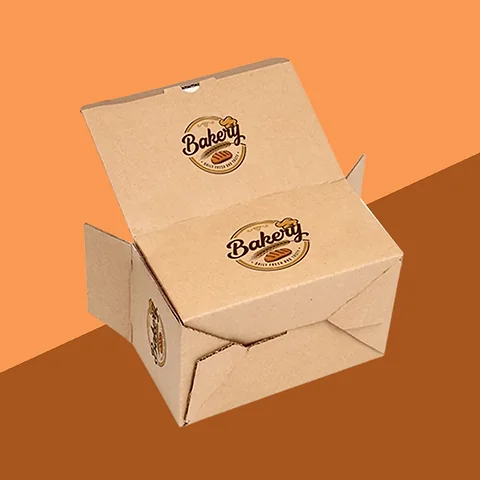
Auto Lock Bottom Boxes
Custom auto lock bottom boxes have a pre-glued crash-lock base that snaps into place as soon as you open the box, giving a…
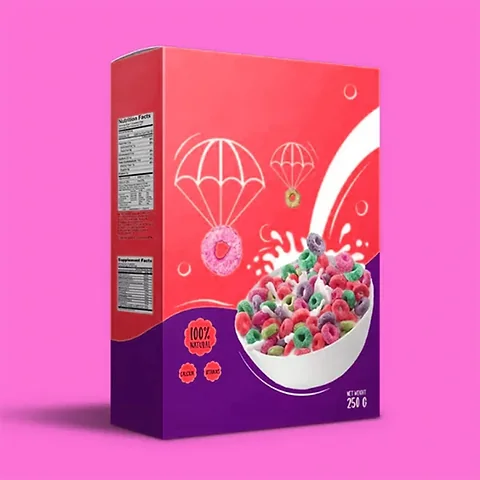
Custom Cereal Boxes
Custom cereal boxes give a granola or breakfast cereal brand the tall, printed carton shoppers expect on a supermarket shelf,…
Seal End Boxes Questions
What buyers ask before ordering seal end boxes.
What is the difference between a seal end and a tuck end box?
A seal end box has its end flaps glued shut, so it stays closed under the weight of loose dry goods. A tuck end box has a flap that slides in, which suits products customers open and close often.
Can I glue seal end boxes by hand?
Yes. Cold glue, a glue gun or double-sided tape all work. Tell us your method and we can leave the flap areas uncoated so the adhesive bonds properly.
Will the carton run on a packing machine?
Seal end cartons are designed for automatic filling and hot melt sealing. Send us your machine details and we will check the size and board suit it.
How do customers open a fully glued carton?
A perforated tear strip or pour spout makes opening neat. A reclose tab then lets the top stay shut between uses.
Do I need an inner bag for cereal?
Most cereals use an inner bag to keep the product fresh and the carton provides structure. Size the carton from the filled bag rather than the product weight.
Which board weight suits a family-size pack?
Larger and heavier packs need stiffer 350 to 400 gsm board so the carton keeps its shape when stacked.
Can the product touch the inside of the carton?
Food-contact grade board is available on request for products packed without an inner bag.
Can I print a recipe on the side?
Yes, side panels are a great place for a recipe, serving idea or brand story. The top can carry a small logo for stacked displays.
Can several flavours share one design?
Yes. Keeping the layout identical and changing colour and photography per flavour builds a recognisable range on the shelf.
Can a seal end granola carton have a window if the granola is in a clear bag?
Yes. A window works when the product is packed in a clear inner bag, and granola and clusters show well through it. We keep the window on the front panel clear of the glued ends.
What if a run of seal end cartons arrives with the glue flaps cut wrongly?
Report it within 10 days of delivery with photos and we reprint or refund the affected cartons. The flap layout is shown on the proof, so check it against your gluing method before approval.
Get a Price for Your Seal End Boxes
Fill in as much as you know. Sizes are in mm (internal sizes for boxes). If you have artwork, attach it; if not, a logo is enough to start the proof.
We reply with a custom quote by email within one working day, then send a free design proof before anything is printed.
- Phone+44 7578 382054
- WhatsAppMessage us
- Emailinfo@shopcustomboxes.co.uk
- HoursMonday to Friday, 9 am to 5.30 pm UK time
- OfficeOffice 704, 85 Dunstall Hill, Wolverhampton, WV6 0SR