 Custom Mailer Boxes
 Custom Shipping Boxes
 Custom Cardboard Boxes
 Custom Kraft Boxes
 Custom Product Boxes
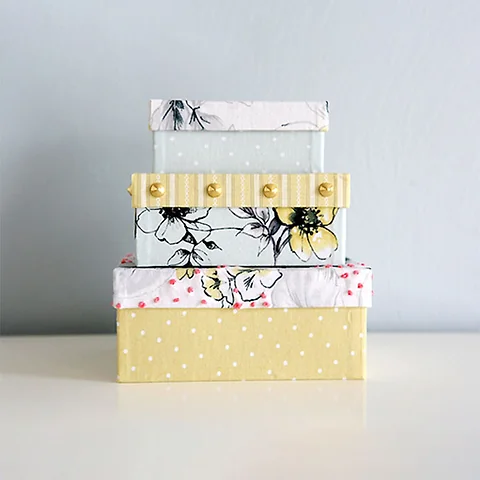 Custom Retail Boxes
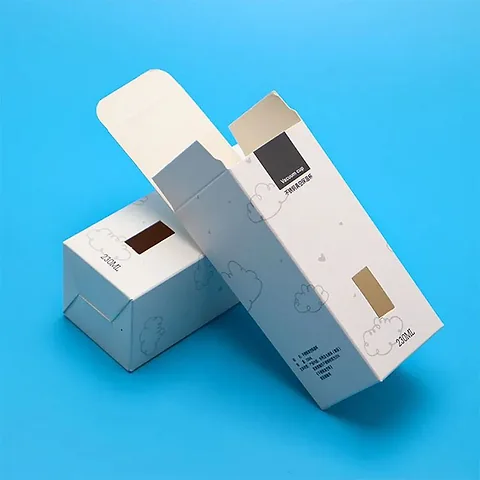 Custom Tuck End Boxes
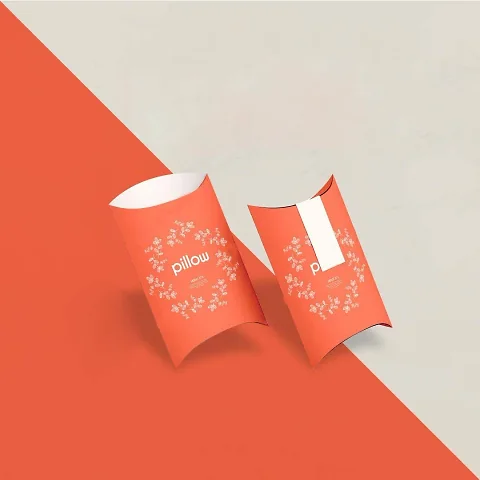 Custom Pillow Boxes
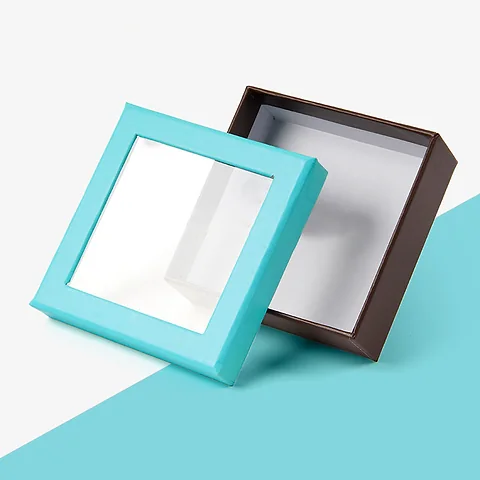 Custom Window Boxes
 Custom Rigid Boxes
 Custom Gift Boxes
 Custom Magnetic Boxes
 Custom Sleeve Boxes
 Custom Printed Boxes
 Custom Boxes with Logo
 Custom Box Inserts
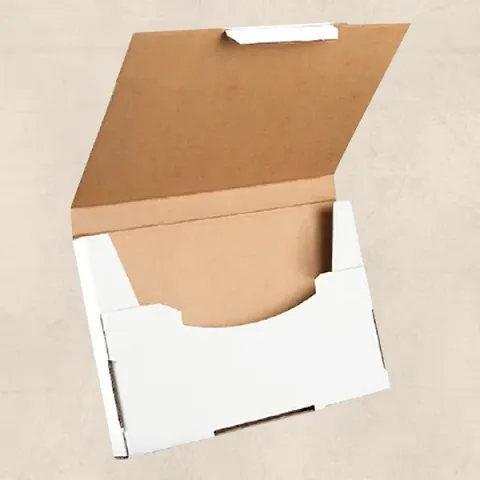
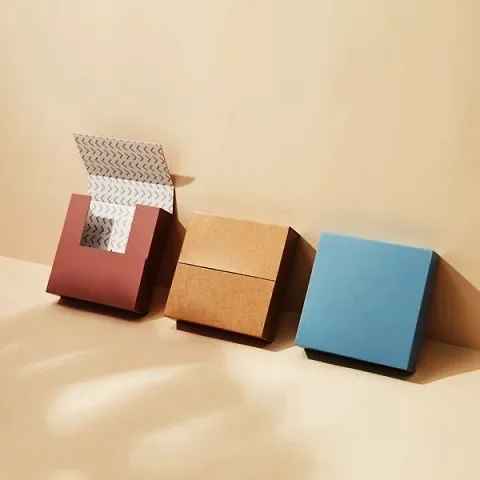
Custom One-Panel Folder Boxes
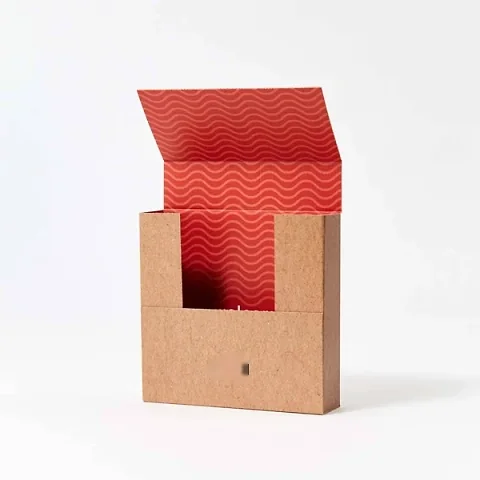
Custom one-panel folder boxes fold up from a single flat sheet around documents, brochures, samples and other flat items, giving them firm sides and a neat closing flap. They post well, file well and turn a stack of paper into a presentation pack.
- Design proofFree, approved by you before printing
- PriceCustom quote by email within one working day
- Production4–7 working days after proof approval
- DeliveryFree and tracked, UK mainland, 2–3 working days
- Misprints or damageReported within 10 days, reprinted or refunded
One Sheet, Folded Into a Box
A one-panel folder, sometimes called a one-piece folder or a folding wrap, starts life as a single die-cut sheet. The base panel holds the contents; side and end walls fold up around them; and a lid panel folds over the top and tucks in at the front. There is no glue and no separate lid, so the box can be stored flat in large numbers and folded in seconds when it is needed.
Because the walls fold up from the base, the folder holds its contents firmly on every side. That makes it much better than an envelope for documents that must arrive flat and uncreased, and much tidier than a loose stack held with a clip. When opened, the contents are presented on a flat base, which looks deliberate and professional.
The lack of glue has a practical upside too. If a pack needs to be updated, the folder can be opened out, refilled and closed again without damage. Firms that send revised documents during a long project often reuse the same folder for each version, which keeps everything together for the client. Where the contents are only a few sheets, flat document folders are the lighter option.
What People Put in One-Panel Folder Boxes
Legal and financial firms use them for client packs: contracts, deeds and reports that should look as important as they are. Architects and designers send printed plans and material samples. Training providers hand out course packs with workbooks, handouts and attendance cards. Estate agents use them for welcome packs containing keys, guides and paperwork.
They also suit flat products. Art prints, calendars, photographs, fabric swatches, wallpaper samples and greeting card sets all travel well in a folder box. Some stationery brands use them as the retail packaging for notebooks and journal sets.
- Client document packs and reports
- Plan sets and design samples
- Course packs and training materials
- Prints, photographs and swatch sets
- Welcome packs with keys and guides
Often ordered by
- Law and accountancy firms
- Architects and interior designers
- Training and education providers
- Estate agents and property developers
- Photographers and print studios
- Wallpaper and fabric suppliers
Popular One-Panel Folder Boxes Sizes
Sizes are in mm. Every order is cut to your size, so any size between these rows is fine.
| Size | Often used for |
|---|---|
| A5 slim A5 158 x 220 x 12 mm | Cards, small prints and guides |
| A4 slim A4 220 x 307 x 15 mm | Short documents and award cards |
| A4 deep A4 225 x 312 x 40 mm | Thick reports and course packs |
| A4 binder A4 250 x 320 x 50 mm | Ring binders and sample sets |
| A3 slim A3 307 x 430 x 15 mm | Plans, drawings and large prints |
Not sure of the size? Send the product measurements and we work out the rest.
Styles
- One-panel tuck folder
- One-panel folder with dust flaps
- Folder with card slot
- Folder with ribbon or elastic closure
Materials
- Heavy folding boxboard
- E-flute corrugated
- Uncoated or kraft board
- Full colour CMYK
- Pantone brand colours
- Inside lid print
- Spine and edge print
Finishes
- Matte laminate
- Gloss laminate
- Soft-touch laminate
- Foil
- Embossing
Extras
- Business card slot
- Inner pocket
- Thumb notch
- Peel-and-seal strip
- Card spacers
See the board and finish guide for what each option looks like.
Production and Delivery
Production takes 4–7 working days after you approve the free design proof. Delivery to the UK mainland is free and tracked, and arrives in 2–3 working days once the order leaves production. The tracking link comes to you by email.
Reprints and Refunds
Check the order when it arrives. If anything is misprinted or damaged, report it within 10 days with a photo and we reprint or refund the items affected. Read the full returns and reprints policy.
Need it by a date?
Tell us the date with your sizes and we plan the proof and production around it.
One-Panel Folder Boxes Specification
| Style | One-panel tuck folder, One-panel folder with dust flaps, Folder with card slot, Folder with ribbon or elastic closure |
|---|---|
| Material | Heavy folding boxboard, E-flute corrugated, Uncoated or kraft board |
| Full colour CMYK, Pantone brand colours, Inside lid print, Spine and edge print | |
| Finish | Matte laminate, Gloss laminate, Soft-touch laminate, Foil, Embossing |
| Extras | Business card slot, Inner pocket, Thumb notch, Peel-and-seal strip, Card spacers |
| Size | Made to your size in mm |
| Minimum order | Low, quoted per job |
| Price | From £0.25 a box; custom quote by email within one working day |
| Proof | Free design proof before printing |
| Production | 4–7 working days after proof approval |
| Delivery | Free tracked UK mainland delivery, 2–3 working days |
Sizing Around A-Sizes and Depth
Most folders are built around A4 or A3 paper, with a little extra room so sheets slide in easily. The depth is the key decision. A slim folder of 10 to 15 mm holds a short document or a few prints. A deeper folder of 25 to 50 mm holds a thick report, a ring binder or a mix of documents and samples.
If you send documents of varying thickness, choose the depth that fits your thickest pack and use a card spacer for thinner ones. A folder that is too deep for its contents allows papers to slide and bend, which defeats the purpose.
For non-standard items, measure the largest piece flat, then the total stack height. We add a margin for the board and a little ease so the folder closes without straining.
It helps to make up a dummy pack before ordering. Gather the actual documents, samples and inserts that will go in, stack them as they will be packed and measure. A ruler and five minutes at this stage avoid a folder that is a few millimetres too tight to close. Our guide on how to measure a ring binder closed covers the spine and rings.
Board Weights and Finishes
Lighter folders for presentation and filing are made from heavy folding boxboard, which folds cleanly and prints sharply. Folders that will be posted, or that hold heavier contents such as samples, are better in E-flute corrugated, which adds rigidity and resists crushing in the post.
Uncoated board gives a natural, tactile feel that suits design studios and craft brands. A matte laminate looks crisp and businesslike for professional services. Foil on a logo or embossing on a firm name adds weight to a pack that represents an important moment, such as handing over the keys to a new home.
- Heavy folding boxboard for presentation folders
- E-flute corrugated for posting and samples
- Matte, gloss or soft-touch laminates
- Foil, embossing and debossing
Inside Features and Closures
A plain folder works for many uses, but a few small features can make it much more useful. A business card slot on the inside of the lid puts the contact details right where the recipient looks. A pocket or a pair of corner slits holds a covering letter in place. A thumb notch on the front tuck makes it easier to open. A ribbon or elastic band can keep the folder closed when it is carried around.
For packs that will be filed, a printed spine label area lets the recipient see what is inside when the folder is stored on a shelf. For mailed folders, a peel-and-seal strip on the tuck flap seals the pack securely.
Some clients ask for a tab divider set inside the folder, so a long report is split into sections they can flip between. Printed tabs in the same colours as the folder make the pack feel like one coordinated piece, and they help the recipient find the page they need during a meeting. Sets that need sorting inside use file folders with a tab within the box.
Printing a Folder That Represents Your Firm
The outside lid is the cover of your pack and deserves a clean design: logo, firm name and perhaps a short line. The inside of the lid is often printed with a pattern, a welcome message or a contents list. Spine and edge printing in a brand colour makes a set of folders look smart when lined up together.
Many professional firms choose a single design for all clients and add a printed label or a personalised letter for each person. Others print a short run for a particular project or event with a dedicated design. Both work well; the folder simply needs to look consistent with your other printed material.
If the folder will be handed over in person, such as at a property completion or a course graduation, consider how it looks in a photograph. A strong, simple cover design with plenty of space around the logo tends to photograph better than a busy one, and clients do take pictures of these moments. Most firms print the folder with letterheads in the same design so the documents inside match.
Measure Your Thickest Pack, Then Choose a Depth Between 10 and 50 mm
A one-panel folder box is specified by depth more than anything else, so stack the thickest set of documents, samples or a binder you will put in it and measure the stack. Slim folders of 10 to 15 mm suit a proposal; 25 mm suits a welcome pack with brochures; around 50 mm takes a ring binder. Choose A4 or A5 and whether the folder is posted, because a posted folder needs E-flute board and a peel-and-seal strip rather than a tuck. Add a business card slot inside the lid if clients will keep the folder, and keep the artwork on a flat dieline so you can see how it folds. Firms that send documents regularly pair the folder with C4 envelopes for the flat version.
Send the contents size, depth, board and finish preferences and artwork, and a custom quote comes by email within one working day. The free proof shows the flat dieline with every panel labelled. Production takes 4 to 7 working days after approval, folders arrive flat by tracked courier to UK mainland addresses, and faulty or damaged folders reported within 10 days are reprinted or refunded.
Design Your One-Panel Folder Box
Choose the One-Panel folder boxes photo closest to what you have in mind, add your logo, drag it into place and set the size. Send it with your sizes and we reply with a custom quote and a free design proof.
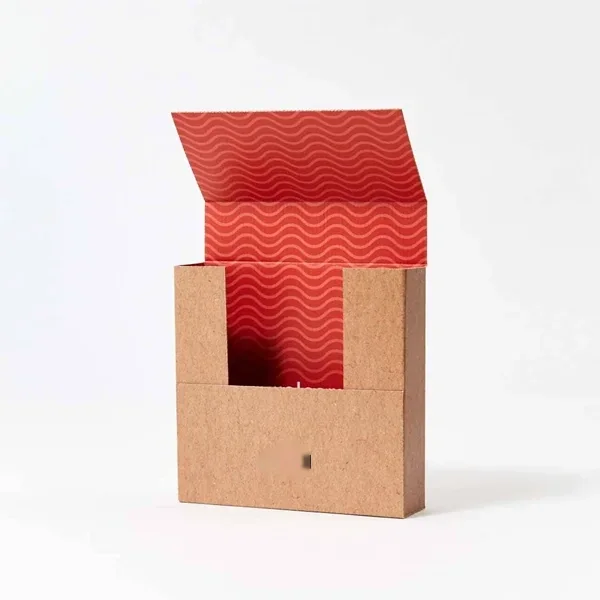

Drag the logo, or select it and use the arrow keys (Shift moves faster, + and − resize).
Related Products
Other packaging that is often ordered alongside One-Panel folder boxes.
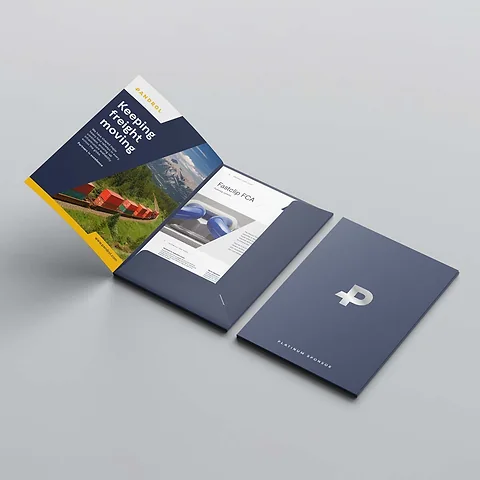
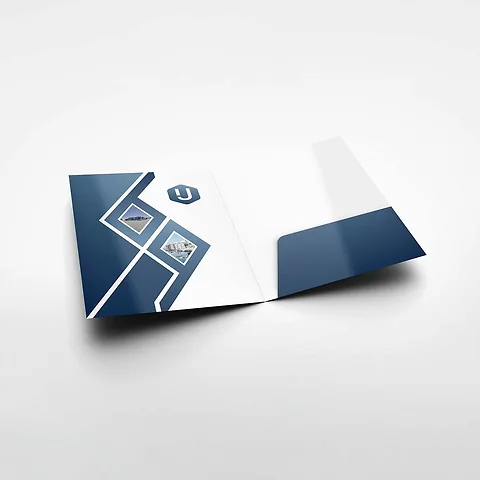
Custom Document Folders
A printed document folder keeps a stack of A4 papers together and presents them as one tidy package, whether that is a…
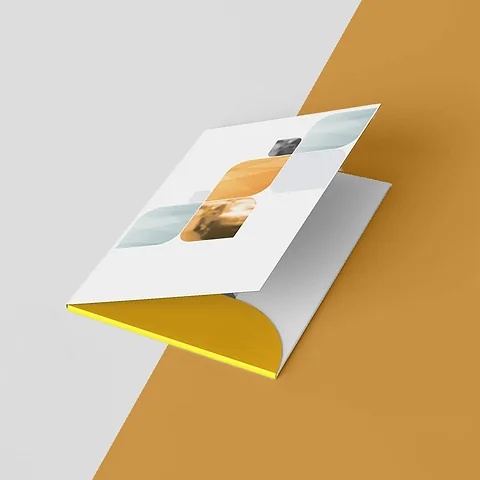
Custom File Folders
Custom file folders keep paper records organised, branded and easy to find, from patient notes to client files to project…
A3 Presentation Folders
Custom A3 presentation folders are large printed card folders with inside pockets, made to carry A3 drawings, plans, boards…
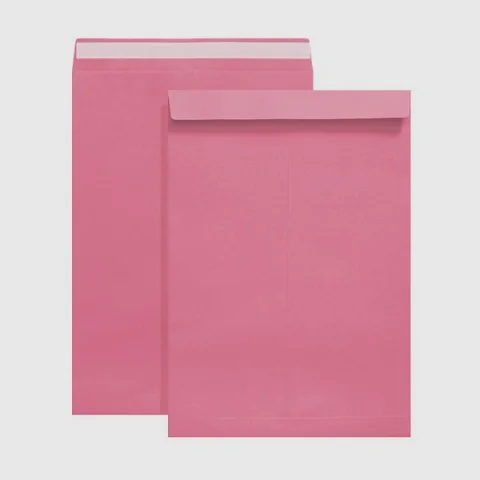
Custom C4 Envelopes
Custom C4 envelopes carry an A4 sheet flat, so contracts, diplomas and reports arrive without a single fold.
One-Panel Folder Boxes Questions
What buyers ask before ordering One-Panel folder boxes.
What is a one-panel folder box?
It is a box that folds from a single die-cut sheet, with walls that rise from the base and a lid that folds over and tucks in. There is no glue and no separate lid. It ships flat and folds up in seconds.
Is a folder box better than an envelope for documents?
A folder box has rigid walls on every side, so documents stay flat and corners do not bend. It also presents the contents more professionally on arrival. Envelopes are cheaper but offer far less protection.
How deep should my folder be?
Choose a depth that matches your thickest pack. Slim folders of 10 to 15 mm suit short documents, while 25 to 50 mm holds reports, binders and samples. A card spacer fills the gap for thinner packs.
Can a one-panel folder box have a business card slot inside the lid?
Yes. A die-cut slot on the inside of the lid is a popular extra that costs very little, and it keeps the card with the documents rather than loose in the folder.
Can I post documents in these folders?
Yes, especially in E-flute corrugated, which resists crushing. A peel-and-seal strip on the tuck closes the folder securely. For important papers, add tracked postage.
Can the folder hold a ring binder?
Yes, a deeper A4 folder of around 50 mm suits most standard binders. Measure your binder closed, including the rings. We size the walls to suit.
Can I personalise each folder for a client?
Most firms print one design and add a label or a personalised letter for each client. Variable printing of names is possible for some runs. Ask about it in your enquiry.
Which finish looks most professional?
A matte laminate with a foil logo is a common choice for professional services. Uncoated board suits design studios and creative firms. The proof shows the finish options marked on the artwork.
Can I use these folders for fabric or wallpaper samples?
Yes, they suit flat sample sets well. A deeper folder with a card divider keeps swatches organised. Corrugated board helps if the samples are heavy.
Do the folders need assembling?
They arrive flat and fold up by hand without glue. Most people can fold one in under a minute after a little practice. We can send a simple folding guide with your order.
Get a Price for Your One-Panel Folder Boxes
Fill in as much as you know. Sizes are in mm (internal sizes for boxes). If you have artwork, attach it; if not, a logo is enough to start the proof.
We reply with a custom quote by email within one working day, then send a free design proof before anything is printed.
- Phone+44 7578 382054
- WhatsAppMessage us
- Emailinfo@shopcustomboxes.co.uk
- HoursMonday to Friday, 9 am to 5.30 pm UK time
- OfficeOffice 704, 85 Dunstall Hill, Wolverhampton, WV6 0SR