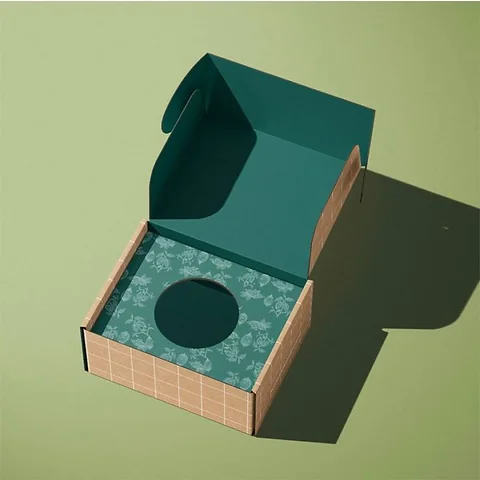
 Custom Mailer Boxes
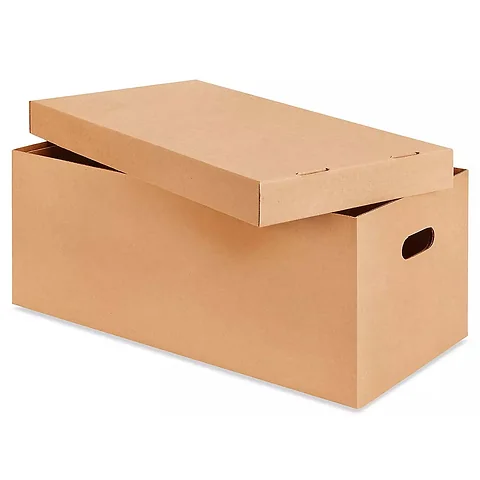 Custom Shipping Boxes
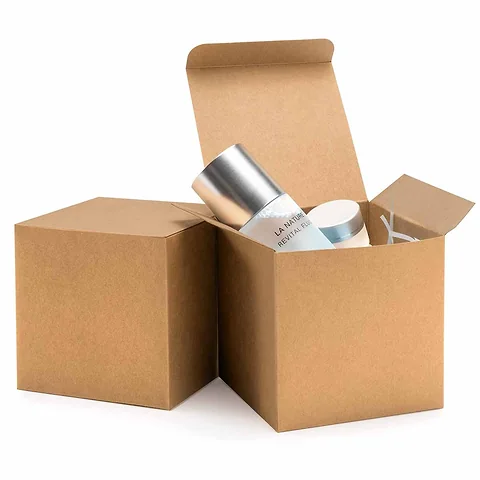 Custom Cardboard Boxes
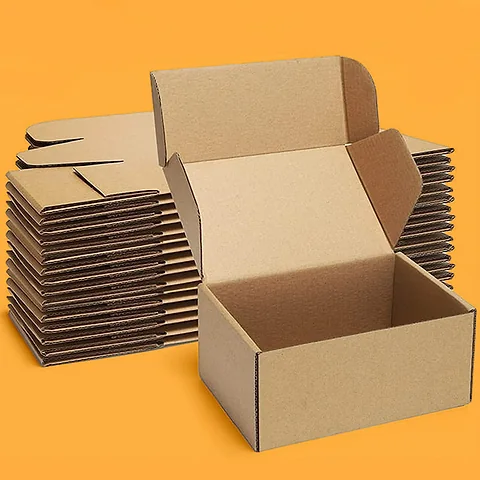 Custom Kraft Boxes
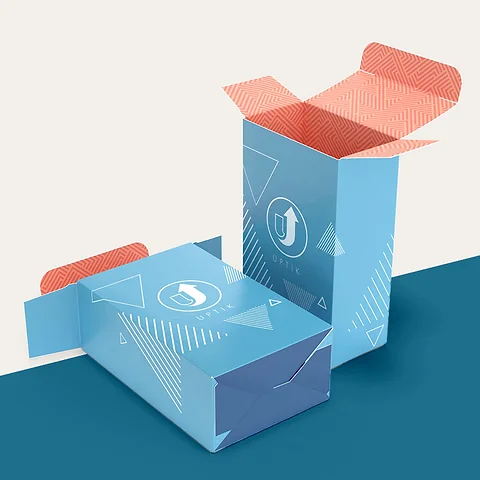 Custom Product Boxes
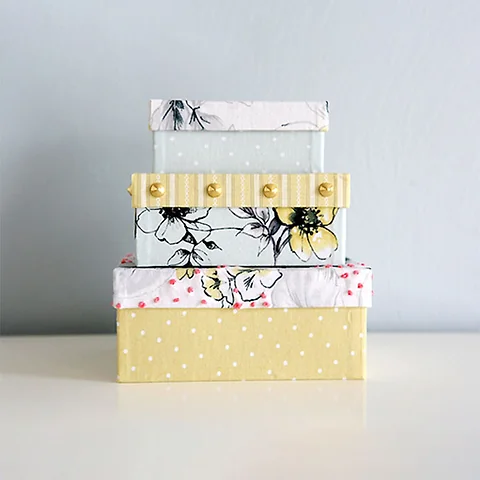 Custom Retail Boxes
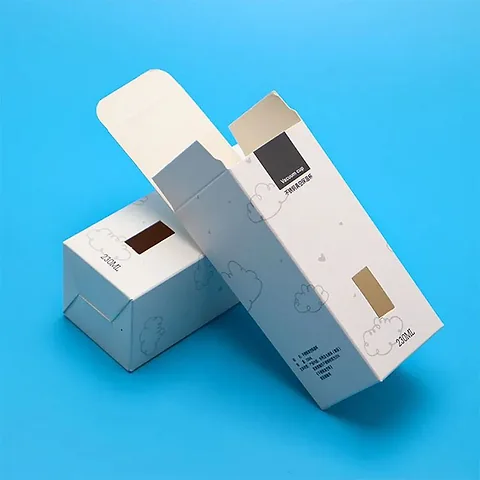 Custom Tuck End Boxes
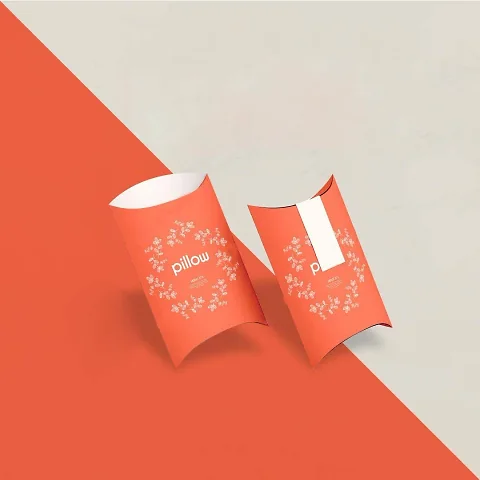 Custom Pillow Boxes
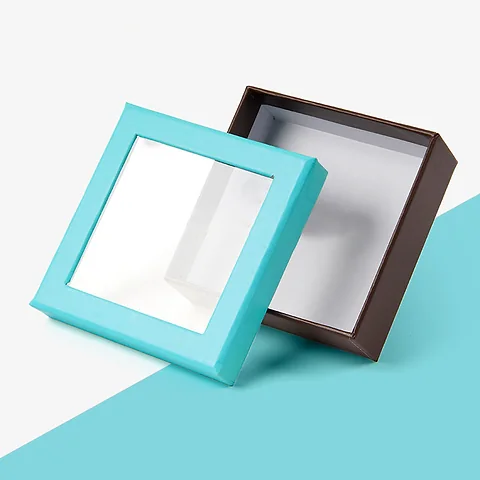 Custom Window Boxes
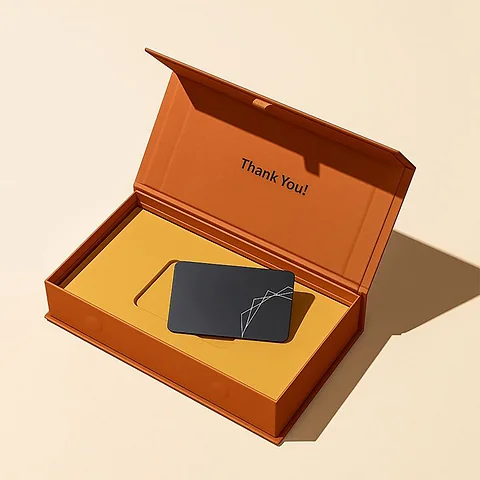 Custom Rigid Boxes
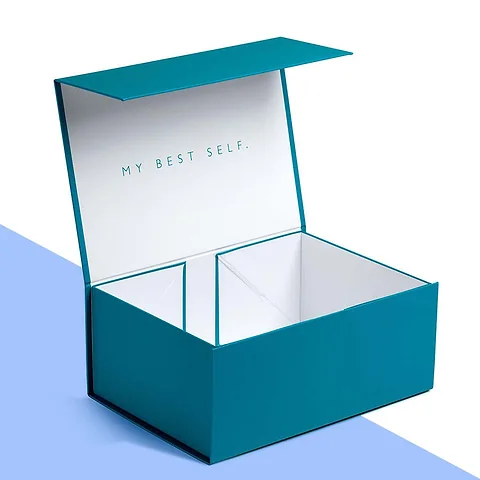 Custom Gift Boxes
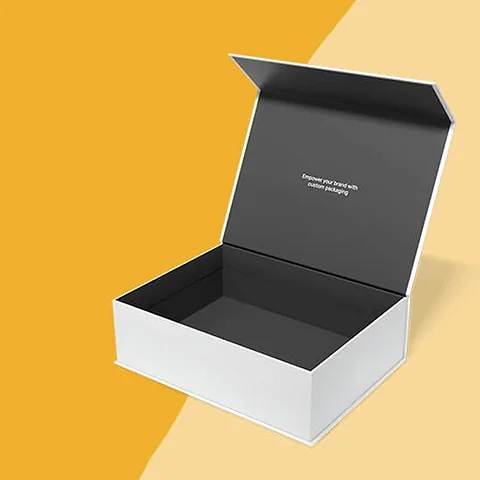 Custom Magnetic Boxes
 Custom Sleeve Boxes
 Custom Printed Boxes
 Custom Boxes with Logo
 Custom Box Inserts
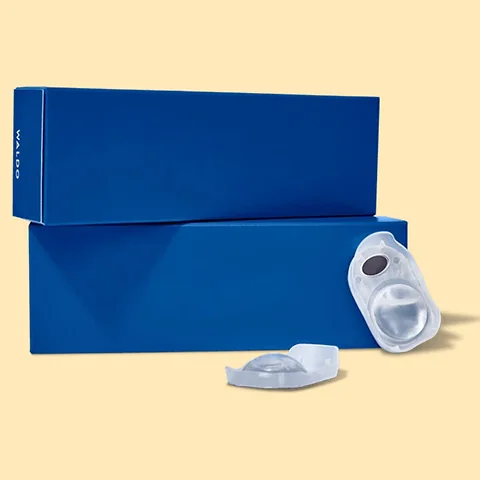
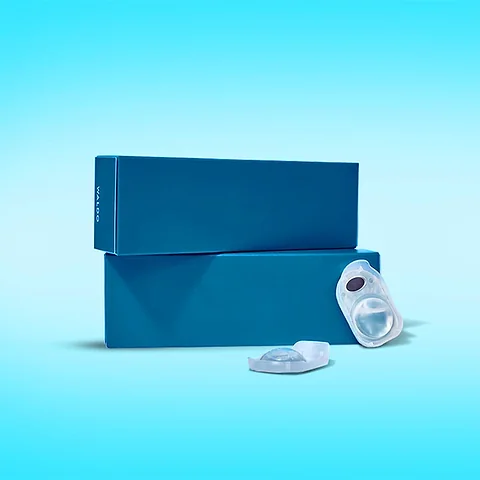
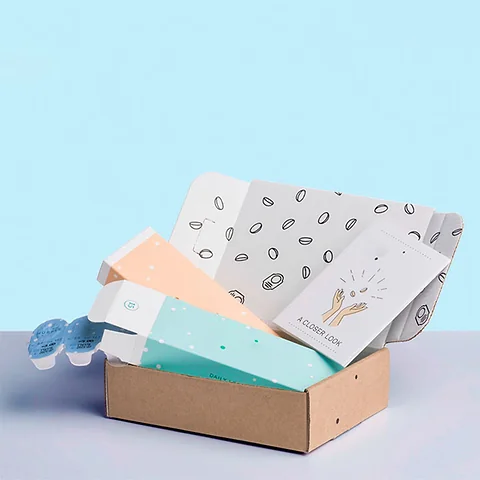
Custom Contact Lens Boxes
Custom contact lens boxes are compact cartons that hold blister strips, single lens vials or monthly packs, with room on the panels for power, base curve and batch details. We make them in crisp white board that prints cleanly, sized to your strips and branded for your practice or label.
- Design proofFree, approved by you before printing
- PriceCustom quote by email within one working day
- Production4–7 working days after proof approval
- DeliveryFree and tracked, UK mainland, 2–3 working days
- Misprints or damageReported within 10 days, reprinted or refunded
A Small Box With a Lot of Information to Carry
Contact lens packaging has two audiences. The wearer wants to recognise their brand quickly and know which eye a box is for. The optician or dispensing assistant needs to read the prescription values at a glance while pulling boxes from a drawer full of near-identical cartons. A good box serves both without feeling crowded.
That means planning the panels carefully. The front carries your brand and the lens type. One end panel, the part that faces out in a drawer, usually shows the power and key parameters in large, clear type. The back and remaining sides hold the descriptive details, wearing schedule and any other information your supplier or regulator expects you to show. Leaving a blank, uncoated area for a printed sticker or handwritten details is common for practices that dispense many different prescriptions. Lens cartons are among the smallest packs in our health and pharmacy packaging range.
Sizing Around Blister Strips and Vials
Most daily and monthly lenses come in sealed foil-topped blisters, often joined in strips of several. The box needs to fit the strip flat with a little clearance so it slides out without snagging the foil. Measure the strip length and width at the widest point, and the height of the tallest blister bowl, then add one to two millimetres on each.
Lenses supplied in glass or plastic vials, such as specialist or custom-made lenses, sit better in a taller carton with a simple card insert holding each vial upright. Larger boxes for multi-month supplies are usually just deeper versions of the same carton, which keeps a consistent look across your range.
- Measure the full strip, including any tear tabs
- Allow height for the deepest blister bowl
- Add a little clearance so foil lids are not scuffed
- Use an insert for upright vials
- Keep one width across a range for tidy drawer storage
Often ordered by
- Independent opticians
- Online contact lens retailers
- Specialist lens laboratories
- Private label lens brands
- Lens care accessory brands
- Optical chains needing trial packs
Popular Contact Lens Boxes Sizes
Sizes are in mm. Every order is cut to your size, so any size between these rows is fine.
| Size | Often used for |
|---|---|
| Daily strip pack 90 x 60 x 25 mm | Strips of daily disposable blisters |
| Monthly pack 75 x 55 x 25 mm | Small packs of monthly lenses |
| Large daily supply 100 x 70 x 60 mm | Bigger daily supplies stacked in strips |
| Vial box 45 x 45 x 75 mm | Single specialist lens in an upright vial |
| Trial pair pack 80 x 50 x 15 mm | Sample lenses for fitting appointments |
Not sure of the size? Send the product measurements and we work out the rest.
Styles
- Straight tuck end carton
- Reverse tuck end carton
- Crash-lock base carton
- Sleeve and tray trial pack
Materials
- White folding boxboard
- Thicker board for multi-month packs
- Card inserts for vials
- Full colour CMYK
- One or two Pantone colours
- Variable panels left blank for labels
Finishes
- Matt aqueous coating
- Satin coating
- Spot UV logo
- Silver or gold foil
Extras
- Left and right colour bands
- Locking tuck slit
- Vial inserts
- Writable uncoated panels
See the board and finish guide for what each option looks like.
Production and Delivery
Production takes 4–7 working days after you approve the free design proof. Delivery to the UK mainland is free and tracked, and arrives in 2–3 working days once the order leaves production. The tracking link comes to you by email.
Reprints and Refunds
Check the order when it arrives. If anything is misprinted or damaged, report it within 10 days with a photo and we reprint or refund the items affected. Read the full returns and reprints policy.
Need it by a date?
Tell us the date with your sizes and we plan the proof and production around it.
Contact Lens Boxes Specification
| Style | Straight tuck end carton, Reverse tuck end carton, Crash-lock base carton, Sleeve and tray trial pack |
|---|---|
| Material | White folding boxboard, Thicker board for multi-month packs, Card inserts for vials |
| Full colour CMYK, One or two Pantone colours, Variable panels left blank for labels | |
| Finish | Matt aqueous coating, Satin coating, Spot UV logo, Silver or gold foil |
| Extras | Left and right colour bands, Locking tuck slit, Vial inserts, Writable uncoated panels |
| Size | Made to your size in mm |
| Minimum order | Low, quoted per job |
| Price | From £0.25 a box; custom quote by email within one working day |
| Proof | Free design proof before printing |
| Production | 4–7 working days after proof approval |
| Delivery | Free tracked UK mainland delivery, 2–3 working days |
Board, Print and Finish for Optical Cartons
White folding boxboard is the natural choice. It gives a clean, clinical look that suits optical products, and it shows small text and fine lines sharply. A board around 300 to 350 gsm is stiff enough for strips and light vials while staying compact.
Most opticians and lens brands keep the print simple: one or two brand colours, clear typography and plenty of white space. A matt or satin aqueous coating protects the print from scuffing in drawers without making the surface too shiny to write on or label. Gloss lamination looks bright but can resist pen ink, so avoid it on any panel where you plan to write or print variable details. A small foil or spot UV logo on the front is an easy way to make a private label brand feel premium.
Colour-Coding Left and Right Lenses
Mix-ups between the left and right eye are a real nuisance for wearers whose prescriptions differ. A simple colour band on the end panel solves it. Many practices use one colour for the right eye and another for the left, or print R and L in large letters on the visible end so a wearer can grab the correct box half asleep in the morning.
If your boxes are generic and filled with different powers, consider printing a tinted strip or blank box area that can be marked at dispensing. That way one print run covers every prescription, which keeps quantities manageable and avoids storing dozens of nearly identical cartons.
Colour coding also helps if you sell several lens types. A blue end for daily lenses, green for monthly and orange for toric lets staff spot the right shelf instantly and reduces the chance of handing over the wrong product. Where you prefer one print run, a left and right label per box can add the colour band at packing.
Who Orders Branded Contact Lens Boxes
Independent opticians are the main buyers. Many supply lenses under their own practice name, and a branded box reminds the wearer where to reorder. Online lens retailers use private label cartons to build a recognisable brand across daily, monthly and toric products. Specialist labs that make bespoke or scleral lenses order taller boxes with vial inserts, and some suppliers order trial boxes holding a single pair for fitting appointments.
Lens care and accessory brands also use the same carton style for products such as lens cases, small cleaning kits and solution samples. Keeping the packaging family consistent across lenses and accessories makes a practice's own-brand range feel joined up on the counter. Clinics that supply other items often order medical device boxes for clinics in the same layout.
Box Styles That Work for Lens Packs
A straight tuck end carton is the most common choice. Both ends close with a tuck flap, it folds quickly at the counter, and the end panels make convenient label areas. A reverse tuck end saves a little board and suits lighter strips. For a box that will be opened and closed many times through the month, a tuck with a small locking slit keeps the flap from popping open in a bag.
Trial and sample packs sometimes use a sleeve over a small inner tray, which feels more considered when handed to a new patient. For multi-month supplies, a crash-lock base on a deeper carton adds strength without much extra cost.
Whichever style you pick, think about how the box will be stored before it is handed over. Practices often keep stock in shallow drawers, end panel up, sorted by power. A uniform width and depth across your range means the cartons line up like files, and the printed ends form a neat index. Online retailers who post lenses should check the box fits their chosen mailer or large letter envelope with a little room for a delivery note, since a carton that is a few millimetres too deep can push an order into a more expensive postage band.
Decide the Reading Order of the Panels Before Artwork
A lens carton has more fixed information than space, so the first job is deciding which panel does what. The end panel that faces out of a drawer should carry the power and key parameters in large type; the front carries the brand and lens type; the back takes the wearer guidance; and one side can stay blank for a practice label. Measure the blister strip at its full length and width plus the dome height, or the vial height with cap, and tell us the count per box. If the pack must survive a bathroom shelf, ask for a light laminate, and for a trial pair a slim sleeve over a card tray looks considered without costing much.
Send the strip or vial sizes, the panel plan and your artwork, and a custom quote comes by email within one working day. The free proof lays every panel flat so the reading order can be checked. Production takes 4 to 7 working days once approved, cartons arrive flat by tracked courier to UK mainland addresses, and misprints or damage reported within 10 days are reprinted or refunded.
Design Your Contact Lens Box
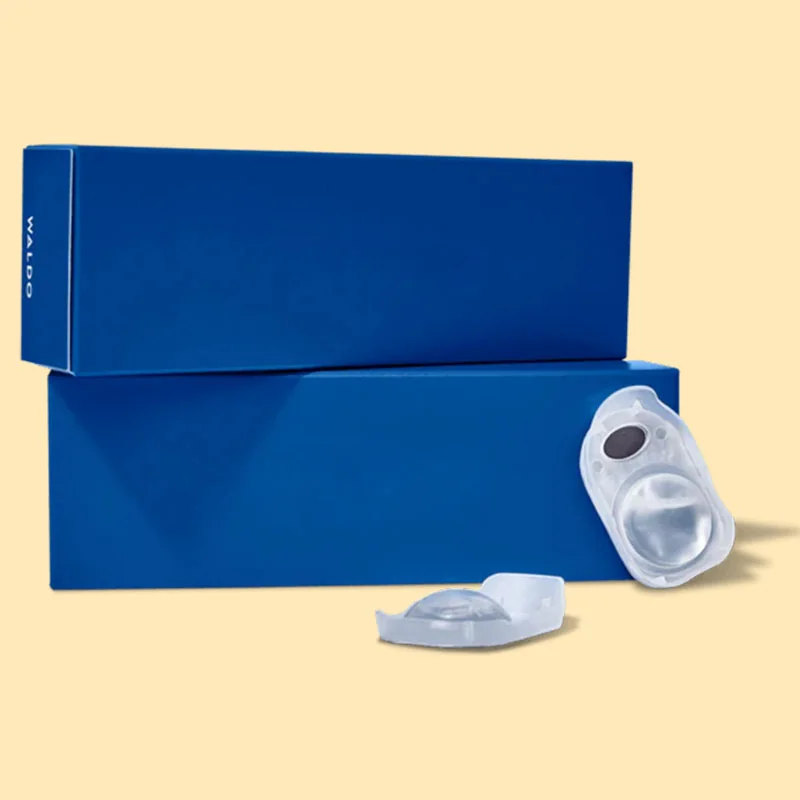
Choose the contact lens boxes photo closest to what you have in mind, add your logo, drag it into place and set the size. Send it with your sizes and we reply with a custom quote and a free design proof.

Drag the logo, or select it and use the arrow keys (Shift moves faster, + and − resize).
Related Products
Other packaging that is often ordered alongside contact lens boxes.
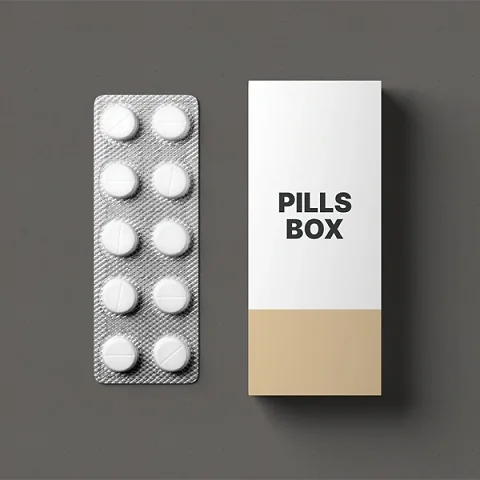
Blister Pill Boxes
Custom blister pill boxes are slim folding cartons that hold one or more foil strips of tablets or capsules, with room inside…
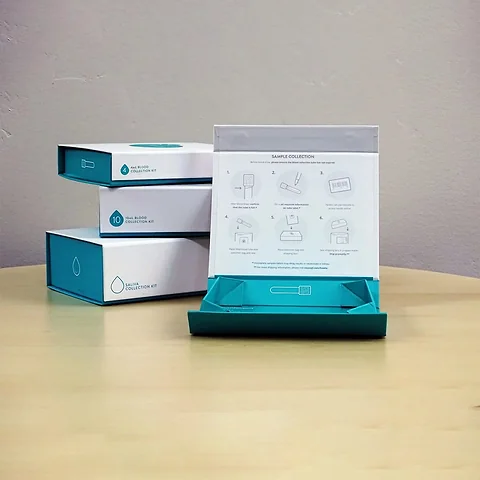
Medical Device Boxes
Custom medical device boxes hold monitors, meters and home health devices in fitted inserts, with clearly organised panels for…
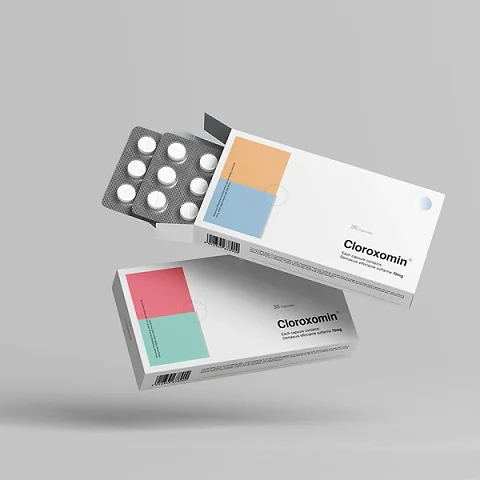
Custom Pharmaceutical Boxes
Custom pharmaceutical boxes are folding cartons for medicines and health products, built to hold a blister strip, tube or…
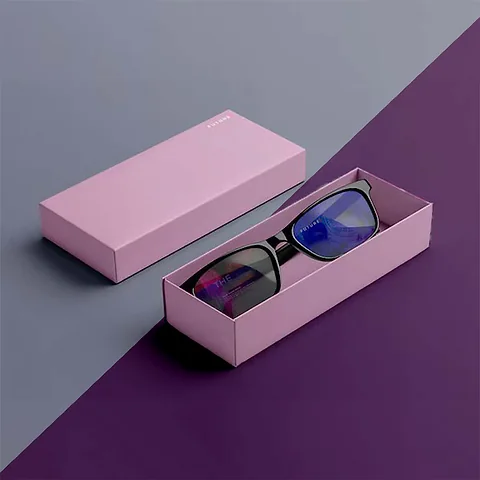
Custom Glasses Boxes
Custom glasses boxes hold a spectacle case with a lens cloth and care card, so a new pair of glasses is handed over as a…
Contact Lens Boxes Questions
What buyers ask before ordering contact lens boxes.
Can the box fit my existing blister strips?
Yes, we size every carton to your strips. Measure the full strip length and width plus the height of the deepest blister, and we will add the right clearance. If you post us a sample strip, that is even more reliable.
Where should the prescription details go?
The end panel that faces out of a drawer is the most useful place for power and key parameters. Large, clear type there saves time when picking boxes. The front stays free for your brand and lens type.
Can we leave a blank area for printed labels?
Yes, we can leave an uncoated panel for a sticker or handwritten details. That lets one print run cover every prescription. Avoid gloss lamination on that area so ink and labels hold.
How do we help wearers tell left from right?
A coloured band or large R and L on the end panel works well. Some practices order two print versions in different colours, while others use one box with a marked area filled in at dispensing.
Which board is best for contact lens boxes?
White folding boxboard around 300 to 350 gsm suits most lens packs. It prints fine text sharply and gives a clean, clinical look. Heavier board is useful for larger multi-month boxes.
Can you make boxes for lenses in vials?
Yes, we make taller cartons with card inserts that hold each vial upright. This suits specialist and custom-made lenses from labs. Send us the vial diameter and height.
Is a foil logo possible on such a small box?
It is, and it is a popular touch for private label ranges. Keep the logo bold rather than finely detailed so the foil transfers cleanly at a small size.
Can we order daily and monthly sizes together?
Yes, we can quote several sizes with matching artwork in one job. Keeping the same width across sizes also makes drawer storage neater.
Do you make trial packs for fitting appointments?
We do. A small tuck box or a sleeve over a tray holds a trial pair and feels more considered when handed to a patient. Ask for these alongside your main boxes.
What is the price for contact lens boxes?
Boxes start from £0.25 each, depending on size, board and finish. We send a custom quote by email within one working day, with minimums set for your job.
How soon could a practice have own-label lens boxes after approving the panel layout?
Production takes 4 to 7 working days from the moment you approve the free proof, then free tracked delivery to UK mainland addresses adds 2 to 3 working days. Allow about two weeks from sign-off to the first patient pack.
Get a Price for Your Contact Lens Boxes
Fill in as much as you know. Sizes are in mm (internal sizes for boxes). If you have artwork, attach it; if not, a logo is enough to start the proof.
We reply with a custom quote by email within one working day, then send a free design proof before anything is printed.
- Phone+44 7578 382054
- WhatsAppMessage us
- Emailinfo@shopcustomboxes.co.uk
- HoursMonday to Friday, 9 am to 5.30 pm UK time
- OfficeOffice 704, 85 Dunstall Hill, Wolverhampton, WV6 0SR