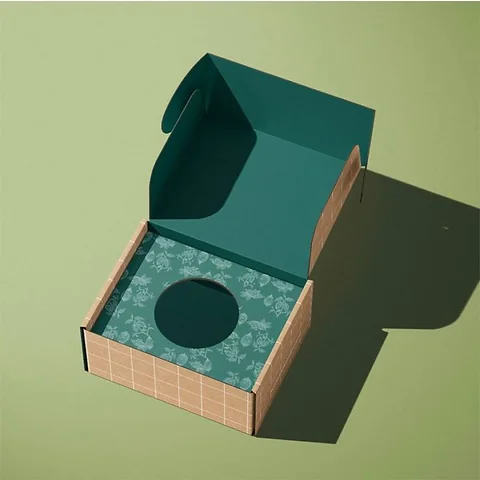
 Custom Mailer Boxes
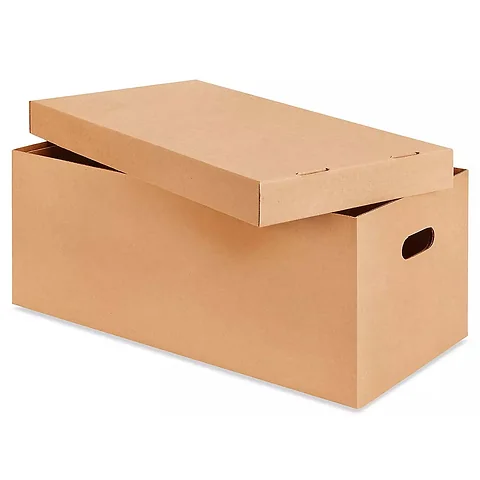 Custom Shipping Boxes
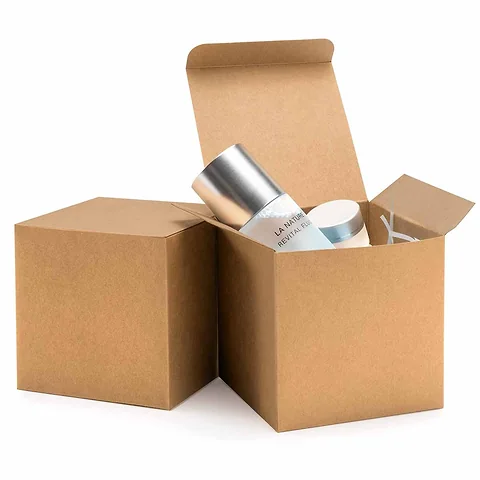 Custom Cardboard Boxes
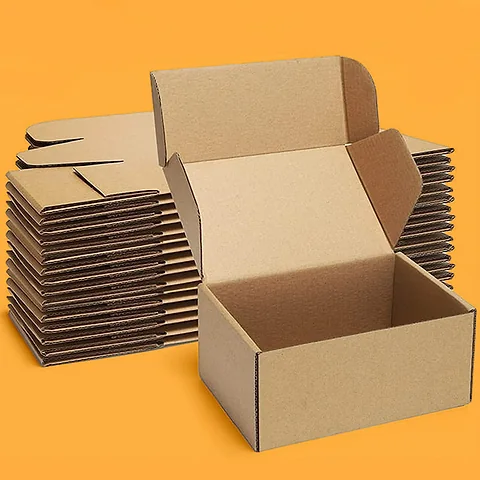 Custom Kraft Boxes
 Custom Product Boxes
 Custom Retail Boxes
 Custom Tuck End Boxes
 Custom Pillow Boxes
 Custom Window Boxes
 Custom Rigid Boxes
 Custom Gift Boxes
 Custom Magnetic Boxes
 Custom Sleeve Boxes
 Custom Printed Boxes
 Custom Boxes with Logo
 Custom Box Inserts
Custom Carbonless Pads
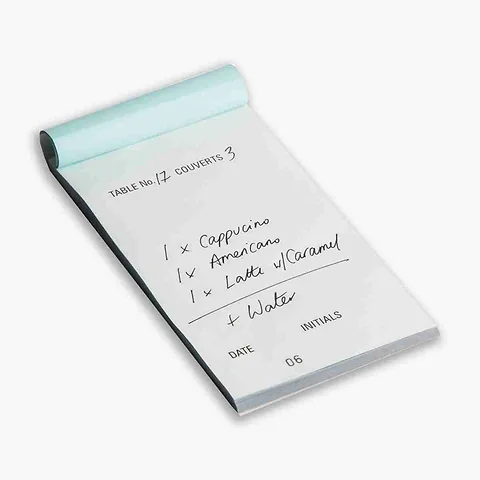
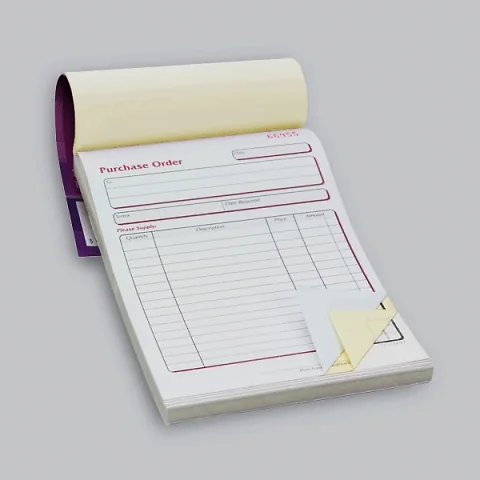
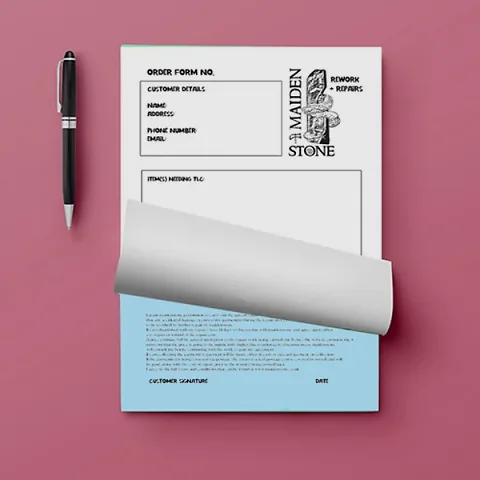
Custom carbonless pads are glued blocks of NCR sets that make an instant handwritten copy, so the customer keeps one page and you keep another. We print your own layout, number each set if you need it and bind the pads so pages tear away cleanly on the van or at the counter.
- Design proofFree, approved by you before printing
- PriceCustom quote by email within one working day
- Production4–7 working days after proof approval
- DeliveryFree and tracked, UK mainland, 2–3 working days
- Misprints or damageReported within 10 days, reprinted or refunded
How NCR Paper Makes a Copy Without Carbon
NCR stands for no carbon required. The back of the top sheet carries a thin coating of tiny ink capsules, and the front of the sheet below carries a clay coating that reacts with them. Press with a pen and the capsules break, leaving a crisp copy underneath. In a three-part set the middle sheet is coated on both faces, so one stroke produces two copies.
Because there is no loose carbon sheet, nothing smudges onto hands or into the customer's bag, and there is nothing to remove before handing the top copy over. That is why trades and small shops still rely on NCR pads even when they also have a till or an app: the paper works without signal, without battery and without anyone needing to be shown how to use it.
The copy sheets are also lighter and thinner than most office paper, so a full pad is slim enough to sit in a door pocket or a work apron without bulk. That portability is a large part of their appeal for people who work away from a desk. Brands often pair them with printed carbonless books so the whole order arrives in one look.
Two-Part, Three-Part and Four-Part Sets
The number of parts depends on how many people need a copy. A plumber leaving a job sheet with a homeowner needs two. A wholesaler sending goods with a driver might need three: one for the customer, one for the driver to bring back signed and one that stays in the office book. Four-part sets are less common but useful where accounts, stores and the customer all need a record.
Each part is usually a different colour so staff know at a glance which copy goes where. White, yellow, pink and blue are the familiar order, and you can print a line such as 'customer copy' or 'office copy' at the foot of each sheet to remove any doubt. Four-part sets are more common on loose multi-part carbonless forms fed through a printer, and we can match the colour sequence.
Often ordered by
- Plumbers and heating engineers
- Electricians
- Wholesalers and couriers
- Cafés and farm shops
- Repair shops
- Fleet operators
- Market traders
Popular Carbonless Pads Sizes
Sizes are in mm. Every order is cut to your size, so any size between these rows is fine.
| Size | Often used for |
|---|---|
| A5 portrait pad A5 148 x 210 mm | Job sheets and order forms |
| A4 portrait pad A4 210 x 297 mm | Delivery notes and inspection forms |
| A6 receipt pad A6 105 x 148 mm | Market stall and counter receipts |
| DL pad DL 99 x 210 mm | Repair tickets and collection slips |
| A5 landscape pad A5 210 x 148 mm | Time sheets and weekly logs |
Not sure of the size? Send the product measurements and we work out the rest.
Styles
- Head-glued pads
- Side-glued pads
- Pads with card back
- Pads with cover and writing shield
Materials
- Two-part NCR sets
- Three-part NCR sets
- Four-part NCR sets
- Coloured NCR sheets in white, yellow, pink and blue
- One colour
- Two colour
- Full colour top sheet
- Sequential numbering
Finishes
- Perforated tear-off
- Drilled holes for ring binders
- Printed covers
Extras
- Copy labels on each part
- Custom start numbers
- Shrink-wrapped bundles
Not sure which material or finish suits? Tell us how the pad will be used and we suggest one in your custom quote.
Production and Delivery
Production takes 4–7 working days after you approve the free design proof. Delivery to the UK mainland is free and tracked, and arrives in 2–3 working days once the order leaves production. The tracking link comes to you by email.
Reprints and Refunds
Check the order when it arrives. If anything is misprinted or damaged, report it within 10 days with a photo and we reprint or refund the items affected. Read the full returns and reprints policy.
Need it by a date?
Tell us the date with your sizes and we plan the proof and production around it.
Carbonless Pads Specification
| Style | Head-glued pads, Side-glued pads, Pads with card back, Pads with cover and writing shield |
|---|---|
| Material | Two-part NCR sets, Three-part NCR sets, Four-part NCR sets, Coloured NCR sheets in white, yellow, pink and blue |
| One colour, Two colour, Full colour top sheet, Sequential numbering | |
| Finish | Perforated tear-off, Drilled holes for ring binders, Printed covers |
| Extras | Copy labels on each part, Custom start numbers, Shrink-wrapped bundles |
| Size | Made to your size in mm |
| Minimum order | Low, quoted per job |
| Price | From £0.25 a pad; custom quote by email within one working day |
| Proof | Free design proof before printing |
| Production | 4–7 working days after proof approval |
| Delivery | Free tracked UK mainland delivery, 2–3 working days |
Designing a Layout People Can Fill In Quickly
A carbonless pad is written on in a hurry, often resting on a knee or a van bonnet. Give each box enough space for real handwriting, put the fields in the order the job happens and use tick boxes where the answer is one of a few options. A job sheet that asks for the time on site, the parts used and a customer signature in that order is much quicker to complete than a form that jumps about.
Leave a firm margin at the glued edge so nothing important disappears into the binding. Put your business name, phone number and web address at the top so the customer can find you again from their copy.
If you already use a form, send a photo or scan and we will redraw it cleanly, tidying spacing and alignment so the copy layer reads properly.
Test the layout by filling in a printed draft yourself before approving it. Writing a real job onto the page shows quickly whether the address box is too short, whether the signature line is cramped and whether the total sits where a customer expects to find it. The field sizes we recommend are the same ones used on our printed order forms, which have been tested with a biro and a wet gloved hand.
Custom Carbonless Pads for Trades, Shops and Offices
Most of the pads we print fall into a handful of jobs, though the layout is always your own. Garages that also need a loose job sheet usually order single-sheet carbonless forms for the office printer alongside the pads.
- Order pads for cafés, butchers and farm shops taking phone or counter orders
- Job sheets and work dockets for electricians, plumbers and heating engineers
- Delivery notes and proof of delivery forms for wholesalers and couriers
- Receipt pads for market traders and mobile services
- Inspection and vehicle check sheets for fleet operators
- Time sheets for agency and site staff
- Repair tickets for bike, phone and watch repair shops
Numbering, Perforation and Binding Options
Sequential numbering is the most useful extra on a carbonless pad. Each set carries the same number on every part, so a delivery note, its signed copy and the office record can be matched without guesswork. Tell us the starting number and we continue from your last book.
Pads are glued along the head or the side. Head gluing suits portrait forms written on a clipboard; side gluing suits landscape forms and receipt books. A card back stiffens the pad so it can be written on without a desk, and a cover with a writing shield stops the next set picking up marks from the one being filled.
Perforation along the glued edge lets the top copy tear away neatly while the office copy stays in the pad, which keeps a full record in order without filing loose sheets.
For businesses with several vans or branches, give each one its own number range, or print a short branch code beside the number. When a copy comes back to the office weeks later, it is obvious which team issued it. Numbering and perforation also apply to A5 notepads with tear-off sheets, which some firms use for internal notes without a copy.
Print Colours and Paper Sizes
Most forms are printed in one or two colours, which keeps them clean and readable and holds the cost down on repeat orders. A brand colour on the header and black for the fields is a common choice. Full colour is possible on the top sheet when you want a logo to look exactly as it does elsewhere.
A5 is the most popular size because it fits in a glovebox and a jacket pocket. A4 suits detailed inspection forms and delivery notes with long item lists. DL and smaller receipt sizes work well for market stalls and counter sales.
Bear in mind that the coloured lower copies are a little darker than white, so very pale print colours can be hard to read on pink or blue sheets. A dark ink for field labels keeps every part legible, even after the copy has sat in a filing box for months. The paper colours and weights are explained in the guide to paper and board types.
Send Your Current Form, Even a Scruffy One
The fastest way to get a carbonless pad right is to post or scan the form you use now, with any handwritten changes your staff have added over the years. Those scribbles tell us which fields are too small, which are never used and where the signature line should be. We redraw the layout at the same size, tidy the boxes and set the numbering, so the new pad feels familiar to people who fill it in daily.
Alongside the form, tell us the number of parts, the colour sequence for the copies, the pad size and how many pads you need. A quote comes back by email within one working day, and the free proof shows every part with the perforation and glue edge marked. Pads are printed and collated in 4 to 7 working days after approval and travel by tracked courier at no charge to UK mainland addresses; numbering errors or faulty copies reported within 10 days are reprinted or refunded. If drivers need a bound version that stays in the cab, stitched carbonless books take the same layout.
Design Your Carbonless Pad
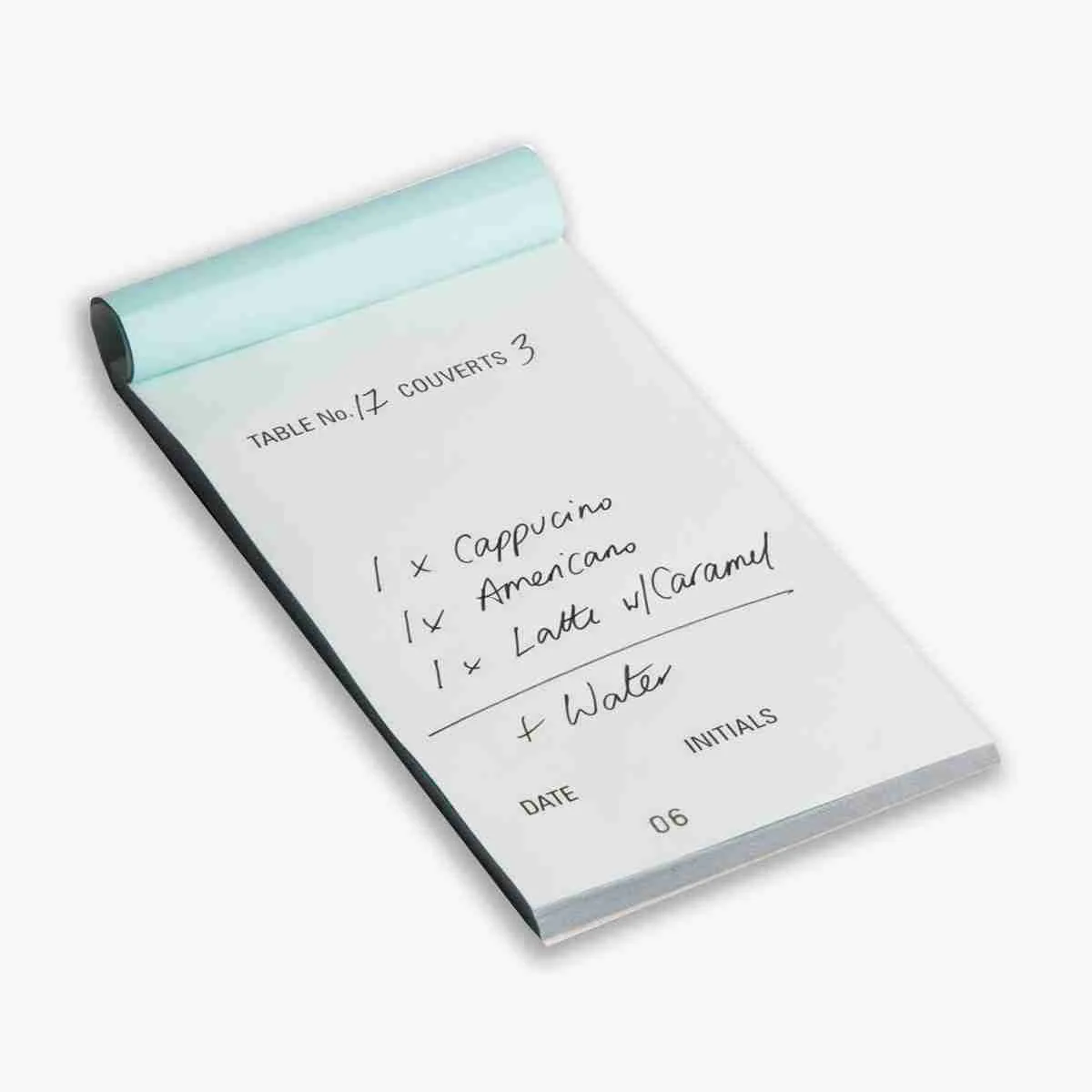
Choose the carbonless pads photo closest to what you have in mind, add your logo, drag it into place and set the size. Send it with your sizes and we reply with a custom quote and a free design proof.

Drag the logo, or select it and use the arrow keys (Shift moves faster, + and − resize).
Related Products
Other packaging that is often ordered alongside carbonless pads.
Carbonless Books
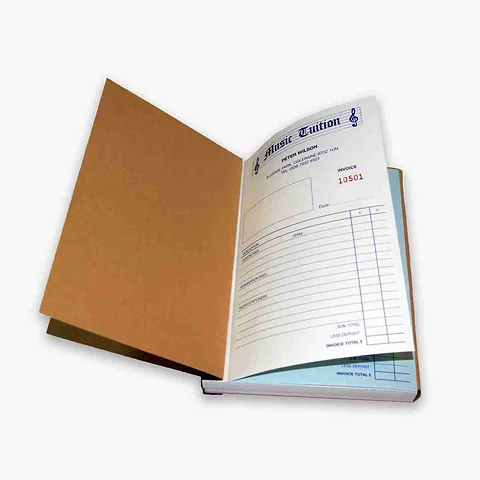
Custom carbonless books bind numbered NCR sets into a cover, so the top copy tears out for the customer while the duplicate…
Carbonless Forms
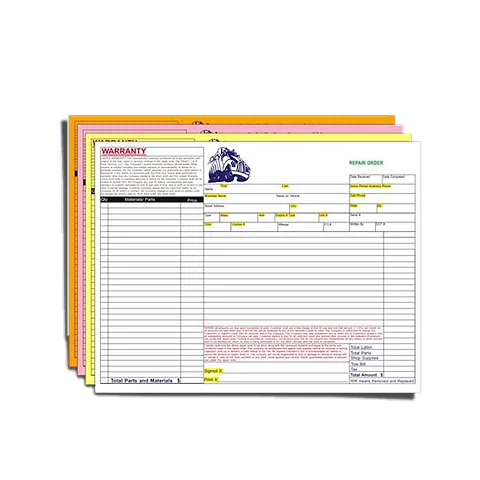
Custom carbonless forms, often called NCR forms, give you an instant copy of everything you put on the top sheet without…
Multi-Part Carbonless Forms
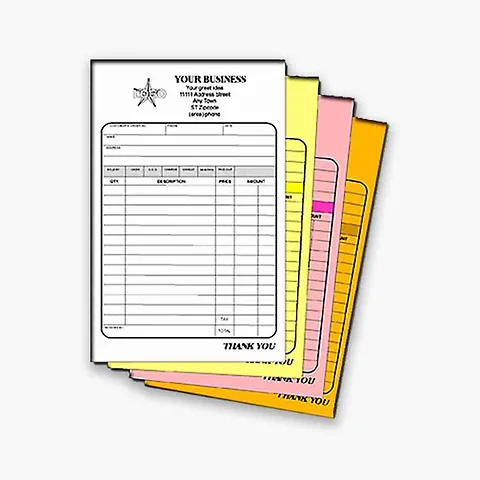
Custom multi-part carbonless forms give you one handwritten entry and two, three or four matching copies, each on its own…
Order Forms
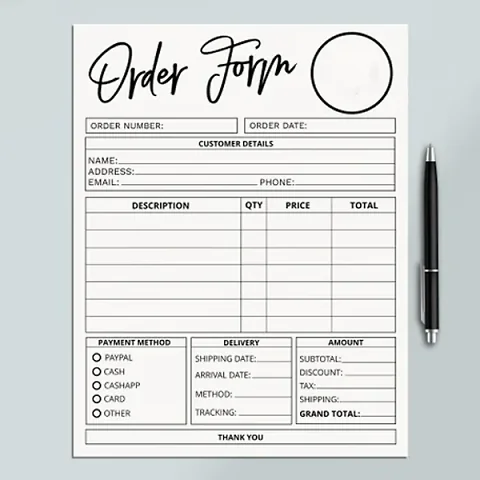
Custom order forms give a small business a clear, consistent way to take orders by hand, whether that is a phone order at a…
Carbonless Pads Questions
What buyers ask before ordering carbonless pads.
Does the copy show up clearly with a ballpoint pen?
Yes, a ballpoint pressing normally gives a clear copy on two and three-part sets. Gel pens and felt tips press too lightly, so we suggest keeping a ballpoint with each pad.
How many parts can one carbonless pad have?
We print two, three and four-part sets. Beyond four parts the bottom copy gets faint, so it is better to rethink who needs a copy than to add more layers.
Can every set have its own number?
Yes. Each set gets a matching number on every part, and we can start from any number you choose so your new pads carry on from the old ones.
What stops the next set being marked while I write?
A card writing shield on the cover slips under the set you are filling, so pressure does not pass through to the sets below. It is worth having on any pad used in a van or on site.
Can the top copy be a different colour from the office copy?
Yes, each part can be a different tint, usually white on top followed by yellow, pink or blue. We can also print a label on each sheet saying which copy it is.
Can you recreate the form I use now?
Send a photo or scan of your existing form and we redraw it cleanly with your updated details. You can ask for changes to fields and spacing at the same time.
Should my pad be glued at the top or the side?
Head gluing suits portrait forms filled in on a clipboard or knee. Side gluing suits landscape layouts and receipt-style books where the copy tears from the right.
Can carbonless pads be drilled for a ring binder?
Yes, we can drill holes along the edge so office copies can be filed straight into a binder. Tell us the hole spacing your binders use.
Is full colour printing worth it on NCR forms?
Usually one or two colours is enough and keeps reorders cheaper. Full colour on the top sheet makes sense when your logo has gradients or photos that need to look right.
How much notice do you need before my pads run out?
Allow about two weeks: one working day for the quote, time for the free proof, 4 to 7 working days of production and 2 to 3 working days of tracked UK mainland delivery.
What if the numbering on a pad is wrong?
Report any misprint within 10 days of delivery and we reprint the affected pads or refund them. Checking the first and last number of a few pads on arrival catches problems early.
Get a Price for Your Carbonless Pads
Fill in as much as you know. Sizes are in mm (internal sizes for boxes). If you have artwork, attach it; if not, a logo is enough to start the proof.
We reply with a custom quote by email within one working day, then send a free design proof before anything is printed.
- Phone+44 7578 382054
- WhatsAppMessage us
- Emailinfo@shopcustomboxes.co.uk
- HoursMonday to Friday, 9 am to 5.30 pm UK time
- OfficeOffice 704, 85 Dunstall Hill, Wolverhampton, WV6 0SR