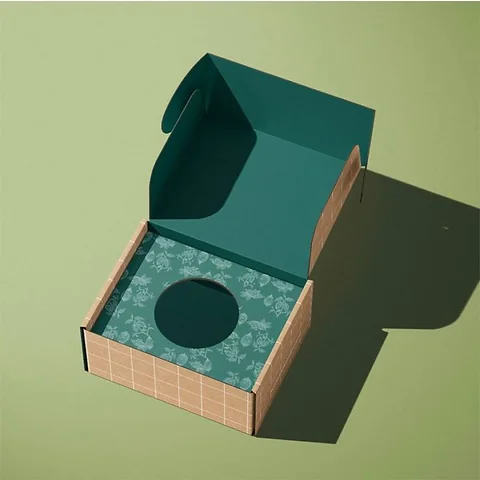
 Custom Mailer Boxes
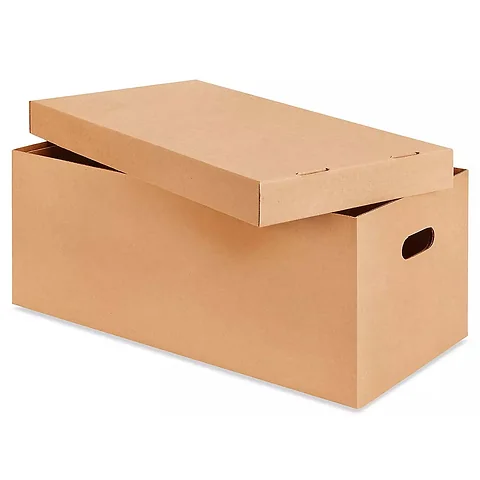 Custom Shipping Boxes
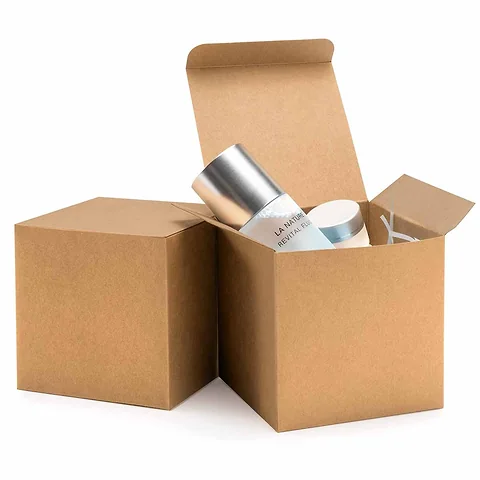 Custom Cardboard Boxes
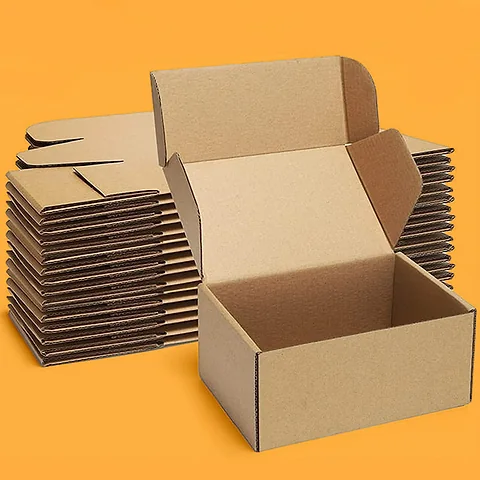 Custom Kraft Boxes
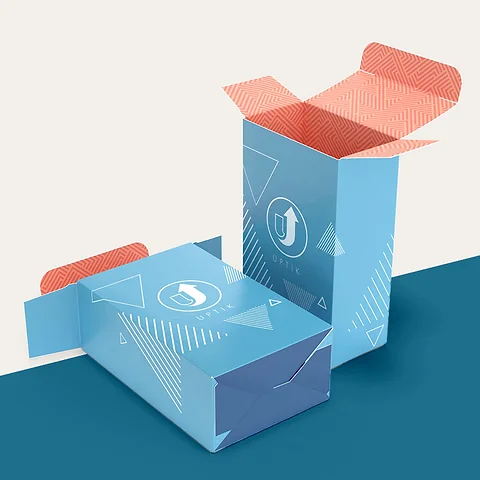 Custom Product Boxes
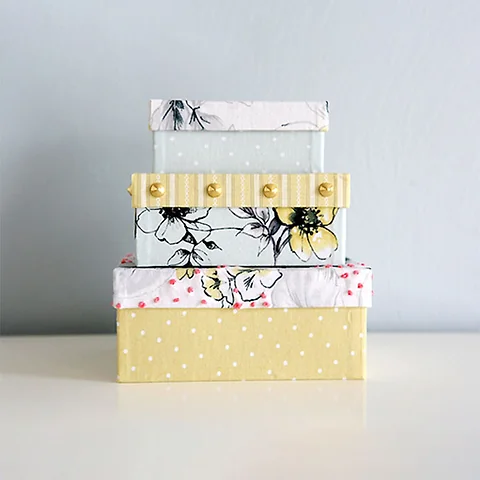 Custom Retail Boxes
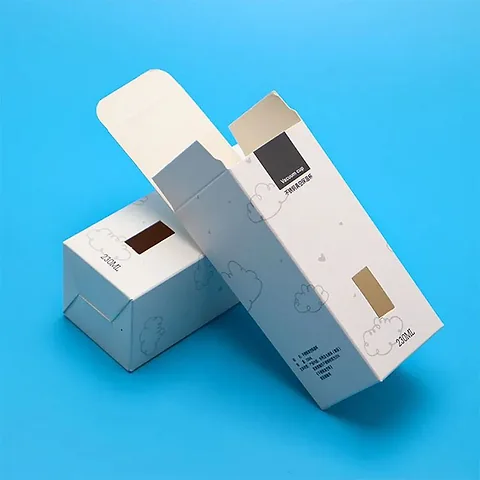 Custom Tuck End Boxes
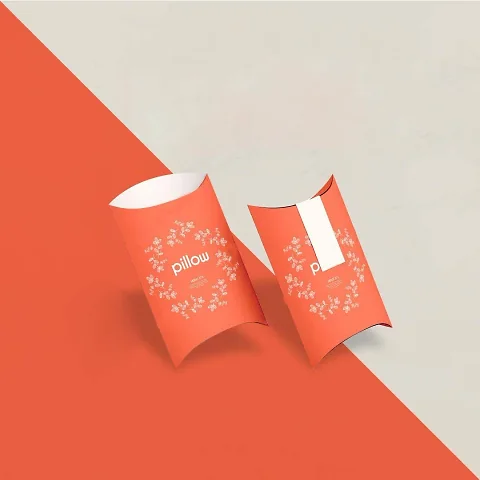 Custom Pillow Boxes
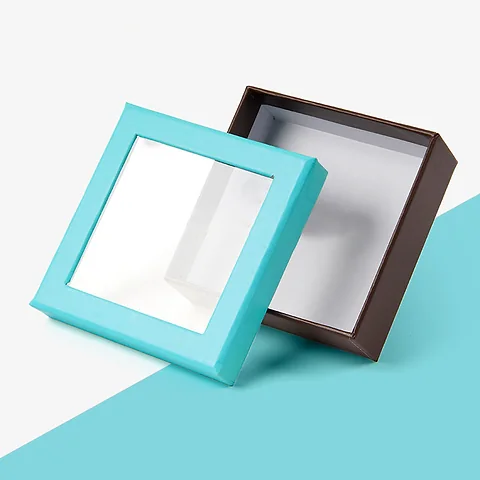 Custom Window Boxes
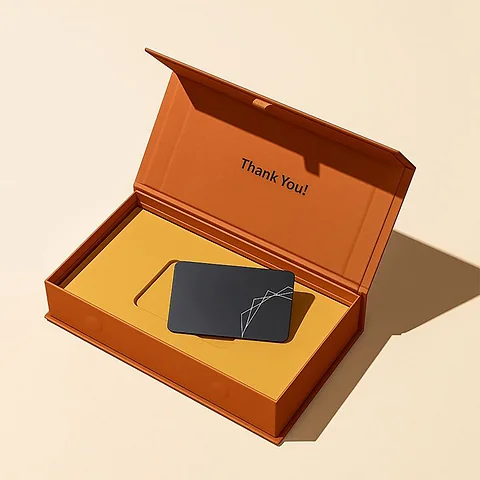 Custom Rigid Boxes
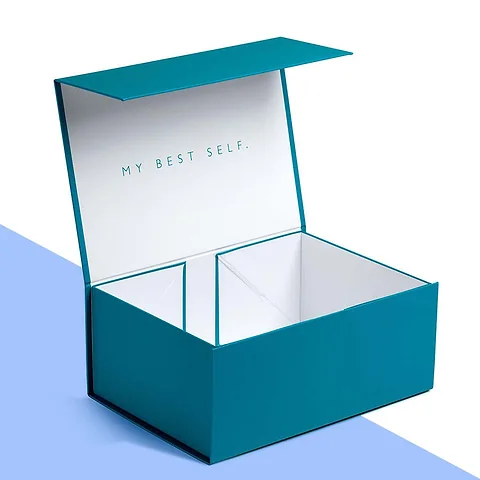 Custom Gift Boxes
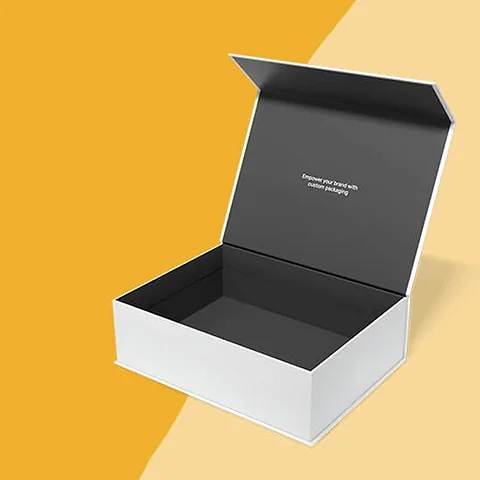 Custom Magnetic Boxes
 Custom Sleeve Boxes
 Custom Printed Boxes
 Custom Boxes with Logo
 Custom Box Inserts
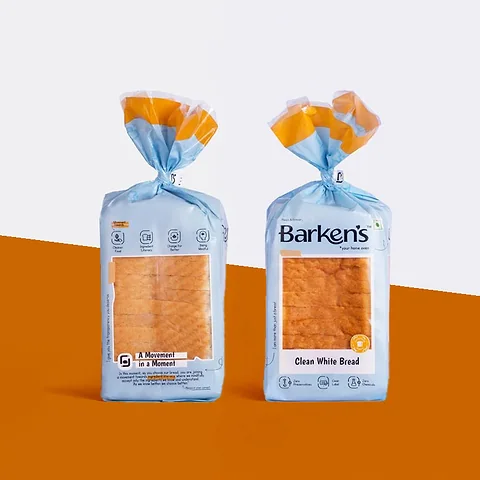
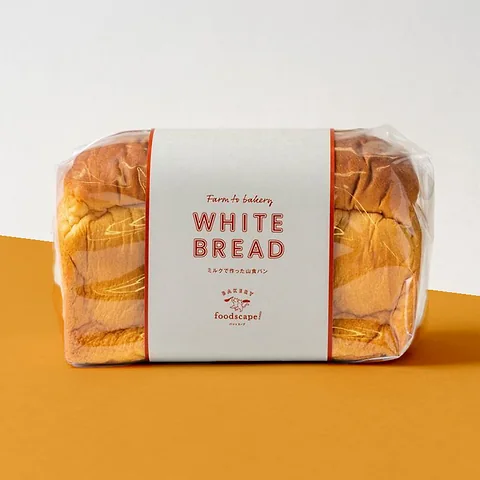
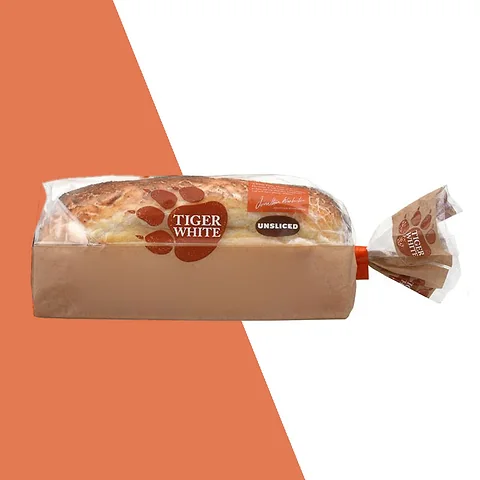
Custom Bread Loaf Packaging for Bakeries
Custom bread loaf packaging carries a loaf from the bakery rack to the kitchen table while keeping the crust right and the brand in view. We print paper loaf bags, windowed bags, card sleeves and loaf boxes for craft bakeries, farm shops and own-label bread ranges.
- Design proofFree, approved by you before printing
- PriceCustom quote by email within one working day
- Production4–7 working days after proof approval
- DeliveryFree and tracked, UK mainland, 2–3 working days
- Misprints or damageReported within 10 days, reprinted or refunded
Choosing Packaging by Crust
Different breads want different packaging, and the crust is the best guide. A crusty sourdough or a baguette needs to breathe. Seal it in a plastic bag and the crust turns soft and leathery within hours as moisture from the crumb migrates outward. A paper bag lets just enough moisture escape to keep the crust crisp for the day of purchase, which is why artisan bakeries have used paper for so long.
Soft sandwich loaves, brioche and enriched breads are the opposite. They are meant to stay soft, and they last longer in a bag that holds moisture in. For these, a paper bag with a film window or a lined bag slows drying while still looking like a bakery product rather than a supermarket sliced loaf.
If you bake both styles, you may need two formats. Many bakeries use plain paper for crusty breads and a windowed or lined bag for soft loaves, printed with the same design so the range looks consistent. Bakeries that sell only soft loaves usually start with our printed bread bags with windows.
Formats for Loaves of Every Shape
We make loaf packaging in several styles, each suited to a different way of selling bread: Croissants and buns from the same oven tend to go in bakery boxes for pastries and rolls rather than bags.
- Flat paper bags: the simplest and cheapest, quick to fill at a counter and suited to rolls, baguettes and crusty loaves.
- Block bottom paper bags: a flat base that lets the bag stand up on a shelf or in a basket, good for tin loaves and boules.
- Windowed bags: paper bags with a clear film panel so customers can see the crumb and crust.
- Card sleeves: a printed band that wraps around a wrapped or unwrapped loaf, ideal for own-label ranges and gift loaves.
- Loaf boxes: folding cartons for banana bread, malt loaf, tea loaves and premium cakes sold by the loaf.
Often ordered by
- Craft and artisan bakeries
- Farm shops and delis
- Wholesale bread suppliers
- Own-label bread ranges
- Cafés baking in-house
- Market traders
Popular Bread Loaf Packaging Sizes
Sizes are in mm. Every order is cut to your size, so any size between these rows is fine.
| Size | Often used for |
|---|---|
| Small tin loaf bag 160 x 100 x 330 mm | 400 g tin loaves |
| Large tin loaf bag 190 x 120 x 380 mm | 800 g tin and sandwich loaves |
| Boule bag 220 x 120 x 300 mm | Round sourdoughs and boules |
| Baguette bag 90 x 60 x 600 mm | Baguettes and long breads |
| Loaf sleeve Band 100 mm wide for a 220 x 110 x 100 mm loaf | Own-label and wholesale loaves |
| Loaf box 220 x 110 x 90 mm | Banana bread and fruit loaves |
Not sure of the size? Send the product measurements and we work out the rest.
Styles
- Flat paper bag
- Block bottom paper bag
- Windowed bread bag
- Card loaf sleeve
- Folding loaf box
Materials
- Kraft paper
- White paper
- Greaseproof paper
- Lined paper
- Folding boxboard for boxes and sleeves
- Food-contact grade materials on request
- One or two colour flexo
- Full colour on sleeves and boxes
- Pantone brand colours
- Information panels
Finishes
- Uncoated natural
- Matt or gloss on boxes
- Hot foil on gift loaves
Extras
- Film windows
- Twist ties
- Sticker seals
- Ingredient labels
- Gift loaf inserts
Not sure which material or finish suits? Tell us how the item will be used and we suggest one in your custom quote.
Production and Delivery
Production takes 4–7 working days after you approve the free design proof. Delivery to the UK mainland is free and tracked, and arrives in 2–3 working days once the order leaves production. The tracking link comes to you by email.
Reprints and Refunds
Check the order when it arrives. If anything is misprinted or damaged, report it within 10 days with a photo and we reprint or refund the items affected. Read the full returns and reprints policy.
Need it by a date?
Tell us the date with your sizes and we plan the proof and production around it.
Bread Loaf Packaging Specification
| Style | Flat paper bag, Block bottom paper bag, Windowed bread bag, Card loaf sleeve, Folding loaf box |
|---|---|
| Material | Kraft paper, White paper, Greaseproof paper, Lined paper, Folding boxboard for boxes and sleeves, Food-contact grade materials on request |
| One or two colour flexo, Full colour on sleeves and boxes, Pantone brand colours, Information panels | |
| Finish | Uncoated natural, Matt or gloss on boxes, Hot foil on gift loaves |
| Extras | Film windows, Twist ties, Sticker seals, Ingredient labels, Gift loaf inserts |
| Size | Made to your size in mm |
| Minimum order | Low, quoted per job |
| Price | From £0.25 each; custom quote by email within one working day |
| Proof | Free design proof before printing |
| Production | 4–7 working days after proof approval |
| Delivery | Free tracked UK mainland delivery, 2–3 working days |
Sizing Bags Around Your Bakes
Bread size varies with every bake, so measure several loaves of each type and size the packaging to the largest with a little room to spare. Tin loaves are the most consistent, while boules, bloomers and batards can vary by a centimetre or more. Baguettes need long, narrow bags, and ciabatta needs a flatter, wider shape.
For bags, measure the loaf's length, width and height. The bag width should cover the loaf's width plus height, and the length should leave enough to fold or twist the top closed. For block bottom bags, the base gusset should match the loaf's width so it sits upright.
If you sell loaves in two or three standard sizes, such as small, large and sandwich tin, try to keep packaging to two sizes. Fewer sizes mean simpler ordering and bigger, cheaper runs.
Rolls and buns are worth a separate thought. Selling them in fours or sixes in a block bottom bag is common, but a small printed box with a window works better for delicate items such as croissants or cinnamon buns, which crush easily in a bag. Measure a full set laid out as you would pack them, not a single roll.
Paper, Windows and Linings
Kraft paper is the classic bakery choice: strong, natural-looking and easy to print in one or two colours. White paper shows bright colours and suits patisseries and modern bakeries. Greaseproof paper or a lined bag suits enriched breads, focaccia with oil, and anything with a sticky glaze.
Film windows are popular because bread sells on looks, and a window shows the crust and scoring without opening the bag. Long windows work well on baguettes and bloomers, while round or arched windows suit boules and small loaves.
Food-contact grade materials are available on request for any packaging that touches the bread. The window film and paper options are the same ones used on our windowed bakery boxes for cakes.
Packaging for Own-Label and Wholesale Bread
Bakeries that supply farm shops, delis, cafés and larger retailers often need packaging that does more than a counter bag. It has to carry ingredients, allergens, weight, best before and storage information, and it has to look good on a shelf beside other products.
A printed sleeve over a wrapped loaf is one of the most flexible solutions. The loaf is wrapped in plain film or paper, and the sleeve carries the brand and information. It is quick to apply, easy to change when recipes change, and lets one sleeve design cover several breads with a label or stamp.
For retailers selling your bread under their own name, we can print sleeves or bags with their branding and your details on the back, keeping both parties happy.
Shelf life information deserves clear, consistent placement. Retail buyers often check that best before dates are easy to find and read, so leave a dedicated space for a date sticker or stamp near the bottom of the back panel, and keep the background plain there so the date is never lost in the artwork. Our guide to how custom packaging pricing works explains why one sleeve across several breads keeps the unit cost down.
Design That Smells of Fresh Bread
Bread packaging works best when it is simple and warm. A clear bakery name, a short description of the loaf and perhaps a simple illustration of a wheat ear or your building are often enough. One or two colours on kraft paper look honest and handmade, which suits most craft bakeries.
Use the back for the story: how long the dough proves, where the flour comes from, or a serving suggestion. Customers buying artisan bread like to know these things, and it helps justify the price.
For loaf boxes and gift loaves, full colour print, foil or a window can turn a fruit loaf or banana bread into a gift.
If you have a well-known shop front or bakery sign, echoing its colours and lettering on the bag connects the loaf on the kitchen table back to your door. The free proof from your own artwork shows how one or two colours look on kraft before you commit.
Weigh and Measure Three Loaves From the Same Batch
Bread is never the same size twice, so the trick is to measure three loaves of each type straight from the rack, take the largest, and add about 10 mm to the width and 30 mm to the length for the fold at the top. Decide on crust first: paper for sourdough and baguettes, a windowed or lined bag for soft tin loaves. If you sell both, order the two formats in one design so the counter looks consistent.
For artwork, keep one or two colours on kraft and leave a plain patch on the back for the best-before stamp. Send the loaf list, sizes, the formats you want and a monthly quantity, and a custom quote arrives by email within one working day, with minimums set per job so one bag size can come first. The proof is free, production takes 4–7 working days from approval, and tracked delivery to UK mainland addresses is free and takes 2–3 working days. Bags or sleeves that arrive misprinted or damaged are reprinted or refunded if reported within 10 days. Tea loaves and banana bread sold by the slice can be quoted alongside in loaf boxes made for banana bread.
Design Your Bread Loaf Packaging
Choose the bread loaf packaging photo closest to what you have in mind, add your logo, drag it into place and set the size. Send it with your sizes and we reply with a custom quote and a free design proof.
Drag the logo, or select it and use the arrow keys (Shift moves faster, + and − resize).
Related Products
Other packaging that is often ordered alongside bread loaf packaging.
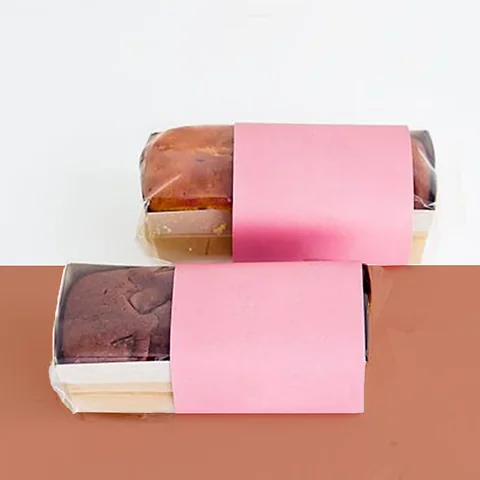
Banana Bread Boxes
Custom banana bread boxes are long, low cartons and sleeves cut to the shape of a loaf tin, so a whole loaf or a few thick…
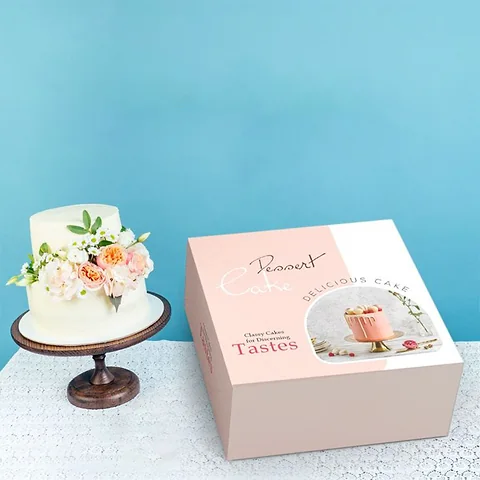
Custom Bakery Boxes
Custom bakery boxes are the plain-working, everyday boxes that carry a slice of cake, a pair of buns or a few pastries out of…
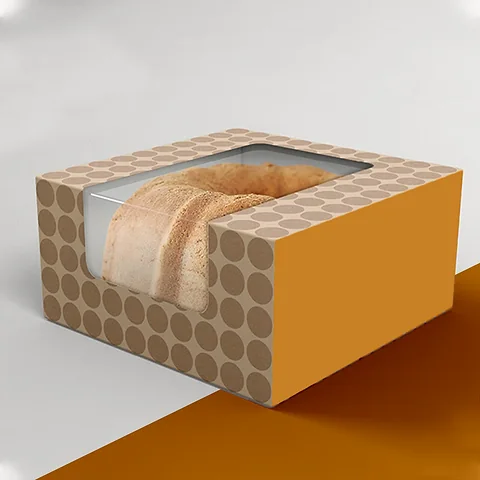
Bakery Boxes with Window
Custom bakery boxes with window panels let the bake sell itself, showing a glossy tart, a row of macarons or a decorated cake…
Custom Bread Bags
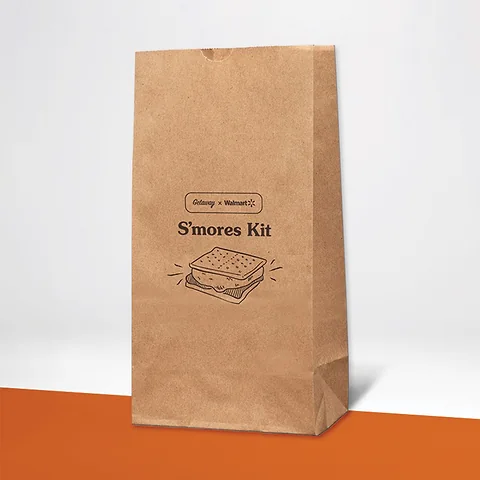
Custom bread bags give a fresh loaf a proper home between your counter and the customer's kitchen, in kraft or white paper…
Bread Loaf Packaging Questions
What buyers ask before ordering bread loaf packaging.
Should I package sourdough in paper or plastic?
Paper keeps a sourdough crust crisp by letting moisture escape. Plastic softens the crust within hours.
Which packaging keeps soft loaves fresh longest?
A windowed or lined bag slows drying for soft sandwich loaves and brioche, while still looking like a bakery product. Keep the window small so less of the loaf is exposed to light.
Can I see the loaf through the bag?
Yes. A film window on a paper bag shows the crust and scoring without opening the bag.
What size bag do I need for an 800 g tin loaf?
Around 190 x 120 x 380 mm is typical, but measure your own loaves and add a little room for the top to fold. Tin loaves bake fairly consistently, so one measured batch is usually enough.
Can I use one bag for several breads?
Yes. Many bakeries print one design and add a sticker or stamp for each bread, keeping sizes to two or three.
Do you make packaging for own-label bread?
Yes. Printed sleeves and bags can carry a retailer's branding with your details on the back.
Can the bag close without a twist tie?
Yes. A flat bag can be folded over twice and sealed with a printed sticker, which is quicker at the counter than a tie. Block bottom bags fold the same way, and we can supply the stickers in the same order.
Can I get boxes for banana bread and fruit loaves?
Yes. Folding loaf boxes with optional windows and foil suit premium and gift loaves.
Is the paper suitable for bread to touch directly?
Food-contact grade materials are available on request and noted on your quote. Tell us if the bread will be oily or glazed, because focaccia and sticky buns want a lined or greaseproof paper rather than plain kraft.
We supply a farm shop every day. Can you keep our bags in regular supply?
Yes. We keep your approved artwork ready, so repeat orders go straight to production, which runs 4–7 working days, with free tracked mainland delivery in 2–3 working days. Reorder when you open the last carton and the next run arrives before it is empty.
Get a Price for Your Bread Loaf Packaging
Fill in as much as you know. Sizes are in mm (internal sizes for boxes). If you have artwork, attach it; if not, a logo is enough to start the proof.
We reply with a custom quote by email within one working day, then send a free design proof before anything is printed.
- Phone+44 7578 382054
- WhatsAppMessage us
- Emailinfo@shopcustomboxes.co.uk
- HoursMonday to Friday, 9 am to 5.30 pm UK time
- OfficeOffice 704, 85 Dunstall Hill, Wolverhampton, WV6 0SR