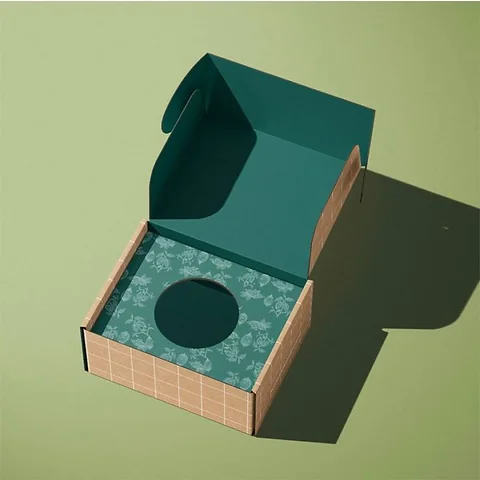
 Custom Mailer Boxes
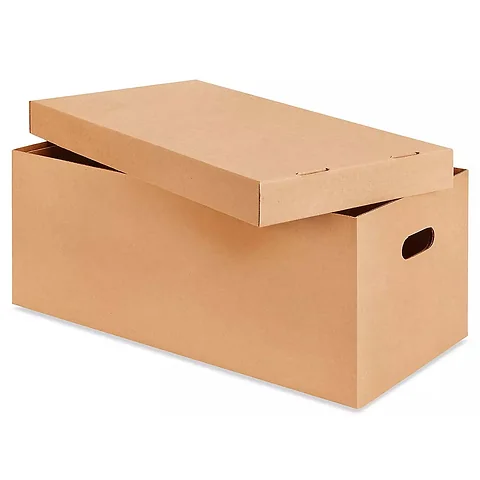 Custom Shipping Boxes
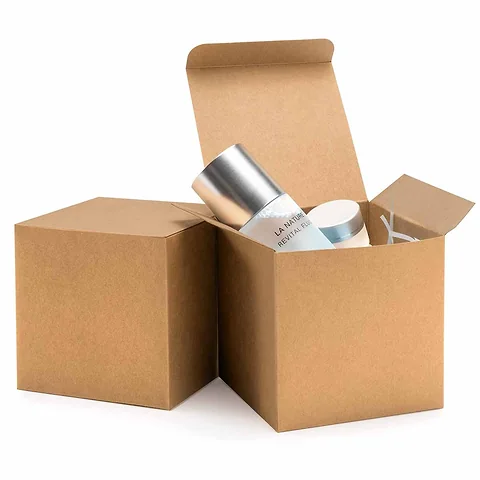 Custom Cardboard Boxes
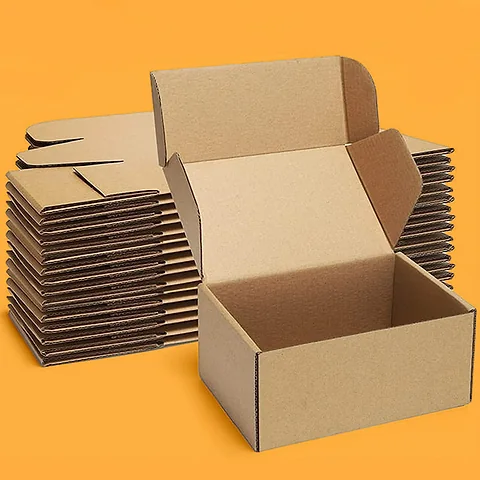 Custom Kraft Boxes
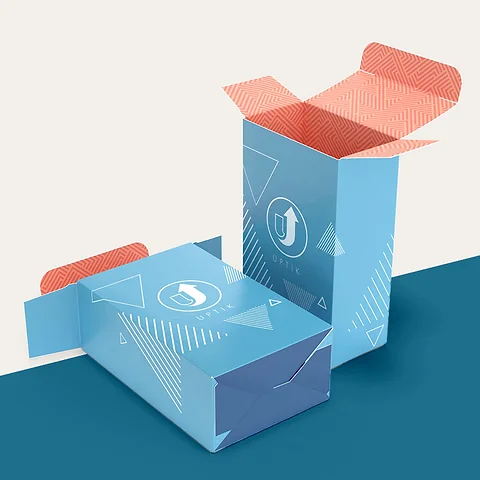 Custom Product Boxes
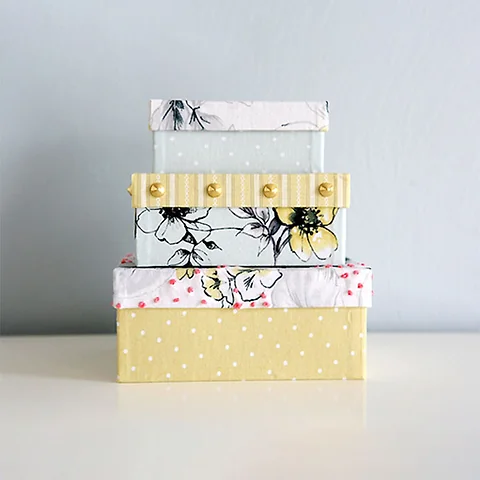 Custom Retail Boxes
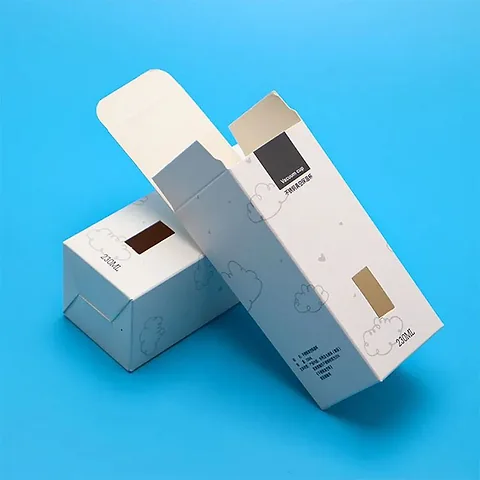 Custom Tuck End Boxes
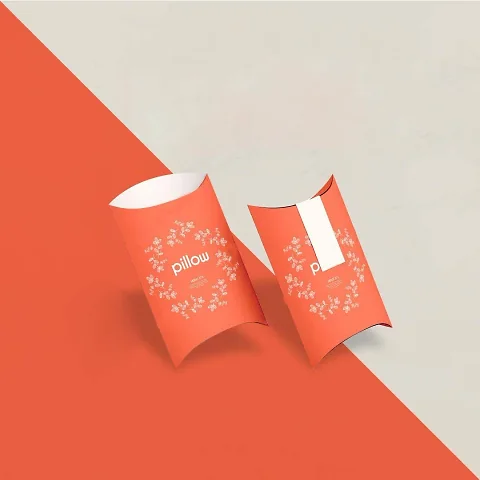 Custom Pillow Boxes
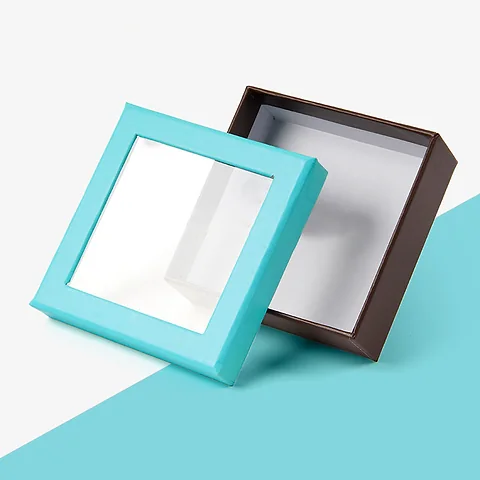 Custom Window Boxes
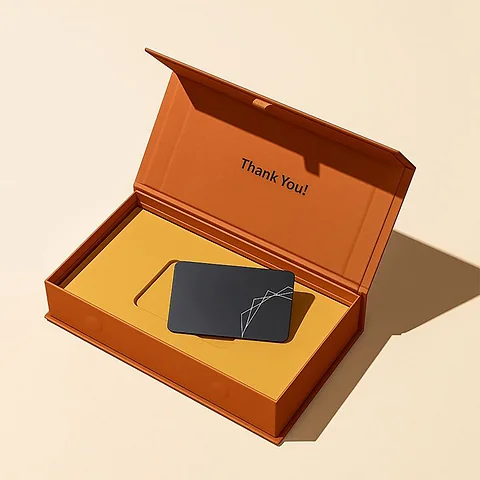 Custom Rigid Boxes
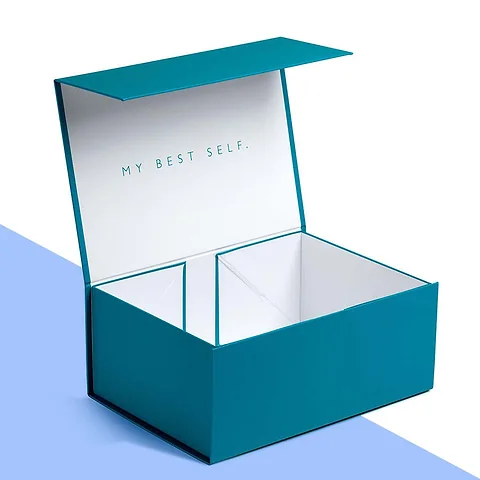 Custom Gift Boxes
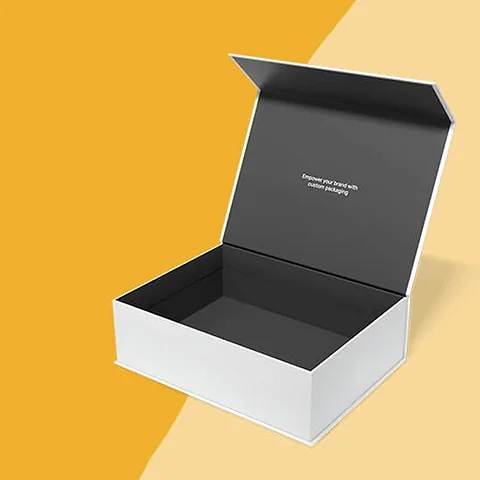 Custom Magnetic Boxes
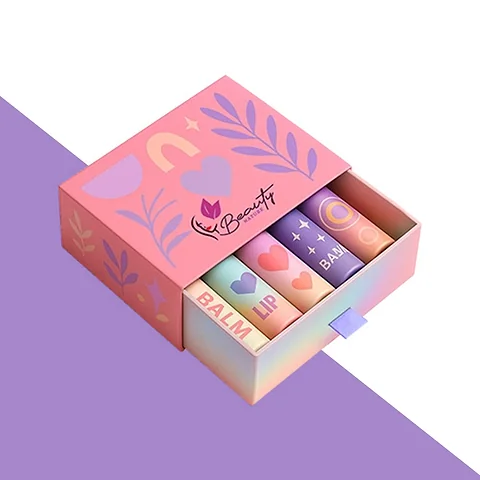 Custom Sleeve Boxes
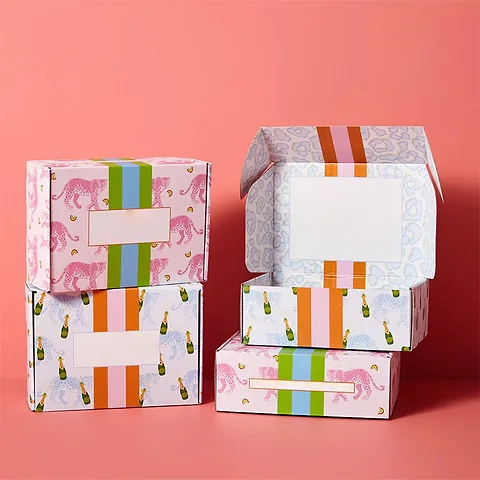 Custom Printed Boxes
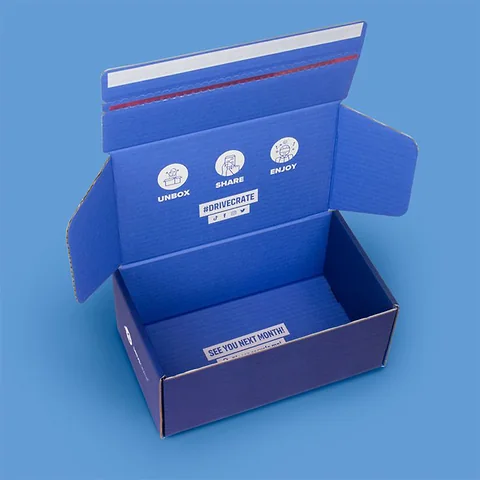 Custom Boxes with Logo
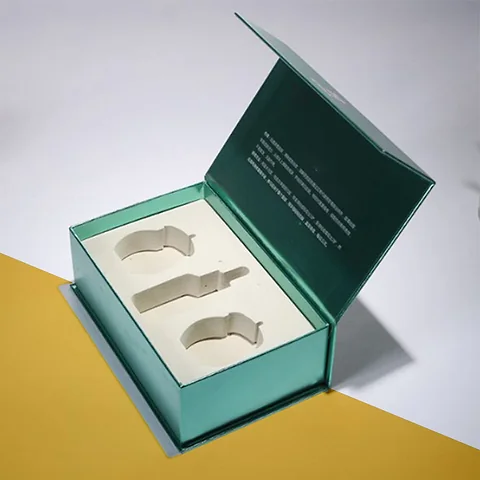 Custom Box Inserts
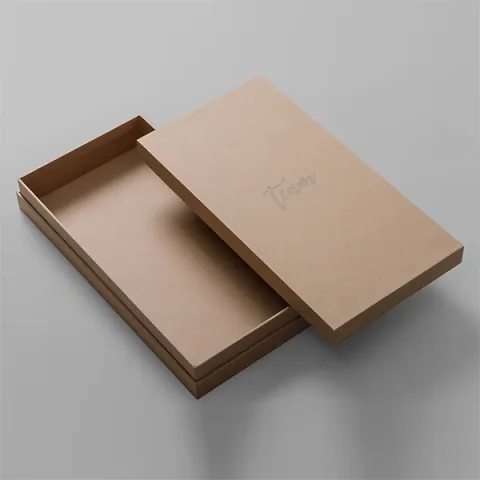
Custom Debossed Paperboard Boxes
Custom debossed paperboard boxes carry your logo as a shape pressed into the surface rather than ink sitting on top of it. The result is quiet, tactile and noticeably premium, and we show you exactly where the deboss sits on a free proof before anything is made.
- Design proofFree, approved by you before printing
- PriceCustom quote by email within one working day
- Production4–7 working days after proof approval
- DeliveryFree and tracked, UK mainland, 2–3 working days
- Misprints or damageReported within 10 days, reprinted or refunded
What Debossing Actually Does
Debossing uses a metal plate, called a die, pressed into the board under heat and pressure. The plate pushes your logo or pattern down into the surface, leaving a recessed impression you can see from an angle and feel with a fingertip. It is the opposite of embossing, which pushes the design up from behind so it stands proud of the surface.
On paperboard, a deboss creates a crisp edge and a slight shadow where the light falls across the dip. It can be left blind, meaning with no ink or foil at all, or filled with foil or colour for extra contrast. Blind debossing on a plain coloured board is one of the most understated luxury finishes available. Nothing shouts, but anyone who picks the box up notices.
Because the impression is part of the board itself, it cannot scratch off or fade. It survives handling far better than printed ink on a busy shop shelf.
Blind, Foil-Filled or Printed Deboss
There are three main ways to use a deboss, and each gives a different character to the box:
Choosing between them usually comes down to the board colour and how loudly the brand likes to speak. On black, charcoal or deep green board, a blind deboss is often enough on its own, because the shadow inside the recess reads clearly against the flat surface around it. On white or pale board, a blind impression can look faint under bright shop lighting, so a foil or printed fill gives the mark more presence. Pattern debossing is a good middle path for brands that want texture rather than a bold logo, such as a fine grid, a botanical motif or a repeated monogram. If the mark should rise rather than sink, see our embossed boxes with a raised logo.
- Blind deboss: no ink or foil, just the pressed shape, ideal on dark or richly coloured board
- Foil deboss: foil is pressed into the recess at the same time, giving a sharp metallic logo set slightly below the surface
- Printed deboss: the recess lines up with a printed area, so a colour logo also has depth
- Pattern deboss: a repeating motif across the lid for texture rather than a single logo
Often ordered by
- Jewellery designers
- Cosmetics and skincare brands
- Candle and home fragrance makers
- Boutique fashion labels
- Luxury stationery brands
- Corporate gift suppliers
Popular Debossed Paperboard Boxes Sizes
Sizes are in mm. Every order is cut to your size, so any size between these rows is fine.
| Size | Often used for |
|---|---|
| Jewellery 90 x 90 x 40 mm | Rings, earrings and small pendants |
| Cosmetics sleeve 120 x 80 x 40 mm | Compacts, lipsticks and small skincare |
| Candle 100 x 100 x 110 mm | Single jar candles |
| Accessories 200 x 150 x 60 mm | Wallets, belts and scarves |
| Gift set 280 x 200 x 80 mm | Hand-picked sets and boutique hampers |
Not sure of the size? Send the product measurements and we work out the rest.
Styles
- Two-piece lid and base
- Sleeve and tray
- Magnetic closure folding box
- Tuck end carton
- Mailer box with debossed lid
Materials
- 400 to 450 gsm folding boxboard
- Through-dyed coloured board
- Kraft board
- Soft-touch laminated board
- Blind deboss
- Foil-filled deboss
- Registered deboss with CMYK print
- Pantone spot colours
Finishes
- Soft-touch laminate
- Matt laminate
- Uncoated
- Gold, silver or coloured foil
Extras
- Pattern deboss across lid
- Printed interior
- Ribbon pulls
- Tissue and cards
- Card inserts
See the board and finish guide for what each option looks like.
Production and Delivery
Production takes 4–7 working days after you approve the free design proof. Delivery to the UK mainland is free and tracked, and arrives in 2–3 working days once the order leaves production. The tracking link comes to you by email.
Reprints and Refunds
Check the order when it arrives. If anything is misprinted or damaged, report it within 10 days with a photo and we reprint or refund the items affected. Read the full returns and reprints policy.
Need it by a date?
Tell us the date with your sizes and we plan the proof and production around it.
Debossed Paperboard Boxes Specification
| Style | Two-piece lid and base, Sleeve and tray, Magnetic closure folding box, Tuck end carton, Mailer box with debossed lid |
|---|---|
| Material | 400 to 450 gsm folding boxboard, Through-dyed coloured board, Kraft board, Soft-touch laminated board |
| Blind deboss, Foil-filled deboss, Registered deboss with CMYK print, Pantone spot colours | |
| Finish | Soft-touch laminate, Matt laminate, Uncoated, Gold, silver or coloured foil |
| Extras | Pattern deboss across lid, Printed interior, Ribbon pulls, Tissue and cards, Card inserts |
| Size | Made to your size in mm |
| Minimum order | Low, quoted per job |
| Price | From £0.25 a box; custom quote by email within one working day |
| Proof | Free design proof before printing |
| Production | 4–7 working days after proof approval |
| Delivery | Free tracked UK mainland delivery, 2–3 working days |
Which Boards Take a Deboss Well
Not every board gives the same result. Thicker, softer boards take a deeper and smoother impression, while very thin or very hard boards can crack or show only a faint mark. For folding boxes, a 400 to 450 gsm folding boxboard gives a clear deboss without the board splitting at the edges. Uncoated and soft-touch laminated boards show the impression particularly well because there is no shine to compete with the shadow.
Coloured boards dyed through the core, such as deep navy, forest green or charcoal, are excellent for blind debossing because the colour stays even inside the recess. Kraft board takes a deboss too and gives a rustic, letterpress-style look. Gloss laminated boards can be debossed, but the laminate may stretch at the edges of the recess, so we generally recommend matt or soft-touch for this finish.
If your box will also be printed, plan the deboss for an area with little or no ink. A logo pressed into a plain panel reads far better than one fighting with a busy photograph. Our board guide lists the soft boards that take an impression cleanly.
Designing Artwork for a Clean Impression
Simple, bold shapes deboss best. A monogram, a wordmark with solid strokes or an icon with clear outlines will press cleanly. Very fine lines, small text under around 8 point and hairline details can fill in or disappear, especially on textured boards. If your full logo is intricate, a simplified mark or initials often work better for the deboss, with the full logo printed elsewhere on the box.
Size matters too. A deboss between 30 and 80 mm across on a lid gives a strong presence without distorting the board. Large debossed areas over a whole lid can make the panel bow slightly, so we usually suggest a pattern of smaller shapes instead. Supply artwork as a vector file with the deboss area on its own layer, and we will check depth and placement on your proof. You receive a free proof with the deboss area marked before the die is made.
Box Styles That Suit the Finish
Debossing works on most folding box styles but looks most striking on a flat, uninterrupted lid. Two-piece lid and base boxes, sleeve and tray boxes and magnetic-closure folding boxes all give a broad top panel for the impression. Tuck end cartons can carry a deboss on the front panel for a premium shelf look.
For cosmetics and fragrance, a sleeve with a debossed logo slipped over a plain tray gives a refined, minimal effect. Jewellers often choose a small lid and base box with a blind deboss on the lid and a foil logo inside. Candle and homeware brands use debossed patterns across the lid to echo the texture of their products.
Pairing the Deboss with Other Finishes
A single deboss can carry a whole box, but it also pairs well with other touches. Soft-touch laminate makes the board feel velvety and draws attention to the pressed logo. A foil detail elsewhere, such as a fine line around the edge of the lid or a product name on the side, adds a little light without distracting from the deboss.
Inside print in a contrasting colour gives a surprise when the box opens. A ribbon pull, tissue paper and a printed card complete the presentation for gift boxes.
The key is restraint. A deboss is a subtle effect, and it gets lost if the box also carries heavy print, several foils and a window. Choose one or two supporting details and let the pressed logo be the thing people notice first. Our finish guide shows soft-touch laminate and foil compared over a deboss.
Supply the Deboss on Its Own Layer and Keep It Under 80 mm
A deboss order moves quickly when the artwork arrives ready for the die. Put the area to be pressed on its own layer in a vector file, remove lines thinner than half a millimetre and keep the mark between roughly 30 and 80 mm across; larger recessed areas can make a lid panel bow. Decide whether it is blind, foil-filled or printed, and choose a board or wrap that takes a deep impression, which usually means a thicker uncoated or soft-touch surface rather than gloss. Tell us the panel and position, and whether the deboss sits on a tuck carton, a lid or a corrugated mailer with a debossed lid, since the die is made to suit the board.
Send the box style, size, board colour and treatment, and a custom quote comes by email within one working day. The free proof marks the deboss area so size and position can be checked against the panel. Production takes 4 to 7 working days after approval, boxes arrive by tracked courier to UK mainland addresses, and misprints or damage reported within 10 days are reprinted or refunded. Store finished boxes flat and lightly stacked so the impressions stay crisp.
Design Your Debossed Paperboard Box
Choose the debossed paperboard boxes photo closest to what you have in mind, add your logo, drag it into place and set the size. Send it with your sizes and we reply with a custom quote and a free design proof.
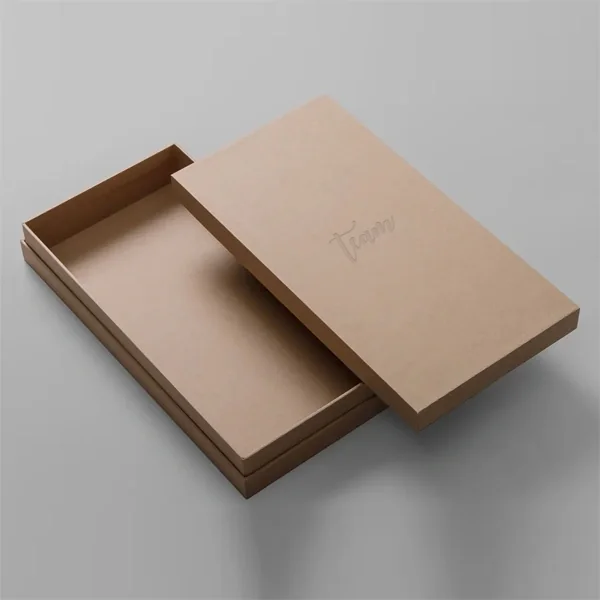
Drag the logo, or select it and use the arrow keys (Shift moves faster, + and − resize).
Related Products
Other packaging that is often ordered alongside debossed paperboard boxes.
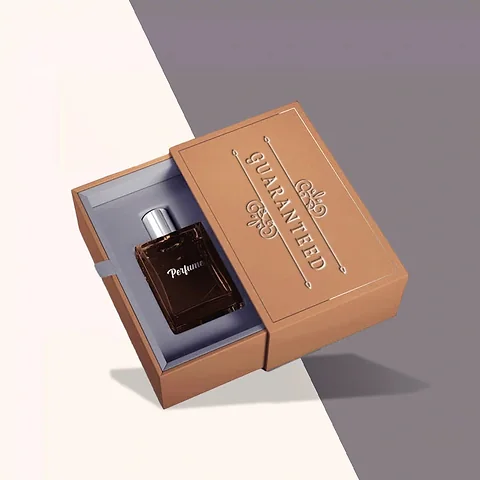
Custom Embossed Boxes
Custom embossed boxes carry a logo or pattern pressed up out of the board, so customers notice it with their fingertips before…
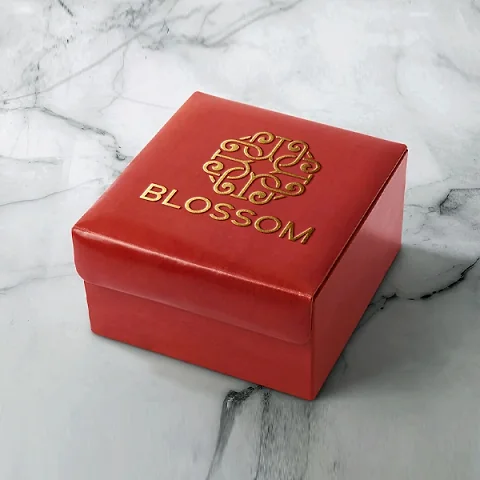
Gold Foil Embossed Boxes
Gold foil embossed boxes combine two finishes in one: a raised impression pressed into the board and a layer of metallic gold…
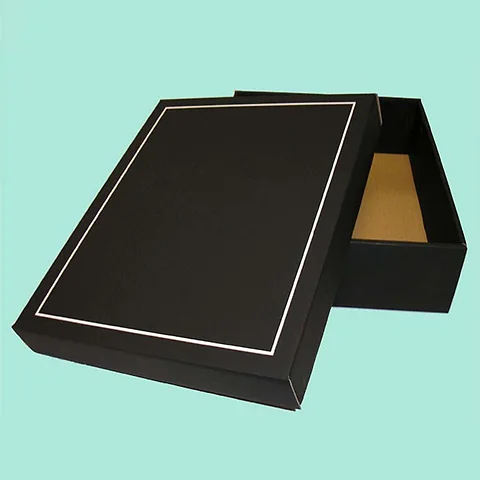
Custom Presentation Boxes
Custom presentation boxes are made for the moment something is handed over: an award on a stage, a long-service gift, a press…
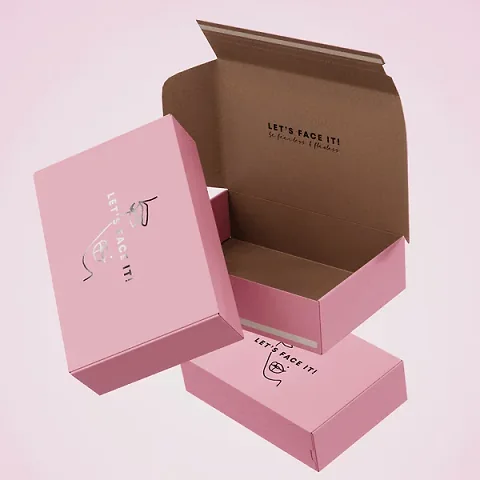
Debossed Mailer Boxes
Custom debossed mailer boxes have your logo pressed down into the board, so it can be felt as well as seen.
Debossed Paperboard Boxes Questions
What buyers ask before ordering debossed paperboard boxes.
Should a minimalist brand deboss or emboss its logo on a paperboard box?
Debossing presses the design down into the board and reads as quiet and understated, which suits minimalist brands. Embossing raises it and catches light, which suits crests. Both use a die and both can take foil.
What does blind debossing mean?
It means the pressed design has no ink or foil, only the shape in the board. It looks especially refined on dark or coloured boards.
Can a deboss be filled with foil?
Yes, foil can be pressed into the recess at the same time, giving a sharp metallic logo set slightly below the surface.
Which board gives the deepest impression?
Thicker, softer boards of 400 to 450 gsm take the clearest deboss. Uncoated or soft-touch surfaces show the shadow best.
Will my detailed logo deboss well?
Simple, bold shapes work best. Very fine lines and small text may fill in, so a simplified mark is often used for the deboss with the full logo printed elsewhere.
How large can the deboss be?
A logo of around 30 to 80 mm across suits most lids. Very large debossed areas can make a panel bow, so a pattern of smaller shapes is usually better.
Can I deboss a gloss laminated box?
It is possible, but the gloss can stretch around the recess. Matt or soft-touch laminate gives a cleaner result.
Can kraft board be debossed?
Yes, kraft takes a deboss well and gives a rustic, letterpress-style finish that suits handmade and artisan brands.
How do I supply artwork for the deboss?
Send a vector file with the deboss area on its own layer. We check depth, size and placement on the free proof.
Can a blind debossed lid be paired with a printed interior?
Yes. A plain debossed outer with a contrasting printed interior is a popular pairing, because the colour appears only when the box is opened and the outside stays calm.
How should I store debossed boxes?
Keep them flat and avoid stacking heavy items on top, which can soften the impressions over time.
Get a Price for Your Debossed Paperboard Boxes
Fill in as much as you know. Sizes are in mm (internal sizes for boxes). If you have artwork, attach it; if not, a logo is enough to start the proof.
We reply with a custom quote by email within one working day, then send a free design proof before anything is printed.
- Phone+44 7578 382054
- WhatsAppMessage us
- Emailinfo@shopcustomboxes.co.uk
- HoursMonday to Friday, 9 am to 5.30 pm UK time
- OfficeOffice 704, 85 Dunstall Hill, Wolverhampton, WV6 0SR