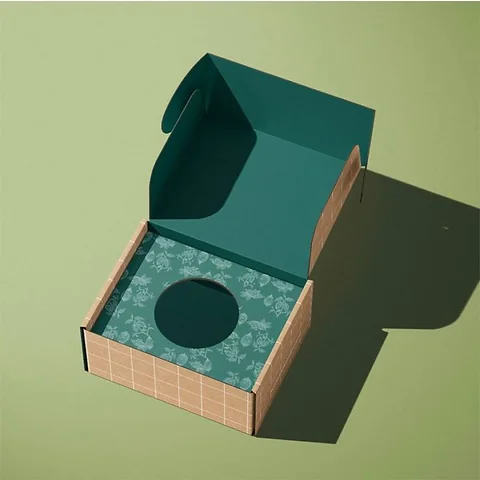
 Custom Mailer Boxes
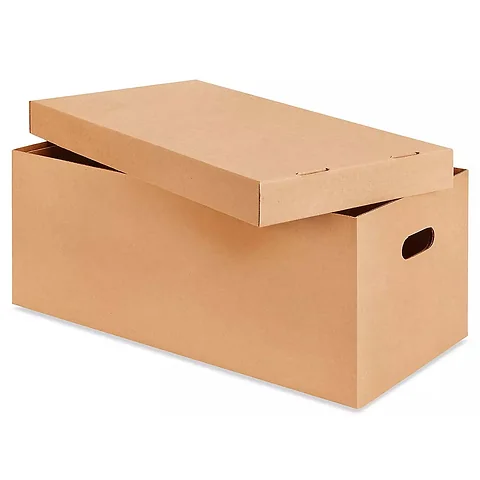 Custom Shipping Boxes
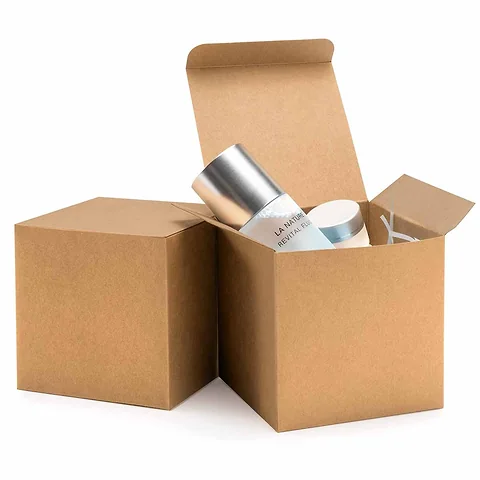 Custom Cardboard Boxes
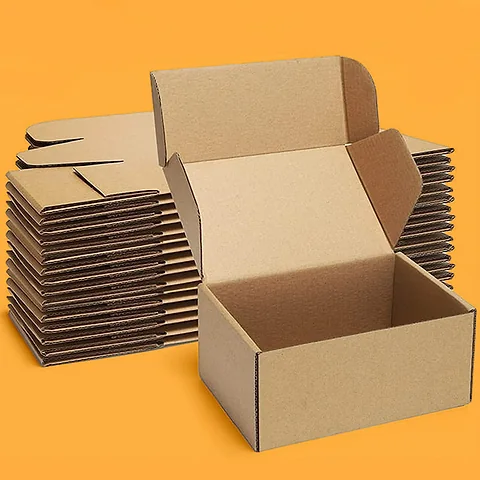 Custom Kraft Boxes
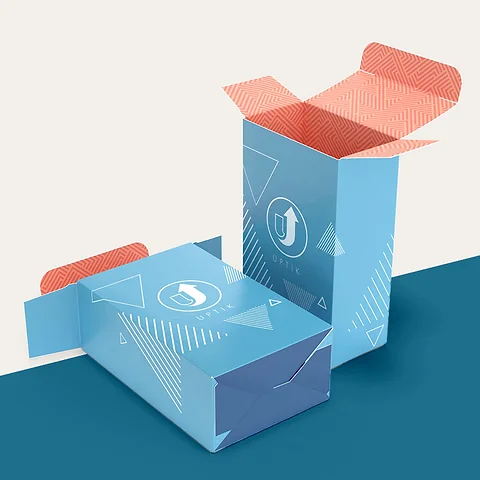 Custom Product Boxes
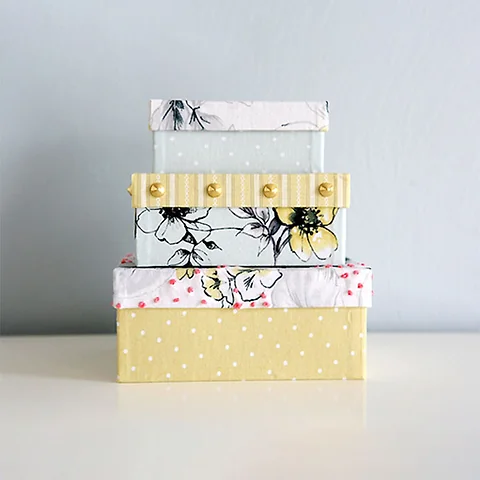 Custom Retail Boxes
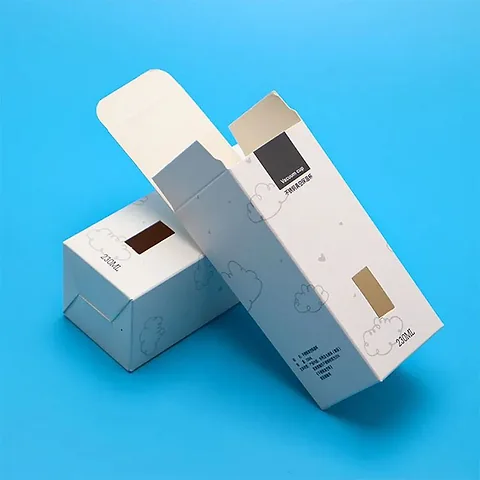 Custom Tuck End Boxes
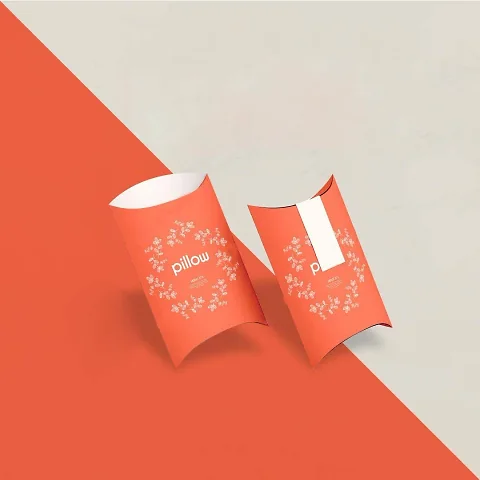 Custom Pillow Boxes
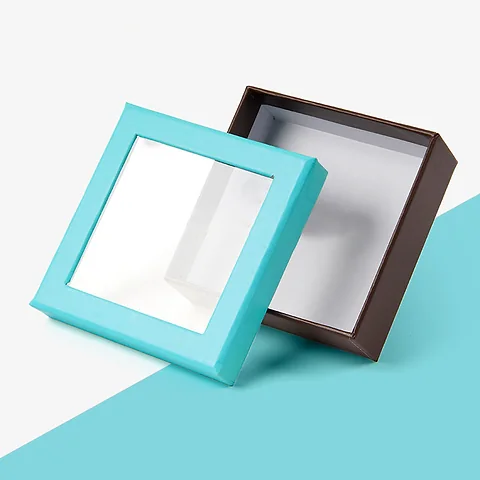 Custom Window Boxes
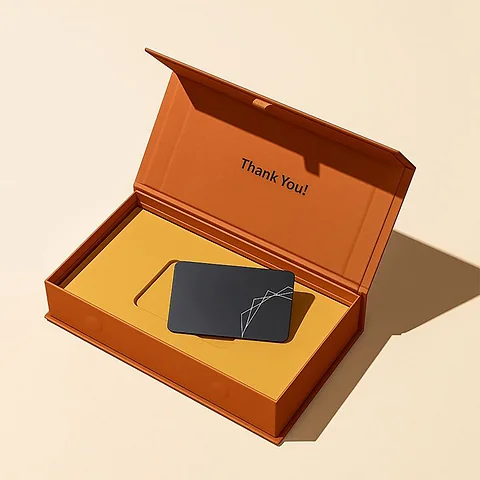 Custom Rigid Boxes
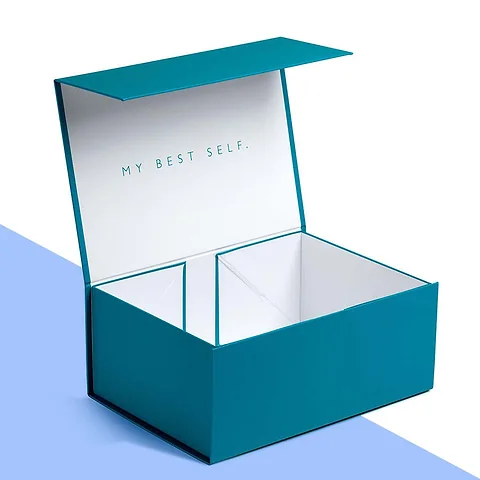 Custom Gift Boxes
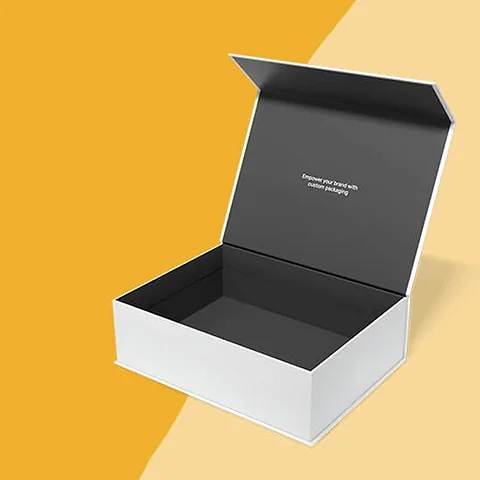 Custom Magnetic Boxes
 Custom Sleeve Boxes
 Custom Printed Boxes
 Custom Boxes with Logo
 Custom Box Inserts
Chocolate Bar Boxes for Craft and Bean-to-Bar Makers
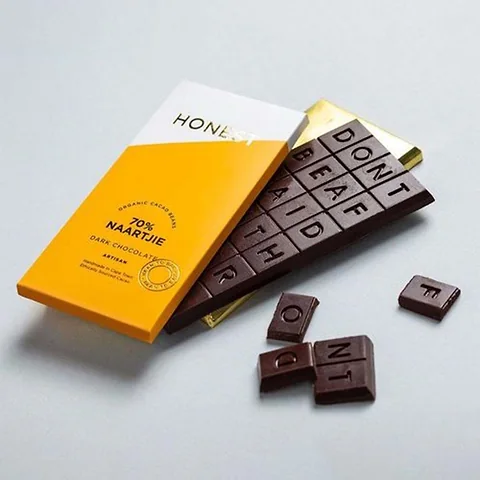
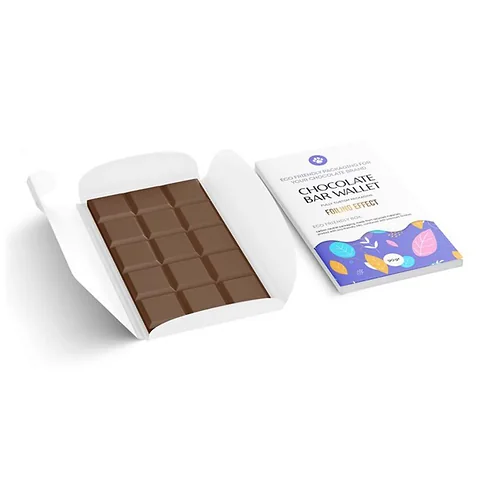
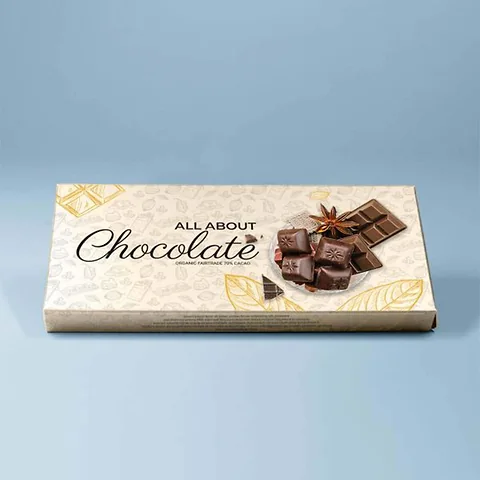
Chocolate bar boxes are slim cartons, sleeves and wraps made to fit one bar sealed in foil or a flow wrap inside. For bean-to-bar and craft chocolate makers, the outer pack is where origin, cocoa notes and brand all have to fit on a space not much bigger than a postcard.
- Design proofFree, approved by you before printing
- PriceCustom quote by email within one working day
- Production4–7 working days after proof approval
- DeliveryFree and tracked, UK mainland, 2–3 working days
- Misprints or damageReported within 10 days, reprinted or refunded
Three Ways to Pack a Single Bar
Chocolate bars are almost always packed in two layers. The inner layer, usually gold or silver foil or a heat-sealed film, keeps air and moisture away from the chocolate. The outer layer is the one we make, and it carries the branding. You can choose a printed paper wrap that folds around the foil like a parcel, a card sleeve that slides over it, or a tuck end carton that closes at each end.
Wraps feel traditional and are the cheapest per bar, but they take longer to fold by hand. Sleeves are quick to fit and let the foil show at both ends, which many makers like. Cartons give the most protection and stack neatly in shops, and they are the best choice if your bars travel by post or sit in a gift hamper with heavier items.
Sizing Chocolate Bar Boxes Around the Mould
Your mould decides the box size. Measure the bar after it is wrapped in foil, not the bare chocolate, because foil folds add a millimetre or so at the edges and ends. Add 1 to 2 mm to the length and width for a sleeve or carton so the bar slides in without tearing the foil, and match the depth closely so the bar cannot rattle.
Thin tasting bars of around 50 g and standard 70 to 100 g bars need quite different boxes, even if they look similar on a spreadsheet. If you sell two bar sizes, consider keeping the same width and height and changing only the length, which lets you reuse much of the artwork. Send us a wrapped sample bar or its measurements and we will confirm the inside sizes on your proof. Our guide on how to measure a wrapped bar shows where foil adds width.
Often ordered by
- Bean-to-bar makers
- Craft chocolatiers
- Delis and farm shops
- Coffee roasters with chocolate ranges
- Corporate gift buyers
- Wedding favour suppliers
Popular Chocolate Bar Boxes Sizes
Sizes are in mm. Every order is cut to your size, so any size between these rows is fine.
| Size | Often used for |
|---|---|
| Mini tasting bar 90 x 50 x 8 mm | Tasting squares and wedding favours |
| Slim bar 150 x 70 x 8 mm | Thin 50 g craft bars |
| Standard bar 160 x 80 x 12 mm | Most 70 to 100 g bean-to-bar moulds |
| Thick bar 165 x 82 x 18 mm | Filled and inclusion bars |
| Trio gift sleeve 165 x 82 x 40 mm | Three standard bars stacked |
Not sure of the size? Send the product measurements and we work out the rest.
Styles
- Printed paper wrap
- Slide-on sleeve
- Tuck end carton
- Gift set sleeve for several bars
- Tear-strip carton
Materials
- White folding board
- Kraft board
- Uncoated textured paper
- Coated art paper
- Full-colour CMYK
- Pantone spot colours
- Inside print
- Variable flavour versions
Finishes
- Matt lamination
- Soft-touch lamination
- Gloss varnish
- Uncoated natural
Extras
- Foil blocking
- Embossing
- Die-cut windows
- Tear strips
- Spine printing
See the board and finish guide for what each option looks like.
Production and Delivery
Production takes 4–7 working days after you approve the free design proof. Delivery to the UK mainland is free and tracked, and arrives in 2–3 working days once the order leaves production. The tracking link comes to you by email.
Reprints and Refunds
Check the order when it arrives. If anything is misprinted or damaged, report it within 10 days with a photo and we reprint or refund the items affected. Read the full returns and reprints policy.
Need it by a date?
Tell us the date with your sizes and we plan the proof and production around it.
Chocolate Bar Boxes Specification
| Style | Printed paper wrap, Slide-on sleeve, Tuck end carton, Gift set sleeve for several bars, Tear-strip carton |
|---|---|
| Material | White folding board, Kraft board, Uncoated textured paper, Coated art paper |
| Full-colour CMYK, Pantone spot colours, Inside print, Variable flavour versions | |
| Finish | Matt lamination, Soft-touch lamination, Gloss varnish, Uncoated natural |
| Extras | Foil blocking, Embossing, Die-cut windows, Tear strips, Spine printing |
| Size | Made to your size in mm |
| Minimum order | Low, quoted per job |
| Price | From £0.25 a box; custom quote by email within one working day |
| Proof | Free design proof before printing |
| Production | 4–7 working days after proof approval |
| Delivery | Free tracked UK mainland delivery, 2–3 working days |
Telling the Story on a Small Panel
Craft chocolate buyers read the pack. They want to know where the beans came from, the cocoa percentage on the front, the tasting notes and sometimes the harvest or the farm. That is a lot of information for a small surface, so plan the hierarchy before designing. The front panel needs the brand, the origin or flavour name and the cocoa content in large type. The back holds the story, the ingredient list, allergens and the weight.
The inside of a wrap or carton is free space many makers overlook. A short note about the farm, a tasting guide or a map printed on the inner face gives the buyer something to discover once the bar is open. It costs very little extra and makes the pack feel considered. Tasting notes that change by batch can go on a printed product label on the back rather than in the print.
- Front: brand, bar name, origin or flavour and cocoa content
- Back: story, tasting notes, ingredients, allergens and net weight
- Inside: map, farm note or pairing suggestion
- Ends or spine: flavour name for shelf stacking
Boards, Papers and Finishes
For cartons and sleeves we use a smooth folding board that takes fine print well, in white or natural kraft. Uncoated papers with a slight texture are popular for wraps because they feel crafted and take a foil logo beautifully. A matt finish keeps the look understated; a soft-touch lamination makes a carton feel smooth and premium; and an embossed pattern or logo can be felt through the paper without any extra ink.
Many bean-to-bar ranges use one design across all origins, changing a colour panel and the origin name for each. This keeps the shelf looking unified and means one cutting die serves the whole range. Others commission an illustration for each bar, which works well when the bars are sold as collectable editions. We can print several versions in a single run. The uncoated textured boards explained in our guide suit craft chocolate well.
Getting Bars Ready for Shops and Gifting
Delis, coffee shops and farm shops usually display bars standing upright in a small tray or flat in a row. A carton that stands on its end with the name printed on the spine is easier for shops to merchandise. If you sell gift sets of three or four bars, a matching outer sleeve or slim box that holds the bars together turns separate products into one present.
Chocolate is sensitive to warmth and strong smells, and card can absorb odours from its surroundings. Store printed boxes and wraps in a cool, dry place away from spices, cleaning products or perfumed goods, and fill them only once the chocolate is fully set and wrapped. This keeps the flavour clean when the buyer opens the bar.
Sending Bars by Post Without Breakage
Mail order is where most craft bars get damaged. A bar that snaps in transit is still edible, but it arrives looking second-rate and the customer notices. The outer carton is the first defence, so choose a carton rather than a wrap for anything sold online, and size it closely so the bar cannot flex inside. For subscription boxes or multi-bar orders, a slim corrugated mailer with the bars laid flat and a sheet of card on top stops them bending.
Warm weather is the other risk. Chocolate softens well below the temperature of a parcel van on a sunny afternoon, so many makers pause postal orders during hot spells or add a cool pack inside an insulated liner. The printed box cannot stop melting, but a snug carton keeps the bar's shape better if it does soften slightly and then sets again.
If you post often, print a short note on the inside flap asking the customer to store the bar somewhere cool and dark. It is a small touch, but it sets expectations and reduces complaints about bloom, the pale marks that appear when chocolate gets too warm. For a bar sent singly, a snug mailer box for posting keeps corners whole through sorting machines.
Measure the Bar After Foiling, and Decide on Sleeve or Carton
The one measurement that matters for a bar pack is the foiled bar, not the bare mould. Wrap a bar as you sell it, then measure length, width and thickness, and note whether the foil ends fold under. From there the choice is between a sleeve for shop shelves and a tuck end carton for bars that travel by post. If you sell several origins, keep one layout and change the colour panel and origin name; the colour and name can even go on a small printed origin label so one plain pack serves the whole range.
Send the foiled dimensions, the style, the number of origins and your artwork, and a custom quote comes back by email within one working day. The free proof shows the flat layout with folds and glue areas marked. Packs are made in 4 to 7 working days after approval and delivered flat by tracked courier. Store them flat and away from strong smells, and report any misprint or damage within 10 days for a reprint or refund.
Design Your Chocolate Bar Box
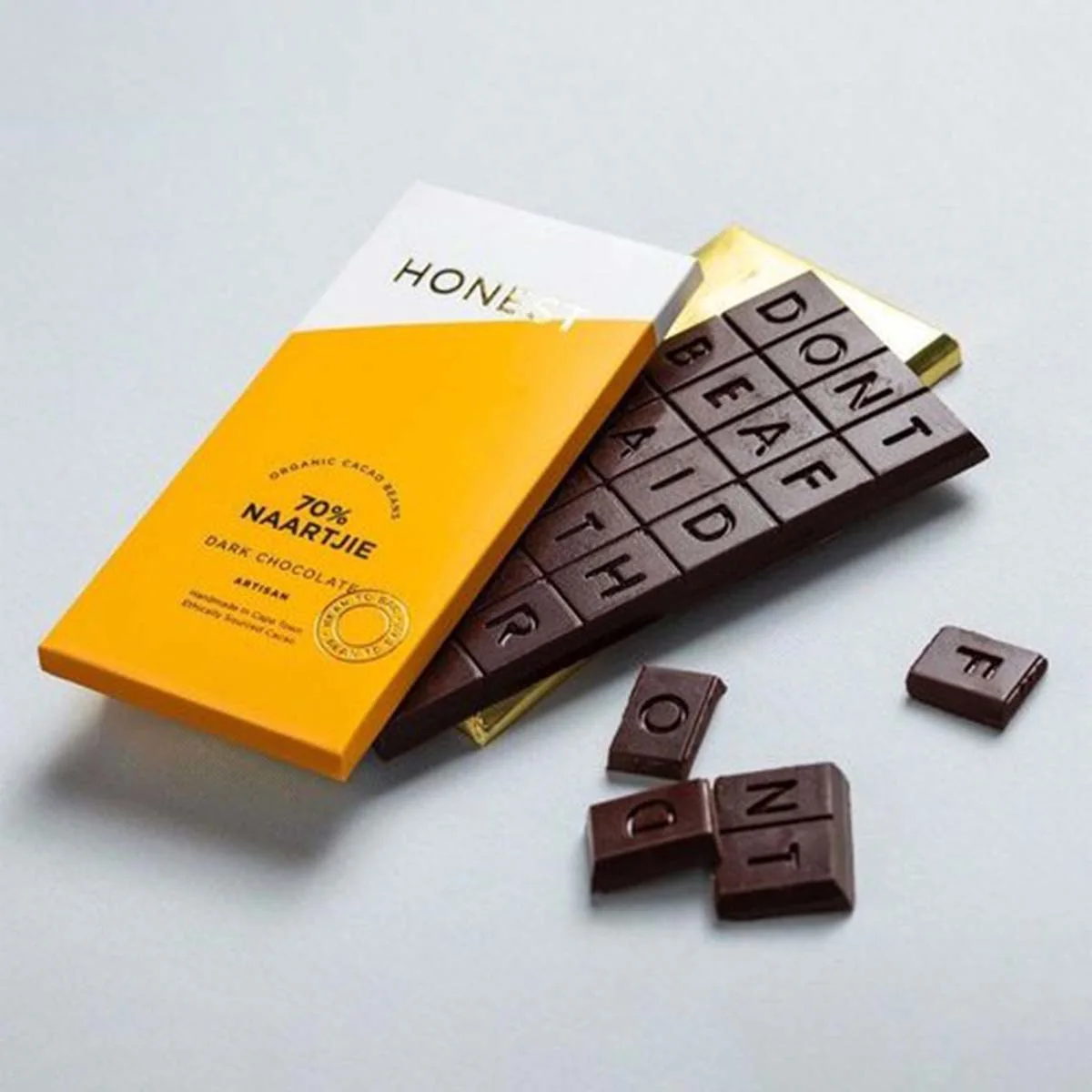
Choose the chocolate bar boxes photo closest to what you have in mind, add your logo, drag it into place and set the size. Send it with your sizes and we reply with a custom quote and a free design proof.
Drag the logo, or select it and use the arrow keys (Shift moves faster, + and − resize).
Related Products
Other packaging that is often ordered alongside chocolate bar boxes.
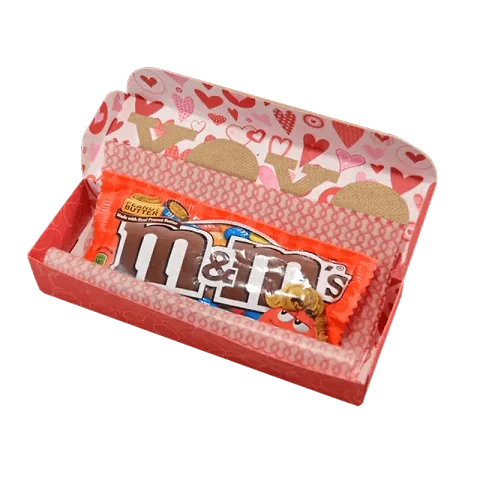
Candy Bar Boxes
Custom candy bar boxes cover two jobs: slim cartons that wrap a single chocolate or fudge bar, and display cases that hold a…
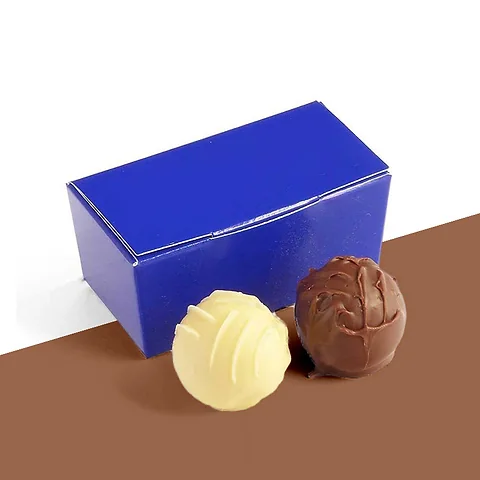
Luxury Chocolate Boxes
Custom luxury chocolate boxes are made from rigid wrapped board with fitted cavity trays, so every truffle and bonbon sits in…
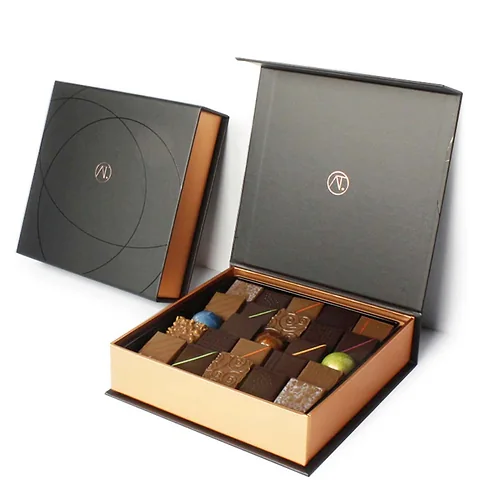
Chocolate Gift Boxes
Custom chocolate gift boxes turn a selection of truffles, pralines or bars into a present that feels finished before the…
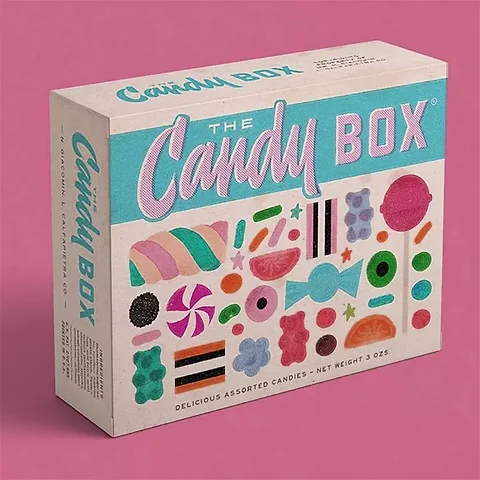
Custom Sweet Boxes
Custom sweet boxes turn a scoop of pick and mix or a handful of handmade fudge into something people are happy to carry out of…
Chocolate Bar Boxes Questions
What buyers ask before ordering chocolate bar boxes.
Do I need foil inside a chocolate bar box?
Yes, the printed box or wrap is the outer layer. The bar itself should be sealed in foil or a film first to keep air and moisture out. We size the outer pack to fit over that inner layer.
Should I measure the bar with or without foil?
Measure it wrapped. Foil folds add a little to the length and width, and a pack made to the bare bar size can tear the foil when it slides on.
Which is better for posting bars, a sleeve or a carton?
A tuck end carton protects the corners and edges far better in the post. Sleeves are lovely in shops but leave the foil ends exposed. For mail order, cartons inside a small mailer are the safer choice.
Can I print a different origin on each bar?
Yes. We can print several versions in one run, changing the origin name, colour panel or illustration. They are listed separately on your custom quote.
Can the inside of the wrap be printed?
Yes, inside print works on wraps, sleeves and cartons. Makers often use it for a farm note, a tasting guide or a map.
What finish suits craft chocolate?
Uncoated textured paper with a foil logo is a favourite for craft bars. Soft-touch lamination suits a more polished brand. We can advise if you send your artwork.
Can I add a tear strip so the bar opens neatly?
Yes, tear strips can be built into cartons so the buyer opens the pack along a clean line. It is useful for bars that are often shared.
How should I store the printed boxes before filling?
Keep them flat in a cool, dry place away from strong smells. Card can pick up odours, which may transfer to the chocolate.
How much do chocolate bar boxes cost?
Prices start from £0.25 per item depending on style, size and finish. You will get a custom quote by email within one working day.
Can I make a gift set from my bars?
Yes, a matching sleeve or slim box can hold two, three or four bars together. It is sized to the stack and printed in the same style as the single bars.
Will I see the folds on my proof?
Yes, the free design proof shows the flat layout with folds and glue areas marked, so you can see how text wraps around the edges.
Get a Price for Your Chocolate Bar Boxes
Fill in as much as you know. Sizes are in mm (internal sizes for boxes). If you have artwork, attach it; if not, a logo is enough to start the proof.
We reply with a custom quote by email within one working day, then send a free design proof before anything is printed.
- Phone+44 7578 382054
- WhatsAppMessage us
- Emailinfo@shopcustomboxes.co.uk
- HoursMonday to Friday, 9 am to 5.30 pm UK time
- OfficeOffice 704, 85 Dunstall Hill, Wolverhampton, WV6 0SR