 Custom Mailer Boxes
 Custom Shipping Boxes
 Custom Cardboard Boxes
 Custom Kraft Boxes
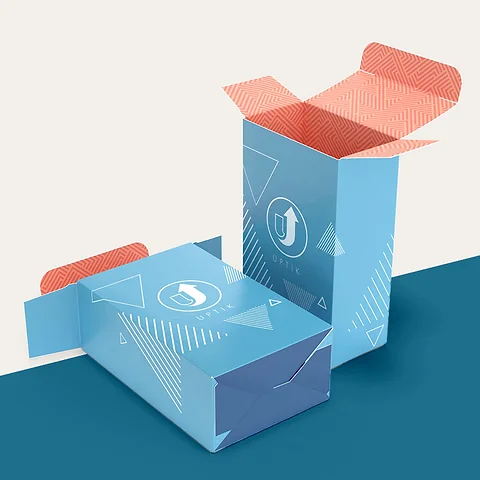 Custom Product Boxes
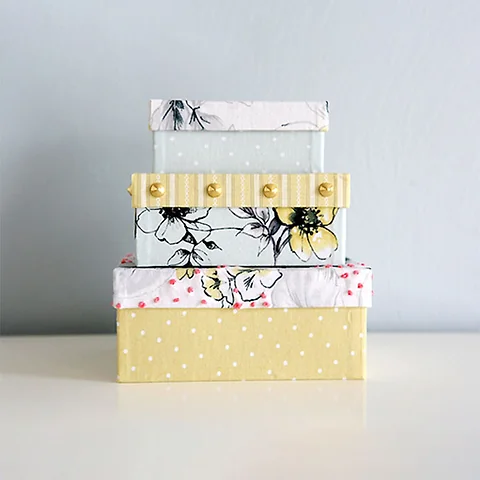 Custom Retail Boxes
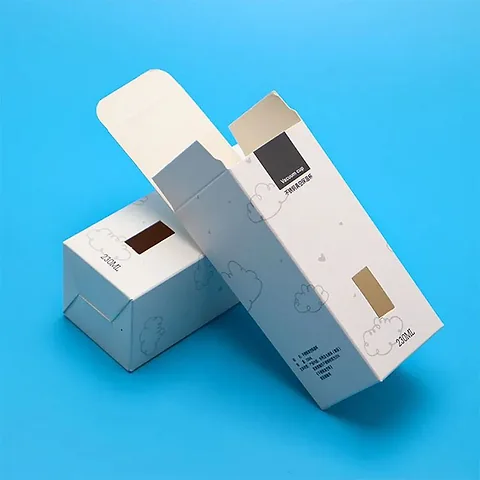 Custom Tuck End Boxes
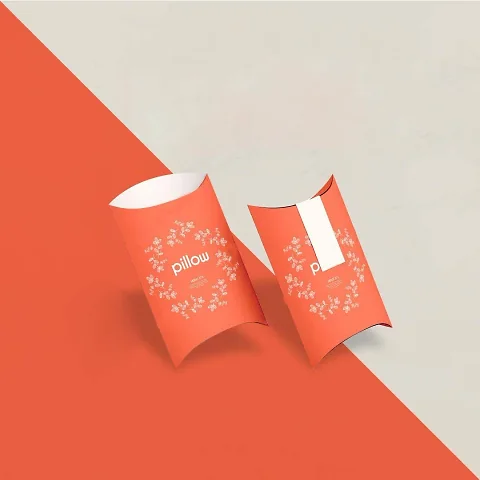 Custom Pillow Boxes
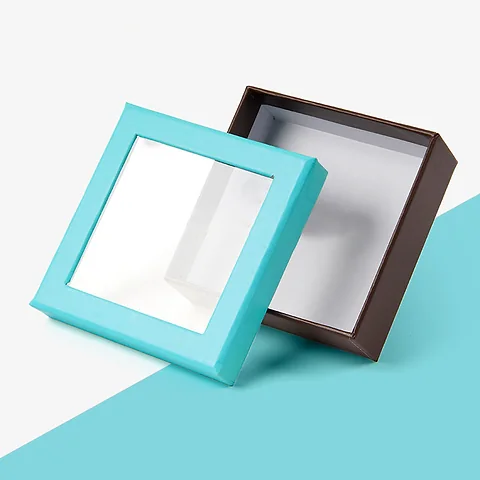 Custom Window Boxes
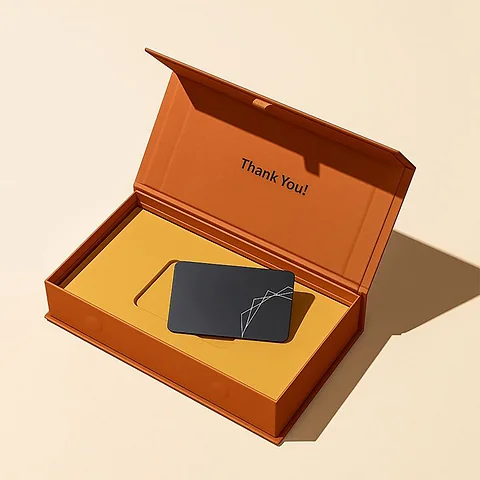 Custom Rigid Boxes
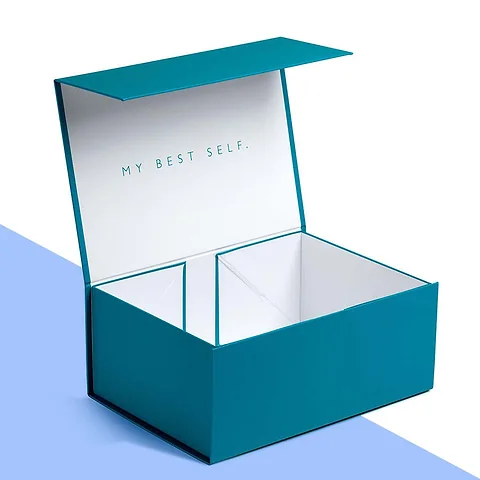 Custom Gift Boxes
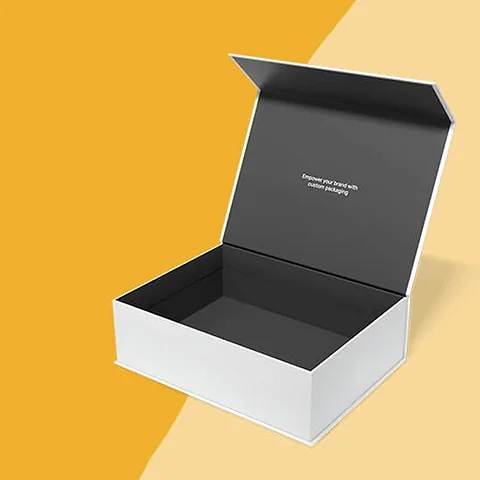 Custom Magnetic Boxes
 Custom Sleeve Boxes
 Custom Printed Boxes
 Custom Boxes with Logo
 Custom Box Inserts
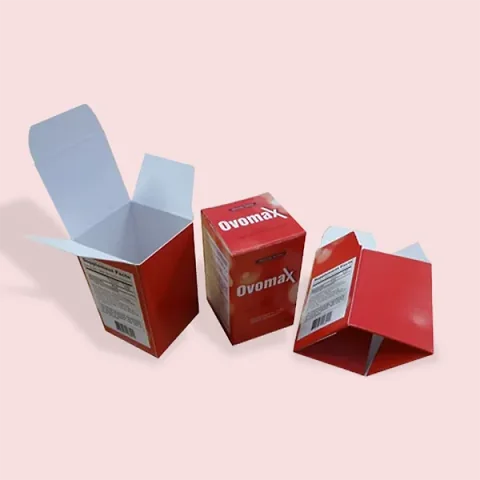
Custom 1-2-3 Bottom Boxes
Custom 1-2-3 bottom boxes close their base with three quick folds and no glue, giving a firm floor for heavier retail products without the cost of a pre-glued carton. We print them to your design, size them to your product and send a free proof before production.
- Design proofFree, approved by you before printing
- PriceCustom quote by email within one working day
- Production4–7 working days after proof approval
- DeliveryFree and tracked, UK mainland, 2–3 working days
- Misprints or damageReported within 10 days, reprinted or refunded
What the Name Means and How the Base Folds
The name comes from the way the base closes. Four flaps at the bottom of the carton are cut so they interlock when folded in a set order. Fold the first flap in, fold the second across it, then push the third into place so it locks under the others. That is one, two, three, and the base is shut. The top usually closes with a standard tuck flap.
Because nothing is glued, the carton is cheaper to make than a crash-lock or auto-bottom box, which needs a gluing step in production. It still gives a far stronger base than a plain tuck end, because the interlocking flaps share the weight between them.
The trade-off is a few extra seconds when assembling each box by hand. For small to medium runs packed in-house, that is rarely a problem, and the saving on each carton soon adds up.
The fold sequence becomes second nature after a few boxes. Show new staff once, then let them practise on a handful before a busy packing session. Always fold the flaps in the correct order; forcing the last flap from the wrong angle can crease the board.
For heavy items, place the product in gently rather than dropping it, and support the base with one hand when lifting a filled box for the first time. Pre-folding the bases of a stack of boxes before filling speeds up the whole process.
Products That Need a Stronger Floor
A plain tuck bottom works for light products, but anything with real weight can push the bottom flap open when the box is lifted. The 1-2-3 base solves that for a wide range of retail goods:
- Glass jars and bottles of sauces, oils and preserves
- Candles in jars and tins
- Cosmetics in glass containers
- Small electrical items and accessories
- Hardware such as fixings, hinges and plumbing fittings
- Boxed tea, coffee and dense food products
- Gift sets with several items
Often ordered by
- Food and sauce brands
- Candle makers
- Cosmetics brands with glass packaging
- Small electrical and accessory brands
- Hardware brands
- Gift set makers
Popular 1-2-3 Bottom Boxes Sizes
Sizes are in mm. Every order is cut to your size, so any size between these rows is fine.
| Size | Often used for |
|---|---|
| Small jar 70 x 70 x 90 mm | Small jars of sauce or cosmetics |
| Candle 90 x 90 x 105 mm | Jar candles and tins |
| Bottle 65 x 65 x 200 mm | Bottles of oil or dressing |
| Accessory 120 x 60 x 160 mm | Small electrical items and accessories |
| Gift set 180 x 80 x 140 mm | Two or three products with insert |
Not sure of the size? Send the product measurements and we work out the rest.
Styles
- 1-2-3 bottom with tuck top
- 1-2-3 bottom with window
- 1-2-3 bottom with hang tab
- Corrugated 1-2-3 bottom
Materials
- 350 gsm folding boxboard
- 400 gsm folding boxboard
- Kraft board
- E-flute corrugated
- Full-colour CMYK
- Pantone spot colours
- Printed inside panels
Finishes
- Matt laminate
- Gloss laminate
- Soft-touch laminate
- Foil
- Spot gloss
- Embossing
Extras
- Card inserts
- Windows
- Hang tabs
- Tamper-evident seals
See the board and finish guide for what each option looks like.
Production and Delivery
Production takes 4–7 working days after you approve the free design proof. Delivery to the UK mainland is free and tracked, and arrives in 2–3 working days once the order leaves production. The tracking link comes to you by email.
Reprints and Refunds
Check the order when it arrives. If anything is misprinted or damaged, report it within 10 days with a photo and we reprint or refund the items affected. Read the full returns and reprints policy.
Need it by a date?
Tell us the date with your sizes and we plan the proof and production around it.
1-2-3 Bottom Boxes Specification
| Style | 1-2-3 bottom with tuck top, 1-2-3 bottom with window, 1-2-3 bottom with hang tab, Corrugated 1-2-3 bottom |
|---|---|
| Material | 350 gsm folding boxboard, 400 gsm folding boxboard, Kraft board, E-flute corrugated |
| Full-colour CMYK, Pantone spot colours, Printed inside panels | |
| Finish | Matt laminate, Gloss laminate, Soft-touch laminate, Foil, Spot gloss, Embossing |
| Extras | Card inserts, Windows, Hang tabs, Tamper-evident seals |
| Size | Made to your size in mm |
| Minimum order | Low, quoted per job |
| Price | From £0.25 a box; custom quote by email within one working day |
| Proof | Free design proof before printing |
| Production | 4–7 working days after proof approval |
| Delivery | Free tracked UK mainland delivery, 2–3 working days |
Comparing It with Other Bottom Styles
It helps to see where the 1-2-3 base sits among the common carton bottoms. A straight or reverse tuck end has a single flap at the bottom and suits light products. A crash-lock or auto-bottom base is pre-glued so it springs into shape when the carton is opened, which is fastest to pack but costs more to produce. A seal end base is glued shut by the packer and suits machine filling.
The 1-2-3 base is the practical middle ground. It costs less than a crash-lock, holds weight far better than a tuck end and needs no glue at the packing bench. For brands packing by hand in batches of a few hundred, it is often the most sensible choice.
If you expect to move to machine packing later, mention it now, because a crash-lock base may suit a production line better.
Sizing and Board for Weight
Size the carton from your product as it will be packed, including any insert, wrap or leaflet. Add a millimetre or two on width and depth and a few millimetres on height so the product slides in and the top flap tucks cleanly. For glass, a closer fit or an insert stops the product moving.
Most 1-2-3 bottom boxes are made from 350 to 400 gsm folding boxboard. Heavier products such as large jars or metal items benefit from the stiffer grades, and for very heavy contents an E-flute corrugated version holds its shape better. If your product weighs more than about a kilogram, tell us and we will check the board choice.
Remember that the base carries the weight, so the flap design is adjusted to the board thickness. That is why we always produce the dieline for your exact size and board rather than scaling a stock template. The board weights for heavier products are explained in our board guide if you want to compare grades before asking for a quote.
Print and Finish Options
Every panel of a 1-2-3 bottom box can be printed, including the inside if you want a reveal when the lid opens. The base flaps are partly hidden once folded, so keep important information off them; barcodes and legal text belong on the side or back panels.
Matt and gloss laminates protect print and give either a soft or a vivid look. Foil logos, spot gloss and embossing all work on this style. Windows can be cut into the front panel to show the product, but avoid placing them too low, as they can weaken the base area.
For product ranges, keep the structure and layout the same and change colour, product name and photography. That way, one set of instructions covers packing for the whole range. Folding boxboard takes full colour print on every panel, so a plain base can sit under a richly printed body.
When a Mixed Range Shares One Box
Many small brands sell several products of similar size, such as three sauces in identical bottles or a set of candles in the same jar. A single 1-2-3 bottom box size can then cover the whole range, with different artwork for each product. That keeps packing simple because every carton folds the same way, and it lets you order a larger combined quantity, which helps keep the cost per carton down.
Where products are close in size but not identical, a fitted insert can take up the difference. A taller bottle and a shorter jar can share one carton if the shorter item sits on a raised card platform. It is a neat way to avoid ordering several nearly identical box sizes, each in small quantities.
For gift sets, a wider 1-2-3 bottom carton with a divided insert holds two or three products side by side. The locking base gives the set the strength to be carried by one end without the bottom opening. Where jars differ in height, card inserts sized to each jar let one carton serve the whole range.
Test the Flap Sequence Before You Order Thousands
The one thing worth doing before a 1-2-3 bottom order is to fold a plain sample with your real product inside. Weigh the filled carton, close the base in its three-step order and drop it onto a bench from waist height. If the base holds, the board grade is right; if a flap pops, we move you up a weight or switch to a crash-lock bottom carton instead. Send the weight with your dimensions and we will build that advice into the custom quote you receive within one working day.
On artwork, leave the four base flaps plain or in a flat colour, because two of them are hidden once locked. Put barcodes and legal text on the side panels. The free proof shows the flaps numbered in folding order, which doubles as a packing guide for your staff. Production runs 4 to 7 working days after you approve it, cartons arrive flat by tracked courier, and a misprinted or crushed batch reported within 10 days is reprinted or refunded.
Design Your 1-2-3 Bottom Box
Choose the 1-2-3 bottom boxes photo closest to what you have in mind, add your logo, drag it into place and set the size. Send it with your sizes and we reply with a custom quote and a free design proof.
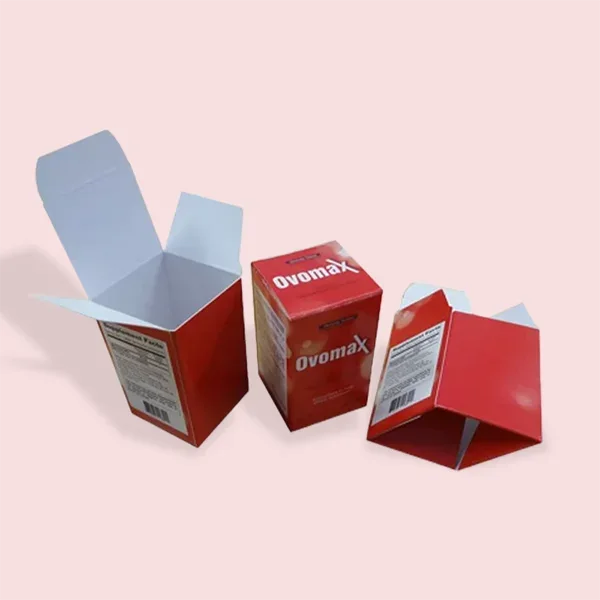

Drag the logo, or select it and use the arrow keys (Shift moves faster, + and − resize).
Related Products
Other packaging that is often ordered alongside 1-2-3 bottom boxes.
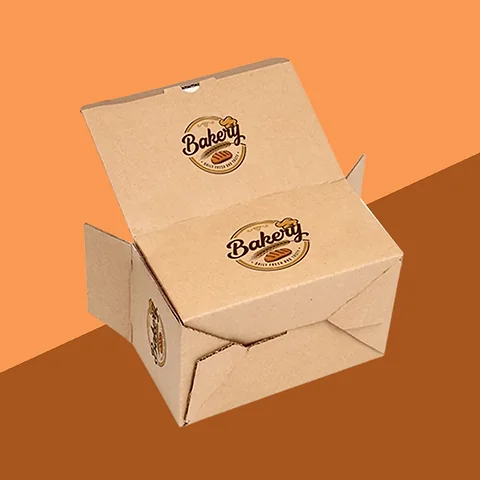
Auto Lock Bottom Boxes
Custom auto lock bottom boxes have a pre-glued crash-lock base that snaps into place as soon as you open the box, giving a…
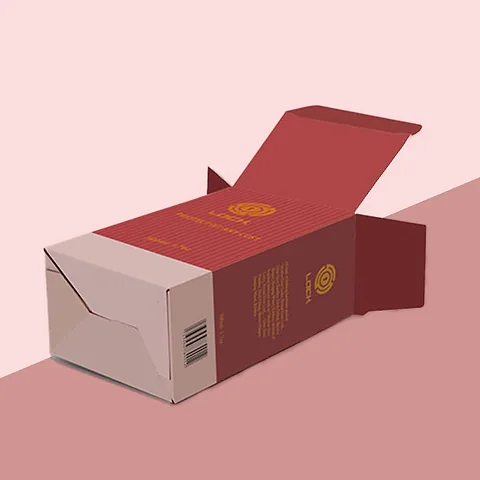
Tuck End Auto Bottom Boxes
Custom tuck end auto bottom boxes combine a base that locks itself as the carton is opened with a simple tuck flap at the top…
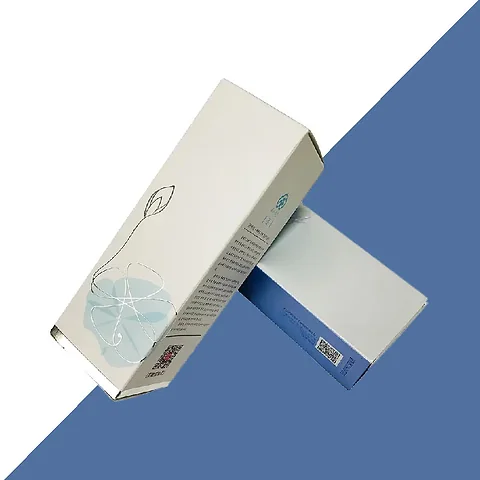
Straight Tuck End Boxes
Custom straight tuck end boxes are folding cartons where the top and bottom closing flaps both tuck in from the same side,…
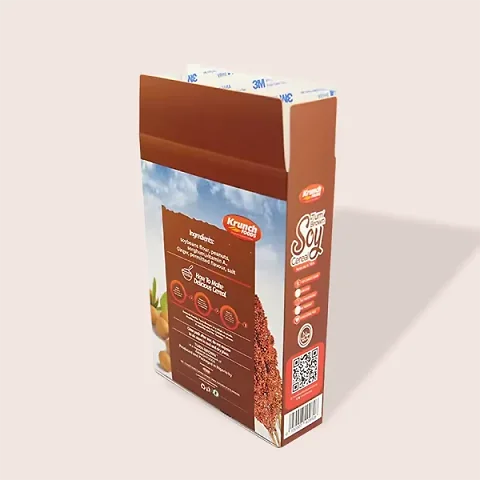
Seal End Boxes
Custom seal end boxes are the cartons you see on every cereal aisle: glued closed at the top and bottom, so they stay shut…
1-2-3 Bottom Boxes Questions
What buyers ask before ordering 1-2-3 bottom boxes.
How does a 1-2-3 bottom close?
Four flaps fold in a set order and interlock, locking the base without glue or tape. The top usually closes with a tuck flap.
Is it as strong as a crash-lock base?
It holds weight well for most retail products. A crash-lock base is faster to assemble but costs more because it is pre-glued.
Why choose this over a tuck end box?
A tuck bottom can open under weight. The 1-2-3 base shares the load across interlocking flaps, so heavier products stay secure.
Will a 1-2-3 base hold a 750 g glass jar?
Yes, on a 350 to 400 gsm board or an E-flute corrugated version. Tell us the filled weight and we recommend the lightest board that passes a drop test with your jar inside.
Is it slow to pack?
It takes a few extra seconds per box compared with a crash-lock base. Staff get quick with practice.
Can a window go on a 1-2-3 bottom carton?
Yes, on the front or side panel. We keep it in the upper two thirds of the box so the interlocking base area stays solid and the window edge never sits on a fold.
Can I print on the base?
You can, but the base flaps are partly hidden once folded. Keep barcodes and legal text on the sides or back.
Will it work on a packing machine?
It is designed for hand packing. For machine lines, a crash-lock or seal end base is usually better.
Can I add an insert?
Yes, card inserts hold jars and bottles steady and are sized to fit inside the carton.
How is a 1-2-3 bottom carton priced compared with a tuck end?
The two cost about the same per carton because the base is cut from the same blank; standard sizes start from £0.25. Inserts, windows and special finishes are quoted per job in your custom quote.
How long after approving the flap diagram will the cartons arrive?
Production takes 4 to 7 working days from the proof, then free tracked UK mainland delivery takes 2 to 3 working days. Cartons arrive flat in bundles, ready to lock up as you pack.
Get a Price for Your 1-2-3 Bottom Boxes
Fill in as much as you know. Sizes are in mm (internal sizes for boxes). If you have artwork, attach it; if not, a logo is enough to start the proof.
We reply with a custom quote by email within one working day, then send a free design proof before anything is printed.
- Phone+44 7578 382054
- WhatsAppMessage us
- Emailinfo@shopcustomboxes.co.uk
- HoursMonday to Friday, 9 am to 5.30 pm UK time
- OfficeOffice 704, 85 Dunstall Hill, Wolverhampton, WV6 0SR