 Custom Mailer Boxes
 Custom Shipping Boxes
 Custom Cardboard Boxes
 Custom Kraft Boxes
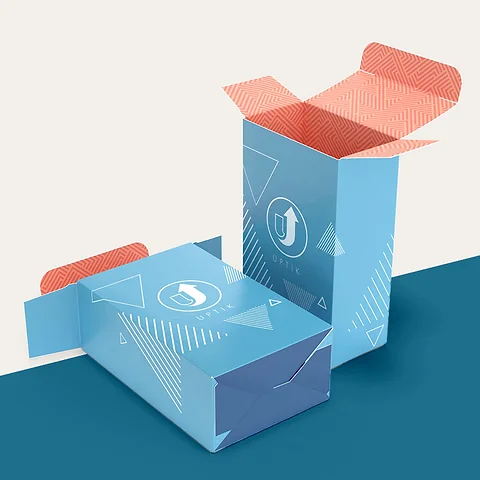 Custom Product Boxes
 Custom Retail Boxes
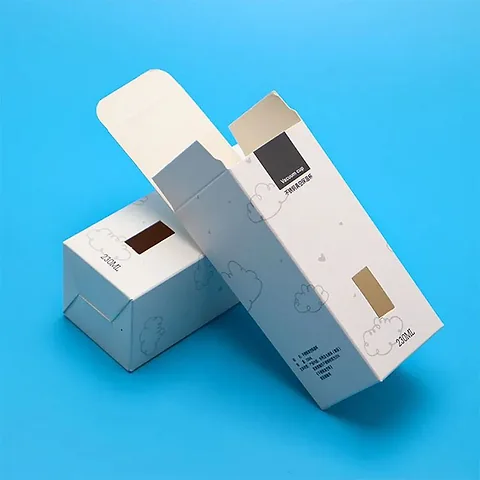 Custom Tuck End Boxes
 Custom Pillow Boxes
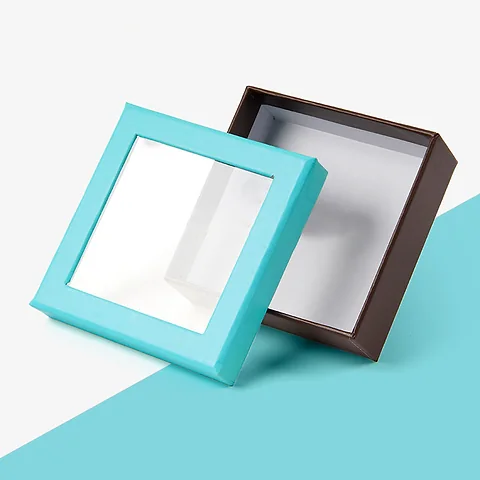 Custom Window Boxes
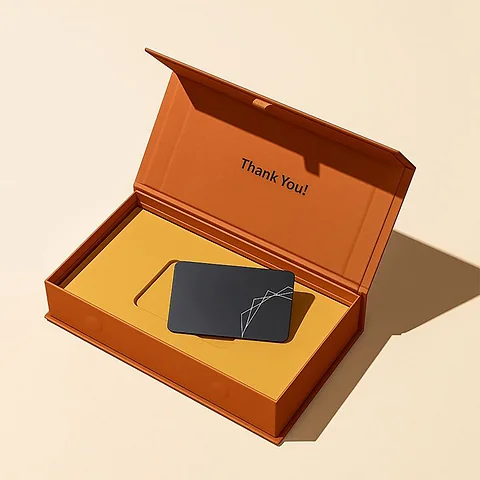 Custom Rigid Boxes
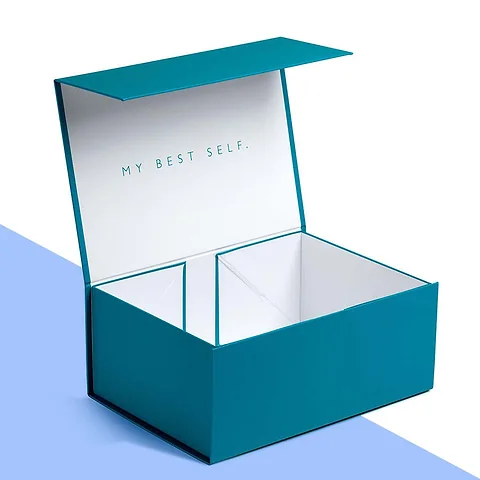 Custom Gift Boxes
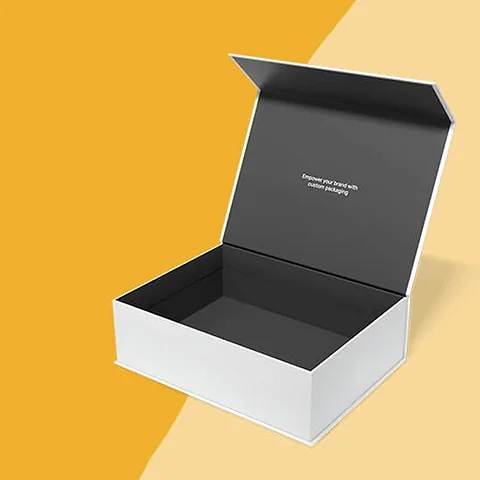 Custom Magnetic Boxes
 Custom Sleeve Boxes
 Custom Printed Boxes
 Custom Boxes with Logo
 Custom Box Inserts
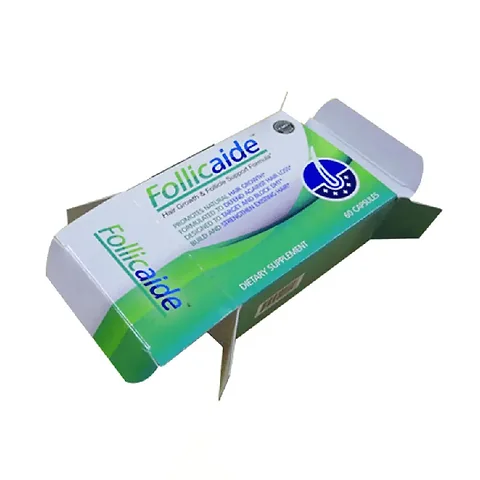
Custom Book Tuck End Boxes
Custom book tuck end boxes give a hardback, journal or special edition a printed outer carton that slides onto a shelf and opens with a simple flap. Publishers use them for collectors' editions and boxed sets, while stationery brands rely on them to keep notebooks clean and saleable until the moment they are bought.
- Design proofFree, approved by you before printing
- PriceCustom quote by email within one working day
- Production4–7 working days after proof approval
- DeliveryFree and tracked, UK mainland, 2–3 working days
- Misprints or damageReported within 10 days, reprinted or refunded
A Carton Built Around a Book
Books are flat, heavy for their size and unforgiving of damage. A dented corner or a scuffed jacket turns a full-price title into a discount item. A tuck end carton wraps the whole book in board, closes at both ends and leaves no gaps for dust or for a careless thumb to catch the jacket.
The tuck end format is popular because it is simple. The box arrives flat, folds into shape in seconds and closes by tucking a flap into the body. There is no glue or tape to fight with on the packing bench, and the customer can open and reclose it as often as they like, which matters for journals and planners that live in a bag.
Compared with a rigid slipcase, a folding carton is lighter, cheaper to post and quicker to produce, while still giving you a full printed surface on every face.
Measuring Hardbacks, Paperbacks and Journals
Measure the finished book, not the page size. A hardback cover overhangs the text block by a few millimetres on three sides, and the spine adds thickness that varies with paper weight. Take height, width and spine depth at the thickest point, including any ribbon marker, elastic closure or pen loop.
We then add a small allowance so the book slides in without forcing. Too tight and the jacket creases as it goes in; too loose and the book shifts and rubs. For journals with an elastic band, measure with the band fitted, because it adds more depth than most people expect.
If you publish a series in a fixed trim size, one carton design can serve every title in the set with only the artwork changing, which keeps reprints straightforward.
- Height: head to foot of the cover, not the page
- Width: spine edge to fore-edge including the cover overhang
- Depth: across the spine at its thickest point
- Extras: ribbons, elastic closures, pen loops and slipcase covers
Often ordered by
- Independent publishers
- Self-published authors
- Notebook and planner brands
- Book subscription clubs
- Museum and gallery shops
- Corporate report and brochure producers
Popular Book Tuck End Boxes Sizes
Sizes are in mm. Every order is cut to your size, so any size between these rows is fine.
| Size | Often used for |
|---|---|
| A5 notebook or journal A5 152 x 215 x 22 mm | Hardback notebooks, planners and diaries |
| Standard paperback 132 x 200 x 30 mm | B format paperbacks and novellas |
| Royal hardback 162 x 240 x 40 mm | Trade hardbacks and memoirs |
| Cookbook 200 x 255 x 35 mm | Illustrated cookbooks and lifestyle titles |
| Two-volume set 162 x 240 x 75 mm | Boxed pairs with a centre divider |
| A4 catalogue A4 215 x 302 x 25 mm | Exhibition catalogues and art books |
Not sure of the size? Send the product measurements and we work out the rest.
Styles
- Straight tuck end
- Reverse tuck end
- Tuck top with crash lock bottom
- Window front tuck box
- Two or three volume set carton
Materials
- White folding boxboard
- Kraft board
- Uncoated textured board
- Micro-flute corrugated for heavy titles
- Full colour CMYK
- Pantone spot colours
- Inside print
- Spine and flap print
Finishes
- Matt laminate
- Soft-touch laminate
- Gloss laminate
- Foil stamping
- Embossing and debossing
- Spot gloss
Extras
- Clear window
- Thumb notch
- Card divider for boxed sets
- Barcode panel
- Tear strip for first opening
See the board and finish guide for what each option looks like.
Production and Delivery
Production takes 4–7 working days after you approve the free design proof. Delivery to the UK mainland is free and tracked, and arrives in 2–3 working days once the order leaves production. The tracking link comes to you by email.
Reprints and Refunds
Check the order when it arrives. If anything is misprinted or damaged, report it within 10 days with a photo and we reprint or refund the items affected. Read the full returns and reprints policy.
Need it by a date?
Tell us the date with your sizes and we plan the proof and production around it.
Book Tuck End Boxes Specification
| Style | Straight tuck end, Reverse tuck end, Tuck top with crash lock bottom, Window front tuck box, Two or three volume set carton |
|---|---|
| Material | White folding boxboard, Kraft board, Uncoated textured board, Micro-flute corrugated for heavy titles |
| Full colour CMYK, Pantone spot colours, Inside print, Spine and flap print | |
| Finish | Matt laminate, Soft-touch laminate, Gloss laminate, Foil stamping, Embossing and debossing, Spot gloss |
| Extras | Clear window, Thumb notch, Card divider for boxed sets, Barcode panel, Tear strip for first opening |
| Size | Made to your size in mm |
| Minimum order | Low, quoted per job |
| Price | From £0.25 a box; custom quote by email within one working day |
| Proof | Free design proof before printing |
| Production | 4–7 working days after proof approval |
| Delivery | Free tracked UK mainland delivery, 2–3 working days |
Straight Tuck, Reverse Tuck or Tuck Top With Lock
A straight tuck end carton has both closing flaps on the same panel, which gives an unbroken front for artwork and suits books displayed face out. A reverse tuck end places the flaps on opposite panels and is usually a little more economical to cut. For heavier titles, a tuck top with a crash lock or auto bottom stops the base from opening under the weight of a thick hardback.
Boxed sets of two or three volumes often need a wider carton with a card divider, so the books stand neatly and do not lean into each other in transit. A thumb notch on the opening edge helps readers slide the book out without tearing the board.
For a gift edition, a window in the front panel can show the cover design or a foil title, letting the book sell itself while still being protected.
Printing That Reads Like a Book Jacket
The carton is often the first thing a reader sees, so treat it like a second jacket. Many publishers repeat the cover art on the front and put the blurb, barcode and publisher details on the back, so the carton can sit on a shop shelf exactly as the book would.
Full colour printing on white board reproduces illustrations and photographs faithfully. Kraft board suits notebooks, recipe journals and craft titles where a natural, handmade look fits the content. The spine panel is easy to overlook, but a clear title and author name there makes boxed books easy to find when they are shelved.
Uncoated board gives a soft, papery feel that suits literary titles, while a matt laminate protects against handling marks in busy shops.
Finishing Touches for Special Editions
Special editions are where finishing earns its keep. Foil stamping on the title, a blind emboss on the author's name or a spot gloss over a key illustration all signal that this is not the standard paperback. Soft-touch laminate gives a velvety handle that buyers notice the moment they pick the box up.
Printing the inside of the carton is another quiet upgrade. A map, a signature, a pattern from the endpapers or a short note from the author turns the opening into part of the reading experience.
Keep finishes consistent across a series so the boxes look like a set when collectors line them up on a shelf. Small changes in foil colour or laminate between reprints are easy to spot when volumes sit side by side. Foil on the spine or a spot gloss title is set up the same way as on gold foil embossed boxes, with the foil area supplied as a separate layer.
Who Orders Book Cartons and Why
Independent publishers order tuck end boxes for limited runs where every copy is signed or numbered. Self-published authors use them to make a launch edition feel special at book fairs and signings. Stationery brands pack notebooks and planners so the covers stay unmarked in shops and in the post.
Subscription book clubs use printed cartons to give each monthly title a consistent look, and museums and galleries box exhibition catalogues so they survive the journey home in a visitor's tote bag.
Companies also box annual reports, brand books and anniversary histories that go to clients and investors. In that setting the carton does the job of a presentation folder: it keeps the book pristine on a desk and tells the recipient the document deserves attention.
Whatever the reason, the common thread is a book that has to arrive looking new. A carton that fits properly does that more reliably than bubble wrap or a padded envelope ever can, and it gives you another surface to sell from. Publishers posting single copies often slip the carton into a corrugated media mailer so the tuck end box stays clean.
Measure the Spine on the Fattest Copy
Books from the same print run vary by a millimetre or two, and a tuck end box has no give, so measure the spine depth on the thickest copy you can find rather than the first one off the pile. Add 3 mm to the spine and 4 mm to the height and width for a hardback with a jacket, and 2 mm each way for a paperback. Measure with any belly band or ribbon fitted, because they add more than people expect.
Send the trim size, that spine measurement and the number of titles sharing the box, and a quote comes back by email within one working day from £0.25 per carton. The free proof shows the cover panel at full size so the title sits square to the box edges. Cartons are made in 4 to 7 working days once approved and reach UK mainland addresses by tracked courier at no cost; print faults or crushed stock reported within 10 days are reprinted or refunded. For a signed edition that needs a lift-off lid, the book-style gift boxes with magnetic flaps are the next step up.
Design Your Book Tuck End Box
Choose the book tuck end boxes photo closest to what you have in mind, add your logo, drag it into place and set the size. Send it with your sizes and we reply with a custom quote and a free design proof.
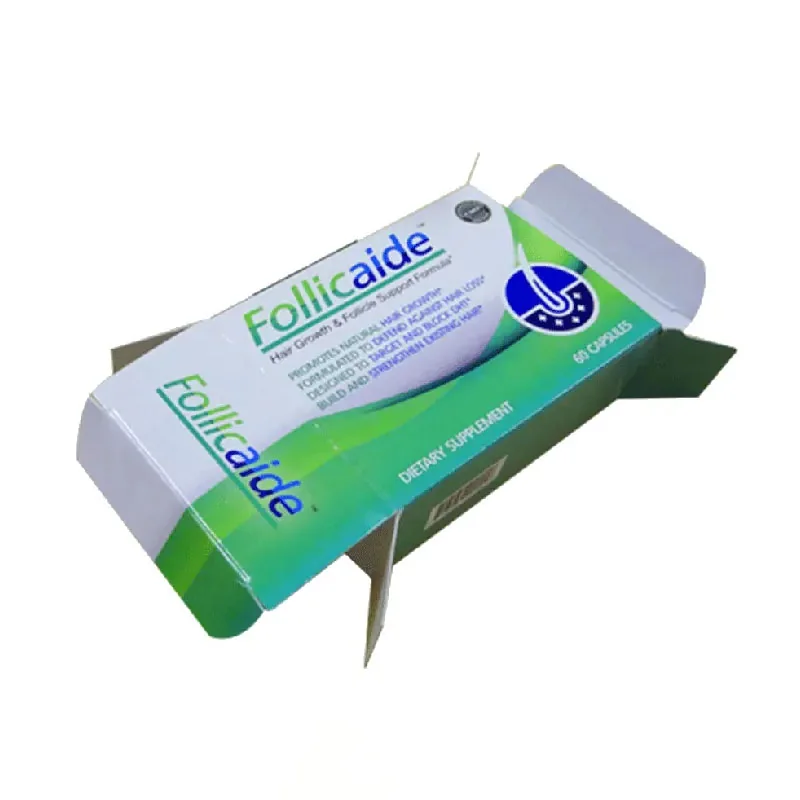

Drag the logo, or select it and use the arrow keys (Shift moves faster, + and − resize).
Related Products
Other packaging that is often ordered alongside book tuck end boxes.
Full Flap Auto Bottom Boxes
Custom full flap auto bottom boxes combine two strengths in one carton: a pre-glued base that snaps into a locked floor the…
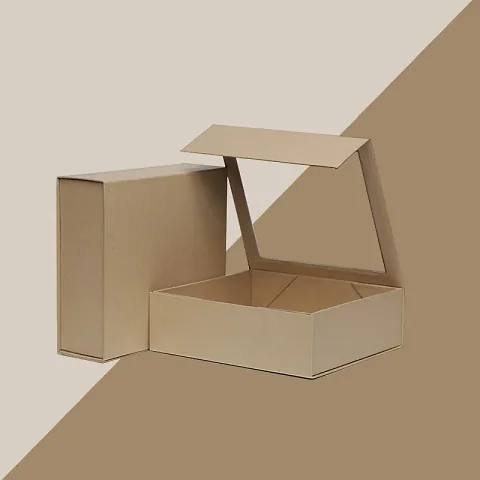
Foldable Window Boxes
Custom foldable window boxes arrive as flat printed sheets and fold into sturdy boxes in seconds, each with a clear film panel…
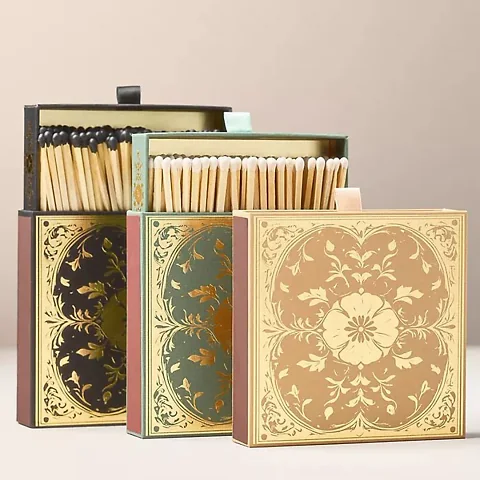
Matchbox-Style Slide Boxes
Custom matchbox-style slide boxes pair a printed outer sleeve with an inner tray that slides out, exactly like a box of…
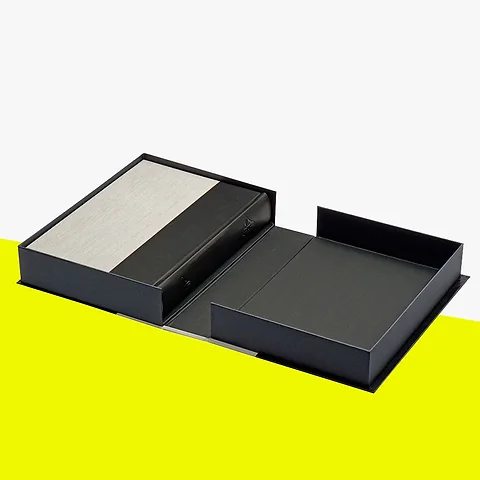
Book-Style Gift Boxes
Custom book-style gift boxes open like a hardback: the front cover swings across on a hinged spine and closes with a hidden…
Book Tuck End Boxes Questions
What buyers ask before ordering book tuck end boxes.
Should I measure the page size or the cover size?
Always the cover. A hardback board overhangs the pages, and that extra few millimetres decides whether the book slides in or jams. Measure the thickest point of the spine as well.
Can a tuck end box take the weight of a thick hardback?
For most titles, yes. For very heavy books we suggest a crash lock bottom or a micro-flute board so the base cannot open under load when the box is picked up by the top.
Can the carton carry the ISBN barcode?
Yes. Many publishers print the barcode, price panel and publisher details on the back so the boxed book can be scanned at the till without opening it. Leave enough quiet space around the barcode for scanners.
Which board suits a handmade journal?
Kraft or uncoated board suits journals with a crafted feel. Both take one or two colour print beautifully and match natural paper covers and stitched bindings.
Can one carton fit every book in a series?
If the series shares a trim size and the spines are similar, yes. We size to the thickest volume and you change only the artwork for each title.
How do I stop the jacket getting scuffed when sliding the book in?
Allow enough clearance on width and depth, and add a thumb notch so the book can be gripped and slid out rather than shaken. A matt laminate inside the box also reduces friction.
Is a window a good idea on a book box?
It works well when the cover art is the main selling point, such as an illustrated gift edition. For signed or numbered copies, a closed carton keeps the surprise until opening.
Can the inside of a book carton carry the series artwork?
Yes. The reverse of the board prints at the same time as the outside, so an endpaper pattern, a map or a short author note inside the carton costs very little extra. It shows as a second layer on the proof so you can check it sits behind the front panel, not the tucks.
How soon can boxes arrive for a launch event?
Allow 4 to 7 working days for production after you sign off the free proof, then 2 to 3 working days for free tracked delivery to the UK mainland. Book in early if your launch date is fixed.
What if some cartons arrive with print faults?
Report any misprint or damage within 10 days and we reprint or refund those boxes. Keeping a few spares also covers copies damaged at signings.
Do book tuck end cartons arrive folded or flat?
They arrive flat, glued along one seam, and open into a box with a push on the sides. A packer tucks the bottom flaps, slides the book in and closes the top, which takes about ten seconds once the first few are done. Stored flat, a thousand cartons take up about the space of a filing cabinet drawer.
Get a Price for Your Book Tuck End Boxes
Fill in as much as you know. Sizes are in mm (internal sizes for boxes). If you have artwork, attach it; if not, a logo is enough to start the proof.
We reply with a custom quote by email within one working day, then send a free design proof before anything is printed.
- Phone+44 7578 382054
- WhatsAppMessage us
- Emailinfo@shopcustomboxes.co.uk
- HoursMonday to Friday, 9 am to 5.30 pm UK time
- OfficeOffice 704, 85 Dunstall Hill, Wolverhampton, WV6 0SR