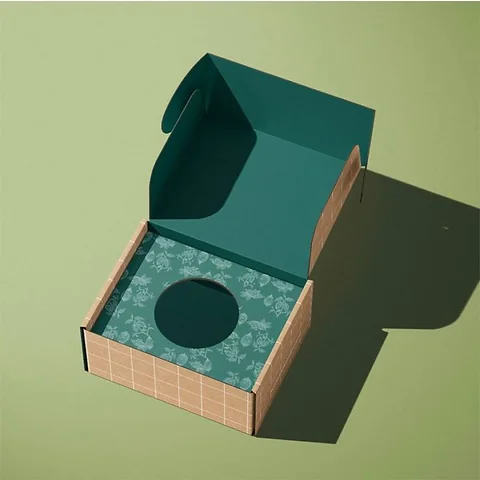
 Custom Mailer Boxes
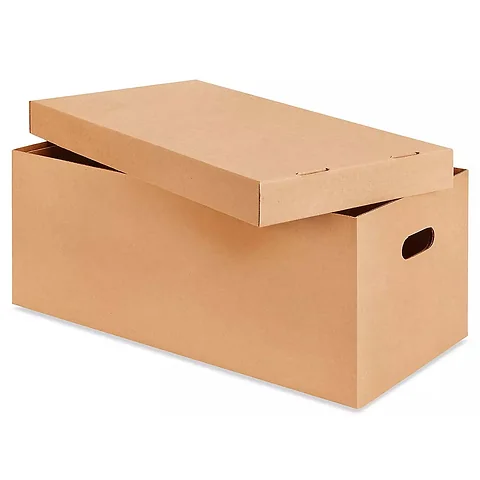 Custom Shipping Boxes
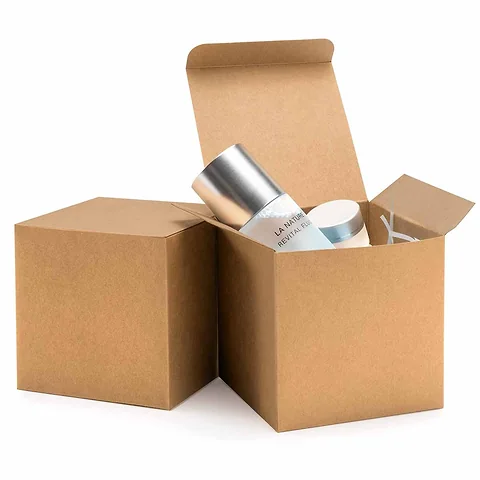 Custom Cardboard Boxes
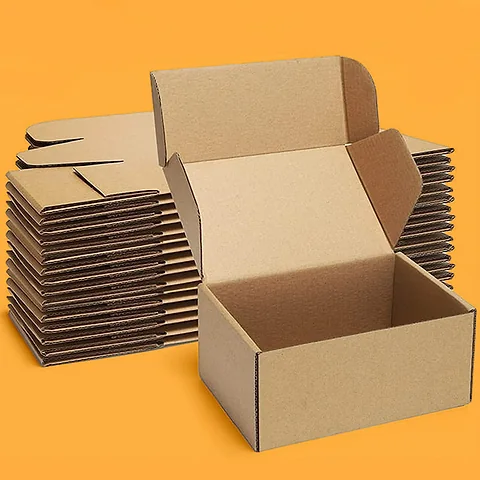 Custom Kraft Boxes
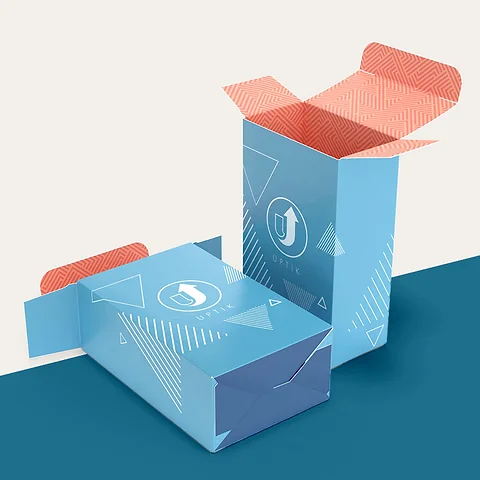 Custom Product Boxes
 Custom Retail Boxes
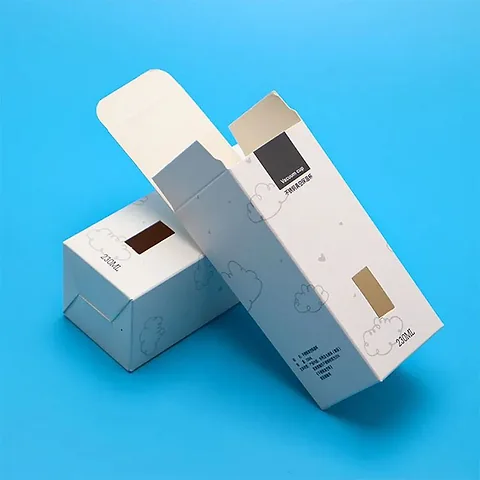 Custom Tuck End Boxes
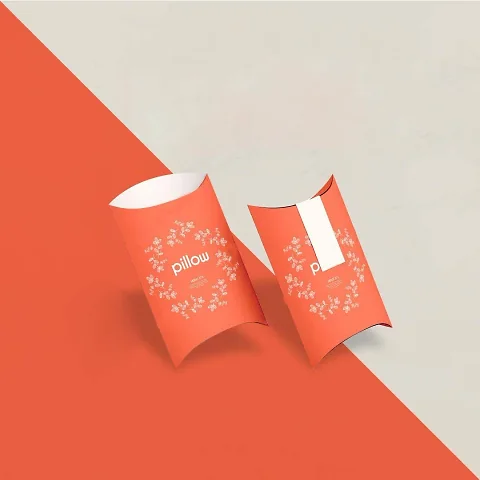 Custom Pillow Boxes
 Custom Window Boxes
 Custom Rigid Boxes
 Custom Gift Boxes
 Custom Magnetic Boxes
 Custom Sleeve Boxes
 Custom Printed Boxes
 Custom Boxes with Logo
 Custom Box Inserts
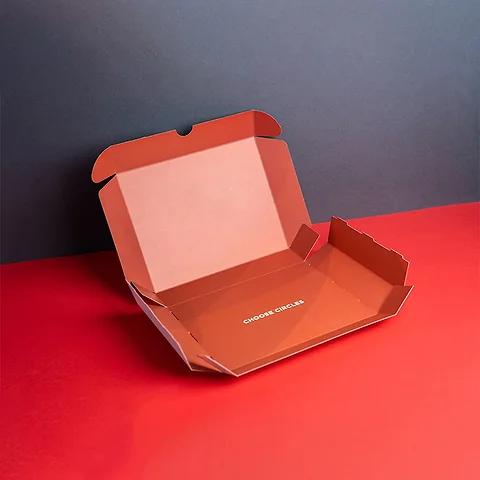
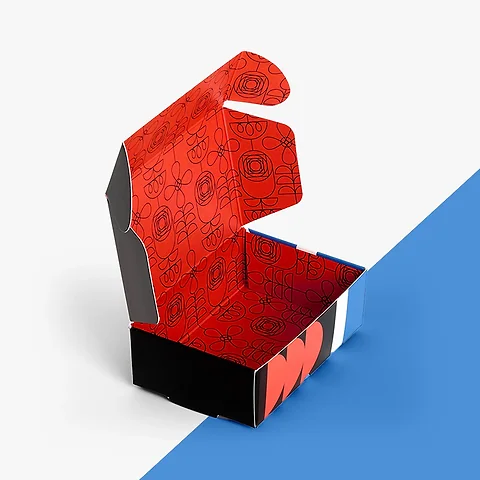
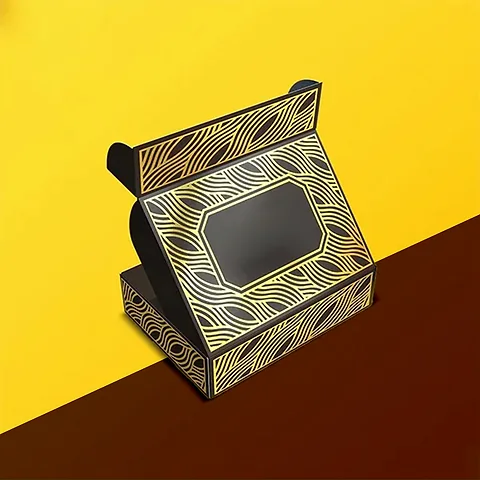
Custom Roll End Tuck Top Boxes
Custom roll end tuck top boxes are the folding mailers behind most online orders that arrive in a neat printed box rather than a padded bag. They lock shut without tape, open like a lid and can be printed inside and out, and every order starts with a free proof.
- Design proofFree, approved by you before printing
- PriceCustom quote by email within one working day
- Production4–7 working days after proof approval
- DeliveryFree and tracked, UK mainland, 2–3 working days
- Misprints or damageReported within 10 days, reprinted or refunded
Anatomy of a Roll End Tuck Top
The name describes how the box is built. The side walls roll over at each end, folding in on themselves to create double-thickness walls with no raw edges showing. The lid is hinged at the back and has a tuck flap at the front that slides down inside the front wall. Two small locking ears on either side of the lid slot into cut-outs, so the lid clicks shut and stays shut.
Dust flaps on the lid stop the edges of the contents catching when the box is closed and keep out dust and grit in transit. Because the whole box is cut from a single sheet and folds together without glue, it arrives flat, assembles in seconds and can be opened and closed many times without wearing out.
Compared with a standard slotted carton sealed with tape, it looks far more finished on arrival, and customers open it with their fingers rather than a knife, which protects whatever is inside. Where the rolled walls are not needed, tuck top mailer boxes without rolled ends use less board.
Who Ships in These Boxes
Roll end tuck tops cover a remarkably wide range of products, from a single candle to a folded jumper. They are the default choice for subscription boxes and online shops that want a branded unboxing without the cost of rigid packaging.
They are equally useful for internal post, sample packs sent to trade buyers and products sold at markets that also need to be posted to online customers.
Because the box looks good enough to give as it is, many sellers skip gift wrap altogether and let the printed mailer do the job, adding just a sticker seal and a handwritten card.
- Subscription boxes for beauty, snacks, books and hobbies
- Clothing and accessories sold online
- Candles, homeware and gifts
- Cosmetics and skincare sets
- Small electronics and accessories with an insert
- Corporate welcome packs and merchandise
Often ordered by
- Online shops
- Subscription box companies
- Clothing brands
- Candle and homeware makers
- Cosmetics brands
- Corporate merchandise teams
- Craft sellers
Popular Roll End Tuck Top Boxes Sizes
Sizes are in mm. Every order is cut to your size, so any size between these rows is fine.
| Size | Often used for |
|---|---|
| Large letter mailer 220 x 160 x 22 mm | Flat items such as cards, socks and prints |
| Small 150 x 150 x 60 mm | Candles, cosmetics and accessories |
| Medium 250 x 180 x 80 mm | Subscription boxes and gift sets |
| Clothing 320 x 240 x 70 mm | Folded T-shirts and knitwear |
| Large 350 x 250 x 120 mm | Homeware and bulkier bundles |
Not sure of the size? Send the product measurements and we work out the rest.
Styles
- Roll end tuck top mailer
- Roll end tuck top with tear strip
- Roll end tuck top with insert
- Lightweight boxboard version
Materials
- E-flute corrugated
- B-flute corrugated
- Folding boxboard
- Kraft, white or mottled white liner
- Full-colour digital outside and inside
- One or two colour flexo on kraft
- Pantone spot colours
- Inside-only print
Finishes
- Matt laminate
- Gloss laminate
- Uncoated kraft
- Spot gloss
Extras
- Locking ears and dust flaps
- Tear strips
- Peel and seal tape strips
- Return tape strips
- Custom card inserts
See the board and finish guide for what each option looks like.
Production and Delivery
Production takes 4–7 working days after you approve the free design proof. Delivery to the UK mainland is free and tracked, and arrives in 2–3 working days once the order leaves production. The tracking link comes to you by email.
Reprints and Refunds
Check the order when it arrives. If anything is misprinted or damaged, report it within 10 days with a photo and we reprint or refund the items affected. Read the full returns and reprints policy.
Need it by a date?
Tell us the date with your sizes and we plan the proof and production around it.
Roll End Tuck Top Boxes Specification
| Style | Roll end tuck top mailer, Roll end tuck top with tear strip, Roll end tuck top with insert, Lightweight boxboard version |
|---|---|
| Material | E-flute corrugated, B-flute corrugated, Folding boxboard, Kraft, white or mottled white liner |
| Full-colour digital outside and inside, One or two colour flexo on kraft, Pantone spot colours, Inside-only print | |
| Finish | Matt laminate, Gloss laminate, Uncoated kraft, Spot gloss |
| Extras | Locking ears and dust flaps, Tear strips, Peel and seal tape strips, Return tape strips, Custom card inserts |
| Size | Made to your size in mm |
| Minimum order | Low, quoted per job |
| Price | From £0.25 a box; custom quote by email within one working day |
| Proof | Free design proof before printing |
| Production | 4–7 working days after proof approval |
| Delivery | Free tracked UK mainland delivery, 2–3 working days |
Board Grades and Flute Sizes
Most roll end tuck tops are made from E-flute corrugated board, which has small, tight flutes. It is thin enough to fold crisply and print sharply, yet strong enough to protect most items in the post. B-flute has larger flutes and gives more cushioning and crush resistance for heavier contents such as glass jars or books.
For very light items, such as a scarf or a pack of cards, a folding boxboard version without flutes can work and costs less, although it offers little protection against heavy parcels stacked on top. The outer liner can be brown kraft, white or mottled white. Kraft gives a natural look and hides scuffs; white shows colours more brightly.
If you are unsure, send us the item and its weight. A quick check of fill weight against the board grade avoids crushed corners once parcels are in the courier network. You can see E-flute and B-flute compared in our board guide.
Print Inside, Outside or Both
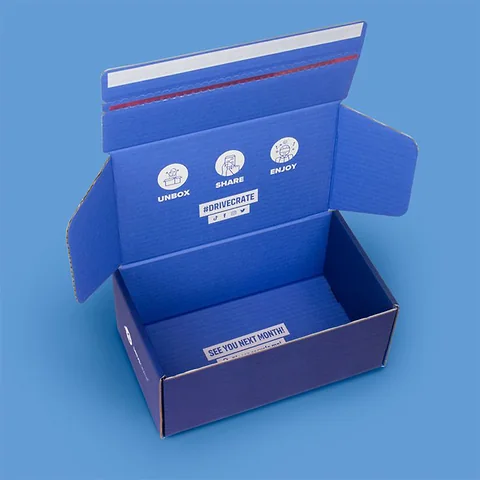
A plain kraft outside with a fully printed inside is one of the most popular combinations. The box travels discreetly, which can deter theft, and the customer gets a burst of colour when they lift the lid. Printing the inside lid with a thank-you message, a pattern or a social handle encourages people to share a photo of the opening.
Full outer print turns the box into a moving advert as it passes through sorting depots, communal hallways and offices. If your product is something people prefer to receive discreetly, keep the outside plain and the branding inside.
Digital printing suits short runs and many designs, such as different subscription themes each month. Flexographic print in one or two colours on kraft keeps costs low for larger, consistent runs. White-lined board takes inside print on corrugated so the opening carries a message.
Sizing for the Product and the Post
Measure your product, or the largest combination of products you send, and add room for any insert, tissue or filler. For a snug fit with tissue, add around 5 mm on each dimension. If you use a card insert, size the insert first and then the box around it.
Then check the outer size against postal limits. A mailer under 25 mm deep may qualify as a large letter, while anything deeper is a small parcel. Keeping a box shallow enough to drop into a cheaper postage band can save more money over a year than any saving on the box itself. We can show you the outer dimensions on the proof so you can compare them before you sign off.
For subscription boxes whose contents change every month, size around the bulkiest month you expect and use paper fill in quieter months, rather than ordering a new size each time.
Inserts and Finishing Touches
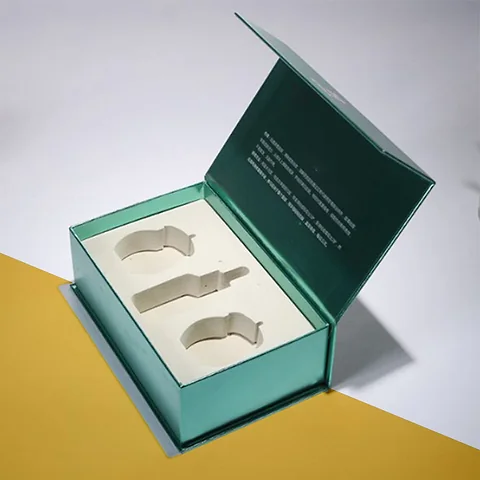
A card insert with cut-outs holds products in position and gives a tidy reveal. Tear strips along the front make opening easier and show if a parcel has been tampered with. Double-sided tape strips on the tuck flap allow a box to be sealed securely for postage, and a second strip lets a customer return an item in the same box.
Matt or gloss lamination on printed boxes adds resistance to scuffs and damp. Spot colours in your exact brand shade keep the box consistent with your website and other packaging.
Think about packing speed too. A box that takes ten seconds longer to fold and fill adds up to hours across a busy month. Folding a stack of boxes before a dispatch session, keeping inserts pre-folded beside them and placing tape strips on the flap in advance all make packing smoother. If you pack several sizes, printing a small size code on an inside flap helps staff grab the right box without measuring. Products that must not move sit in card inserts with cut-outs sized to the mailer.
Fold a Sample Box Twice Before You Finalise the Inside Dimensions
Roll end boxes lose a few millimetres on each side to the rolled walls, so an inside dimension taken from the product alone can end up tight. Ask for a plain sample in your size, fold it twice to learn the assembly, and pack the product with its insert or tissue before you sign off the dieline. Decide whether the outside stays plain kraft with print inside for a discreet parcel, and whether a peel-and-seal strip and tear strip are needed for returns. Keep the outer depth under 25 mm if the box must post as a large letter. Subscription boxes that change design monthly suit digital print, and a mailer with a fitted card insert stops products moving.
Send the inside dimensions or the product sizes, the board, your print plan and quantities, and a custom quote comes by email within one working day. The free proof shows the dieline with artwork on every panel, including the inside. Production takes 4 to 7 working days after approval, boxes arrive flat by tracked courier to UK mainland addresses, and damaged or misprinted boxes reported within 10 days are reprinted or refunded.
Design Your Roll End Tuck Top Box
Choose the roll end tuck top boxes photo closest to what you have in mind, add your logo, drag it into place and set the size. Send it with your sizes and we reply with a custom quote and a free design proof.
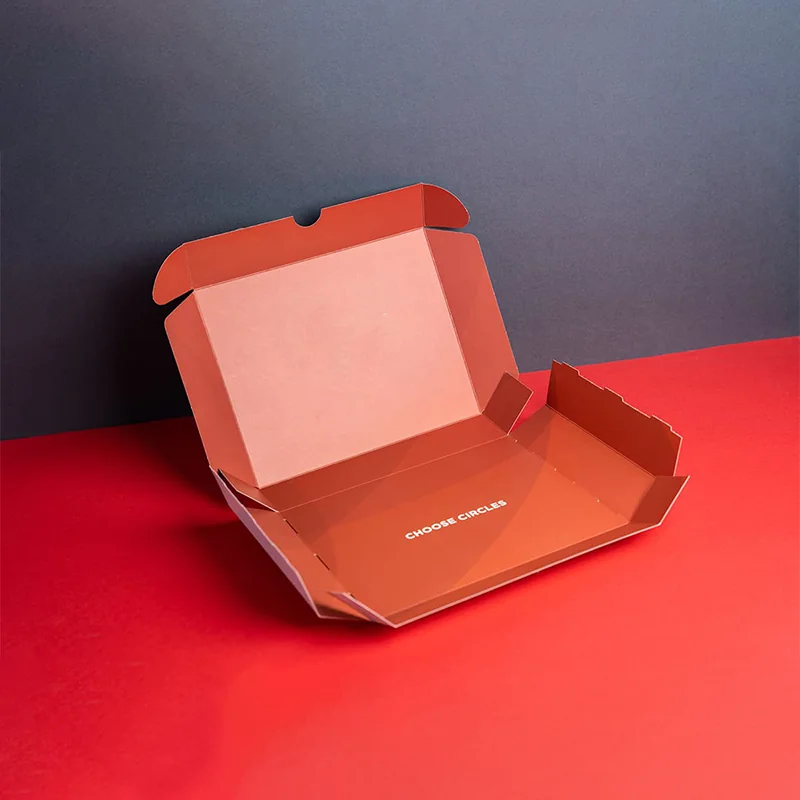

Drag the logo, or select it and use the arrow keys (Shift moves faster, + and − resize).
Related Products
Other packaging that is often ordered alongside roll end tuck top boxes.
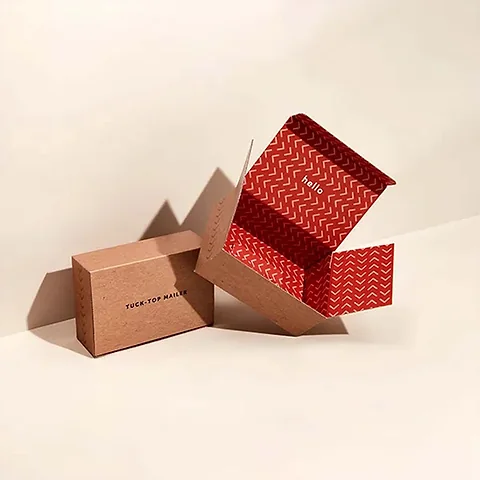
Tuck Top Mailer Boxes
Custom tuck top mailer boxes are the familiar postal box with a front tuck lid, side dust flaps and locking ears, folded from…
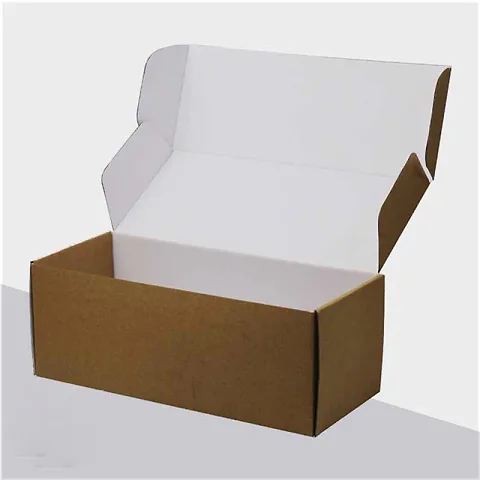
Double Wall Tuck Top Boxes
Custom double wall tuck top boxes pair two layers of corrugated fluting with a hinged lid that tucks in at the front, so heavy…
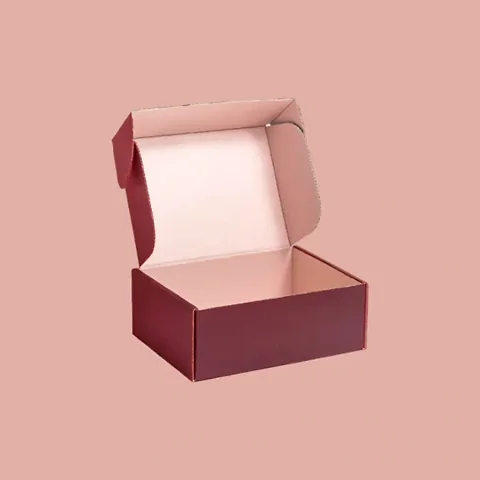
Double Wall Tuck Front Boxes
Custom double wall tuck front boxes combine the strength of two-layer corrugated board with the neat, lid-style opening of a…
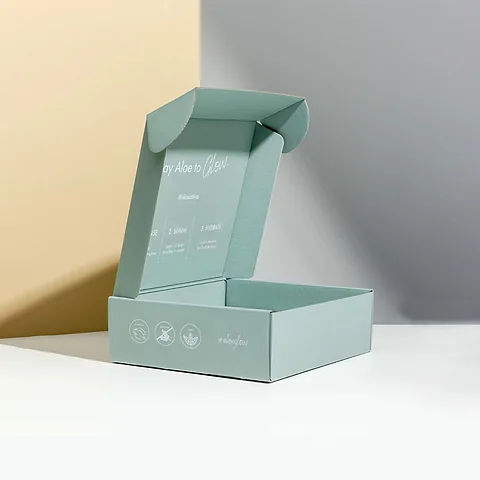
Corrugated Folding Boxes
Custom corrugated folding boxes arrive flat, store in a fraction of the space of made-up cartons and fold into a strong…
Roll End Tuck Top Boxes Questions
What buyers ask before ordering roll end tuck top boxes.
Do roll end tuck top boxes need tape?
No, the locking ears hold the lid shut. Many sellers add a peel and seal strip for extra security in the post and tamper evidence.
What is the benefit of the rolled ends?
Rolling the side walls over creates double-thickness ends with no raw edges, which makes the box stronger and neater.
E-flute or B-flute?
E-flute suits most products and prints crisply. B-flute adds cushioning and crush resistance for heavier items such as jars and books.
Can I print only the inside?
Yes. A plain kraft outside with a printed inside is a popular combination for a discreet parcel and a colourful opening.
Can these boxes be sent as a large letter?
If the outer depth stays under 25 mm and the other dimensions fit large letter limits, yes. We show outer sizes on the proof so you can check.
Can a roll end tuck top box be resealed for a clothing return?
Yes, with a second tape strip on the tuck flap. The customer opens the box along the tear strip and reseals it on the fresh strip, and the locking ears still hold the lid square.
Can a subscription box change its print every month on the same dieline?
Yes. Digital printing makes a new design each month practical on the same box size, and the dieline stays on file so only the artwork changes between runs.
How do I stop products moving inside?
A card insert with cut-outs holds items in place. Tissue or paper fill works for softer products such as clothing.
How much storage do a thousand roll end mailers take?
Very little. They arrive flat in bundles and fold together in seconds without glue, so a thousand mailers stack on a single pallet space or a few shelves.
Is there a starting price?
Simple printed mailers start from £0.25 each depending on size and print. Larger boxes and inserts are quoted per job.
Can I see the box before a big order?
Every order includes a free design proof. Ask about a plain sample in your size if you want to test the fit with your product.
Get a Price for Your Roll End Tuck Top Boxes
Fill in as much as you know. Sizes are in mm (internal sizes for boxes). If you have artwork, attach it; if not, a logo is enough to start the proof.
We reply with a custom quote by email within one working day, then send a free design proof before anything is printed.
- Phone+44 7578 382054
- WhatsAppMessage us
- Emailinfo@shopcustomboxes.co.uk
- HoursMonday to Friday, 9 am to 5.30 pm UK time
- OfficeOffice 704, 85 Dunstall Hill, Wolverhampton, WV6 0SR